Core technologies that define premium yacht grade fish finders
Three pillars define the best marine fish finders for boats used on yachts: sonar quality, GPS precision, and screen readability. High end CHIRP sonar typically sweeps across ranges such as 50–200 kHz in low and medium bands and up to around 240–250 kHz in high bands, returning detailed echoes that separate individual fish from bait clouds and bottom structure. Manufacturer specifications for transducers such as the Garmin GT series, Airmar B175, or Humminbird MEGA Imaging confirm these frequency ranges in their technical manuals and product data sheets.
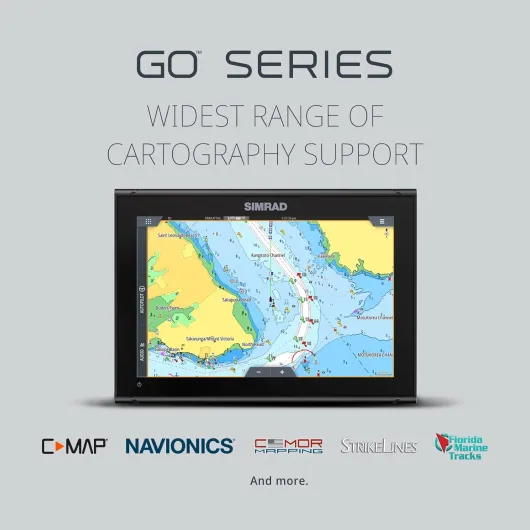
Navigation grade GPS is just as critical, because the best GPS modules allow you to mark fish, log productive fishing drifts, and return to exact depth breaks. A Garmin Echomap UHD or Echomap Ultra unit, for example, merges chartplotter and fish finder functions so the captain can overlay sonar returns on detailed charts. Lowrance Elite series units and Humminbird Helix Chirp models offer similar integration, letting you build a coherent picture of fish, structure, and safe water around the yacht; these capabilities are documented in the installation and operation guides published by each brand.
Screen technology is the third pillar, and it is often underestimated by yacht owners who fish only occasionally. A larger screen size with high resolution and strong backlighting makes it easier to interpret sonar imaging quickly from a standing helm position. When you add a responsive touch screen interface, as found on many Garmin Echomap and Lowrance units, you reduce the time spent navigating menus and increase the time spent tracking fish and adjusting transducer settings; pairing these electronics with quality engine maintenance kits from a dedicated yacht engine maintenance resource keeps the whole system reliable offshore.
Choosing the right transducer and installation for a yacht hull
The finest fish finder will underperform badly if the transducer is poorly matched to the hull or installed in turbulent water. Yacht hulls often run deeper than small fishing boats, so you must consider transducer power, beam angle, and mounting style to maintain bottom lock at speed and at depth. Through hull transducers usually give the best imaging and depth performance on larger boats, because they sit in clean water ahead of prop wash.
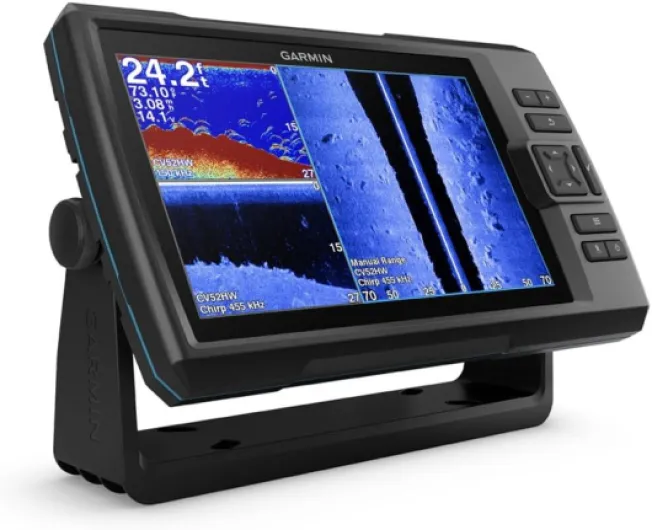
Side imaging and down imaging transducers demand especially careful placement, since any aerated water or hull protrusion will distort the sonar beams. When fitting a Humminbird Helix or a Lowrance Elite series unit with side imaging, work with a yard that understands yacht hull forms and can position the transducer where the water flow stays laminar. On sportfishing yachts, installers often pair a high power CHIRP sonar through hull transducer in the 600–1,000 W range for offshore depth work with a transom mounted imaging transducer for detailed structure scanning inshore; these power ratings align with the typical output ranges listed in Airmar and Garmin transducer catalogs.
Screen location matters as much as transducer location, because the best marine fish finders for boats are only useful when the helmsman and anglers can see them clearly. Many owners mount a large Garmin Echomap Ultra or Humminbird Helix Chirp at the flybridge, then repeat the screen to the cockpit so the fishing team can watch fish rise through the water column. When planning these upgrades, remember that good docking hardware such as premium cleats from a specialist docking equipment guide complements your electronics by keeping the boat steady while you focus on the finder.
Garmin, Humminbird, and Lowrance compared for yacht applications
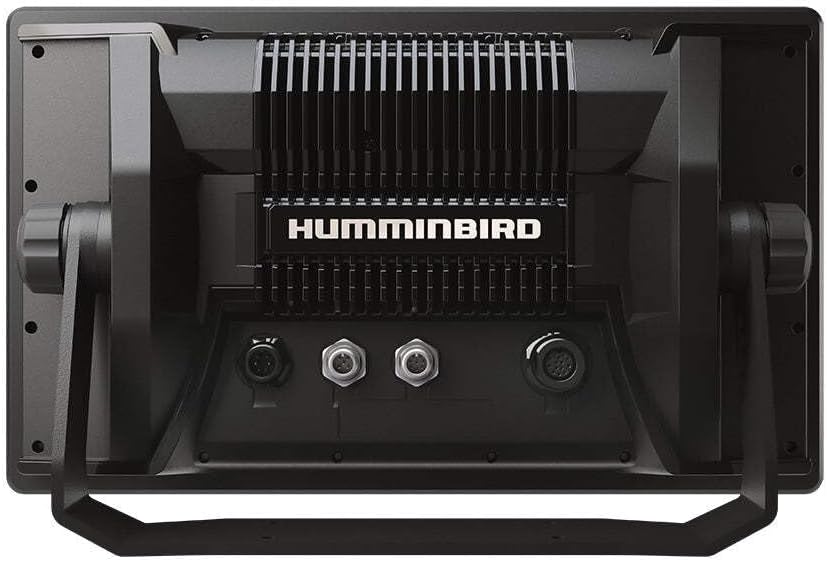
Among yacht owners, Garmin, Humminbird, and Lowrance each hold loyal followings for their flagship fish finder series. Garmin Striker units appeal to tender and small boat use, offering compact GPS and CHIRP sonar in a simple package, while Garmin Echomap UHD and Echomap Ultra models suit the main yacht helm with larger screens and charting. Humminbird Helix and Helix Chirp units are renowned for sharp side imaging and down imaging, which help anglers read reef edges and wrecks with precision.
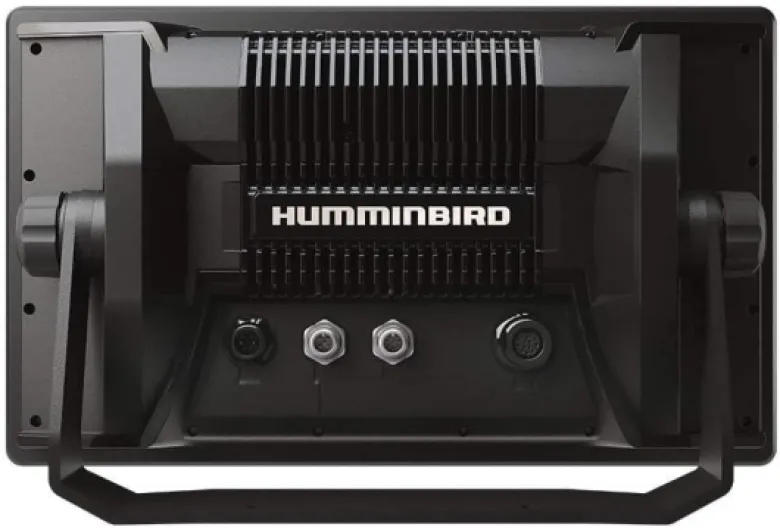
Lowrance Elite series units sit in a sweet spot between affordability and advanced features, giving yacht owners high quality sonar, side imaging, and user friendly menus. When you compare the best marine fish finders for boats in these ranges, focus on how each unit integrates with your existing GPS, radar, and autopilot rather than chasing every possible feature. A well integrated fish finder network will always outperform a single oversized screen that operates in isolation from the rest of the bridge electronics.
For many yachts, the optimal configuration mixes brands and screen sizes across the mothership and tenders, while keeping transducer and sonar roles clearly defined. You might run a large touch screen Garmin Echomap Ultra at the main helm for navigation and fishing, a Humminbird Helix Chirp with side imaging on the cockpit for structure scanning, and a compact Garmin Striker Vivid on the RIB for quick fishing missions. In every case, the best fishfinders are those that match your fishing style, typical depth range, and the way you move between the yacht and its smaller boats.
Screen size, interface, and practical use on deck
On a yacht, the way you interact with the fish finder screen often matters more than raw processing power. Large bridges and flybridges place the helmsman farther from the unit, so a generous screen size with clear fonts and strong contrast becomes essential. When the sun reflects off the water and the boat moves through a swell, a cramped display will hide subtle fish arches and depth changes.
Touch screen interfaces, as found on many Garmin Echomap and Lowrance Elite units, make it easy to drop waypoints on fish, adjust sonar ranges, and split the screen between GPS charts and imaging views. Some captains still prefer physical keys, especially when fishing in rough water where a wet finger can confuse a touch panel. The best marine fish finders for boats in yacht service usually offer both touch and button controls, giving you redundancy and flexibility when conditions deteriorate.
Practical layout also extends to how you arrange multiple fish finders and repeaters around the helm and cockpit. A common setup places traditional sonar and depth data on one screen, side imaging and down imaging on another, and a dedicated GPS chartplotter view on a third unit. This separation keeps each finder focused on a specific task, so the fishing team can glance at the right screen instantly instead of cycling through cluttered pages while the best fish move under the boat.
Advanced sonar strategies for yacht fishing and seasonal use
Once the hardware is installed, the best marine fish finders for boats only reach their potential when you tune sonar settings for each fishing scenario. Deep offshore fishing for pelagic species demands different CHIRP sonar frequencies and depth ranges than inshore reef fishing for bay bass or snapper. Learning how to adjust gain, scroll speed, and imaging contrast will reveal more individual fish and subtle bottom transitions.
Many yacht owners now use side imaging and down imaging not only to locate fish, but also to map anchorages and tender routes in poorly charted water. A Humminbird Helix or Garmin Echomap UHD can log sonar data while you cruise slowly, building a personal depth map that complements official charts. During winter, some owners even repurpose compact Garmin Striker or Striker Vivid units for ice fishing trips ashore, proving that a good fish finder series can serve multiple environments beyond the yacht itself.
Seasonal maintenance is vital, because transducers foul quickly in warm marinas and this biofilm degrades imaging quality and depth readings. Regularly cleaning the transducer face, checking cables for chafe, and updating unit firmware will keep sonar performance sharp for the next fishing season. When you treat the fish finder as a core navigation and fishing instrument rather than a gadget, you naturally give it the same care as your boarding systems, such as the ladders reviewed in this specialist boarding ladder guide, and the rest of your critical deck equipment.
Key figures and adoption trends for yacht grade fish finders
- According to market analyses from major marine electronics manufacturers, multifunction displays that combine GPS chartplotter and fish finder functions now represent more than half of new helm installations on boats over 8 metres in length, reflecting a clear shift toward integrated units on yachts (see, for example, annual reports and product mix data from Garmin Ltd., Navico Group/Lowrance, and Johnson Outdoors/Humminbird, which break out revenue by product category).
- Industry surveys of sportfishing yacht captains report that over 70 percent of offshore skippers rely on CHIRP sonar and side imaging to locate bait and structure, while fewer than 30 percent still depend primarily on traditional sonar alone; these figures align with usage patterns described in bluewater tournament reports, manufacturer sponsored captain panels, and case studies published in magazines such as Salt Water Sportsman and Marlin.
- Data from leading brands indicate that screen sizes of 9 inches and larger account for a growing majority of premium fish finder sales, because yacht helms and flybridges benefit from larger displays that remain readable in bright sunlight and at a distance, a trend reflected in current Garmin Echomap Ultra, Humminbird Helix, and Lowrance Elite product lineups and their emphasis on 9–12 inch models.
- Service records from professional yards show that improper transducer placement or hull turbulence issues contribute to a significant share of sonar performance complaints, underscoring the importance of expert installation on deep draft yacht hulls and careful attention to manufacturer installation guides, including the mounting diagrams supplied with Airmar, Garmin, and Humminbird transducers.