Key types of marine compasses and how they fit different yachts
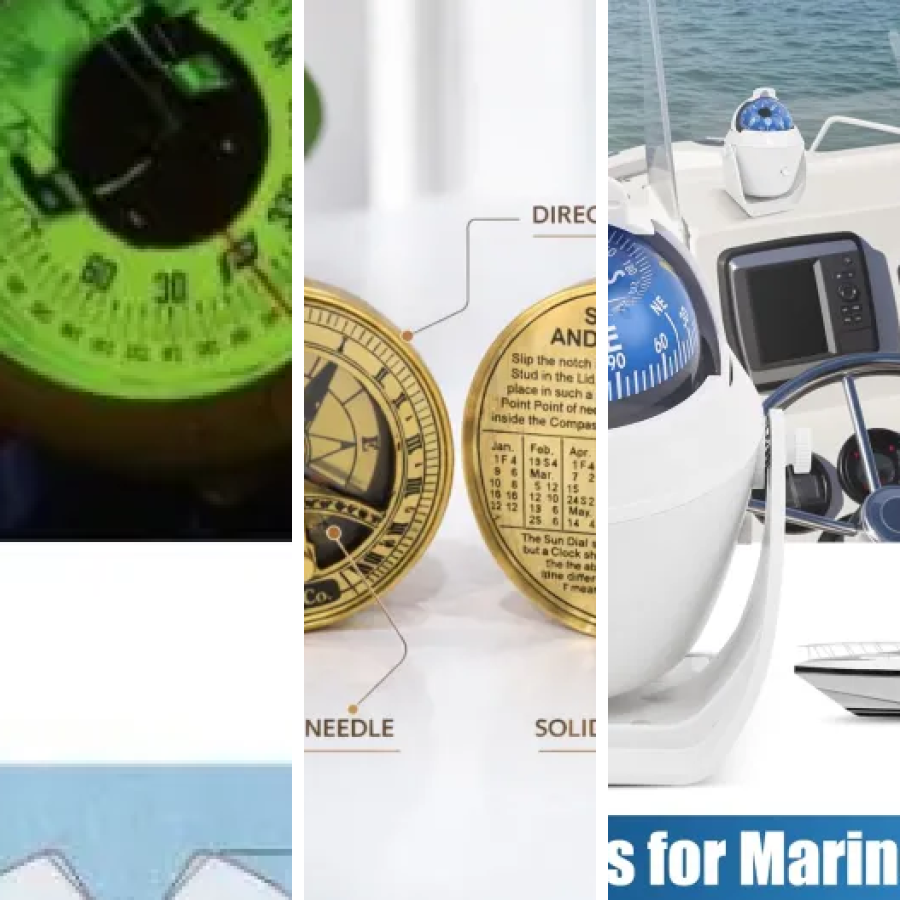
Choosing among the best boat compasses for navigation starts with understanding the main types. A classic steering compass is designed for constant reference at the helm, while a dedicated hand bearing compass is optimized for quick visual bearings on charted objects. Many yachts also carry compact boat compass units as backups in the cockpit or at the chart table.
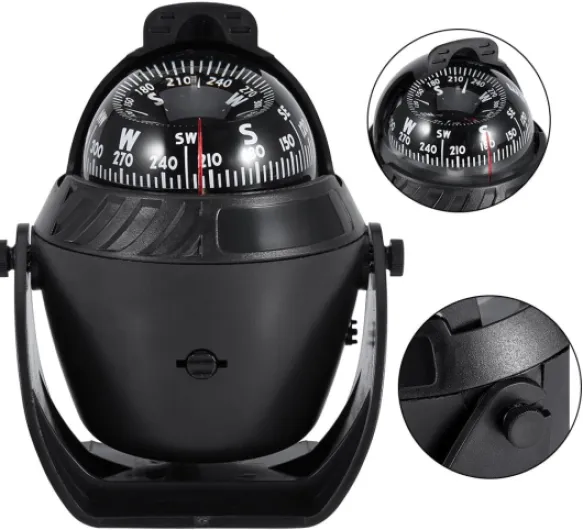
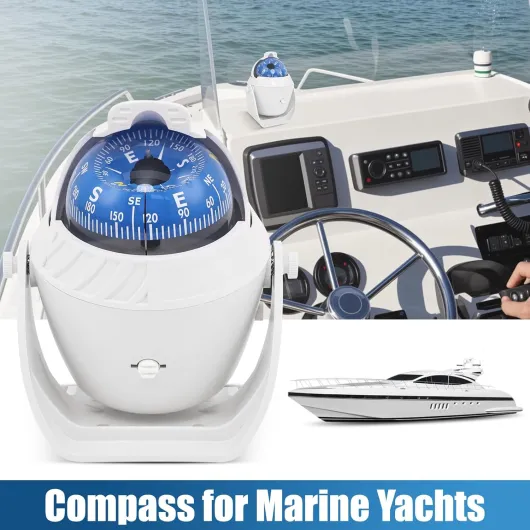
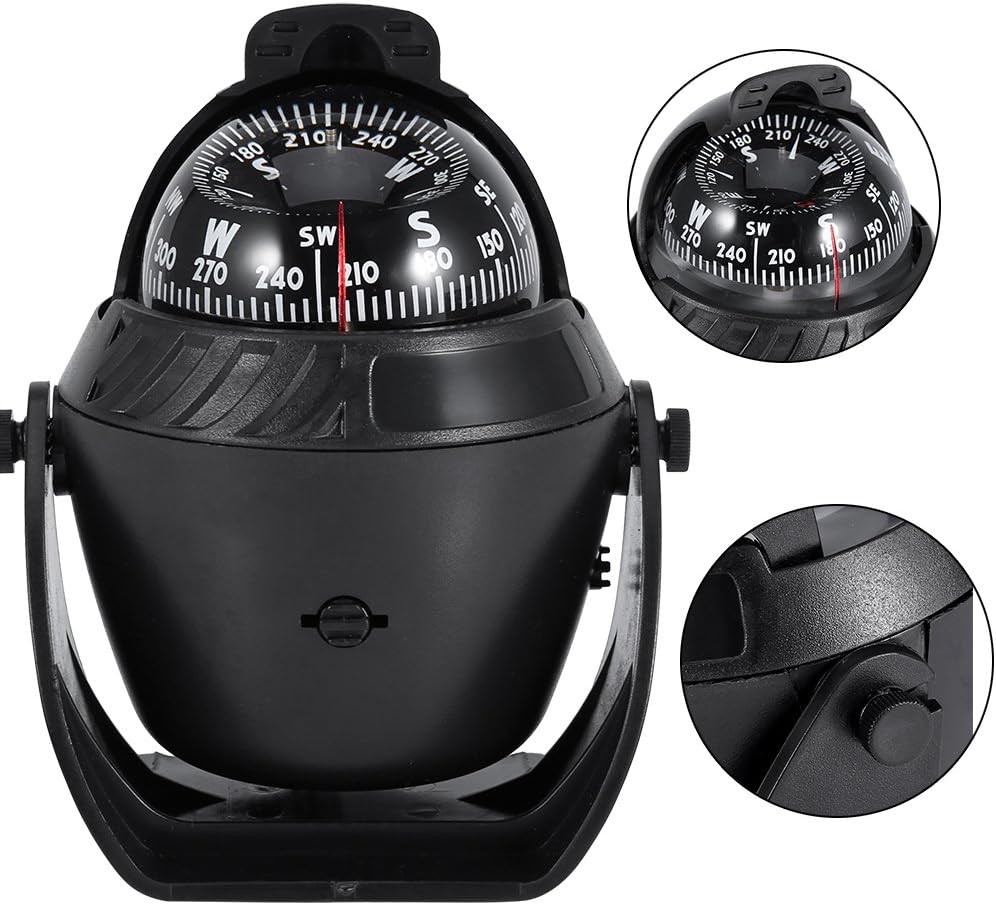
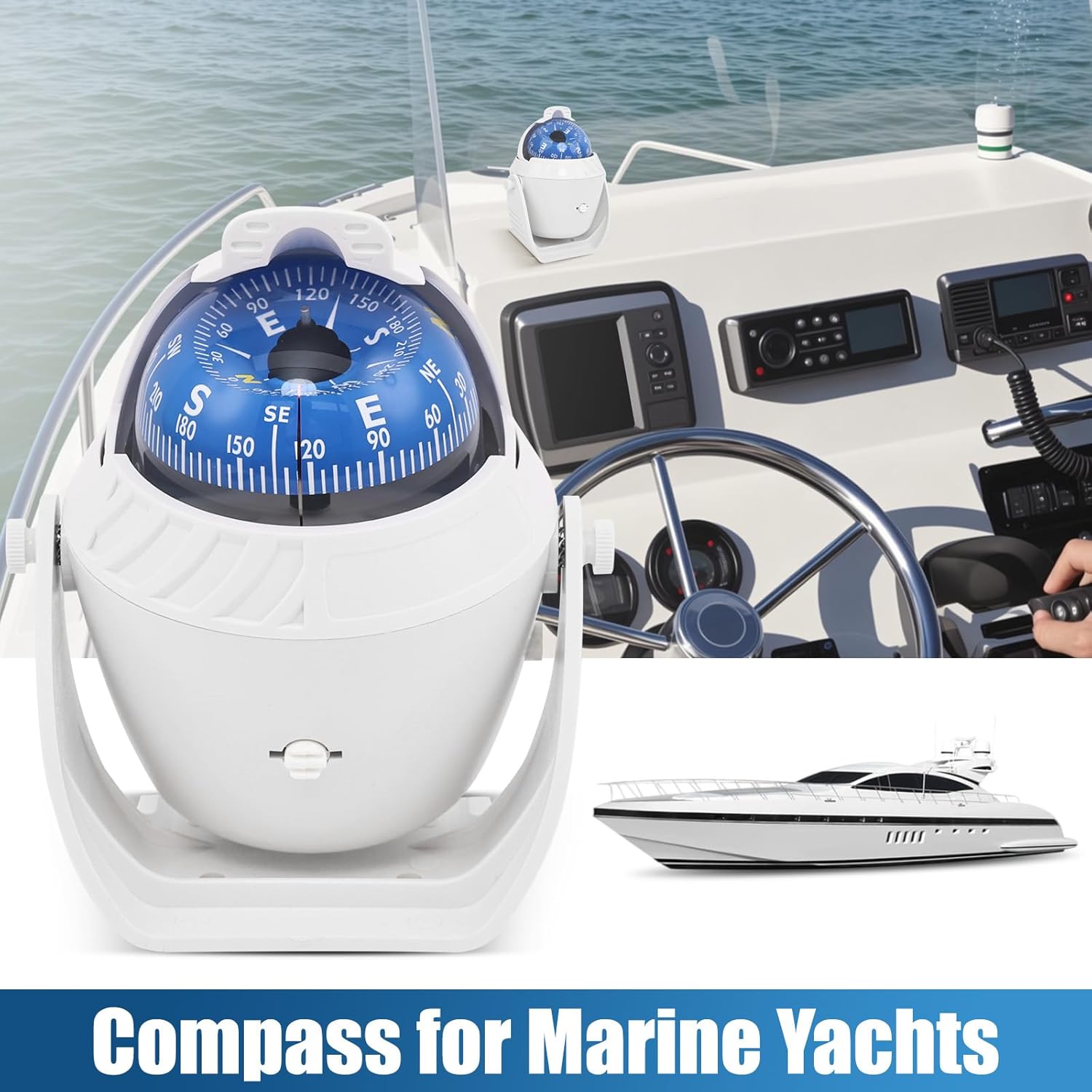
Flush mount steering compasses integrate cleanly into a cockpit coaming or console, which keeps the compass card protected and easy to read from the wheel. Surface mount models sit on top of a binnacle or bulkhead, making them easy to retrofit on existing boats without cutting large holes in the structure. Bracket mount compasses offer flexible positioning on rails or hardtops, which helps when you need a compass installation on a flybridge or secondary helm.
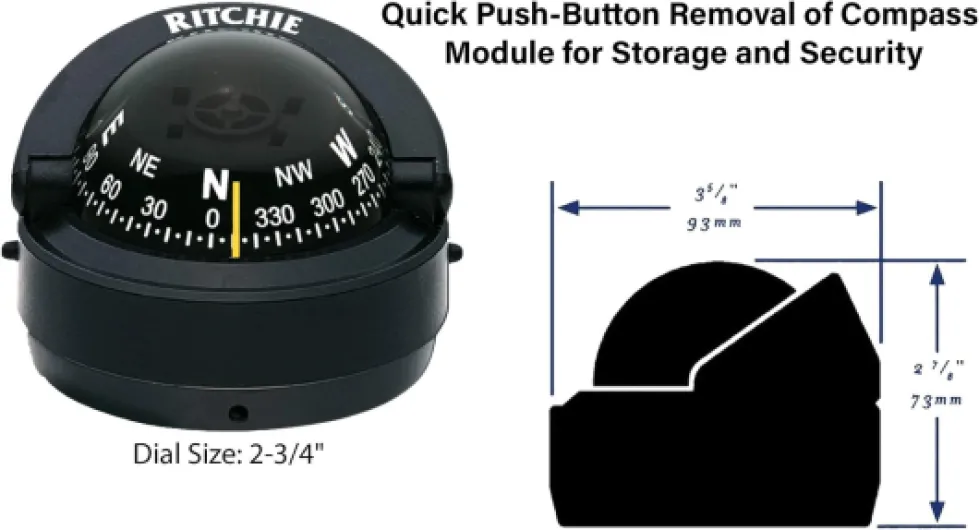
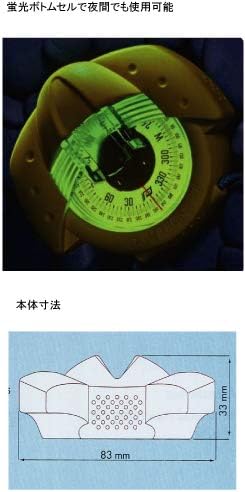
Some brands specialize in particular formats, such as Ritchie compasses for robust flush mount steering units and Plastimo for versatile surface mount and bracket mount designs. A compact Silva compass model can serve as either a small boat compass or a backup marine compass on a larger yacht. When you compare marine compasses, focus on card size, damping quality, and whether the housing makes it easy to read headings from your normal steering position, especially in rough seas or at night when fatigue sets in.
For hull protection when maneuvering in tight marinas, pair your steering compass choice with quality fenders and hardware. A dedicated guide to the best boat dock bumpers helps ensure that precise compass steering translates into gentle, controlled contact with pontoons and pilings. Good compasses and good dock protection together reduce stress every time you return from sea.
How to evaluate a magnetic compass for serious marine navigation
When assessing the best boat compasses for navigation, start with the magnetic system itself. A true magnetic compass for yacht use must remain stable under heel, resist deviation from nearby metal, and return quickly to a steady heading after the boat rolls. High quality marine compasses use carefully balanced needles and fluid damping to keep the compass card smooth yet responsive.
Look closely at the compass card layout, because an easy-to-read design reduces fatigue on long night watches. Larger compass cards with bold graduations and clear lubber lines make it easy to steer within a few degrees, even when the boat slams or spray hits your face. Many steering compass models also include extra bearing marks so that the same unit can function as a basic bearing compass when you sight along the top edge.
For coastal work, a dedicated hand bearing compass remains invaluable, especially when visibility drops or traffic increases. A good hand bearing unit should fit comfortably in the hand, offer a bright lubber line, and allow quick readings without parallax errors. When you buy such gear, consider the reasons professional skippers use checklists, which include repeatable accuracy, rugged housings, and luminous markings that stay readable after hours in the dark.
Emergency preparedness on yachts extends beyond navigation, so your compass selection should sit within a broader safety plan. A curated guide to reliable boat emergency kits complements your investment in marine navigation tools. Together, a dependable magnetic compass and a complete emergency kit form the backbone of offshore risk management.
Brand by brand: what yacht owners should know about leading compass makers
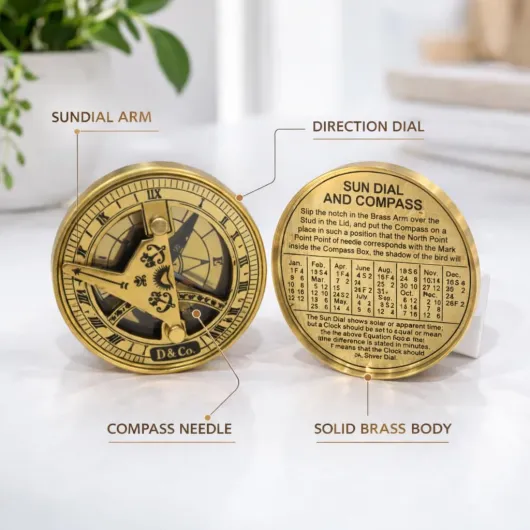
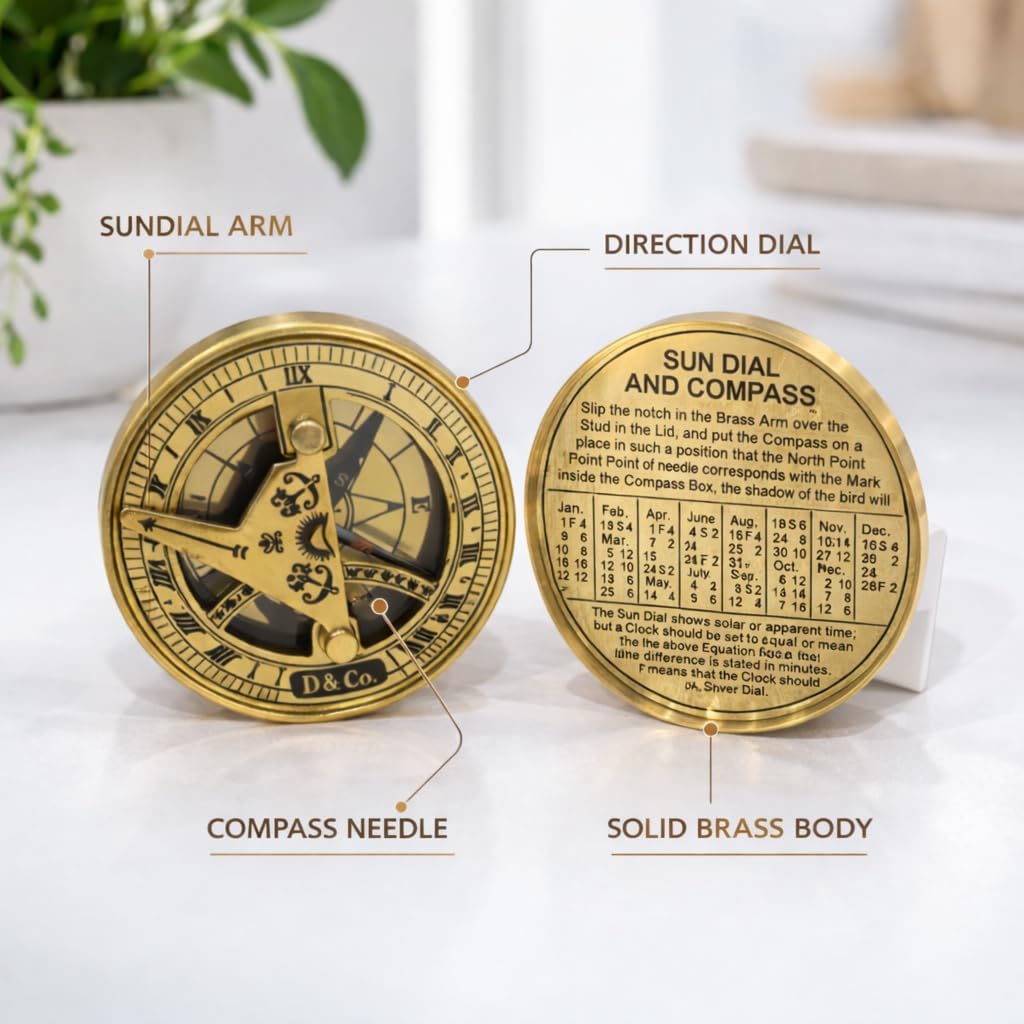
Among the best boat compasses for navigation, several brands have earned long term trust from yacht owners. Weems Plath, often written as Weems & Plath, is renowned for precision instruments, including high quality hand bearing compasses and traditional brass magnetic compass models. Many bluewater skippers rely on a Weems Plath steering compass at the helm and a compact Weems Plath hand bearing unit clipped near the companionway.
Plastimo has built a strong reputation for practical marine compasses that suit a wide range of production yachts. Their flush mount and surface mount boat compass lines are easy to install, reasonably priced in USD, and widely available through chandlers and online retailers such as Amazon. For owners who want clear reasons to buy a proven brand without overspending, Plastimo compasses often represent a balanced compromise between price, durability, and card clarity.
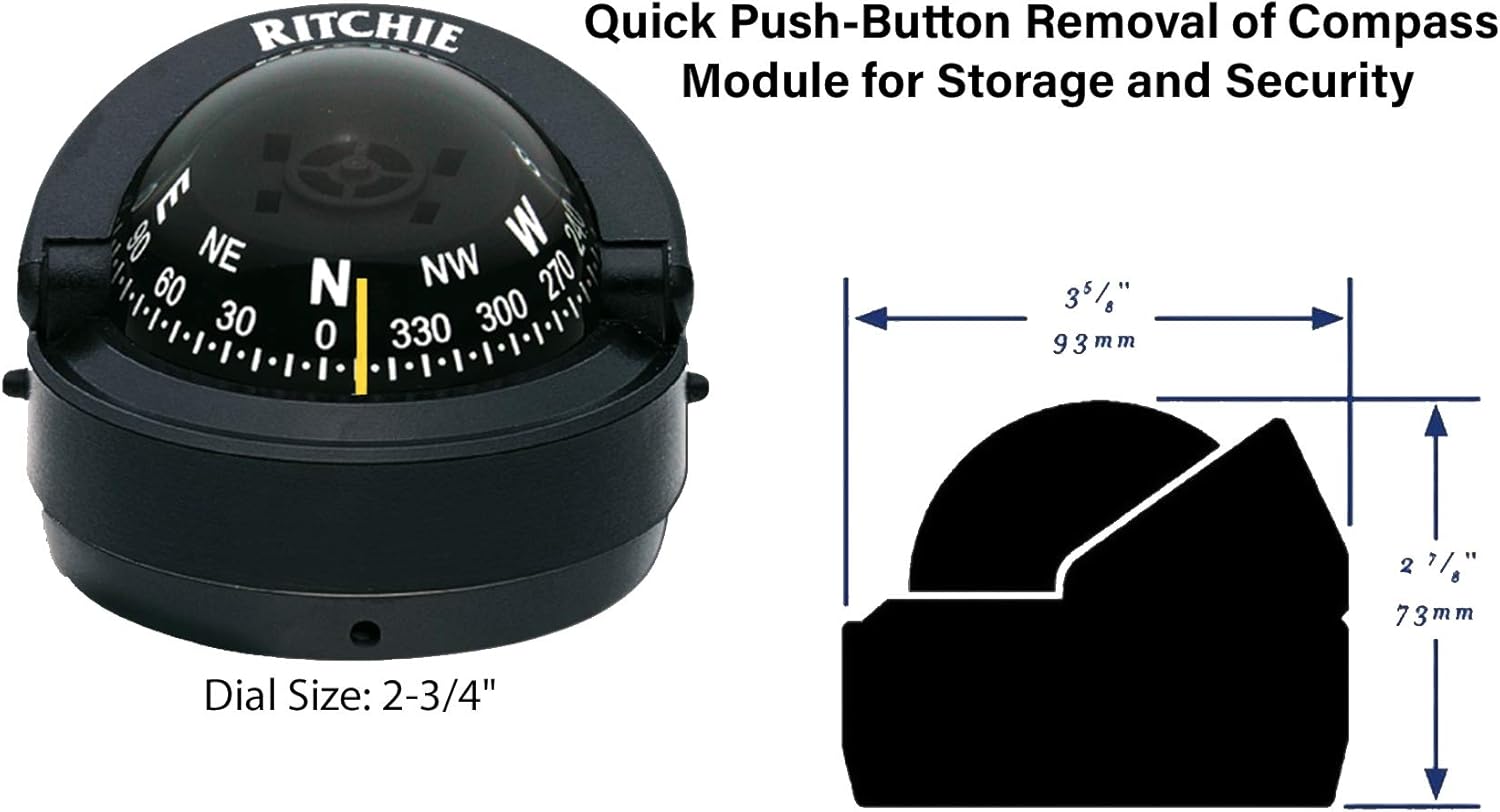
Ritchie, often referred to as Ritchie Navigation, focuses heavily on robust steering compass designs for both sail and power boats. Many Ritchie marine compasses are tested in harsh climates, with powerful magnets, stable compass cards, and housings that tolerate strong UV exposure. Brunton, better known for outdoor gear, also offers compact bearing compass models that some yacht crews use as backup hand bearing units in grab bags or liferaft kits.
Some European sailors favor Silva compasses, especially for lightweight hand bearing and hiking style models that double for shore excursions. Whether you choose Weems Plath, Plastimo, Brunton, or Ritchie, insist on models that have been independently tested for accuracy and durability. A yacht that carries multiple compasses from different brands gains redundancy, which is a subtle but powerful form of safety equipment.
Installation choices: flush mount, surface mount, and bracket mount on yachts
Even the best boat compasses for navigation will underperform if installed poorly. A flush mount steering compass suits many sailing yachts, because it keeps the compass card low, protected, and aligned with the helmsman’s natural sight line. When you cut a recess for a flush mount unit, ensure that the surrounding structure is non magnetic and that any nearby marine electronics are routed away from the compass.
Surface mount compasses are often easier to retrofit on existing boats, especially when you want to avoid major fiberglass work. A surface mount boat compass can sit on top of a pedestal guard, a cabin bulkhead, or a flybridge console, provided that the mounting plane is level and the lubber line aligns with the boat’s centerline. Bracket mount compasses add even more flexibility, allowing you to clamp a compass installation to rails or hardtops and adjust the angle for an easy read from multiple steering positions.
Whatever style you choose, always swing the magnetic compass after installation to identify deviation caused by metal objects or wiring. Record the deviation values on a compass card or deviation card, then keep that document near the helm for quick reference during marine navigation. Many professional skippers also keep a laminated copy of the deviation table at the chart table, so that any crew member can cross check headings by hand if electronic systems fail.
When planning helm layout, think holistically about all marine electronics and mechanical controls. A well organized console might place the steering compass centrally, flanked by a chartplotter, autopilot control, and wind instruments, with engine controls and an anchor windlass switch nearby. For detailed guidance on anchoring systems that complement precise compass steering, consult a specialist review of top anchor windlasses for boats and integrate those choices into your overall helm design.
Maintenance, calibration, and safety routines for yacht compasses
Owning the best boat compasses for navigation is only the first step; disciplined maintenance keeps them trustworthy. Inspect each marine compass regularly for bubbles in the fluid, crazing on the dome, or fading of the compass card markings. If you notice sluggish movement or sticking, have the magnetic compass serviced or replaced before your next offshore passage.
At least once per season, check that your steering compass and hand bearing compass agree on headings within a small margin. Perform a simple swing by steering the boat on known charted ranges or using GPS headings, then update your deviation table and compass card notes. Many yacht captains schedule this calibration alongside other safety checks, such as testing navigation lights and reviewing man overboard drills with the crew.
During routine cleaning, avoid harsh chemicals on the compass dome, because they can cloud the surface and make it harder to read in bright sun or at night. Wipe the housing by hand with fresh water and mild soap, then verify that any bracket mount or surface mount fasteners remain tight after heavy seas. When you buy replacement units, keep receipts and warranty details, since long term support is one of the key reasons to buy from established brands like Weems Plath, Plastimo, Brunton, and Ritchie.
Serious yacht owners treat compasses as core safety equipment, on par with lifejackets and flares. A well maintained steering compass, backed by a reliable hand bearing compass and a clearly documented deviation card, allows you to navigate confidently even when visibility collapses or electronics fail. That confidence, built on tested instruments and disciplined routines, is what ultimately makes a yacht and her crew truly seaworthy.
Key figures about yacht compasses and navigation safety
- Studies from major marine insurers such as Allianz Global Corporate & Specialty and UK P&I Club have shown that navigation errors contribute to roughly 30% of serious yacht and small craft groundings, and many of these incidents involve over reliance on electronic displays without a properly used magnetic compass. For verification, see the Allianz “Safety and Shipping Review” series and UK P&I Club loss prevention reports on navigational incidents.
- On typical coastal cruising yachts between 10 m and 15 m, a quality steering compass from brands such as Weems Plath, Plastimo, or Ritchie usually costs between 150 and 400 USD, based on 2023–2024 retail pricing from large chandlers and manufacturer catalogues, which is a tiny fraction of the repair price for even a minor grounding.
- Industry surveys of offshore sailors, including World Cruising Club rally reports and Ocean Cruising Club questionnaires, indicate that more than 80% carry at least two independent marine compasses on board, usually a fixed steering compass and a portable hand bearing compass, to maintain redundancy during long passages.
- Testing by independent marine laboratories and classification bodies, such as DNV and IMCI, has shown that well installed compasses certified to ISO 25862 can maintain heading accuracy within about 2 degrees under heel angles up to 30 degrees, which is sufficient for precise coastal pilotage and safe channel transits. ISO 25862:2019 is the current international standard for marine magnetic compasses and binnacles.