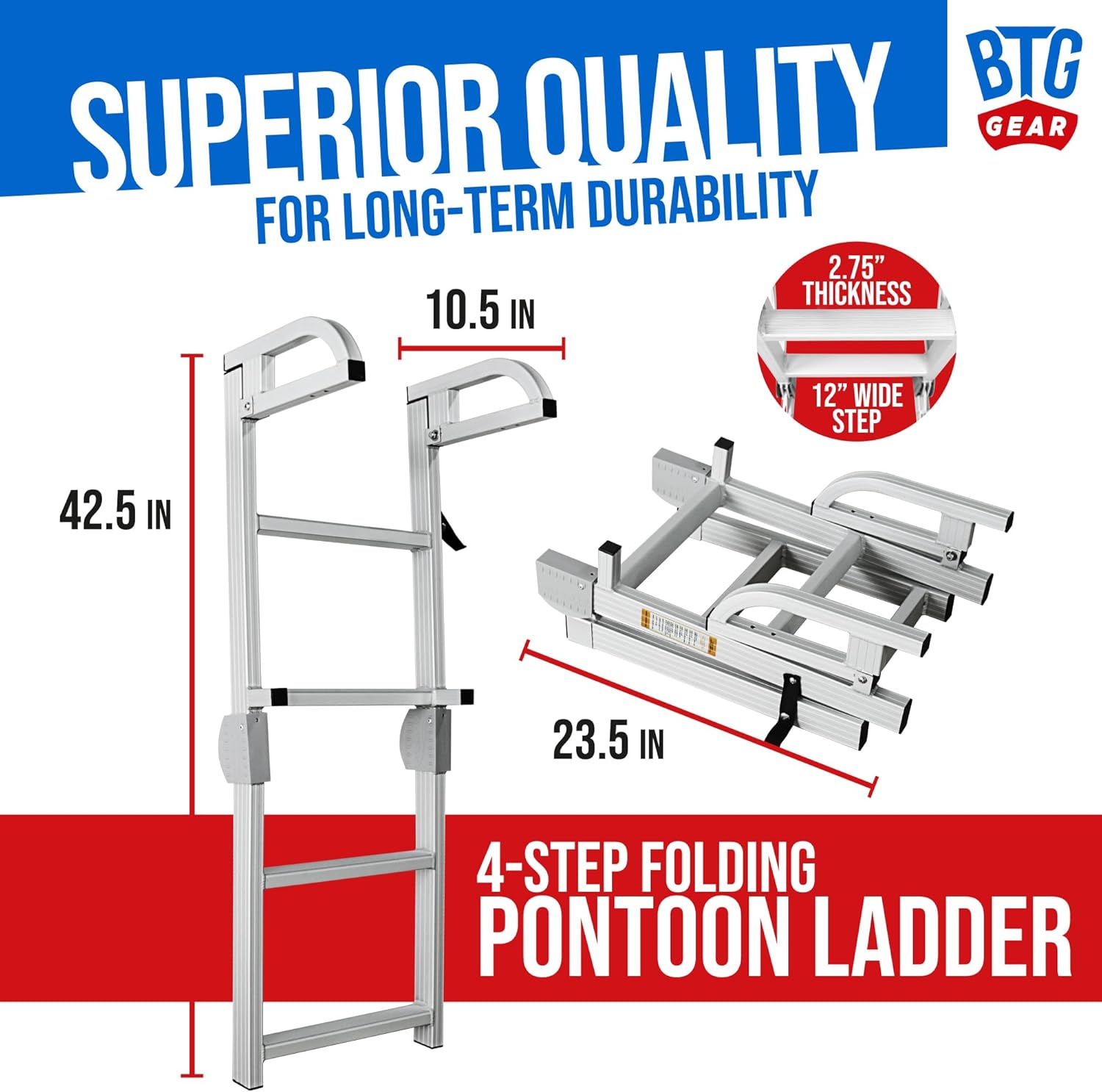
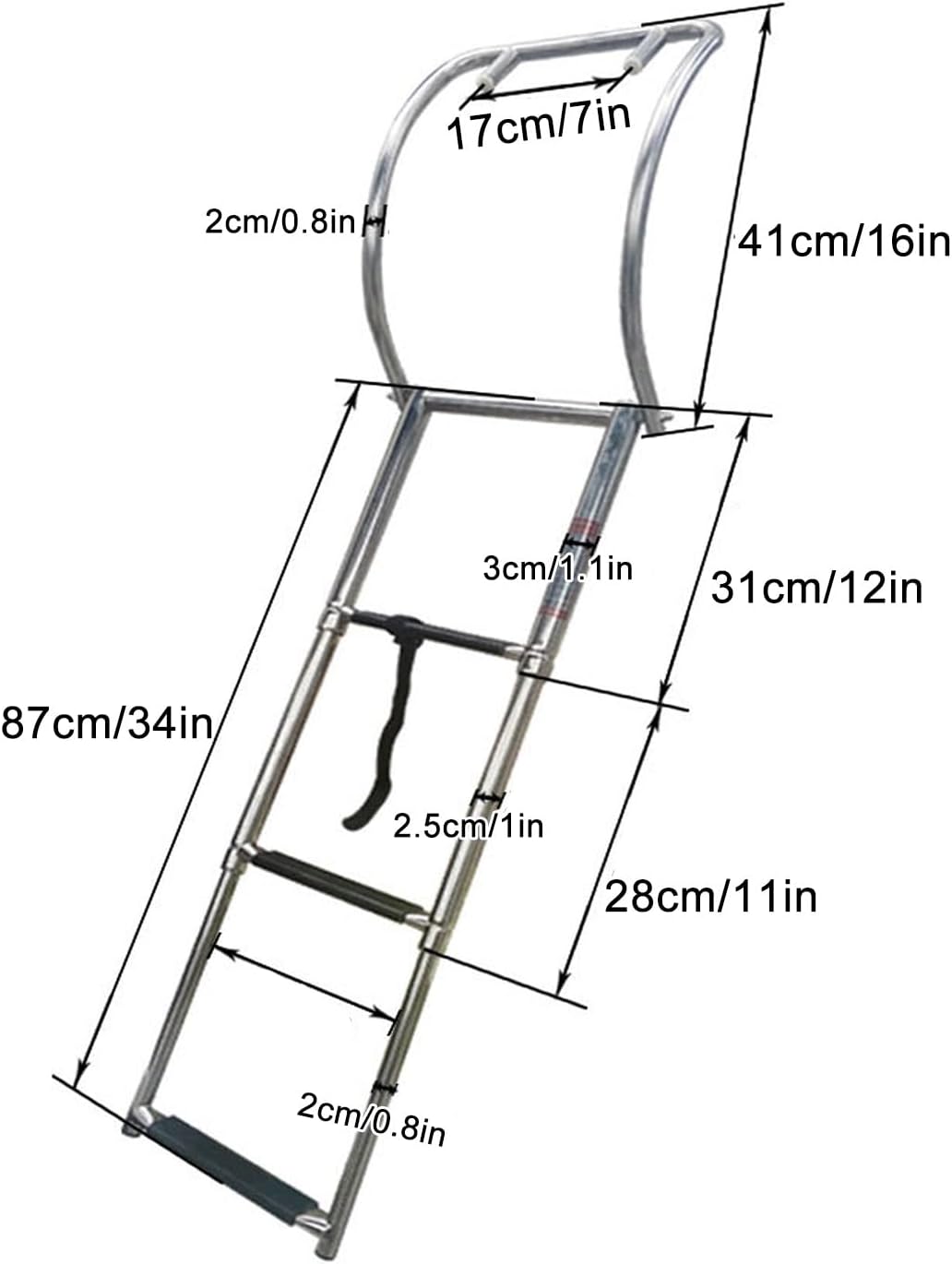
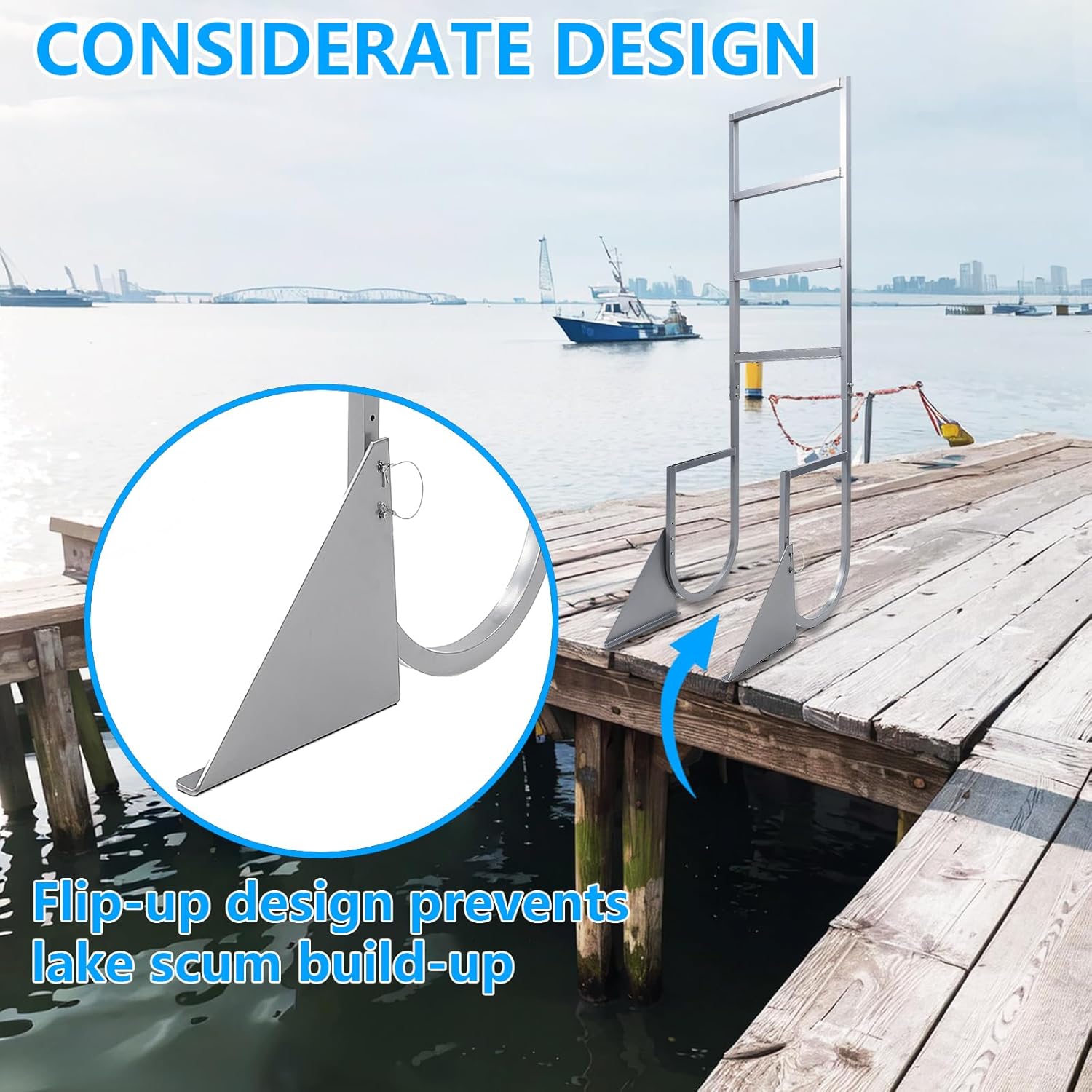
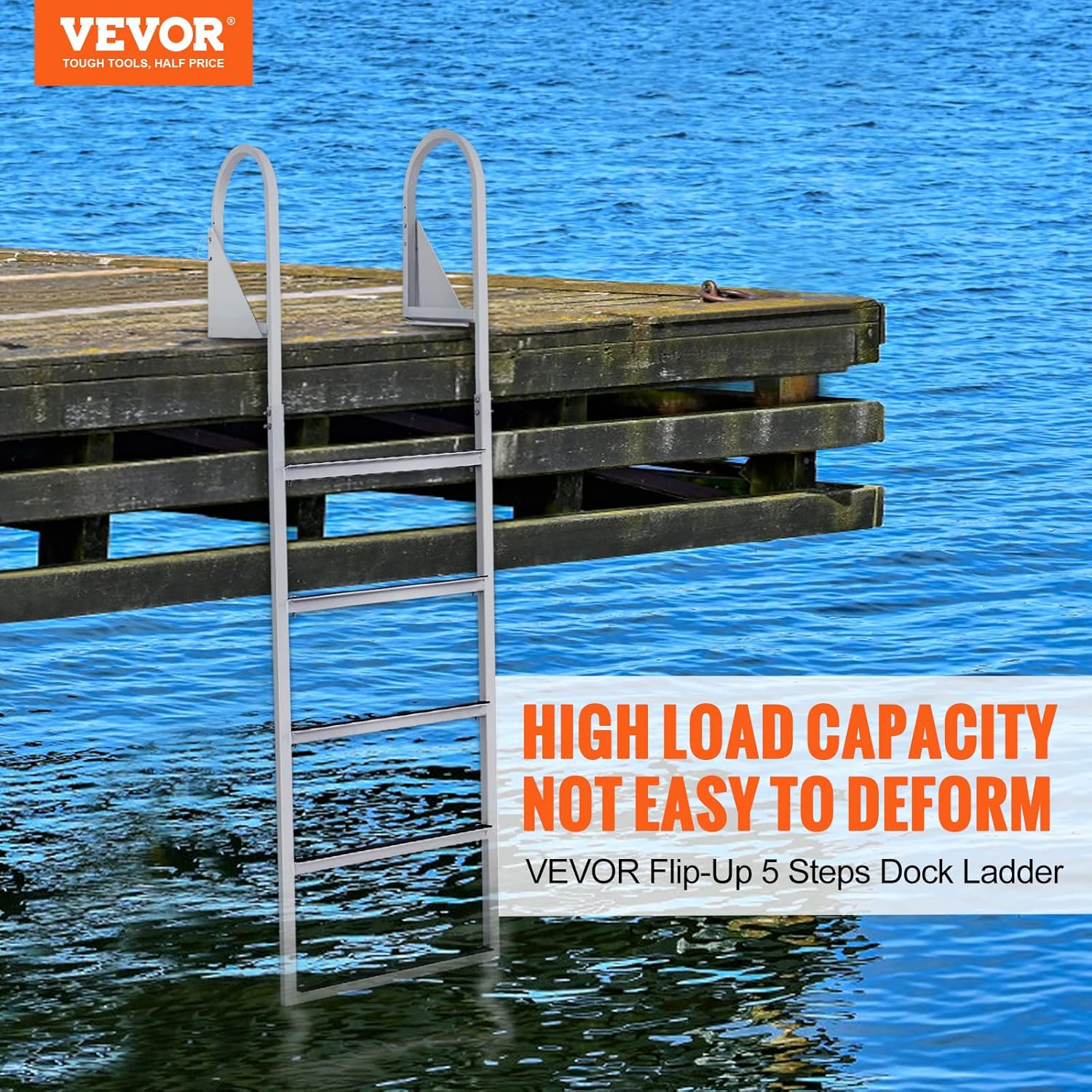
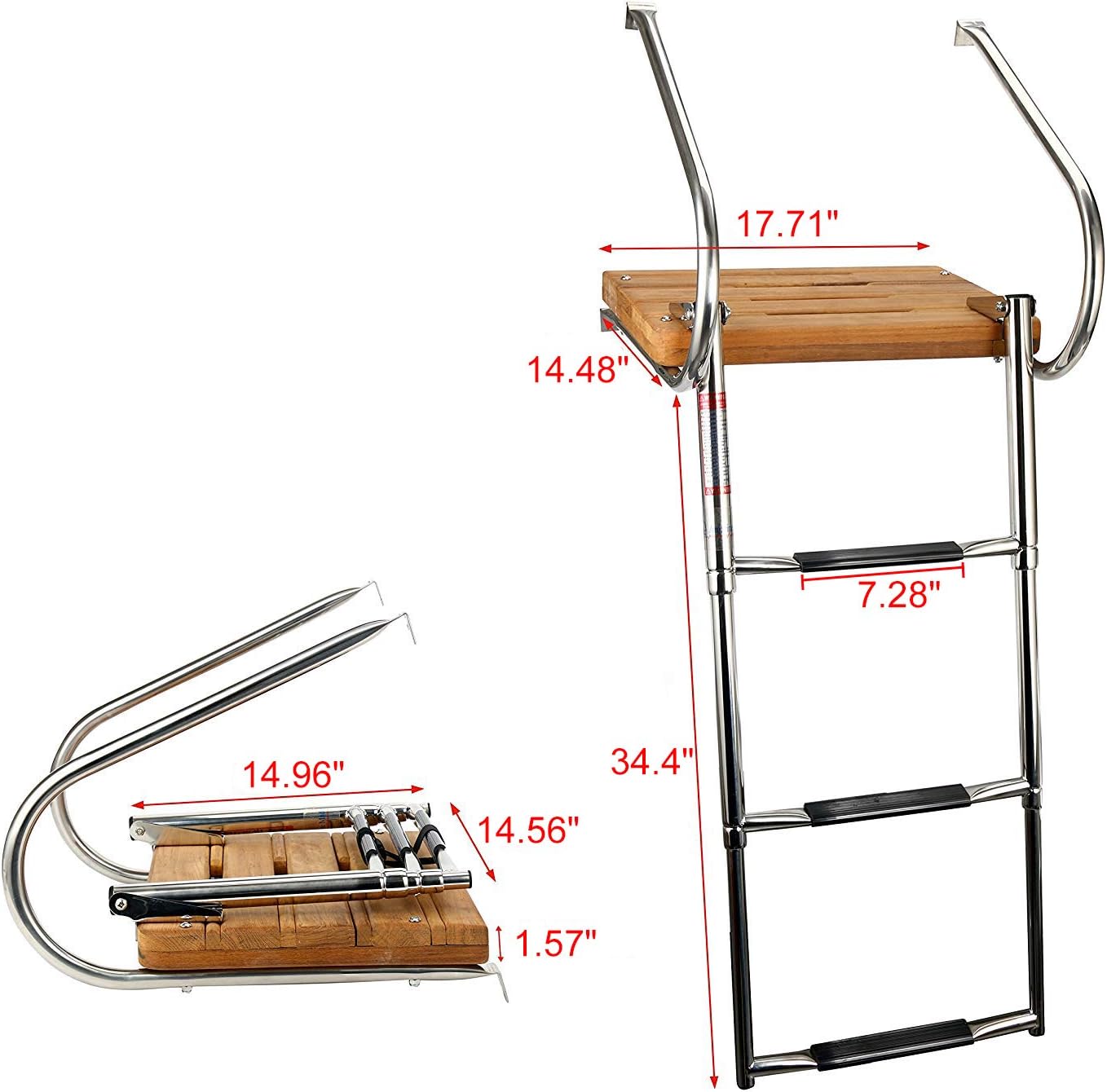
Materials and construction: stainless steel, aluminum, and marine grade hardware
Material choice separates average equipment from the best boat boarding ladders that truly withstand yacht use. Stainless steel dominates premium boarding ladder designs because it resists corrosion, carries high loads, and keeps a refined finish that matches polished railings on a performance cruiser. When you inspect any stainless steel boarding ladder, look closely at welds, hinge pins, and each step stainless bracket, because these small details reveal whether the product is genuinely marine grade or just styled to look nautical.
Aluminum ladders offer lower weight and often a more attractive price, which appeals to owners of smaller pontoon boat models or compact tenders. A well engineered aluminum boat ladder can still deliver excellent strength, especially when the steps use reinforced profiles and non slip inserts that wrap around the full width of the step. For yachts that frequently operate in warm salt water, combining a stainless frame with aluminum or composite steps can balance durability, weight, and comfort under bare feet.
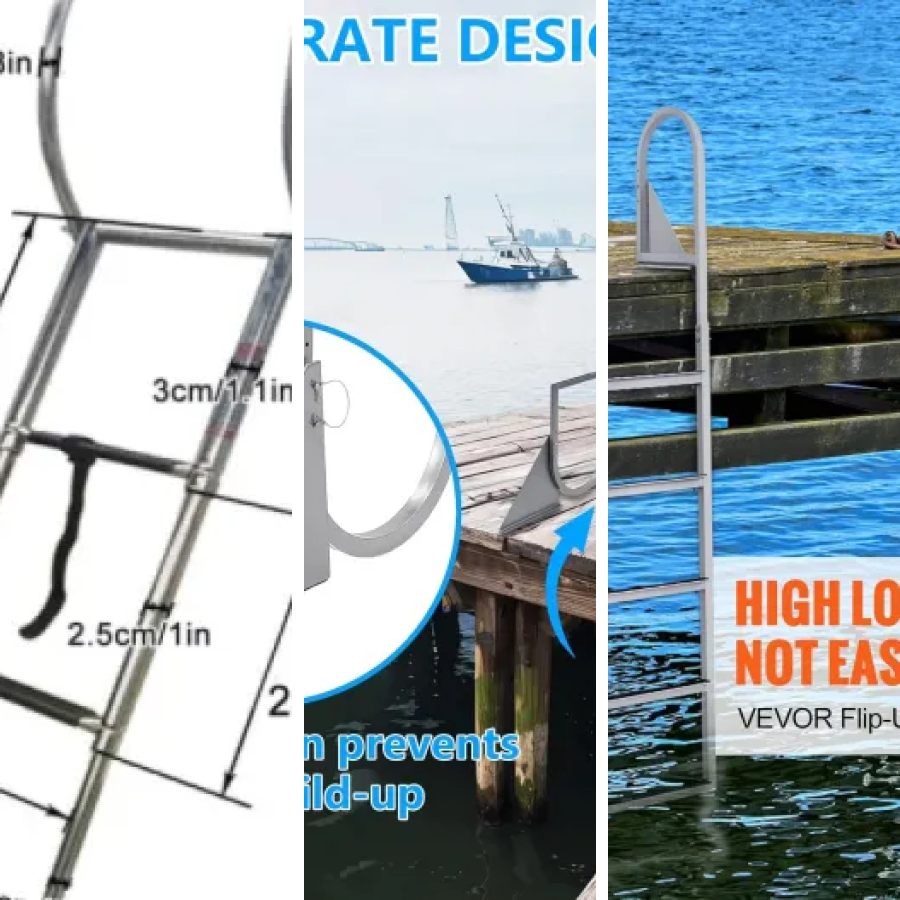
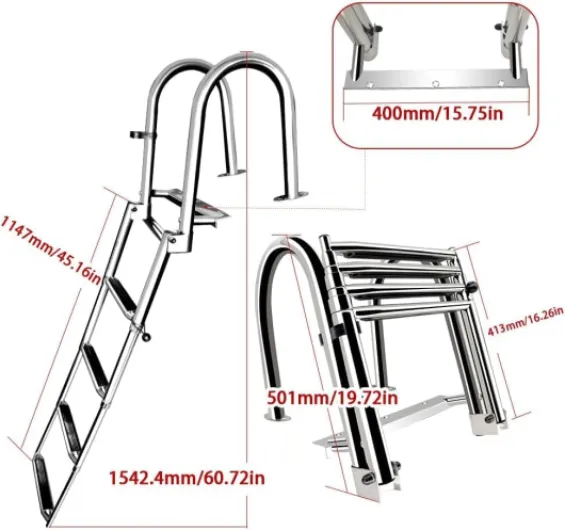
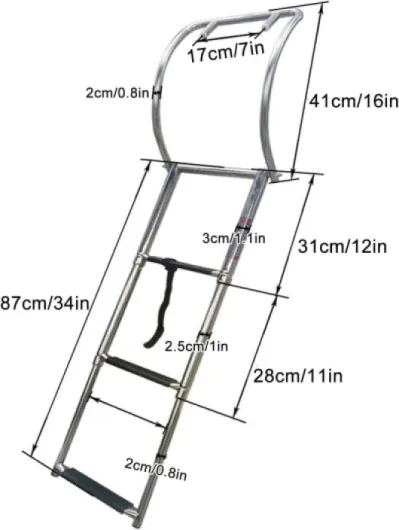
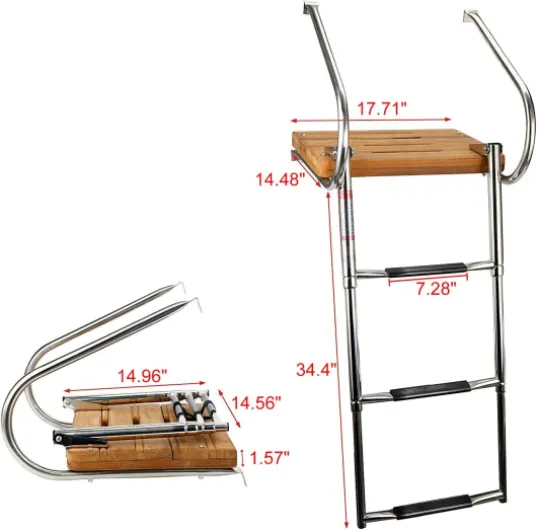
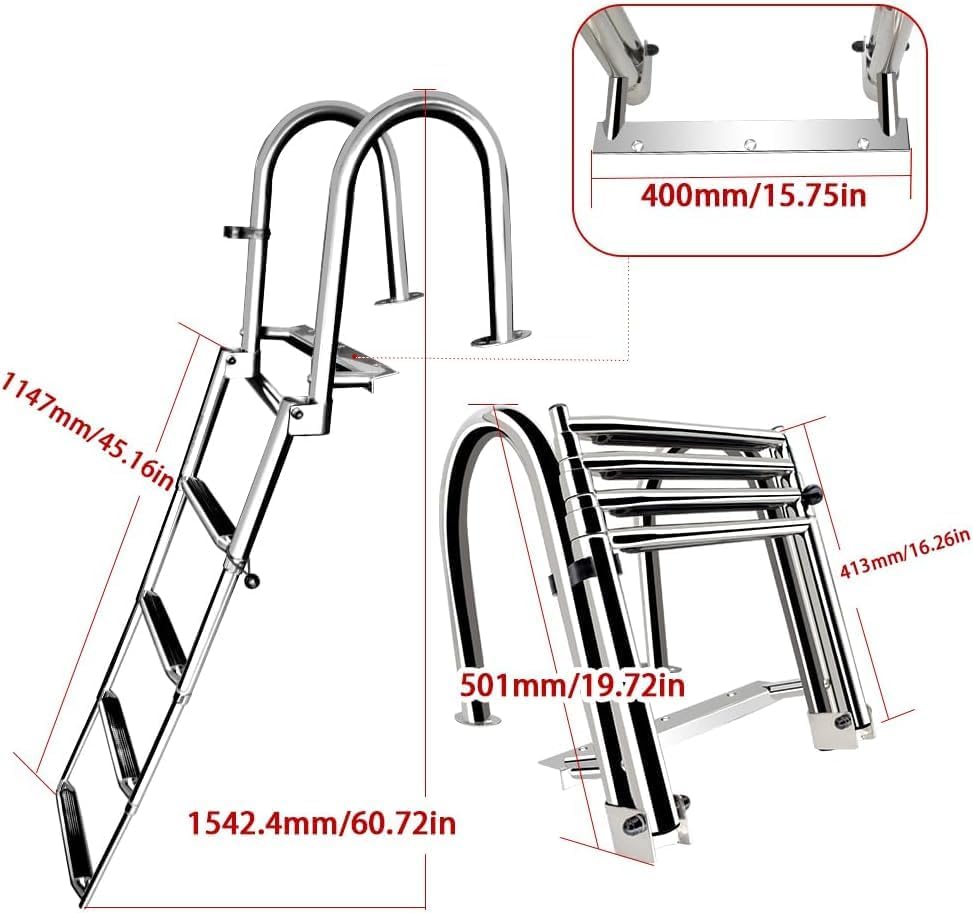
Many of the most practical boat ladders now use steel telescoping sections that slide into the swim platform or under a pontoon, protecting the ladder from impact while under way. A telescoping boarding ladder should extend smoothly, lock positively, and keep the lowest steps at least 30 to 45 centimeters below the water surface, a range echoed in guidance from manufacturers such as Garelick and Windline. When you evaluate any folding or telescoping product, compare the stated safe working load, the quality of the marine grade fasteners, and how the ladder mounts to the hull or dock, then cross reference with curated selections such as the specialist guide on top boat boarding ladders.
Design types: swim platform, pontoon, dock, and rope ladder solutions
Different yacht layouts demand different designs, which is why the best boat boarding ladders come in several distinct formats. The classic stern mounted swim platform ladder remains the most versatile option, because it combines a stable platform with deep swim steps that feel natural underfoot. On many cruising yachts, a folding step ladder integrated into the swim platform lets guests move from water to cockpit in a single fluid motion.
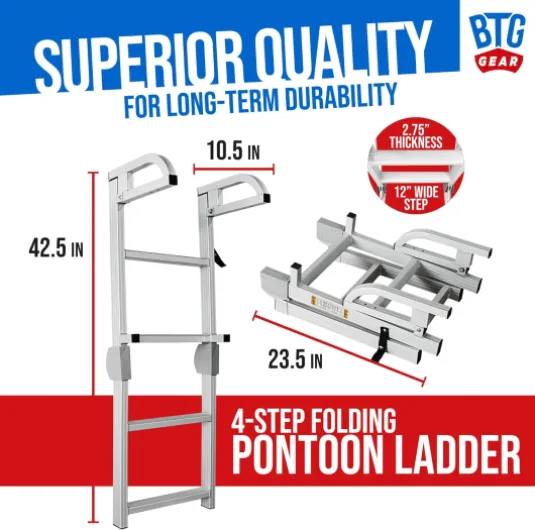
Pontoon boats and large catamarans often rely on side mounted boarding ladders that attach to a cutout in the deck or to a dedicated entry gate. These pontoon boat systems usually feature wide steps and handrails that extend above deck level, giving older guests and children extra confidence during boat boarding. When specifying ladders for pontoon boats, insist on marine grade hardware, reinforced mounting plates, and a boarding ladder design that keeps the first step deep in the water even when the boat is lightly loaded.
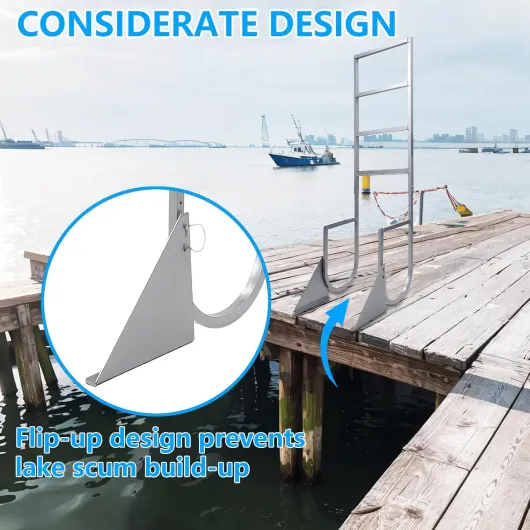
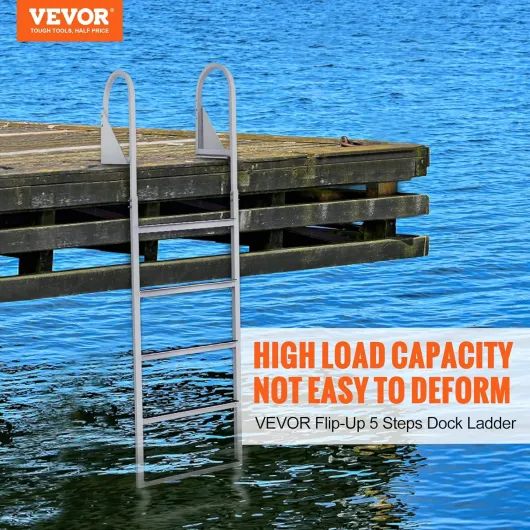
Dock ladder solutions complete the picture, especially for yachts that spend long periods at a private dock or marina berth. A fixed or folding dock ladder with aluminum or stainless steel construction allows safe entry from the water alongside the hull, which becomes vital if someone falls between boat and pontoon. Rope ladder products still have a role as compact emergency gear, but they should never replace a rigid boat ladder with proper steps, because flexible rungs twist under load and make re entry from the water far more demanding than most guests expect.
Ergonomics, step geometry, and safe boarding for every guest
Ergonomics turn a simple ladder into one of the best boat boarding ladders for real world yacht use. The spacing between each step, the width of the treads, and the angle of the ladder relative to the hull all influence how secure a tired swimmer feels. A step boat design with wide steps and deep non slip grooves reduces pressure on bare feet while giving enough surface for flippers or water shoes.
On a family yacht, the boarding ladder must serve children, athletic adults, and older guests with reduced mobility, which means the lowest steps must sit well below the waterline. A properly designed swim step or swim platform ladder lets a swimmer place both feet on a submerged step before they commit body weight to the ladder, reducing the risk of slipping or shoulder strain. Handholds should extend high enough above the platform or dock to allow a natural upright posture during boat boarding, instead of forcing guests to pull themselves up from an awkward crouch.
For side entries on a larger motor yacht, consider a step ladder that angles slightly outward from the hull, because this geometry keeps knees clear and makes each step feel more like a staircase than a vertical climb. When evaluating any product, test how the ladder behaves when the boat rocks, how easily the folding mechanism operates, and whether the steps remain horizontal under asymmetric loads. Pairing an ergonomic boarding ladder with a well maintained engine and safety systems, supported by curated maintenance resources such as the guide to top boat engine maintenance kits, creates a coherent safety ecosystem on board.
Maintenance, corrosion control, and lifecycle price of boarding ladders
Maintenance discipline often separates neglected hardware from the best boat boarding ladders that still feel solid after many seasons. Salt water, UV exposure, and repeated impacts from tenders or floating debris slowly attack every ladder, from the stainless steel frame to the smallest step stainless fastener. A simple rinse with fresh water after each trip, followed by periodic inspection of hinges, telescoping rails, and mounting bolts, dramatically extends the service life of any boarding ladder.
Owners sometimes focus only on the initial price of a boat ladder, but lifecycle cost tells a more accurate story for a serious yacht program. A premium marine grade stainless steel product may cost more upfront than a basic aluminum ladder, yet it often delivers lower cost per season because it resists corrosion, keeps its structural integrity, and maintains a clean appearance that matches the rest of the exterior hardware. When you compare products, factor in the cost of potential gelcoat repairs around mounting points, the time required to service telescoping sections, and the availability of spare steps or hinges.
For yachts that operate from both a private dock and a public marina, maintaining a dedicated dock ladder at the home berth reduces wear on the primary swim platform system. Regularly check that all folding mechanisms lock positively, that steel telescoping sections slide freely without binding, and that rope ladder backups remain supple rather than stiff from salt deposits. Integrating ladder inspections into the same schedule as lifejacket checks and emergency kit reviews, supported by structured resources such as the guide to top boat emergency kits, ensures that boarding ladders remain reliable when conditions deteriorate unexpectedly.
Choosing the right boarding ladder for your yacht profile
Selecting among the best boat boarding ladders starts with an honest assessment of how your yacht operates. A coastal cruiser that spends long days at anchor demands a robust swim platform ladder with wide steps, while a high speed day boat may prioritize a compact folding ladder that tucks safely into a recessed platform. Owners of pontoon boats often benefit from dual systems, combining a side entry boarding ladder for calm days with a stern mounted step ladder for rougher conditions.
Measure the height from waterline to deck, the available mounting area on the transom or pontoon, and the clearance under the swim platform before you choose any product. A telescoping boat ladder must extend far enough to place at least two steps below the water, yet retract fully without interfering with trim tabs, outboards, or sterndrives. When you evaluate different boarding ladders, consider whether the ladder configuration allows guests to board while wearing fins, carrying snorkeling gear, or assisting a tired swimmer who needs extra support.
For yachts that frequently host charter guests, redundancy becomes part of the specification, which may mean a primary stainless steel boarding ladder at the stern and a secondary aluminum dock ladder stored for use at remote pontoons. Rope ladder backups can ride in a lazarette for rare emergencies, but they should never be the only means of re entry from the water. Aligning ladder choice with your cruising profile, guest demographics, and maintenance culture ensures that every boarding event, from a casual swim to an urgent recovery, remains controlled and predictable.
Integrating boarding ladders into a holistic yacht safety strategy
On a well run yacht, the best boat boarding ladders function as part of a broader safety architecture rather than as isolated accessories. The same mindset that drives careful selection of lifejackets, emergency kits, and engine maintenance routines should guide decisions about every boarding ladder, dock ladder, and swim step. When crew treat the ladder as critical safety equipment, they naturally check its condition before guests enter the water and brief newcomers on how to use the steps correctly.
Training matters as much as hardware, because even the most advanced stainless steel or aluminum boat ladders cannot compensate for poor procedures during a man overboard event. Crew should rehearse approaches that position the boat with the swim platform or side entry downwind of the person in the water, then use the boarding ladder as the primary recovery route while keeping propellers safely disengaged. On larger yachts, a dedicated step boat or ladder boat tender can support recovery, but the main vessel’s boarding ladders must still be ready for immediate use.
Integrating ladder checks into daily and weekly routines builds a culture where every step, hinge, and telescoping rail receives the same attention as navigation electronics or engines. Over time, this approach turns a simple boarding ladder into a trusted element of the yacht’s safety identity, reassuring owners, crew, and guests every time they move between deck and water. When the ladder, the platform, and the surrounding railings all work together, boarding becomes not just safer but also more elegant, reflecting the overall standard of the yacht itself.
Key figures on yacht boarding ladders and safety
- Studies from marine safety organizations such as the U.S. Coast Guard and the Royal National Lifeboat Institution report that falls during boarding or re entry from the water account for a significant share of non fatal injuries on recreational boats, often ranking just behind slips on deck and galley accidents.
- Industry surveys of yacht owners, including data cited by builders like Beneteau and Sea Ray, show that a majority of new builds in the 10 to 18 meter range now specify integrated swim platform ladders as standard equipment, reflecting a clear shift away from removable hook over designs.
- Corrosion related failures in stainless steel and aluminum hardware typically accelerate after about five to seven seasons in warm salt water, a pattern noted in American Boat and Yacht Council (ABYC) technical bulletins and insurance surveyor reports, which is why many surveyors recommend detailed ladder inspections during every pre purchase survey.
- Testing by several marine hardware manufacturers, including Garelick, Osculati, and Windline, indicates that properly designed boarding ladders can safely support loads well above 100 kilograms, but real world safety margins depend heavily on correct installation and regular maintenance.
- Market analyses of marine accessories from firms such as NMMA and ICOMIA show steady growth in premium boarding ladder segments, driven by rising yacht ownership, increased focus on water sports, and greater awareness of safety standards among both private owners and charter operators.