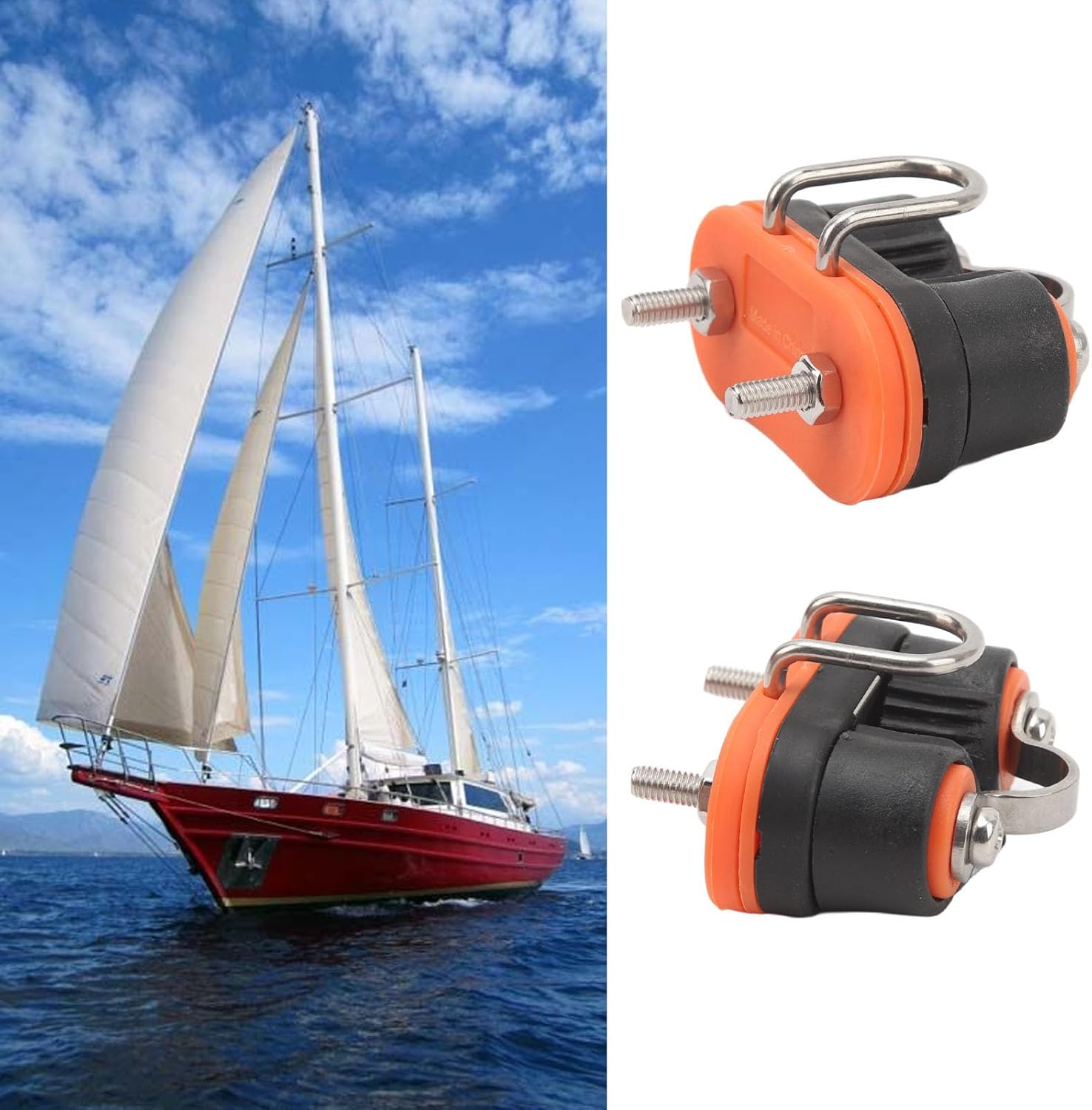
Materials and construction : stainless steel, nylon, and marine grade hardware
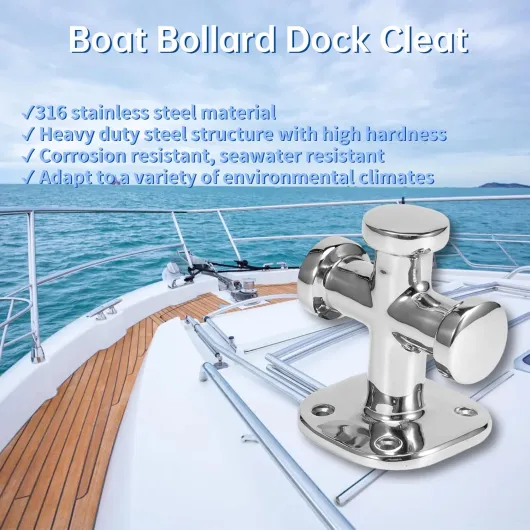
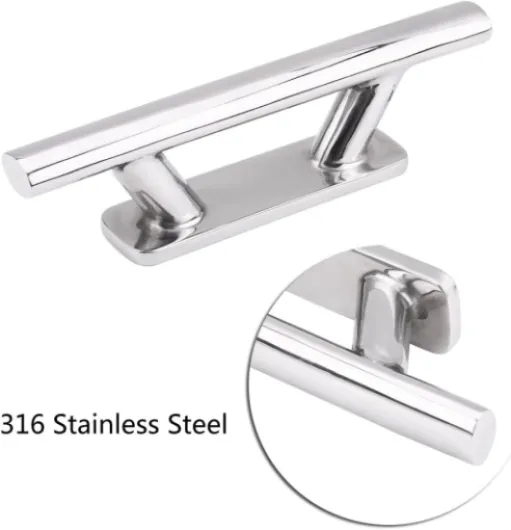
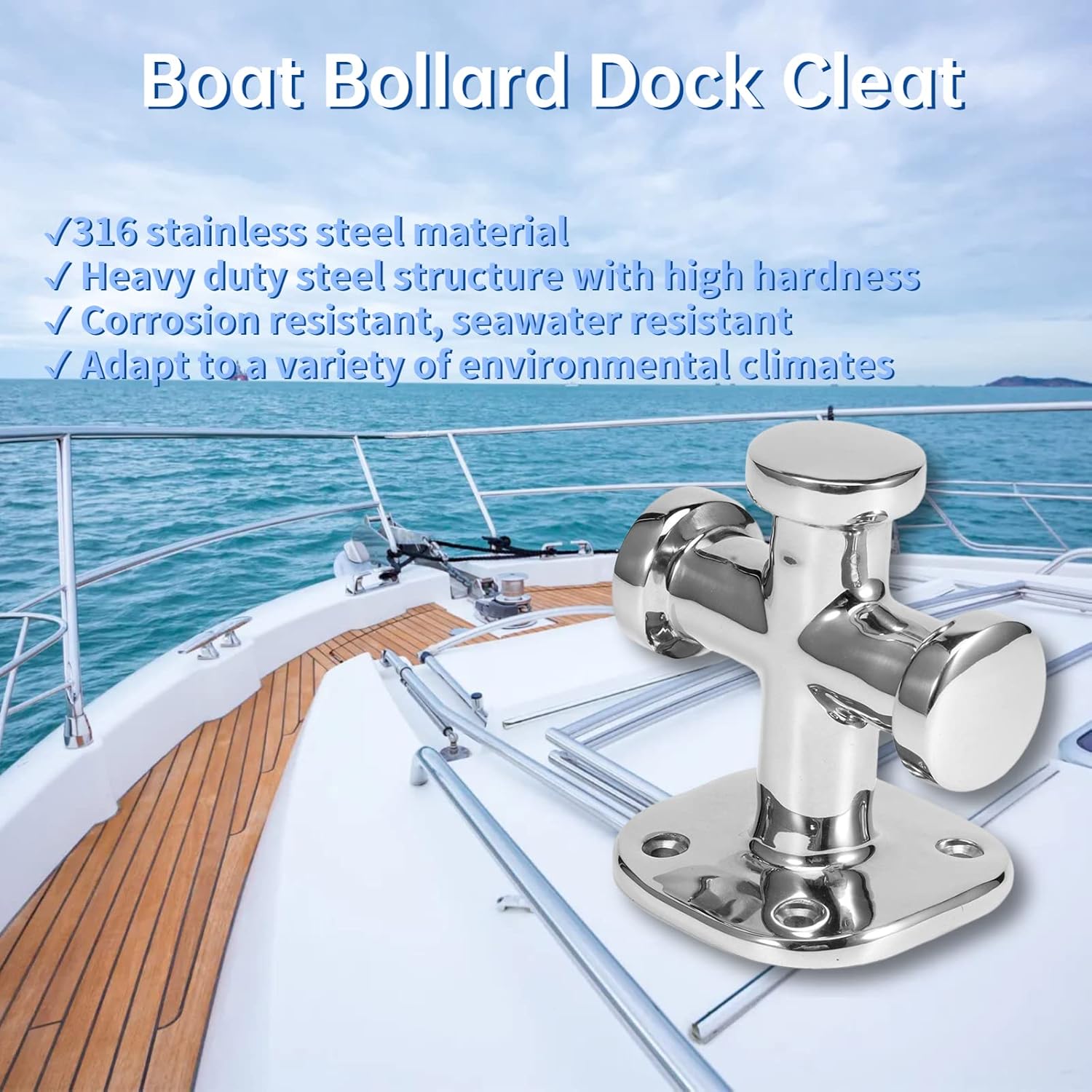
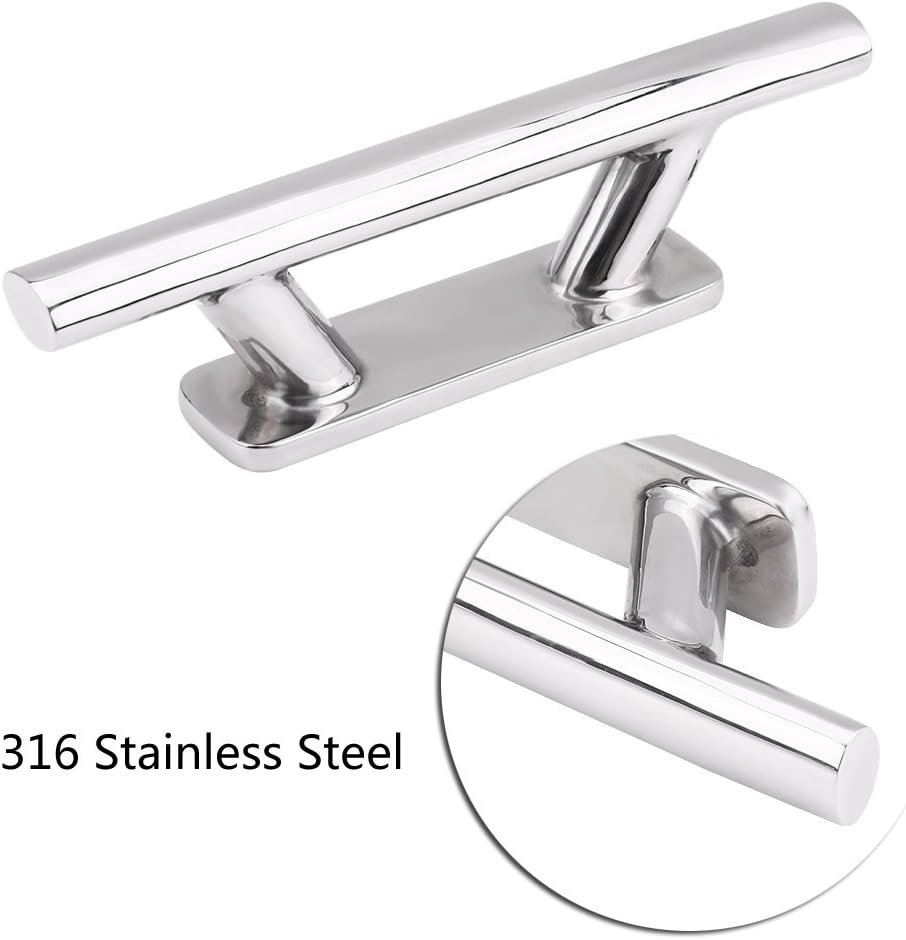
Material choice sits at the heart of any discussion about the best boat cleats for docking on yachts. For primary mooring points, marine-grade stainless steel remains the reference because a stainless steel boat cleat combines high tensile strength with corrosion resistance in saltwater. On long-range boats that live in harsh marinas, polished stainless cleats with smooth radiused edges also reduce line chafe and extend the life of every mooring rope.
Not every cleat on board must be stainless though, and many owners sensibly mix stainless steel hardware with high quality nylon cleats in low load areas. A nylon cleat absorbs shock, weighs less, and costs less, which makes nylon fittings suitable for fender lines, tender docks, or light duty applications on the swim platform. When specifying hardware for a new boat dock, you can reserve heavy stainless steel dock cleats for bow and stern lines while using composite horn cleats for spring lines.
Construction details matter as much as the base material, especially on larger yachts that exert huge leverage on each dock cleat. Look for marine-grade castings with clean open-base designs, generous radii, and solid mounting flanges that accept substantial backing plates under the deck. For example, a typical 250 mm open-base stainless cleat from major manufacturers such as Lewmar or Schaefer is tested to static loads in the 15–25 kN range when installed with proper backing, according to their published datasheets. When you pair such hardware with quality tie-down gear from specialist suppliers of boat tie down straps, the entire docking system gains a welcome safety margin.
Cleat styles : open base, horn, flip, and pop up designs
Different yacht layouts demand different cleat styles, so understanding the main types helps you select the best boat cleats for docking in each zone. Traditional horn cleats with an open base remain the workhorses for heavy mooring lines because they offer intuitive belaying and clear visual feedback to crew. On busy superyacht docks, large horn cleats on the quay and matching dock cleats on the vessel create predictable line angles that simplify communication between teams.
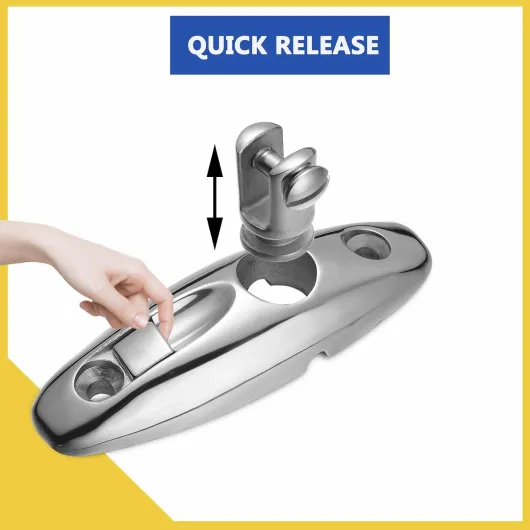
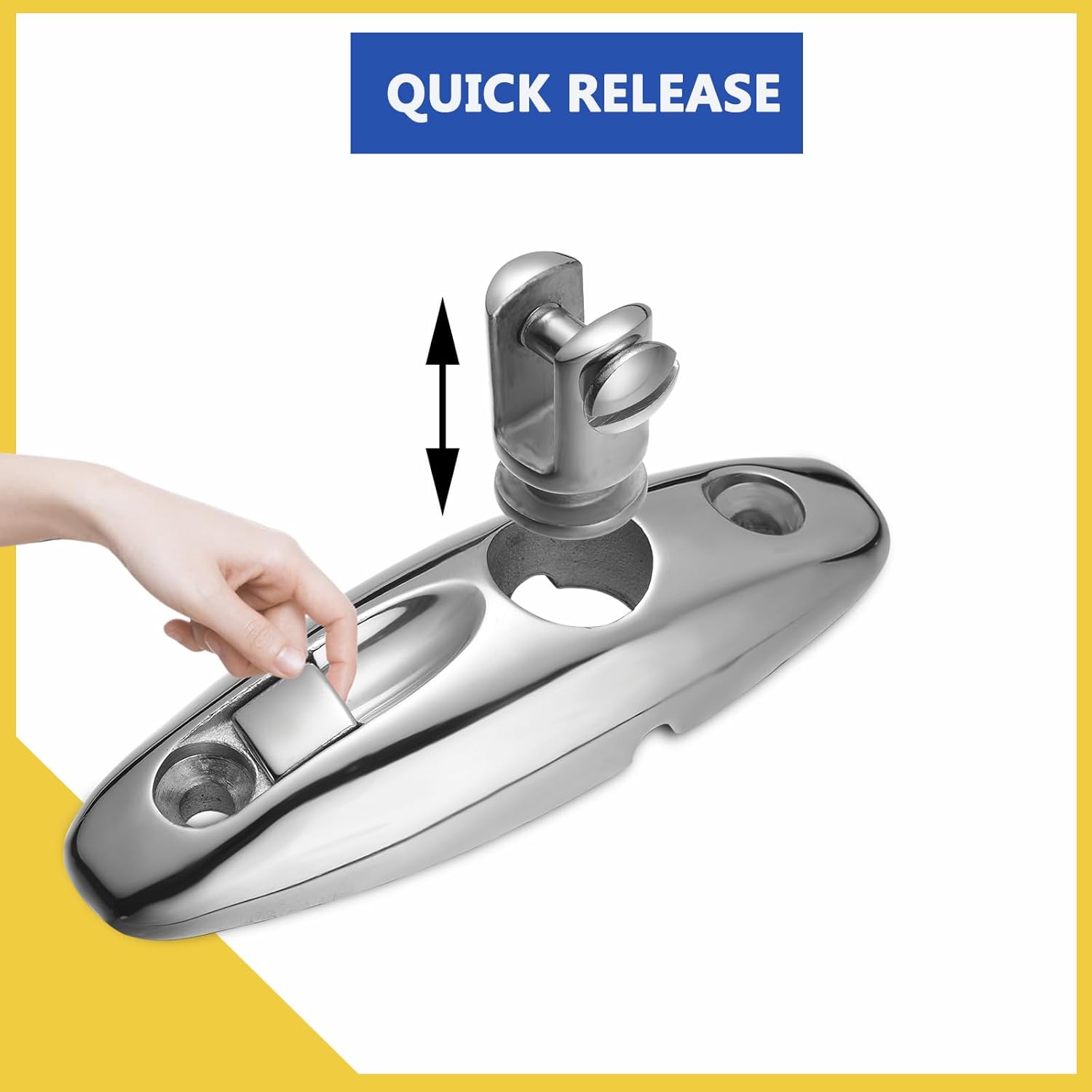
Flush mounted flip cleats and pop up cleats appeal to owners who prioritise clean decks and a contemporary style. A flip cleat folds flat when not in use, while pop-up cleats retract completely into the deck, reducing trip hazards for guests moving along side decks underway. These flip-up and retractable designs must still be marine-grade stainless steel or equivalent, with robust internal hardware and backing plates that match the loads of full size boats.
On the foredeck, many captains combine a central horn cleat with dedicated fairleads and a powerful windlass connected to a reliable ground tackle system. When you choose anchors from specialist guides to boat anchors for marine use, you should also verify that the forward dock cleat or mooring bollard can safely take snubber loads. The synergy between anchor gear, cleat sizing in inches, and mooring rope diameter defines how calmly a yacht rides in a surge-prone harbour.
Sizing and placement : how many cleats a yacht really needs
Correct sizing turns a good cleat into the best boat cleat for docking a specific yacht. As a practical starting point, many designers match cleat length to the diameter of the mooring line and the displacement of the vessel, then confirm that the manufacturer’s safe working load exceeds the maximum calculated mooring load by at least 50%. On a 24 m yacht, that often translates into substantial stainless steel cleats of around 250–300 mm at bow and stern, with slightly smaller dock cleats amidships.
Placement deserves equal attention, because even the strongest deck fittings will underperform if lines lead at awkward angles. You want primary mooring points close to structural bulkheads, with backing plates that spread loads across the deck laminate and into the hull. On side decks, pairs of open-base horn cleats positioned near the quarter and just aft of the bow give crew flexible options when approaching unfamiliar docks.
Many captains retrofit extra marine-grade hardware after a few seasons, once real world docking patterns become clear. If you often lie alongside high docks, adding midship flip cleats or additional horn cleats on the cap rail can transform line handling. When planning such upgrades, consult a yard that understands yacht class rules and can recommend stainless cleats and backing plates that match your vessel’s survey requirements.
Maintenance and inspection : keeping cleats ready for heavy weather docking
Even the best boat cleats for docking degrade if neglected, so a disciplined maintenance routine is essential on any yacht. At least twice a season, inspect every boat cleat and dock cleat for movement, corrosion around fasteners, and hairline cracks in the surrounding gelcoat. Pay particular attention to stainless steel hardware mounted on aluminium or carbon structures, where dissimilar metal corrosion can attack hidden backing plates.
Cleaning routines should respect both the cleat material and the lines you use for mooring. Aggressive compounds can damage nylon cleats or leave residues that accelerate wear on synthetic mooring rope, especially on high load horn cleats. Many captains prefer neutral pH marine cleaners and soft brushes, followed by a freshwater rinse that removes salt crystals from stainless surfaces and from the base of each deck cleat.
During annual haul out, ask the yard to access the underside of key dock cleats and verify that marine-grade bolts and backing plates remain tight and free of crevice corrosion. This is also the moment to evaluate whether existing fittings still represent the recommended cleat configuration for your cruising plans. If you are upgrading other safety gear such as sail covers or line management systems from guides like top sail covers for boats, consider a parallel review of all docking hardware.
Safety practices for crew : using cleats correctly during yacht docking
Hardware alone cannot guarantee safe docking; crew technique around cleats matters just as much on a yacht. Every team member should understand how to take a proper figure-eight turn on a horn cleat and how to secure a line without creating dangerous overrides. On busy docks, clear verbal commands and rehearsed routines reduce the risk of hands or feet becoming trapped between a moving boat and a fixed dock cleat.
Never allow crew to wrap a mooring line around a hand or body part while it is under load from boats moving in a swell. A sudden surge can turn even the best boat cleats for docking into lethal fulcrums if lines are misused or if someone stands in the bight. Good practice keeps people well clear of the line of pull from stainless fittings on the yacht to dock cleats on the quay, especially when using powerful thrusters.
Captains should also brief guests about staying away from working areas where flip cleats, pop up cleats, and open-base horn cleats are in active use. On family boats, retractable pop-up fittings and low profile nylon cleats can reduce trip hazards without compromising the strength of primary marine-grade stainless steel hardware. When you combine well chosen cleat sizes, correctly installed backing plates, and disciplined crew behaviour, your yacht gains a robust final layer of defence during every docking manoeuvre.
Key figures on yacht cleats and docking loads
- Classification societies such as Lloyd’s Register and DNV require mooring fittings, including each primary boat cleat, to withstand proof loads significantly above the maximum calculated mooring load for the vessel. For example, Lloyd’s Register Rules for the Classification of Ships (Part 3, Chapter 14, Section 2) and DNV-RU-SHIP Pt.3 Ch.11 Sec.3 specify proof loads of roughly 1.5–2.0 times the design load for many mooring components, which guides the sizing of marine-grade stainless steel hardware on larger yachts.
- Laboratory tests published by several marine hardware manufacturers show that a 250 mm stainless steel open-base cleat with proper backing plates can sustain static loads exceeding 20 kN, while equivalent sized nylon cleats typically rate closer to 8–10 kN. These values, drawn from representative datasheets by brands such as Harken (Cleats and Fairleads Technical Data, 2023) and Lewmar (Deck Hardware Catalogue, 2022), highlight why material choice matters for the best boat cleats for docking.
- Industry surveys of marina incidents, including reports collated by the UK Marine Accident Investigation Branch (MAIB Safety Digests 2019–2023) and similar bodies, indicate that improper line handling and incorrect use of horn cleats contribute to a significant share of minor docking accidents. This reinforces the need for crew training alongside investment in quality dock cleats and mooring rope.
- Corrosion studies in saltwater environments, such as data summarised in ISO 9223:2012 (Corrosion of metals and alloys – Corrosivity of atmospheres) and related research on marine atmospheres, demonstrate that unprotected carbon steel boat hardware can lose more than 0.1 mm of thickness per year in aggressive coastal conditions, whereas marine-grade stainless steel shows negligible loss under the same exposure. This justifies its widespread use in premium dock cleat installations on yachts.
| Typical cleat length |
Common material |
Typical use on yachts |
Indicative proof / static load* |
| 150–200 mm (6–8 in) |
Nylon or stainless steel |
Fenders, tenders, light dock lines |
5–10 kN (nylon), 10–15 kN (stainless) |
| 250 mm (10 in) |
Stainless steel, open-base horn |
Primary mooring on 10–16 m yachts |
15–25 kN (with proper backing) |
| 300–350 mm (12–14 in) |
Heavy-duty stainless steel |
Bow/stern cleats on 16–24 m yachts |
25–40 kN (class-compliant fittings) |
*Values compiled from representative manufacturer datasheets (e.g. Lewmar, Harken, Schaefer) and class rule guidance; always check the specific rating for the exact cleat model you intend to install.