Key technologies in modern depth and fish finder units
The heart of any serious fish finder or depth finder is its sonar technology. Traditional 50/200 kHz sonar uses a single frequency to show basic depth and fish arches, while modern CHIRP sonar sweeps a range of frequencies (for example 80–160 kHz or 150–240 kHz) for sharper fish separation and cleaner bottom imaging. These ranges are typical of manufacturer specifications for mid-range and high-frequency CHIRP transducers. On a yacht that alternates between cruising and fishing, CHIRP sonar gives you the best balance between reliable depth readings and accurate fish detection.
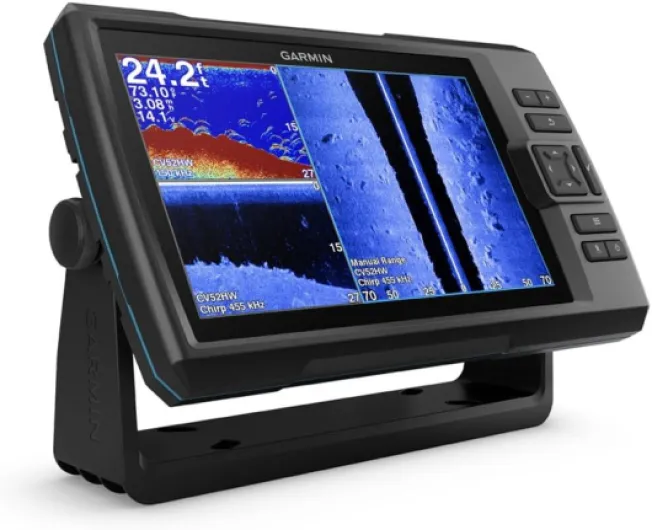
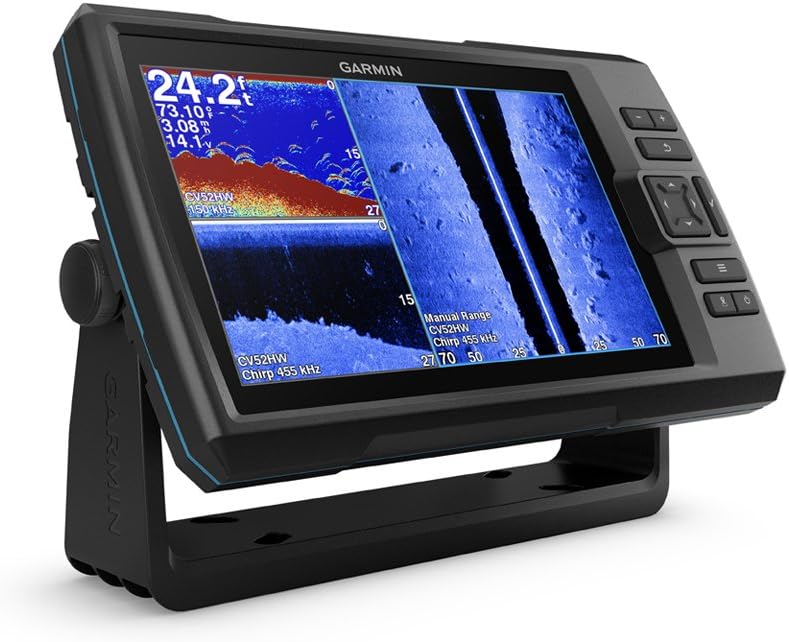
Side imaging and down imaging add another layer of detail by painting near photographic views of structure on each side of the hull. When you use side imaging around reefs or wrecks, you can see which side of the boat holds the best fish habitat and where the bottom drops away sharply. This helps you position the yacht precisely, then drop anchor with confidence, especially when paired with a robust boat anchor kit that holds in variable seabeds.
Screen technology has advanced just as quickly as sonar, and screen size now directly affects how well you interpret data at a glance. A 9-inch or 12-inch touch screen with at least 800 × 480 resolution makes it easier to split views between charts, sonar, and side imaging without crowding critical depth numbers. On larger yachts, many captains choose a primary unit with a wide touch screen at the helm and a secondary finder with a smaller 5-inch or 7-inch display near the aft deck for fishing or tender operations.
Comparing Garmin, Humminbird, and other leaders for yacht use
Among yacht owners, Garmin and Humminbird dominate the conversation about the best marine depth finders for boats and integrated fish finder systems. The Garmin Striker series, especially the Garmin Striker Vivid 7sv and 9sv models, offers excellent CHIRP sonar performance, intuitive menus, and strong value for the price. A Garmin Striker unit with a bright 7-inch or 9-inch class screen and integrated GPS can serve as a compact backup navigator while still acting as a capable fish finder.
Humminbird counters with the Humminbird Helix and Humminbird Apex lines, which are widely regarded as some of the best Humminbird options for serious anglers. A Humminbird Helix 9 or Helix 12 unit with MEGA Side Imaging and a large screen size delivers exceptional clarity when you scan structure on each side of the boat for the best fish-holding spots. At the very top end, a Humminbird Apex 13 or Apex 16 display combines premium imaging, network capability, and a refined touch screen interface that suits the expectations of demanding yacht owners.
When you evaluate these brands, do not look only at the headline features or the number of review stars on Amazon. Consider how the unit will integrate with your existing chartplotter, autopilot, and even hotel systems such as your marine refrigerator for boats. A well-integrated depth finder and fish finder system reduces clutter at the helm, simplifies maintenance, and ensures that depth, fish depth, and imaging data are available wherever you need them on board.
| Model |
Sonar type |
Typical screen size |
Networking |
Approximate price tier* |
| Garmin Striker Vivid 4cv |
CHIRP + ClearVü |
4.3-inch |
Basic GPS, no Ethernet |
Entry-level |
| Garmin Striker Vivid 7sv |
CHIRP + SideVü |
7-inch |
GPS, limited networking |
Mid-range |
| Humminbird Helix 9 |
CHIRP + MEGA Side Imaging |
9-inch |
Ethernet, NMEA 2000 capable |
Upper mid-range |
| Humminbird Apex 13 |
CHIRP + advanced imaging |
13-inch |
Full Ethernet and NMEA 2000 |
Premium |
*Price tiers are relative and based on typical retail positioning at the time of writing, not specific dealer quotes.
Screen size, installation, and yacht specific mounting strategies
Choosing the right screen size for your depth finder and fish finder is not only about comfort, it is about safety. On a flybridge helm where sunlight is intense and viewing distance is greater, a 10-inch or 12-inch screen with at least 1,000 nits of brightness gives you the best readability for depth, fish, and chart data. In a lower pilothouse, a smaller 7-inch unit may suffice, especially if you pair it with a larger multifunction display that repeats sonar and imaging.
Installation on a yacht demands more planning than on a small fishing boat, because cable runs are longer and access behind panels is limited. The sonar transducer must sit in clean water flow, usually on the transom or as a through-hull, to avoid aerated water that can distort depth and fish depth readings. In real-world yard reports, poorly placed transom mounts on deep-V planing hulls often lose bottom lock above 20–25 knots, while correctly faired through-hull transducers tend to hold reliable readings at higher speeds. When you route cables from the transducer to the finder unit, keep them away from high-current lines and VHF antenna cables to reduce interference that could blur CHIRP sonar returns.
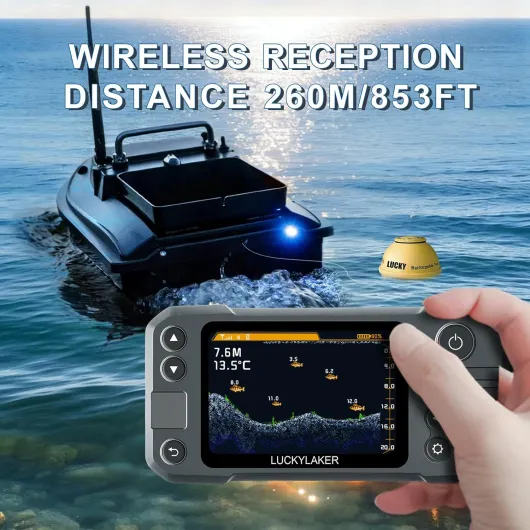
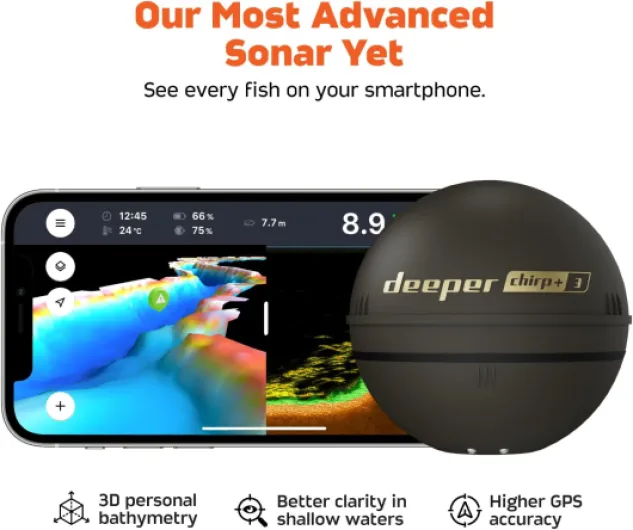
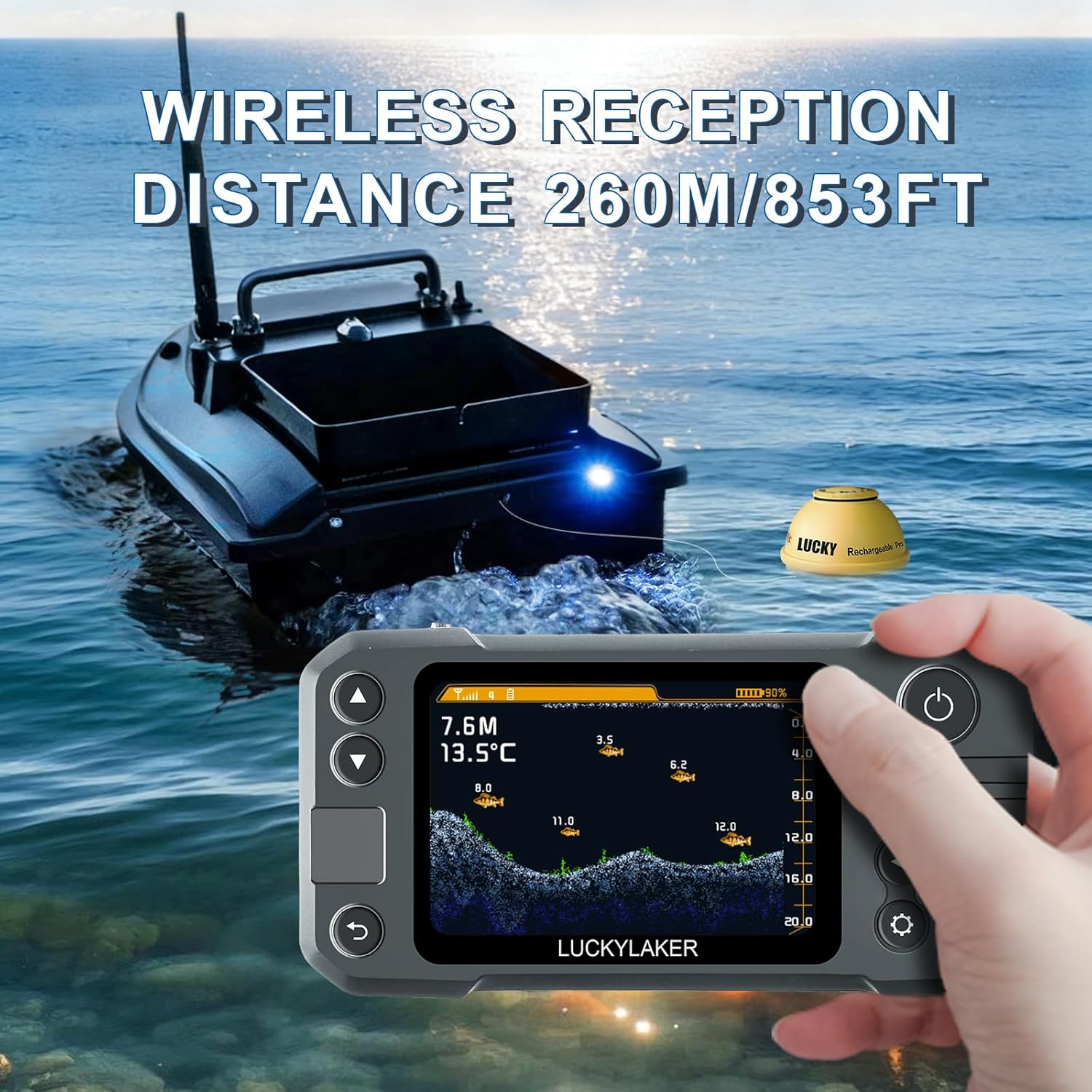
Many yacht owners now favor networked systems where multiple fish finders and depth finders share a common sonar transducer array. This allows a portable fish finder style display to be added near the cockpit or swim platform without installing another transducer on the boat. If you ever need to repair or refit hull sections, coordinate with technicians who handle boat repair kits for fiberglass so that transducer fairing blocks and through-hull fittings remain perfectly faired and watertight.
Specialized modes for fishing, ice fishing, and tender operations
Yacht owners often use their vessels for more than cruising, and fishing modes in modern fish finders reflect that versatility. Dedicated fish finder views emphasize fish arches, fish depth, and target separation, helping you identify the best fish-holding layers quickly. When you switch back to navigation, the same unit can prioritize depth, contour lines, and side imaging to keep the boat clear of hazards.
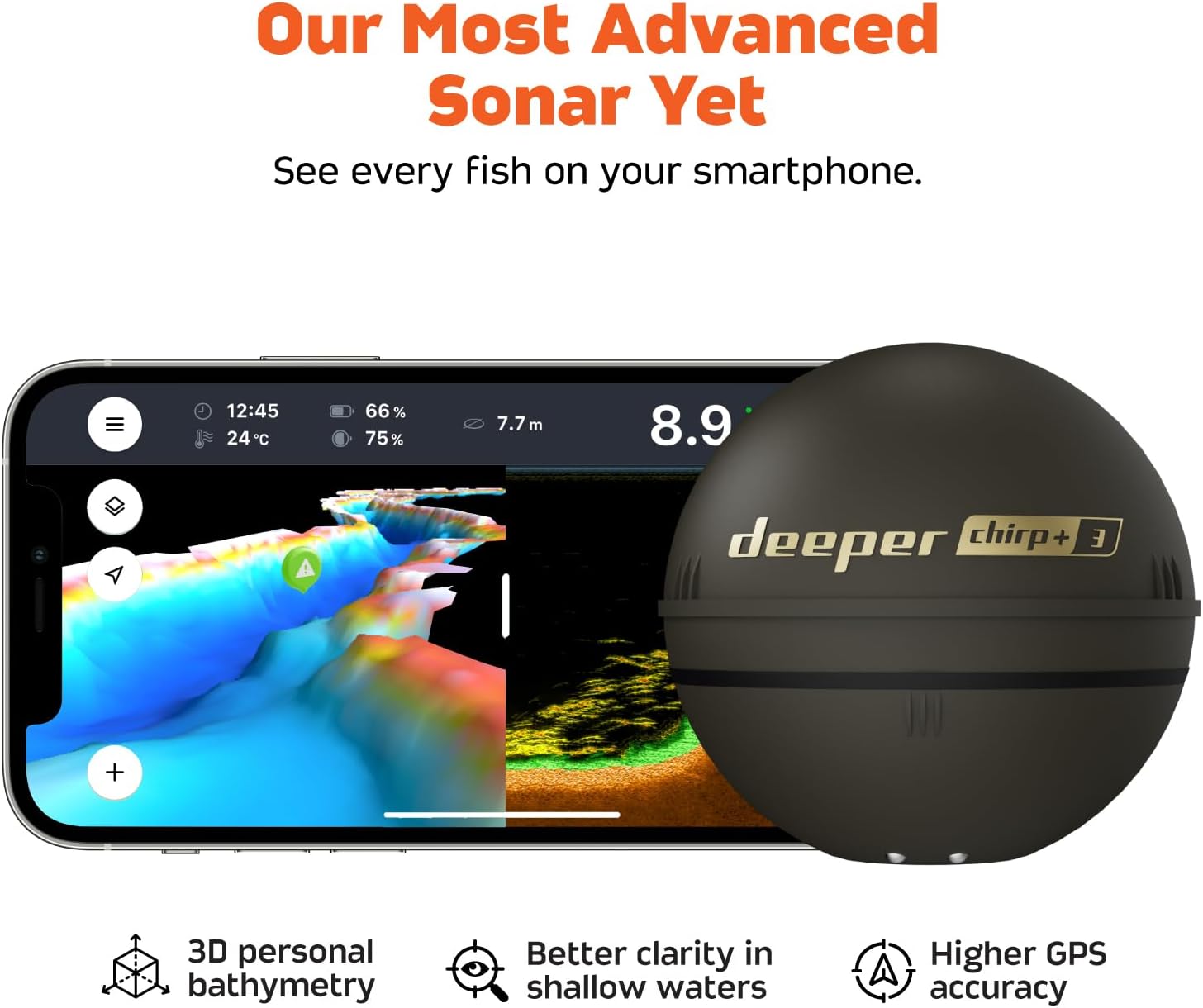
Some systems include specific ice fishing modes, which adjust CHIRP sonar and gain to work through ice holes in very cold water. While ice fishing may seem far removed from warm weather yachting, many owners travel seasonally and bring a portable fish finder unit that can serve on both the yacht and frozen lakes. In these cases, a compact Garmin Striker Vivid 4cv or similar unit with a small 4.3-inch class screen and carry case offers strong flexibility at a reasonable price.
Tenders and chase boats also benefit from compact depth finders and fish finders, especially when exploring shallow coves away from the main yacht. A small touch screen unit with CHIRP sonar and basic side imaging can prevent a tender from grounding while still showing where fish concentrate along rocky shorelines. For owners who prioritize the best ice and cold water performance, choosing a model marketed as ice-capable ensures that transducer materials and software handle extreme temperature swings without losing sonar accuracy.
Evaluating price, reviews, and long term reliability for yachts
When you assemble a short list of the best marine depth finders for boats, price should be weighed against reliability, support, and integration. A budget unit with a small 4-inch screen and limited imaging may look attractive on Amazon, especially if it shows many stars, but it can struggle in deep offshore water or at higher yacht speeds. Premium models from Garmin, Humminbird, and other established brands usually justify their higher price through better sonar, stronger housings, and longer software support.
Online review stars can help you identify recurring issues, such as weak transducer brackets or dim screens, yet they rarely reflect the specific demands of yacht installations. Pay close attention to comments from owners who mention deep water use, side imaging performance, and network integration with other units on the boat. For a yacht that spends time in remote regions, prioritize a depth finder and fish finder combination with robust global support and readily available replacement sonar transducer parts.
Long-term reliability also depends on how you maintain the system, from cleaning the screen to checking transducer alignment after haul-outs. Avoid harsh cleaners on touch screen surfaces, and inspect cables for chafe where they pass through bulkheads or near moving gear. When you plan electronics upgrades alongside other maintenance, such as refrigeration or structural work, you can phase in new fish finders, depth finders, and the best Humminbird or Garmin Striker units without disrupting the yacht’s overall systems balance.
Key figures on depth finders and sonar performance
- Many mid-range CHIRP sonar depth finders reliably read to around 300 m (about 1,000 ft) in salt water, while high-end units from Garmin and Humminbird can exceed 700 m (over 2,300 ft) with the correct 1 kW transducer, according to typical manufacturer specifications and dealer test reports.
- Side imaging and down imaging typically perform best in depths up to 60 m, where resolution remains high enough to distinguish individual fish and structure on each side of the boat, based on technical documentation from major brands and field use by charter skippers.
- Industry surveys of recreational boaters show that more than half of new boats above 8 m length are now delivered with integrated fish finder and depth finder systems, reflecting the shift from standalone gauges to multifunction sonar displays.
- Consumer electronics data indicates that marine displays between 9-inch and 12-inch screen size represent a growing share of sales, as owners prioritize larger screens for split views of charts, sonar, and side imaging.
- Warranty periods for premium fish finders and depth finders commonly range from two to three years, with extended coverage available from some manufacturers and dealers for an additional fee.