Key technologies in modern marine GPS chartplotters
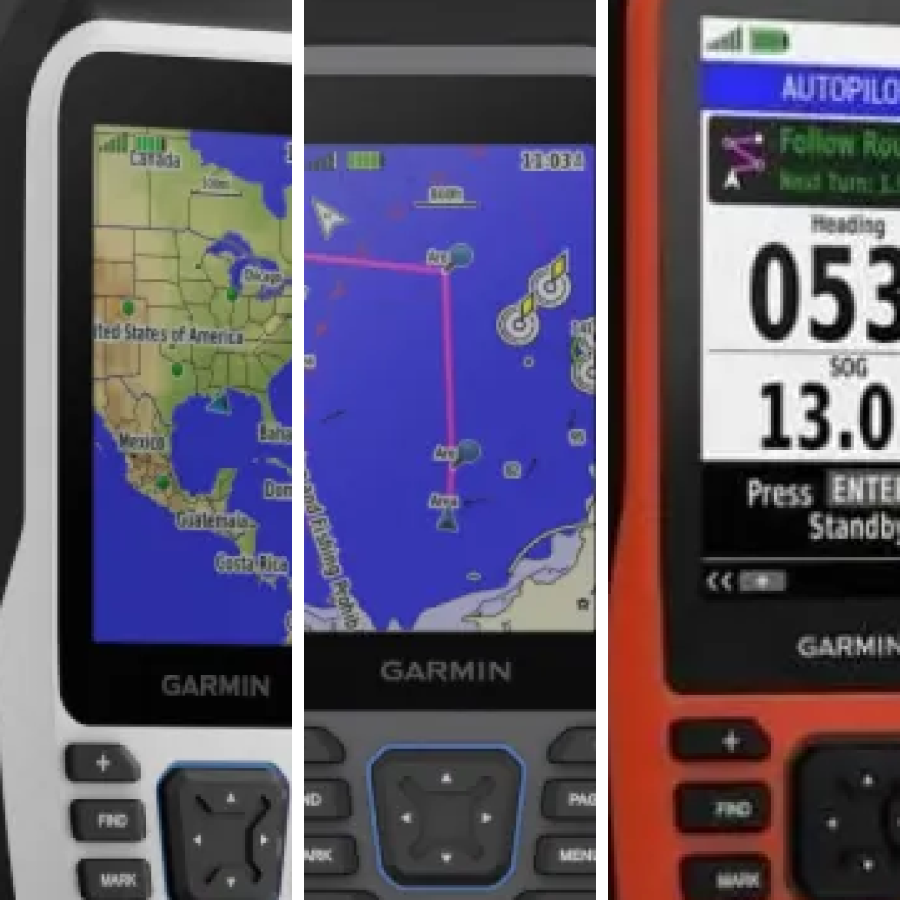
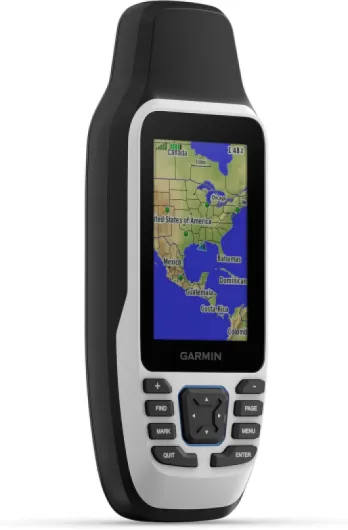
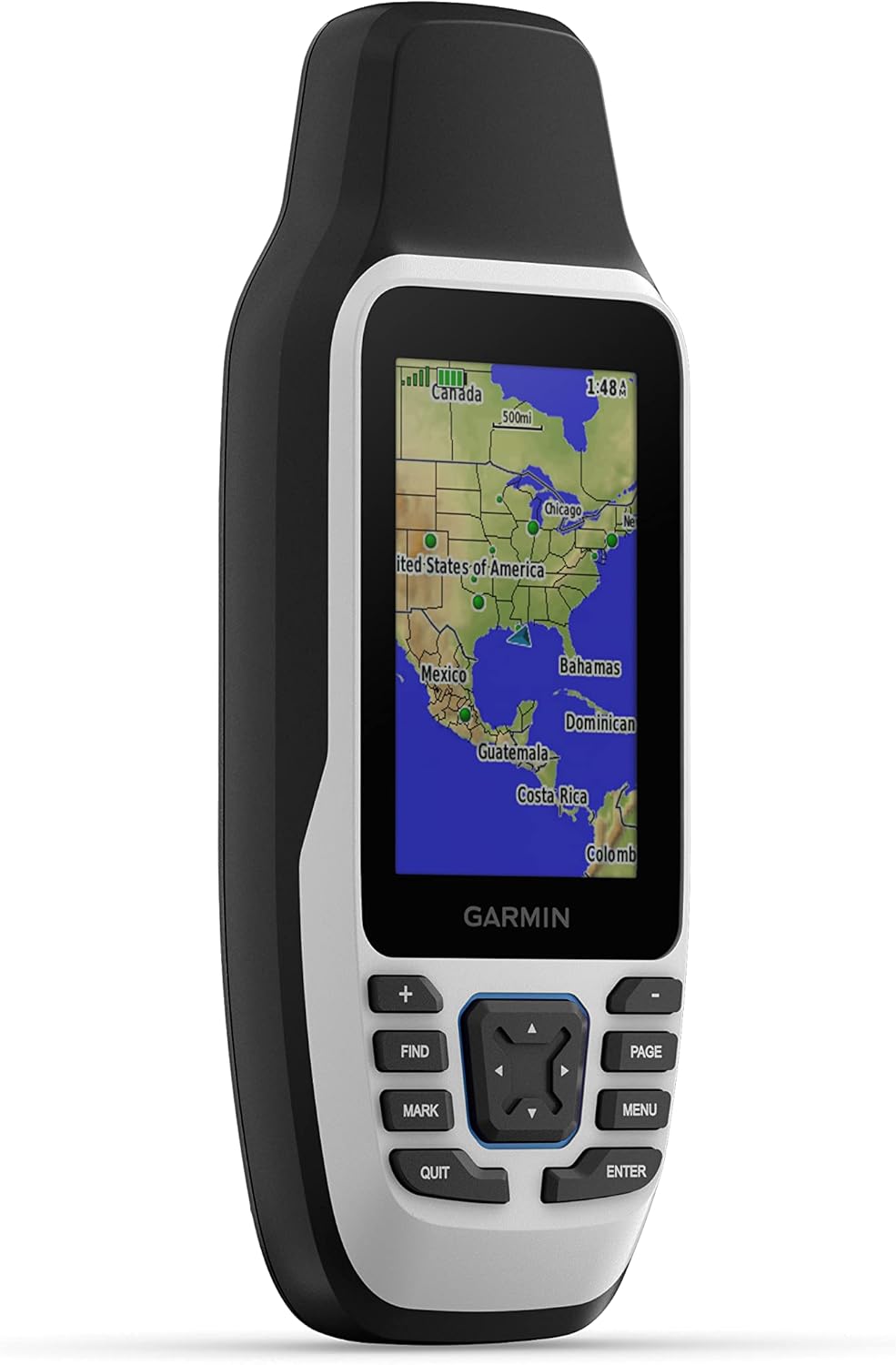
Current chartplotters from Garmin, Lowrance, and Raymarine share core technologies but implement them differently. The Garmin GPSMAP range, including the popular Garmin GPSMAP XSV models, combines a fast GPS receiver, vivid touch display, and advanced sonar in a single unit that includes networking ports for radar and autopilot. Lowrance GPS units focus strongly on fish finder performance, pairing powerful sonar with detailed maps that appeal to anglers who also cruise on their yachts.
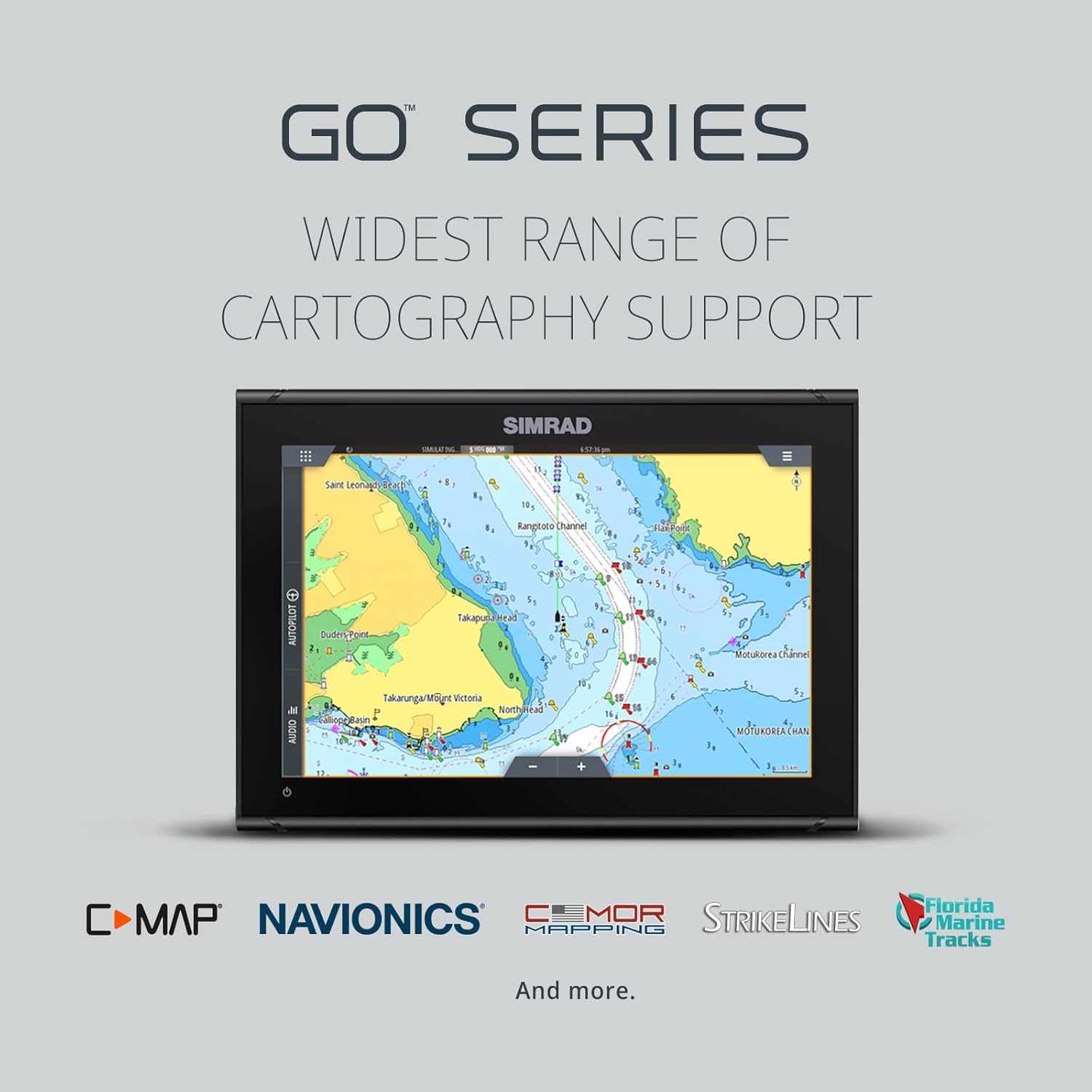
Raymarine Axiom chartplotters stand out for their fluid user interface and sharp touch display that handles pinch to zoom on maps as smoothly as a tablet GPS. Many Raymarine Axiom units ship with Navionics charts preloaded, while Garmin Navionics cartography is now integrated into both Garmin ECHOMAP and Garmin GPSMAP series for consistent coverage. When you compare these products, check whether a subscription required note appears for premium layers such as satellite photos, advanced routing, or crowd sourced depth data.
Sonar technology also matters for yacht maintenance and safety, not only for fishing. A quality transducer paired with an ECHOMAP UHD or GPSMAP XSV unit can reveal poorly charted shoals, underwater obstructions, or silting in your home marina that might threaten your keel or stabilizers. For more technical rigging guidance on deck hardware that complements your navigation upgrades, review specialized resources on high performance sailing blocks and pulleys before planning a full electronics refit.
Choosing the right screen size, layout, and installation for your yacht
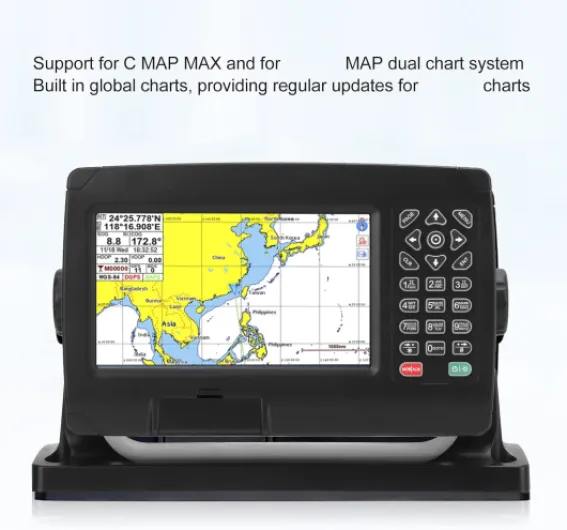
Screen size is the first specification most yacht owners notice when comparing the best marine GPS navigation systems. A compact 7 inch Garmin ECHOMAP unit suits a secondary helm or tender, while a 12 inch or 16 inch Garmin GPSMAP or Raymarine Axiom display becomes the natural centerpiece of a bluewater navigation station. Larger gps units allow you to split the display between charts, radar, and fish finder views without sacrificing legibility in rough conditions.
Layout decisions extend beyond the main map window and into how you arrange data overlays. Many skippers prefer to fill the right side of the touch display with real time depth, wind, and speed, leaving the central map clear for Navionics charts and AIS shipping targets. When you configure a Lowrance or Garmin marine GPS, experiment with different chart, radar, and sonar combinations until the unit includes every parameter you routinely monitor offshore.
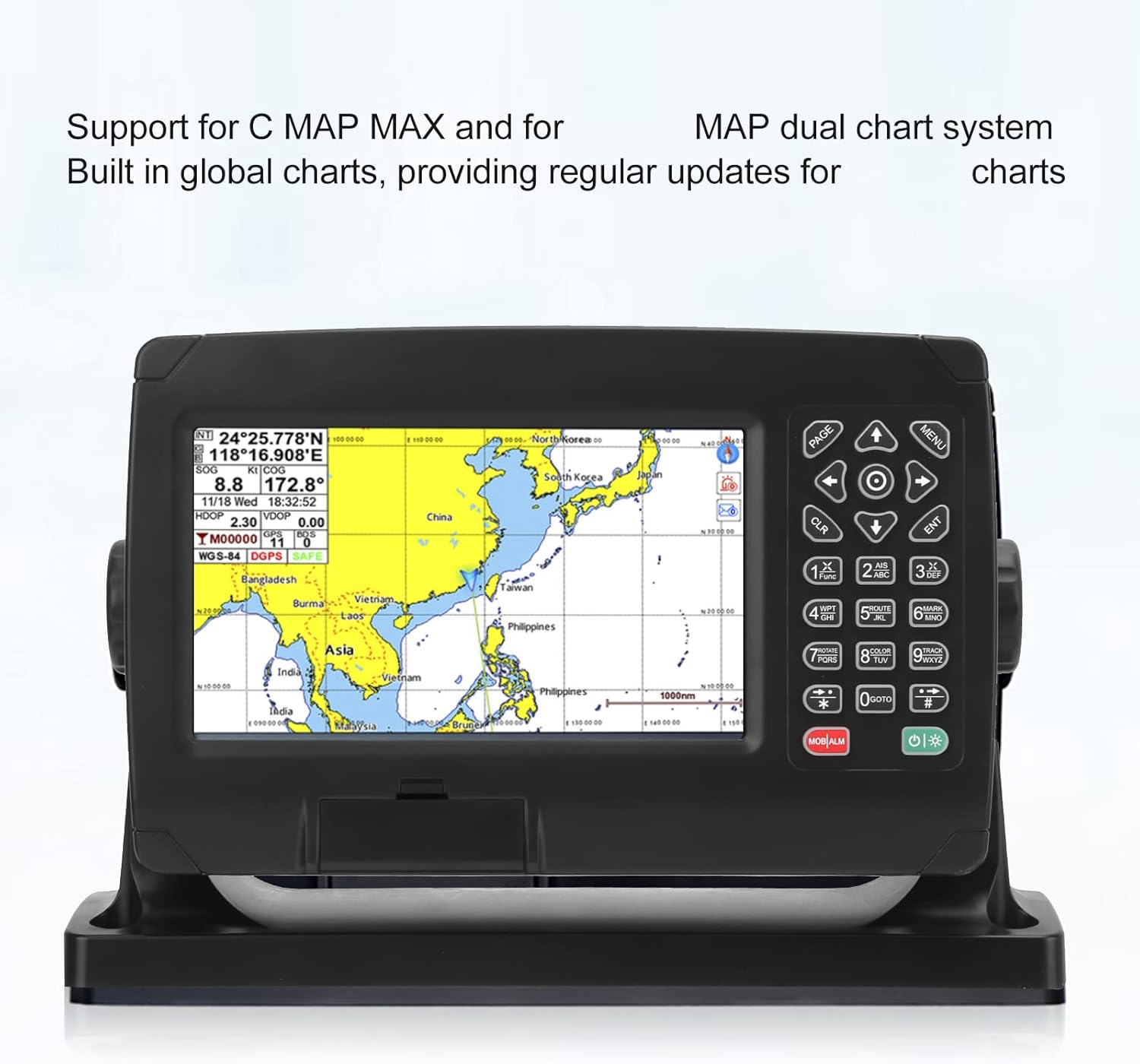
Installation quality determines whether your new marine electronics perform reliably over time. Flush mounting a GPS navigator in a protected console reduces glare and protects connectors, while a bracket mounted tablet GPS or smaller gps receiver can serve as a backup at the chart table. When you upgrade navigation, it is also an ideal moment to evaluate deck control systems such as those covered in this guide to top boat rope clutches, ensuring your yacht handles as precisely as your charts suggest.
Cartography, Navionics charts, and data costs for yacht cruising
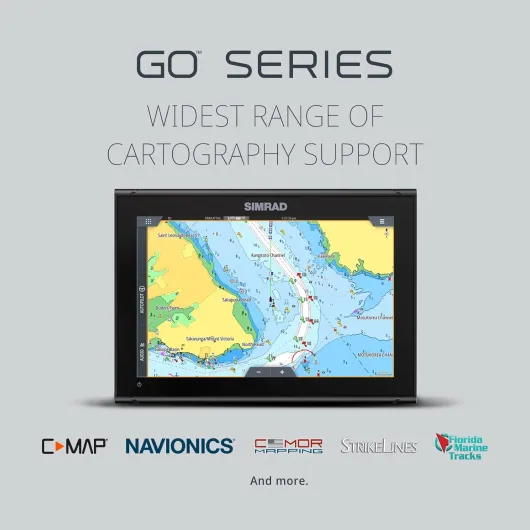
Chart quality defines how much confidence you can place in even the best marine GPS navigation systems. Garmin Navionics cartography, now standard on many Garmin GPSMAP and Garmin ECHOMAP models, offers detailed maps with depth shading, marina information, and community edits that highlight hazards reported by other skippers. Raymarine Axiom and Lowrance units also support Navionics charts, giving you consistent coverage whether you sail the Great Lakes or remote island chains.
Before purchase, always check which charts the unit includes and which require extra payment. Some products ship with coastal maps only, while others bundle inland waterways, Great Lakes coverage, or even global charts, and this dramatically changes the effective price of your marine GPS. Certain advanced layers, such as satellite imagery or automatic route suggestions, may show a subscription required note, so calculate the long term cost rather than focusing solely on the initial price tag.
Many brands advertise free chart updates for a limited time, often covering the first year of ownership. After that period, you typically renew access to updated maps and Navionics charts through an online store linked to your GPS units or tablet GPS app. For active yacht navigators who log serious miles, staying current with buoy moves, dredging, and new shipping lanes is not optional; it is a core safety practice that protects both hull and schedule.
Integrating sonar, fish finders, and accessories into a yacht tech upgrade
Yacht owners increasingly treat sonar as a structural safety tool rather than a fishing luxury. A high quality transducer feeding an ECHOMAP UHD, GPSMAP XSV, or Lowrance fish finder gives you real time depth profiles that reveal steep drop offs, coral heads, or uncharted wrecks beneath your keel. When your marine GPS overlays this sonar data on the main map, you gain a three dimensional understanding of the seabed that charts alone cannot provide.
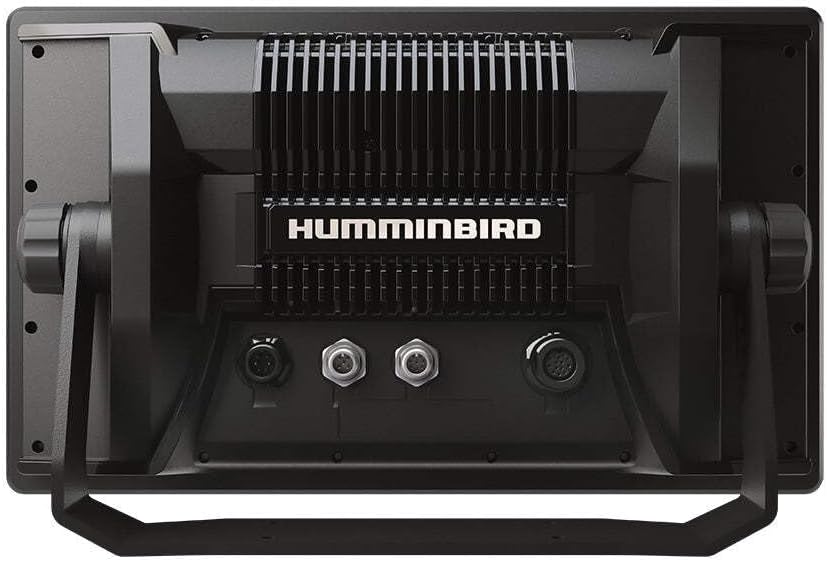
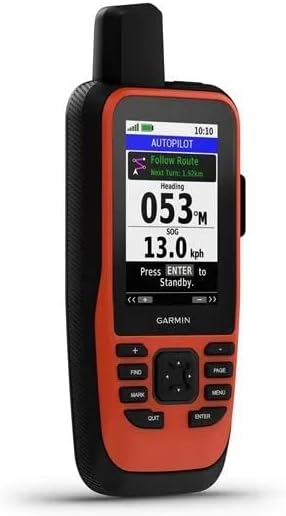
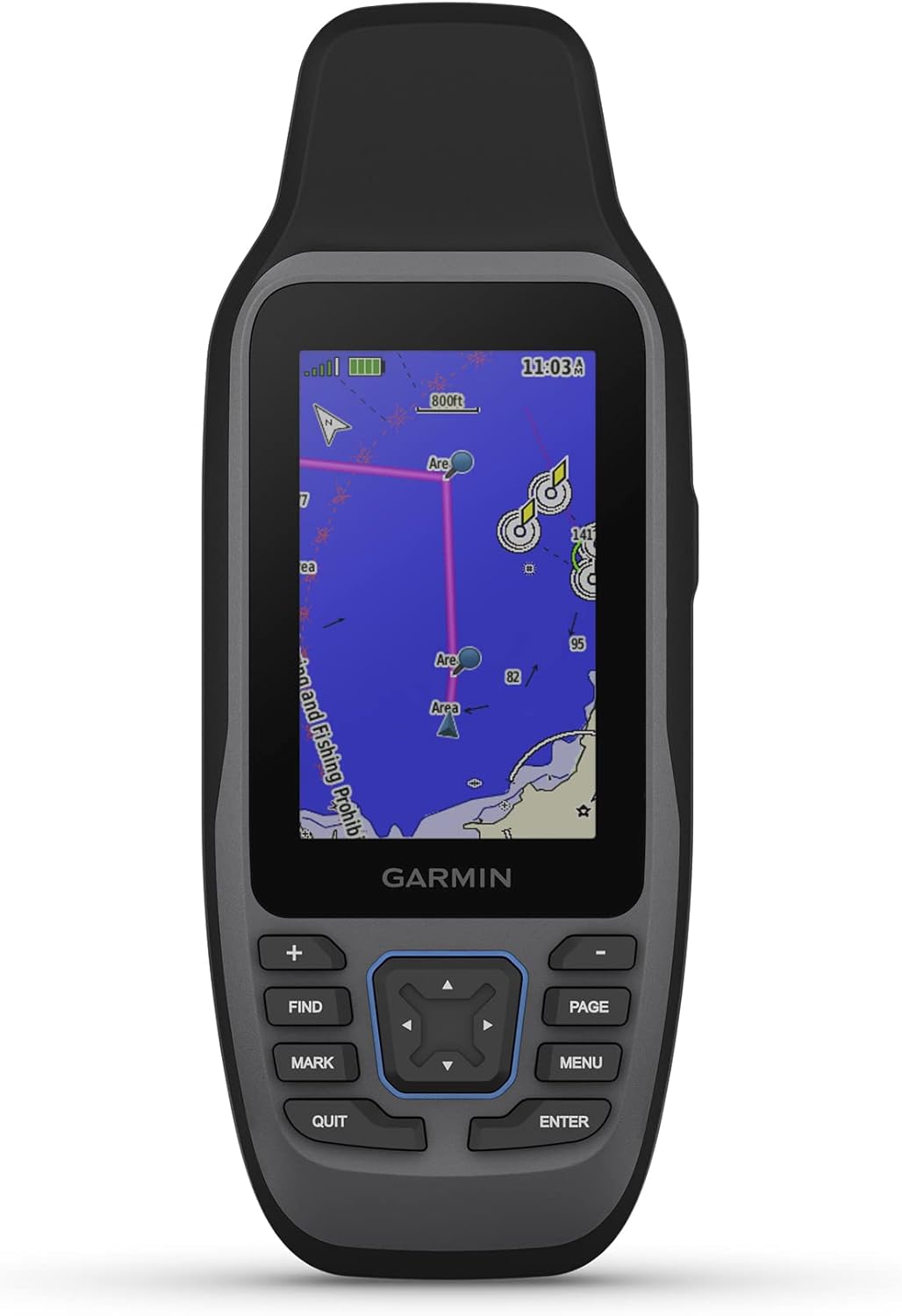
Thoughtful selection of accessories marine components completes the system. External GPS receiver antennas improve accuracy under hardtops, while NMEA 2000 networks link your gps navigator to autopilots, wind instruments, and engine data so the unit includes every parameter you need on one display. Many experienced skippers also carry a rugged tablet GPS with offline maps as a backup, mirroring routes from the primary Garmin, Lowrance, or Raymarine electronics for redundancy.
When planning a refit, allocate budget for both core products and supporting accessories marine items such as brackets, cabling, and protective covers. The apparent price gap between entry level and premium marine electronics narrows once you factor in these extras and the labour required to install a through hull transducer correctly. To complement your navigation upgrade with personal gear that performs in harsh weather, consult curated reviews of top sailing jackets for men and women so crew comfort matches your new tech standards.
Maintenance tips and long term care for yacht GPS systems
Once installed, the best marine GPS navigation systems demand regular care to deliver reliable service on extended cruises. Salt, UV exposure, and vibration gradually degrade connectors, displays, and internal electronics, especially on open flybridge helms. A simple routine of rinsing the touch display with fresh water, inspecting seals, and checking cable strain relief after each passage extends the life of your gps units significantly.
Software maintenance is equally important for Garmin GPSMAP, Garmin ECHOMAP, Raymarine Axiom, and Lowrance devices. Schedule time at least twice per season to update firmware, refresh Navionics charts, and verify that the GPS receiver acquires satellites quickly in your usual cruising grounds. Many owners use marina Wi Fi or a mobile hotspot to download free updates where available, then confirm that every map, overlay, and sonar feature still behaves as expected before leaving the dock.
Physical checks should include verifying that the transducer face remains clean and free of marine growth, since even a thin layer of fouling can degrade fish finder performance and depth readings. Inspect accessories marine items such as external antennas, brackets, and covers for cracks or UV damage, replacing them before failure rather than after a critical passage. Treat your gps navigator with the same respect you give standing rigging or engines, and it will reward you with precise, real time situational awareness in tight harbours and open ocean alike.
Key figures on yacht navigation electronics and GPS adoption
- Industry surveys from marine electronics associations suggest that a large majority of new yachts above 9 m are delivered with integrated marine electronics suites that include at least one fixed marine GPS chartplotter, reflecting the shift away from paper only navigation.
- Reports from major brands such as Garmin and Navico indicate that multifunction displays combining GPS, sonar, and radar represent a significant share of chartplotter products sold, showing strong demand for all in one gps navigator solutions.
- Market analyses of recreational boating in North America estimate that Great Lakes and inland waterways account for a substantial portion of chart sales for Navionics charts and similar map providers, underlining the importance of freshwater coverage for committed yacht owners.
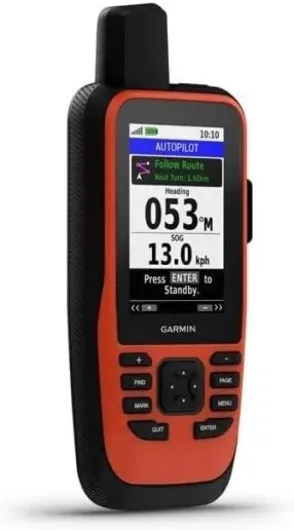
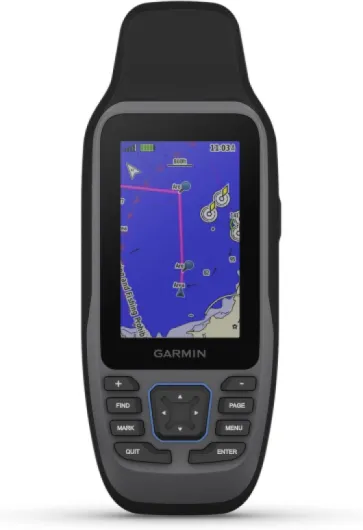
- Surveys of offshore cruising sailors published by leading yachting magazines suggest that many skippers carry at least one backup navigation device, such as a tablet GPS or handheld gps receiver, in addition to the primary helm mounted unit.
- Data shared by marine insurance companies consistently show that groundings remain among the top causes of hull claims, reinforcing the value of pairing accurate maps with a properly installed transducer and regularly updated best marine GPS navigation systems.