
Summary
Editor's rating
Value for money: good coastal gear, but not a bargain
Design: practical, slightly boxy, and clearly made for the boat
Comfort: good overall, with a few small annoyances
Materials and build: feels tough enough for real use
Durability after a few weeks: promising, but not bulletproof
On-water performance: keeps you dry and blocks wind like it should
What you actually get when you unpack it
Pros
- Very good wind and waterproof protection with fully taped seams and effective storm flap
- Practical sailing features: hi-vis hood, double cuffs, fleece-lined collar, and usable pockets
- Relaxed fit that allows layering and easy movement around the boat
Cons
- Breathability is decent but not great if you’re working hard in mild weather
- Boxy cut and chunky collar/hood when stowed won’t appeal to those wanting a sleeker fit
- Inner PU cuffs can feel clammy on bare skin and may wear faster than the main shell

Specifications
View full product page →| Brand | Gill |
A coastal jacket that actually gets used, not just stored on the boat
I’ve been using the Gill Mens OS3 Coastal Cruising Jacket in XL Tidal Blue for a few weeks now on short coastal trips and some pretty wet days in the marina. I’m not a racer, just a regular weekend sailor who hates being cold and soaked. I bought this as a step up from a cheap generic rain jacket that was basically a sauna with sleeves once the wind picked up. So my expectations were simple: stay dry, not sweat like crazy, and be able to move around the boat without feeling wrapped in cardboard.
The first outing with it was a windy afternoon with on-and-off drizzle and some proper spray over the bow. I wore just a technical base layer under it to see how it handled wind and water. Right away, the wind protection felt solid. No drafts through the zipper, no cold spots around the neck, and the cuffs actually sealed instead of flapping around. It felt more like real sailing gear, not just a city raincoat pretending to be technical.
Over a few sessions, I tried it in different setups: over a hoodie for a colder morning, over just a t-shirt while doing jobs on the dock, and zipped up tight in light rain walking the dog. The jacket never leaked on me, and that’s the main thing. The breathability is not perfect, but it’s way better than my old budget jacket. When I was hauling lines and moving around a lot, I got a bit clammy but not drenched from my own sweat, which is a big improvement.
Overall, my first impression is that this is a practical coastal jacket, not some overbuilt offshore armor. It’s not cheap, and it’s not magic, but it feels like gear I’ll actually wear a lot, not just when the weather is terrible. It has a few annoyances I’ll get into, but for everyday coastal sailing, it does the main job: it keeps wind and water out without making you miserable inside.
Value for money: good coastal gear, but not a bargain
Price-wise, the Gill OS3 Coastal Cruising Jacket sits in that mid-to-upper range for coastal sailing gear. It’s not the cheapest jacket on the market, and you can definitely find basic waterproof shells for less. But those cheaper ones usually cut corners on fit, cuffs, hood design, and long-term waterproofing. Compared to the bargain stuff I’ve owned, this feels like a clear step up in both comfort and protection. You’re paying for a proper sailing design, not just a generic raincoat.
Compared to more premium offshore gear, it’s obviously cheaper and lighter. If you don’t actually sail in harsh offshore conditions, spending a lot more on heavy-duty gear doesn’t make much sense. For coastal cruising, day sailing, and marina work, this jacket hits a decent balance: enough features and protection to be reliable, without the weight and price of full-on offshore kit. So in that sense, the value is pretty good if your use matches what it’s designed for.
On the downside, if you only sail a few times a year in mild weather, this might be overkill. You could get away with a simpler, cheaper jacket and be fine. Also, the breathability is good but not top-tier, so if you were hoping for a high-end shell feel, you might feel slightly underwhelmed for the money. It’s solid, but it doesn’t feel like luxury technical gear.
Overall, I’d say value is decent: you’re paying for a reliable, well-thought-out coastal jacket from a known sailing brand, with proper features like double cuffs, a good hood, and taped seams. It’s not a steal, but it’s not overpriced for what it offers. If you sail regularly and want one jacket you can trust for most coastal conditions, the price makes sense. If your sailing is very occasional or very hardcore, there are cheaper or more specialized options that might fit better.
Design: practical, slightly boxy, and clearly made for the boat
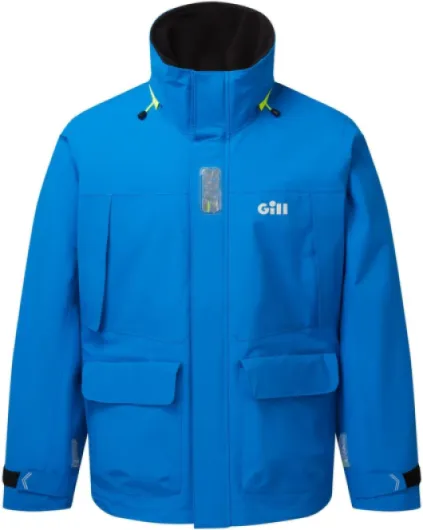
The design is very much “function first”. The relaxed fit means you can layer underneath, twist, crouch, and lean without feeling restricted. When I was trimming sails and moving from cockpit to foredeck, the jacket didn’t ride up too much, and I didn’t feel like I had to fight the fabric. The sleeves are long enough that when you reach forward, your wrists stay covered, which is something a lot of cheaper jackets mess up.
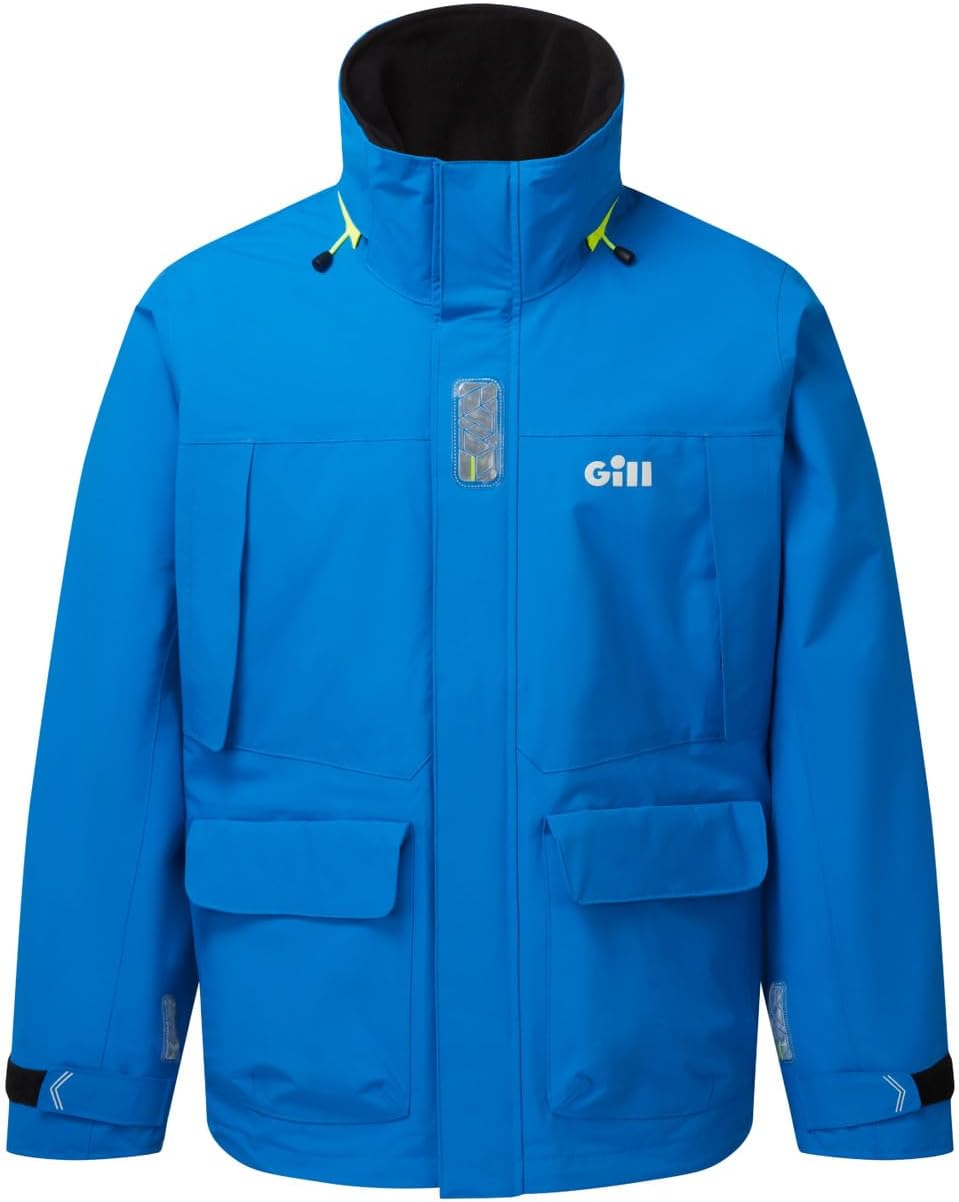
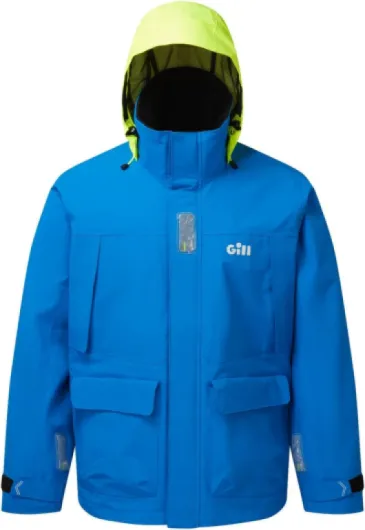
Color-wise, the Tidal Blue is pretty neutral. It’s not flashy, but it looks decent and hides dirt and marks better than bright red or white. The hi-vis hood is the only loud part, which is exactly how it should be: calm color on the body, bright on the parts that need visibility. There are reflective details, but they’re not huge. Good enough for being seen by a crew mate with a headlamp, but I wouldn’t rely on them as the only visibility aid in heavy seas at night.
The pocket layout is one of the stronger parts of the design. The chest handwarmer pockets are actually usable: they’re at a good height, lined, and easy to get into even with cold fingers. The lower cargo pockets are deep enough for gloves, a small notebook, or snacks. I’ve shoved a folded chart and a phone in a dry pouch in there without issues. One downside: the cargo pocket flaps are a bit stiff at first and can catch on things, like lines or railings, until they soften up with use.
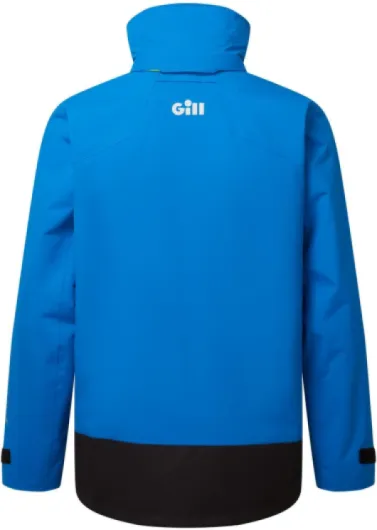
On the downside, the overall cut is a bit boxy. If you’re slim, it may feel like you’re wearing half a size too big around the torso, even if the shoulders fit fine. Also, when the hood is rolled up in the collar, the collar gets pretty chunky. It’s not painful or anything, but you feel that bulk at the back of your neck, especially if you’re leaning against a high cockpit backrest. So, design-wise, it’s clearly built for practicality, and it does that job, but you’re not buying it for a tailored look or super sleek lines.
Comfort: good overall, with a few small annoyances
Comfort-wise, this jacket is pretty solid for what it is. The relaxed fit means nothing is pulling or digging in when you’re active. I could sit, kneel, and lean over the rail without feeling the jacket fighting me. The articulated sleeves help a bit there too; they don’t twist in a weird way when you’re reaching up to the boom or working the mast. The weight is noticeable but not tiring. After a few hours, I didn’t really think about it, which is usually a good sign.
The fleece-lined collar is one of my favorite parts. On a chilly morning with wind, zipping it all the way up gives a nice soft barrier around your neck and lower face. It’s high enough to block the wind but not so high that you feel like you’re suffocating. Same with the chest handwarmer pockets: they’re lined and genuinely warm, so when you’re standing around on watch or hanging in the cockpit, you can tuck your hands in and get some relief from the cold.
On the downside, the double cuffs are a bit of a mixed bag. The inner PU seal works well to keep water from running up your arm, especially when you’re reaching forward into spray. But that inner layer can feel clammy directly on the skin if you’re wearing just a t-shirt or short sleeves. With a long-sleeve base layer it’s fine, but bare skin against that material is not the nicest. Also, adjusting the outer Velcro cuff over and over can get a bit tedious if you’re taking gloves on and off.
Breathability is decent but not perfect. On cool windy days, it feels good: you stay warm and dry without feeling steamy. When I was moving a lot in milder weather, I did start to feel a bit humid inside, especially around the back and under the arms. It’s better than cheap rain shells, but it’s still a waterproof jacket—you’re not going to be bone-dry inside after hauling lines for an hour. So, comfort overall is good for coastal use, but if you run hot or plan to work hard in mild temperatures, expect some internal moisture and plan your layers accordingly.
Materials and build: feels tough enough for real use
The jacket uses Gill’s XPLORE 2-layer waterproof and breathable fabric, with fully taped seams and a PFAS-free SHIELD water repellent coating. In hand, the fabric feels mid-weight: not as thick and stiff as heavy offshore gear, but not flimsy either. When you crumple it in your hand, it has that slightly crunchy technical feel, but it doesn’t sound like a crisp packet every time you move, which I appreciate on longer days.
The outer shell is a mix of recycled nylon and regular nylon (about half recycled according to the specs). The lining and fleece are recycled polyester. That eco angle is nice on paper, but what matters to me is how it behaves. After a few wet outings and some light spray, water still beads up and runs off the fabric, so the DWR coating is doing its job so far. I haven’t had it long enough to judge long-term durability of that coating, but fresh out of the bag, it’s solid.
The YKK zipper is anti-corrosion and feels robust. It’s not one of those tiny fashion zips; it’s chunky enough that you can grab it with cold or slightly gloved fingers. The double storm flap over the zipper closes with both Velcro and snaps, which gives a good seal but also means there’s a bit of faff when you want to open it quickly for ventilation. Stitching around stress points (pockets, cuffs, hem) looks tidy and even. No loose threads or weird seams on my unit, which is reassuring given it’s made in Vietnam like a lot of technical gear nowadays.
If I compare the feel of the material to cheaper rain jackets I’ve had, this one definitely feels more robust and more purpose-built. It’s not bulletproof, and if you abuse it with sharp edges, it will mark like any nylon, but for normal coastal use, it feels like it’ll hold up. The only slight concern is that the inner PU cuff material feels a bit plasticky; I can see that wearing faster than the main shell if you’re rough with it or constantly yanking it over big gloves.
Durability after a few weeks: promising, but not bulletproof
I haven’t had the jacket for years obviously, but after a few weeks of regular use, it’s holding up well. I’ve stuffed it into lockers, sat on rough cockpit benches, brushed against hardware, and it hasn’t shown any serious wear yet. No fraying seams, no peeling tape at the edges, and the DWR coating is still causing water to bead nicely on the surface. For early impressions, that’s reassuring.
The areas I usually watch for early wear are the cuffs, pockets, and around the hem. The PU inner cuffs are still intact and sealing fine, but as I mentioned earlier, they feel like the part that could age the fastest. Constant stretching over gloves and getting yanked around probably won’t help. The outer Velcro is strong enough, maybe even a bit too grabby at first, but it hasn’t lost bite yet. Pocket flaps are still holding their shape and closing properly, though they’ve softened a bit, which actually makes them less likely to catch on lines.
I’ve also worn it with a lifejacket on top, and the fabric on the shoulders hasn’t shown any signs of abrasion yet. That said, this is still a 2-layer coastal jacket, not a heavy-duty offshore shell, so I wouldn’t abuse it with constant rough hardware contact and expect it to stay pristine. For normal coastal use—weekend trips, evening sails, and general boat work—it feels like it will last several seasons if you rinse it after saltwater use and don’t throw it in a heap wet for days.
So from a durability point of view, I’d say it feels solid but not indestructible. If you treat your gear halfway decently—rinse, dry properly, occasional wash—it should serve you well. If you’re rough on kit and expect it to survive serious offshore punishment, you might want something beefier. For regular coastal cruising and marina life though, it seems built to handle that without falling apart quickly.
On-water performance: keeps you dry and blocks wind like it should
In terms of raw performance, the OS3 did what I bought it for: kept water and wind out during several hours of coastal sailing and dock work. I had it on during a couple of sessions with steady 15–20 knot wind and frequent spray into the cockpit. No leaks through the shoulders, zipper, or seams. The fully taped seams and double storm flap seem to actually work, not just sound good on the label. After a few solid splashes, the inside was still dry, and the outer shell shed water instead of soaking up like a sponge.
Wind protection is also strong. With just a base layer under the jacket, I stayed warm enough in mid-teens Celsius with windchill. The adjustable hem helps here: cinching it down at the waist stops drafts from blowing up your back. The high collar and hood combo are effective when things get rougher. The hood adjusts reasonably well and moves with your head enough that you’re not constantly staring at fabric. It’s not the most ergonomic hood I’ve tried, but it does the job and the hi-vis color is exactly what you want if the weather turns ugly.
Breathability under real use is okay. I did a bit of running around on deck—coiling lines, moving gear, and so on—and after 20–30 minutes I could feel some sweat building up, especially on the back. When I opened the front zip halfway and loosened the cuffs a bit, it improved. So, the jacket does breathe, just not at the level of high-end three-layer shells. For typical coastal cruising where you’re not constantly sprinting, it’s fine. For heavy racing or very active use in mild temperatures, you might find it a bit warm.
Overall, performance is reliable rather than impressive. It’s not magic, but it’s consistent: you put it on, you stay dry, you’re protected from the wind, and you don’t feel like you’re wearing a sauna suit unless you really push it physically. For the target use—coastal sailing, day trips, and general wet-weather boat work—it holds up well. If you’re planning hardcore offshore trips or racing in heavy weather all the time, you might look at something more technical, but for normal coastal stuff, this jacket gets the job done.
What you actually get when you unpack it
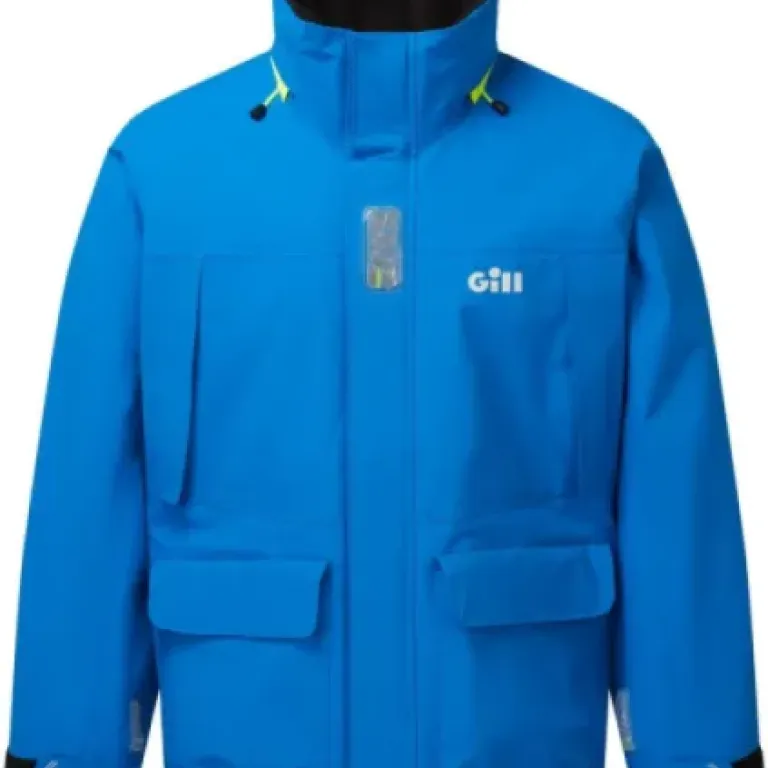
Out of the bag, the Gill OS3 Coastal Cruising Jacket looks like straightforward technical sailing gear. No fancy branding circus, just the Gill logo, a solid Tidal Blue color, and a few reflective bits. The cut is labeled as a relaxed fit, and I’d agree with that: I’m around 1.83 m, about 92 kg, and the XL gives me room for a mid-layer without feeling like a tent. If you like things close-fitting, you might even size down, but for sailing I prefer the extra space.
The jacket arrives pretty flat in the package, not vacuum-compressed, and it weighs just over 1 kg according to the specs. In hand, it feels sturdy but not overly heavy. Compared to a full offshore jacket, it’s definitely less bulky, which I appreciated when stuffing it into a locker. The hi-vis hood is tucked into the collar, which keeps the look clean when you’re not using it. You can pull it out quickly when the weather turns, and it’s bright enough that you’d be visible on deck in low light.
Feature-wise, you get chest handwarmer pockets, big lower cargo pockets, an adjustable hem, a fleece-lined collar, and double cuffs with an inner PU seal. On paper, it ticks the usual boxes for a coastal jacket. In practice, the layout is fairly logical: pockets are easy to reach with a harness on, and the zipper has a double storm flap that actually covers properly, not one of those tiny strips that blow open at the first gust.
First impression when I put it on: it feels like proper sailing gear, but not overcomplicated. No fancy gimmicks, no ten hidden pockets you’ll never use. Just a functional shell that looks like it belongs on a boat, not for street fashion. If you’re expecting something stylish to wear around town, this is more “marina and deck” than “city café”, but that’s kind of the point.
Pros
- Very good wind and waterproof protection with fully taped seams and effective storm flap
- Practical sailing features: hi-vis hood, double cuffs, fleece-lined collar, and usable pockets
- Relaxed fit that allows layering and easy movement around the boat
Cons
- Breathability is decent but not great if you’re working hard in mild weather
- Boxy cut and chunky collar/hood when stowed won’t appeal to those wanting a sleeker fit
- Inner PU cuffs can feel clammy on bare skin and may wear faster than the main shell
Conclusion
Editor's rating
After using the Gill Mens OS3 Coastal Cruising Jacket in XL Tidal Blue for a while, I’d sum it up like this: it’s a reliable coastal shell that does the basics well without trying to be fancy. It keeps you dry, blocks wind, and has enough practical features—good hood, proper cuffs, usable pockets—to make life on deck easier. The fit is relaxed, the build feels solid, and the materials seem up to the job for regular coastal use. It’s not the lightest or most breathable jacket out there, but it’s far better than generic rainwear.
It’s not perfect. The cut is a bit boxy, the inner PU cuffs can feel clammy on bare skin, and in milder weather you can get a bit sweaty if you’re working hard. It’s also not cheap, so if you only sail occasionally in nice weather, you might not get full value out of it. But if you’re a regular coastal cruiser who’s out in mixed conditions and wants one jacket that you can throw on for most outings, this is a solid option that feels trustworthy rather than flashy.
I’d recommend it to sailors who spend a decent amount of time on the water in spring, autumn, and cooler summer days, and who want proper sailing features without stepping up to heavy offshore gear. If you’re mostly racing hard or doing serious offshore passages, you’ll probably want something more technical. If you just need a casual rain jacket for walking around town, this is overkill. For the coastal sailor in the middle, though, it gets the job done and feels like it’ll last a good few seasons.