Core components of a premium maintenance kit for yacht engines
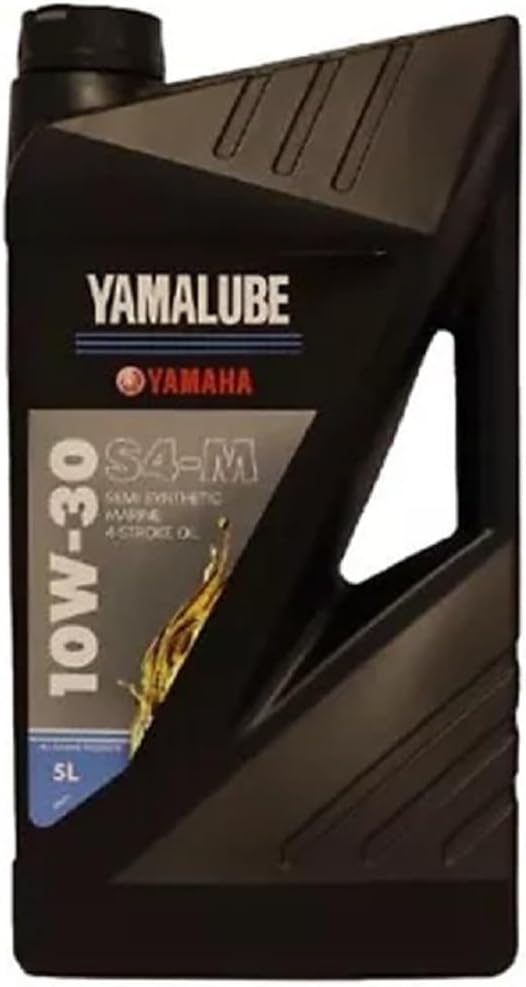
At the heart of the best boat engine maintenance kits you will always find high quality lubricants and filtration. A proper maintenance kit for any outboard motor or inboard diesel includes engine oil that meets the manufacturer specification, an oil filter matched to the exact models you run, and fuel filters sized for both primary and secondary stages. Without these core items, even the most expensive kits are little more than marketing.
For petrol outboard engines, especially modern EFI four stroke and other electronic fuel injection designs, filtration becomes even more critical. A well curated kit for an EFI engine will include fine micron fuel filters that protect injectors, gaskets for the drain plugs, and sometimes spark plugs that match the specific four stroke outboard configuration. When a kit is sold as a branded maintenance kit for a given range of models, always verify that the part numbers align with your exact motor, model year, and horsepower before you rely on it offshore.
Beyond fluids and filters, serious yacht owners add complementary tools and materials to their service kits. A compact torque wrench, spare drain washers, and absorbent pads for catching oil at the drain point make each hour service cleaner and faster. For hull and structural care alongside engine work, many skippers pair their engine maintenance kits with a dedicated fibreglass repair kit so that both propulsion and structure can be addressed during the same yard period.
Brand specific maintenance kits for mercury and yamaha yacht engines
Most yacht tenders and chase boats today rely on either Mercury Marine or Yamaha outboard engines. For these brands, the best boat engine maintenance kits are usually the official service kits or maintenance kits that bundle every gasket, filter, and anode required for a defined hour maintenance interval. Using a genuine service kit from the engine manufacturer significantly reduces the risk of compatibility issues.
Mercury Marine offers dedicated maintenance kit options for its Verado supercharged engines, its conventional four stroke outboard range, and its smaller portable models. A kit Mercury package for a Verado engine typically includes the correct oil filter, fuel filter, gear lube, drain plug seals, and sometimes the specific spark plugs required for that four stroke configuration. When you see a unit price that seems unusually low or a price unavailable notice on a reseller site, verify that the kit is not missing critical components before you commit, and cross check the contents against the official Mercury Marine parts catalog or online kit listings.
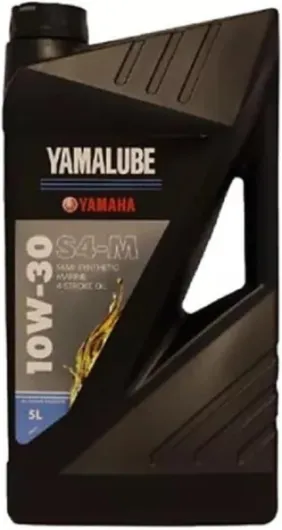
Yamaha follows a similar logic with its own service kits for popular outboard motor families. Each Yamaha maintenance kit is labeled for a specific horsepower band and four stroke or two stroke outboard type, and the owner manual will cross reference the correct kit number for your engine. Yacht owners who operate mixed fleets with both Mercury outboard engines and Yamaha motors should store separate, clearly labeled maintenance kits for each brand to avoid accidental part swaps during a rushed outboard service.
Planning hour service intervals and onboard stock for long range cruising
Long distance yacht itineraries demand a more strategic approach to engine service than casual coastal boating. Before a season begins, captains map every planned hour service for each engine, generator, and auxiliary motor, then calculate how many maintenance kits and individual filters they must carry on board. This planning ensures that no critical service maintenance task is delayed because a specific kit or filter is unavailable in a remote marina.
For Mercury outboard engines, the recommended hour schedule is clearly defined in the owner manual, with early hour maintenance at shorter intervals followed by longer gaps once the engine is fully run in. Similar logic applies to Yamaha models and to inboard diesel engines from brands such as Volvo Penta or MAN, where the first hour service often includes extra checks on valve clearances and fuel system integrity. Yacht passionate readers should mirror this professional practice by logging every engine hour, then tying each entry to a future maintenance kit requirement.
When planning stock, consider both complete service kits and loose components. A full kit is ideal for a scheduled 100 hour maintenance, while spare oil filters, fuel filters, and drain plug gaskets cover unscheduled outboard service after contamination events. For owners who charter their yachts, aligning hour maintenance planning with charter turnarounds protects both reliability and guest experience, especially on design focused vessels such as those discussed in this guide to Invictus yacht ownership and charter life.
Practical steps for performing clean, efficient yacht engine maintenance
Executing engine service on a yacht requires more finesse than working in a shoreside workshop. Space is tighter, access to the engine unit is often constrained, and any spilled oil or fuel can quickly migrate into bilges or overboard, so the best boat engine maintenance kits must support clean handling. Laying out absorbent pads, drip trays, and labeled containers before you open a drain plug or filter housing is a simple habit that pays dividends.
Start each service by reviewing the owner manual for the specific engine models you are about to work on. Confirm the correct oil capacity, the torque values for the oil filter and drain plug, and any special steps for EFI engines or supercharged Verado units that may require additional checks. When changing filters on a Mercury four stroke or Yamaha four stroke outboard motor, pre fill the new fuel filter where recommended and lightly oil the gasket on the new oil filter to ensure a proper seal.
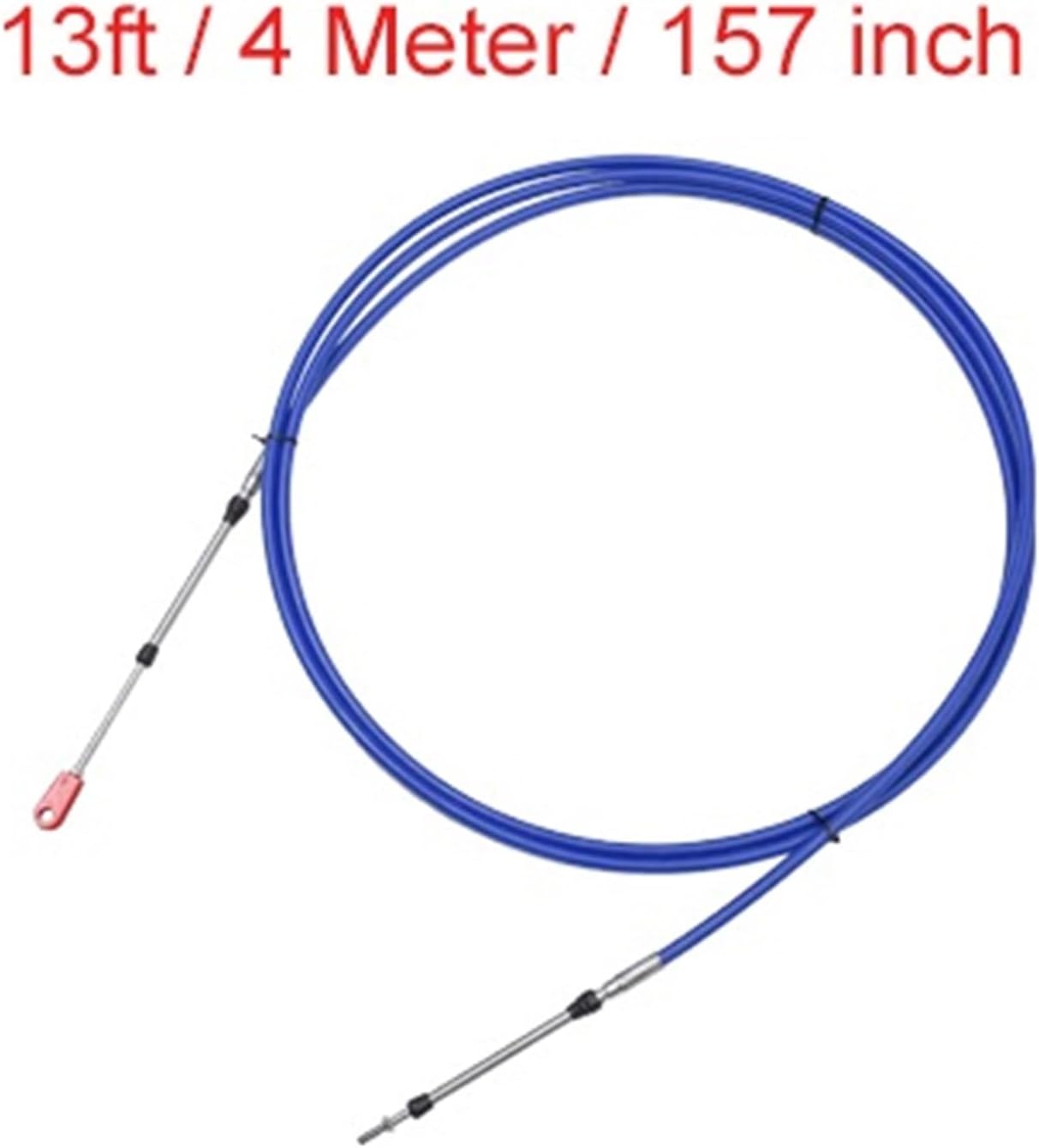
Once the mechanical work is complete, always run the engine at idle for several minutes while monitoring for leaks. Check around every drain point, filter housing, and hose connection, then log the service in your maintenance records with the exact hour reading and the service kit or maintenance kit used. Many professional crews also align engine work with other technical checks such as steering systems and critical running rigging and mooring ropes, turning each maintenance window into a holistic safety review.
Cost, availability, and quality trade offs in engine maintenance kits
Yacht owners often face a choice between genuine manufacturer maintenance kits and third party alternatives. While the unit price of an aftermarket service kit can be attractive, the long term cost of using substandard filters or incorrect gaskets on a high value engine can be significant, especially on premium Mercury Marine Verado or large Yamaha outboard models. For critical components such as oil filters and fuel filters, staying with original parts is usually the most rational decision.
Online listings sometimes show a price unavailable status for certain official service kits, particularly during supply chain disruptions or when a kit Mercury package has been superseded by a new part number. In these cases, work directly with an authorized dealer who can confirm current availability, cross reference old and new kit numbers, and advise whether separate components must be purchased instead of a bundled maintenance kit. Keeping at least one full kit and several loose filters on board for each engine unit protects you from last minute surprises when a local chandlery has key items unavailable.
When evaluating costs, remember that the real expense lies not in the kit itself but in the potential downtime of your yacht. A missed hour service on a heavily loaded four stroke outboard that powers a tender used for guest transfers can cascade into schedule disruptions and reputational damage. For yacht passionate owners who value both performance and peace of mind, investing in the best boat engine maintenance kits is a straightforward way to protect both their engines and their overall yachting lifestyle.
Key figures every yacht owner should know about engine maintenance
- Most major outboard manufacturers, including Mercury Marine and Yamaha, commonly specify initial engine oil and oil filter changes at approximately 20 to 25 operating hours, then at 100 hour intervals; always confirm the exact schedule in the latest owner manual or official service documentation for your specific engine.
- Industry commentary on yacht charter fleets consistently notes that a large share of propulsion related breakdowns trace back to neglected fuel filters or contaminated fuel, highlighting why every service kit and maintenance kit should include spare fuel filters for both primary and secondary stages.
- Reports from large marinas in busy cruising regions indicate that emergency outboard service carried out during peak season can cost significantly more than scheduled hour maintenance performed in the shoulder months, reinforcing the financial value of planning service maintenance around clear hour service milestones.
- Engine manufacturers regularly state that properly maintained four stroke outboard engines can exceed 3 000 operating hours in commercial use, while poorly maintained engines in similar duty cycles may require major overhauls far earlier, a gap that directly reflects the disciplined use of appropriate service kits and maintenance kits.