
Why yacht antifouling starts with the first wash, not the first coat
Step off the ladder in spring and look straight at the hull. Before thinking about any yacht antifouling system, you must understand what last season’s water has really done to your boat bottom. A clean, dry hard bottom tells you more about your maintenance than any glossy brochure for antifouling paints ever will.
The honest pre wash begins while the hull is still wet from the travel lift. Use a controlled pressure wash at roughly 1500–2500 psi (about 100–170 bar), which aligns with typical yard practice and manufacturer guidance, to strip slime, loose fouling paint and soft marine growth before it hardens into concrete like fouling on the bottom. Work methodically from the keel to the waterline so you can see how different coating systems have coped with marine organisms in each zone of the hull.
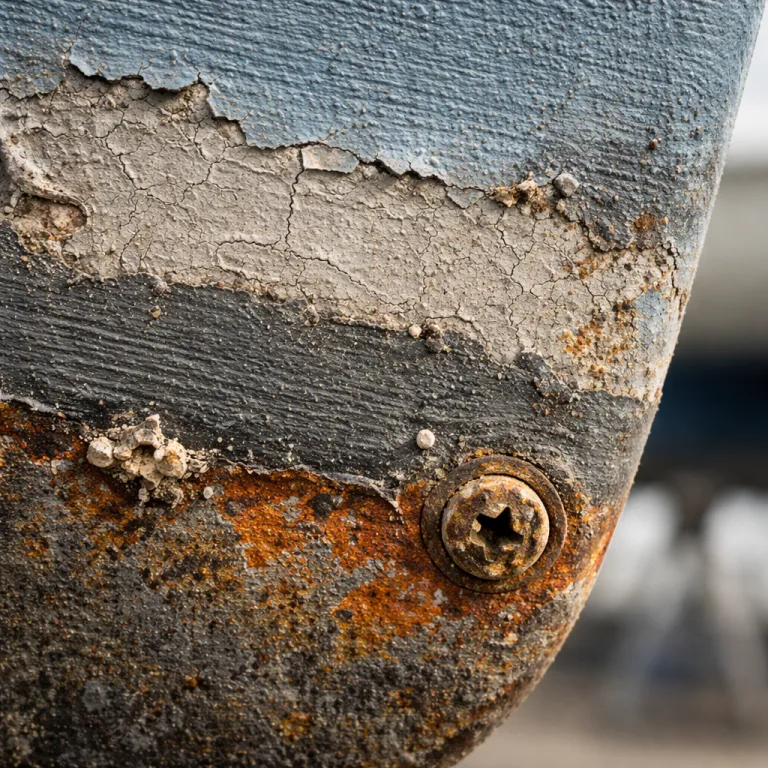
Once the wash is done, drop the lance and pick up a scraper. This is the time to remove any flaking bottom paint, failed foul release patches and old boot stripes that trap water and paint particles against the hull. Run your hand over the boat bottom and you will feel where previous antifoul coatings have built ridges that disturb water flow and slow the yacht.
Now you can inspect properly, because antifouling paint only performs on a sound substrate. Check around through hulls, keel, skeg and rudder for blisters, bare patches and signs of galvanic activity that can ruin copper based or copper free systems. If you see different colours of bottom paints bleeding through, you know you are dealing with multiple generations of based antifouling and fouling systems that may not be compatible.
Take your time here, because most antifouling failures are not paint problems, they are preparation problems. A regular, disciplined inspection of the hull at this stage lets you plan whether you need a full strip, a light sand or just a fresh antifouling paint over a stable coating. As a quick checklist: wash while still wet, scrape loose areas, mark blisters and bare patches, note any incompatible layers, then decide on strip, sand or overcoat based on what the surface inspection reveals.
Substrates, sanding and the art of getting back to sound bottom paint
Once the hull is clean, the real yacht antifouling work begins with abrasives, not with a tin of paint. Different hull materials demand different strategies, and an experienced owner treats GRP, aluminium, steel and wood as four distinct marine worlds. Get this wrong and even the best antifouling paints or foul release coatings will fail long before the season ends.
On GRP hulls, you are usually dealing with a laminate under a gelcoat, then layers of primers, bottom paints and various fouling paint experiments from previous years. Your goal is not to reach bare laminate every time, but to reach a stable, well adhered coating that can accept new based antifouling without reacting. Use a combination of mechanical sanding and careful scraping to feather edges where old antifoul has peeled, typically with 80–120 grit abrasives as recommended in many yacht paint datasheets, keeping dust and paint particles under control to limit environmental impact around the yard.
Aluminium and steel yachts raise the stakes, because the wrong antifouling paint can trigger corrosion instead of stopping marine growth. Here, copper based systems are usually off the table, and you will be working with copper free coatings over robust epoxy coating systems that isolate the metal from the water. Sand only as far as necessary to restore a continuous barrier, then rebuild with compatible primers and anti fouling paints that are clearly rated for metal hulls and confirmed as suitable in the manufacturer’s technical data sheet.
Wooden boats are another story again, with planks that move, seams that work and a bottom that breathes differently in and out of the water. Traditional hard bottom paints can still make sense here, but they must be applied over dry timber and flexible primers that move with the hull. Take more time between coats, because trapped moisture under modern fouling systems can cause effects marine owners mistake for rot when it is really failed coating.
Whatever the substrate, finish the preparation with a regular, even key across the entire boat bottom so the next antifoul layer has something to grip. Vacuum thoroughly to remove sanding dust, then wipe down with the solvent recommended for your chosen antifouling paints in the product data sheet, because clean surfaces are the quiet secret behind every fast, low fouling yacht. If you also care about topside cleanliness, pairing this regime with smart habits such as effective strategies to keep birds away from your yacht will keep both hull and decks looking like a well run ship.
Primers, barrier coats and choosing the right antifouling chemistry
With a sound surface ready, you can finally think about the chemistry that will live on your hull. Yacht antifouling is not one product but a stack of coating systems, starting with primers, then barrier coats, then the actual antifouling paint that faces the water. The smartest owners treat this as a long term strategy, not a last minute dash to close the yard bill before launch.
On many GRP yachts, a schedule of one to five layers of a primer such as Primocon, followed by two or three coats of antifoul, has become a reliable pattern and is consistent with typical manufacturer recommendations. That stack creates a controlled interface between the hull, any epoxy barrier and the antifouling paints, reducing the risk of reactions between old and new fouling paints. If you are fighting osmosis or want extra insurance, a full epoxy barrier system under your bottom paints can also reduce water ingress and stabilise the substrate for future seasons.
Now comes the real choice between hard bottom paints, self polishing ablatives, foul release silicones and newer copper free or copper based antifouling systems. Hard paints suit fast boats on hard bottom moorings that are scrubbed regularly, while ablatives make more sense for cruising yachts that spend long time periods at rest in warmer marine waters. Foul release coatings, usually silicone or fluoropolymer based antifouling, rely on a slick surface rather than biocides, so they demand a very fair hull and disciplined cleaning to keep marine organisms from gaining a foothold.
Every option carries an environmental impact, from the biocides that leach into the water to the paint particles that fall off during haul outs and scrubbing. Copper based antifouling remains effective against marine growth, but many harbours now regulate how much copper can enter the water from fouling systems, with some European marinas referencing limits in the 100–200 µg/L range in line with regional water quality directives and national environmental agency guidance. Copper free antifouling paint and hybrid fouling paints are improving, yet they still depend on correct film thickness, drying time and compatible undercoats to match the performance of traditional systems.
Whatever you choose, read the technical data sheet as carefully as you read a new build specification from a yard like Feadship or Sanlorenzo. Respect the minimum and maximum overcoating times between primers, barrier coats and antifouling paints, because rushing these windows is how owners create invisible weak layers that later blister, flake and invite fouling back onto the hull. As a simple sequence: confirm substrate and existing coatings, select compatible primer and barrier system, check recommended film build and cure times, then plan your yard schedule around those figures rather than the other way round.
Application discipline: temperature, waterlines and the parts owners always rush
When the tins finally open, the yard foreman in your head should get louder, not quieter. Yacht antifouling application is where careful preparation meets the realities of temperature, humidity and time on the hard. Ignore those constraints and you will be paying again next season to fix a bottom that never cured properly.
Start by checking the yard’s thermometer and the hull surface, not just the air. Most antifouling paints and foul release coatings have a narrow temperature band where solvents flash off correctly and the coating forms a continuous film, typically in the 5–35 °C range stated on the product label. If the hull is too cold from overnight dew or too hot from midday sun, you will trap solvents, create pinholes or leave thin patches that invite marine growth and effects marine owners blame on the brand rather than the conditions.
Stir every tin of paint until your arm aches, because biocides and copper based pigments settle fast in the can. Apply the first coat of bottom paint in a contrasting colour so you can see coverage and later wear patterns across the hull and boat bottom. Two or three coats of antifoul, with extra passes along leading edges, keel, rudder and waterline, give you the film build that coating systems need to resist both fouling and mechanical abrasion.
The waterline and boot stripe are where even experienced owners rush, yet they are the most punished areas of the hull. This zone sees constant wetting and drying, UV exposure and mechanical scuffing from fenders, so it deserves extra time, extra antifouling paint and sometimes a harder band of fouling paint right at the surface. Mask carefully, overlap coatings and remember that a clean, sharp waterline visually shortens or lengthens a yacht as effectively as any styling trick from a Milan studio.
Respect drying times between coats and before launch, because launching too early can wash uncured paint particles straight into the water and weaken the film. If the yard schedule is tight, negotiate more time on the hard rather than sacrificing the cure that bottom paints and fouling systems need to reach full strength. As a working rule, follow the minimum immersion interval on the data sheet and add a safety margin for cool, damp days so the hull is genuinely ready for the slings.
After launch: early dives, regular checks and reading the hull through the season
The story of yacht antifouling does not end when the slings drop and the wake first curls off the transom. A smart owner treats the first weeks in the water as a live test of how the new coating systems are interacting with local marine organisms. That means getting under the hull, literally or via a trusted diver, before the season is fully under way.
Arrange a dive or a clear water inspection two to three weeks after launch, ideally in the same berth where the yacht will spend most of her time. You are looking for early signs of slime, patchy marine growth or areas where antifouling paint has already started to wear thin on the bottom. Pay close attention to high load zones such as bow, keel front, rudder and any hard bottom patches where turbulence can strip antifoul faster than on the flat sections of the hull.
Use these early observations to adjust your in water cleaning regime, because regular light scrubs are kinder to both coatings and the environment than occasional aggressive scraping. Divers should use soft pads compatible with your specific antifouling paints or foul release coatings, to avoid tearing away whole layers of based antifouling and releasing unnecessary paint particles into the water. In sensitive anchorages and marinas that monitor environmental impact, this kind of disciplined maintenance is increasingly part of being a responsible yacht owner.
Mid season, repeat the inspection and compare notes, treating the hull like a logbook of how your chosen fouling systems are coping with the local water. If copper based paints are holding well but copper free sections are struggling, you may need to rethink the mix of fouling paints next haul out rather than blaming the entire system. When the yacht feels sluggish or fuel burn rises on familiar passages, that is your cue to plan a cleaning stop or a short haul, not to wait until the end of the season.
Between cruises, combine underwater checks with topside care and thoughtful routing, perhaps planning a refined day trip to the Bahamas from Miami that includes a clear water anchorage where you can visually assess the hull. Over several seasons, these habits let you fine tune which bottom paints, coating systems and application routines genuinely work for your yacht, your cruising grounds and your conscience. In the end, what matters is not the length overall, but the wake she leaves.
FAQ
How often should I renew the antifouling on my yacht hull ?
Most yachts benefit from fresh bottom paint every 12 to 24 months, depending on water temperature, marina conditions and how often the boat moves. Warm, nutrient rich marine environments accelerate fouling, so owners in these regions often repaint the hull annually. In cooler or less aggressive waters, high quality antifouling paints and foul release coatings can remain effective for two full seasons with regular light cleaning.
Is copper based antifouling still the best choice for performance yachts ?
Copper based antifouling remains highly effective against a broad range of marine organisms and is still widely used on performance oriented yachts. However, its environmental impact is under increasing scrutiny, and some harbours now restrict copper levels in the water. Many owners are therefore testing copper free or hybrid fouling systems, balancing slightly different performance with reduced biocide release and better long term sustainability.
What is the main difference between hard bottom paints and ablative antifouling paints ?
Hard bottom paints form a tough, relatively non eroding coating that suits fast boats and yachts that are scrubbed regularly or dry sailed. Ablative antifouling paints slowly wear away in the water, constantly exposing fresh biocide and reducing paint build up on the hull over multiple seasons. The choice depends on your cruising pattern, cleaning habits and whether the boat spends more time at speed or sitting in a marina berth.
Can I apply new antifouling paint directly over old coatings without sanding ?
Applying new antifouling paint directly over old coatings without proper sanding is one of the fastest routes to premature failure. You need at least a uniform mechanical key and removal of any loose or incompatible fouling paints before adding fresh layers. Skipping this preparation step often leads to flaking, blistering and patchy marine growth that owners mistakenly blame on the new product.
How can I reduce the environmental impact of my yacht antifouling routine ?
To reduce environmental impact, start by containing sanding dust and paint particles during haul outs, using vacuum tools and ground protection under the hull. Choose antifouling systems that are appropriate for your cruising grounds, avoiding over specified biocides and considering copper free or foul release options where they perform adequately. Regular gentle in water cleaning, rather than aggressive scraping once the hull is heavily fouled, also minimises the release of coating debris into the water.