Best marine EPIRB emergency beacons for serious bluewater yachts
Key technologies inside modern EPIRB units that every yacht owner should understand
Today’s best marine EPIRB emergency beacons combine several technologies into a compact, rugged unit that fits easily near the companionway. At the core is the 406 MHz transmitter that sends a digital emergency signal to the Cospas Sarsat satellite constellation, while a secondary 121.5 MHz homing signal helps search rescue aircraft and vessels refine the final approach. Many premium EPIRB models now integrate a high sensitivity GPS receiver, which embeds precise position data into every emergency position transmission so that rescue authorities know exactly where your yacht or life raft is drifting.
Some advanced beacons add AIS EPIRB capability, meaning they also broadcast a local AIS signal that can be picked up by nearby ships and yachts equipped with AIS receivers. This AIS signal is particularly valuable in busy shipping lanes, where a passing vessel may reach you faster than a distant coast guard cutter, and it effectively turns your EPIRB into one of several locator beacons working in parallel. A few new generation units support a return link or link service feature, where the Cospas Sarsat system can send a confirmation back through the satellite network to indicate that your distress alert has been received and is being acted upon.
Battery design has evolved significantly, with sealed lithium packs that offer long battery life and a clearly specified operational life in both storage years and active life hours of transmission. When you evaluate a beacon, look at the stated year battery replacement interval and confirm that the service can be performed by an authorized center without compromising the waterproof housing. For offshore clothing and deck work around the beacon mounting area, pairing your EPIRB installation with high quality foul weather gear such as the options reviewed in these top sailing jackets for men and women helps ensure crew can safely reach and operate the unit in heavy weather.
Comparing leading EPIRB brands for serious yacht cruising
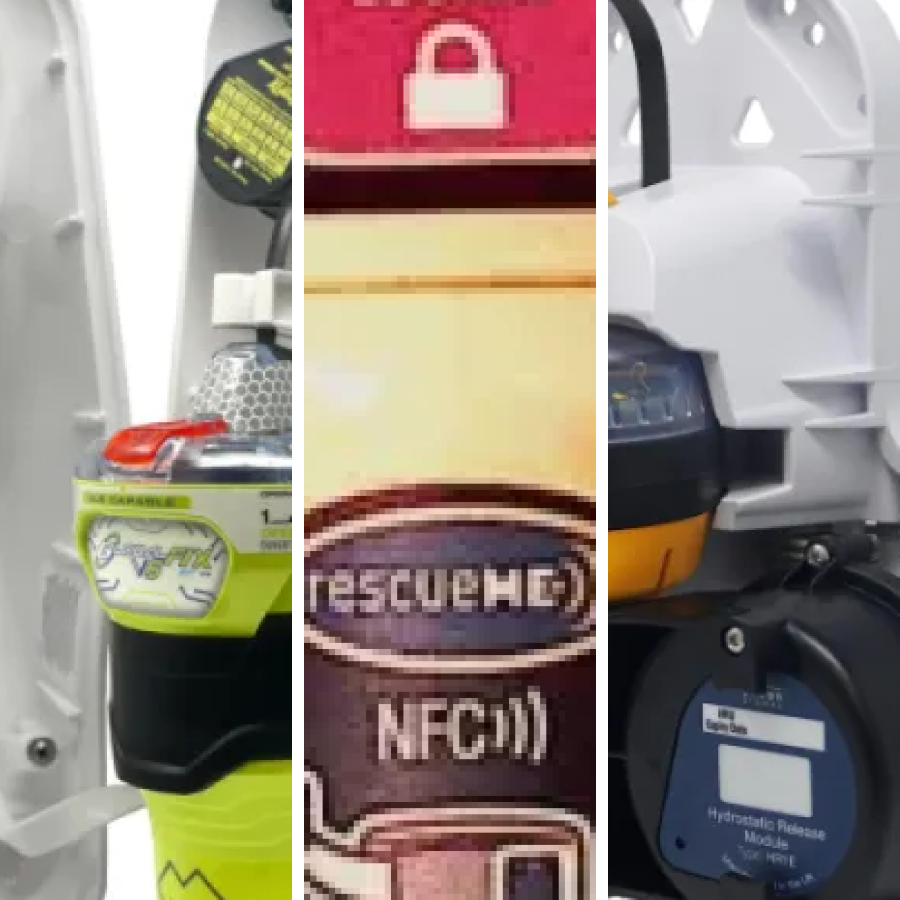
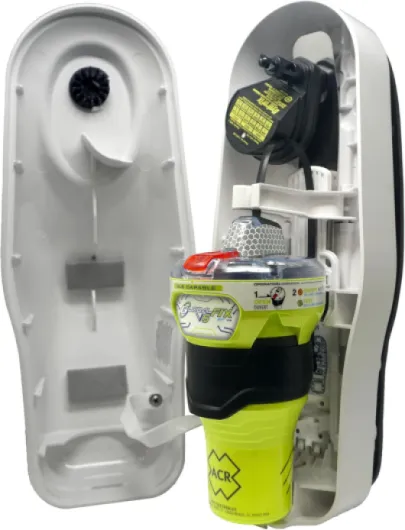
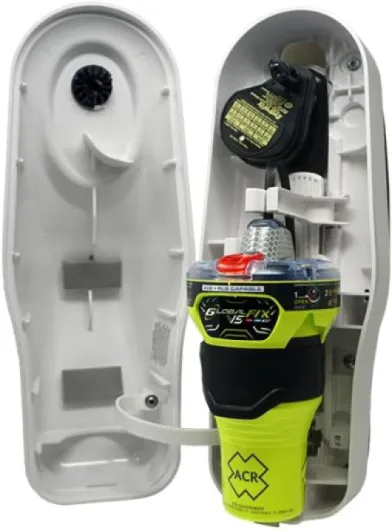
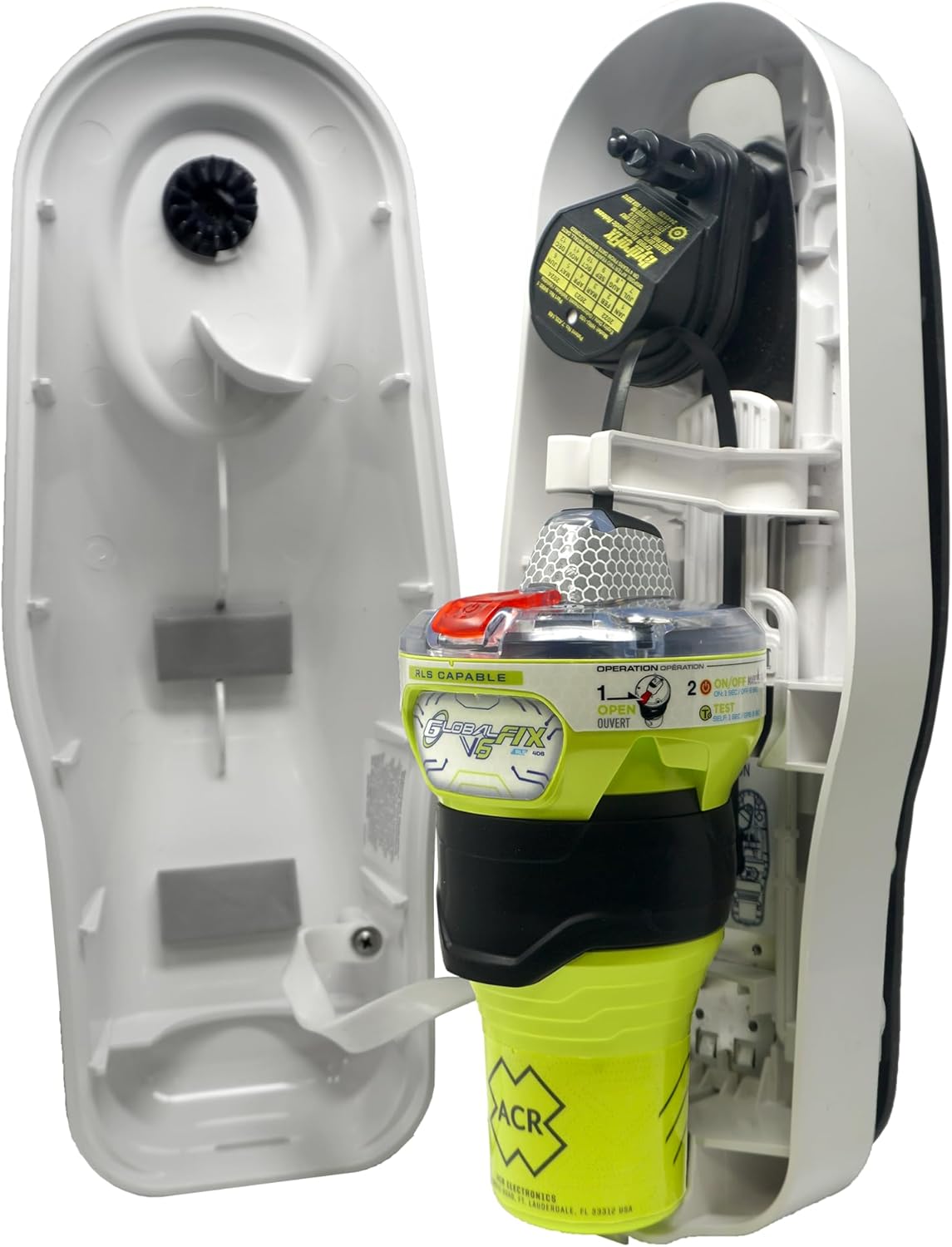
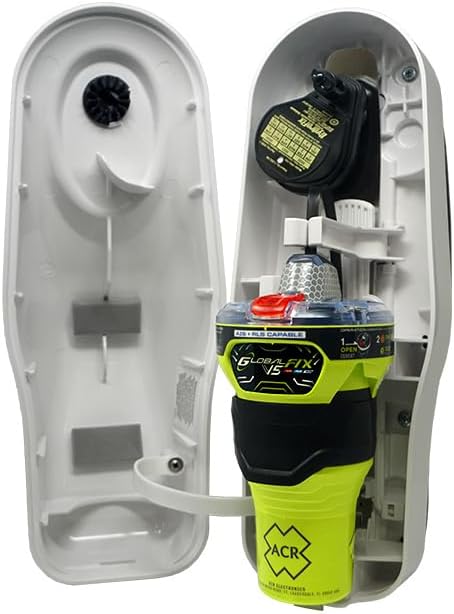
Among the best marine EPIRB emergency beacons, three brands dominate conversations on yacht docks and in offshore racing briefings. The ACR GlobalFix range, including models such as the ACR GlobalFix V4 and ACR GlobalFix V5, has earned a strong reputation for robust construction, long operational life, and clear documentation that makes it easy for skippers to register the unit and understand every emergency position feature. Many ACR GlobalFix models combine GPS, a powerful 406 MHz transmitter, and a retractable antenna that deploys automatically on release, which is particularly reassuring if the yacht capsizes or sinks rapidly.
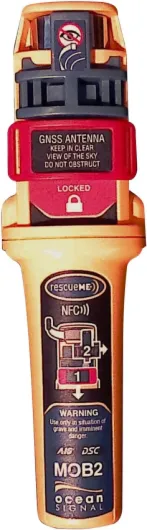
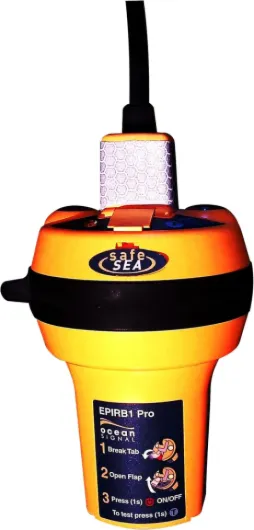
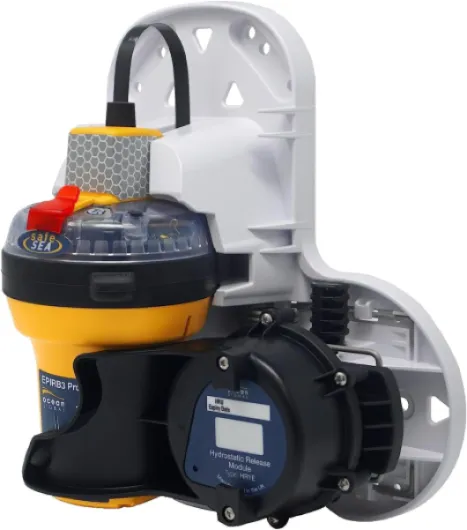
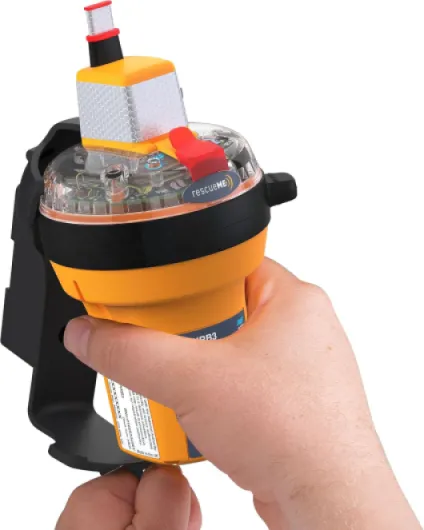
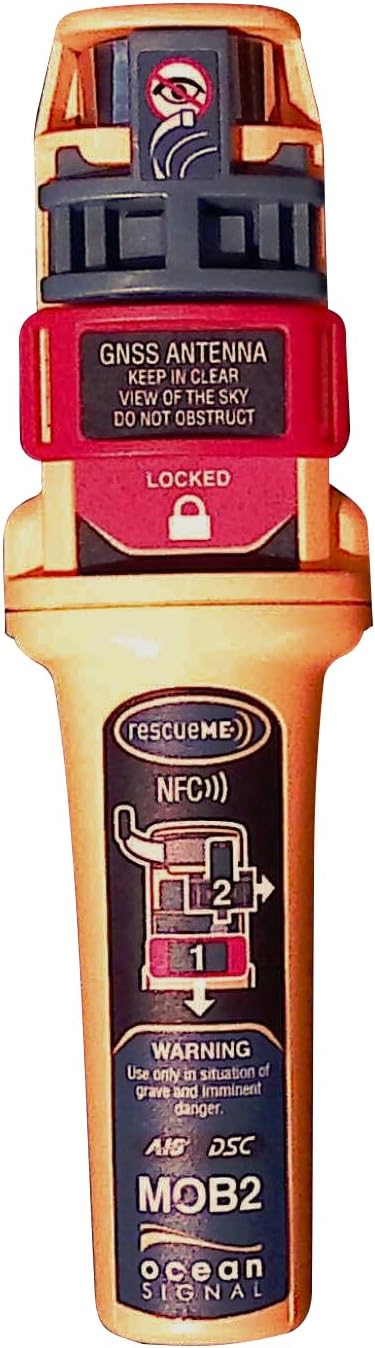
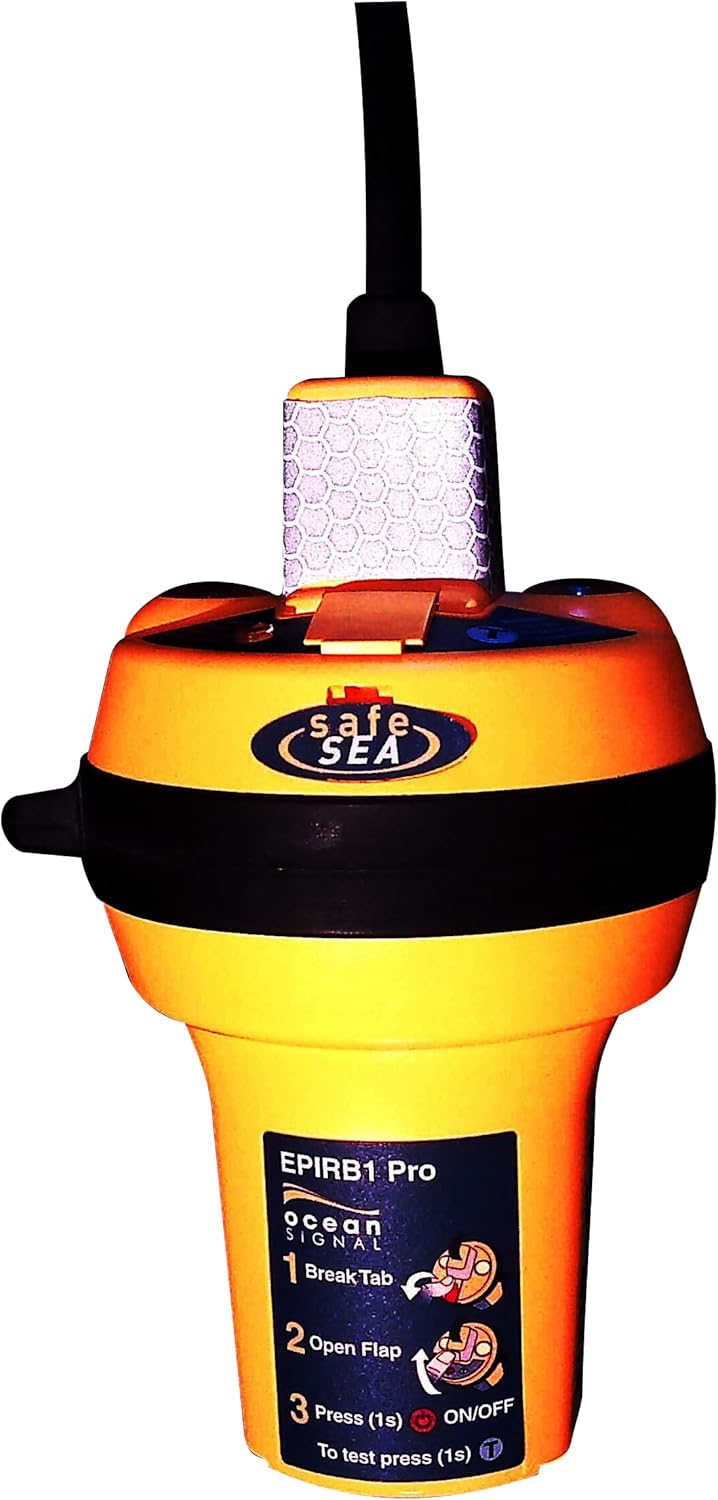
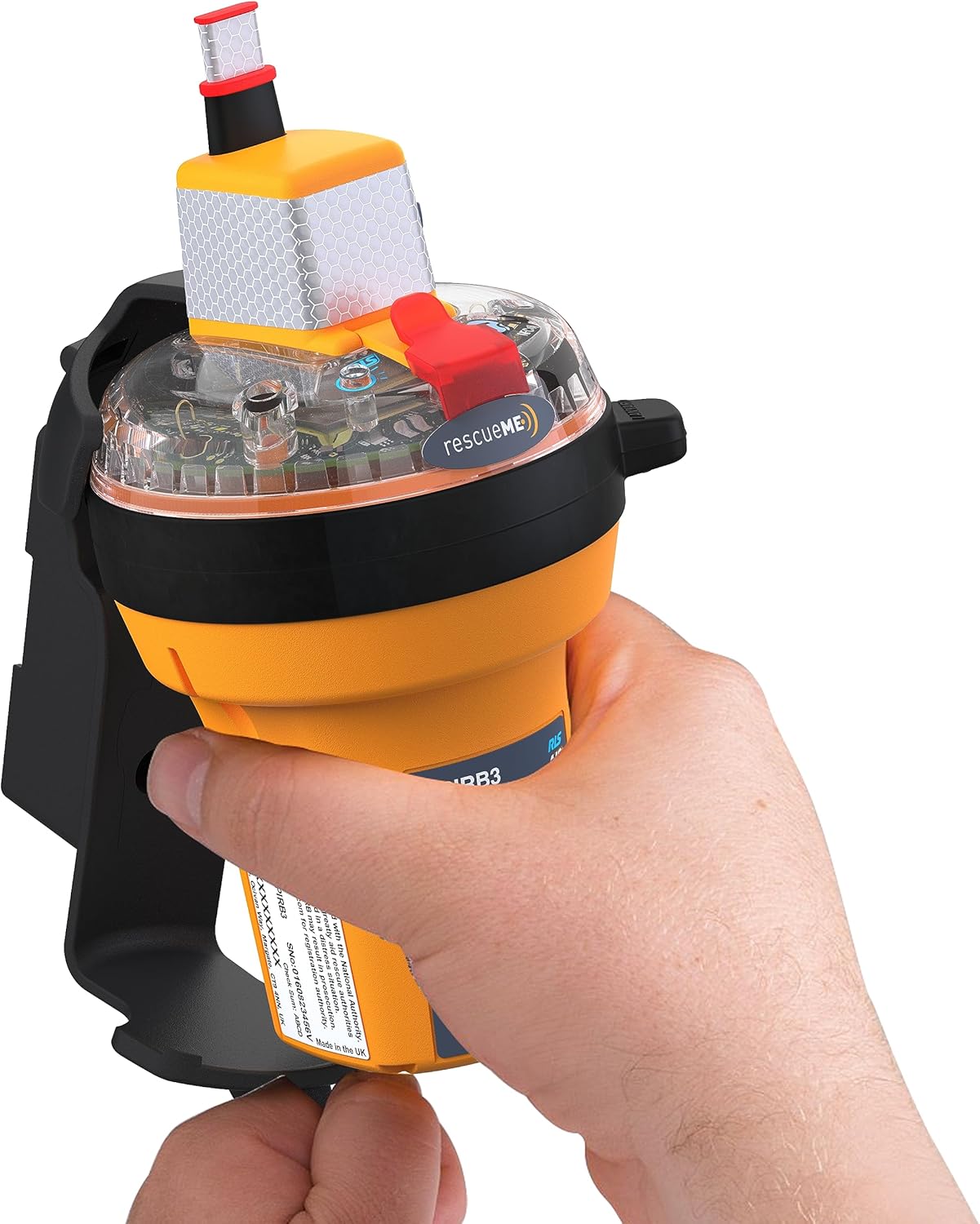
Ocean Signal offers compact EPIRB designs that appeal to performance cruisers and racers who want minimal weight without sacrificing battery life or signal strength. Their units, such as the Ocean Signal EPIRB1 and Ocean Signal EPIRB3, often integrate both GPS and a bright strobe, and some models can be paired with personal locator beacons so that the yacht’s main beacon and individual crew devices create multiple locator beacons for rescue authorities to track. The RescueMe EPIRB line, including the well known RescueMe EPIRB1 and RescueMe EPIRB3, focuses on small form factor units that still deliver full Cospas Sarsat compatibility, long life years of storage, and clear visual indicators of battery status and test results.
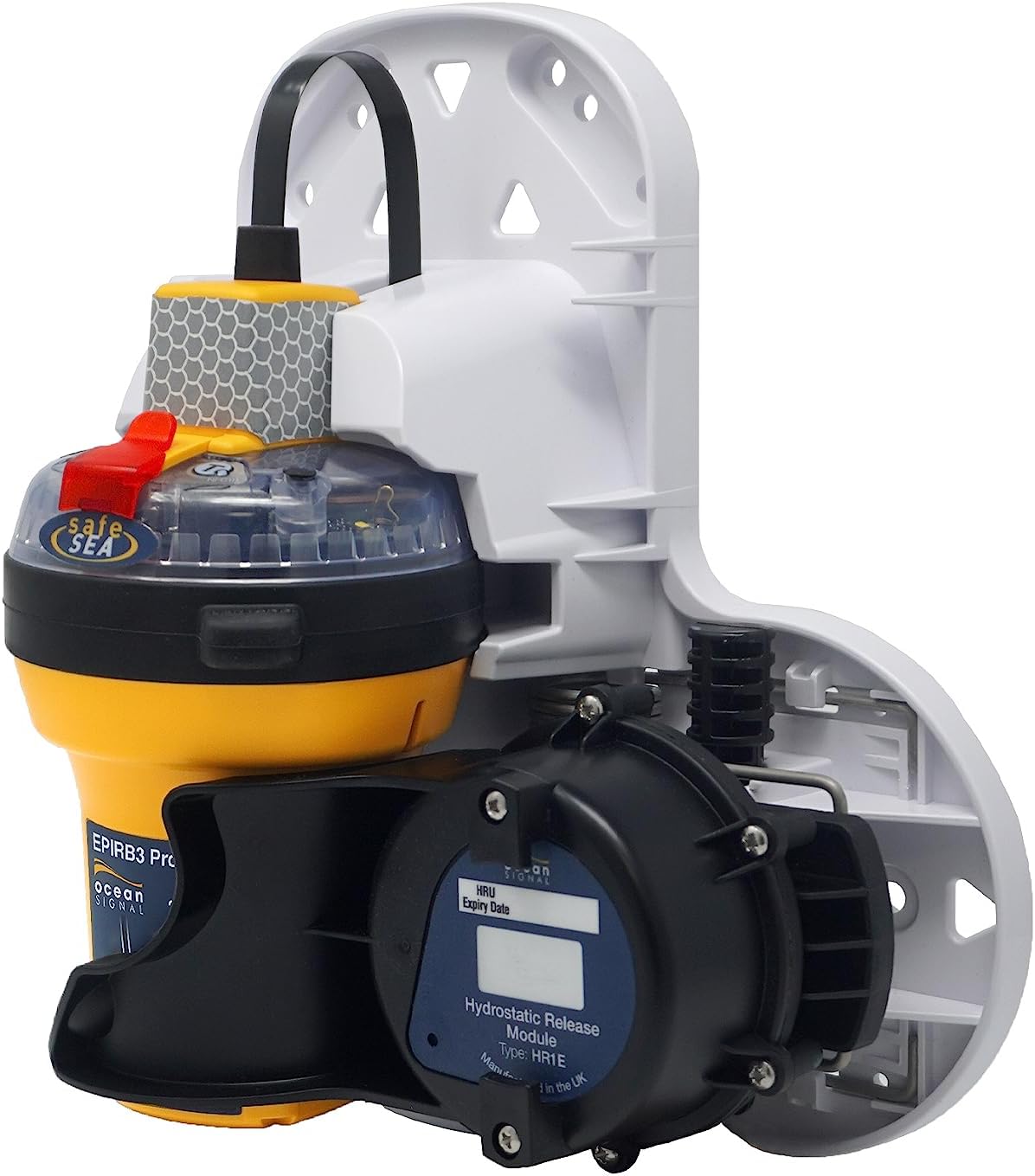
When comparing these EPIRB units, pay close attention to how each brand designs the bracket and release mechanism, because that hardware determines whether the beacon will float free reliably in a worst case scenario. Some brackets are hydrostatic, triggering automatic release at a set depth, while others rely on manual release that requires crew to reach the unit during an emergency. For yachts that often anchor in remote bays and use swim platforms, integrating a secure EPIRB mounting point near a sturdy boarding solution such as the options reviewed in these top boat boarding ladders can make it easier to access the beacon quickly from the water.
Typical specifications for popular offshore EPIRB models include:
- ACR GlobalFix V4: battery replacement interval around 10 years, minimum 48 hours transmit life, GPS enabled, optional AIS in some variants, hydrostatic or manual bracket options.
- Ocean Signal EPIRB1: battery service interval around 10 years, minimum 48 hours operating life, integrated GPS, compact manual release bracket.
- RescueMe EPIRB1: battery life up to 10 years in storage, at least 48 hours transmission, built in GPS, manual bracket with float free capability when correctly installed.
Always confirm exact figures, approved service centers, and current technical data on the manufacturer’s official specification sheets before purchase or installation.
Installation, mounting brackets, and routine testing on yachts
Even the best marine EPIRB emergency beacons cannot compensate for poor installation, so yacht owners should treat mounting as a critical safety project. The beacon’s bracket must be fixed where it has a clear view of the sky for satellite communication, remains accessible in an emergency, and is unlikely to be blocked by sails, dinghies, or deck gear. On many sailing yachts, that means a bracket on the aft coachroof or pushpit, while larger motor yachts may choose a protected flybridge location with a clear line of sight for the retractable antenna.
Hydrostatic release units require particular attention, because their release mechanism has its own service interval measured in years that is separate from the EPIRB battery life. Skippers should log both the beacon’s year battery replacement date and the hydrostatic release service date in the maintenance system, then align them with other annual safety checks such as life raft servicing and fire extinguisher inspections. During monthly checks, verify that the EPIRB unit is secure in its bracket, that the manual release can be operated easily, and that no lines or canvas covers can trap the beacon if the yacht inverts.
Routine testing should follow the manufacturer’s instructions to avoid sending a false emergency signal to the Cospas Sarsat network and local coast guard watchstanders. Most EPIRB units include a dedicated test function that briefly activates internal circuits without radiating a full distress message, and some models log test history so that surveyors can confirm regular checks. For owners who already maintain other deck protection such as high quality sail covers, as reviewed in this guide to top sail covers for boats, integrating EPIRB inspections into the same seasonal routine helps ensure the beacon will perform flawlessly when needed.
Maintenance, battery replacement, and service life planning for EPIRBs
Long term yacht ownership demands a disciplined approach to safety equipment, and the best marine EPIRB emergency beacons are no exception. Every EPIRB has a specified storage life in years and an operational life measured in life hours of continuous transmission at full power, and both figures must be respected to guarantee performance. The year battery replacement date printed on the unit is not a suggestion but a hard limit, because lithium cells degrade over time even if the beacon never sends an emergency signal.
When planning haul out schedules and major refits, owners should align EPIRB battery service with other time based tasks to minimize downtime and cost. Many brands, including ACR GlobalFix, Ocean Signal, and RescueMe EPIRB models, require that battery replacement be carried out by an authorized service center to maintain waterproof integrity and Cospas Sarsat registration validity. After service, confirm that the unit’s registration details, including yacht name, MMSI, and emergency contact numbers, are correct so that rescue authorities can quickly verify any distress alert.
Environmental factors also influence EPIRB operational life, because constant exposure to UV, salt spray, and mechanical vibration can degrade housings and brackets over many years. Owners should inspect the bracket, release clips, and any hydrostatic release unit for cracks or corrosion, then replace components proactively rather than waiting for visible failure. Treat the EPIRB like any other mission critical system on board, giving it the same attention you would devote to engines, steering, or rigging, because in a real emergency this small unit may be the only link between your yacht and the global search rescue network.
Integrating EPIRBs with wider yacht safety systems and crew training
On a well prepared yacht, the best marine EPIRB emergency beacons sit at the center of a broader safety architecture rather than acting alone. That architecture includes AIS transponders, VHF radios with Digital Selective Calling, radar reflectors, and often personal locator beacons for individual crew, all of which complement the main EPIRB unit. When an emergency position alert from the EPIRB reaches the Cospas Sarsat system and triggers a response from the coast guard, simultaneous AIS and VHF activity can help nearby vessels assist more quickly.
Crew training is just as important as hardware, because even the most advanced EPIRB with GPS, AIS EPIRB capability, and a sophisticated return link feature is useless if nobody knows how to activate it under stress. Every safety briefing should include a hands on demonstration of the beacon’s manual release, the location of the bracket, and the correct way to deploy the retractable antenna if automatic activation fails. Skippers should also explain what happens after activation, including how the Cospas Sarsat satellites relay the signal to rescue authorities, how long the beacon’s battery life will support transmission, and why conserving crew energy and protecting life in the life raft are vital while waiting.
Regular abandon ship drills that integrate EPIRB activation, life raft launching, and VHF Mayday calls help turn theory into muscle memory for every person on board. During these drills, assign specific roles so that one crew member handles the EPIRB unit, another manages grab bags and water, and a third focuses on navigation data such as last known position. This structured approach ensures that, if a real emergency unfolds at night in heavy weather, the yacht’s safety system functions as a coordinated whole rather than a collection of isolated devices.
Key figures and safety statistics for EPIRB use on yachts
- Global Cospas Sarsat data show that 406 MHz beacons, including EPIRBs and personal locator beacons, have helped save thousands of lives worldwide since the system became fully operational, underscoring the life saving value of carrying a registered unit on every offshore yacht. According to Cospas Sarsat annual mission reports, more than 50,000 people have been rescued worldwide with the assistance of 406 MHz distress beacons.
- Most modern EPIRBs are designed to transmit for at least 48 life hours at full power after activation, which provides rescue authorities with a substantial window to locate a drifting yacht or life raft even in remote ocean regions. Manufacturer specification sheets for offshore rated models commonly quote 48 hours or more at −20 °C as a minimum performance standard.
- Battery replacement intervals for quality EPIRBs typically range from five to ten years depending on the model, so owners should plan at least one full service during the expected life years of the yacht’s current safety fit out. Product documentation from leading brands such as ACR, Ocean Signal, and RescueMe confirms these typical service intervals.
- Studies from maritime safety agencies indicate that distress alerts with embedded GPS position data can reduce search areas by more than 90 percent compared with non GPS beacons, dramatically shortening response times for coast guard units. Research published by organizations such as the International Maritime Organization and national search and rescue authorities consistently highlights the impact of precise position data on search planning.
- Registration compliance remains a weak point, with some national authorities reporting that a significant share of received EPIRB alerts come from unregistered or poorly registered units, which delays confirmation and can slow the launch of search rescue assets. Coast guard advisories in several countries emphasize that accurate registration details are as important as the beacon hardware itself.