Understanding antifouling technologies, from copper based to biocide free systems
Modern antifouling products fall into three broad families, and each family behaves differently on a yacht hull over the months between haul outs. Traditional copper based bottom paint uses cuprous oxide as the primary biocide, and many of the paints tested in independent test antifouling programmes still rely on this chemistry because it has performed well in a wide range of water temperatures. Newer copper free and biocide free solutions aim to reduce environmental impact while still ranking among the best marine anti fouling paints for specific use cases.
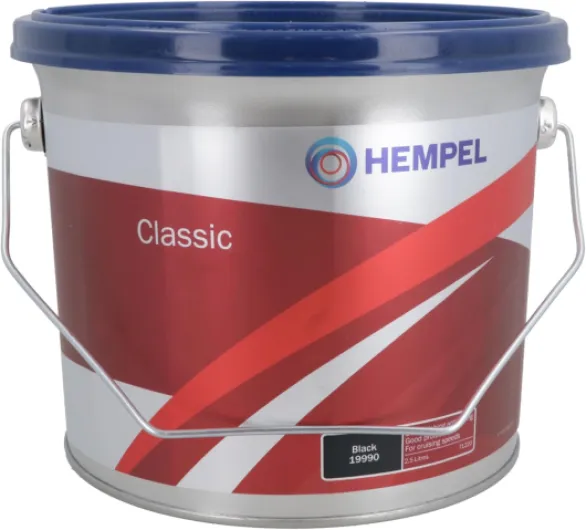
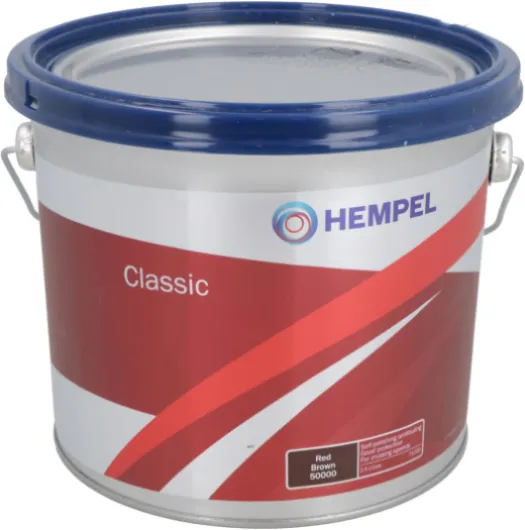
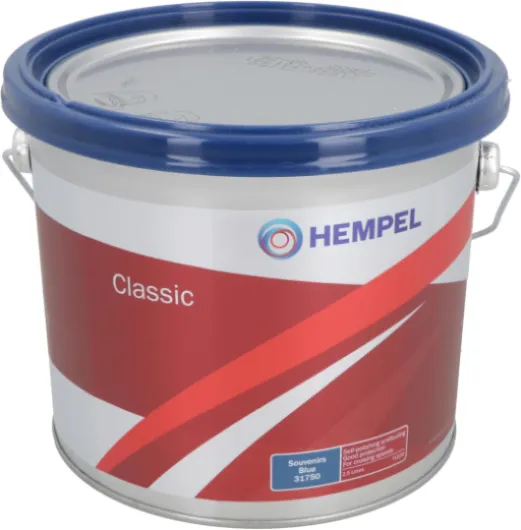
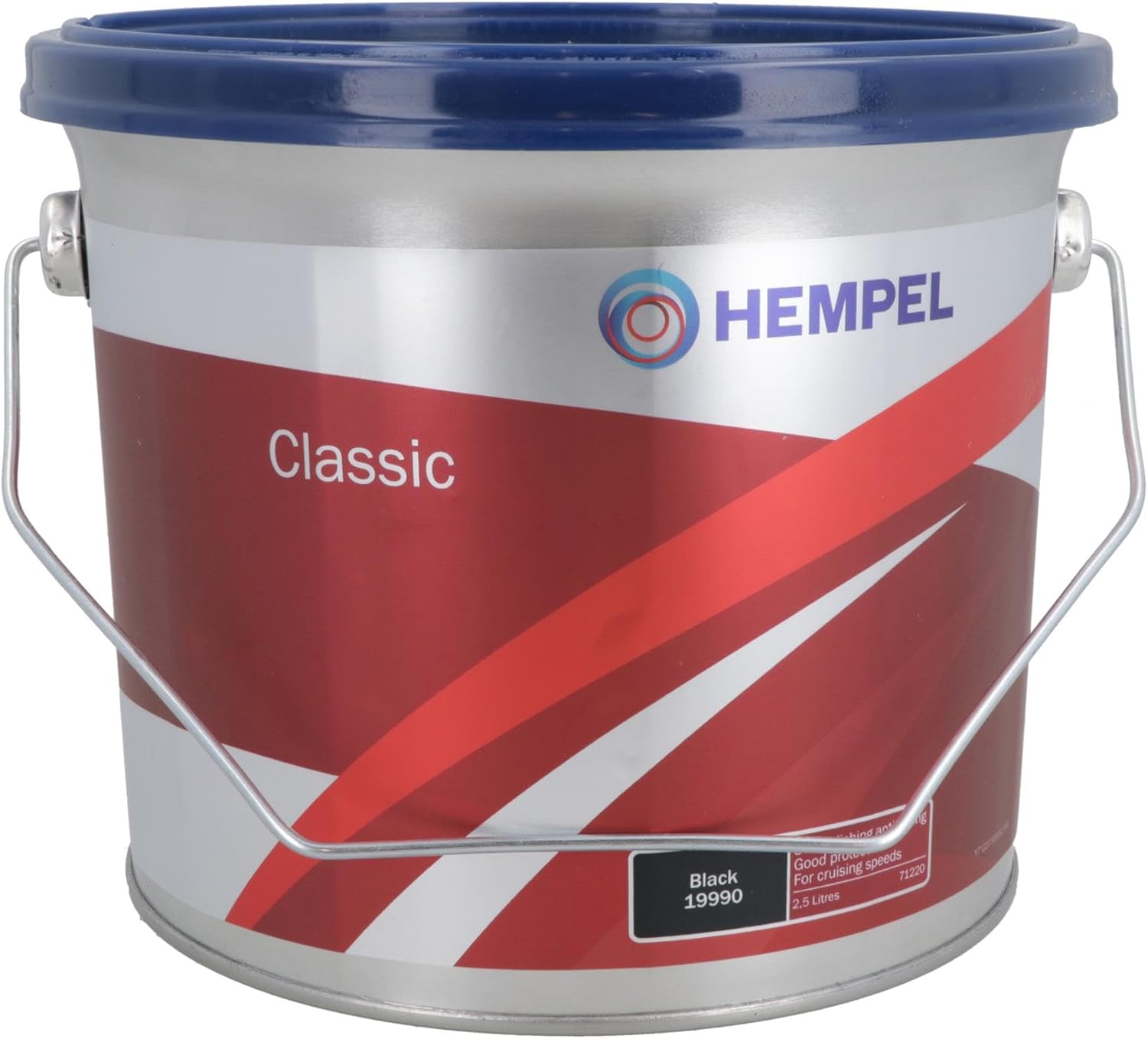
Well known brands such as International and Hempel offer both copper based and copper free antifouling paints, giving yacht owners a clear panel of options for different marinas and water types. International Ultra is a classic hard antifouling paint that many test boat programmes use as a benchmark when they test antifouling performance in demanding conditions. By contrast, Hempel Silic based coatings use a silicone matrix to create a very smooth, low friction surface that is essentially biocide free and relies on water flow to wash away fouling before it can attach firmly.
For owners who keep a boat in brackish water, some copper based formulas can lose effectiveness, so it is wise to study which paints tested in that specific environment have performed well over several years. Seajet Shogun, for example, is often cited as a multi season option that offers good protection in mixed salinity, although its cost and price per litre can be higher than simpler anti fouling paints. When you plan to buy new paint, always match the antifouling paint chemistry to your cruising grounds, your expected lay up months, and whether the yacht will be moved or remain static under a protective heavy duty boat cover during winter.
Seasonal planning: timing, haul outs, and cost control for your hull
Seasonal care for a yacht hull starts with a realistic calendar, because even the best antifouling will not perform forever in warm, nutrient rich water. In temperate climates, most owners plan a haul out every twelve to eighteen months, but high fouling areas may require fresh bottom paint every twelve months to maintain a good, clean hull. The cost of each yard visit includes not only the antifouling paint price but also lifting fees, labour, and any extra work on anodes or through hull fittings.
Multi season antifouling paints can extend the interval between full repaints, especially when the boat is used regularly and the water flow helps the coating self polish. Hard antifouling paints such as International Ultra or similar products from Hempel and Seajet Shogun often suit high speed yachts that want a durable surface which can be scrubbed by divers during the season. When comparing paints best suited to your yacht, calculate the cost per month of effective protection rather than focusing only on the initial buy price, because a more expensive coating that lasts several years may actually be the best antifouling choice financially.
During each haul out, inspect the hull carefully and treat it like a test boat in your own private test antifouling programme, noting where fouling has appeared and how the different paints tested on various panels of the hull have performed well or poorly. This kind of disciplined observation turns your yacht into a long term panel test, helping you refine which antifouling products truly qualify as the best marine anti fouling paints for your specific cruising pattern. While the hull is out of the water, it is also an ideal moment to service running gear and apply a marine inhibitor or grease from a dedicated service kit for marine engines, ensuring that underwater metals and mechanical parts remain protected between seasons.
Comparing leading brands: International, Hempel, Seajet and practical field results
When yacht owners debate the best marine anti fouling paints, three names dominate most dockside conversations, because International, Hempel, and Seajet have long track records in both racing and cruising fleets. International Ultra is widely regarded as a reference hard antifouling paint, and many independent test antifouling panels use it as a control when evaluating new antifouling products in different water conditions. Hempel offers a broad range from traditional copper based coatings to advanced Hempel Silic systems, which are biocide free and rely on an ultra smooth surface to shed fouling.
Seajet Shogun has built a reputation as a multi season bottom paint that has performed well on test boat fleets in both salt and brackish water, especially where owners want a balance between durability and a relatively hard finish. In comparative tests where several paints tested are applied to the same hull panel, Seajet Shogun often ranks among the paints best suited to high fouling marinas, although its cost can be higher than some entry level anti fouling paints. Hempel Silic, by contrast, appeals to owners who prioritise low drag and environmental considerations, accepting a higher initial price in exchange for a biocide free system that can last several years with proper care.
For many yacht enthusiasts, the most credible information comes from long term field experience rather than a single season test, so it is wise to talk with local yards and skippers who run their own informal test boat programmes. Ask specifically how each antifouling paint has behaved over multiple years, whether the coating remained hard enough for in water cleaning, and how much fouling appeared after peak summer months. Combine those insights with your own observations and you will quickly narrow the list of best antifouling candidates for your hull, rather than relying solely on marketing claims or a single glossy panel test.
Practical application tips to get the most from your antifouling paint
Even the best marine anti fouling paints will disappoint if the surface preparation is rushed, so start every repaint with a meticulous inspection of the hull. Remove all loose or flaking paint, fair any hard edges, and wash the hull thoroughly with fresh water to eliminate salt and contaminants before sanding. A clean, slightly roughened surface gives the new antifouling paint a good mechanical key, which is essential whether you are applying a copper based coating, a copper free formula, or a biocide free silicone system.
Check the manufacturer’s guidance on film thickness and overcoating times, because multi season antifouling paints often require a specific number of coats to achieve their rated years of protection. Typical recommendations for yacht bottom paint are in the region of 150–250 microns total dry film thickness, which may correspond to two or three coats at roughly 8–12 m² of coverage per litre, depending on the product. Use a wet film gauge on flat panel areas of the hull if you want to verify that the bottom paint is being applied at the correct thickness, especially when labour cost is high and you want to ensure that the job is performed well.
Pay attention to launch windows as well, since some hard antifouling paints such as International Ultra have maximum time limits between application and immersion in the water, while others are more flexible and can remain on the hard for several months before launching. Once the yacht is back in the water, treat the first season as a live test antifouling period, checking the hull regularly for early signs of fouling and noting how different areas behave. If you see slime or light growth on the forward sections while the aft panel remains clean, that information will help you adjust paint choice or thickness next time, perhaps using a more robust anti fouling product on high impact zones.
Seasonal strategies for different cruising profiles and water conditions
Not every yacht lives the same life, so the best marine anti fouling paints for a Mediterranean cruiser may be very different from those for a high latitude expedition yacht. A fast planing boat that spends most weekends at speed in warm salt water will often favour a hard antifouling paint, because the hull experiences high shear forces and benefits from a tough, smooth finish. A displacement yacht that sits quietly in a marina for many months, especially in brackish water, may need a more aggressive multi season bottom paint with a higher biocide content to resist heavy fouling.
Owners who haul out every year can treat each winter as an opportunity to refine their personal panel of paints tested, perhaps applying one antifouling paint on the port side and another on the starboard side of the test boat to compare which has performed well by the next haul out. Those who prefer to leave the yacht afloat for several years must choose antifouling products with proven long term durability, often favouring copper based or advanced silicone systems from brands such as International, Hempel, and Seajet Shogun. In both cases, the real measure of best antifouling performance is not the brochure claim but the actual state of the hull after one or more years in the water, including how easy it is to clean any remaining growth.
Environmental regulations are also reshaping the antifouling landscape, with some marinas restricting certain biocide levels and encouraging copper free or biocide free alternatives. In parts of northern Europe, for example, regional rules inspired by HELCOM guidance limit high copper content coatings on pleasure craft in sensitive coastal waters, while several national authorities apply International Maritime Organization recommendations on biocide use to small vessels. Yacht owners should stay informed about local rules and be prepared to buy different paints when cruising between regions, balancing regulatory compliance, cost, and hull performance.
Key figures and performance benchmarks for marine antifouling paints
- In many temperate marinas, independent hull surveys and fuel trials reported by organisations such as the International Maritime Organization and national energy agencies indicate that a lightly fouled bottom can increase fuel consumption by around 10 %, while heavy fouling can raise fuel use by 30 % or more compared with a clean hull, which underlines the financial impact of choosing the best marine anti fouling paints. These indicative figures are consistent with IMO technical briefs on hull efficiency and national studies on small craft energy use.
- Comparative test antifouling programmes conducted by specialist magazines and consumer boating organisations typically run for 12 to 24 months, and published results frequently indicate that multi season copper based coatings maintain effective protection for up to three years in moderate fouling areas, whereas low cost single season paints may require annual renewal. Readers can usually find the detailed panel layouts, scoring methods, and photographs in the methodology notes that accompany these long term tests.
- Environmental monitoring data from several European coastal regions, including studies referenced by HELCOM and national environmental agencies, indicate that restrictions on high copper content antifouling products have reduced copper emissions from pleasure craft by significant margins, encouraging wider adoption of copper free and biocide free systems such as silicone based coatings. These reports typically combine marina water sampling with sales statistics for different antifouling chemistries.
- Field reports from yacht clubs in high fouling tropical waters, often summarised in local cruising guides and technical bulletins, suggest that regular in water cleaning of hard antifouling paint can extend effective performance by one to two seasons, provided that the coating is applied at the recommended thickness and inspected carefully at each haul out. Many of these informal test boat programmes record fouling levels on a simple scale, allowing owners to compare how different paints tested have performed well over time.