Key features that define a truly offshore ready sailing jacket
When you compare the best sailing jackets for men and women, start with fabric performance and construction. A waterproof, breathable membrane with fully taped seams matters more than any marketing slogan about a waterproof windproof shell. High hydrostatic head ratings mean little if the jacket leaks at the pockets, collar or along the front storm flap.
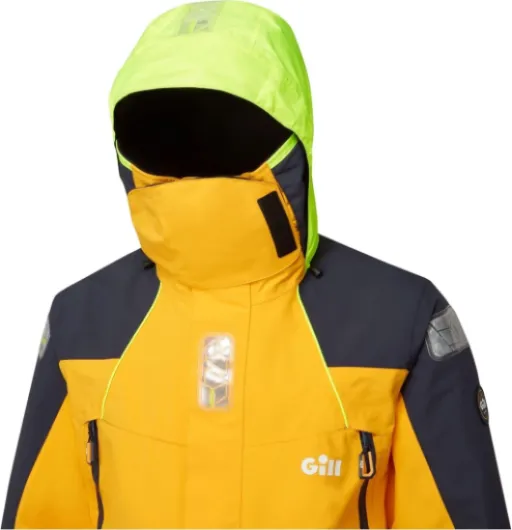
Modern coastal sailing jackets often use a two layer fabric construction, while serious offshore models rely on three layer fabric for durability and long term waterproofness. The outer nylon–polyester or polyamide–polyester face sheds spray, the membrane provides windproof, breathable protection, and the inner scrim protects the coating from wear. For mixed crews, ensure each women’s sailing jacket and each men’s cut allows full reach to winches without the hem riding up or the shoulders binding.
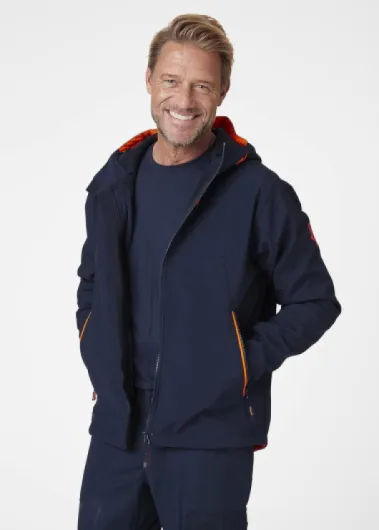
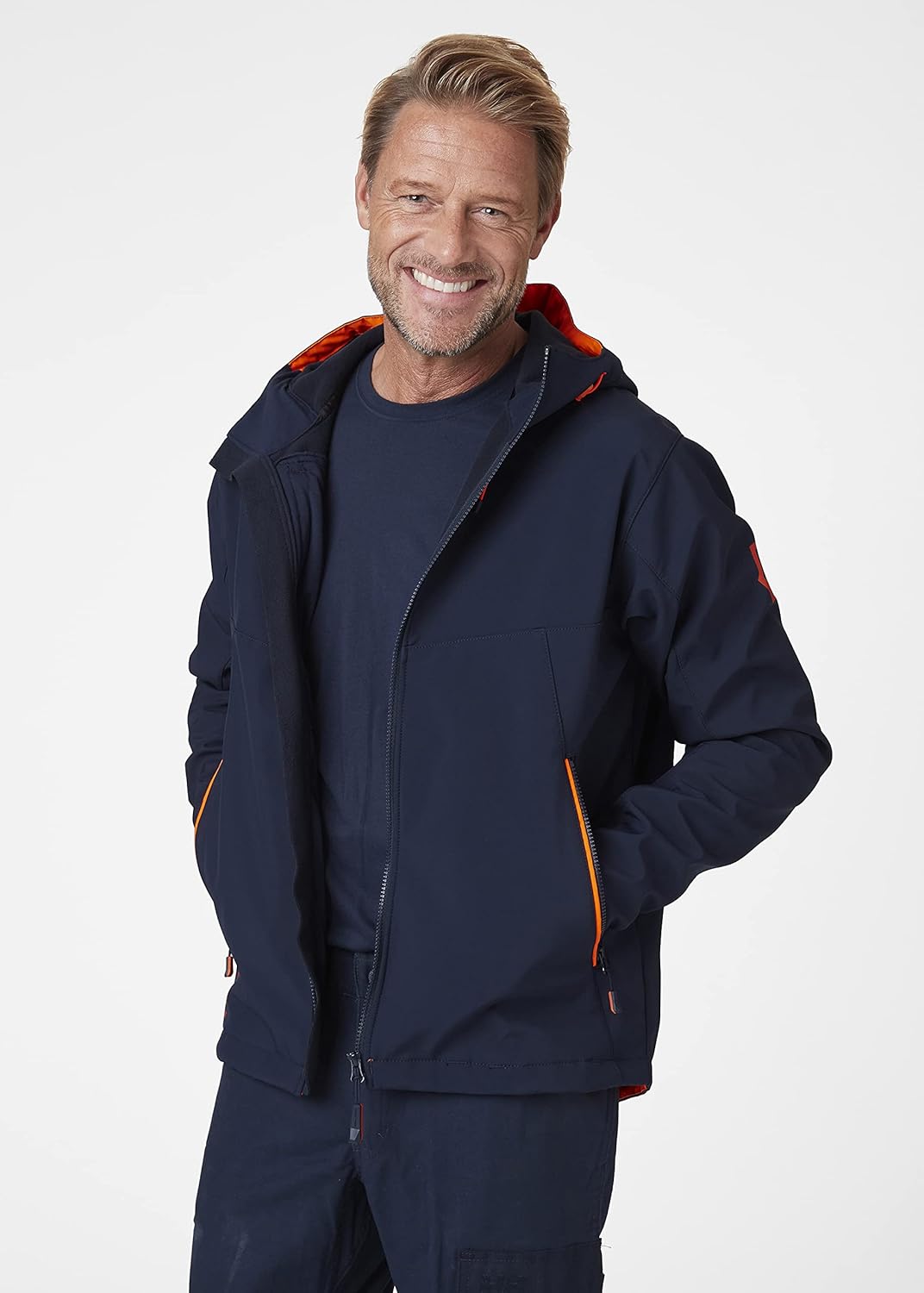
Helly Hansen remains a reference brand because many Helly offshore sailing designs combine a fleece lined collar, a fully adjustable hood and articulated elbows. A Helly Hansen coastal jacket usually balances lighter weight with enough waterproof, windproof protection for weekend regattas and day sails. For a curated overview of technical options, many yacht owners review a dedicated guide to top performing sailing jackets before they buy for the whole crew.
Fit, layering and comfort for long yacht passages
Even the best sailing jackets for men and women fail if the fit is wrong. A shell that is too tight crushes the insulating mid layer and makes a breathable membrane feel clammy. Oversized men’s or women’s cuts snag on winch handles, lifelines and companionway latches, reducing safety when moving between deck and swim platform.
Think in systems, not single garments, when planning your sailing wardrobe for a yacht. Start with a moisture wicking base layer, add a warm insulated or fleece mid layer, then seal everything with a waterproof, breathable outer shell. This approach lets each crew member adapt the same foul weather jacket to both mild coastal afternoons and cold offshore night watches.
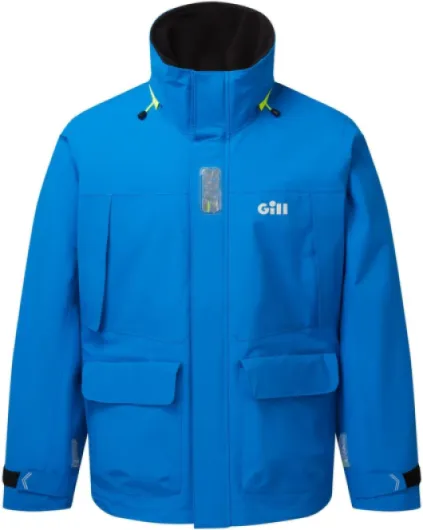
Comfort details matter on long passages, so inspect every collar, hood and cuff. A fleece lined collar that closes cleanly around the neck without trapping hair or life jacket straps keeps heat in and spray out. When you move from cockpit to foredeck using secure access like high quality boat boarding ladders, a well fitted sailing jacket with neat pockets and a smooth storm flap reduces snag risks and distraction.
Helly Hansen and other benchmarks in yacht grade sailing jackets
Among yacht crews, Helly Hansen has become almost shorthand for a reliable sailing jacket. Many Helly men’s offshore models use durable polyamide–polyester shells with reinforced seat and shoulder panels for heavy work on the rail. Women specific Helly Hansen cuts often refine the collar and hood geometry so the jacket seals well without restricting peripheral vision or helmet clearance.
When you compare Helly offshore jacket lines with other brands, focus on measurable features rather than logo prestige. Check whether the sailing jackets use a two layer fabric or three layer fabric construction, and ask how many wash cycles the waterproof, breathable membrane is rated to withstand according to the manufacturer. Inspect the pocket and collar interface, because poorly designed storage can channel water directly toward the main zip if the storm flap is minimal.
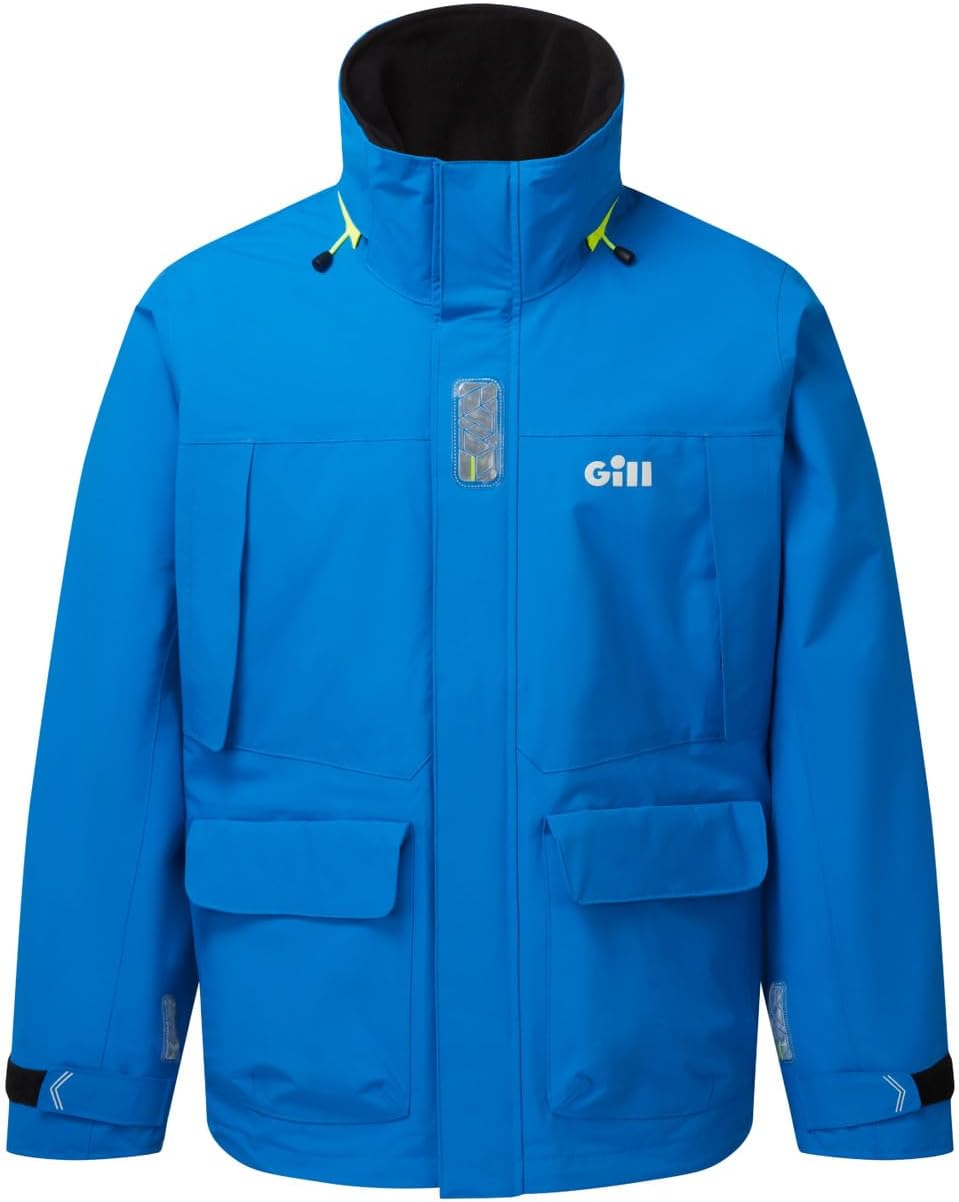
Price differences between a basic coastal jacket and a premium offshore shell usually reflect fabric technology and seam construction. A high quality offshore sailing jacket will often include a fully fleece lined hood, double storm flap and laser cut drainage holes in pockets. Yacht owners who buy once and buy well typically rotate older coastal sailing shells to guests while keeping the newest, most protective gear for the core crew.
Smart buying strategy: matching jacket price to yacht usage
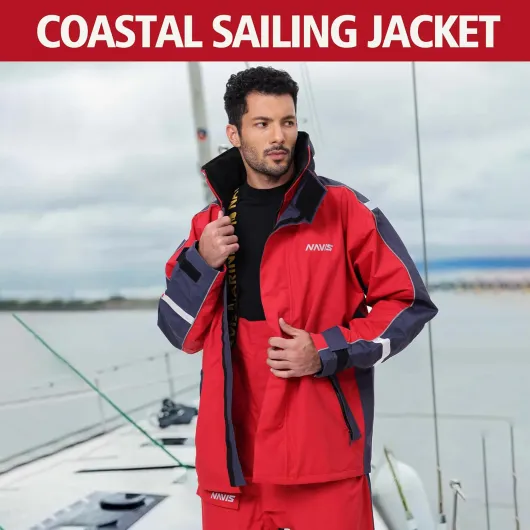
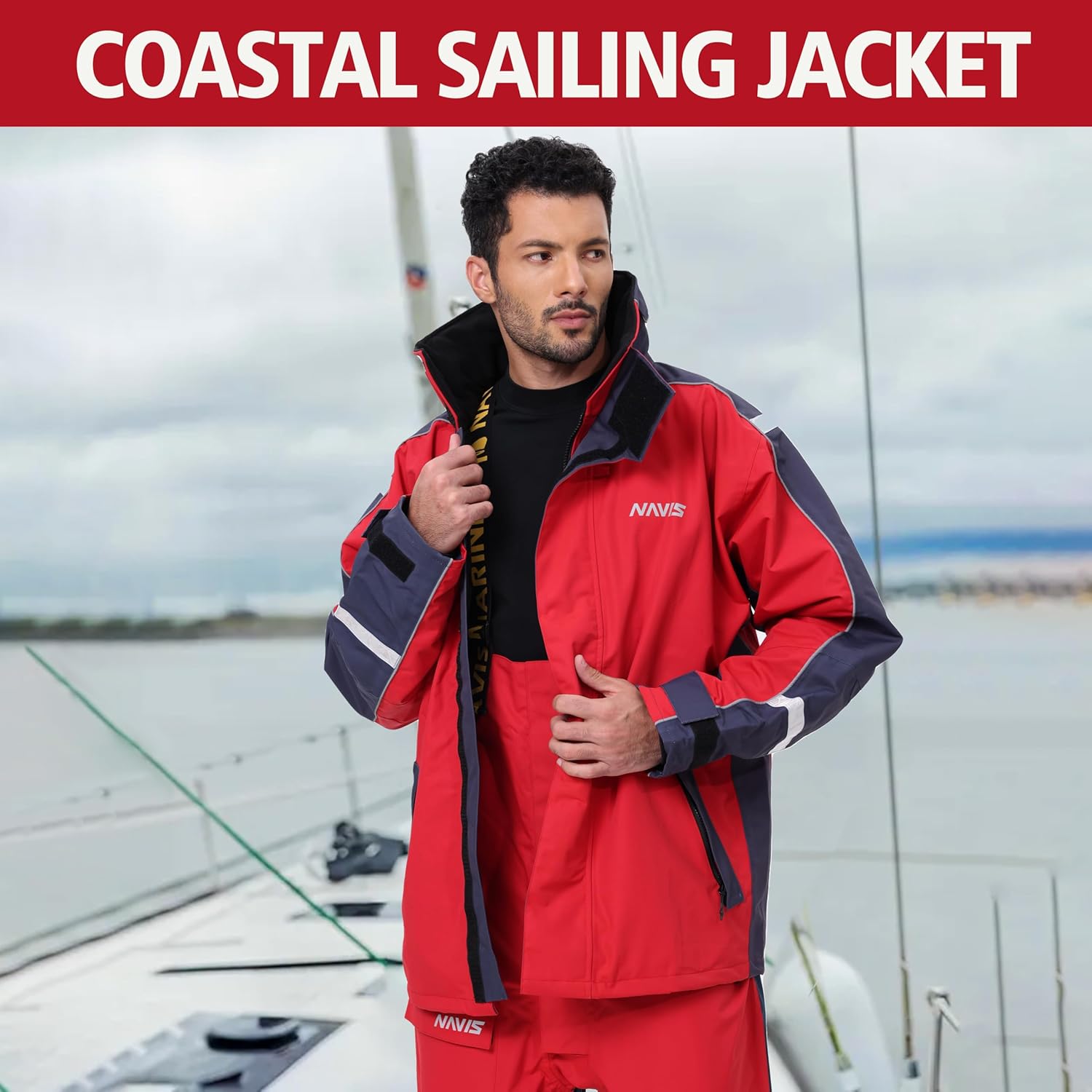
Choosing the best sailing jackets for men and women on a yacht starts with an honest usage audit. A crew that rarely leaves sheltered coastal sailing grounds can prioritize lighter jackets with excellent breathable comfort over extreme offshore protection. In that case, a mid range coastal jacket with a good hood and reliable storm flap offers strong value for the price.
Bluewater programs that log serious offshore miles need a different buying strategy. Here, every sailing jacket should be a fully featured offshore shell with a robust waterproof, windproof outer, high collar and deep fleece lined hand pockets. Budget for high quality face fabric and proven nylon–polyester or polyamide–polyester membranes, because failures far from shore are unacceptable.
When you buy for mixed crews, avoid assuming that men’s and women’s models perform identically just because they share a catalog page. Test how each sailing jacket works over a life jacket, and confirm that the pocket and collar layout does not interfere with harness attachment points. Owners who also invest in safe access systems and generous swim platforms, often guided by resources on top boat swim platforms, understand that protective clothing is another critical layer in the same safety philosophy.
Integrating sailing jackets into a wider yacht safety equipment plan
On a well run yacht, the best sailing jackets for men and women are catalogued alongside life rafts, EPIRBs and harness lines. Each jacket is assigned to a specific crew member, with size, layer configuration and hood adjustments recorded in the safety manual. This approach ensures that in a sudden squall, nobody wastes time searching for a suitable shell while decks flood.
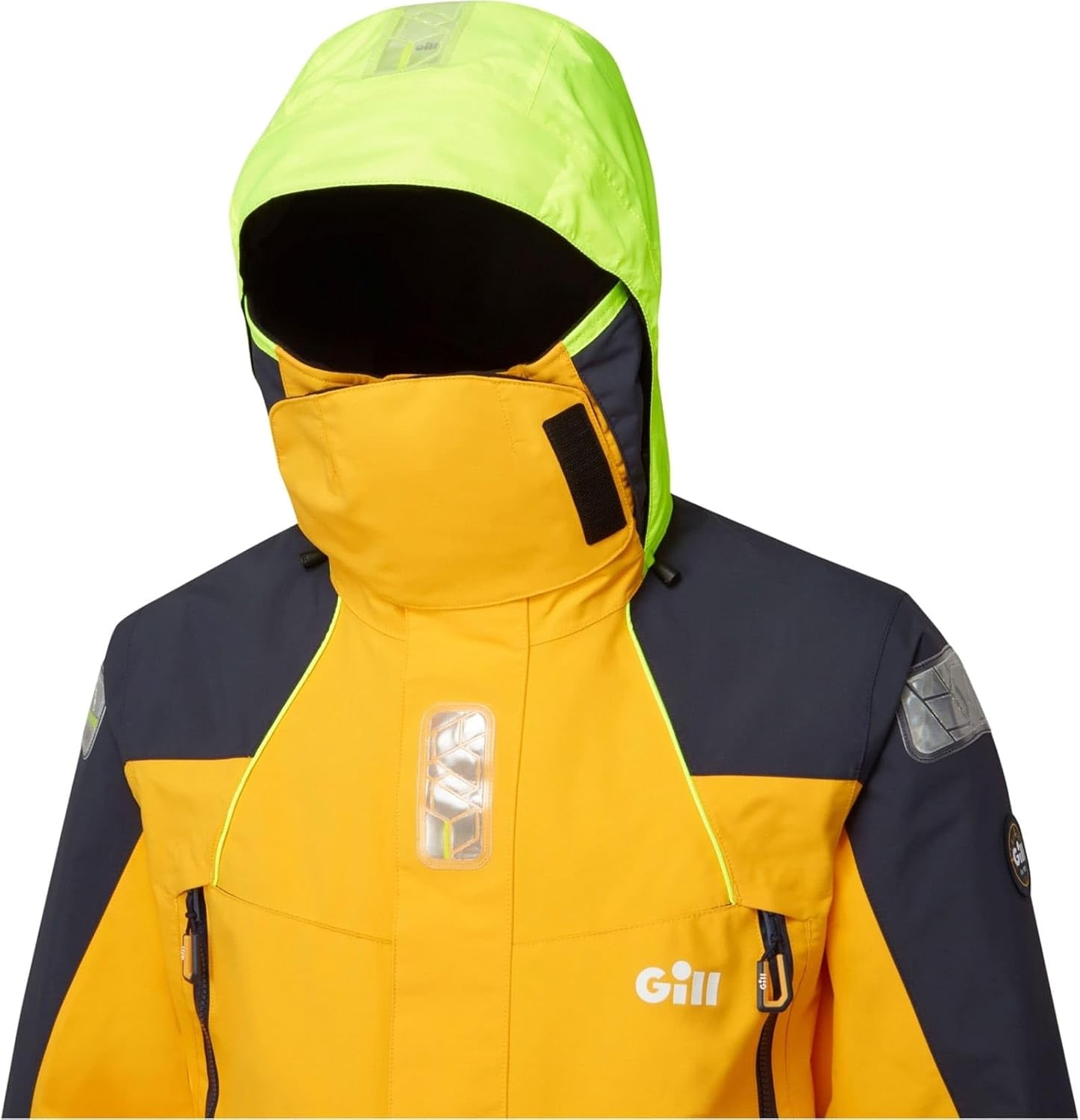
Think of every offshore or coastal jacket as a mobile extension of the yacht’s safety equipment. Reflective patches on the hood and collar improve night visibility when combined with AIS beacons and strobe lights. Secure pockets for knives, small torches and personal locator beacons turn sailing jackets into practical survival platforms rather than simple outerwear.
Routine maintenance keeps waterproof, breathable performance at its peak and extends the service life of expensive gear. Rinse salt from every nylon–polyester or polyamide–polyester shell after heavy sailing, then reproof the face fabric when water stops beading on the surface. By treating each sailing jacket, whether for women or men, as critical gear instead of casual clothing, yacht owners preserve both safety margins and long term value.
Key figures on sailing jacket performance and yacht safety
- Cold water safety guidance from organizations such as the U.S. Coast Guard and Royal National Lifeboat Institution notes that staying dry and protected from wind significantly slows the onset of hypothermia during prolonged exposure on deck in rough conditions.
- Technical data published by major marine apparel brands shows that three layer foul weather jackets are typically rated to hydrostatic head values of 20,000 millimeters or more, while many lighter two layer coastal shells are specified closer to 10,000–15,000 millimeters for moderate conditions.
- Industry care guides from leading manufacturers indicate that crews who regularly wash and reproof their waterproof, breathable jackets can extend effective garment life from around three active seasons to as many as five, lowering the annualized cost per jacket.
- Accident summaries from national coast guards frequently highlight that a significant share of man overboard incidents occur when crew are not wearing fully zipped jackets with hoods and collars correctly adjusted, underlining the importance of disciplined gear use.