Choosing fender types and sizes for yachts, pontoon boats, and jet ski tenders
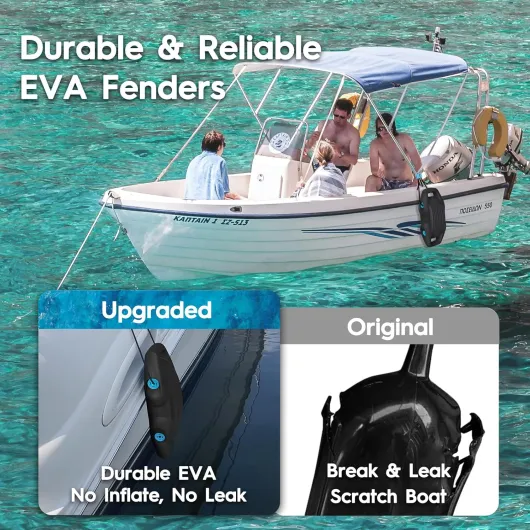
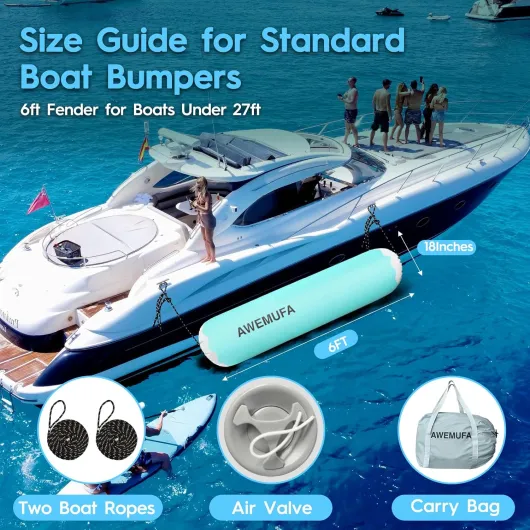
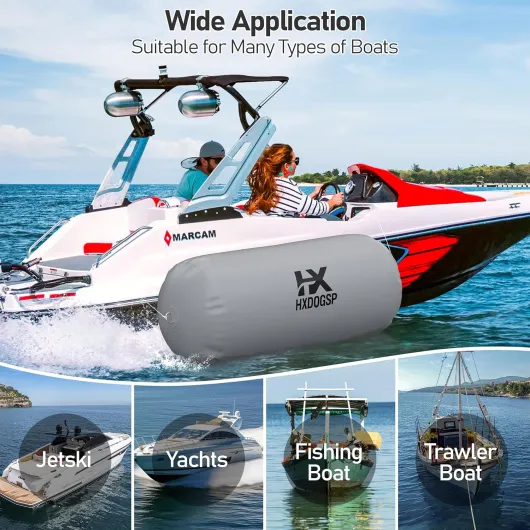
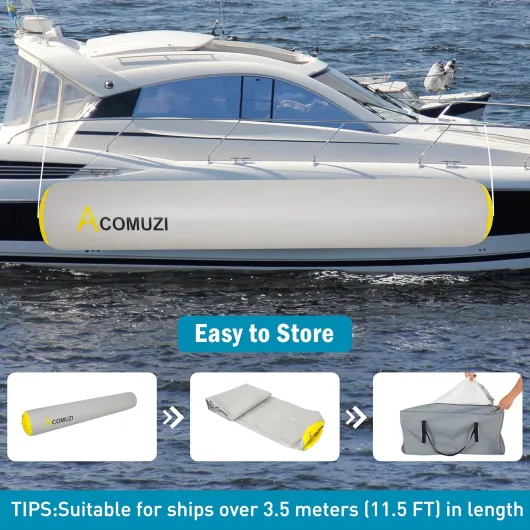
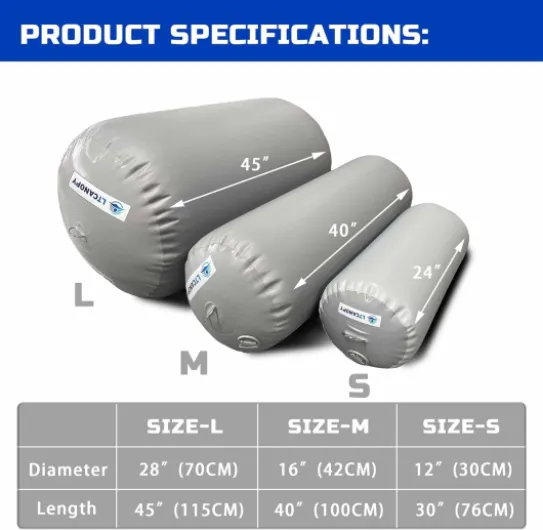
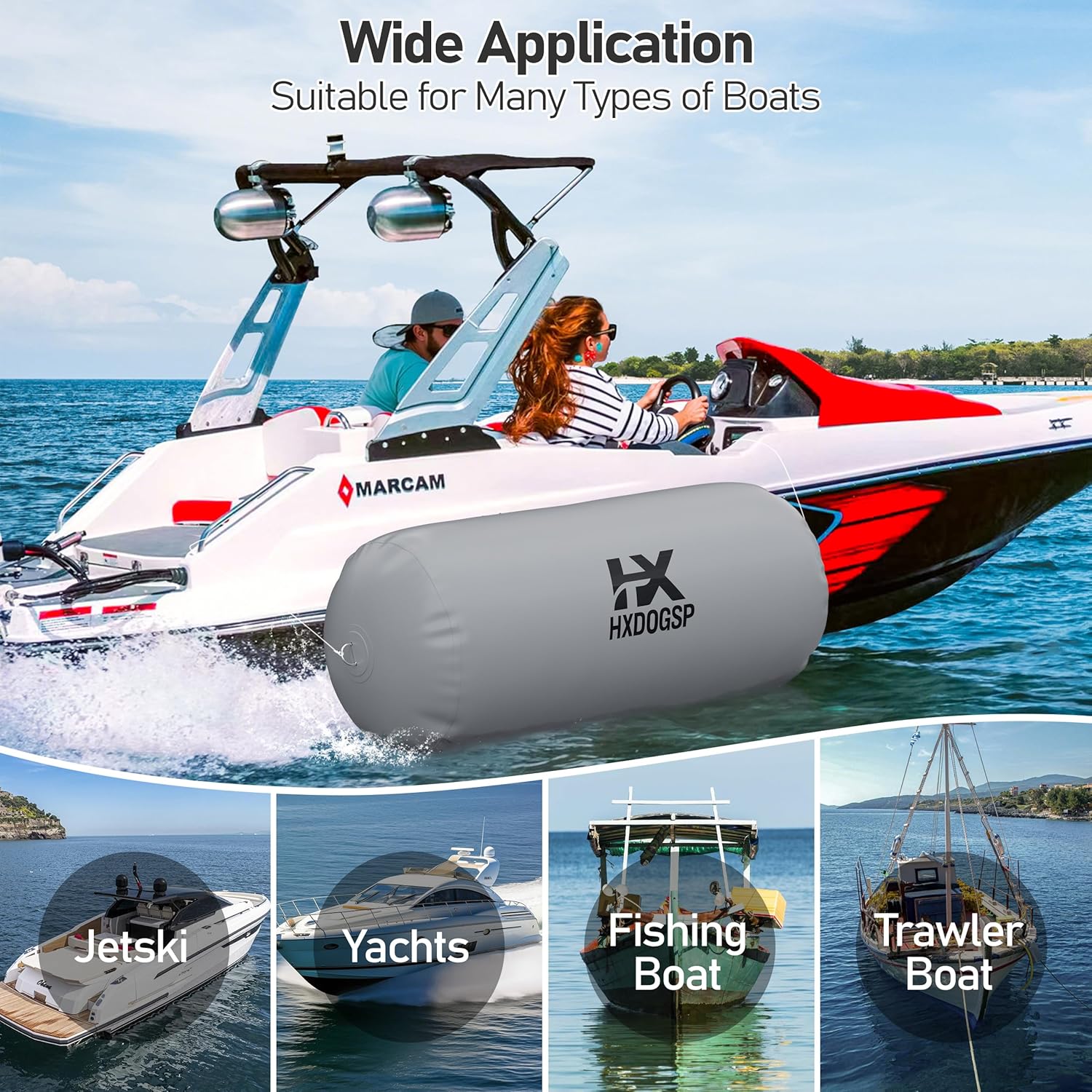
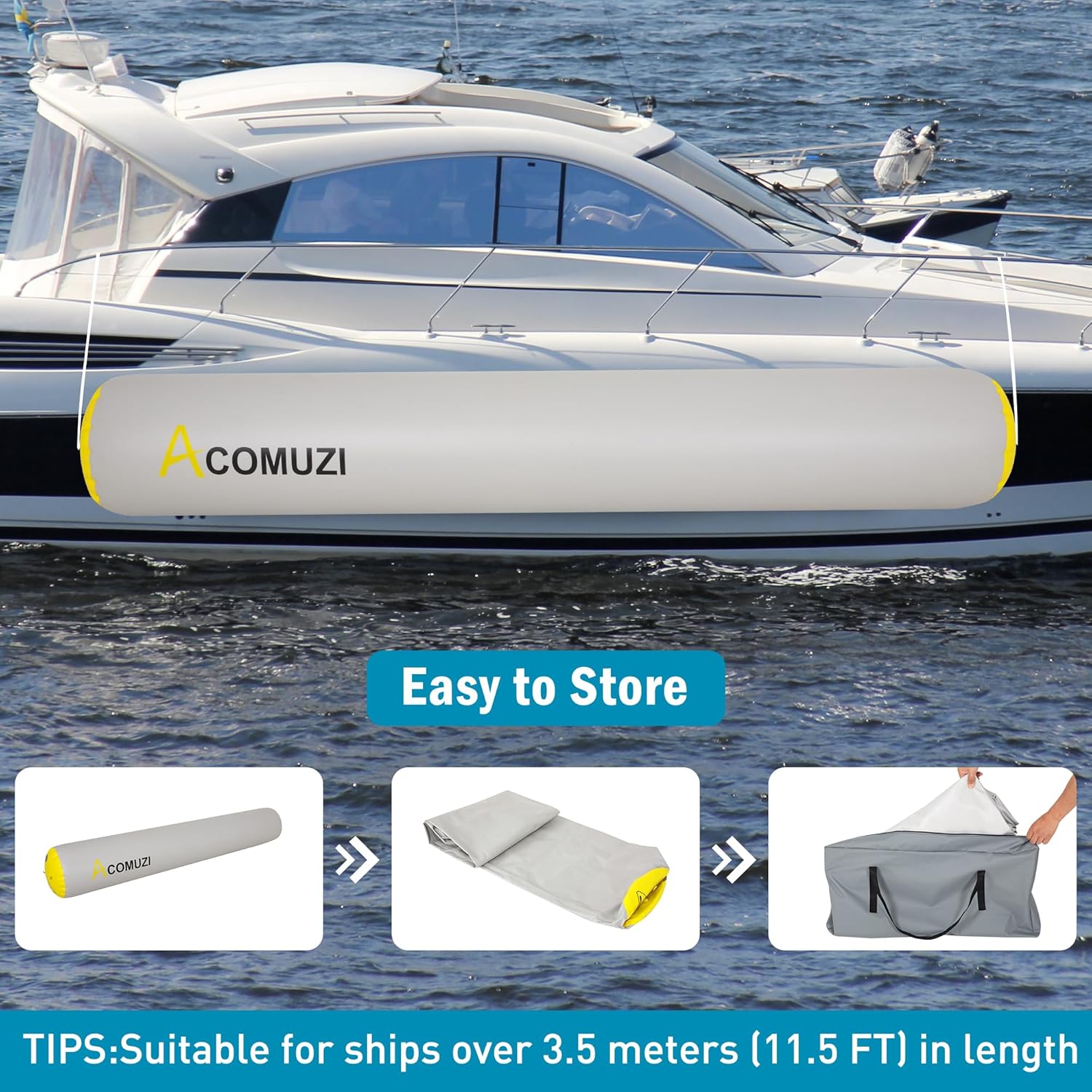
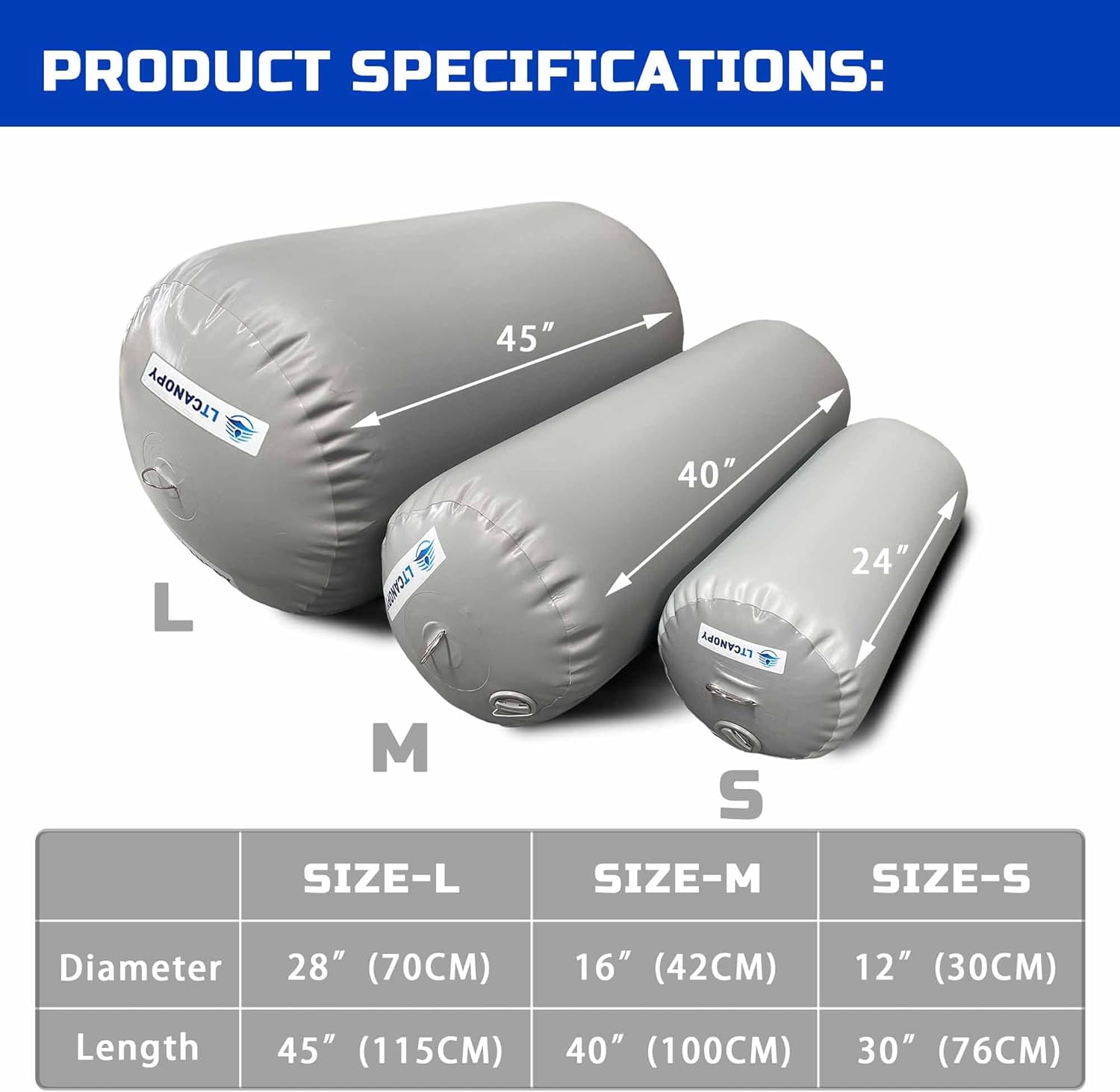
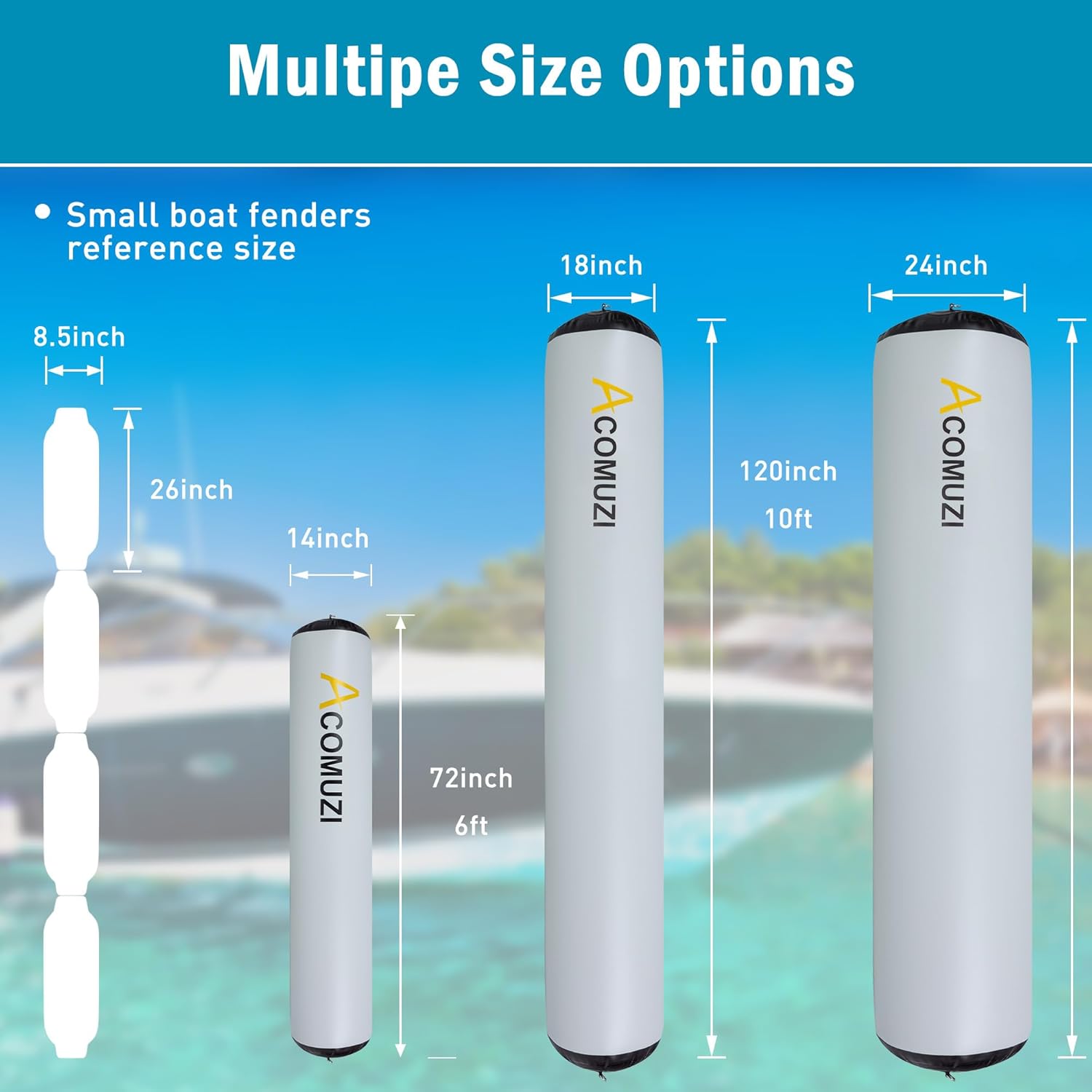
Selecting the best boat fenders for docking starts with matching fender type and size to hull form and displacement. Cylindrical inflatable fenders suit most cruising boats, while low freeboard pontoon boat designs often benefit from longer, slimmer profiles that sit closer to the waterline. Compact jet ski tenders and small marine boat toys need scaled down boat bumpers that still offer full protection when tied alongside a yacht.
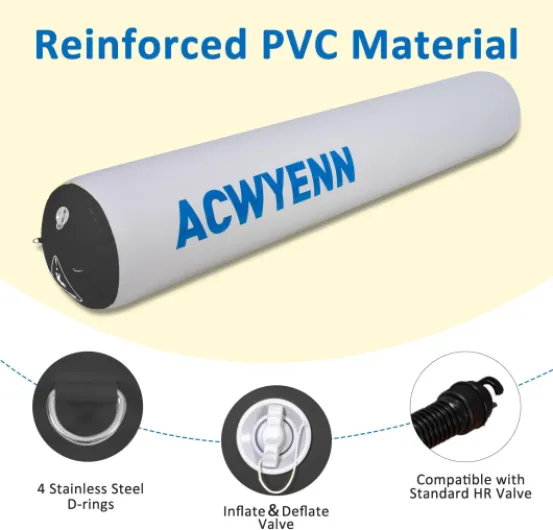
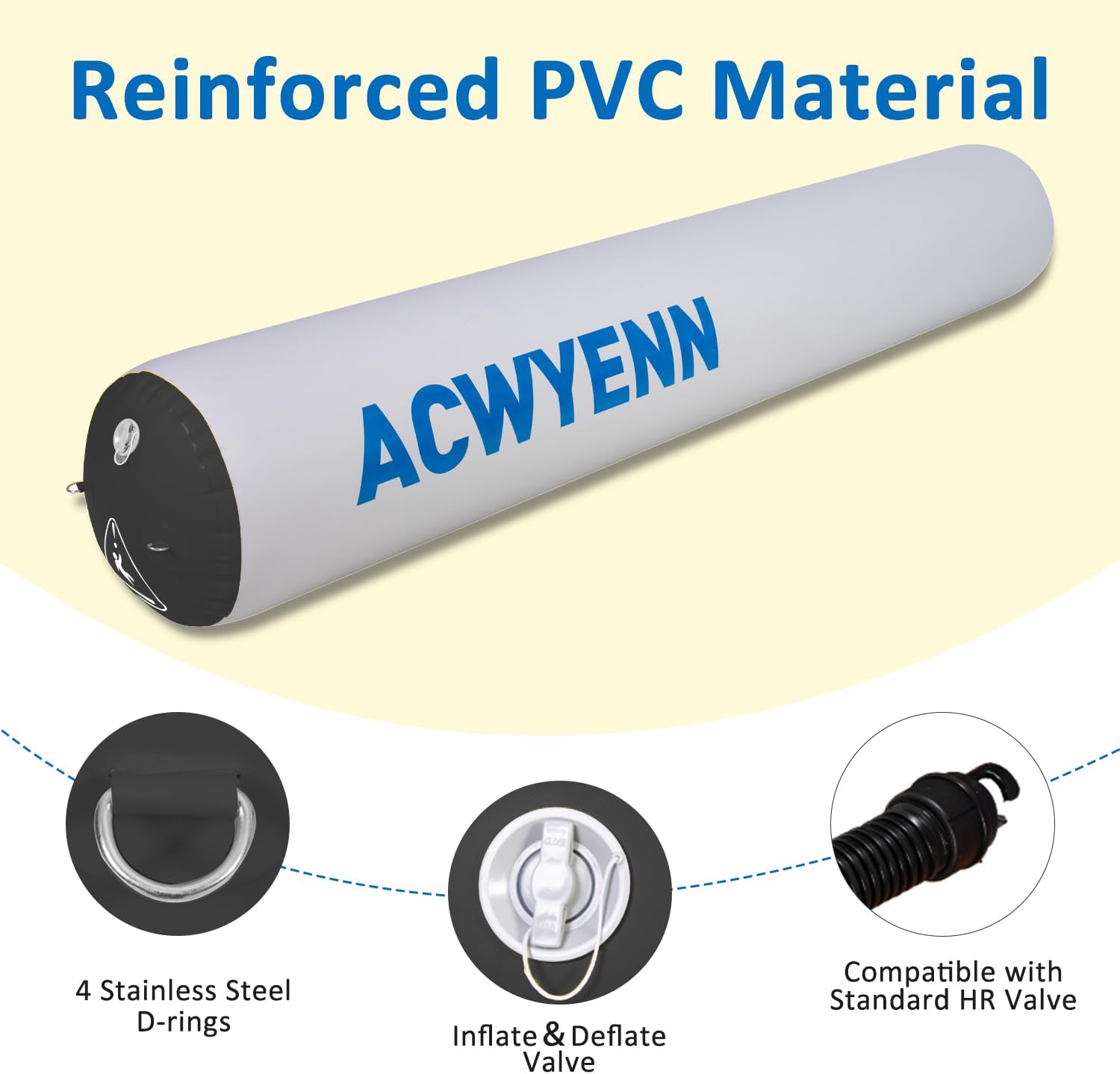
For yachts that regularly visit mixed quality docks, inflatable ribbed models in marine grade vinyl are a pragmatic choice. A ribbed inflatable boat fender or inflatable ribbed dock fender resists rolling, keeps its position against rough pilings, and offers reliable protection even when the boat moves vertically with tide. When you buy these fenders or dock fenders, check that the wall thickness and valve design match the heavy duty claims on the label.
Some owners prefer molded Taylor Made products or Mission boat fenders for their consistent sizing and finish. These brands offer both single fender and full sets of boat fenders that integrate with color matched boat gear and fender lines for a clean aesthetic. When safety equipment is this visible, it should complement the yacht while still working as serious marine protection, just as an EPIRB does for offshore emergencies referenced in any guide to top marine emergency beacons.
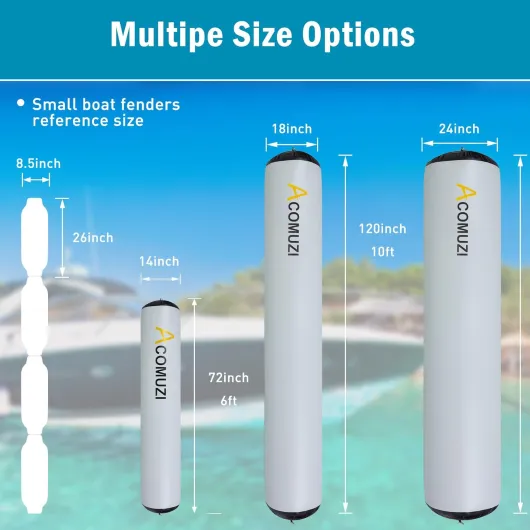
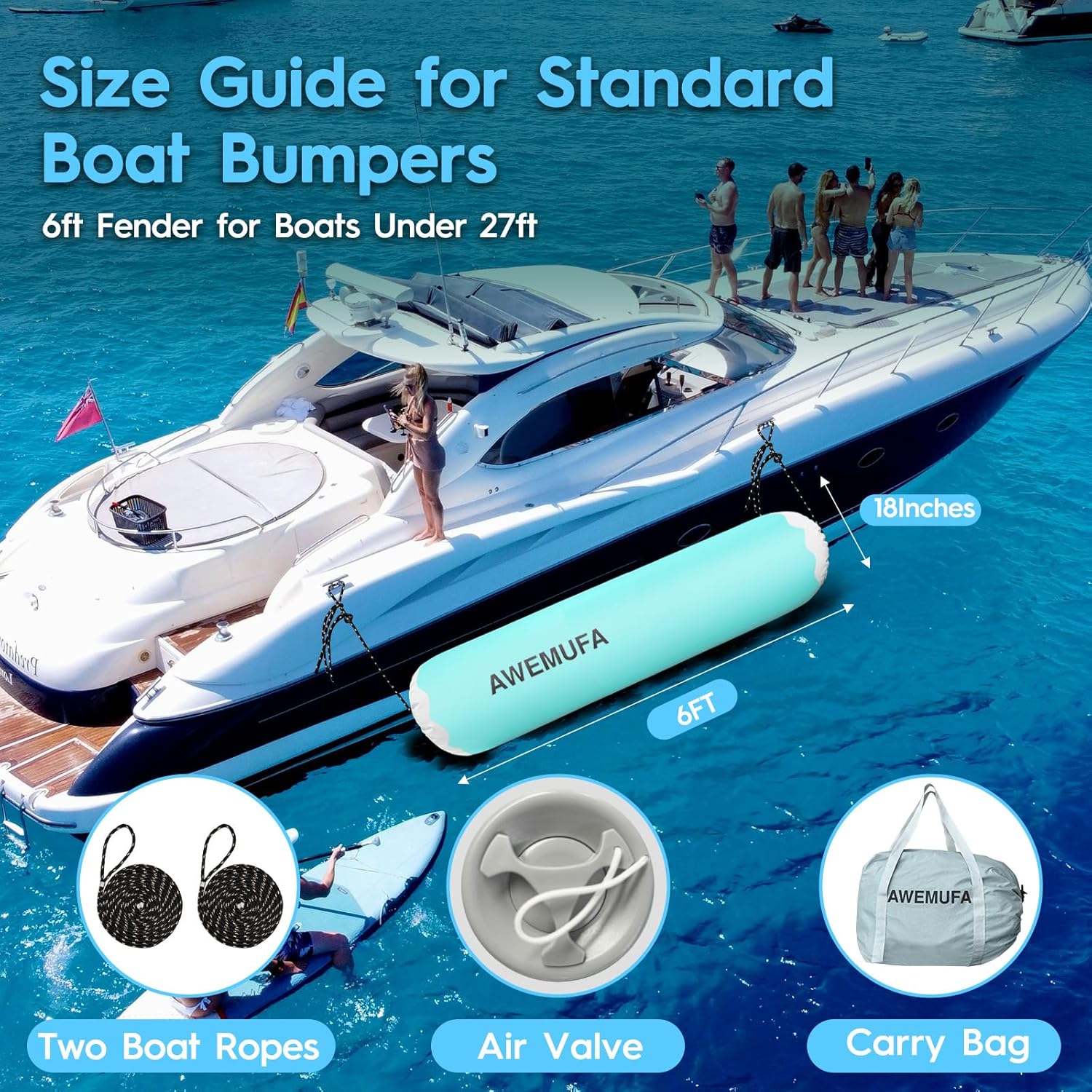
As a starting point, many manufacturers recommend the following sizing guidelines for cylindrical fenders on typical monohull yachts and pontoon boat models:
| Boat length (LOA) |
Approx. displacement |
Typical freeboard |
Suggested fender diameter |
Recommended wall thickness |
| 20–30 ft (6–9 m) |
Up to ~4 t |
Low to moderate |
6–8 in (15–20 cm) |
3–4 mm vinyl |
| 30–40 ft (9–12 m) |
~4–9 t |
Moderate |
8–10 in (20–25 cm) |
4–5 mm vinyl |
| 40–50 ft (12–15 m) |
~9–16 t |
Moderate to high |
10–12 in (25–30 cm) |
5–6 mm vinyl |
| 50–60 ft (15–18 m) |
~16–25 t |
High |
12–14 in (30–36 cm) |
6 mm+ vinyl or heavy foam core |
Positioning boat fenders and dock bumpers for secure docking maneuvers
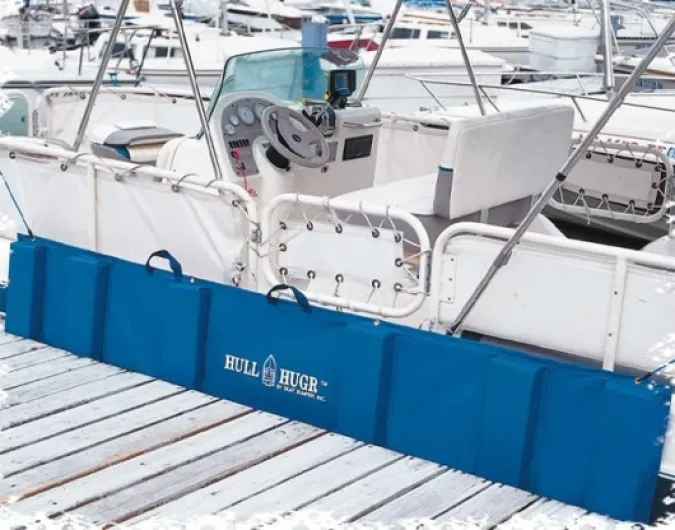
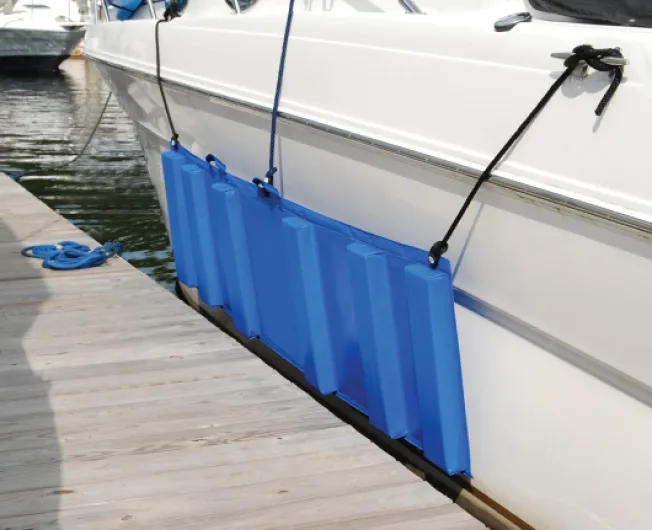
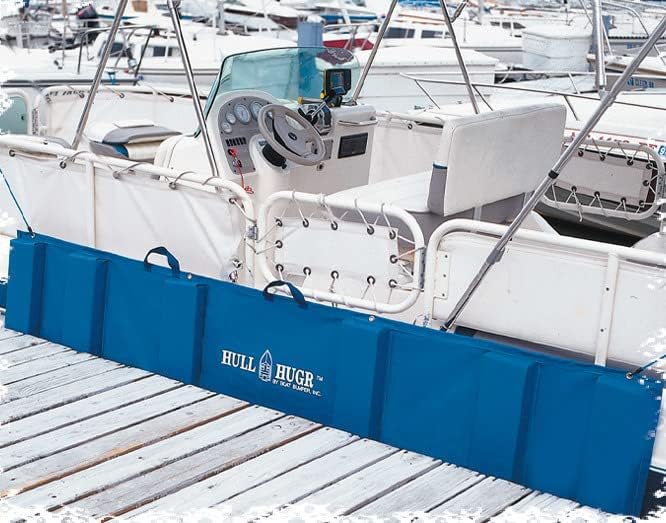
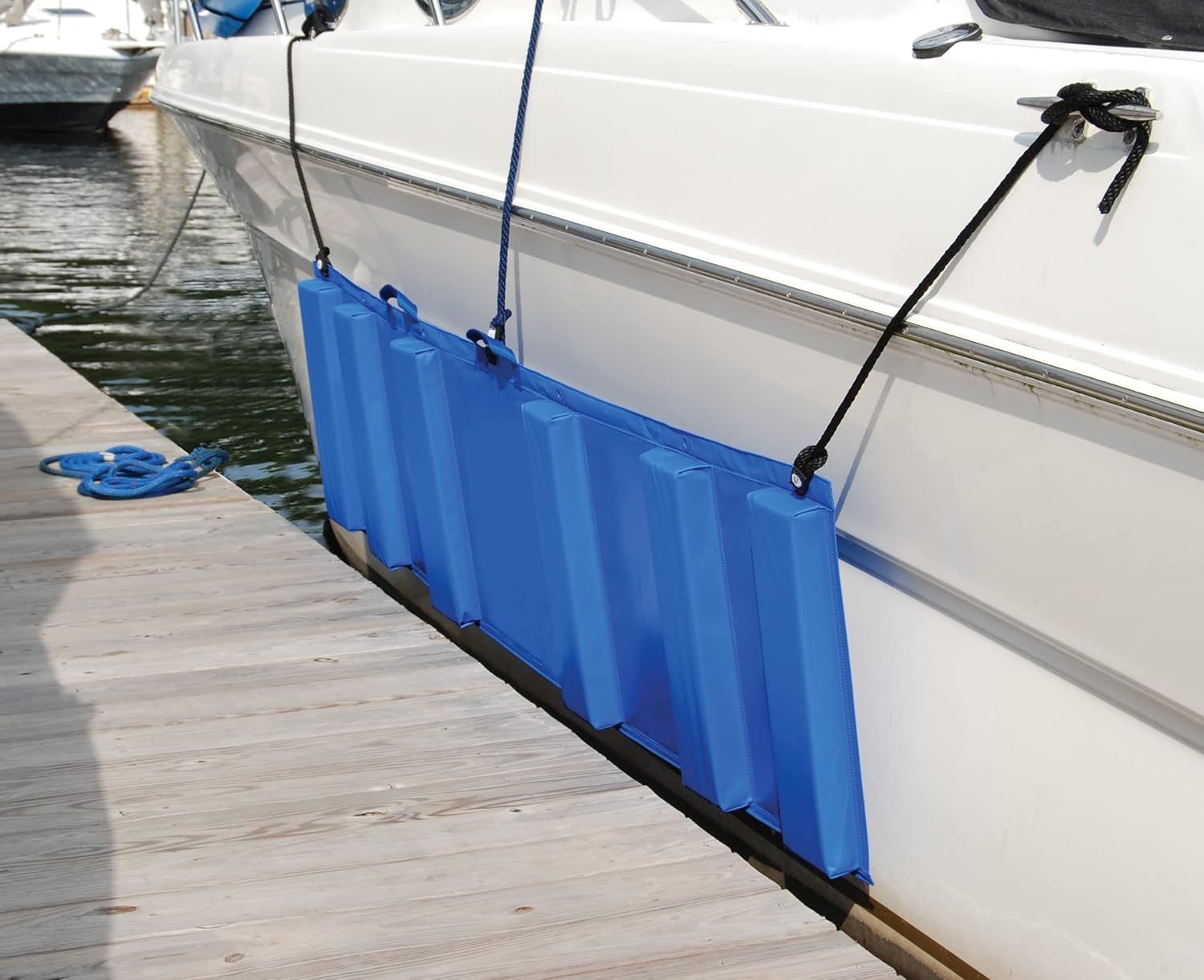
Even the best boat fenders for docking fail if they hang in the wrong place. Before approaching a boat dock, brief your équipe and rig each boat fender at the correct height so the widest part of the fender meets the dock edge, not the waterline. On taller docks, raise the fenders and supplement them with a continuous dock bumper or dock fender strip fixed directly to the structure.
On a long hull, use multiple boat fenders and dock fenders spaced so that at least one fender always bears the load as the boat moves. Place a heavy duty inflatable ribbed fender at the beam, another near the quarter, and a smaller bumper forward to protect the flare of the bow. When rafting boats together away from docks, treat the neighboring hull as a moving dock and double up on boat bumpers and fenders boat systems between sheer lines.
Side loading from wind or current will quickly expose gaps in your fender lines and boat gear layout. Keep spare boat fenders and dock bumpers ready to deploy, especially when tying down for transport with dedicated hardware such as the equipment highlighted in this guide to reliable boat tie down straps. A few extra minutes spent adjusting each fender and bumper will save hours of polishing scuffs from your gelcoat later.
Materials, durability, and when to buy premium marine grade fenders
Material quality separates the best boat fenders for docking from disposable plastic tubes. True marine grade vinyl boat fenders resist UV, salt, and repeated compression without becoming brittle or chalky. When you buy a boat fender or dock bumper, inspect the finish, valve, and eye reinforcements rather than focusing only on color.
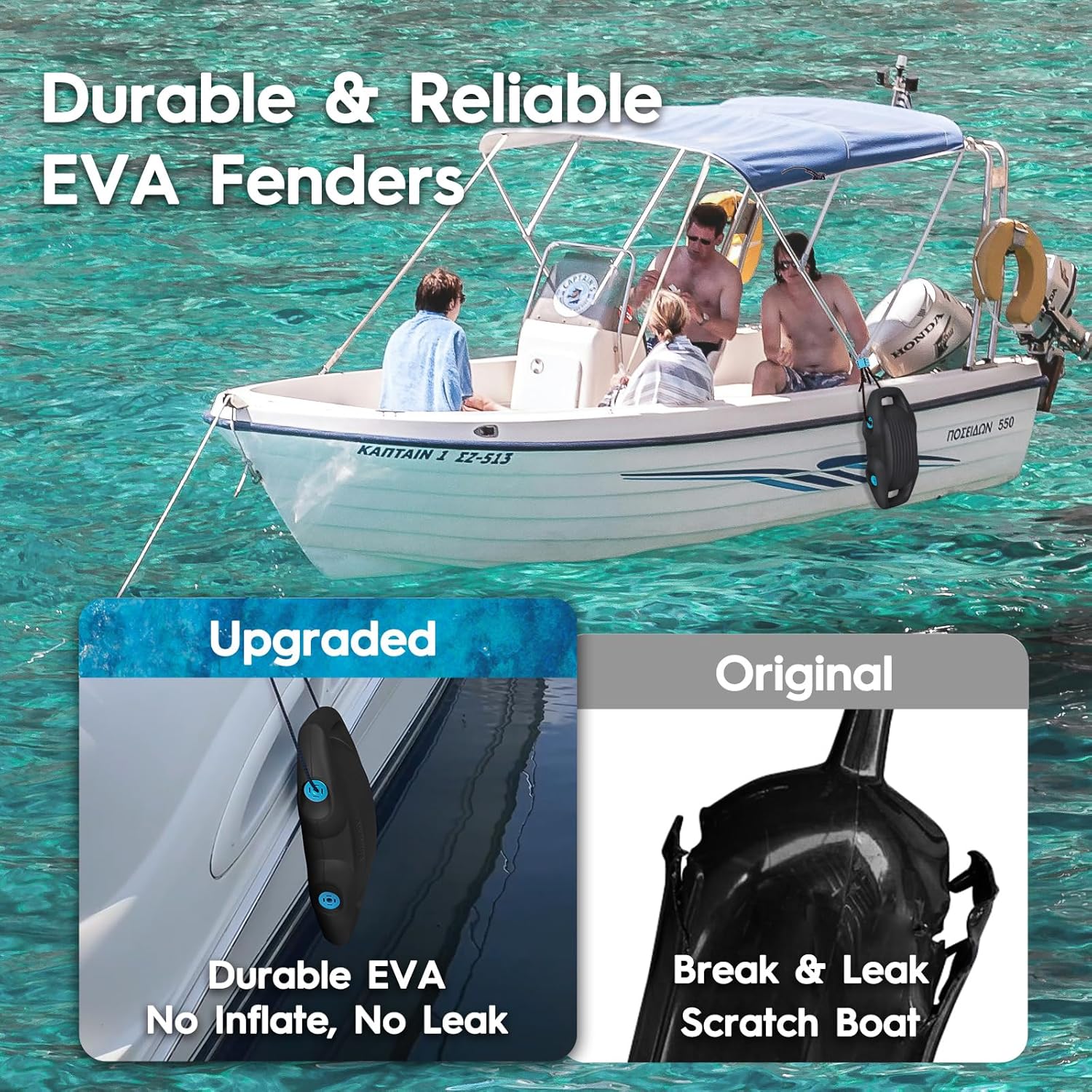
Inflatable models offer flexibility because you can adjust pressure for different boats and docks, but they demand regular checks. A heavy duty inflatable ribbed fender will hold air for months if the valve and seams are properly bonded, while low quality imports may soften overnight and compromise protection. Solid foam dock bumpers and dock fenders cost more initially yet provide consistent performance and cannot deflate at the worst possible moment.
Premium Taylor Made products and Mission boat fenders justify their price when you berth frequently in exposed marinas. These brands engineer boat fenders, boat bumpers, and dock fenders with reinforced eyes, smooth ribbed surfaces, and shapes that minimize hull marking on glossy boats. For yacht passionate owners who treat their marine boat as an investment, paying more once for durable boat gear is smarter than replacing cheap bumpers every season.
Integrating fenders into a wider yacht safety and docking strategy
Hull protection from the best boat fenders for docking is only one layer in a complete safety strategy. A disciplined skipper treats boat fenders, dock bumpers, and fender lines as part of the same safety ecosystem as anchor systems, EPIRBs, and lifejackets. When you plan a new boat dock layout or upgrade boat gear, consider how fenders, dock fenders, and dock bumper rails interact with cleats, mooring lines, and anchor windlasses.
On larger boats, the loads transmitted through each fender and bumper can be significant during crosswinds. Use correctly sized fender lines, tie each boat fender to strong points rather than lifelines, and avoid sharp angles that concentrate stress on a single stanchion. For yachts that anchor frequently before coming alongside, pairing robust boat fenders with reliable ground tackle such as the systems reviewed in this guide to top anchor windlasses for boats will keep both hull and ground tackle within safe working limits.
Do not neglect tenders and toys when planning marine protection. A jet ski or small pontoon boat tied alongside can act as an unintended dock bumper if it swings between your hull and the dock, damaging both boats. Equip every auxiliary marine boat with its own scaled fenders boat setup and ensure crew understand where each bumper and fender belongs during complex docking maneuvers.
Maintenance routines that keep boat fenders reliable and ready
Even the best boat fenders for docking degrade quickly if ignored between voyages. Salt, diesel film, and UV will harden vinyl boat surfaces, reduce flexibility, and eventually cause cracks at the eyes and seams. A simple rinse after each trip and a monthly wash with mild soap will extend the life of every boat fender, dock fender, and dock bumper on board.
Inflatable models need more attention because internal pressure changes with temperature and sunlight. Check each inflatable ribbed fender by hand before leaving the berth, topping up air where needed and listening for slow leaks around the valve. Replace any heavy duty fender or bumper that shows deep creases, sticky patches, or thinning walls, because these are early signs that marine grade integrity has been lost.
Storage habits also influence how well your boat fenders and boat bumpers perform during docking. Avoid leaving fenders boat gear permanently compressed between boats and docks, and rotate their positions so the same area does not always bear the load. When you buy new fenders or dock fenders from a retailer such as Amazon or a specialist chandlery, label them, track their age, and retire older units before they fail under full load.
Buying strategy, budgeting, and smart use of online retailers
Building a complete set of the best boat fenders for docking requires a clear buying strategy. Start by calculating how many boat fenders and dock bumpers you need for your hull length, then add at least two spare units for unexpected rafting or unusual docks. This approach prevents the common mistake of buying a single oversized bumper and expecting it to protect the full length of a sophisticated marine boat.
Online platforms such as Amazon make it easy to compare Taylor Made products, Mission boat designs, and generic marine grade options. When you buy online, read technical specifications carefully, focusing on diameter, length, wall thickness, and whether the fender is truly heavy duty or just marketed that way. Cross check user reviews from owners of similar boats and pontoon boat models, because their real world docking experiences often reveal weaknesses in fender lines, valves, or mounting hardware.
Budget decisions should balance cost against the potential price of hull repairs and lost cruising time. Spending slightly more on quality boat gear such as inflatable ribbed fenders, robust dock fenders, and UV resistant dock bumper rails will reduce long term maintenance costs on high value boats. Treat every euro invested in fenders boat systems as an insurance premium that will quietly pay for itself each time your yacht kisses the dock instead of striking it.
Key figures on yacht damage and fender performance
- Insurance surveys from major marine underwriters, including BoatUS Marine Insurance claim reports, consistently attribute around one third of minor hull claims to contact with docks and pilings during low speed docking maneuvers. Recent BoatUS summaries (for example, the 2022 recreational boating claim report) confirm that dock contact remains a leading cause of cosmetic damage.
- Field tests published by leading fender manufacturers such as Taylor Made and Polyform indicate that correctly sized inflatable fenders can absorb impact forces equivalent to several hundred kilograms of lateral load without transmitting damaging pressure to the hull when installed according to their technical data sheets. These results are documented in their publicly available product catalogs and engineering notes.
- Industry data from marina operators and trade associations show that yachts using at least one fender for every 3 metres of hull length report significantly fewer gelcoat repairs than boats with fewer contact points, especially in marinas exposed to swell. This rule of thumb appears repeatedly in marina welcome packs and manufacturer sizing charts.
- UV exposure studies on marine grade vinyl, summarized in manufacturer durability charts, demonstrate that untreated surfaces can lose up to half of their original flexibility after a few seasons in strong sunlight, while protected fenders retain most of their elasticity over the same period. Taylor Made and Polyform both publish comparative aging curves illustrating this effect.
References
- BoatUS Marine Insurance. Annual claim reports on docking and grounding incidents, summarizing the proportion of hull damage linked to contact with docks and pilings. Recent editions (for example, 2020–2022) are available through the BoatUS publications archive.
- U.S. Coast Guard. Recreational boating statistics and safety equipment guidance, including recommendations on fendering and mooring practices. See the annual “Recreational Boating Statistics” report and related safety circulars.
- Taylor Made and Polyform technical product data sheets detailing fender sizing charts, impact absorption tests, and material durability under UV exposure. These documents are typically provided in manufacturer catalogs and downloadable specification sheets.