Understanding PFD types and certifications for yacht use
Choosing the best life jackets for boating on a yacht starts with understanding PFD categories and their intended environments. A personal flotation device, or PFD, is classified either by a USCG type rating or by an ISO/EN buoyancy level in newtons, which indicates how much flotation it provides and how it behaves in water. For most yacht activities, especially when guests are mobile on deck, a USCG Type III life jacket or an equivalent 70–100 N coastal vest offers the right balance between comfort and safety.
Type III life jackets are designed for conscious wearers in relatively sheltered water, such as coastal cruising and nearshore passages. They provide enough flotation to keep the wearer’s head above water, but they do not always turn an unconscious person face up as quickly as some offshore specific types. On a yacht, this type of jacket is often paired with safety harnesses and tethers, reducing the chance of going overboard in the first place.
When you evaluate a life jacket, always check that it is clearly USCG approved or recognised by your national coast guard. That approval confirms that the jacket’s flotation, materials, and design have passed standardised tests, rather than relying solely on marketing claims. For yacht owners who cruise internationally, carrying life jackets that meet both United States Coast Guard and European EN ISO 12402 standards simplifies inspections in foreign marinas.
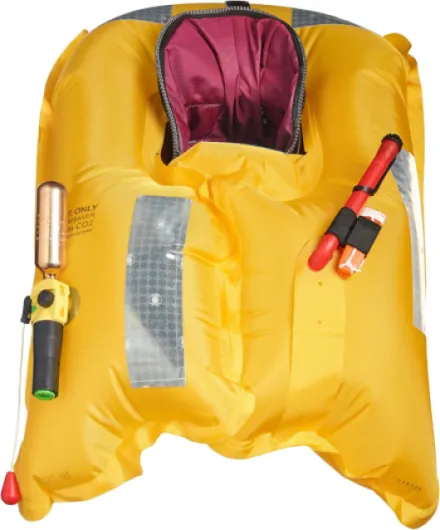
Inflatable life jackets introduce another layer of complexity, because their bladder and inflation mechanism must function flawlessly in real water emergencies. An inflatable PFD can be manual, automatic, or hybrid, and each type has different maintenance requirements and reasons to buy depending on your crew’s habits. Yacht captains often choose automatic inflatable life vests for night passages, while keeping some regular foam jackets ready for guests who are less familiar with inflatable life systems.
Price structures for certified PFDs vary widely, so it helps to compare regular price and sale price across several brands. A Mustang Survival inflatable PFD, for example, may show a higher regular price on the tag, but its robust bladder fabric and corrosion resistant hardware can reduce long term replacement costs. When you see a sale price or discounted price USD, confirm that the unit price still includes current certification and fresh inflation cylinders.
Comfort and fit remain decisive factors, because even the best life jacket fails if it stays in a locker. Look for a vest with articulated panels, soft linings, and a design that allows free arm movement for line handling and tender operations. If you also enjoy snorkeling or diving from the yacht, pair your chosen PFD strategy with high quality gear such as the options reviewed in this guide to top diving fins for snorkeling, ensuring that surface safety and underwater enjoyment are equally refined.
Inflatable versus foam life jackets on luxury yachts
On modern yachts, the debate between inflatable life jackets and traditional foam jackets is not theoretical, it shapes daily safety routines. Inflatable life vests offer slim profiles and elegant design, which align naturally with the aesthetics of a high end yacht. Foam life jackets, by contrast, provide constant flotation without relying on a bladder or inflation mechanism, which some captains still prefer for certain operations.
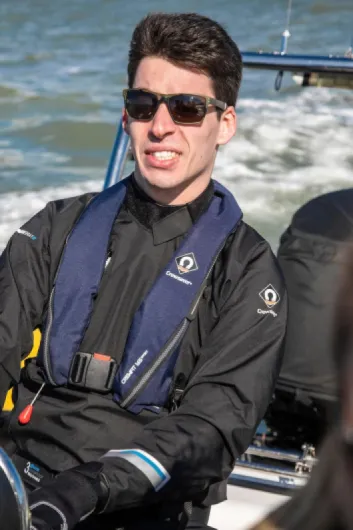
Inflatable PFD models shine in warm climates where guests wear them for long periods on deck, because their low bulk and tailored fit encourage regular use. A well engineered inflatable life jacket from Mustang Survival or a similar brand can feel almost like a light sailing vest, yet it hides a powerful bladder that deploys instantly when triggered. Experienced yacht owners often choose these inflatable units as their best life safety gear for watch keepers, helmsmen, and crew working on foredecks.
Foam life jackets remain essential on any serious yacht, especially for non swimmers, children, and guests who may not understand inflatable mechanisms. These jackets provide visible, tangible flotation at all times, which reassures nervous passengers and simplifies safety briefings before leaving the marina. Many captains keep a rack of foam life jackets near the cockpit, while storing inflatable life vests in individual cabins for regular wear.
From a financial perspective, inflatable life jackets usually carry a higher regular price and unit price than foam jackets. However, when you factor in their superior comfort, compact storage, and higher likelihood of actual use, the effective price per hour of wear can be surprisingly competitive. When you see a sale price on premium inflatable PFD models, it can be an excellent opportunity to upgrade the yacht’s safety inventory without compromising quality.
Foam jackets, on the other hand, offer predictable durability and minimal maintenance, which keeps their regular price stable over many seasons. You rarely need to service a foam jacket beyond rinsing it with fresh water and checking straps, so the long term price USD per unit remains low. For charter yachts, this reliability simplifies budgeting and ensures that every guest always has a functional life jacket ready.
Whichever mix of inflatable and foam life jackets you choose, integrate them into a broader safety ecosystem that includes emergency beacons, man overboard recovery gear, and a well stocked kit such as those reviewed in this overview of top boat emergency kits. When life jackets, emergency kits, and communication devices are planned together, the yacht’s overall safety posture becomes coherent rather than improvised. That coherence is what separates genuinely professional yacht operations from casual weekend boating.
Fit, comfort, and design details that matter on a yacht
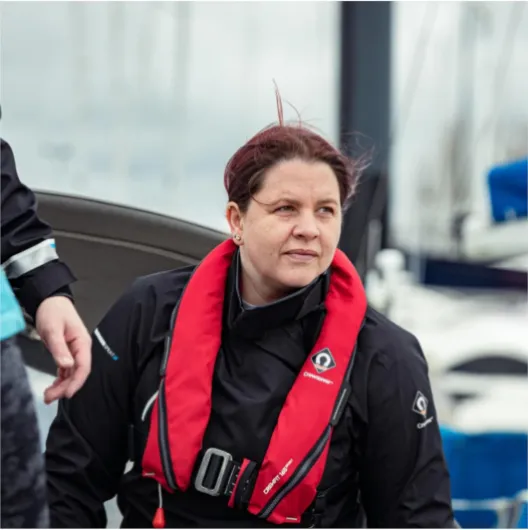
The best life jackets for boating on a yacht share one common trait, they are so comfortable that guests forget they are wearing them. Achieving that level of comfort requires careful attention to fit, from torso length to shoulder shape and strap placement. A vest that rides up under the chin or chafes at the neck will quickly end up unused, no matter how advanced its flotation bladder or certification may be.
When you evaluate a life jacket or vest, start by checking the size chart and then physically testing the fit on board. Ask your guests or crew to sit, climb companionway steps, handle lines, and lean over the rail while wearing the jacket, because real yacht movements reveal pressure points that a quick shop fitting never shows. Pay attention to how the design distributes weight and flotation around the body, since balanced flotation improves comfort and keeps the wearer in a stable position in water.
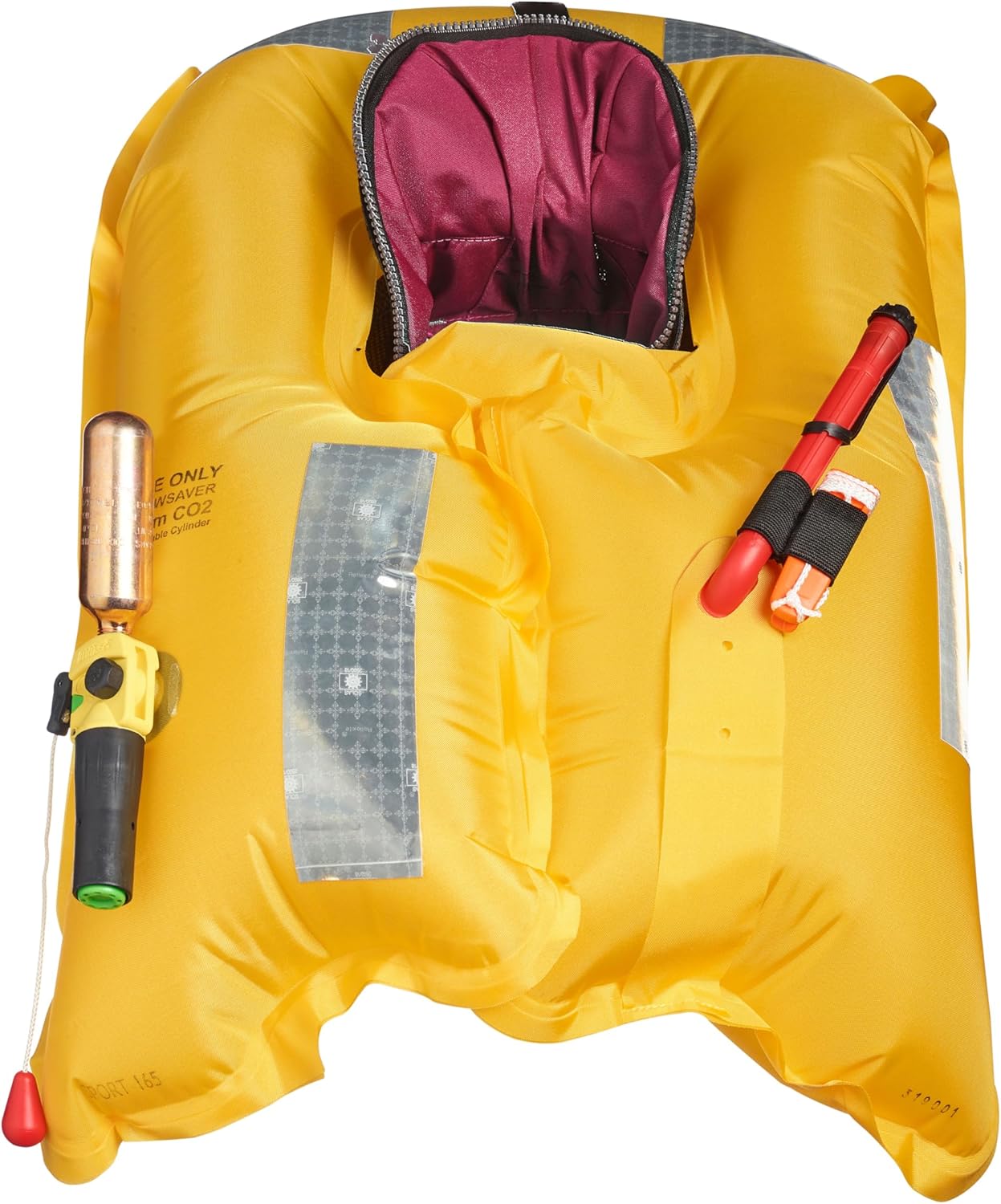
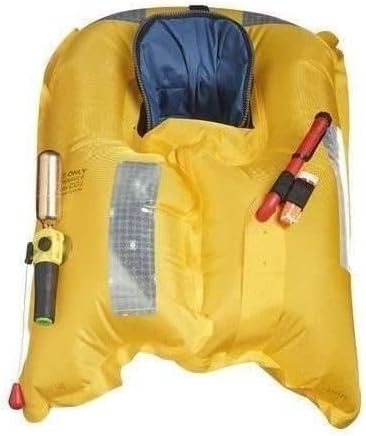
Inflatable life jackets introduce specific design considerations, especially around the bladder layout and protective cover. A well designed inflatable PFD keeps its bladder shielded from UV and deck hardware until deployment, yet it must open cleanly when triggered in water. Yacht owners should inspect stitching, buckles, and oral inflation tubes regularly, treating these inflatable units as precision safety instruments rather than casual accessories.
Price should not be the only factor, but it inevitably influences which life jackets end up on your yacht. When comparing regular price and sale price across models, consider whether the vest includes features such as integrated harness points, spray hoods, or lights, which can justify a higher unit price. A jacket with a slightly higher regular price but superior design may offer the best life protection when conditions deteriorate unexpectedly offshore.
For crew who wear life jackets daily, such as deckhands and engineers, a durable vest model with robust fabrics and reinforced shoulders often proves more economical over time. The unit price spread across hundreds of hours of use makes the effective price USD per day very modest, especially compared with the cost of medical evacuations or lost charter days. Captains should track which jacket models survive heavy use without fraying, then standardise on those for operational roles.
Design also extends to how life jackets integrate with the yacht’s broader comfort and style, including lighting, seating, and storage. When you plan refits, consider how locker locations, grab rails, and even cabin lighting, as explored in this guide to top boat cabin lighting, influence whether guests actually see and reach their life jackets quickly. A beautifully lit, well organised locker near the cockpit encourages regular use far more than a dark, cluttered storage space buried below.
Maintenance routines for life jackets in the yacht environment
Salt water, UV exposure, and constant motion place unique stresses on life jackets carried aboard yachts. To keep even the best life jackets for boating in top condition, you need a structured maintenance routine that treats each unit as critical safety gear. This routine should be written into the yacht’s safety management system and followed as rigorously as engine checks.
After every passage or wet tender transfer, rinse both inflatable life jackets and foam jackets with fresh water to remove salt crystals. Salt accelerates fabric degradation and corrodes metal components, which can compromise buckles, zips, and the inflation mechanism on an inflatable PFD. Allow each jacket or vest to dry fully in the shade, avoiding direct sun that can weaken outer fabrics and covers over time.
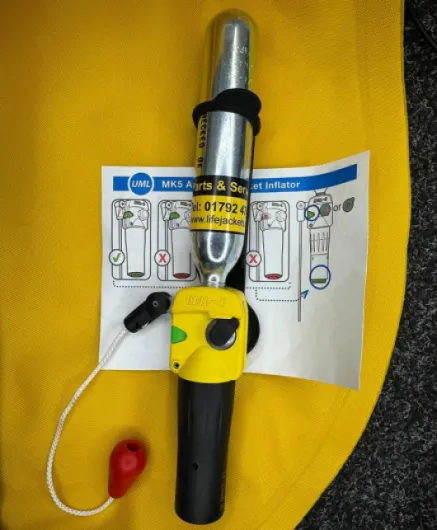
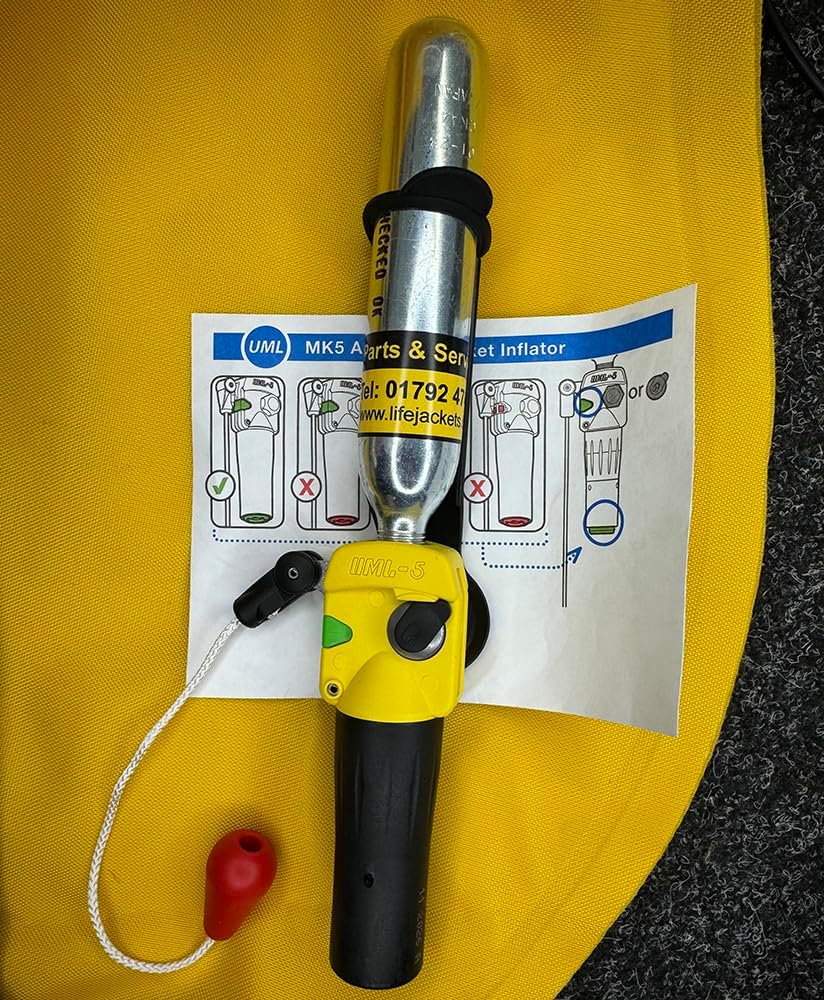
Inflatable life jackets require more detailed inspections, because their bladder and gas cylinders must function perfectly when submerged in water. At regular intervals defined by the manufacturer, open the cover, examine the bladder for abrasions, and check that the cylinder is firmly seated and not corroded. Many yacht captains schedule these inspections alongside other safety drills, turning maintenance into a routine habit rather than an occasional chore.
Record keeping matters, so log the service date, cylinder replacement, and any repairs for each life jacket unit. This log helps you track which models deliver the best life span and which brands or designs show premature wear in the yacht environment. Over several seasons, those data points become powerful reasons to buy or avoid specific life jackets when you next review the safety budget.
Price considerations also enter maintenance planning, because a jacket with a lower regular price may require more frequent servicing or earlier replacement. When you calculate the effective unit price, include cylinder kits, professional inspections, and any shipping costs for warranty work, then compare that figure with the original price USD. Sometimes a higher regular price Mustang Survival inflatable life vest proves cheaper over its full life than a budget model bought on sale.
Foam life jackets are simpler, but they still deserve regular checks for crushed foam, torn straps, or faded labels that might concern a coast guard inspector. Replace any jacket whose flotation feels uneven or whose fabric shows deep cracks, even if the sale price once seemed attractive, because compromised flotation is never acceptable. On a yacht that aspires to professional standards, every life jacket, from crew focused vests to guest friendly designs, must always be ready for immediate use.
Regulatory expectations and inspection readiness for yacht life jackets
Yacht owners who cruise internationally quickly learn that inspectors focus closely on life jackets during port state controls. Authorities want to see that the best life jackets for boating are not only carried in sufficient numbers, but also appropriate for the yacht’s operating area and passenger profile. Being inspection ready at all times protects your schedule and reinforces your reputation as a responsible owner or charter operator.
Most maritime authorities require that each life jacket be clearly labelled as USCG approved or certified by the relevant coast guard or maritime body. The label must specify the type classification, such as Type III, or the EN ISO buoyancy level in newtons, and the minimum flotation provided. Inspectors will often check that the number of life jackets matches the number of persons on board, including extra units for children and non swimmers.
Placement and accessibility matter as much as certification, because a life jacket locked in a distant cabin is useless during a sudden emergency. Store jackets in clearly marked lockers near muster stations, companionways, and the cockpit, ensuring that every guest can reach a vest within seconds. During safety briefings, physically show guests where their life jacket is stored and how to adjust the fit, rather than relying on written instructions alone.
For inflatable life jackets, inspectors may ask to see maintenance records, cylinder expiry dates, and evidence that the bladder has been tested according to manufacturer guidance. Keeping a simple spreadsheet or logbook with regular price, purchase date, and service intervals for each inflatable PFD unit makes these checks quick and stress free. When you replace cylinders or service kits, attach receipts or note the price USD to maintain a clear cost history.
Charter yachts face additional expectations, because paying guests rightly assume that the best life safety equipment is part of the service they receive. Many operators standardise on premium brands such as Mustang Survival for both inflatable and foam jackets, accepting a higher regular price in exchange for robust design and strong brand recognition. These choices become compelling reasons to buy for charter clients who compare yachts based on visible safety standards as well as interior design.
During refits or before major voyages, review your entire inventory of life jackets, from everyday crew vests to spare jackets stored in the lazarette. Replace any unit that no longer meets current standards, even if it still looks serviceable, because regulations and best practices evolve over time. A yacht that consistently exceeds minimum coast guard requirements sends a clear message about its safety culture to crew, guests, and inspectors alike.
Integrating life jackets into the broader yacht safety culture
Life jackets are most effective when they sit at the heart of a broader safety culture on board, not as isolated items checked only during inspections. The best life jackets for boating on a yacht are those that crew and guests instinctively reach for whenever conditions or activities warrant extra protection. Building that instinct requires training, repetition, and thoughtful integration of life jackets into daily routines.
Start by defining clear rules for when life jackets or vests must be worn, such as at night, during heavy weather, or whenever leaving the cockpit. Make sure these rules apply equally to inflatable life jackets and foam jackets, with no ambiguity that might cause hesitation in a real emergency. When crew model consistent behaviour, guests quickly understand that wearing a life jacket is a normal part of enjoying life on the water, not a sign of panic.
Drills turn theory into habit, so schedule regular man overboard exercises that involve donning life jackets, launching recovery gear, and coordinating communications. Use these drills to test how quickly each person can locate and adjust their assigned life jacket, whether it is a compact inflatable PFD with a harness or a more traditional foam vest. After each drill, review what worked and what did not, then refine storage, signage, or equipment choices accordingly.
Budget discussions should treat life jackets as strategic investments rather than incidental expenses, because they directly protect human life and the yacht’s reputation. When comparing regular price, sale price, and promotional offers, focus on long term reliability, ease of maintenance, and independent testers’ feedback on real world performance. A slightly higher unit price often buys better materials, more secure buckles, and a bladder that resists punctures in demanding yacht environments.
Owners who view safety gear as part of the yacht’s luxury proposition often choose visually appealing life jackets that complement the vessel’s style. Premium brands such as Mustang Survival offer jackets and vests with refined design touches, which make guests more willing to wear them during social events on deck. In this way, the best life safety equipment becomes integrated into the yacht lifestyle, rather than hidden away until an inspector arrives.
Ultimately, a yacht that treats every life jacket, from basic foam units to advanced inflatable models, as essential equipment rather than regulatory burdens will always be better prepared. That mindset, supported by clear procedures, thoughtful purchasing based on solid reasons to buy, and regular engagement with coast guard guidance, creates a resilient safety culture. On such yachts, the best life jackets for boating are not just products, they are visible symbols of the value placed on every life on board.
Key figures on yacht safety and life jacket performance
- According to the United States Coast Guard Recreational Boating Statistics 2022 (USCG, 2023), around 81 % of recreational boating fatalities involved drowning, and approximately 85 % of those victims were not wearing a life jacket at the time of the incident, underscoring how wearing any certified PFD dramatically improves survival odds.
- USCG accident reports in the same publication show that in incidents where the cause of death was known, properly fitted life jackets reduced fatality rates by more than half compared with cases where no flotation was worn, highlighting the importance of both correct size and secure adjustment.
- Industry surveys from major manufacturers such as Mustang Survival and Spinlock, published in their product literature and trade briefings, indicate that inflatable life jackets now represent a significant share of premium PFD sales for offshore and coastal boaters, reflecting a shift toward higher comfort and better aesthetics as primary reasons to wear flotation regularly.
- Testing by independent safety organisations and European certification bodies under EN ISO 12402 has demonstrated that modern coastal life jackets typically provide between 70 and 100 newtons of flotation (roughly 15–22 lb), which is sufficient for most yachting activities in coastal waters when combined with good swimming ability and prompt rescue procedures.
- Market analyses of marine safety equipment reported in boating trade magazines show that the price USD range for quality adult life jackets commonly spans from entry level foam models at modest regular price points to advanced inflatable PFD units costing several times more per unit, a spread largely driven by materials, design complexity, and certification costs.
Top life jackets for yacht owners: comparison of leading models
| Brand & model |
Type / standard |
Buoyancy (N / lb) |
Weight & style |
Best use case |
Key pros |
Typical cons |
Approx. price range (USD) |
| Mustang Survival HIT Inflatable PFD |
USCG Type II–III equivalent, automatic inflatable (per Mustang Survival HIT product data) |
Approx. 150 N / 33 lb |
Lightweight waistcoat style |
Offshore watch keeping and night passages |
High buoyancy, hydrostatic inflator, comfortable for long wear |
Higher unit price, requires cylinder servicing |
Typically about $260–$330 |
| Spinlock Deckvest 5D |
EN ISO 12402, 170 N automatic (per Spinlock Deckvest 5D specification) |
Approx. 170 N / 38 lb |
Harness integrated inflatable vest |
Performance sailing and bluewater cruising |
Built in harness, sprayhood options, very secure fit |
Complex features, needs regular checks |
Typically about $330–$420 |
| Mustang Survival MIT 100 |
USCG Type III inflatable (per Mustang Survival MIT 100 documentation) |
Approx. 100 N / 22 lb |
Compact yoke style |
Coastal cruising and day boating |
Low bulk, easy to don, good value among inflatables |
Less buoyancy than offshore models |
Typically about $140–$220 |
| Onyx A/M-24 Inflatable Life Jacket |
USCG Type V with Type III performance (per Onyx A/M-24 label) |
Approx. 100–110 N / 22–24 lb |
Manual/automatic convertible |
Mixed inland and coastal use |
Flexible activation modes, widely available, often on sale |
Less refined fit than top tier yacht models |
Typically about $90–$160 |
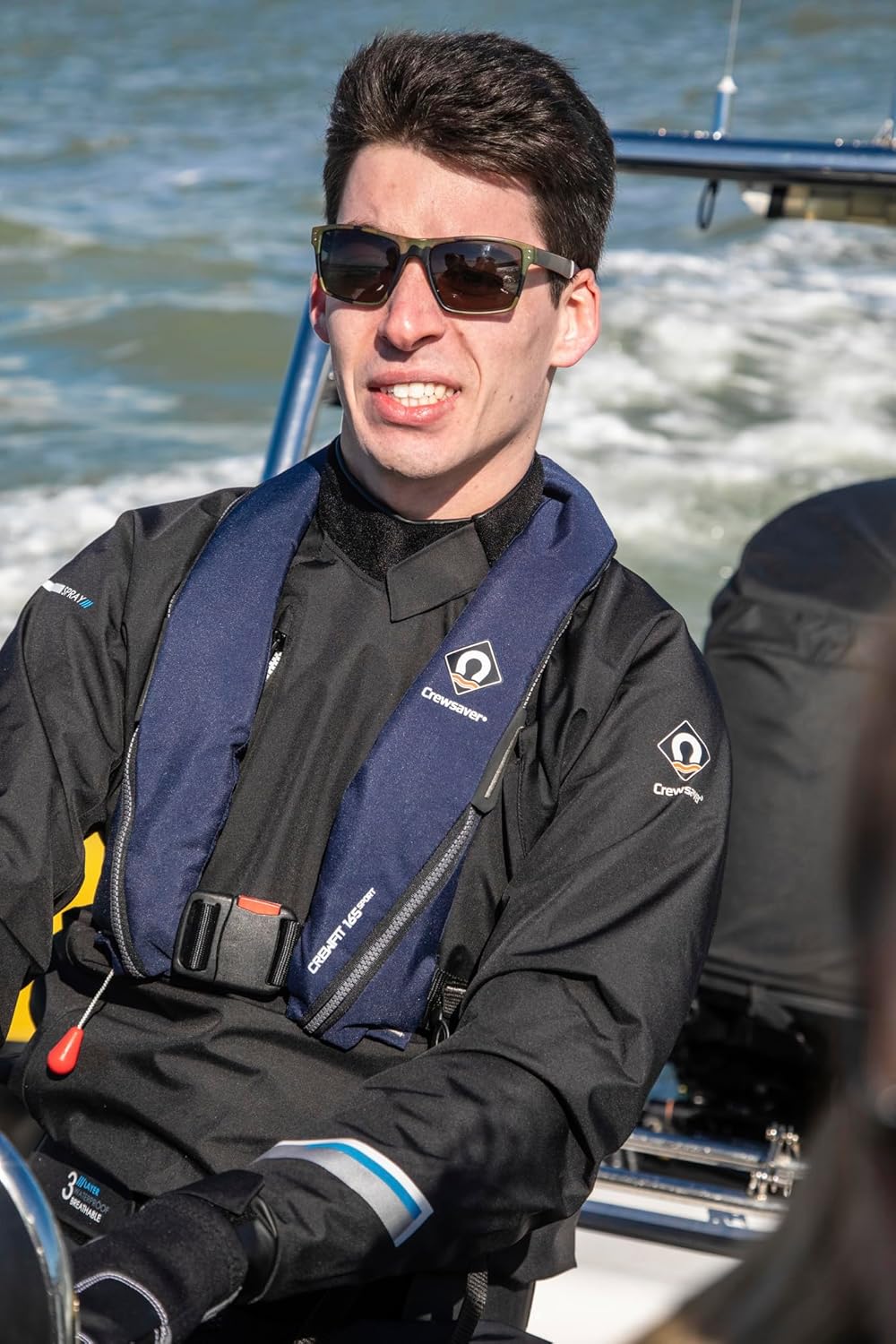
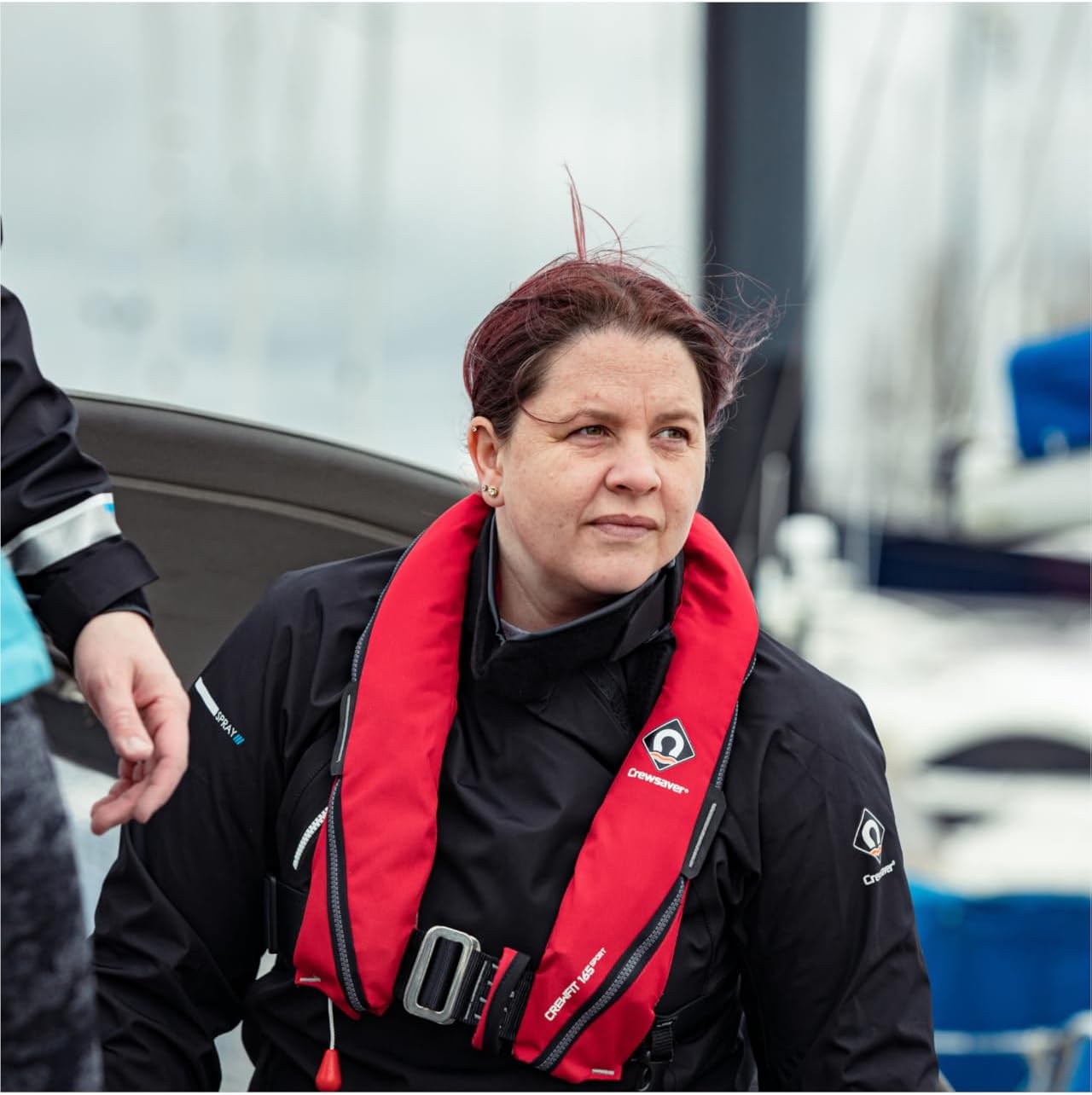
| Crewsaver Crewfit 165N Sport |
EN ISO 12402, 165 N automatic (per Crewsaver Crewfit 165N Sport datasheet) |
Approx. 165 N / 37 lb |
Inflatable with compact collar |
European coastal and offshore cruising |
Good buoyancy, modern bladder shape, competitive pricing |
Some models sold without harness as standard |
Typically about $150–$230 |
| Mustang Survival Classic Foam PFD |
USCG Type III foam (per Mustang Survival Classic PFD label) |
Approx. 70–90 N / 15–20 lb |
Traditional vest |
Charter guests and general yacht use |
Low maintenance, rugged, easy to understand |
Bulkier than inflatables, warmer in hot climates |
Typically about $70–$130 |
| Stohlquist Fit Adult PFD |
USCG Type III foam (per Stohlquist Fit Adult specification) |
Approx. 70–80 N / 15–18 lb |
Universal size foam vest |
Spare jackets for visitors and watersports |
Affordable, simple sizing, stackable for storage |
Less tailored fit, basic styling |
Typically about $35–$70 |
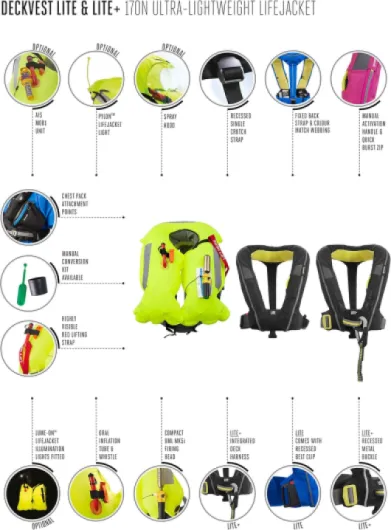
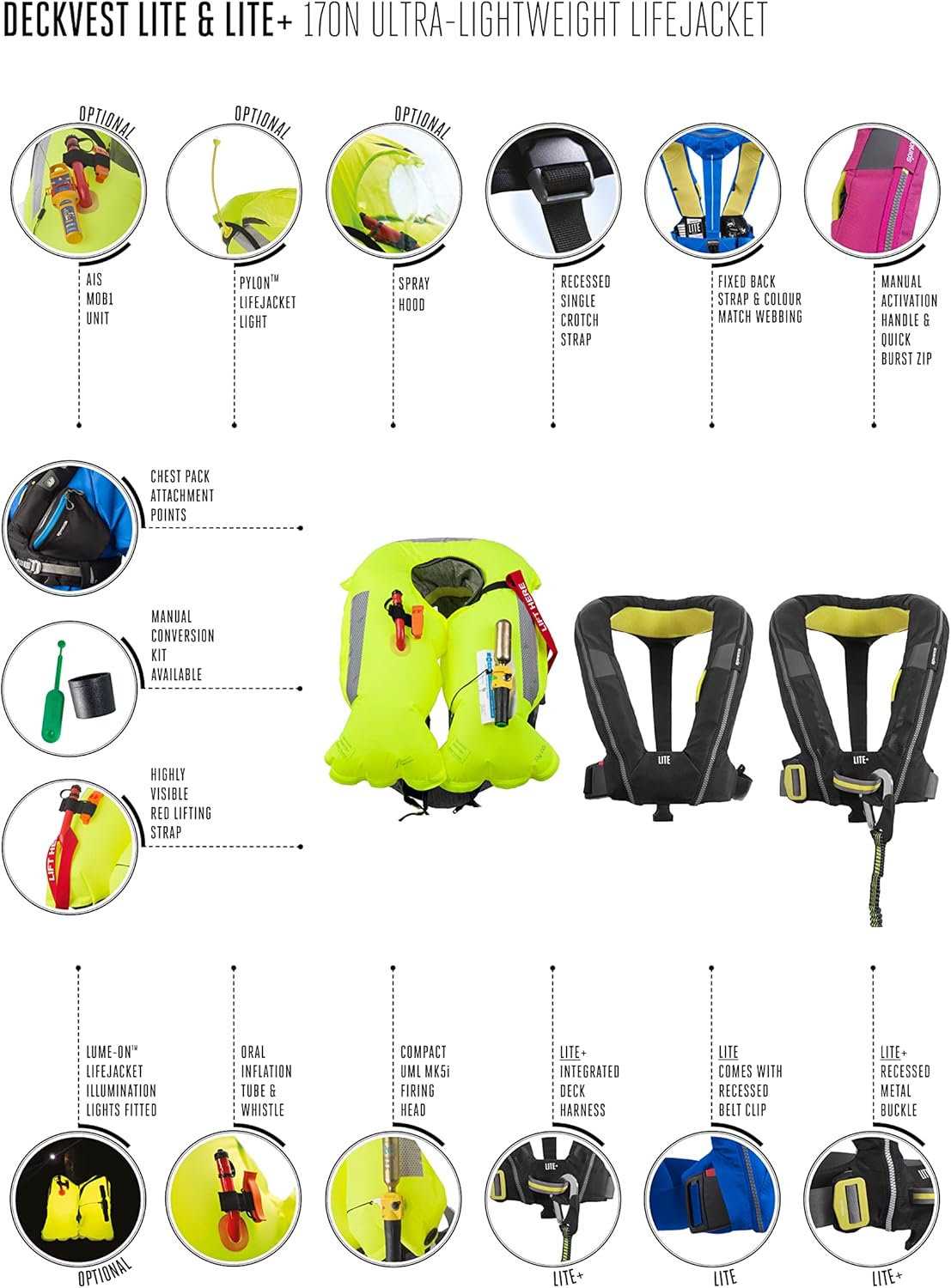
| Spinlock Deckvest LITE |
EN ISO 12402, 170 N automatic (per Spinlock Deckvest LITE product sheet) |
Approx. 170 N / 38 lb |
Slim inflatable vest |
Style conscious coastal yacht owners |
Very low profile, attractive colours, comfortable for guests |
Not as feature rich as full offshore harness models |
Typically about $220–$320 |
Use this shortlist as a starting point, then refine your selection based on flag state rules, typical cruising grounds, and independent test reports from recognised safety organisations or marine magazines. Matching the right model to each role on board ensures that your investment in the best life jackets for boating translates into real world protection for every person on your yacht.