Regulations, standards, and what they really mean offshore
Compliance with USCG approved and SOLAS approved requirements is only the starting line for offshore yacht safety. The USCG rules for visual distress signals focus on minimum quantities and burn time, while SOLAS standards push performance red aerial flares and parachute signal rockets to more demanding benchmarks. For a yacht that regularly ventures beyond coastal waters, treating these rules as a floor rather than a ceiling is prudent.
On many flag states, a typical offshore yacht must carry a mix of hand held red flares, red aerial rockets, and buoyant orange smoke flares for day signaling. Each type of flare and each distress signal serves a different tactical role, from pinpointing your exact position to marking wind direction for a rescue helicopter. When you buy new marine products, always check that the packaging clearly states USCG approved or SOLAS approved status, not just vague marketing language about safety.
Retailers such as West Marine and specialist chandlers make it easy to buy compliant kits, but the discerning owner looks beyond the label. Ask for the tested burn time of each aerial signal and hand flare, and compare those numbers across brands like Orion and Pains Wessex. When you are already investing in premium anchors and ground tackle for offshore holding, using a dedicated offshore set of flares, smoke signals, and flags that matches your cruising plans keeps your overall safety philosophy consistent bow to stern.
Types of marine flares and how each works in real conditions
Understanding the different types of marine flares helps you deploy the best marine distress flares instinctively when seconds matter. Red hand held flares create intense local light and are ideal when a rescue vessel is already nearby but struggling to identify your exact position. Aerial signal rockets and parachute signal devices, by contrast, project a bright red aerial light hundreds of metres into the sky for wide area visibility.
For daytime emergencies, orange smoke flares and larger canister smoke products create a dense smoke signal that stands out against dark water. These smoke flares are especially effective in moderate seas where a low yacht profile can vanish between waves, and the drifting smoke column gives rescuers a moving reference. Many offshore skippers pair smoke and visual distress tools with a high visibility distress flag hoisted in the rigging to maintain a passive signal even when pyrotechnics are exhausted.
Some owners still favour a traditional flare gun for launching red aerial flares, while others prefer self contained signal rocket units that reduce moving parts. Either way, the product choice should reflect your crew’s training level, hand strength, and the typical sea state you encounter. Just as you would match your tie down strategy to the loads described in top boat tie down straps guides, you should match each flare and distress signal type to specific scenarios your yacht is likely to face.
Brand choices, buying channels, and honest performance reviews
Among yacht owners, Orion and its Orion Safety line remain widely trusted for the best marine distress flares in North American waters. Many offshore kits combine Orion Safety hand held red flares, red aerial rockets, and orange smoke canisters to cover both day and night visual requirements. European skippers often lean toward brands such as Pains Wessex, but the selection criteria remain the same; clear labeling, proven burn time, and robust casing.
When you buy new flares, the channel matters almost as much as the brand. Buying through a specialist retailer such as West Marine or a reputable chandler ensures proper storage conditions and fresh stock, while some yacht owners still choose to buy Amazon for convenience and fast delivery. If you do buy Amazon products, scrutinise the manufacturing date, confirm that the distress signals are genuinely USCG approved or SOLAS approved, and read each review with a critical eye for real world use rather than untested opinions.
Performance red flares are not all equal, and serious skippers maintain their own informal review notes after each training drill. Record how easily each hand flare ignites with cold, wet hands, how visible the aerial signal appears against overcast skies, and whether the advertised burn time matches your stopwatch. Over several seasons, this personal product log becomes as valuable as any online review and guides your next buy decision far more reliably than marketing claims or generic star ratings.
| Kit example |
Typical contents |
Approx. burn time |
Approval |
Typical expiry |
| Orion offshore pack |
Parachute rockets, hand red flares, orange smoke |
Hand flares ~3–4 min, rockets ~40 s |
USCG approved (some SOLAS variants) |
Usually 3–4 years from manufacture |
| Pains Wessex SOLAS set |
SOLAS parachute rockets, hand flares, buoyant smoke |
Hand flares ~4 min, rockets ~40 s |
SOLAS approved, often USCG accepted |
Commonly 3 years from manufacture |
| Coastal day/night kit |
Hand red flares, handheld smoke, distress flag |
Hand flares ~3 min, smoke ~1 min |
USCG approved for coastal use |
Typically 3 years from manufacture |
Storage, maintenance, and crew training for flare reliability
Even the best marine distress flares fail if they are stored carelessly or never rehearsed with the crew. Pyrotechnic flares are sensitive to moisture, temperature swings, and physical damage, so a dedicated, watertight container mounted in a known location is essential. Many captains keep a secondary grab bag with duplicate hand held flares, smoke flares, and a compact distress flag near the cockpit for rapid access.
Routine maintenance for distress signals is less about tinkering and more about disciplined inspection. At least twice a year, check expiry dates, verify that each flare casing is intact, and confirm that every aerial signal and parachute signal still has legible firing instructions. Align this inspection with other safety routines such as checking life rafts, updating charts, and reviewing tie down systems, and consider using resources like top boat helm seats guides to ensure the helm environment supports quick, safe access to your flare kit.
Crew training transforms a box of flares into a coherent safety system. Run daylight and night visual drills where each crew member practises the sequence; selecting the correct product, assuming a safe stance, and coordinating the distress signal with VHF calls and AIS alerts. Over time, this repetition builds calm muscle memory, so when real distress arrives, your team handles hand flares, smoke signals, and signal rockets with the same confidence they bring to sail changes or engine checks.
Integrating flares into a complete yacht safety strategy
On a well prepared yacht, the best marine distress flares sit within a layered communication and survival plan. EPIRBs, PLBs, AIS beacons, and VHF radios handle electronic alerts, while flares, smoke, and flags provide the visual distress confirmation rescuers expect when they close the final miles. This redundancy recognises that no single distress signal works perfectly in every sea state, lighting condition, or failure scenario.
Think of each flare and each distress signal as a finite resource with a specific tactical purpose. Long range aerial signal rockets and parachute signal devices are reserved for moments when you know a vessel or aircraft is within potential sight, while hand held red flares and orange smoke flares refine your position once contact is likely. A bold distress flag and reflective materials on life jackets and liferafts maintain a passive night visual presence between active flare launches, stretching your limited pyrotechnic inventory over more time.
When planning offshore passages, many experienced captains build a written matrix that links conditions to specific flares and distress signals. For example, heavy rain at night might call for two performance red aerial flares in quick succession, followed by a hand flare once a rescue vessel responds on VHF. Calm daylight with aircraft overhead might favour a parachute signal, dense orange smoke, and coordinated mirror flashes, all executed by a crew that has rehearsed the choreography until it feels as natural as reefing the main.
Replacing, disposing, and upgrading your distress flare inventory
Managing the life cycle of the best marine distress flares is as important as choosing them. Every flare, smoke canister, and signal rocket carries a clear expiry date, and offshore skippers treat that date as a hard limit rather than a suggestion. Heat, humidity, and vibration on a yacht can degrade pyrotechnics faster than in warehouse tests, so conservative replacement intervals are wise.
When you buy replacement flares, resist the temptation to keep large stocks of expired units on board. Some crews retain a small number of out of date hand flares for training in controlled environments, but the primary distress signals in your grab bag and flare locker should always be in date and fully compliant. Local coast guards, fire departments, and marine retailers such as West Marine often run take back programs, ensuring that old product is disposed of safely rather than left to deteriorate in a damp locker.
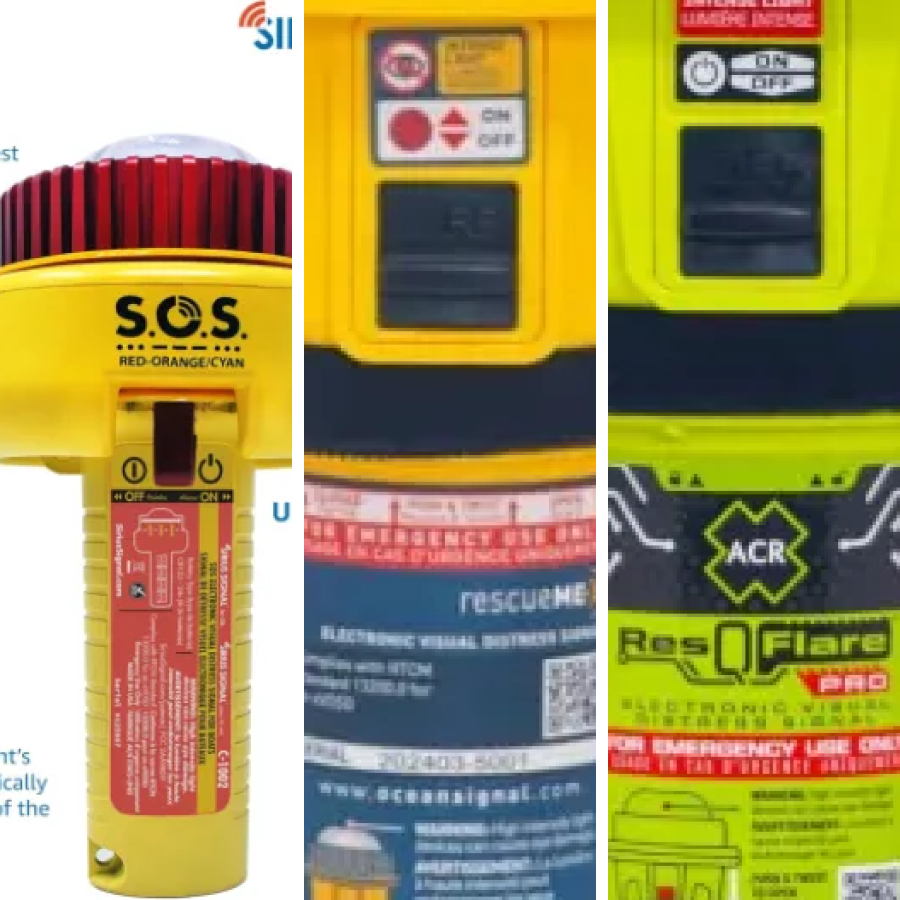
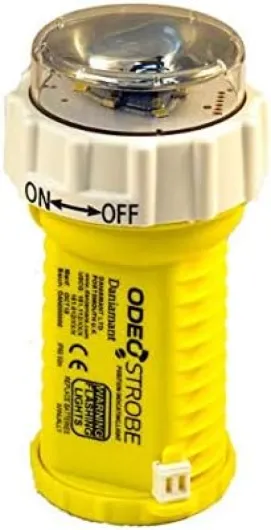
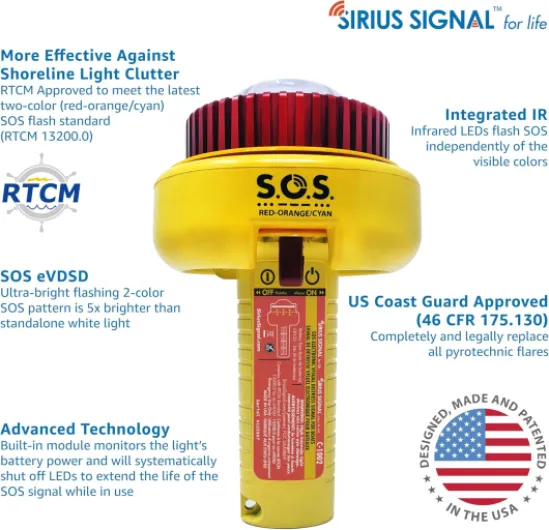
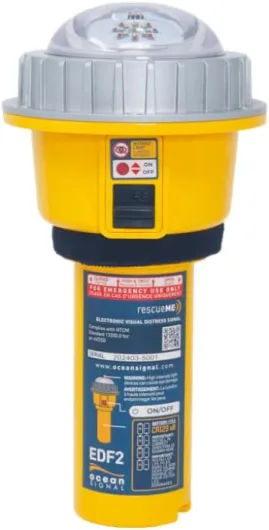
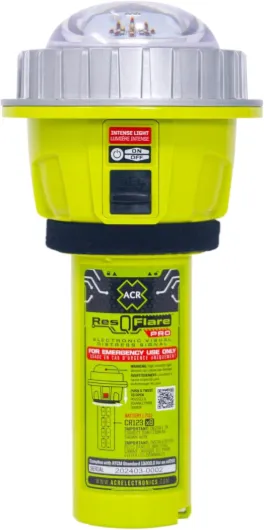
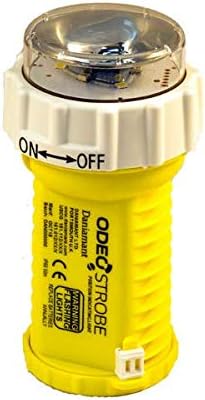
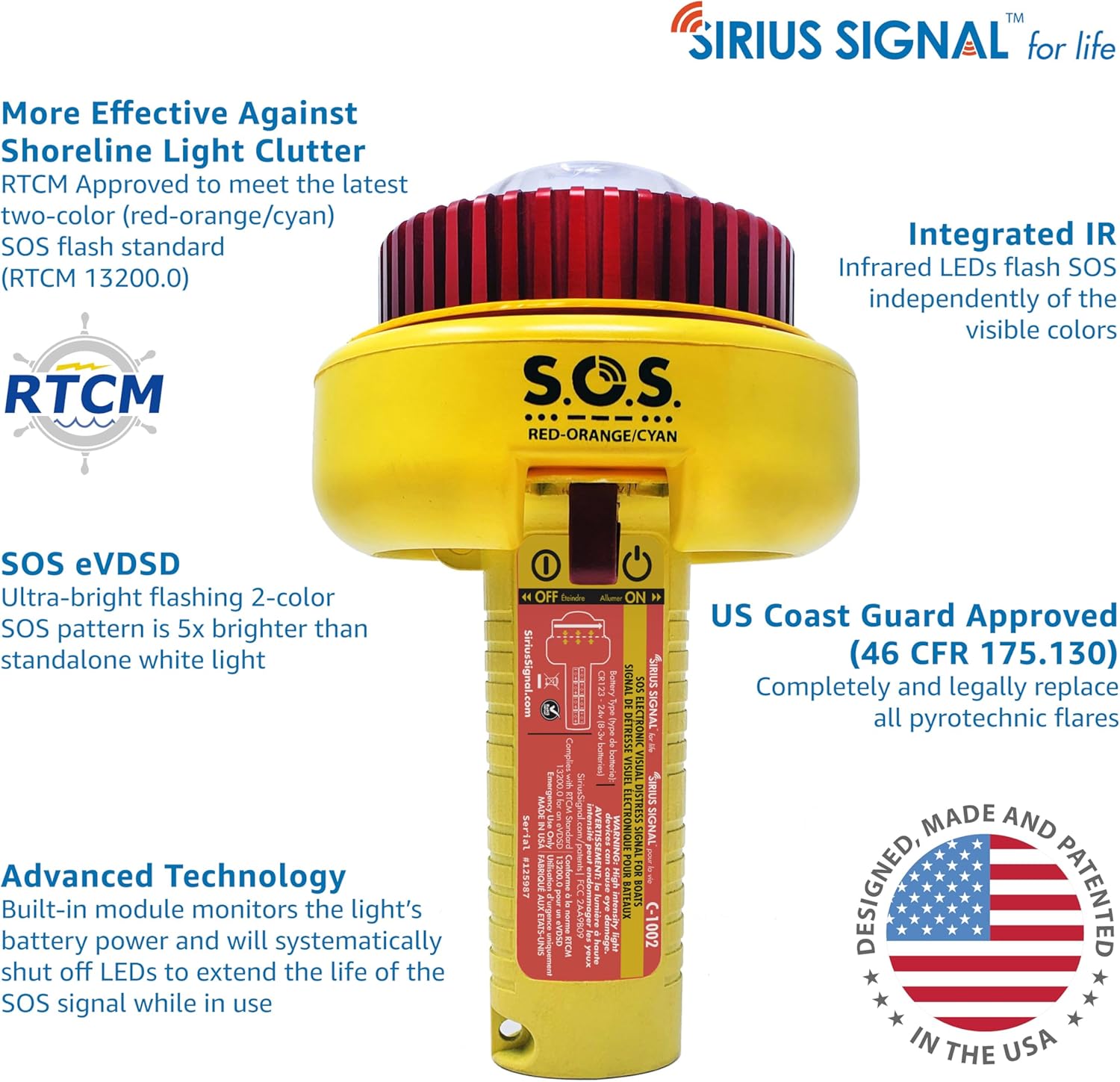
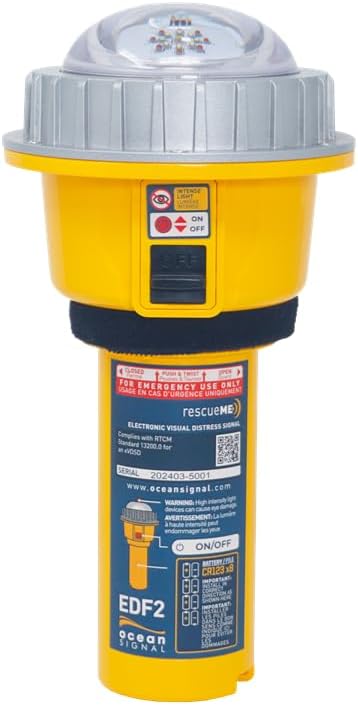
Upgrading your inventory also means reassessing the mix of aerial signal devices, smoke flares, and flags as your cruising profile evolves. A yacht that shifts from coastal day sailing to bluewater passages may need more parachute signal rockets, longer burn time performance red flares, and additional night visual tools such as strobes. Treat each major refit or electronics upgrade as a prompt to review your entire distress signal strategy, from flare gun options to passive distress flag placement, so your safety equipment evolves alongside your yacht.
Key figures on marine distress flares and yacht safety
- According to analyses published by the US Coast Guard Boating Safety Division in its Recreational Boating Statistics and related incident summaries, visual distress signals such as flares are involved in a large majority of successful recreational vessel rescues where the casualty is located within visual range, underscoring their critical role alongside electronic beacons.
- SOLAS parachute rockets are typically specified in International Maritime Organization life-saving appliance documentation, including SOLAS Chapter III performance standards, to reach heights of around 300 m and provide at least 40 seconds of bright red light, giving rescuers a wide search cone even in moderate swell.
- Many coastal USCG approved hand held red flares are rated in manufacturer data sheets, such as Orion and Pains Wessex product specifications, for a burn time of about 3 minutes, while offshore SOLAS approved models often extend this to 4 minutes or more, providing extra margin during complex approaches.
- Industry surveys of yacht owners and inspection campaigns reported by national sea safety organisations, including the US Coast Guard and the Royal National Lifeboat Institution, indicate that a significant proportion of onboard flares are carried past their expiry date, with some studies reporting more than 30% of vessels inspected holding at least one expired distress signal.
- Training exercises run by national sea safety organisations such as the Royal National Lifeboat Institution, documented in their flare handling guidance and sea survival course notes, consistently show that first time users can take 10 to 20 seconds longer to deploy a flare safely compared with trained crew, highlighting the value of regular onboard drills.