Key sail types and how they transform yacht handling
Understanding the main types of sails is essential before you invest in a new wardrobe. On most cruising yachts, the working combination of mainsail and headsail will cover 80 percent of your sailing, while specialty sails such as a storm jib or light air gennaker handle the extremes. The best boat sails for sailboats are those that let you shift smoothly between these types without stressing the rig or the crew.
A well cut jib with the correct luff length and leech tension can dramatically improve pointing ability upwind. When you add full battens to the mainsail, the leech foot transition becomes smoother, which stabilizes the sail in gusty wind and reduces flogging at the mast. Many premium lofts now offer tri radial types sails in dacron or laminate, where the panels radiate from the corners to align with load paths and keep the luff leech profile fair for longer.
Yacht owners who rely on boat rentals for part of their season should still pay attention to how each sail will behave in real conditions. Ask charter companies about the age of the sails, the fabric type, and whether the mainsail uses partial or full battens, then inspect the leech and foot for signs of UV damage. While you are reviewing the deck layout, it is also worth checking critical hardware such as high quality boat cleats for docking, because secure mooring protects your investment in new sails when the yacht is alongside.
Materials, construction, and the real meaning of sail price
Material choice sits at the heart of any discussion about the best boat sails for sailboats. Traditional woven polyester dacron remains the benchmark for cruising sails because it offers predictable stretch, easy repair, and a reasonable price unit over the sail’s lifetime. When you compare options, think in terms of cost per sailing day rather than only the initial unit price.
Cross cut dacron sails use horizontal panels and are usually the most economical option for a cruising boat. Tri radial constructions, by contrast, use multiple tapered panels that fan out from the corners, which allows the sailmaker to orient the fibres along primary load paths and reduce distortion in the luff leech and leech foot areas. This tri radial approach often carries a higher regular price, but the improved shape retention in changing wind can justify the extra cost for owners who sail frequently.
High modulus composite materials, such as carbon or aramid blends used by lofts like North Sails, push performance even further for racing yachts and performance cruisers. These sails will hold their design shape under heavy loads, but they demand more careful handling and often a shorter service life than robust white dacron cruising sails. When you evaluate the price of such advanced options, factor in not only the initial price unit but also maintenance, potential replacement intervals, and the need for complementary upgrades such as premium boat engine maintenance kits to keep the whole propulsion system at the same standard.
Rig tuning, luff control, and tech upgrades for modern yachts
Even the best boat sails for sailboats will underperform if the rig is not tuned correctly. Proper mast rake, shroud tension, and backstay adjustment all influence how the luff and leech load up when the wind builds. A well tuned mast allows the mainsail and jib to share the aerodynamic load, which reduces heel and improves helm balance.
Modern tech upgrades focus on making this control more precise and repeatable for yacht owners. Digital load sensors on shrouds and backstays show real time rig tension, so you can adjust the mast bend to match the designed luff curve of your mainsail and headsail. Paired with smart wind instruments, these systems help you trim the sails so that the luff leech transition stays smooth, the battens engage correctly, and the boat maintains optimal speed with less effort from the crew.
On larger yachts, powered winches and hydraulic vang systems work together with these sensors to keep high modulus rigs and advanced sails within safe limits. When you add such upgrades, review how each sail will interact with the hardware, from the mast track to the boom and vang, to avoid point loading at the leech foot or batten pockets. Owners who split their time between private sailing and boat rentals should document preferred rig settings, so that any skipper can reproduce the correct luff tension and sail shape quickly after a charter turnover.
Storm jibs, training sails, and safety focused sail choices
Safety oriented sailors know that the best boat sails for sailboats include more than just a powerful mainsail and a large genoa. A dedicated storm jib, cut small with a heavily reinforced luff and leech, will keep the boat controllable when the wind rises beyond the comfort zone of standard sails. This compact sail will often use dense woven polyester or heavy dacron to resist flogging and chafe at the hanks or furling unit.
Training sail setups deserve equal attention, especially for families and yacht clubs. A training sail ILCA dinghy rig, for example, uses a forgiving dacron sail that tolerates mistakes while still teaching proper trim and luff control. On cruising yachts, many owners commission smaller, flatter training sails in white dacron so that new crew can practice reefing, adjusting battens, and managing the luff leech relationship without being overpowered in fresh wind.
When you specify a storm jib or training sails, ask the sailmaker to explain the different types sails available for your rig. Check how the luff attaches to the forestay, how the leech foot corner is reinforced, and whether the sail will set correctly on your existing furling unit or inner forestay. These safety focused options may represent a modest increase in regular price compared with a single all purpose jib, but their value becomes obvious when conditions deteriorate far from any harbor or boat rentals base.
Maintenance, storage, and extending the life of premium sails
Long term performance from the best boat sails for sailboats depends on disciplined maintenance. Even a robust dacron sail will age quickly if it is flogged, left uncovered in harsh sun, or stored damp after a passage. Yacht owners who treat their mainsail and headsail as precision equipment rather than consumables usually enjoy better sailing and lower lifetime price.
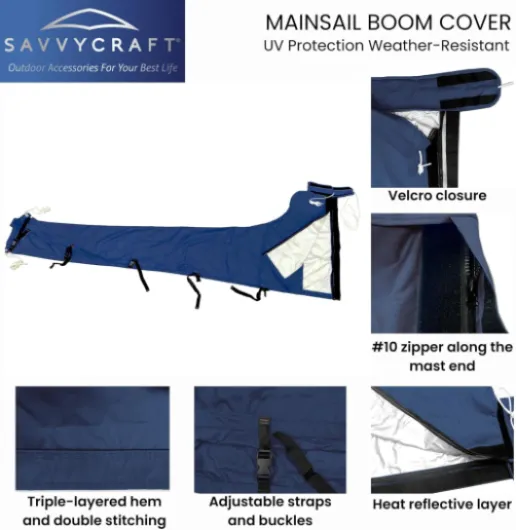
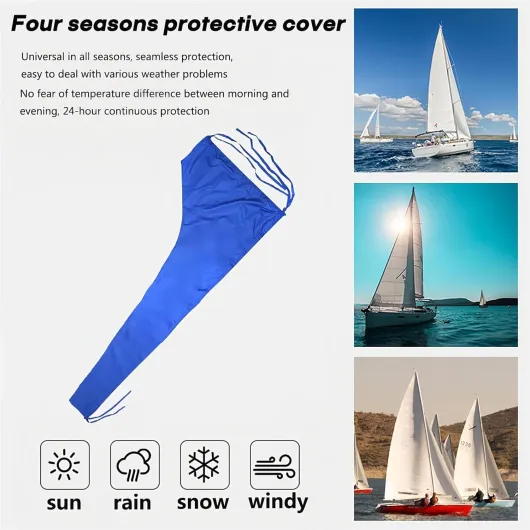
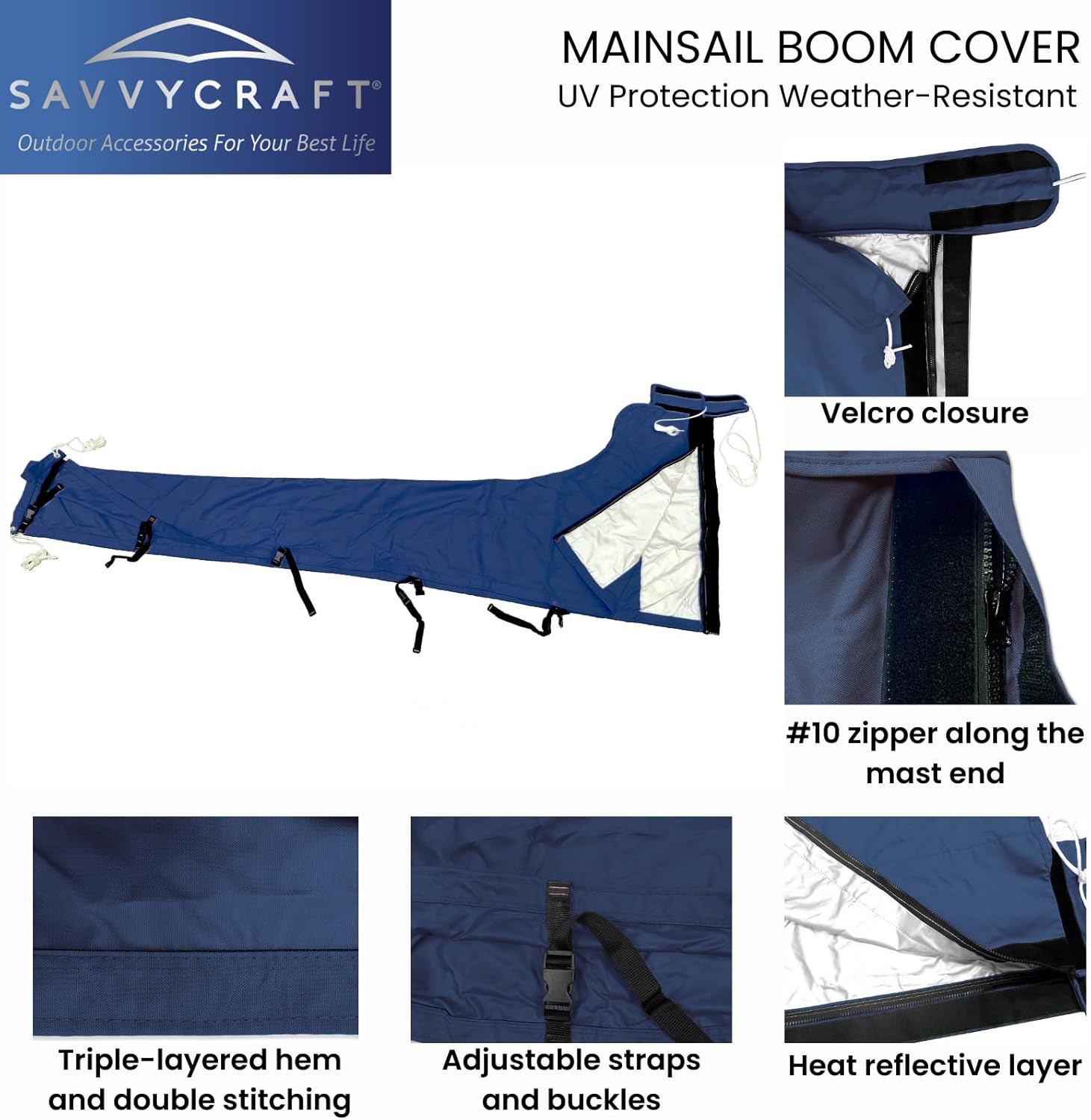
Routine care starts with protecting the luff, leech, and foot from unnecessary UV exposure. Always use a mainsail cover, keep the jib’s UV strip in good condition, and avoid motoring directly into strong wind with the sails loosely flapping against the mast and battens. During winter layup, rinse salt from the fabric, dry the sails thoroughly, and roll rather than fold high modulus or tri radial constructions to prevent hard creases along the luff leech panels.
On deck, inspect stitching around batten pockets, reef points, and the leech foot junction at least once per season. Any sign of broken threads, delamination on composite sails, or distortion in cross cut seams should prompt a visit to a reputable loft such as North Sails or another established sailmaker. While you are planning maintenance, consider complementary protection such as quality fenders and specialized boat dock bumpers, because preventing impact damage at the dock is often cheaper than repairing a torn sail or bent mast after an avoidable collision.
Key statistics on sails and yacht performance
- Studies from major sailmakers report that well maintained cruising dacron sails can retain acceptable shape for around 3 000 to 5 000 nautical miles of active sailing, while neglected sails may lose performance in less than half that distance, highlighting the impact of basic care routines. These ranges are consistent with guidance published by North Sails and UK Sailmakers, which both note that usage intensity and UV exposure are the main drivers of lifespan.
- Industry surveys of yacht owners show that upgrading from tired sails to a new tri radial mainsail and jib can improve average upwind boat speed by 0,3 to 0,5 knots, which translates into several hours saved on a typical 200 mile coastal passage. Case reports from cruising forums and sailmaker case studies on 35 to 40 foot production cruisers regularly document similar gains after a full wardrobe replacement.
- Data from charter fleets indicate that sails on intensively used boat rentals often reach the end of their effective life after 3 to 5 seasons, compared with 7 to 10 seasons for privately owned yachts that sail fewer days per year and receive more frequent loft inspections. These figures align with maintenance recommendations from the American Sailing Association and large charter operators that track sail replacement intervals.
- Rigging specialists report that incorrect mast tune and luff tension can increase localized loads on standing rigging by more than 20 percent, which accelerates fatigue and shortens the safe service life of both the rig and the sails attached to it. This estimate is supported by load cell testing published in rigging seminars and technical notes from professional spar manufacturers.
References
- North Sails – technical guides on sail materials, construction methods, and performance characteristics.
- UK Sailmakers – educational resources on cross cut versus tri radial designs and cruising sail care.
- American Sailing Association – training materials on sail trim, storm sails, and rig tuning for cruising yachts.