Core components that define the best boat repair kits for fiberglass
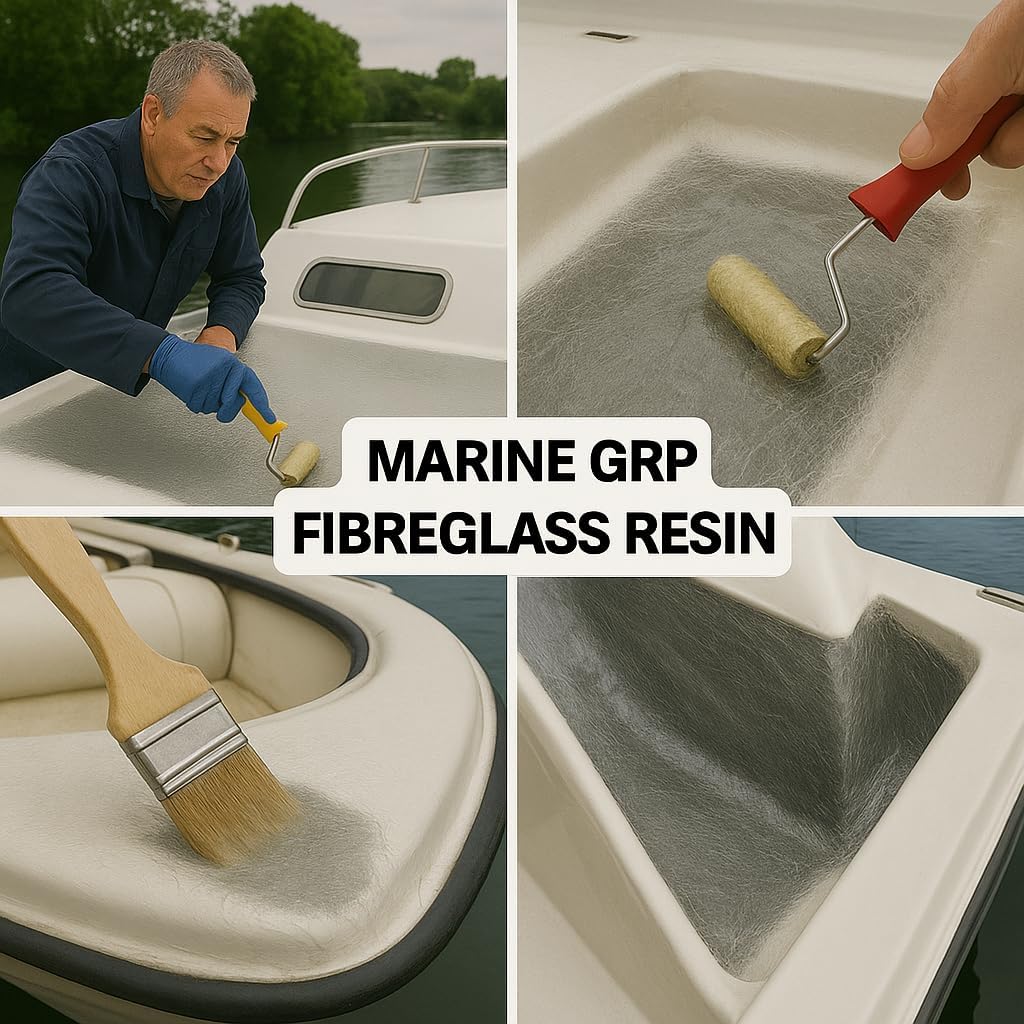
When assessing the best boat repair kits for fiberglass, start with the resin technology. High grade epoxy resin or polyester fiberglass resin must be paired with the correct resin hardener ratio, because an imprecise system leads to weak repairs and future cracks. Premium marine kits clearly label mix ratios, pot life, and cure times so a skipper can plan work around tides and weather windows.
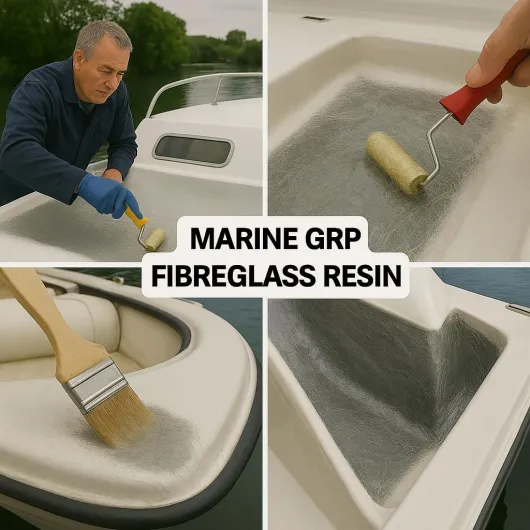
Look for a repair kit that includes woven fiberglass cloth, chopped strand mat, and a small selection of fillers for resin repair. These items allow you to address both structural holes in a hull and cosmetic nicks on a gel coat surface. A complete kit for kit boats or larger yachts should also contain mixing pots, spreaders, gloves, and abrasive papers so you are not hunting for missing tools while the boat moves at anchor.
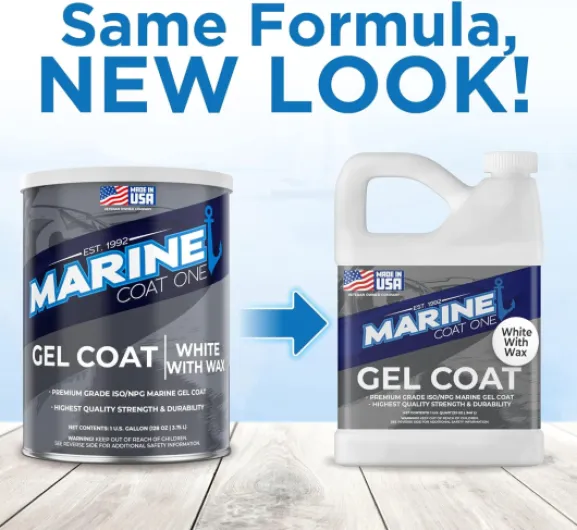
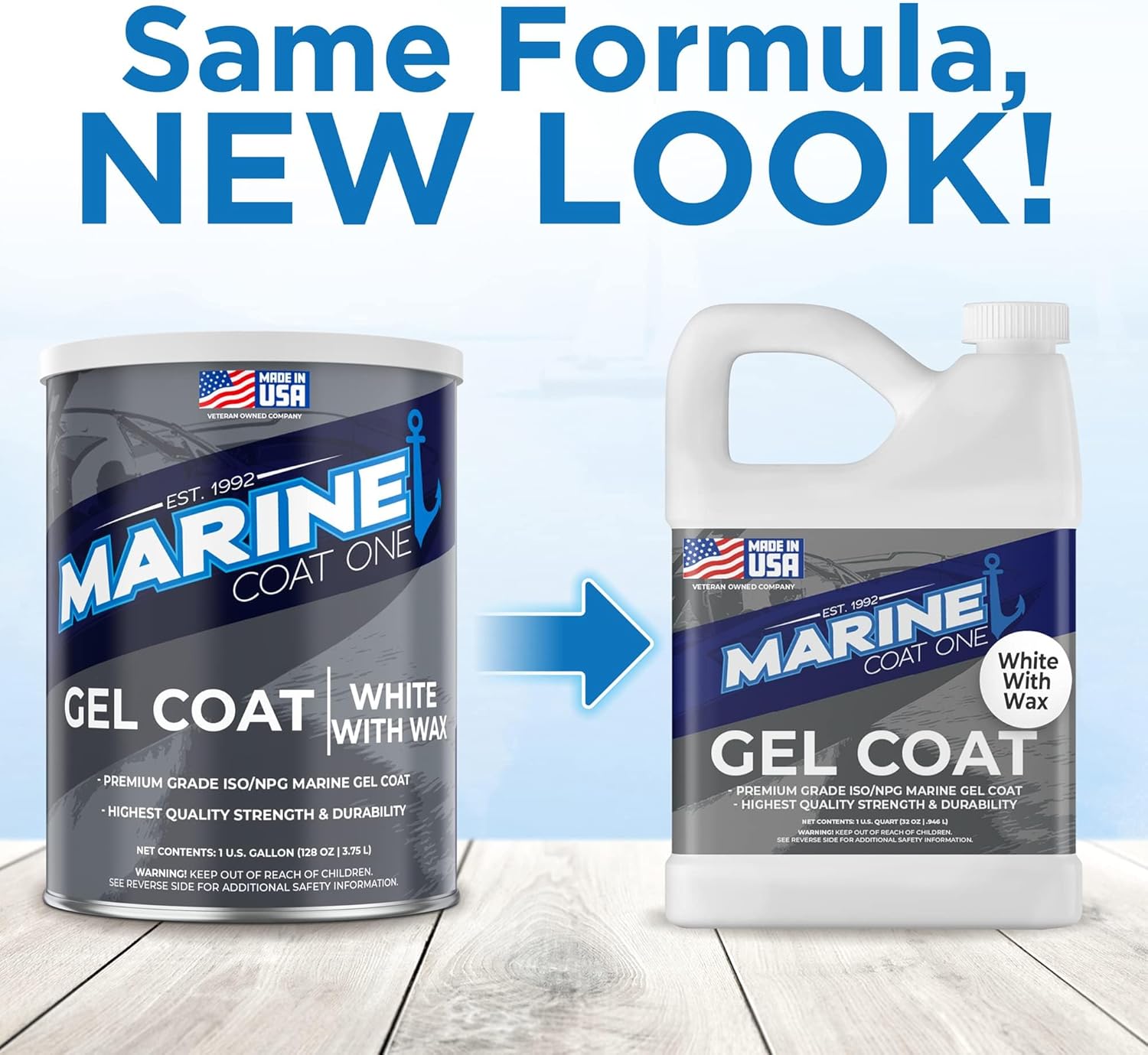
Gelcoat repair capability separates basic boat repair packs from truly marine grade repair kits. The best systems include gel coat pastes, tints for accurate color match, and clear instructions for gelcoat repair over marine fiberglass laminates. When you evaluate the price of any product, factor in whether the system epoxy, gel components, and patch kit accessories will handle several repairs across multiple boats in your fleet.
For engine bay and service work that often accompanies structural maintenance, pairing your hull kit with a dedicated marine service kit for engines and lubricants keeps the yacht ready for long passages. While hull and machinery tasks differ, planning both together during yard periods creates a coherent maintenance system. That integrated approach reflects how professional crews manage repairs on larger boats.
Seasonal care strategy: when and where to use fiberglass repair kits
Seasonal care for a fiberglass boat starts the moment you haul out. As soon as the hull dries, inspect for small cracks, star crazing, and impact marks around the waterline and near the keel where groundings occur. The best boat repair kits for fiberglass let you stabilise these areas before you move on to antifouling and topside cosmetics.
During spring refit, use a structured system for inspection and boat repair that moves from bow to stern and then from deck to underwater hull. Mark every area needing fiberglass repair with tape, then decide whether a quick patch kit is sufficient or whether a deeper resin repair with fiberglass cloth and multiple laminate layers is required. This disciplined approach ensures no marine fiberglass damage hides beneath a fresh gel coat or antifouling paint.
Once structural work is complete, apply gel coat touch ups before any underwater paint, especially if you plan to use a high performance marine antifouling paint system. Properly cured fiberglass resin and gel coat repairs provide a stable base for coatings, reducing the risk of future blisters or peeling. In autumn, repeat the inspection cycle, using your repair kits to close small voids and surface defects in high wear zones so winter moisture cannot penetrate the laminate.
Choosing between epoxy, polyester, and gel coat systems for yachts
Yacht passionate owners often ask whether epoxy resin or polyester fiberglass resin is better for hull repairs. Epoxy based repair kits usually deliver higher bond strength and better adhesion to older fiberglass boat laminates, which makes them ideal for structural cracks and reinforcement work. Polyester systems, by contrast, remain common for original production because they cure quickly and align with many factory gel coat formulations.
For the best boat repair kits for fiberglass, a hybrid strategy works well on many boats. Use an epoxy resin repair system with compatible system epoxy hardeners and fiberglass cloth for deep repairs, then finish with a polyester based gel coat or dedicated gelcoat repair product for surface color match. This layered approach respects the mechanical strengths of epoxy while preserving the visual continuity of the original gel coat.
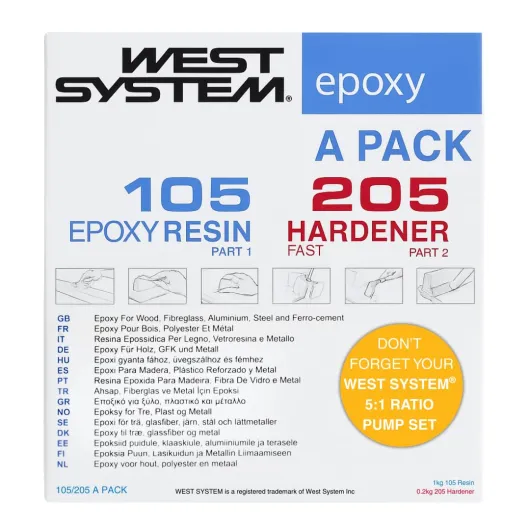
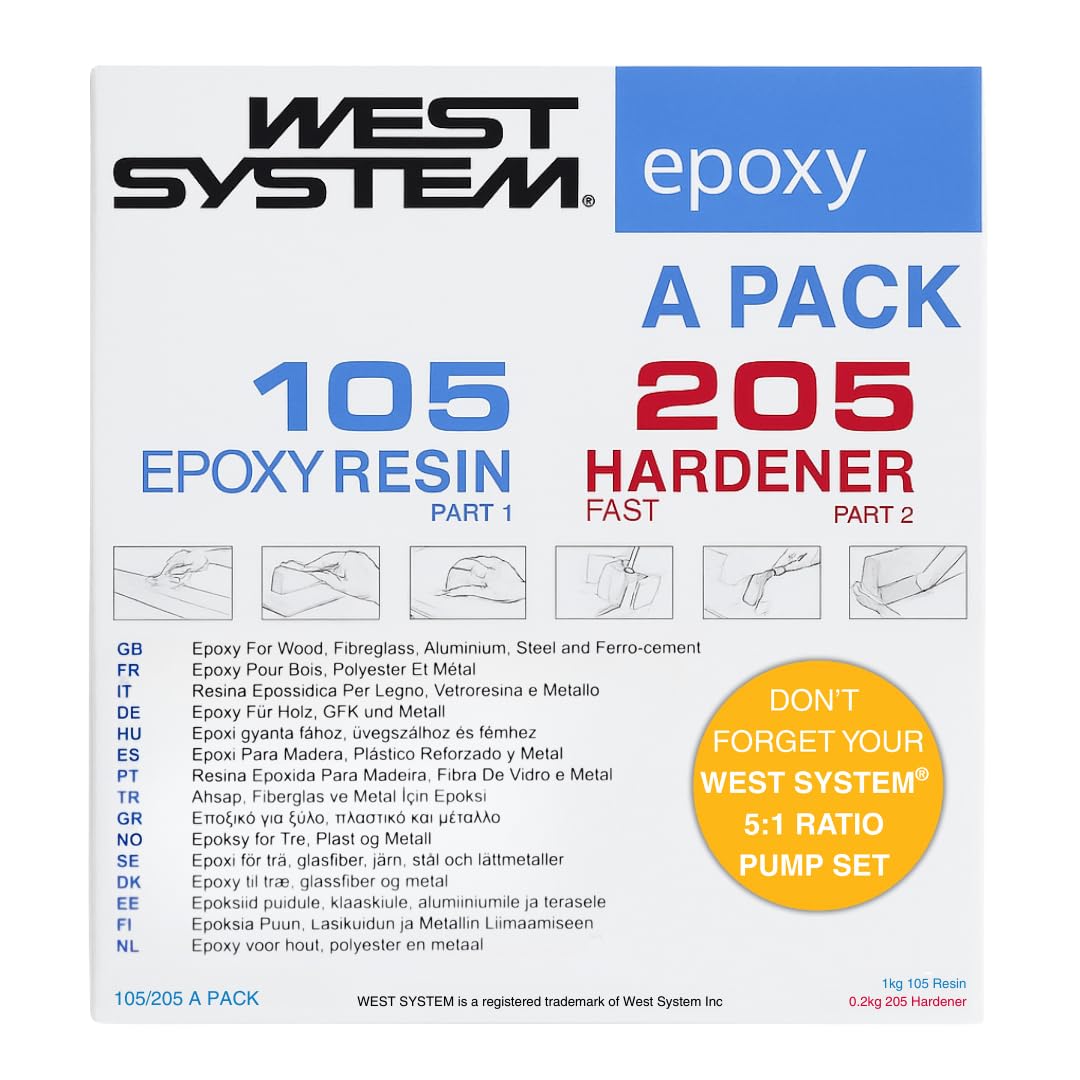
When comparing price between kits, consider not only the volume of resin but the completeness of the system. A west system style pack that includes pumps, fillers, and clear guidance may cost more initially yet reduce wasted items and failed repairs over several seasons. For owners of multiple kit boats or tenders, investing in larger west system epoxy packs and then supplementing with smaller patch kit sets for quick deck blemishes often proves the most economical route.
On board storage, safety, and practical use of repair kits at sea
Carrying a compact fiberglass repair kit on board is as critical as flares or spare filters. Offshore, even small cracks or punctures from floating debris can escalate quickly if water reaches core materials or structural frames. A well organised set of repair kits allows you to stabilise damage until a yard can complete permanent repairs.
Store resin, resin hardener, and gel coat components in a cool, dry locker away from direct heat sources and living spaces. Many marine products release fumes during curing, so plan boat repair tasks with ventilation in mind and always use gloves, masks, and eye protection from the kit items. Label each product clearly, especially system epoxy bottles, to avoid mixing incompatible brands or incorrect ratios during a stressful situation.
Practice using your patch kit on scrap fiberglass cloth and offcuts before an emergency arises. This rehearsal builds confidence with mixing epoxy resin, applying fiberglass resin layers, and fairing gelcoat repair surfaces to an acceptable finish. When damage occurs near the transom or swim platform, combine structural work with a later aesthetic upgrade, perhaps adding one of the premium boat swim platforms that integrate steps and storage while covering previous repair zones elegantly.
Evaluating price, quality, and long term value in fiberglass repair systems
For yacht owners, the cheapest kit rarely represents the best value. The best boat repair kits for fiberglass balance price with resin quality, gel coat compatibility, and the durability of finished repairs over many seasons. A slightly higher initial cost often prevents repeat work and protects the significant capital tied up in large boats.
When comparing products, examine whether the system includes clear instructions, measured pumps for system epoxy, and enough fiberglass cloth and fillers for multiple repairs. A west system style epoxy pack with calibrated pumps reduces mixing errors, which directly improves the strength of every resin repair and minimises waste. Assess whether the kit boats packaging protects resin and hardener from moisture ingress, because contaminated items can compromise both structural and cosmetic work.
Think in terms of lifecycle rather than single season use when you choose repair kits. A comprehensive boat repair kit that handles structural fiberglass repair, gelcoat repair, and minor surface damage on deck hardware mounts will serve across several yachts or tenders. Over time, that integrated marine fiberglass system becomes part of your standard maintenance routine, sitting alongside paints, polishes, and other essential yard supplies.
Integrating fiberglass repair into a broader seasonal maintenance plan
Effective seasonal care treats fiberglass repair as one element of a wider maintenance matrix. Schedule hull inspections, surface restoration tasks, and gel coat polishing alongside engine servicing, rig checks, and safety gear reviews to create a coherent annual rhythm. This structured approach mirrors professional yacht programmes where every system, from resin based structures to electronics, receives attention on a fixed calendar.
Start with a written checklist that covers underwater hull, topsides, deck, and interior structural zones where marine fiberglass is exposed. For each area, note whether you need a quick patch kit, a full boat repair kit with fiberglass cloth and epoxy resin, or a specialist gelcoat repair product for cosmetic color match. Over several seasons, these records reveal patterns of recurring cracks, chips, or localised impact damage, guiding you toward more permanent structural upgrades.
Align your choice of the best boat repair kits for fiberglass with the specific construction of your yacht, whether solid laminate, cored panels, or mixed materials. Owners of high performance kit boats may favour lighter west system epoxy laminates, while classic cruisers often respond well to robust polyester fiberglass resin systems with thick gel coat layers. Whatever the configuration, consistent use of quality repair kits preserves both performance and the refined aesthetic that yacht passionate owners value so highly.
Key figures on fiberglass boat damage and repair economics
- Insurance data from major European marine underwriters indicate that hull impact and grounding incidents account for roughly 30 % of yacht claims by value, highlighting how common structural fiberglass repair has become for cruising boats. (For example, aggregated statistics published by Pantaenius Yacht Insurance and similar firms over the last decade report comparable proportions.)
- Surveys from leading boatyards in the Mediterranean report that professional gel coat and laminate repair work on a 12 metre fiberglass boat typically costs between 80 and 150 euros per square metre, which makes the price of quality repair kits comparatively modest for small scale owner repairs. (Representative figures are drawn from published yard price lists in France, Italy, and Spain as of 2023.)
- Technical bulletins from West System state that properly mixed system epoxy and fiberglass cloth laminates can meet or exceed the original laminate strength when applied over well prepared surfaces, which explains why many surveyors accept documented epoxy repairs on secondary structures. (See West System Epoxy User Manual & Product Guide, sections on secondary bonding and repair.)
- Market analyses from marine trade associations show that sales of DIY boat repair kits for fiberglass have grown steadily over the last decade, driven by owners extending the service life of existing boats rather than replacing them with new builds. (Indicative data appear in ICOMIA and national marine industry reports covering recreational boat maintenance trends.)
References
- West System. Epoxy User Manual & Product Guide, latest edition, sections on fiberglass boat repair and secondary bonding.
- American Boat and Yacht Council (ABYC). Standards for fiberglass boat construction and repair, particularly H-1 and related technical guidance.
- International Council of Marine Industry Associations (ICOMIA). Reports on global recreational boat markets, maintenance expenditure, and owner repair trends.