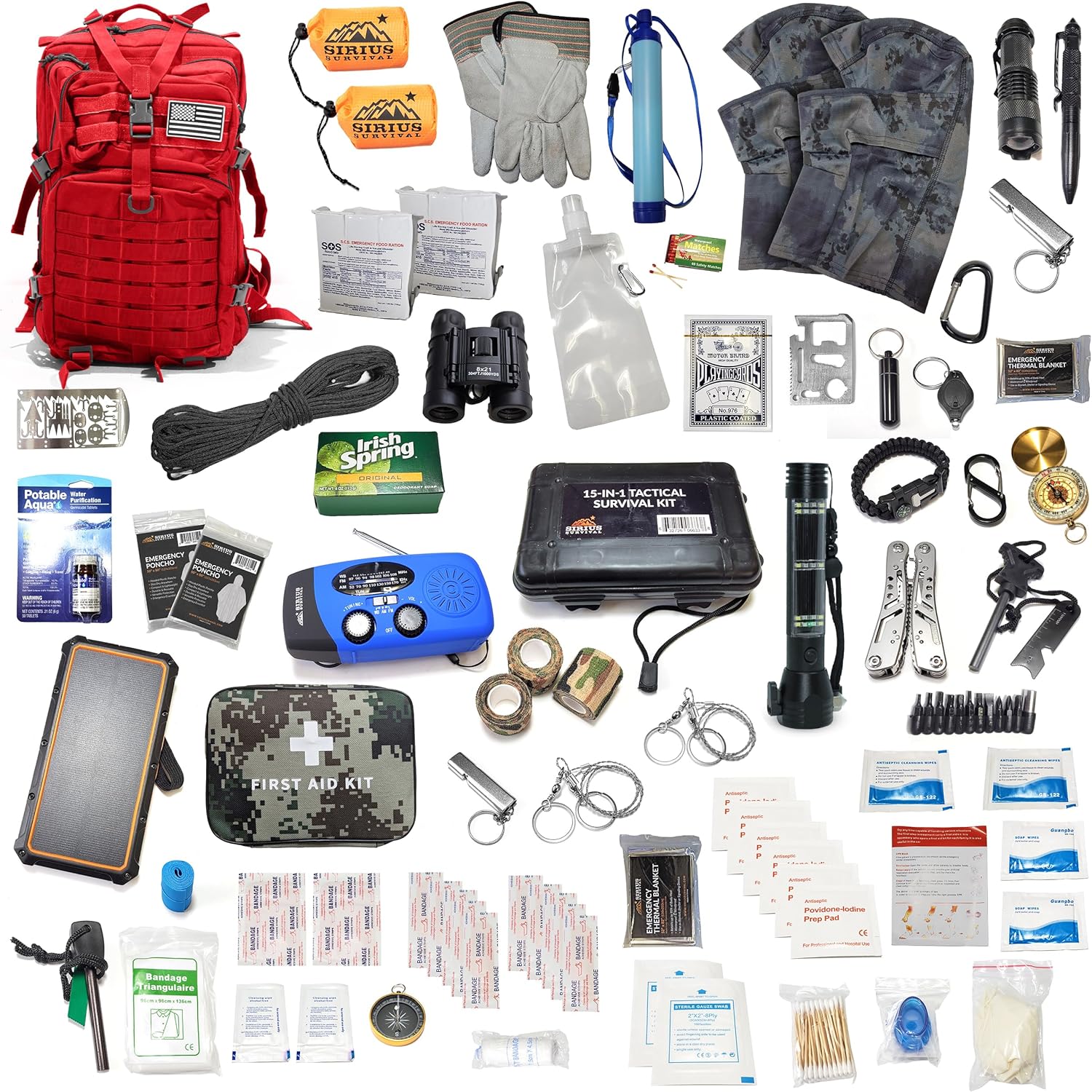
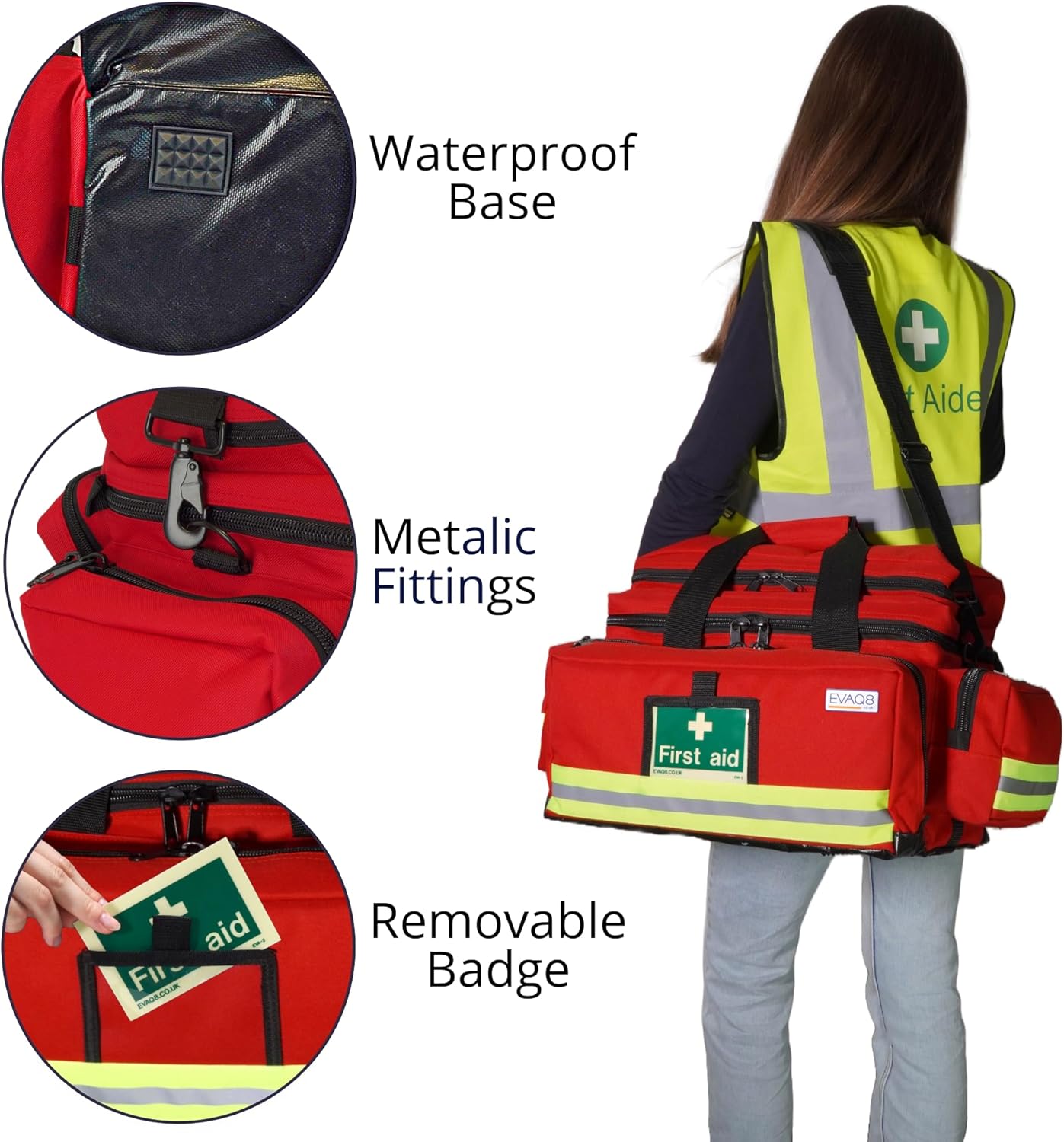
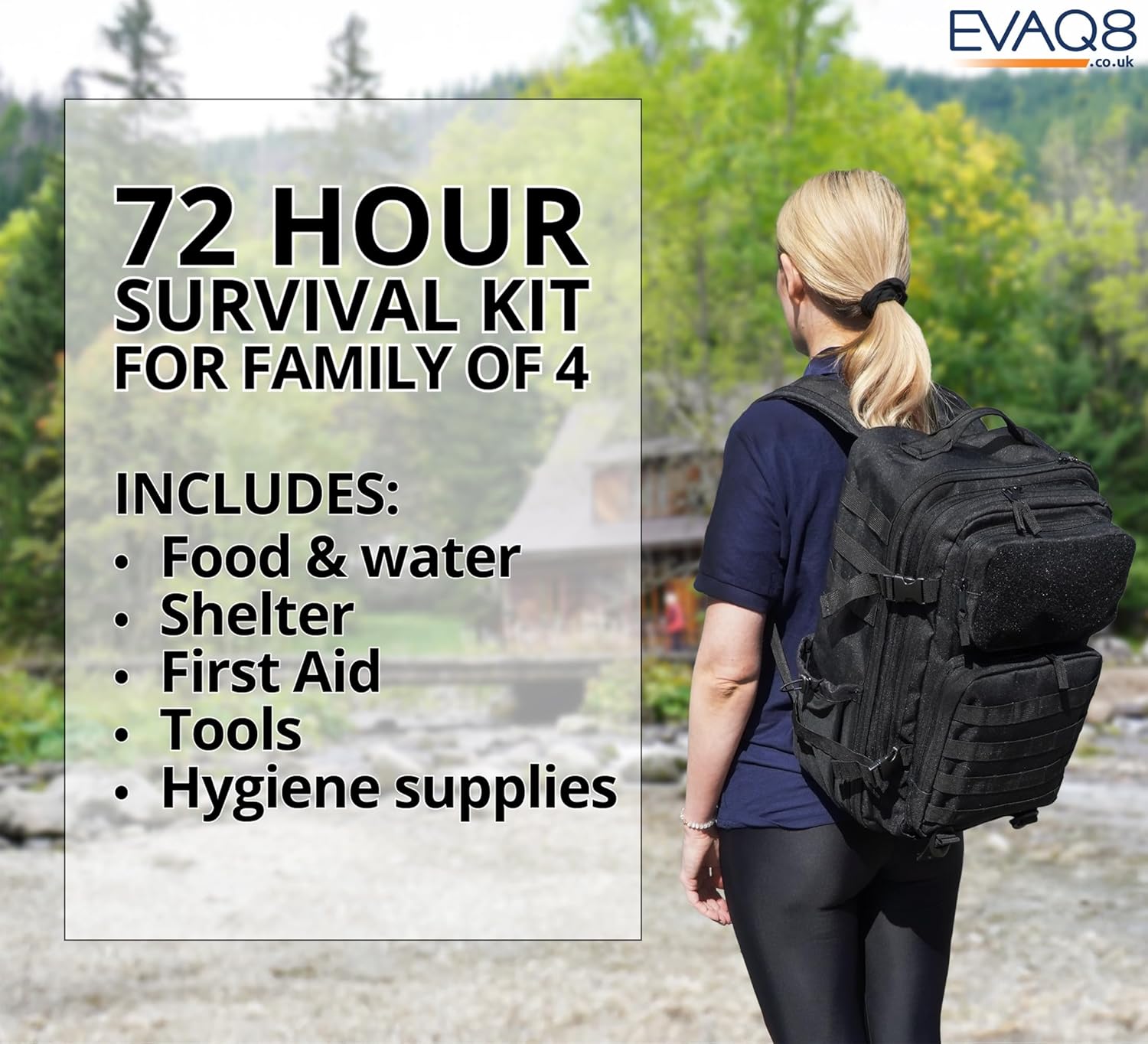
Core components of a yacht grade medical kit and safety kit
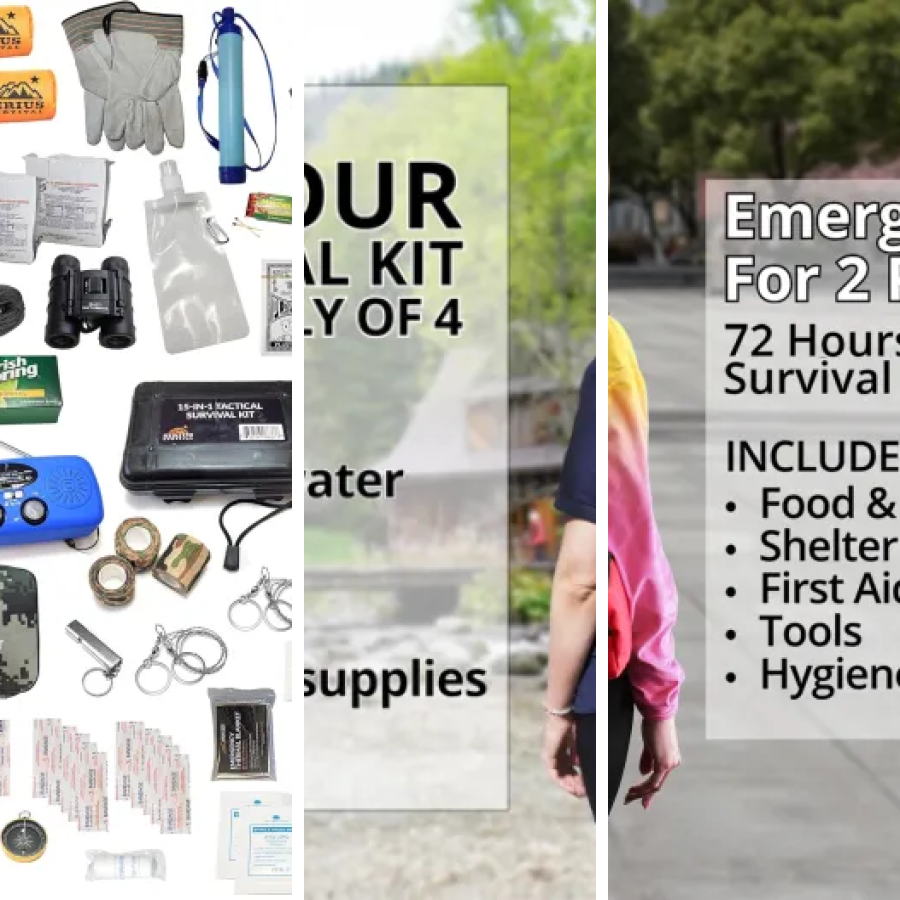
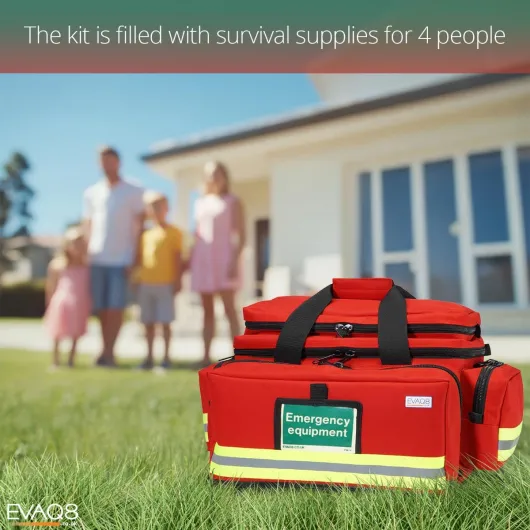
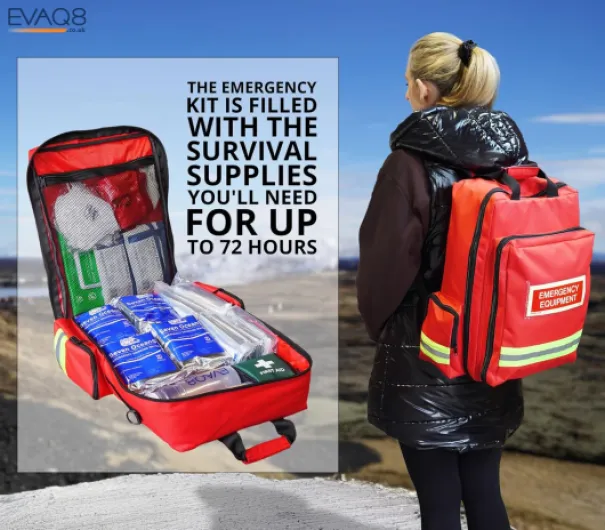
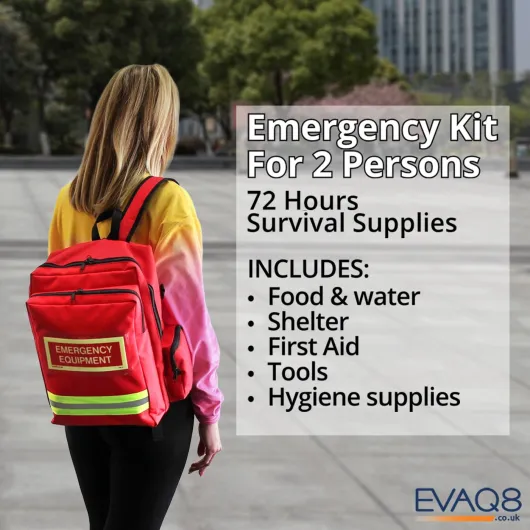
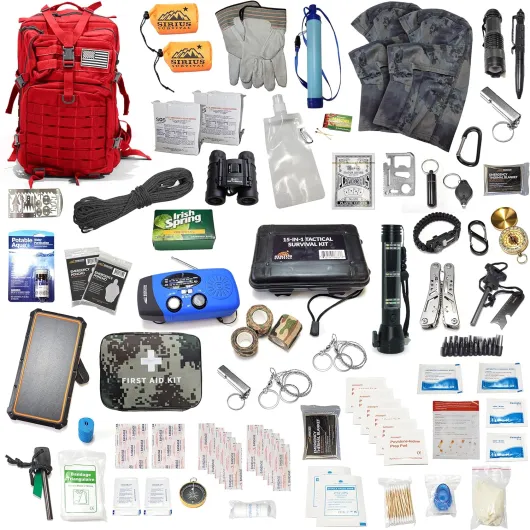
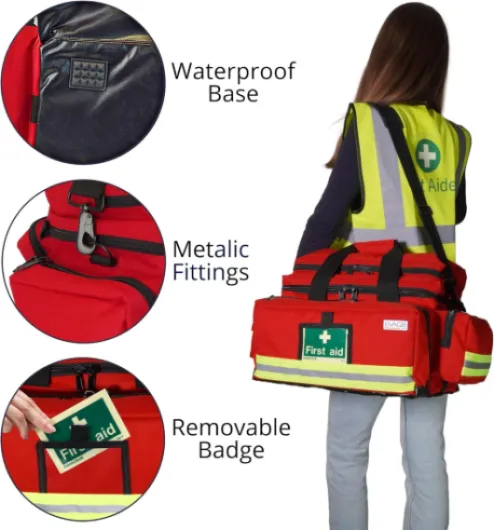
The heart of the best boat emergency kits is a properly specified medical kit tailored to your cruising profile. At minimum, this primary aid kit should include sterile dressings, cohesive bandage rolls, adhesive strips, antiseptic wipes, and a compact pack of prescription medications agreed with a maritime doctor. Offshore yachts often carry two such kits so that one bag remains sealed and sterile while the other handles day to day boating scrapes.
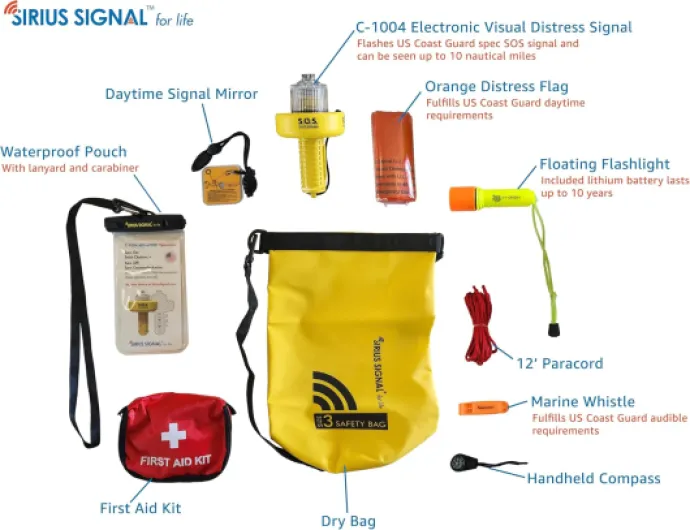
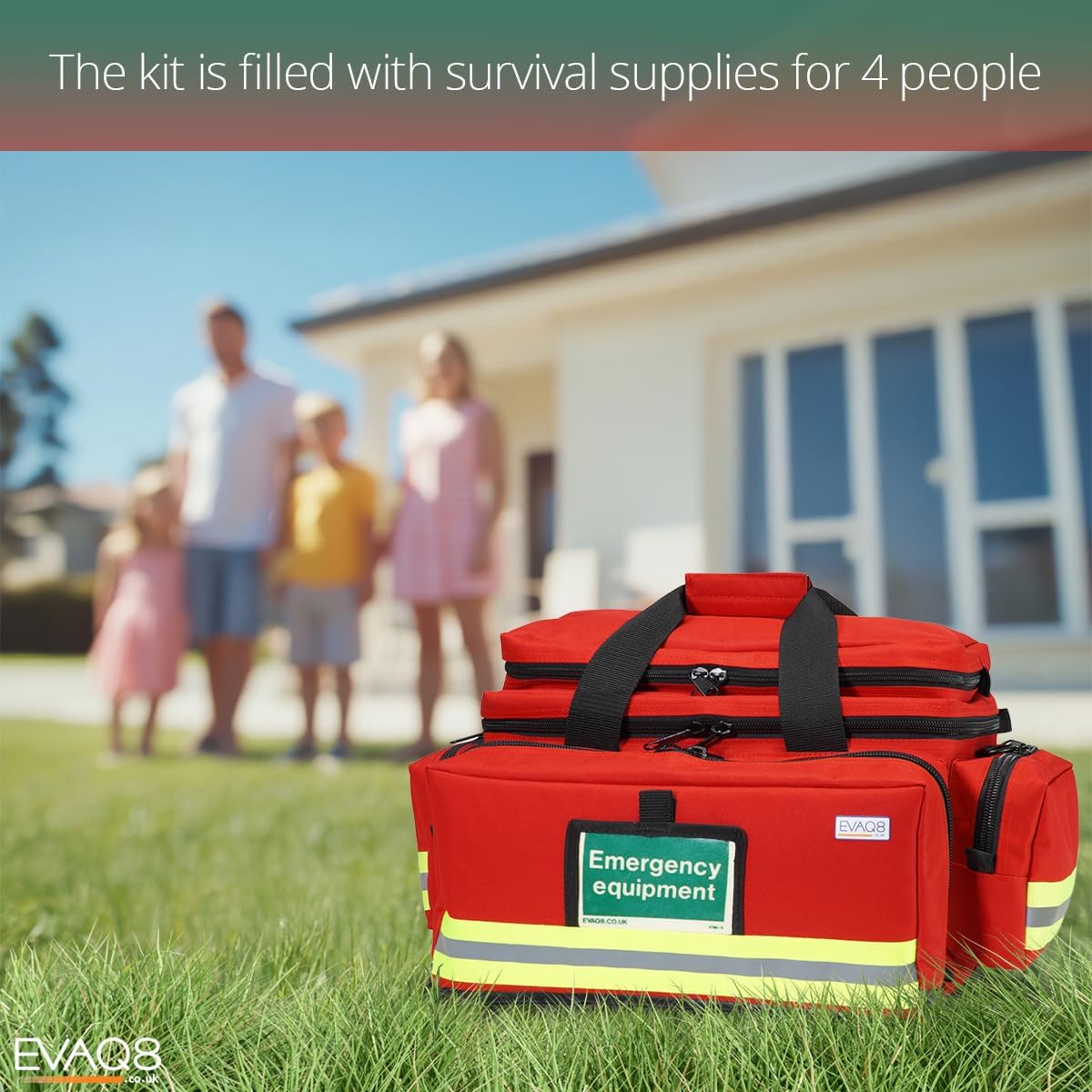
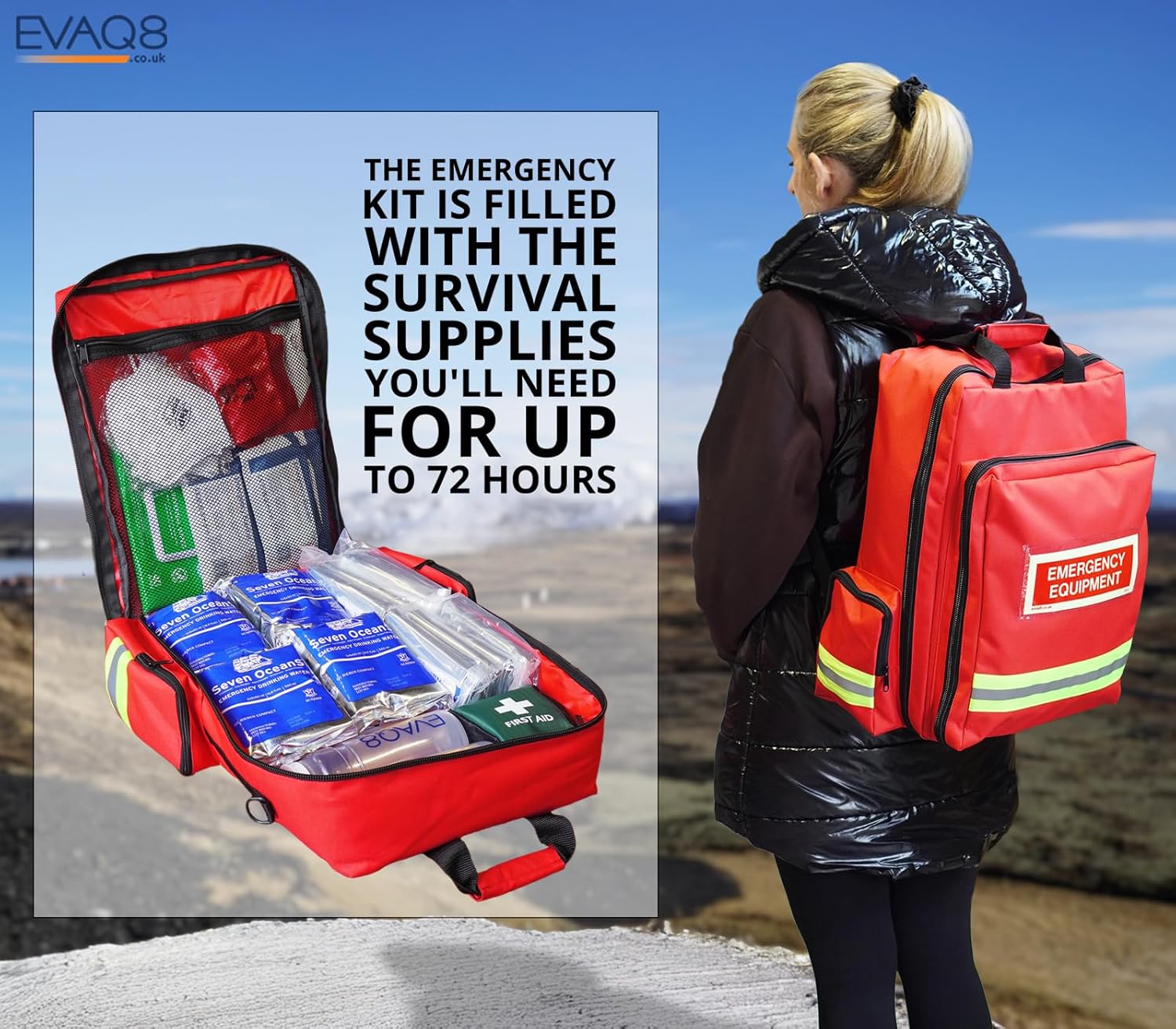
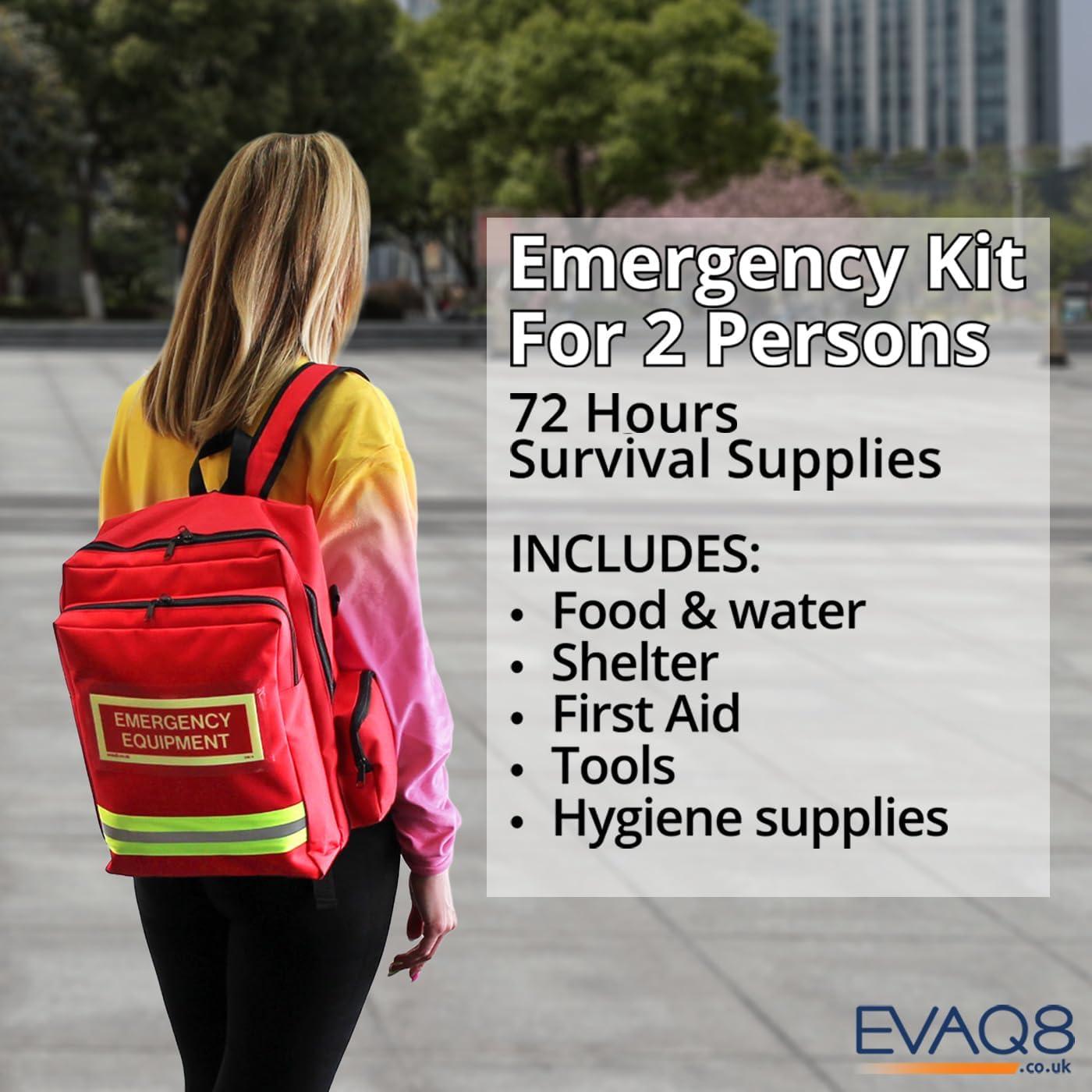
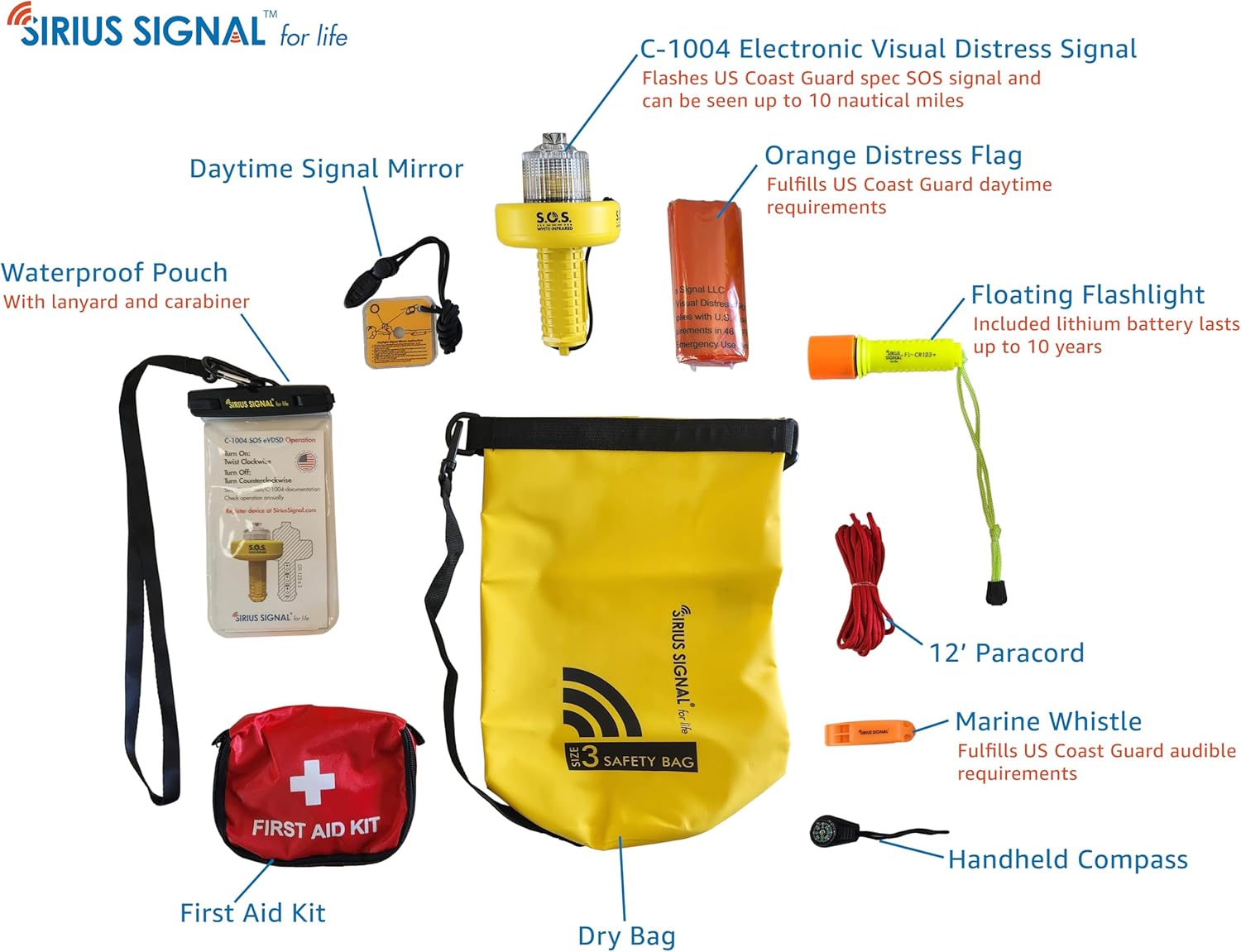
Beyond medical items, a serious safety kit must integrate fire extinguishers, thermal blankets, a grab bag waterproof enough for full immersion, and electronic devices such as AIS beacons and a personal locator beacon for each crew member. Many owners now choose waterproof boat grab bags that float, combining flares, electronic distress signals, spare batteries, and laminated checklists that guide panicked crew through each emergency step. When you review equipment, treat your emergency kit as a living system and regularly select options to upgrade components as technology improves.
Hull integrity and anchoring also belong in your wider boat safety thinking, because a dragging anchor can quickly become an emergency in crowded anchorages. Pair your emergency kits with reliable ground tackle and a modern windlass, using a dedicated anchor windlass for yachts to reduce crew strain during bad weather recoveries. By aligning medical, technical, and anchoring safety equipment into one coherent plan, you raise your yacht from compliant to genuinely resilient.
Waterproof protection, dry storage, and grab bag organization
Even the best boat emergency kits fail if water ruins their contents during a knockdown or hull breach. Every critical aid kit, medical kit, and electronics pack should live inside a certified waterproof dry container or a high quality dry bag with roll top closure. When you choose each bag, test how easily a gloved hand can open it in low light, because a panicked crew member will not manage delicate zippers in rough water.
Many offshore skippers now maintain two levels of grab bag waterproof storage, keeping a primary emergency kit near the companionway and a secondary pack in the life raft locker. The primary bag waterproof container usually holds flares, electronic distress signals, a personal locator beacon, spare navigation devices, and compact food and water rations. The secondary waterproof boat bag focuses on extra medical items, including sterile bandage packs, a second pair of gloves, and backup aid kits for extended survival scenarios.
Anchor handling gear also deserves organized storage, because a lost anchor during a storm can escalate into a life threatening emergency. Consider pairing your medical and safety kit planning with a dedicated boat anchor kit selection that includes chain markers, snubbers, and spare shackles in a clearly labeled pack. When every critical bag, kit, and pack has a fixed location and a written inventory, your crew will move with calm precision instead of confusion when seconds truly matter.
Offshore specific safety equipment and electronic devices
Once a yacht leaves coastal waters, the best boat emergency kits must expand to include offshore specific devices and signaling tools. A modern emergency kit for blue water passages typically combines pyrotechnic distress signals, LED strobes, AIS man overboard devices, and at least one satellite personal locator beacon registered to the vessel. These electronic items sit alongside traditional medical kits, sterile bandage packs, and trauma supplies, forming a layered defense against both injury and isolation.
Yacht owners often underestimate how quickly water and salt destroy unprotected electronics, so every device should live in a bag that is fully waterproof and impact resistant. Many skippers now use compact waterproof dry cases inside a larger grab bag waterproof shell, separating medical items from navigation and communication equipment. This nested approach keeps the aid kits clean and sterile while ensuring that radios, beacons, and GPS units remain functional even after partial flooding.
Comfort and ergonomics also influence safety, because exhausted crew make poor decisions during emergencies. Pair your emergency planning with upgraded helm seating and cockpit ergonomics, using resources such as this guide to top boat seats for marine use to reduce fatigue on long watches. When rested crew can reach every safety kit, medical kit, and emergency pack without strain, the entire yacht gains a quiet but powerful layer of protection.
How to evaluate, rate, and buy the best boat emergency kits
Yacht owners shopping for the best boat emergency kits should evaluate products with the same rigor they apply to engines or sails. Start by listing the specific emergencies your boat might face, then map each scenario to a dedicated emergency kit, medical kit, or safety kit with clearly defined items. This structured approach prevents you from buying random packs and bags that look impressive online but fail to address real boating risks.
When comparing brands, ignore marketing hype about five kit stars and instead read detailed component lists, expiry dates, and waterproof ratings. Look for aid kits that include multiple sterile bandage types, a robust pair of gloves, burn dressings, and clear instructions written for non professionals. Many reputable marine suppliers highlight their best sellers in the boat safety category, but you should still manually select options that match your yacht size, crew profile, and offshore ambitions.
Online purchasing interfaces often encourage you to quickly add items to the cart, yet a thoughtful yacht owner will pause before pressing any add to cart button. Check whether the bag is truly waterproof, whether the pack includes a personal locator beacon or only basic distress signals, and whether spare water and food rations are compatible with your storage plan. By treating each emergency kit purchase as a strategic investment rather than an impulse buy, you build a coherent safety ecosystem that genuinely supports peace of mind at sea.
Maintenance routines and crew training for lasting peace of mind
Even the best boat emergency kits degrade over time, so disciplined maintenance is non negotiable for any serious yacht program. At least twice per season, assign a crew member to open every aid kit, medical kit, and safety kit, checking expiry dates, sterile packaging, and the condition of each bandage and pack. Replace any compromised items immediately and log the changes, because a written record will help you track patterns and refine future provisioning.
Training matters as much as equipment, since an untouched bag of supplies will not heal a wound or launch distress signals by itself. Run regular drills where crew locate the grab bag waterproof containers, deploy personal locator beacons, and simulate treating common boating injuries such as deep cuts or burns. Rotate responsibilities so that every person on board, not just the skipper, can manage the emergency kit, operate electronic devices, and coordinate boat aid until professional medical support arrives.
Storage discipline also protects your investment, because careless stowage exposes kits to water, heat, and mechanical damage. Keep all emergency items in cool, dry lockers away from fuel fumes, and ensure that at least one waterproof boat grab bag remains instantly accessible from the cockpit. When your crew trusts the condition of every kit, bag, and device, the entire yacht operates with a quiet confidence that turns potential chaos into controlled response.
Key figures on yacht safety equipment and emergency preparedness
- According to the United States Coast Guard, about 15 % of reported recreational boating deaths involve inadequate or missing safety equipment, underscoring why complete emergency kits are critical on yachts (see USCG Recreational Boating Statistics, 2022, available via the official USCG Boating Safety Division website).
- Data from the Royal National Lifeboat Institution show that roughly 30 % of offshore callouts to leisure craft involve medical issues or injuries on board, highlighting the value of well stocked medical kits and sterile bandage supplies (RNLI annual operational statistics, 2021, published through the RNLI’s official statistics portal).
- Studies by the National Marine Manufacturers Association indicate that boats equipped with modern electronic distress devices such as AIS beacons and personal locator beacons experience significantly faster rescue times than those relying on flares alone (NMMA boating safety research summary, 2020, accessible from the NMMA research and reports section).
- Insurance industry reports note that yachts with documented safety drills and maintained safety kits often qualify for premium reductions of 5 to 10 %, reflecting the measurable risk reduction from structured emergency planning (for example, guidance published by major marine insurers in 2021 and summarized in their risk management bulletins).
- Surveys of blue water cruisers published by major sailing organizations consistently rank grab bags and waterproof dry storage among the top three safety investments, alongside life rafts and EPIRBs, for long distance offshore passages (see global cruising survey compilations from 2019–2022 released by international cruising associations).