Key technical features that define the best inflatable life vests for boating
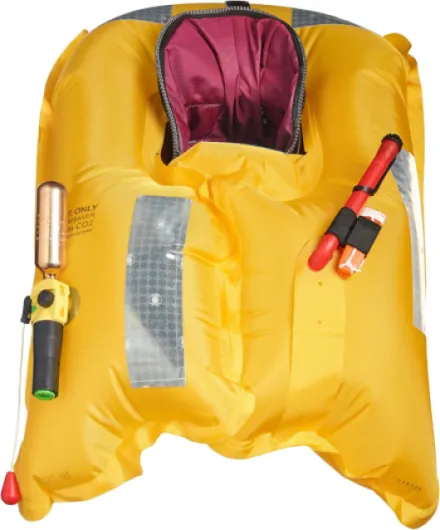
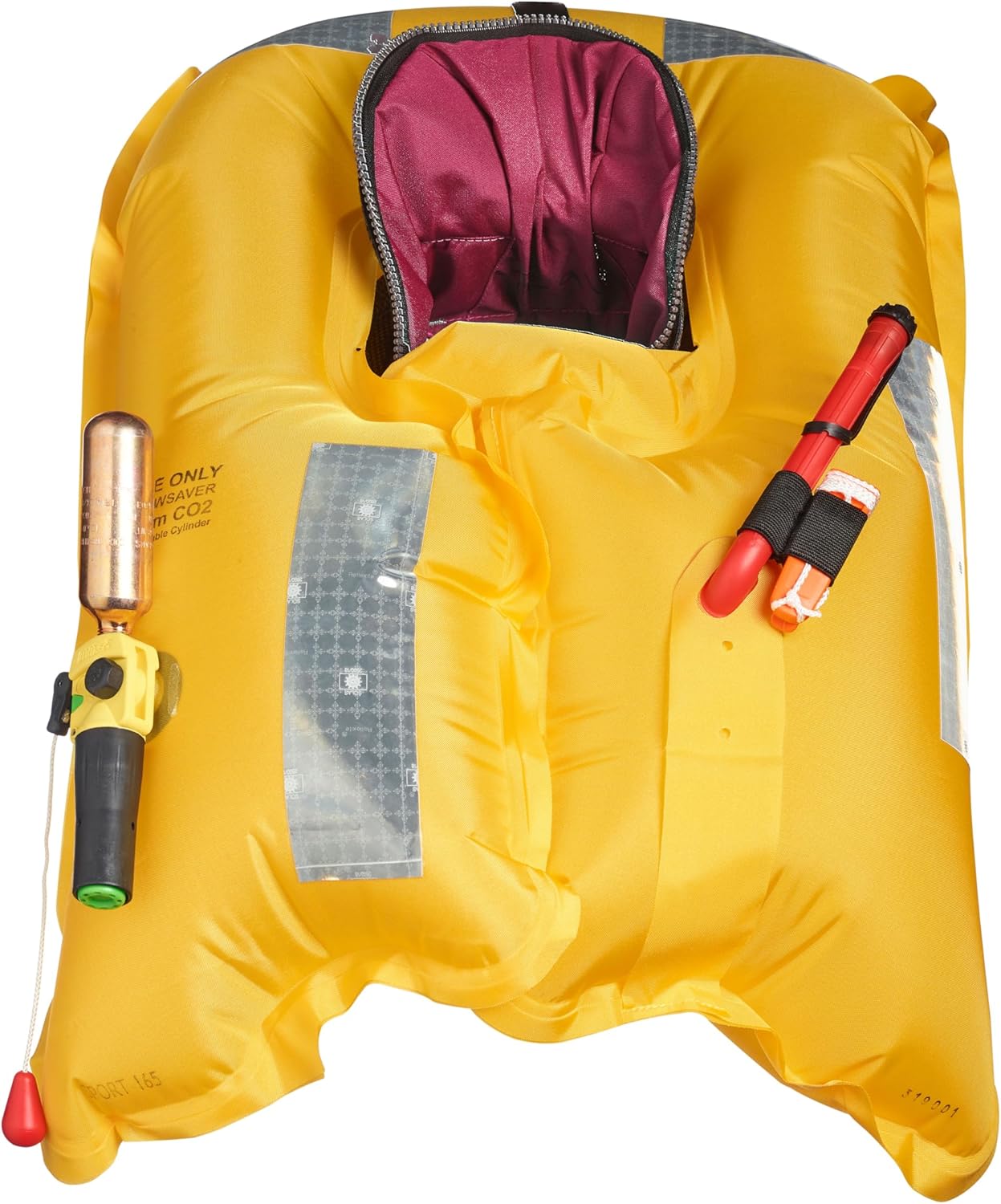
The heart of any inflatable life jacket is its internal bladder, which provides the buoyancy that keeps a person’s airway clear of the water. High end inflatable life vests use bright yellow bladders with reflective tape and oral inflation tubes, so a crew member who falls overboard can be spotted quickly even in confused water at night. Yacht owners should inspect each bladder and its seams at least once per season, checking for abrasion from deck hardware or sailing handrails and replacing any vest that shows damage.
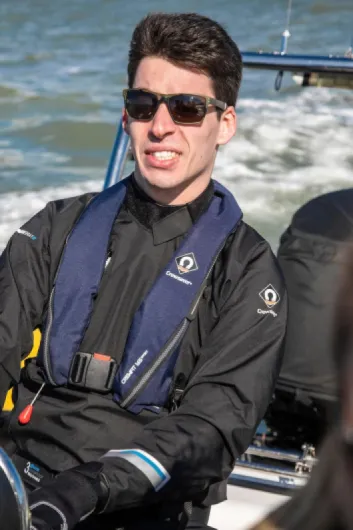
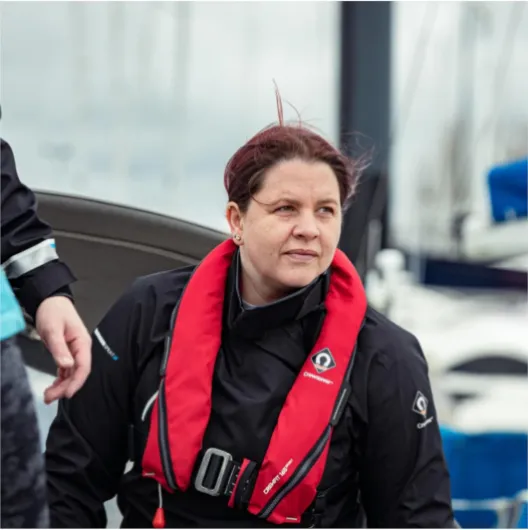
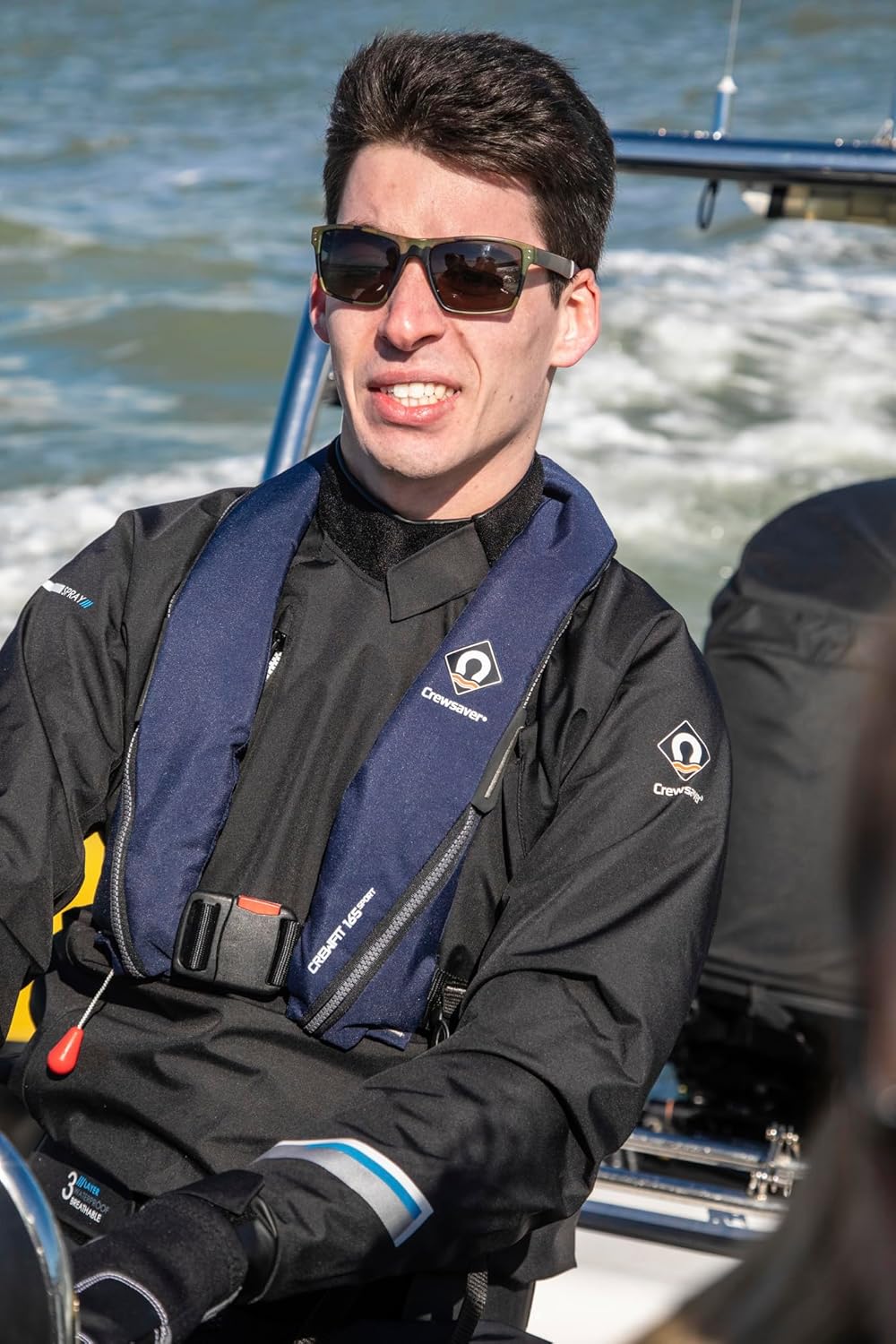
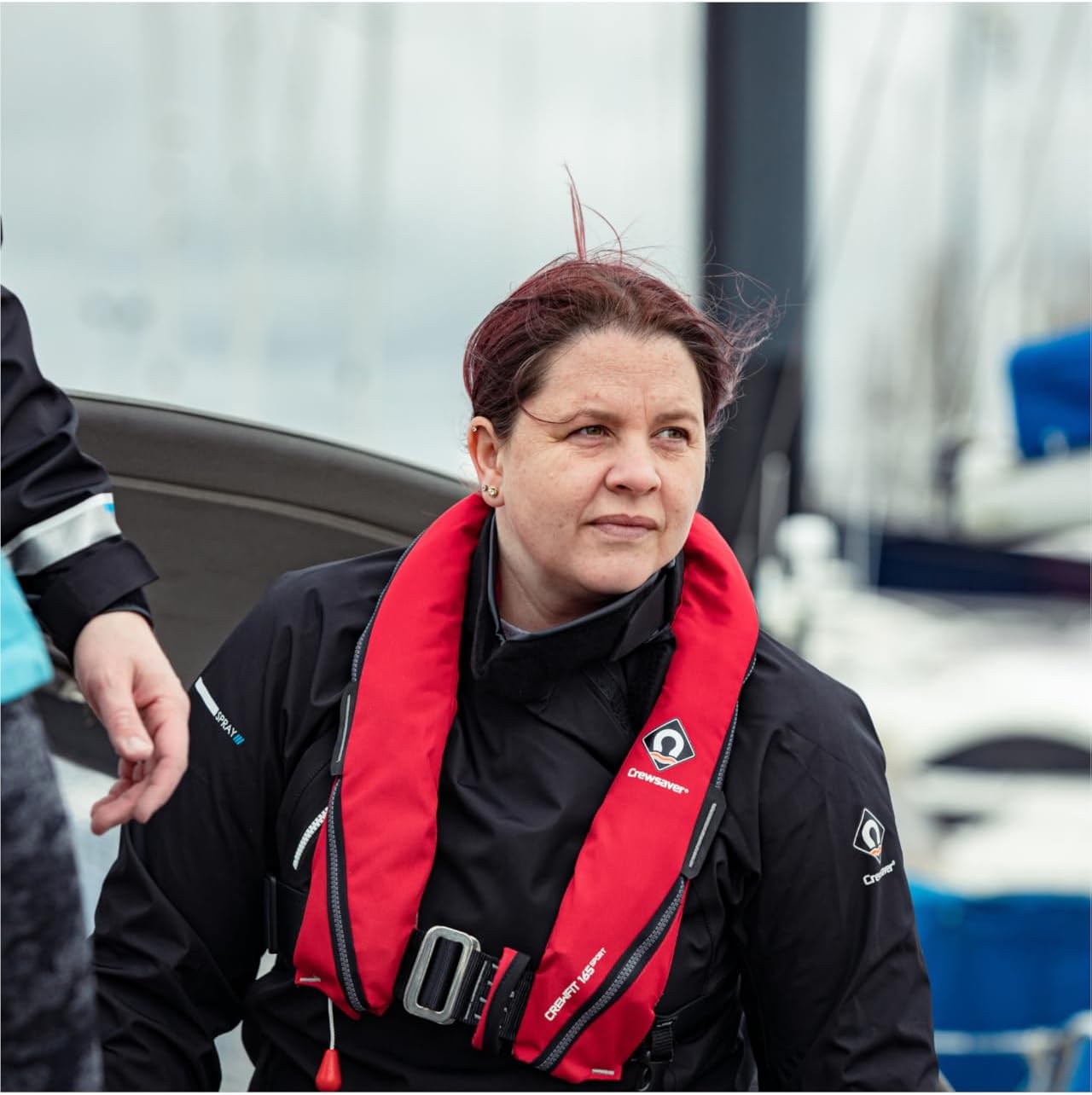
Comfort and fit are just as important as buoyancy when selecting the best inflatable life vests for boating on a yacht. Look for a life jacket with a sculpted neck design, soft lining and a wide waist belt, then add a properly adjusted crotch strap so the vest cannot ride up when the bladder inflates. When guests try on life jackets before departure, crew should confirm that each inflatable PFD sits high on the chest, that the straps lie flat and that the overall fit allows easy movement around stainless deck handrails and companionways, which you can upgrade with dedicated boat handrails for decks.
From a technical standpoint, yacht skippers should favor a Type III inflatable life jacket with around 150 newtons of buoyancy for general coastal cruising, while heavier offshore PFDs with 170–190 N are better for blue water passages. Every inflatable life vest should carry clear markings for its official type rating, inflation mechanism and service interval, so crew can match the right jackets to the right voyage profile. When you evaluate purchase options for each model, prioritize robust hardware, a reliable firing system and a comfortable design over a marginally lower regular price.
Comparing premium brands: Spinlock, Mustang Survival and West Marine
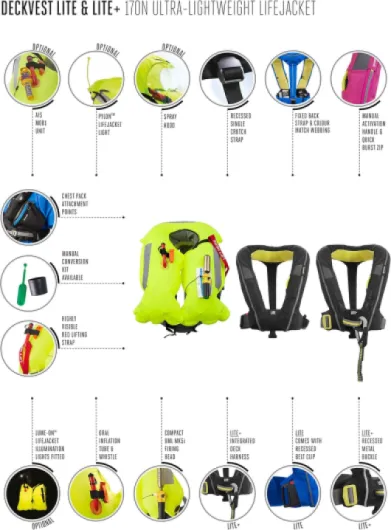
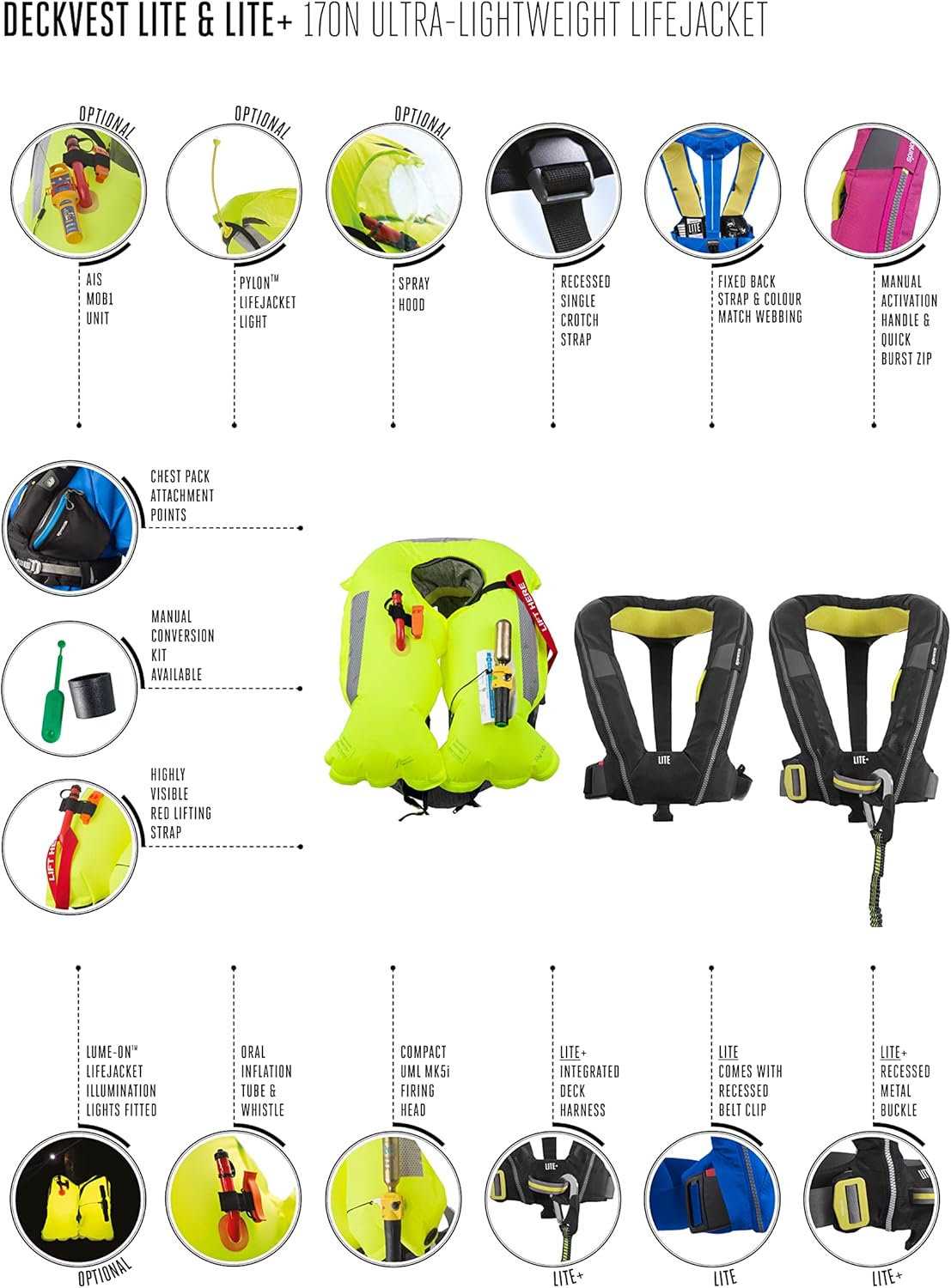
Among yacht crews, the Spinlock Deckvest range has become almost synonymous with the best inflatable life vests for boating offshore. A Spinlock Deckvest inflatable life jacket typically offers 170–190 N of buoyancy, combining a low profile design with integrated harness points, a secure crotch strap and a high visibility bladder, which makes it a favorite among professional testers and racing teams. Many skippers now specify Spinlock Deckvest PFDs as standard issue for watch keepers, while keeping a mix of other inflatable life jackets for guests and occasional crew.
Mustang Survival has built its reputation on rugged inflatable PFD models that stand up to harsh commercial use, which translates well to demanding yacht itineraries. A Mustang Survival inflatable life jacket usually provides about 150 N of buoyancy and offers a slightly more traditional vest shape than a Spinlock unit, but the PFDs are renowned for durability, reliable inflation and clear coast guard approved markings. For owners who run long seasons with charter guests, the reasons to choose Mustang Survival jackets often include lower long term maintenance costs and strong after sales support.
Retailers such as West Marine curate a wide selection of inflatable life vests, from entry level PFDs to top tier Spinlock and Mustang Survival jackets. When you compare life jackets at West Marine, pay close attention to the Type III rating, USCG approved labels, crotch strap configuration and overall fit rather than focusing only on the sale price. Yacht passionate buyers who already invest in premium sailing outerwear, such as the technical pieces highlighted in many top sailing jackets guides, should apply the same standards of design, comfort and reliability to every inflatable life jacket they bring on board.
Price structures, value and budgeting for a full yacht inventory
When you outfit a yacht with the best inflatable life vests for boating, the pricing landscape can appear confusing at first glance. Retail tags may show a regular price, a sale price, a unit price and sometimes a separate price USD for international buyers, which makes direct comparison between jackets difficult. To cut through the noise, evaluate each inflatable life jacket on a price per season basis, factoring in service intervals, cylinder replacement costs and expected durability.
Premium PFDs from Spinlock Deckvest or Mustang Survival often sit at a higher regular price than generic inflatable life jackets, but they usually deliver better long term value. Their robust bladders, corrosion resistant hardware and reliable firing mechanisms reduce the risk of costly failures, which is one of the strongest reasons to buy at the top end of the market. When you divide the price unit or price USD by the number of seasons and passages you expect from each vest, the effective cost per voyage often undercuts cheaper life jackets that need frequent replacement.
Yacht owners should also budget for a mix of inflatable life vests and traditional foam life jackets, because not every guest will be comfortable with an inflatable PFD. A sensible approach is to assign the best inflatable PFDs to active crew and watch standers, while keeping foam jackets for children, non swimmers and near shore tender runs. In your maintenance log, track the regular price and sale price paid for each life jacket, along with its service history, so you can make data driven decisions about when to retire older PFDs and refresh the inventory.
Maintenance routines that keep inflatable life vests ready on every passage
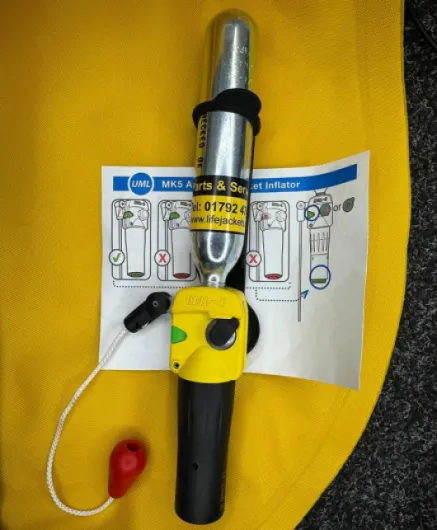
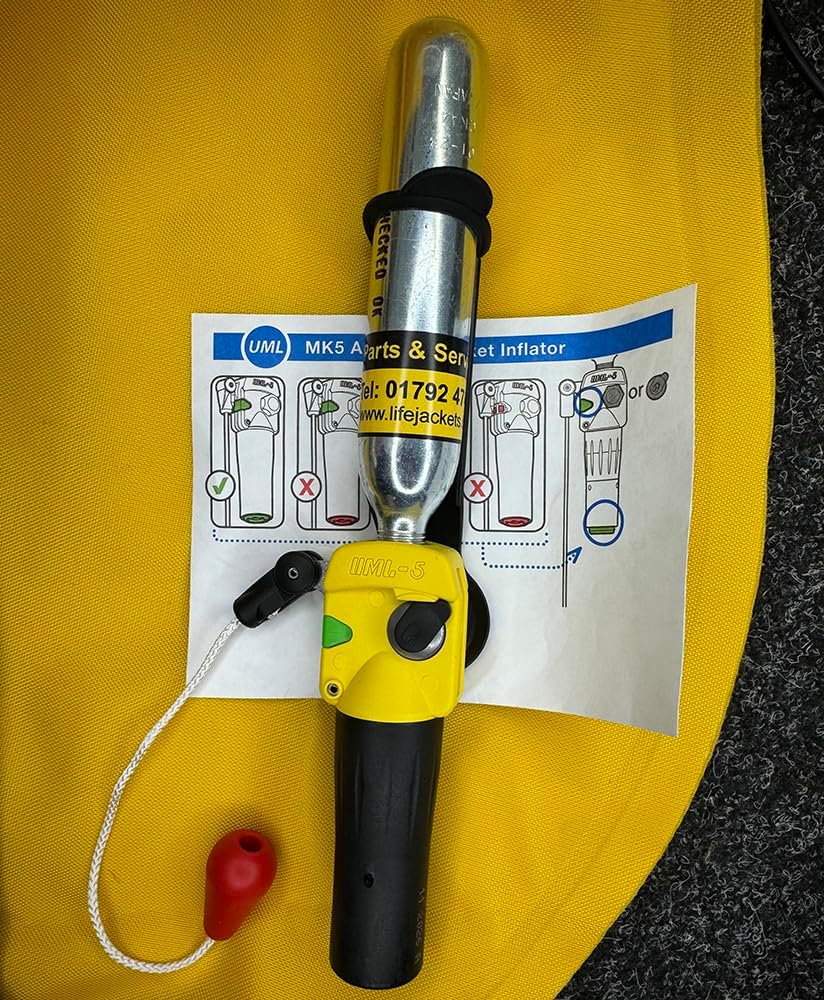
Even the best inflatable life vests for boating will fail if neglected, so a disciplined maintenance routine is essential on any serious yacht. At the start of each season, crew should open every inflatable life jacket, inspect the bladder for abrasion, check the firing mechanism date and confirm that the CO2 cylinder is intact and correctly threaded. Any PFD that shows corrosion, fabric damage or unclear coast guard approved markings should be removed from service immediately and either serviced by the manufacturer or replaced.
Monthly checks during the cruising season should include a manual inflation test on a rotating schedule, so each inflatable life jacket is fully inflated at least once per year. Leave the bladder inflated for several hours to confirm it holds air, then deflate carefully and repack the vest according to the manufacturer’s design instructions, paying special attention to the routing of the crotch strap and waist belt. Many experienced testers recommend assigning one crew member as safety officer, responsible for logging each inspection, tracking Type III and other rating categories and ensuring that all PFDs remain USCG approved or coast guard approved as regulations evolve.
After any man overboard drill or real incident where an inflatable PFD has deployed, the life jacket must be treated as a service item rather than simply repacked. Replace the cylinder, check the firing head, inspect the bladder and confirm that the vest still offers the best life saving performance before returning it to the rail. Integrating these tasks into broader yacht maintenance planning, alongside items such as engine servicing supported by dedicated boat engine maintenance kits, ensures that safety equipment receives the same professional attention as propulsion and navigation systems.
Operational best practices for using inflatable life vests on yachts
Equipment alone does not guarantee safety, so yacht captains must embed the best inflatable life vests for boating into daily operating procedures. Before every departure, crew should brief guests on how to don an inflatable life jacket, how the bladder inflates and why the crotch strap is non negotiable in rough water. Clear instructions about when PFDs must be worn, such as at night, in heavy weather or whenever leaving the cockpit, turn life jackets from passive gear into active protection.
On performance sailing yachts, pairing an inflatable life jacket with a tether and jackline system creates a layered safety approach. A Spinlock Deckvest or Mustang Survival inflatable PFD with integrated harness points allows crew to clip in while still enjoying the best balance between mobility and security on deck. For motor yachts, captains should emphasize wearing inflatable life vests during tender operations, swim platform use and any activity near the waterline, where unexpected wakes or slips can send guests into the water without warning.
Storage and accessibility also influence whether life jackets are used correctly, so PFDs should be stowed in clearly marked lockers or on dedicated rails near the cockpit and side decks. Group inflatable life vests by size and rating, labeling each rack so crew can quickly match the right jacket to each guest. When owners treat life jackets with the same respect as navigation instruments and engine controls, the reasons to buy premium inflatable life gear become obvious to everyone on board.
Key figures and safety statistics for inflatable life vests
- According to the United States Coast Guard 2022 Recreational Boating Statistics report, around 81 % of recreational boating fatalities involve victims who were not wearing a life jacket, which underscores why comfortable inflatable life vests that people actually wear are critical on yachts. The full report is available from the USCG Boating Safety Division.
- USCG data in the same report show that properly fitted life jackets could have prevented more than half of recorded drowning deaths in recreational boating incidents, highlighting the importance of correct fit, crotch strap use and regular maintenance of PFDs. These conclusions are drawn from case reviews summarized in the official statistics.
- Industry surveys of offshore sailors, such as questionnaires conducted by major ocean racing organizers and national sailing federations, report that crews are several times more likely to wear an inflatable PFD than a traditional foam life jacket during routine deck work, which explains the rapid adoption of inflatable life vests on performance yachts.
- Testing by recognized marine safety organizations has demonstrated that inflatable life jackets with at least 150 newtons of buoyancy, such as ISO 12402-3 coastal models, can reliably turn most unconscious wearers face up in calm water, provided the bladder inflates correctly and the vest is secured with a crotch strap. These findings are based on standardized pool and open water trials.
- Market analyses of marine safety equipment from trade bodies and specialist research firms indicate that premium inflatable life vests from brands such as Spinlock and Mustang Survival command a higher price USD but represent a growing share of life jacket sales, reflecting yacht owners’ preference for high performance PFDs and advanced harness integration.
Comparison snapshot: popular inflatable life vest options for yachts
| Model example |
Approx. buoyancy (N) |
Integrated harness |
Cylinder type |
Typical price range (USD) |
| Spinlock Deckvest offshore |
170–190 |
Yes, built in harness points |
Automatic with manual backup |
300–450 |
| Mustang Survival coastal inflatable |
150 |
Selected models with harness |
Automatic or manual, model dependent |
200–350 |
| West Marine branded recreational PFD |
Approx. 150 |
Usually no integrated harness |
Primarily automatic inflation |
120–220 |
These figures are indicative only and vary by specific product line, but they illustrate how buoyancy, harness integration, inflation style and price interact when choosing the best inflatable life vests for boating on a yacht.