Planning interior and deck lighting zones like a yacht designer
Before buying any LED lights, map your yacht into distinct lighting zones with clear purposes. Separate functional areas such as galley, navigation station, and fishing cockpit from ambience focused spaces like saloon, cabins, and the pontoon style lounge on the foredeck. This zoning approach ensures that every fixture, from a tiny courtesy light to a long strip, earns its place.
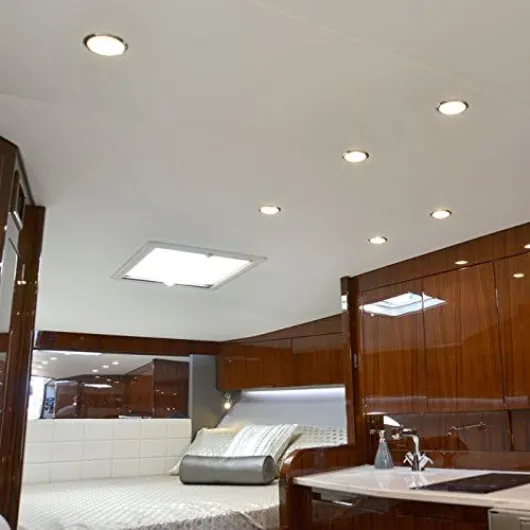
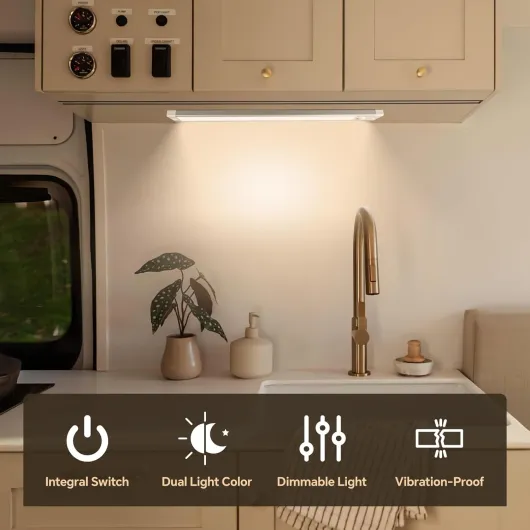
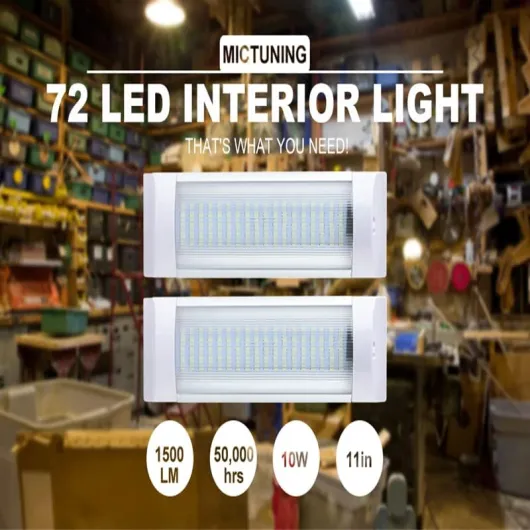
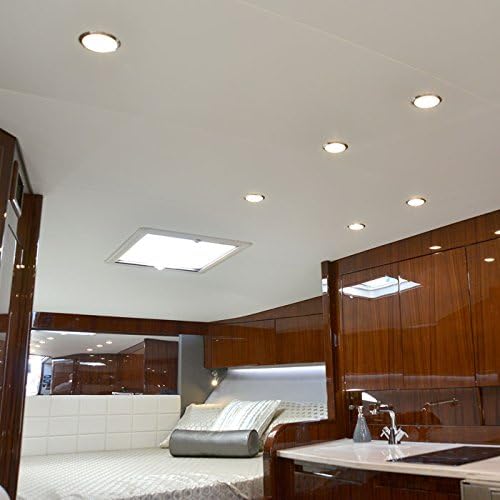
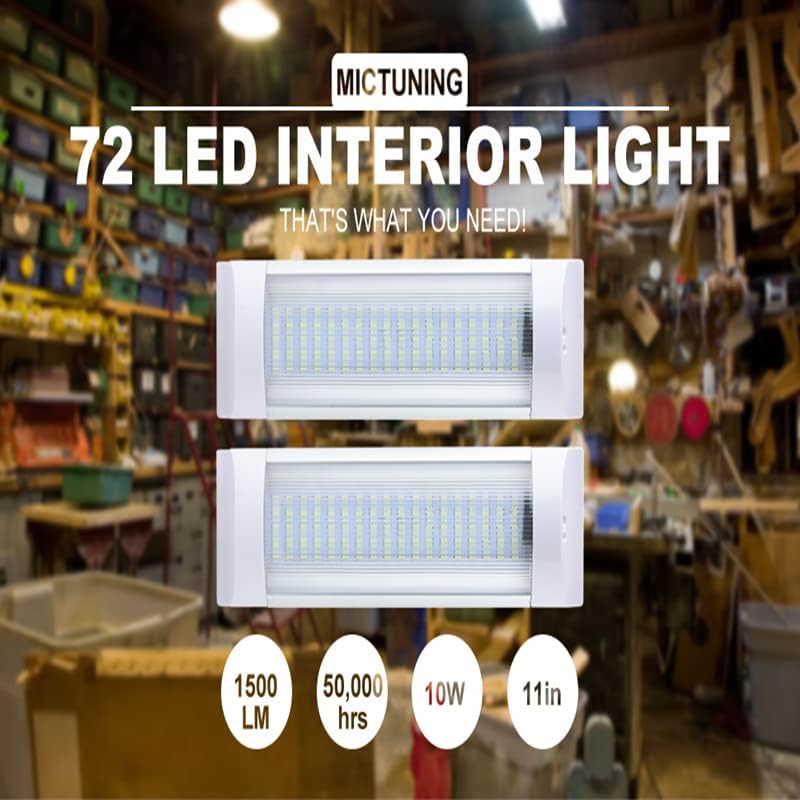
In living spaces, start with warm white ceiling lighting for general use, then layer accent light strips along furniture bases and behind panels to create depth. Many of the best boat interior LED lighting kits now include multicolor options, allowing you to shift from soft white for reading to subtle blue or green for evening entertaining without harsh transitions. When you pair these interior solutions with ergonomic upgrades such as premium marine seats from top boat seats for marine use, the entire environment feels curated rather than improvised.
On the boat deck, think of LED lighting as both safety equipment and design tool. Low level courtesy lights on steps and side decks prevent trips at night, while a focused deck light above working areas supports safe line handling on a fishing boat or during docking. For open pontoon boat layouts, continuous strip lights under gunwales or seating add a gentle glow that defines the perimeter of the boat without blinding guests or compromising navigation lights.
Choosing marine grade components that survive real world conditions
Not every LED light marketed for boats is truly marine grade, and yacht owners pay the price when cheap fixtures fail early. Salt, vibration, and constant humidity attack poor seals and low quality electronics, which is why the best boat interior LED lighting kits specify IP67 or IP68 rated housings and tinned copper wiring. When you see a kit described as “marine LED,” look for clear documentation of ingress protection, 10–30 V DC operating range, and thermal management rather than vague marketing claims.
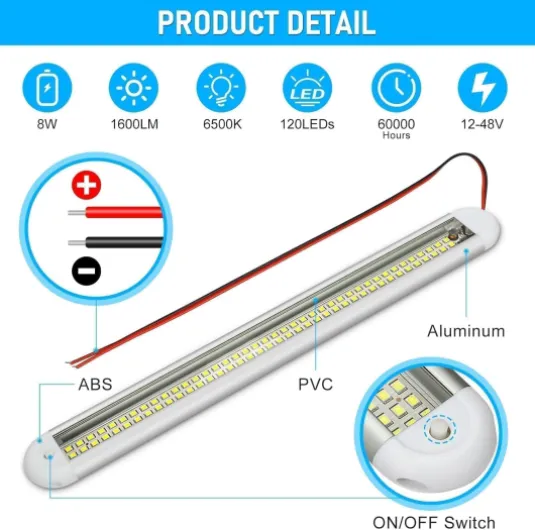
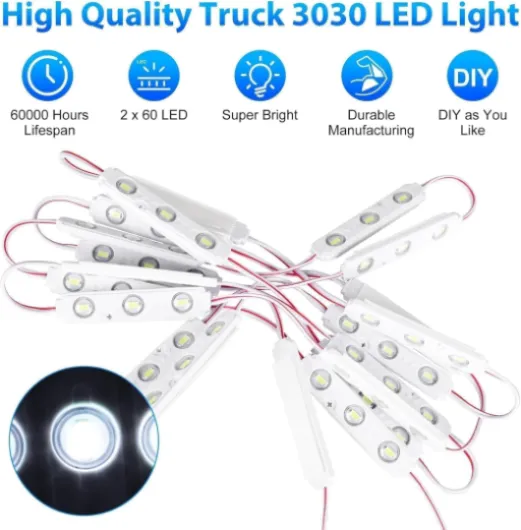
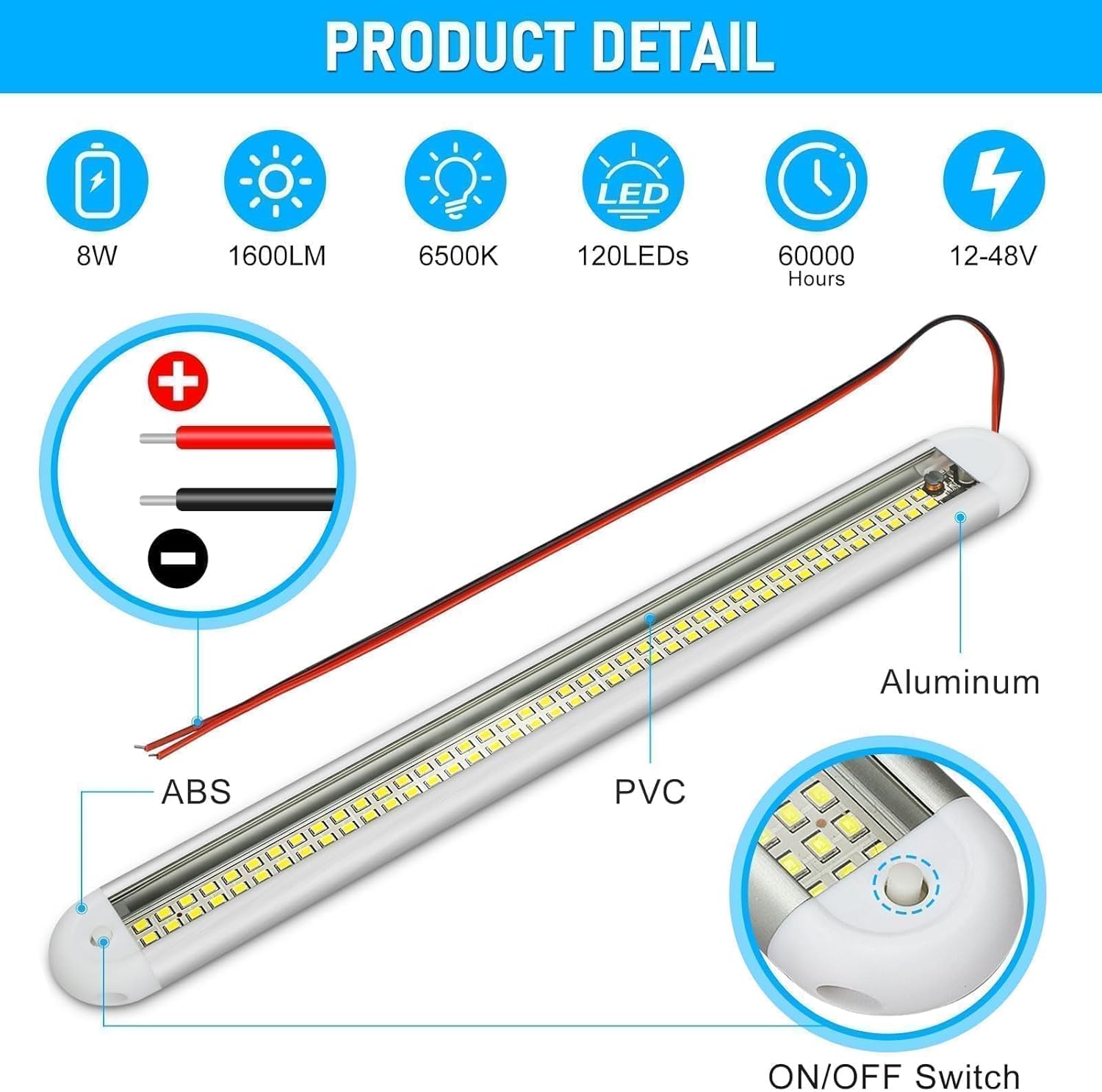
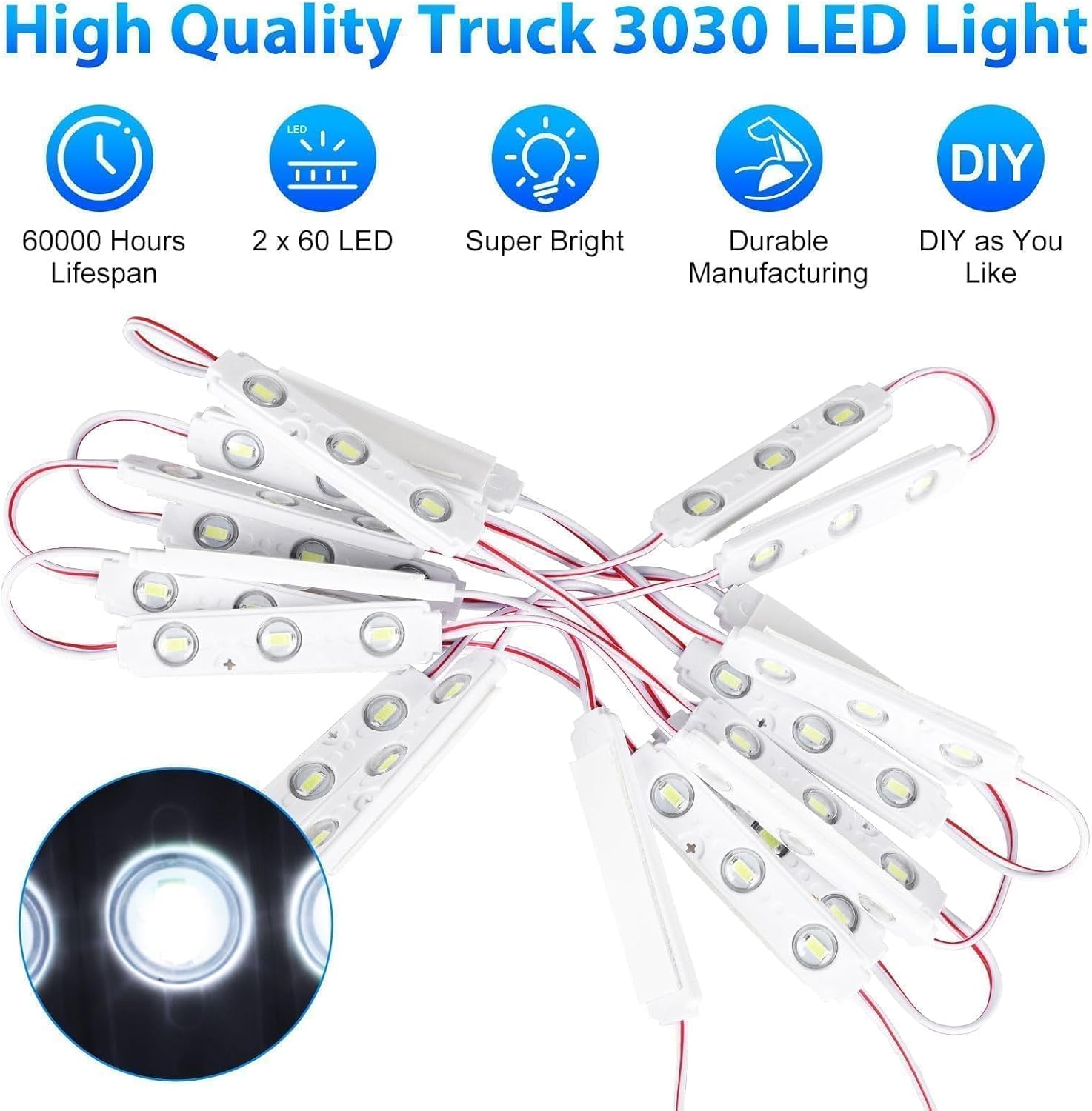
For interior and deck lighting, prioritize fixtures with UV stable lenses and robust mounting hardware that will not loosen as the boat flexes. A good marine LED strip light should have a fully encapsulated body, not just a thin plastic sleeve, so that blue, green, and white diodes remain protected even when installed along an exposed boat deck or in a damp locker. When you combine these durable components with regular checks using comprehensive engine and systems tools such as the kits highlighted in reliable boat engine maintenance kits, you create a maintenance regime that respects the realities of the yacht environment.
Exterior navigation lights deserve special attention because they are both legal requirements and critical safety devices. Many owners now retrofit older incandescent navigation lights with certified LED navigation lights that comply with COLREGs and relevant IEC standards, gaining better visibility and dramatically lower power consumption. When you integrate these with subtle lights marine solutions along the side decks and transom, you achieve a coherent lighting plan that respects regulations while still complementing the refined interior exterior aesthetic of a modern LED boat.
Balancing ambience, safety, and functionality with color and control
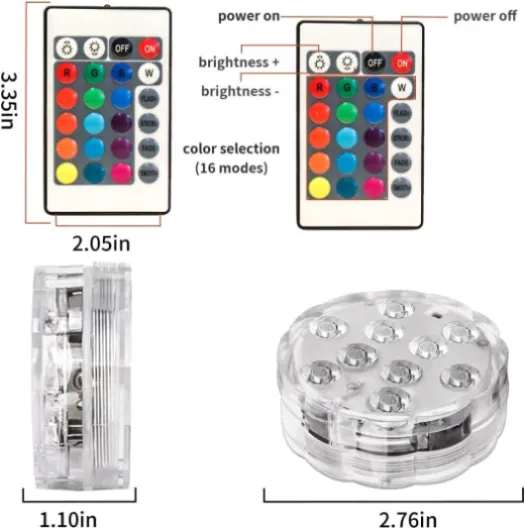
Color control is where the best boat interior LED lighting kits truly separate themselves from basic retrofit bulbs. Warm white remains the reference for reading and dining, but carefully tuned blue and green accents can protect night vision and create a calm atmosphere underway. When you add multicolor capability in selected zones, you gain the flexibility to host a lively pontoon style party one evening and a quiet, low light passage the next.
For safe movement at night, use dimmable courtesy lights along steps, companionways, and the boat deck perimeter rather than bright overhead fixtures. A continuous light strip under the toe rail or seating edge gives just enough illumination to read the deck without casting harsh shadows that can hide lines or cleats on a busy fishing boat. On smaller craft such as a kayak tender or compact pontoon boat, a few well placed strip lights can replace multiple bulky fittings and still provide clear pathways.
Control systems deserve as much thought as the fixtures themselves, because poor switching quickly undermines even the finest LED lighting design. Group interior zones logically so that a single switch never controls both sleeping cabins and the galley, and avoid confusing toggle menu layouts on digital panels that force guests to guess which button controls which circuits. When your boat LED system allows intuitive dimming, timer functions, and scene selection, every light strip, deck light, and courtesy fixture works together to support how you actually live aboard.
Installation best practices for reliable interior and exterior LED upgrades
Even the best boat interior LED lighting kits will disappoint if installation shortcuts compromise reliability or aesthetics. Start with a clear wiring plan that respects existing circuits, breaker capacities, and cable runs, then decide where new LED lights should tie into the distribution panel. On larger yachts, separating interior and exterior lighting circuits simplifies troubleshooting and allows you to power down non essential deck light zones when running on limited battery capacity.
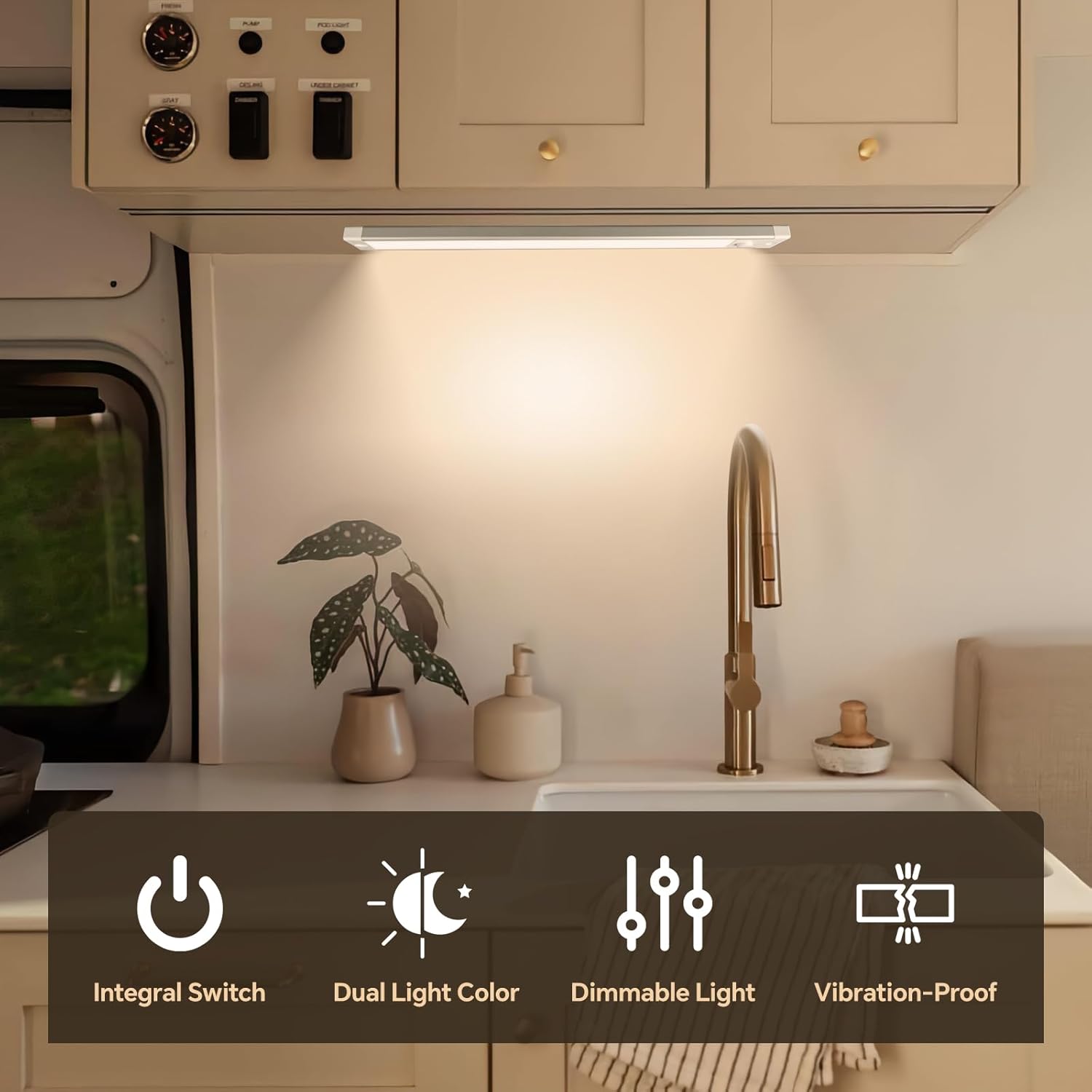
When mounting a light strip, always prepare the surface meticulously by cleaning, lightly abrading if appropriate, and using marine grade adhesives or mechanical fasteners. Self adhesive strip lights alone rarely survive long on a working boat deck or in a damp cockpit, especially on a high use fishing boat where gear constantly brushes against coamings. For interior runs behind furniture or under cabinets, leave gentle service loops in the cable so that future maintenance does not strain connectors or damage the LED light tape.
Pay close attention to heat management, even though LED lighting runs cooler than halogen, because tightly enclosed fixtures can still suffer premature failure. Avoid packing multiple high output boat lights into tiny cavities without ventilation, and respect the manufacturer’s spacing recommendations for LED modules. When routing cables for navigation lights, courtesy lights, and other lights marine systems, keep them separate from high current engine or windlass feeds to minimize interference and ensure that every boat LED circuit performs as specified.
Evaluating kits, accessories, and real world performance before you buy
Choosing among the best boat interior LED lighting kits starts with understanding what is actually included and how it matches your yacht’s layout. Look for balanced packages that combine interior ceiling panels, accent strip lights, and a few exterior courtesy fixtures rather than bundles overloaded with one type of light. A well curated kit should support both refined saloon lighting and practical boat deck illumination without forcing you into awkward compromises.
Owner reviews remain invaluable, especially when they describe performance after several seasons in real marine conditions. Pay attention to comments about corrosion on deck light housings, failures in multicolor controllers, or adhesive issues with light strip products installed on a pontoon boat or open fishing boat. When multiple reviews highlight the same weakness in a supposedly marine LED system, treat that as a red flag rather than an isolated complaint.
Finally, consider how your new LED boat setup will interact with other onboard systems and accessories. If you are upgrading boarding solutions using equipment such as the options discussed in top boat boarding ladders, plan courtesy lights around those access points so guests always see where to place their feet. By evaluating LED lighting, navigation lights, and interior exterior accents as one integrated project rather than scattered purchases from a seasonal sale, you create a cohesive, efficient, and elegant environment that truly reflects the standards of serious yacht enthusiasts.
Key statistics on yacht LED lighting adoption and performance
- According to guidance from the International Association of Marine Aids to Navigation and Lighthouse Authorities (IALA), switching from incandescent to LED navigation lights can reduce power consumption for those circuits by up to 80 %, which significantly extends battery endurance on sailing yachts and small motorboats (see IALA Guideline G1046 on LED navigation lights).
- Data published by major marine electronics manufacturers such as Hella Marine and Lumitec indicate that quality marine grade LED fixtures often achieve rated lifespans above 30 000 operating hours, compared with roughly 1 000 hours for traditional halogen bulbs commonly found in older yacht interiors, as stated in their product datasheets.
- Industry surveys of refit yards in Europe and North America, including reports from the International Council of Marine Industry Associations (ICOMIA), indicate that interior and deck LED lighting upgrades now appear in more than half of all cosmetic refit projects, reflecting strong owner demand for lower energy use and improved ambience.
- Testing by independent marine laboratories referenced in IP67 and IP68 product datasheets has demonstrated that sealed LED strip lights with those ratings can withstand continuous salt spray exposure for hundreds of hours without significant lumen loss, while non sealed strips often show corrosion within the first 50 hours.
- Market analyses of the marine LED segment from firms such as Grand View Research and Future Market Insights report annual growth rates in the high single digits, driven largely by retrofits on existing yachts rather than new builds, which underscores how owners view lighting as a high impact, relatively low disruption upgrade.