Fixed mount marine VHF versus handheld units on a cruising yacht
Choosing between fixed mount VHF radios and handheld sets is not an either or decision for a safety focused yacht owner. A fixed mount marine VHF with a reliable power supply from the yacht’s batteries offers higher transmit power, better range, and a larger matrix display or dot matrix screen that is easy to read in rough seas. Handheld VHF radios complement this system by providing portable communication for crew working on deck, in the tender, or near dock bumpers and fenders during tight marina maneuvers, where a dedicated boat dock bumper guide also becomes relevant.
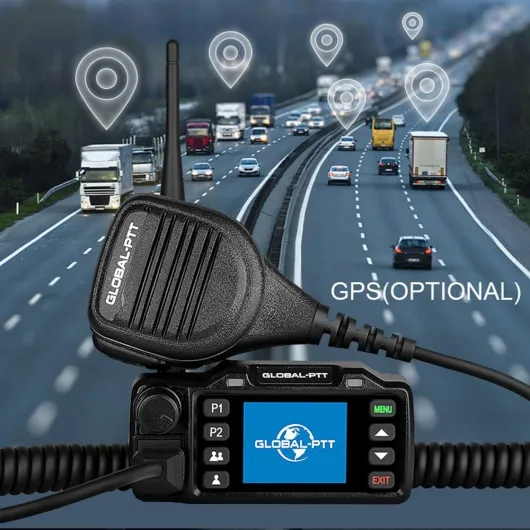
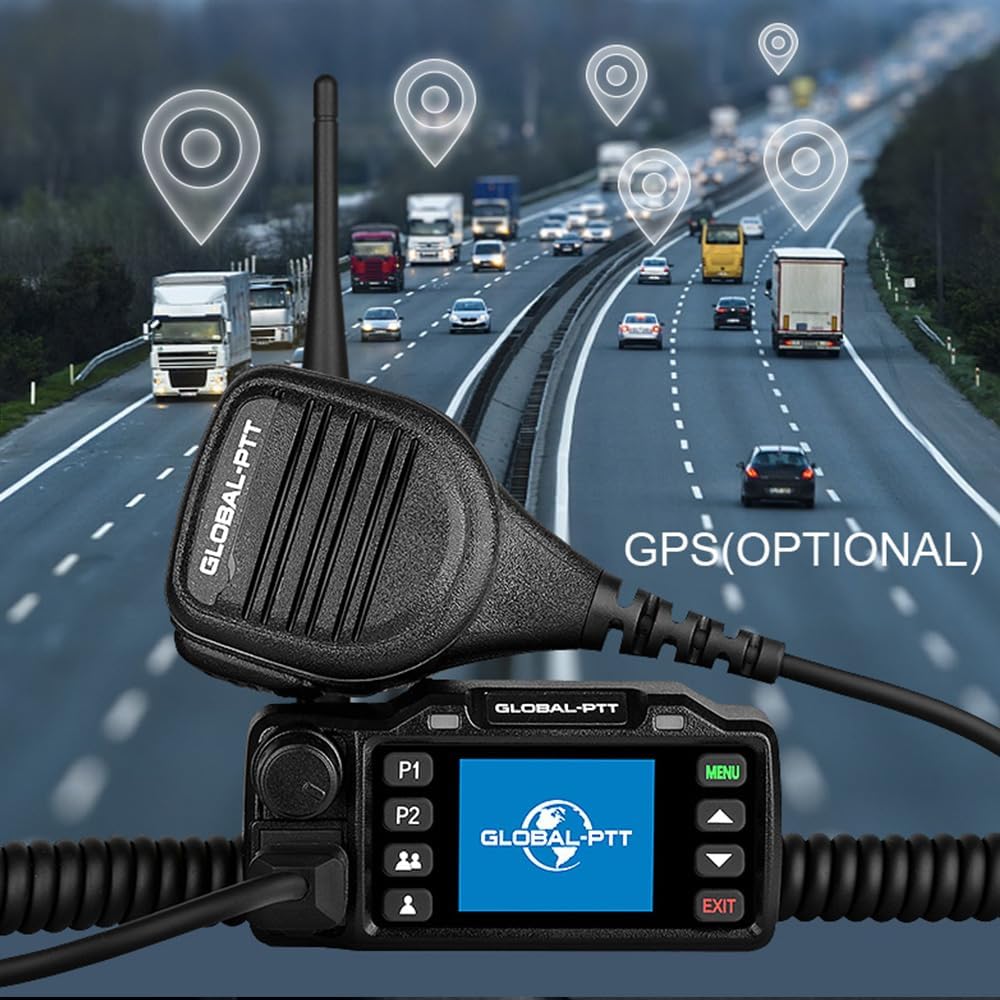
On most yachts, the primary VHF marine radio is a fixed mount unit installed at the interior navigation station or at the flybridge helm. This fixed installation allows a clean cable run for the antenna, stable power connections, and integration with other marine electronics such as chartplotters and AIS receiver modules. When evaluating the best marine VHF radios for boats, look for fixed mount models that offer a large dot matrix display, intuitive menu structures, and clear status icons for GPS, DSC, and AIS functions.
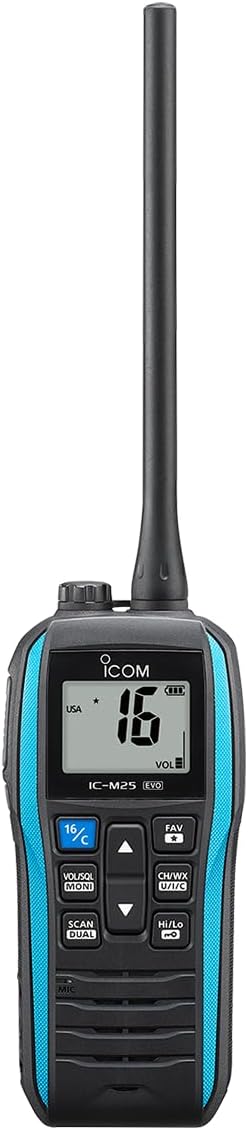
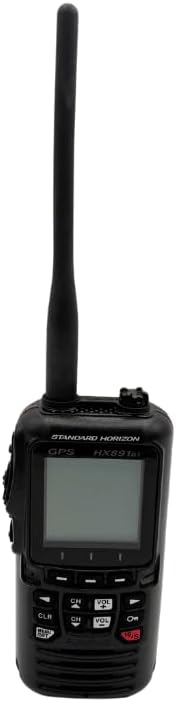
Handheld VHF radios, by contrast, live or die by their battery life and charging options. A handheld VHF radio with poor battery life quickly becomes a liability during long passages or extended tender operations away from the mothership. Serious cruising crews should maintain at least two handheld VHF radios with fresh battery accessories, while relying on a powerful fixed mount VHF marine radio as the primary communication tool for offshore legs.
Key safety features that define the best marine VHF radios for boats
Modern marine VHF radios have evolved far beyond simple voice communication, especially on safety focused yachts. The integration of built in GPS, DSC distress calling, and AIS receiver functions has transformed the VHF radio into a central safety instrument that complements radar and chartplotters. When you evaluate the best marine VHF radios for boats, prioritize models that combine a built in GPS receiver with a clear matrix display or dot matrix screen showing position, time, and distress status in real time.
Digital Selective Calling allows a marine radio to send a formatted distress message that includes your MMSI identity and, when connected to GPS, your exact coordinates. Many Icom and Standard Horizon marine radios now include a built in GPS module, eliminating the need to fill complex NMEA wiring diagrams just to feed position data into the VHF marine set. Yacht owners who cruise in busy shipping lanes should also consider marine radios with an integrated AIS receiver, which overlays nearby vessel targets on a large dot matrix display or forwards them to other marine electronics.
Safety equipment on a yacht extends beyond the VHF radio, but communication remains the core. A handheld VHF with DSC and GPS can be clipped to a lifejacket, providing a personal safety link if a crew member falls overboard while using diving fins or snorkeling gear sourced from a specialist diving fins guide. For bluewater passages, pairing a fixed mount VHF marine radio with AIS, a backup handheld VHF radio, and redundant GPS receiver units creates a layered safety strategy that aligns with professional offshore standards.
Installation, mounting, and integration with yacht marine electronics
Thoughtful installation of marine VHF radios is as critical as the brand you choose. A fixed mount VHF radio should be positioned where the helmsman or navigator can reach the controls easily, read the matrix display clearly, and monitor audio without strain during heavy weather. On larger yachts, many owners install one fixed mount VHF at the interior chart table and a second marine radio at the flybridge, often using a remote microphone to extend control.
Proper antenna placement dramatically influences VHF marine performance, because range depends on antenna height above the waterline. Mount the VHF antenna as high as practical on the mast or radar arch, and use low loss coaxial cable to preserve transmit power and reception sensitivity. When integrating the best marine VHF radios for boats into a broader marine electronics network, ensure that GPS, AIS receiver modules, and other accessories communicate via standardized NMEA protocols rather than improvised wiring that is difficult to troubleshoot.
Brands such as Icom and Standard Horizon offer fixed mount VHF radios designed to integrate seamlessly with chartplotters, AIS transponders, and other marine electronics. Some Icom models, for example, include a built in GPS receiver and AIS receiver in a single compact marine radio chassis, reducing installation complexity and saving valuable panel space. Dedicated yacht owners should work with qualified marine electricians to mount VHF radios securely, protect power feeds with appropriate fuses, and route cables away from high current lines that could introduce interference.
Maintenance routines to protect VHF performance and battery life offshore
Once installed, the best marine VHF radios for boats demand regular maintenance to remain trustworthy on long yacht passages. Salt, vibration, and temperature swings can degrade connectors, microphones, and mounting hardware, eventually compromising VHF marine performance at the worst possible moment. A disciplined maintenance schedule treats the marine radio as critical safety equipment, not just another piece of electronics on the helm console.
Inspect the antenna connection, coaxial cable, and fixed mount VHF chassis at least once per season, looking for corrosion, loose fittings, or water ingress. Clean microphone contacts, check that every button on the matrix display interface responds correctly, and verify that GPS and DSC functions still operate by performing controlled test calls where permitted. For handheld VHF radios, rotate batteries, test chargers, and log actual battery life under real use, rather than trusting the nominal figures printed on accessories packaging.
Many yacht owners underestimate how quickly a neglected VHF radio can lose transmit power or suffer intermittent failures. Including the VHF marine system in your broader maintenance plan, alongside tasks such as hull cleaning and applying high quality anti fouling coatings from a specialist marine anti fouling paint guide, keeps safety equipment aligned with the yacht’s overall condition. Treat both fixed mount VHF radios and handheld units as consumable safety assets, ready for replacement when battery life, display clarity, or audio output no longer meet demanding offshore standards.
Choosing between Icom, Cobra, and Standard Horizon for serious yacht cruising
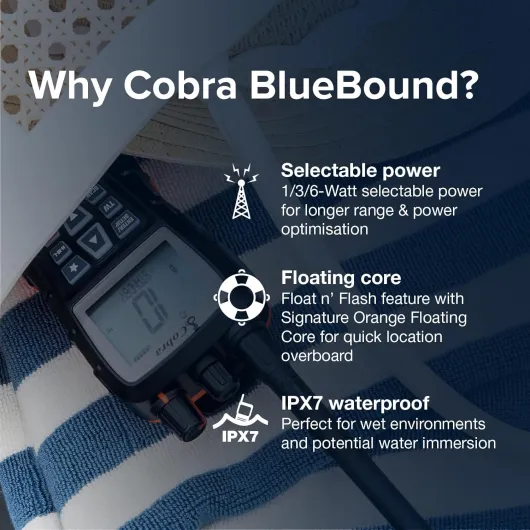
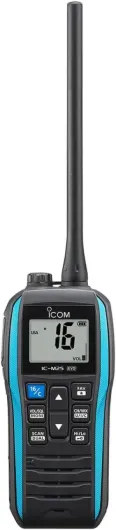
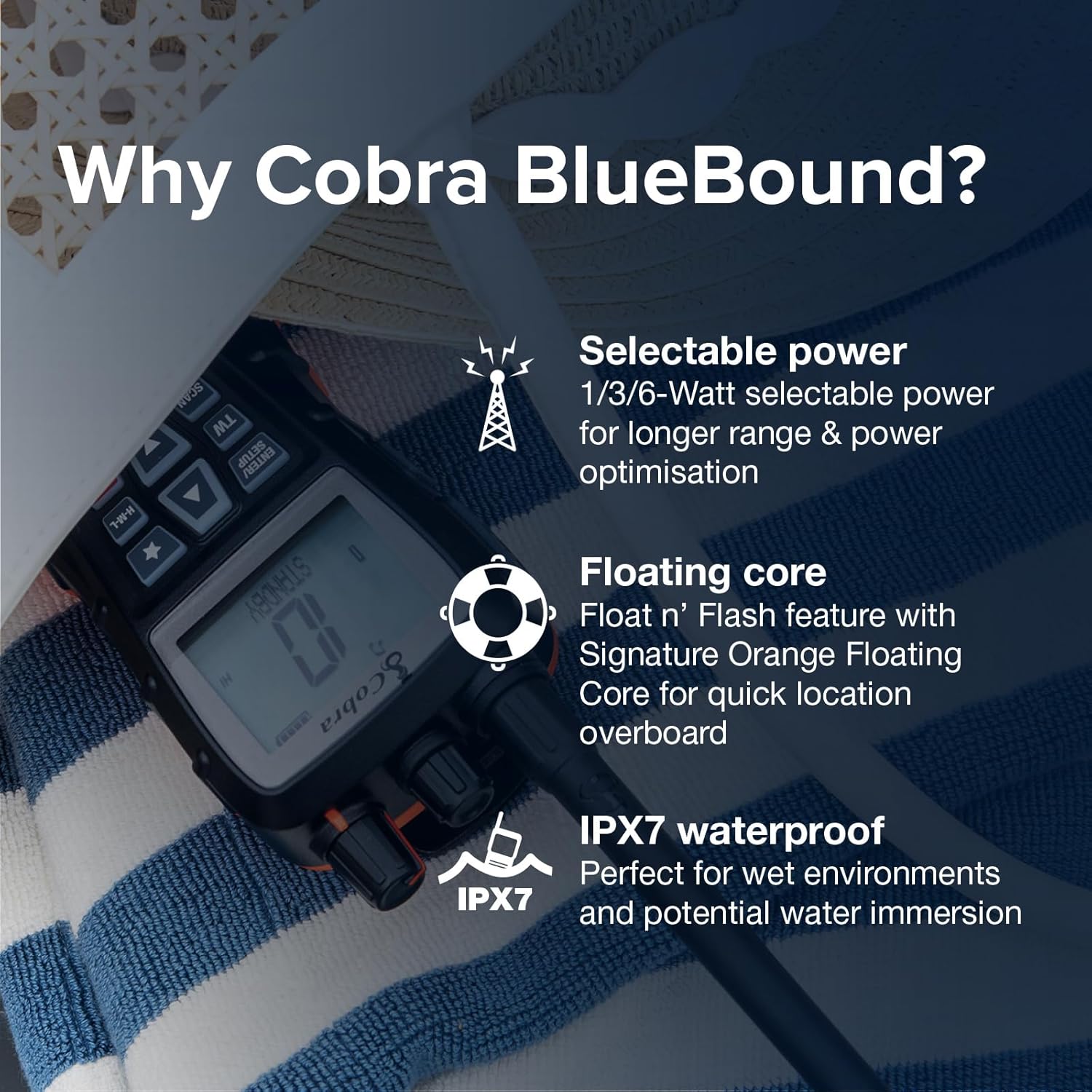
For dedicated yacht owners comparing brands, the field of best marine VHF radios for boats usually narrows to Icom, Cobra, and Standard Horizon. Icom marine VHF radios are renowned for rugged construction, clear audio, and advanced options such as models with integrated AIS receiver and built in GPS receiver modules. Cobra VHF radios often appeal to coastal cruisers seeking strong value, intuitive controls, and solid battery life in both fixed and handheld formats.
Standard Horizon marine radios have earned a loyal following among offshore sailors for their reliable DSC implementation, large dot matrix display layouts, and thoughtful ergonomics. Many Standard Horizon fixed mount VHF models integrate seamlessly with AIS and GPS, presenting critical data on a crisp matrix display that remains legible in bright sunlight. When evaluating specific marine radios, compare transmit power ratings, waterproof certifications, interface clarity, and how easily the unit will mount VHF brackets in your existing helm layout.
Regardless of brand, prioritize marine VHF radios that support real time position sharing, clear DSC distress functions, and robust integration with your yacht’s broader marine electronics suite. A well chosen VHF radio, whether from Icom, Cobra, or Standard Horizon, becomes the communication anchor that ties together AIS targets, GPS tracks, and voice coordination among crew and nearby vessels. For long range cruising yachts, pairing a premium fixed mount VHF marine radio with at least one high quality handheld VHF ensures redundancy, flexibility, and confidence when weather or traffic density raises the stakes offshore.
Key figures and technical benchmarks for yacht VHF safety
- Typical fixed mount marine VHF radios transmit at 25 watts, while handheld VHF units usually offer 5 to 6 watts, which means fixed installations can reach significantly farther in open water when paired with a masthead antenna.
- Digital Selective Calling has been adopted on the majority of new marine radios sold for recreational vessels, and regulators in many regions now strongly recommend that every yacht VHF radio be DSC capable and registered with a valid MMSI number.
- A well installed masthead VHF antenna on a sailing yacht can provide a communication range of 30 nautical miles or more to a high coastal station, compared with roughly 5 to 10 nautical miles for a handheld VHF used at deck level.
- Many modern marine VHF radios with built in GPS receiver modules can acquire a position fix within 30 seconds of power up, which allows a DSC distress alert to include accurate coordinates almost immediately after activation.
- Waterproof ratings such as IPX7 or IPX8 on handheld VHF radios indicate that the unit can withstand immersion for at least 30 minutes at specified depths, a critical benchmark for man overboard scenarios on offshore yachts.
Comparison table: example yacht VHF radios and key specifications
| Model |
Type |
Transmit power |
DSC / GPS / AIS |
Waterproof rating |
| Icom IC-M510 |
Fixed mount |
25 W |
Class D DSC, optional external GPS interface, AIS via NMEA |
IPX7 |
| Cobra MR F57B |
Fixed mount |
25 W |
Class D DSC, built in GPS receiver, AIS compatible |
IPX8 |
| Standard Horizon GX2400 |
Fixed mount |
25 W |
Class D DSC, integrated GPS, AIS receiver |
IPX8 |
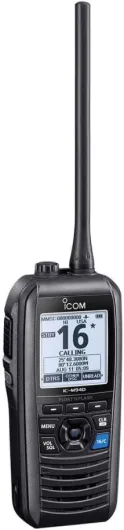
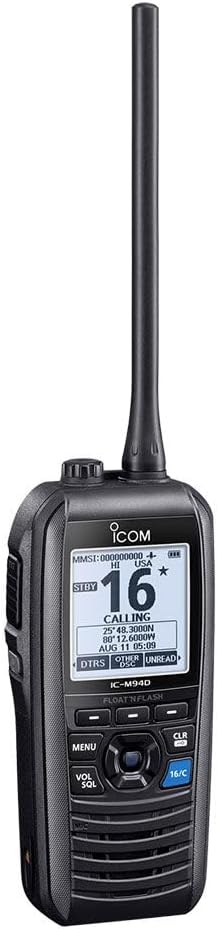
| Icom IC-M94D |
Handheld |
6 W |
DSC, internal GPS, AIS receiver |
IPX7 |
| Standard Horizon HX890 |
Handheld |
6 W |
DSC, internal GPS, no AIS |
IPX8 |
For detailed technical data, consult manufacturer documentation such as the Icom IC-M510 manual and the Standard Horizon GX2400 datasheet, which list full NMEA interface options, power consumption figures, and installation notes.