Choosing between rigid and flexible solar panels on yachts
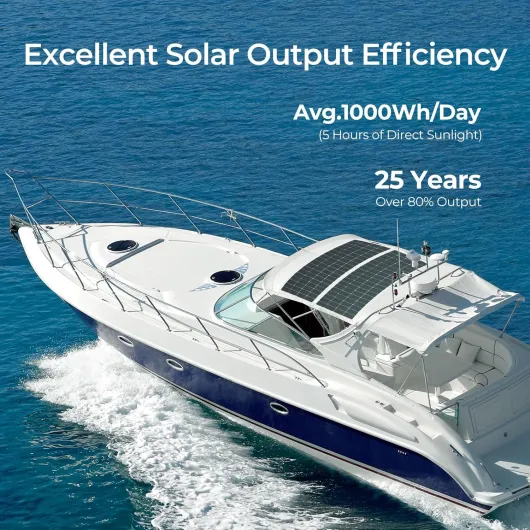
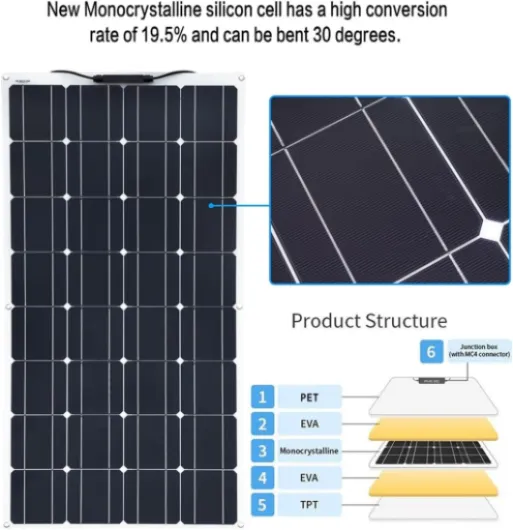
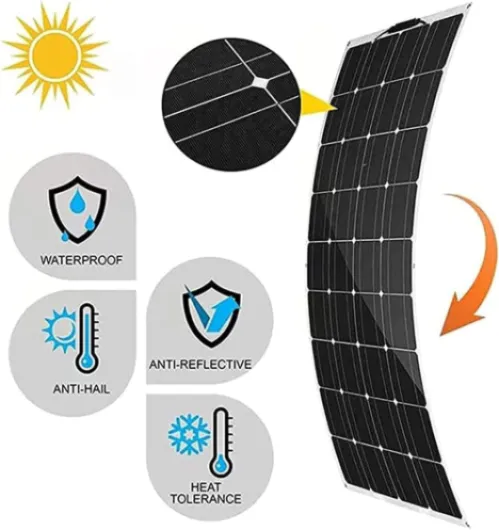
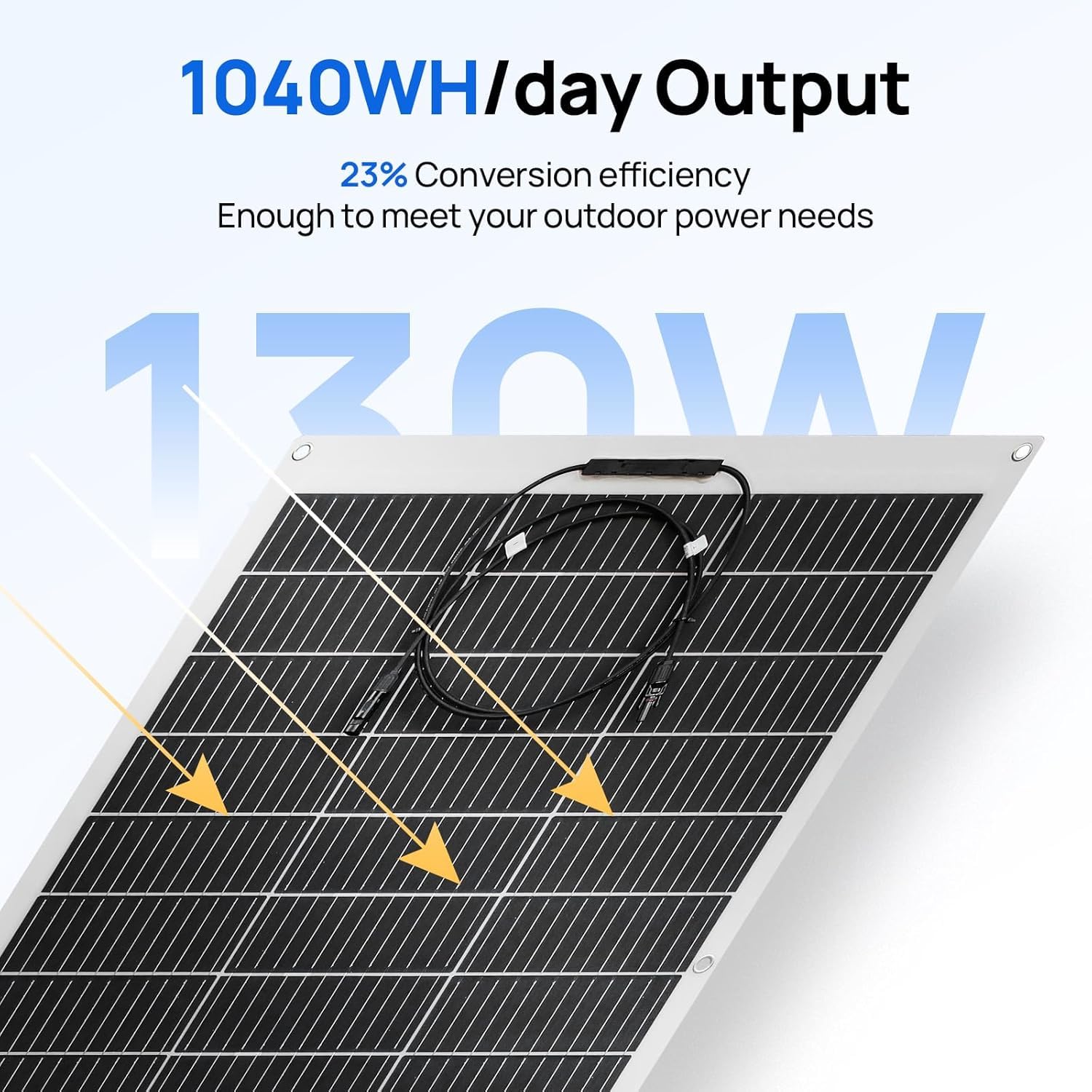
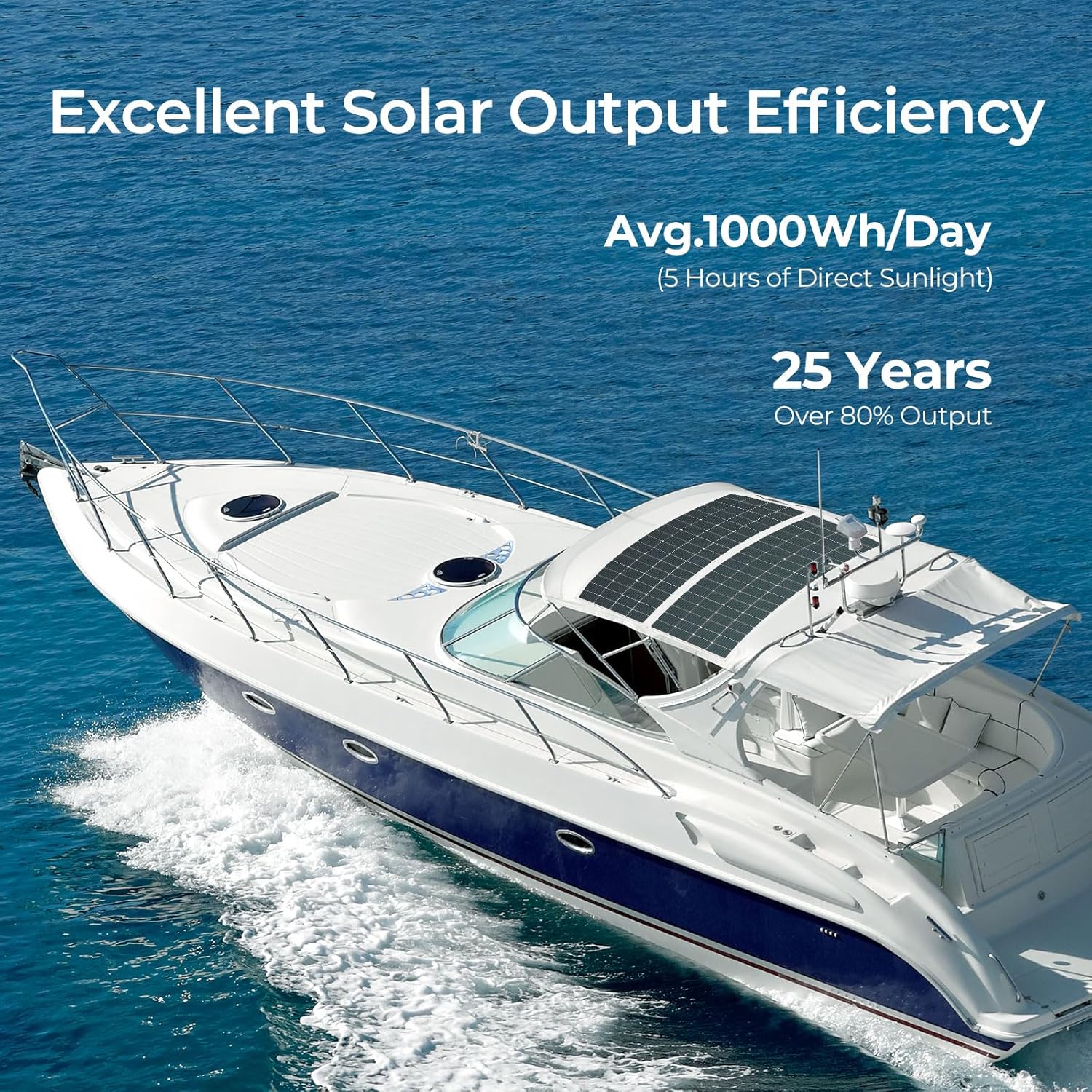
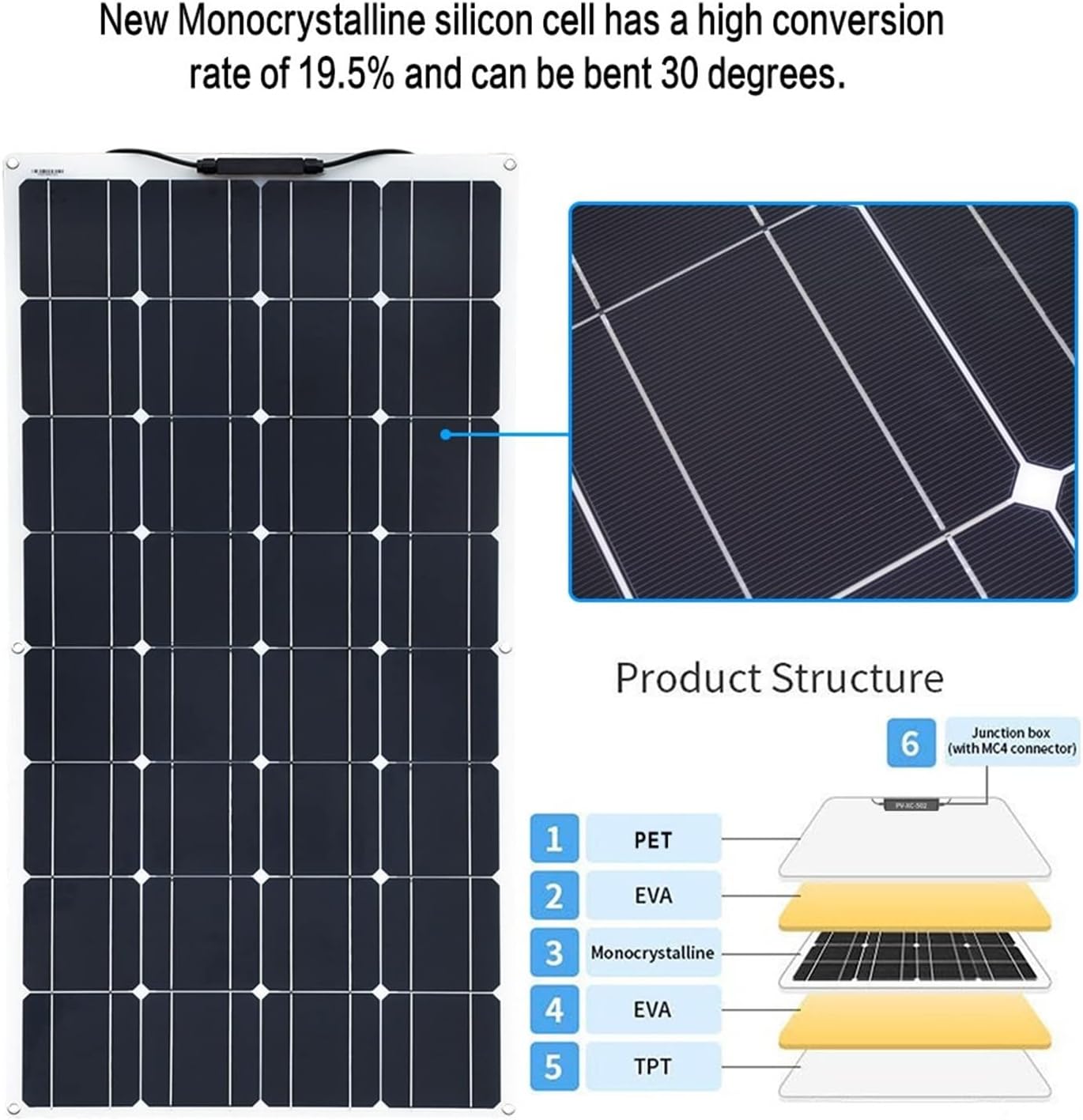
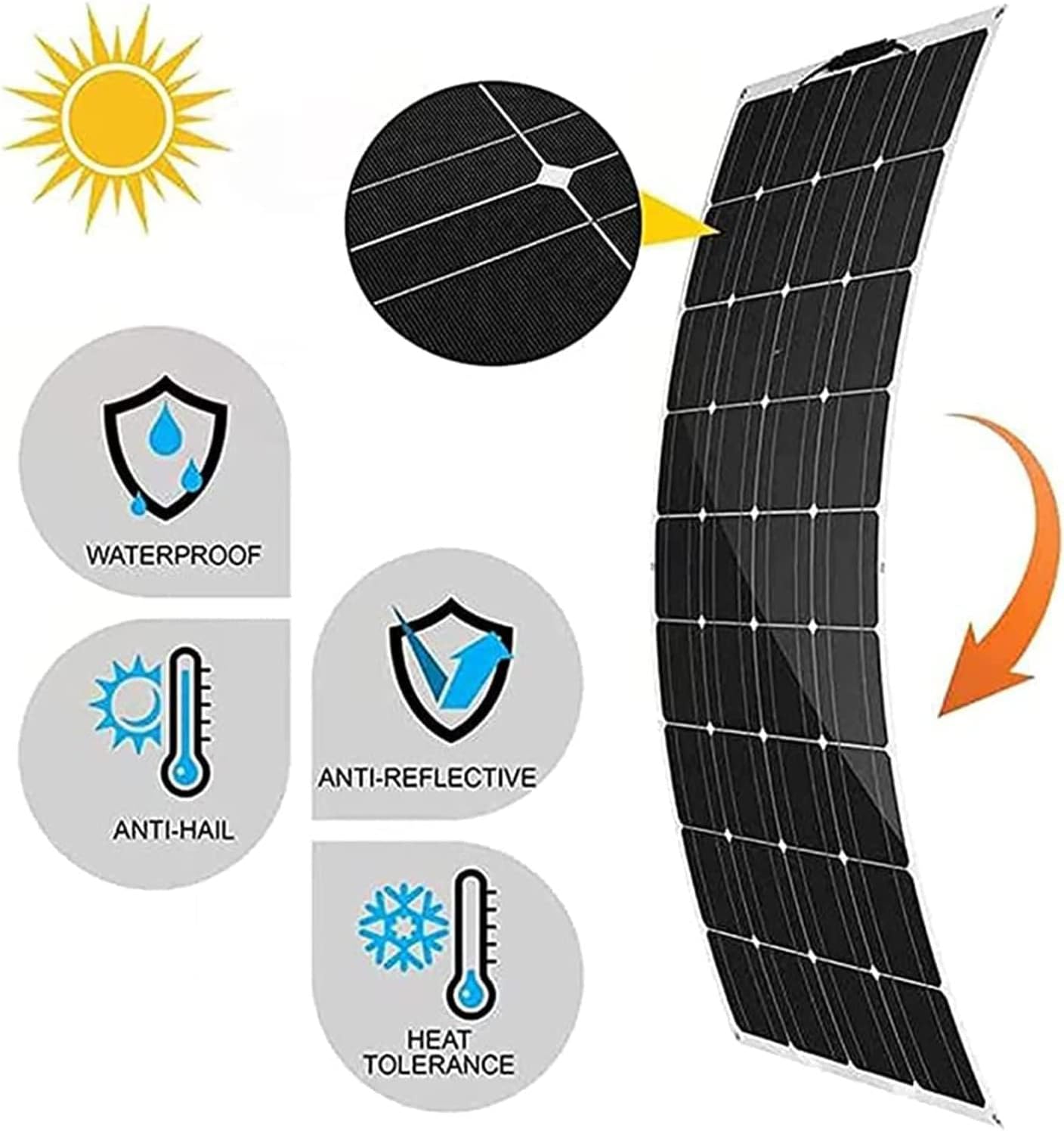
One of the first decisions when selecting the best marine solar panels for boats is whether to use rigid framed modules or flexible solar panels. Traditional framed solar panel designs offer excellent high efficiency and a competitive price per watt, but they require robust panel mounting structures that can alter the lines of a sleek yacht. Flexible solar modules follow the camber of a deck or bimini, reducing windage and visual impact while still delivering meaningful solar power to your battery system.
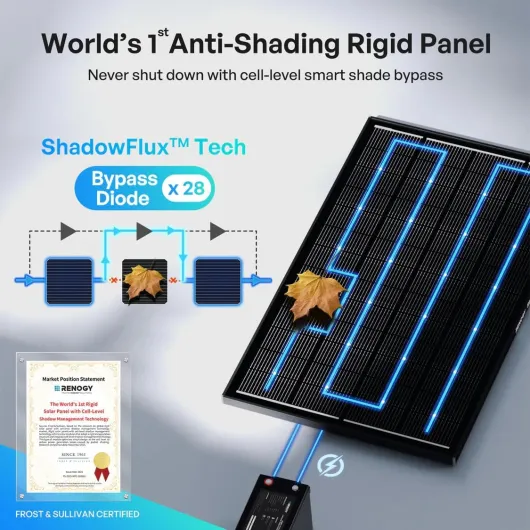
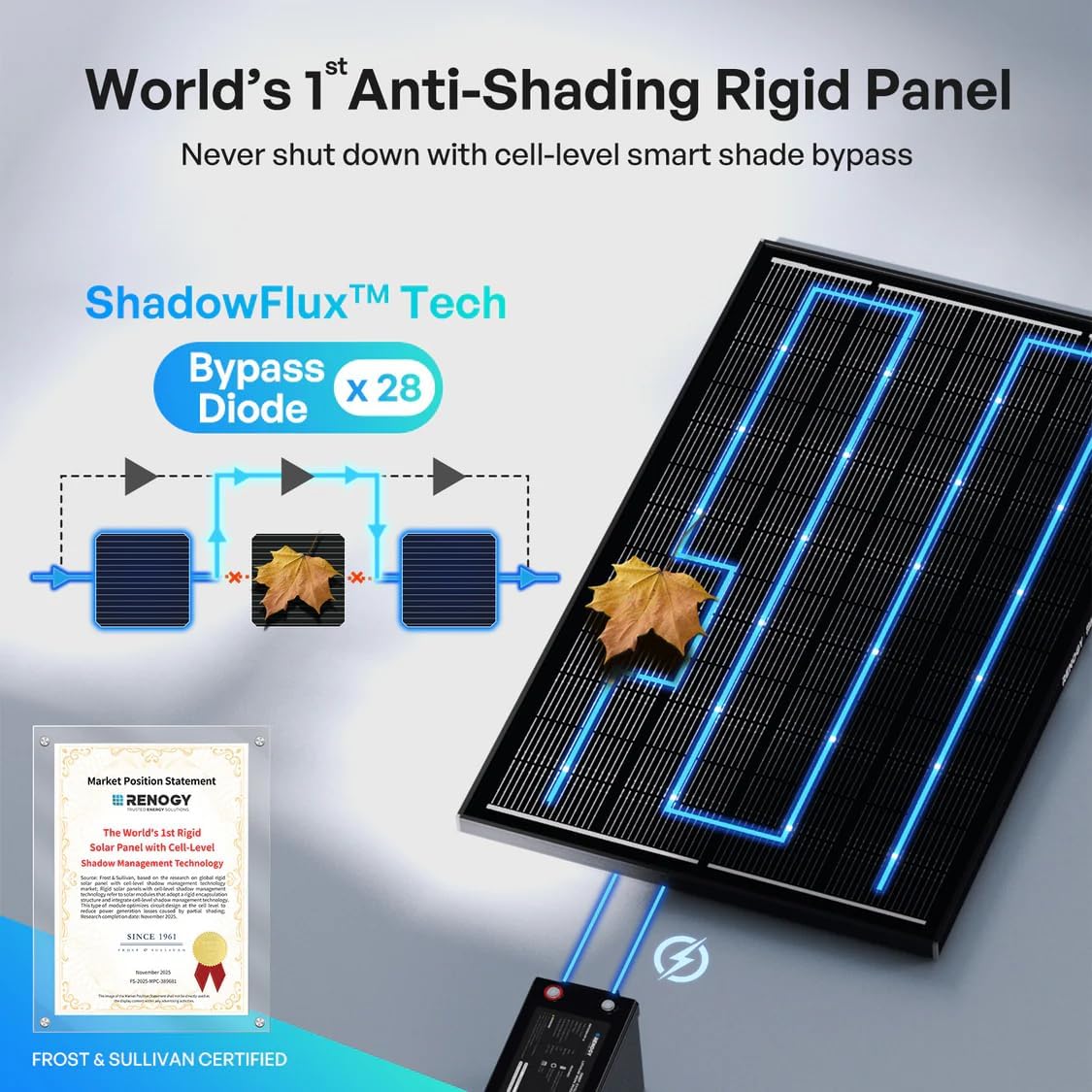
On many sailing yacht and power boat installations, owners combine rigid and flexible solar solutions to balance aesthetics, power, and safety. Rigid marine solar panels often sit on arches or davits, while flexible solar panels are bonded to hardtops or lashed to lifelines for temporary use during long passages. When planning panel mounting, remember that shaded solar cells in a single panel can dramatically reduce watt output, so avoid placing panels behind radar masts, booms, or tall deck hardware such as oversized boat cleats for docking.
From a financial perspective, compare regular price and sale price offers carefully, but do not let the lowest price watt metric be your only guide. High quality flexible solar modules with premium encapsulation and UV resistant surfaces often justify a higher price because they maintain power output longer in harsh marine environments. For yacht passionate readers, the best marine solar panels for boats are those that preserve the yacht’s elegance while delivering dependable watt hours season after season.
Integrating marine solar with batteries, MPPT, and onboard systems
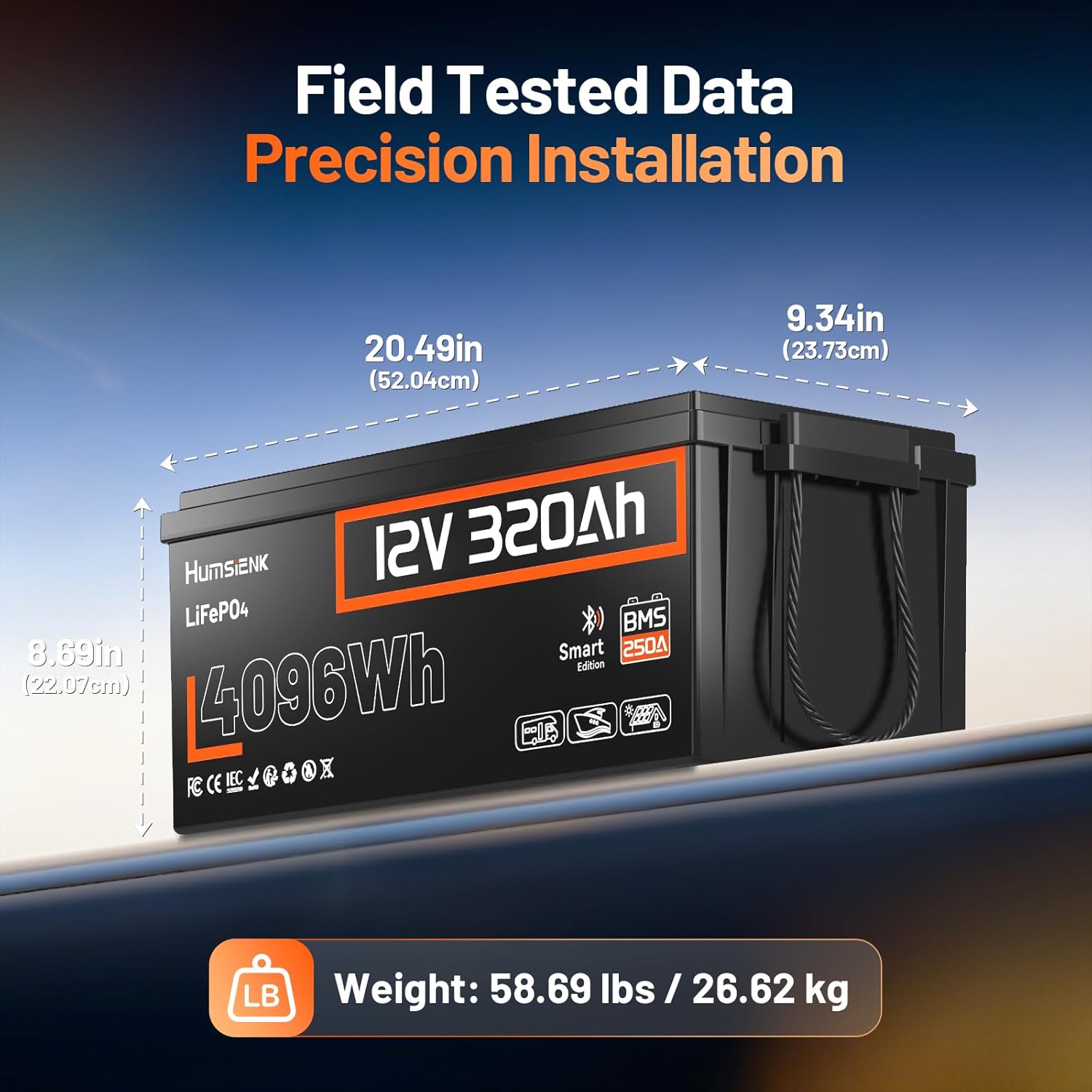
Even the best marine solar panels for boats underperform if the downstream system is poorly engineered. A modern marine solar installation starts with a clear understanding of daily amp hours consumed by refrigeration, lighting, navigation electronics, watermakers, and entertainment systems. Once you know those amp hours, you can size solar panels, MPPT charge controller capacity, and battery bank storage so that solar power covers most of your typical load during daylight hours.
Brands such as Victron Energy have become benchmarks in yacht electrical upgrades because their MPPT and SmartSolar MPPT controllers extract more energy from solar cells under variable light. A well matched Victron Energy SmartSolar MPPT unit continuously tracks the optimal voltage and current point, ensuring that each solar panel delivers maximum watt output even when clouds or rigging cause partial shading. When combined with lithium or advanced AGM battery banks, this approach turns marine solar into a primary energy source rather than a token trickle charge system.
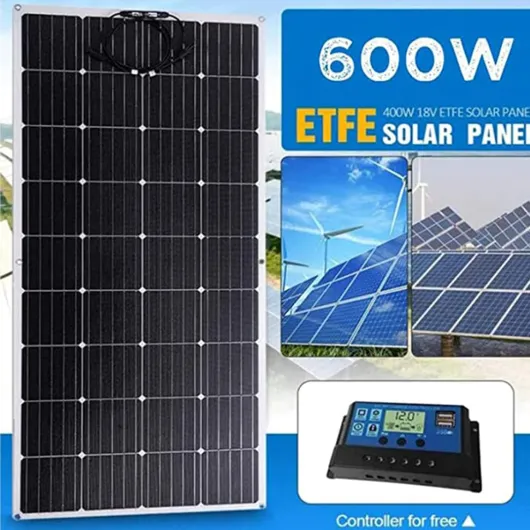
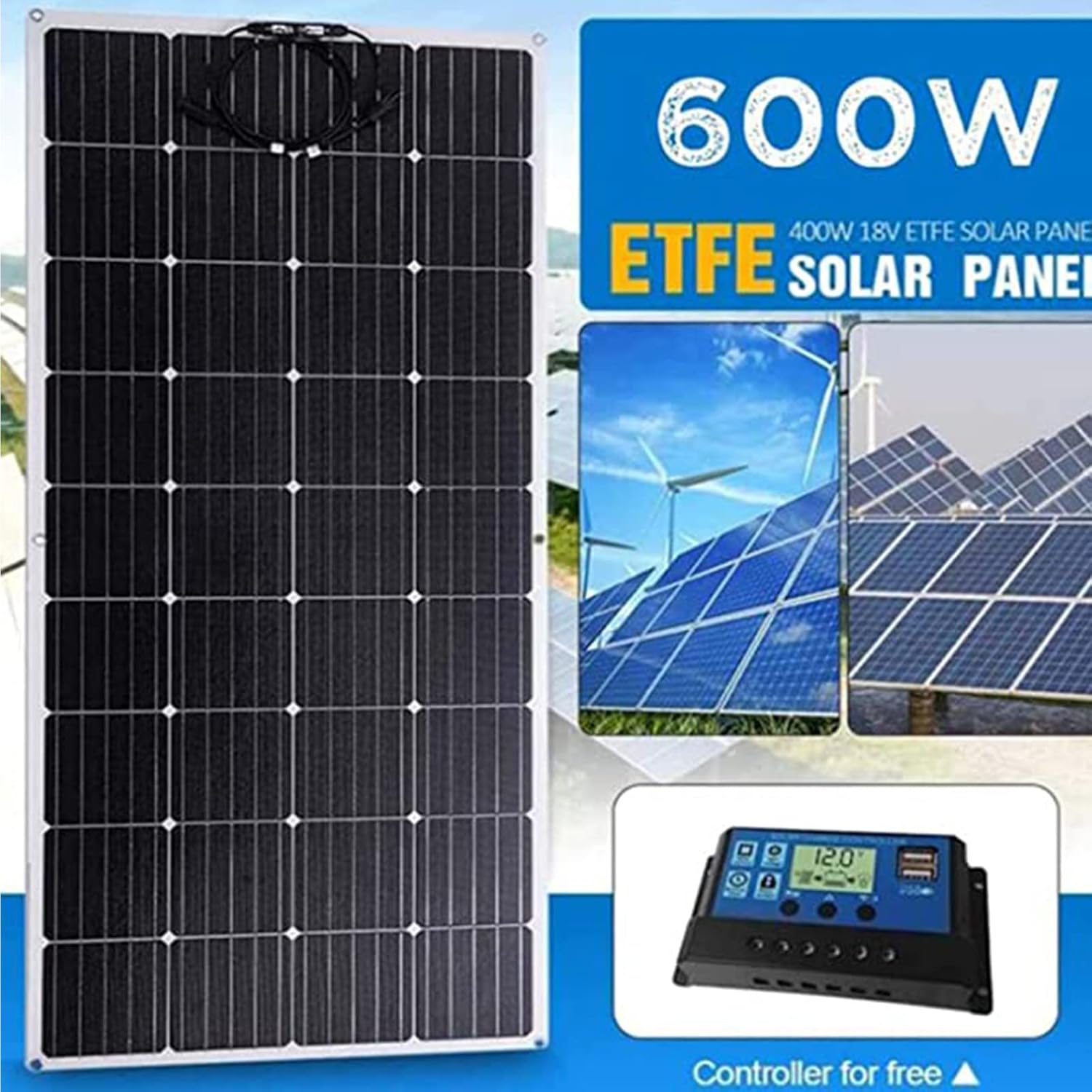
On cruising yachts with large refrigeration loads, pairing the best marine solar panels for boats with efficient marine refrigerators for boats, such as those reviewed in this marine refrigerator guide, can dramatically reduce generator run time. As a concrete example, a 600 watt array on a 12 volt system that averages 5 peak sun hours can produce roughly 250 amp hours per day (600 W × 5 h ÷ 12 V ≈ 250 Ah) before system losses, enough to cover typical house loads on many cruising yachts. When the solar panels, MPPT charge controller, and battery bank are in harmony, owners enjoy longer quiet hours at anchor with full confidence in their onboard power reserves.
Maintenance tips to keep marine solar panels performing at their best
Even the best marine solar panels for boats lose performance if neglected in the harsh saltwater environment. Salt spray, dust, and bird droppings reduce the effective light reaching solar cells, cutting watt output and lowering daily amp hours harvested. A simple routine of rinsing each panel with fresh water and gently wiping with a soft cloth every few days at anchor will preserve both high efficiency and long term clarity of the panel surface.
Inspect panel mounting hardware regularly, because loose fasteners or degraded sealant can allow movement that stresses the panel frame or flexible solar laminate. On yachts that heel significantly, repeated flexing of poorly supported flexible solar panels can cause micro cracks in solar cells, which gradually reduce power and may not be obvious until you compare expected watt hours with actual readings. During these inspections, also check cable glands, junction boxes, and MC4 connectors for corrosion, as high resistance joints waste valuable solar power as heat.
Electrical maintenance is just as important as cleaning when protecting your investment in marine solar technology. Periodically confirm that your MPPT or SmartSolar MPPT charge controller is correctly programmed for your specific battery chemistry and that temperature compensation is active. Yacht passionate owners who log daily solar power production, battery voltage, and amp hours in a simple spreadsheet quickly notice deviations, allowing them to address issues before they compromise the overall solar system.
Tech upgrades: smart monitoring, safety, and redundancy for yacht solar
Once the best marine solar panels for boats are installed and maintained, the next step for yacht passionate owners is refining the technology around them. Smart monitoring solutions, often integrated into Victron Energy systems, allow you to track real time solar power production, battery state of charge, and cumulative watt hours via smartphone or chartplotter. This visibility turns energy management into a precise discipline rather than guesswork, especially on long passages where every amp hour matters.
Safety upgrades should evolve alongside your solar system, because more electrical power on board increases the stakes in an emergency. High quality fuses, isolation switches, and clearly labelled wiring runs reduce the risk of faults, while redundancy in both solar panels and charge controller circuits ensures that a single failure will not darken the yacht. For offshore cruisers, pairing a robust marine solar installation with reliable emergency equipment such as the EPIRB beacons reviewed in this marine EPIRB emergency beacon guide creates a holistic safety net.
Tech upgrades also extend to integrating solar power with other onboard systems such as electric winches, bow thrusters, and advanced navigation suites. As these loads grow, owners often add extra panels boat side on davits or rail mounts, along with additional MPPT units to keep each solar panel string within optimal voltage ranges. The result is a layered solar system where multiple high efficiency arrays, smart monitoring, and carefully planned redundancy work together to keep the yacht powered gracefully in all conditions.
Evaluating value: price, performance, and long term return on yacht solar
For many yacht owners, the financial side of choosing the best marine solar panels for boats is as important as the technical one. While regular price and promotional sale price offers can be tempting, the real metric that matters is long term cost per delivered watt hour over the life of the solar system. High quality marine solar panels with robust encapsulation, corrosion resistant frames, and proven high efficiency solar cells often justify a higher initial price because they maintain power output longer in harsh marine conditions.
When comparing options, look beyond the headline watt rating and examine independent test data, warranty terms, and real world reviews from similar yachts. A panel with a slightly higher price watt figure but better low light performance and slower degradation can deliver more total energy over thousands of hours of operation. Owners who track their solar power production, fuel savings, and reduced generator maintenance often find that premium panels, quality MPPT charge controllers, and professional panel mounting pay for themselves over several cruising seasons.
Value also includes the intangible benefits of silence, reduced engine hours, and greater freedom to anchor in remote bays without shore power. A well designed marine solar installation reduces the need for noisy generators, cuts back on fuel logistics, and extends the service life of auxiliary engines by lowering idle hours. For yacht passionate readers, that blend of refined comfort, technical elegance, and long term economic sense is what truly defines the best marine solar panels for boats.
Key figures on marine solar adoption and performance
- According to the International Renewable Energy Agency (IRENA), average solar panel module prices fell by roughly 82 percent between 2010 and 2020, significantly improving the price watt ratio for yacht installations (see IRENA, “Renewable Power Generation Costs in 2020,” IRENA, Abu Dhabi, 2021).
- Field data from long range cruising yachts often shows that a well designed marine solar array can cover 60 to 90 percent of daily amp hours for house loads, dramatically reducing generator run time; this range aligns with case studies reported in bluewater cruising forums and owner surveys compiled by yacht associations.
- Independent laboratory tests on premium marine grade panels report annual power degradation rates as low as 0.3 to 0.5 percent, similar to figures published by leading manufacturers in their IEC 61215 and IEC 61730 certification data sheets for crystalline silicon modules.
- Monitoring data from integrated Victron Energy systems indicates that MPPT controllers can harvest up to 20 to 30 percent more solar power than older PWM regulators under variable shading and temperature conditions, a gain consistent with Victron technical white papers on MPPT vs PWM performance.
- Surveys among bluewater cruisers consistently show that owners who install at least 400 to 800 watt of high efficiency marine solar capacity report significantly fewer engine hours at anchor and higher overall satisfaction with onboard energy autonomy, especially when combined with modern battery banks.