Key components that define the best marine electrical panels for boats
Every serious yacht owner should understand the core components that separate basic panels from the best marine electrical panels for boats. At the heart of any quality panel sit properly rated circuit breakers that match each electrical circuit, rather than relying on hidden fuses that fail without warning. These breakers act as resettable guardians, protecting both the boat wiring and the expensive marine electronics connected downstream.
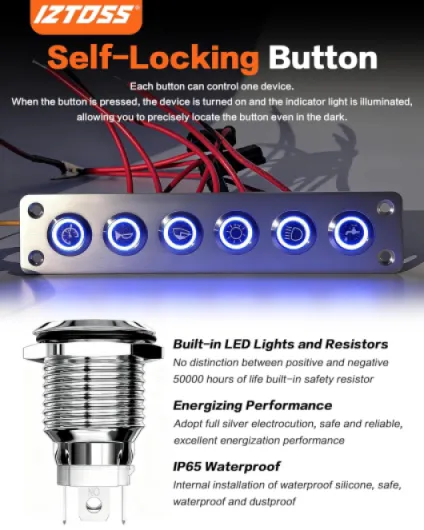
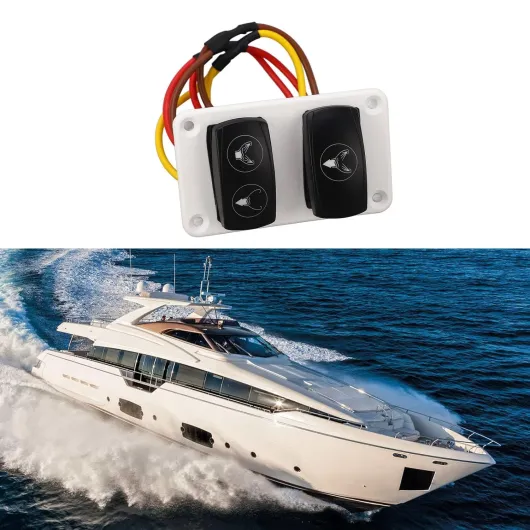
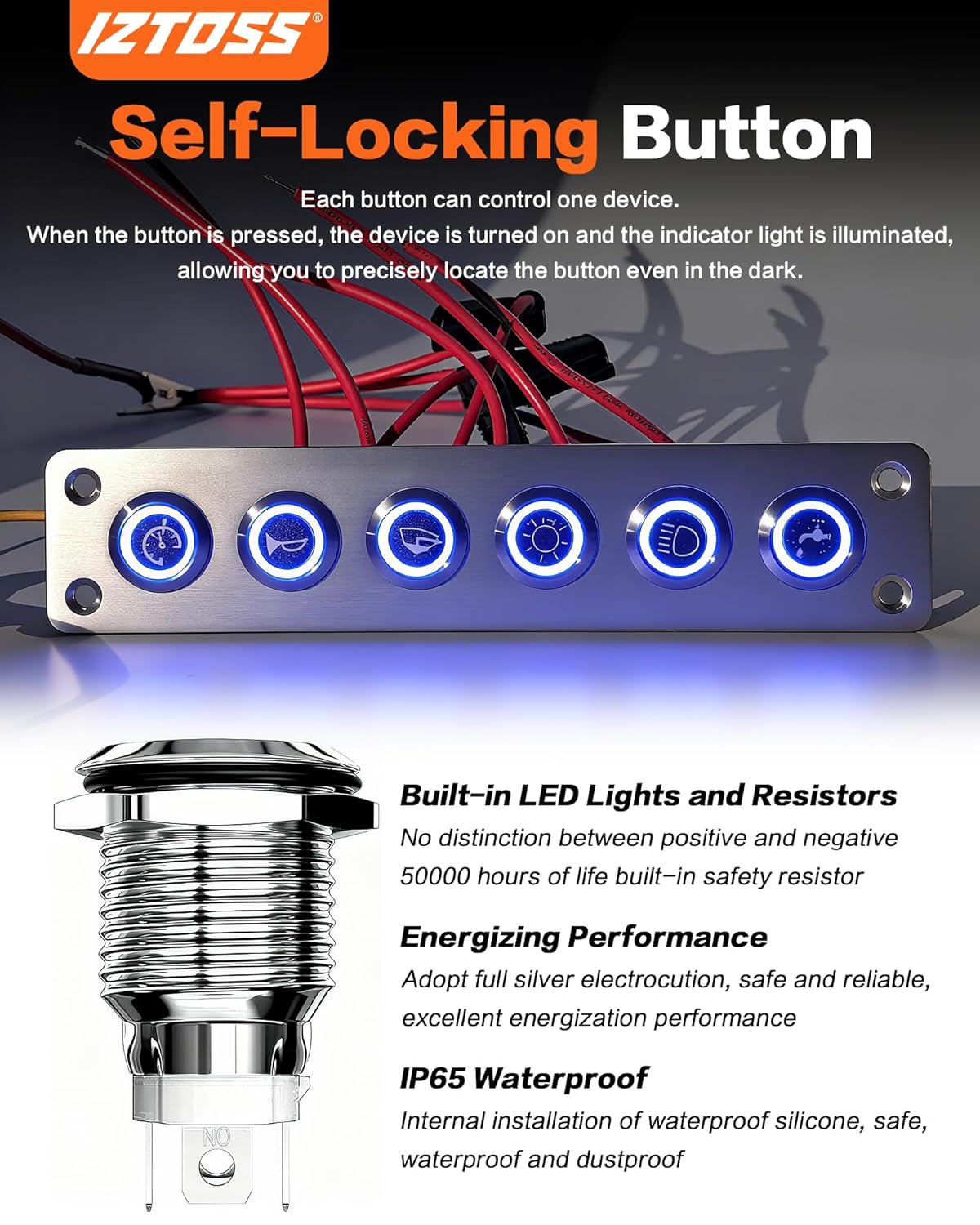
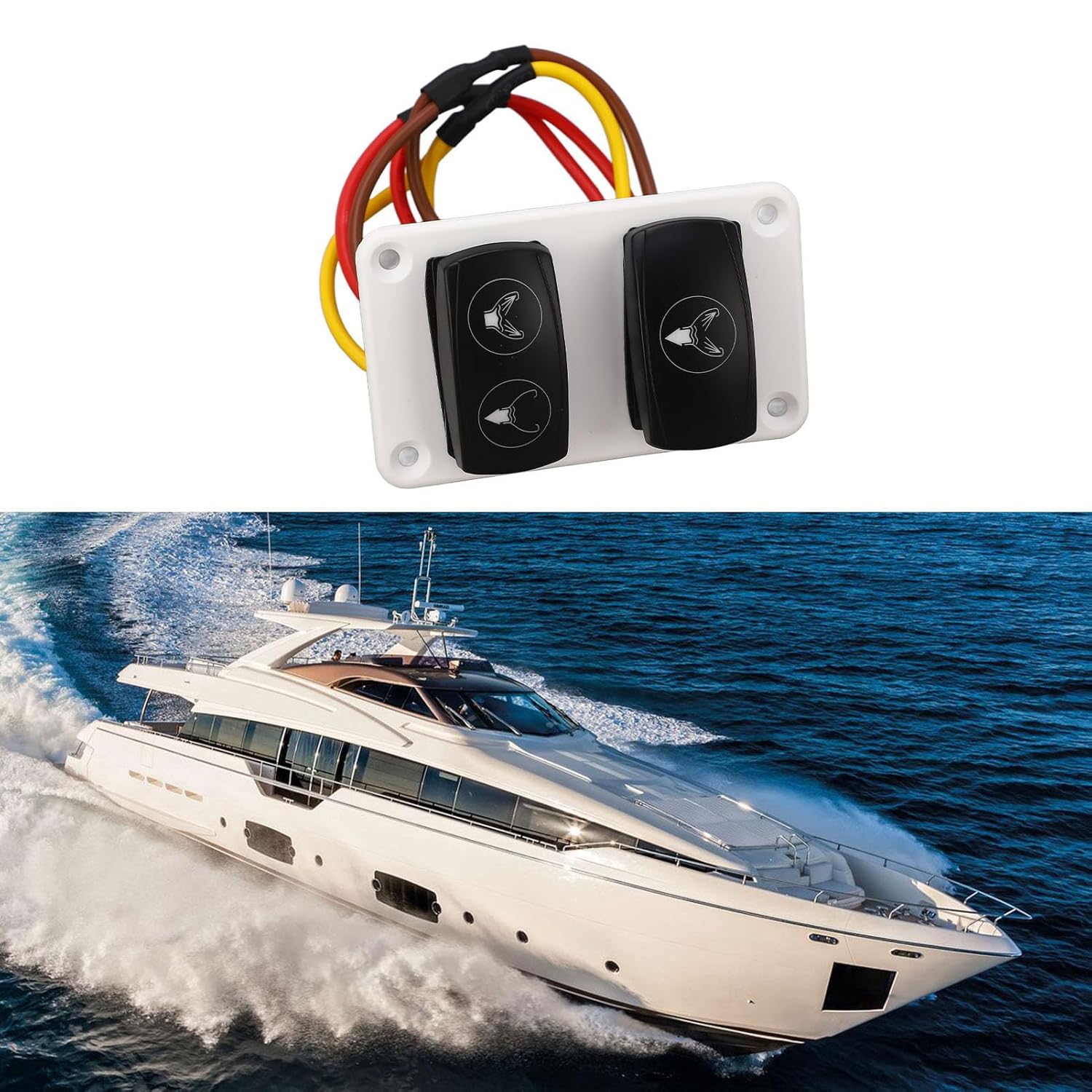
The choice of switch technology shapes how you interact with the panel during real sea conditions, especially at night or in rough weather. Many premium panels use illuminated rocker switches or LED tipped toggle switches, giving instant visual feedback on which systems are live, from deck light switch circuits to bilge pumps. Where space is tight, compact push button switches with integrated circuit breakers can combine control and protection in a single button, though they demand careful labeling to avoid confusion.
Brands such as Blue Sea Systems and BEP Marine have built reputations around robust marine panels, battery selector switches, and modular switch panels that can grow with the boat. A Blue Sea panel often pairs traditional rocker switches with clearly separated AC and DC sections, plus reverse polarity indicators for shore power safety. BEP Marine, by contrast, is known for integrated system battery management clusters that combine battery switches, monitoring, and main breakers in a compact black or blue housing ideal for performance yachts.
When you upgrade your electrical panel, align it with other critical hardware such as your anchor windlass and its dedicated circuit breakers. A high load device like a windlass should never share a breaker with lighting or electronics, and the best marine electrical panels for boats always reserve a clearly marked breaker for this system. For readers comparing hardware, a detailed guide to top anchor windlasses for boats pairs naturally with any panel refit project.
Example breaker sizing and recommended panel models
To size breakers correctly, match the rating to both wire gauge and expected continuous load. As a simplified example based on common ABYC practice, a 14 AWG conductor in a 12 volt DC branch circuit might use a 10–15 amp breaker for lighting, while a 10 AWG feed to a small windlass or high capacity pump could require a 30–40 amp breaker. Always confirm against current ABYC tables and manufacturer documentation for your specific installation.
For buyers seeking concrete options, many owners of 30–40 foot cruising yachts choose a mid size DC panel such as a Blue Sea Systems 8377 or 8385 series board, which combines around a dozen breaker positions with backlit rocker switches and a voltmeter. Larger yachts often step up to modular solutions like the Blue Sea 360 Panel System or a BEP Marine CZone compatible cluster, pairing a main battery switch cluster (for example, BEP 714-140A-DVSR) with separate sub panels for lighting, navigation electronics, and heavy duty loads.
Battery management, system architecture, and safety at sea
On a yacht that spends long periods away from shore power, battery management is as critical as hull integrity. The best marine electrical panels for boats integrate clear control over every battery, from dedicated engine start units to deep cycle house banks and any system battery reserved for navigation or communications. A well designed panel will show which battery selector position feeds each circuit, so you never unknowingly drain the engine start battery while running cabin lights and entertainment systems at anchor.
Modern sea systems often combine lithium house batteries with traditional lead acid engine batteries, demanding careful coordination through battery switches and automatic charging relays. In such mixed systems, the panel must clearly separate charging circuits, high load feeds, and sensitive electronics, often with individual circuit breakers and labeled rocker switches for each group. When a customer adds solar, a genset, or a high output alternator, the panel becomes the visible map of how energy flows through the boat electrical network.
Safety features deserve equal attention, especially for yachts that roam between marinas with varying shore power standards and potential reverse polarity risks. Quality marine panels include shore power indicators, reverse polarity warning lights, and sometimes a dedicated light switch that illuminates the panel area for night checks. When combined with robust switch covers, sealed rocker switch designs, and corrosion resistant toggle switch hardware, these details ensure that salt, spray, and vibration do not compromise critical electrical controls.
Cold storage is another area where panel planning pays dividends, because marine refrigerators can be among the heaviest continuous loads on any boat. A separate breaker and clearly labeled switch panel position for each refrigerator or freezer simplifies energy budgeting on passage and at anchor. Owners considering an upgrade can pair a new panel with guidance from a specialist review of top marine refrigerators for boats to balance comfort with electrical autonomy.
Ergonomics, aesthetics, and night usability for yacht panels
Yacht owners care about more than pure function when selecting the best marine electrical panels for boats. The panel becomes a focal point in many saloons or navigation stations, so its finish, color, and layout must complement the interior design of the boat. Many premium builders now specify satin black or deep blue anodized panels with engraved legends, pairing them with matching switch covers and discreet LED backlighting.
Ergonomics matter just as much as aesthetics when you reach for a switch panel in a seaway, perhaps while bracing with one hand. Grouping related switches, such as navigation lights, deck light switch controls, and interior lighting, allows muscle memory to develop and reduces the chance of hitting the wrong rocker switch or toggle switch in the dark. Raised guards around critical button switches, such as engine stop or emergency bilge pumps, prevent accidental activation while still allowing a firm push when needed.
Night usability is where LED technology has transformed modern marine panels, especially for offshore yachts that run complex systems around the clock. Subtle blue or red LED halos around rocker switches provide status information without destroying night vision, while dimmable panel backlighting keeps labels readable in all conditions. Some owners prefer a blue sea aesthetic, pairing Blue Sea Systems hardware with matching blue indicator lights, while others favor a minimalist black panel with only tiny push button LEDs to mark active circuits.
Thoughtful layout also extends to how you integrate ancillary controls such as boarding ladder lights, underwater lighting, and cockpit courtesy circuits. When planning a refit, consider how a new panel will coordinate with upgrades like a safer boarding solution, and consult resources such as this guide to top boat boarding ladders to align electrical and hardware changes. A coherent approach ensures that every new light, switch, and breaker feels like part of a unified yacht systems philosophy rather than a patchwork of add ons.
Tech upgrades and smart monitoring for advanced yacht systems
Tech savvy yacht owners increasingly pair the best marine electrical panels for boats with digital monitoring and control solutions. While the primary panel still relies on physical switches, breakers, and battery selector hardware for reliability, smart modules now mirror these functions on tablets and multifunction displays. This hybrid approach preserves the tactile certainty of a rocker switch or toggle switch while adding data rich insights into every electrical circuit on board.
Digital switching systems can group multiple loads behind a single virtual button, yet each underlying circuit still passes through conventional circuit breakers or electronic protection devices. For example, a single touch on a screen might activate all navigation lights, but the physical panel retains individual switches and breakers for masthead, steaming, and deck lights. This layered design means that if a digital controller fails, the boat electrical backbone remains operable through traditional switch panels and manual push button overrides.
Battery monitoring has also advanced, with shunt based meters tracking current flow into and out of each battery bank and system battery. When integrated with brands like Blue Sea Systems or BEP Marine clusters, these monitors show state of charge, estimated runtime, and even historical usage patterns that help a customer refine energy habits. Smart alarms can flag reverse polarity events, over temperature conditions at battery switches, or abnormal loads on specific circuits long before they become visible problems.
Despite the appeal of full digital control, experienced captains still insist on robust physical interfaces for critical functions such as bilge pumps, engine controls, and emergency lighting. A clearly labeled light switch, a mechanical battery selector, and a row of tactile rocker switches remain easier to operate in heavy seas than any touchscreen. The most resilient yachts therefore blend modern tech upgrades with time tested marine panel design, ensuring that every essential button, switch, and breaker can be operated by feel alone when conditions deteriorate.
Practical upgrade roadmap for yacht owners and refit projects
Planning a refit around the best marine electrical panels for boats starts with a brutally honest audit of existing systems. List every load on the boat, from navigation electronics and autopilot to water pumps, winches, and each LED light circuit, then compare that list with the current panel layout. Any unlabeled switch, shared breaker, or improvised boat switch cluster is a candidate for rationalization in the new design.
Next, define how many independent battery banks you need, including any dedicated system battery for navigation or communications, and choose appropriate battery switches and a battery selector. High quality rotary selectors from Blue Sea Systems or BEP Marine allow you to combine or isolate banks without risking alternator damage, especially when paired with automatic charging relays. Ensure that the new panel reserves main breakers for each bank, plus clearly labeled sub breakers for high draw devices such as windlasses, thrusters, and inverters.
When specifying the panel itself, decide whether you prefer rocker switches, toggle switches, or a mix, and whether you want integrated push button breakers or separate breaker rows. Many owners favor rocker switches with interchangeable switch covers and backlit legends, because they are easy to operate with wet hands and gloves. Others choose industrial style toggle switch and button switches combinations for a more technical aesthetic, often in a matte black finish that hides fingerprints and reflections.
Installation is not the moment to economize on cable quality, labeling, or protective hardware, because the sea is unforgiving of shortcuts. Use tinned marine grade wire, heat shrink terminals, and drip loops, and protect exposed switch panel faces with gaskets or covers where spray is likely. A professional marine electrician can validate breaker sizing, reverse polarity protection, and bonding, giving the customer confidence that the new panel and all associated systems will perform safely for many seasons of demanding yacht use.
Key statistics and market insights for marine electrical panels
- According to data summarized from American Boat and Yacht Council (ABYC) technical reports on small craft electrical systems, over 70% of electrical failures investigated in recreational boats originate from overloaded circuits or improperly protected wiring, underscoring the importance of correctly sized circuit breakers and fuses in every panel. Readers can review current guidance in ABYC Standard E-11, AC and DC Electrical Systems on Boats.
- Industry surveys cited by major marine insurers such as BoatUS and Pantaenius indicate that boats with professionally installed marine electrical systems experience up to 40% fewer claim events related to onboard fires or electrical damage compared with vessels using owner modified wiring, highlighting the value of certified installation and documentation.
- Manufacturers such as Blue Sea Systems report in their product literature that LED indicator and backlighting technology can reduce panel related power consumption by more than 80% compared with legacy incandescent light solutions, a significant gain for yachts relying on battery banks at anchor.
- Market analyses of yacht refits published by brokerage houses and refit yards show that comprehensive electrical upgrades, including new switch panels and battery management hardware, typically represent between 8% and 15% of a full refit budget, yet they have a disproportionate impact on reliability and resale value.
- Field studies from marine surveyors, including reports referenced by the United States Coast Guard and NFPA 302 commentary, suggest that more than half of boats over ten meters still operate with original panels lacking modern reverse polarity indication, residual current protection, or clear labeling, highlighting a large pool of yachts that would benefit from panel modernization.
References
- American Boat and Yacht Council (ABYC), Standard E-11: AC and DC Electrical Systems on Boats.
- National Fire Protection Association (NFPA) 302, Fire Protection Standard for Pleasure and Commercial Motor Craft.
- United States Coast Guard, Safety alerts and guidance on recreational boat electrical systems and fire prevention.