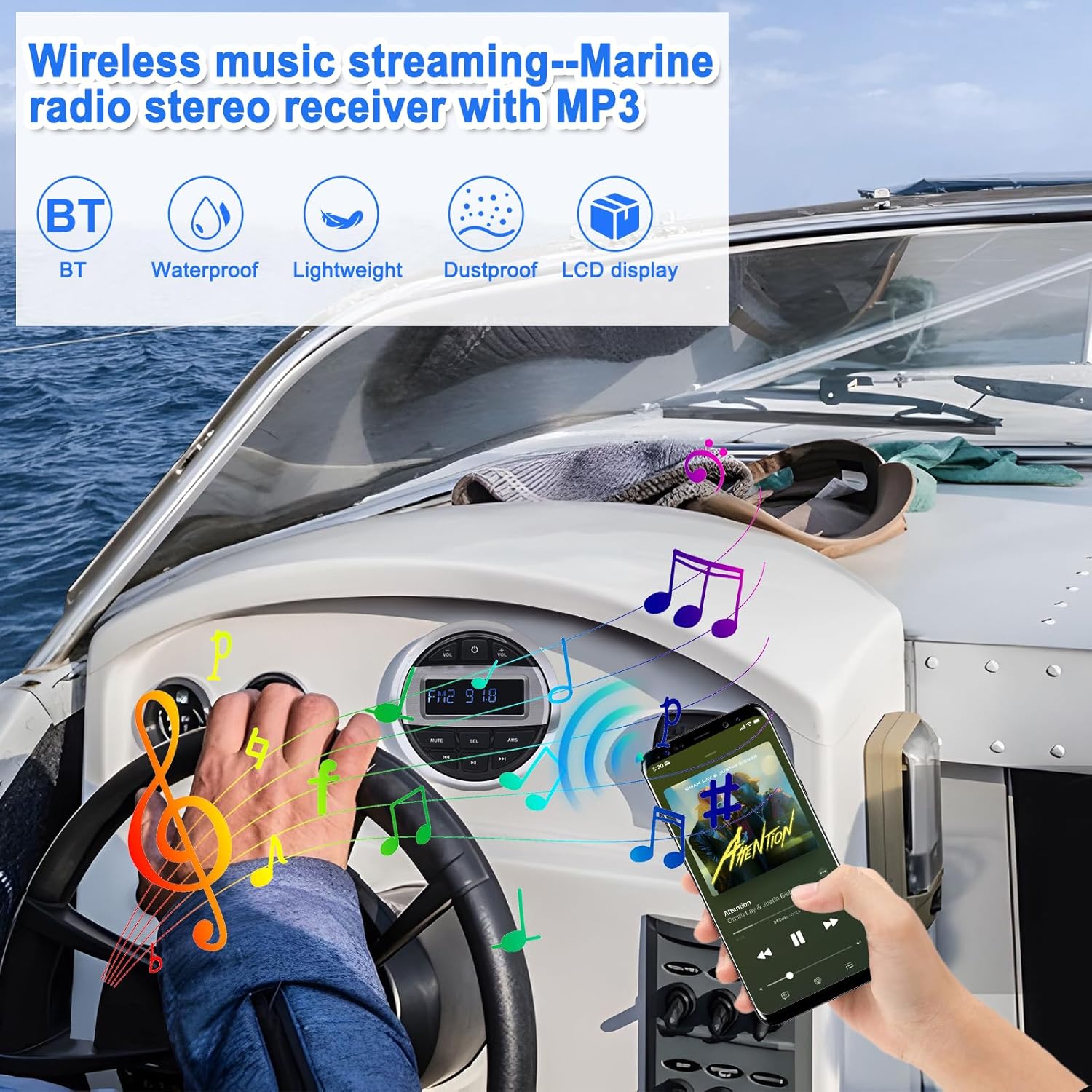
Core components of a yacht grade marine stereo architecture
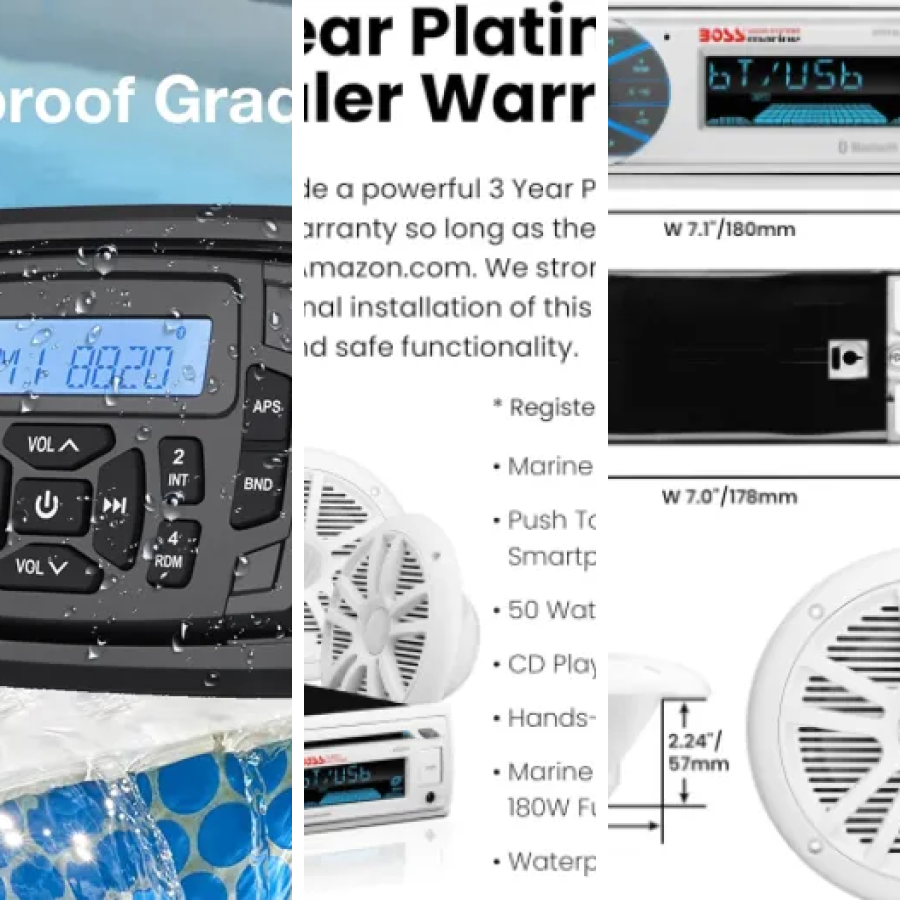
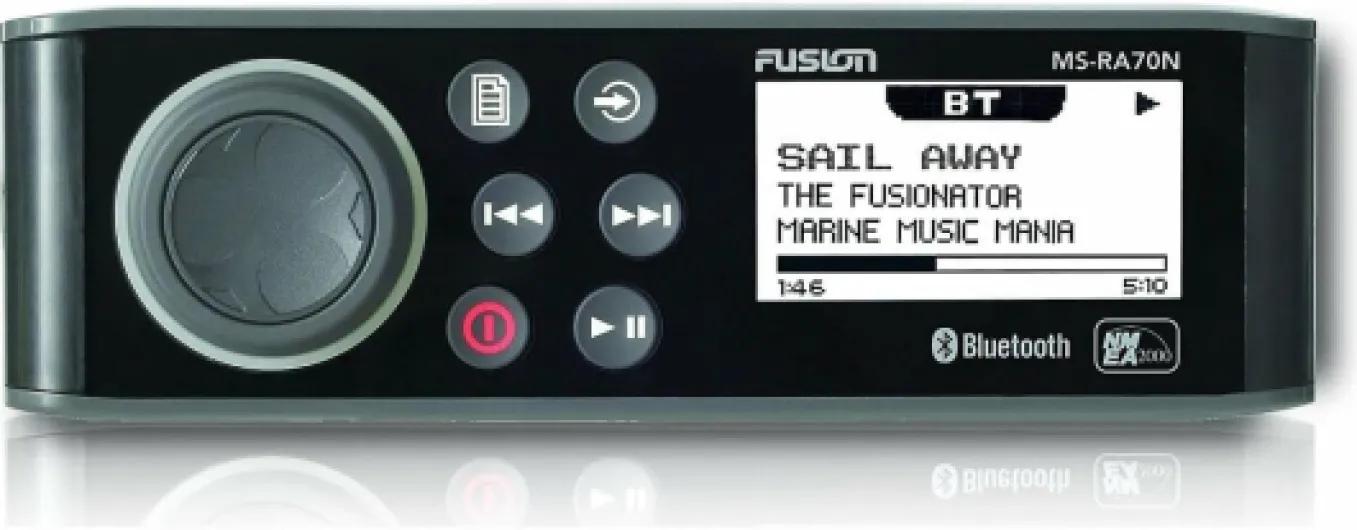
A serious yacht audio upgrade starts with the head unit, because this marine stereo “brain” manages every radio station, USB playlist, and Bluetooth stream. The best marine stereo systems for boats typically use a single-DIN or compact modular head unit that can withstand spray while still offering an easy-to-read display and intuitive controls. When the head unit is thoughtfully built, guests can change music or adjust sound zones without needing a manual.
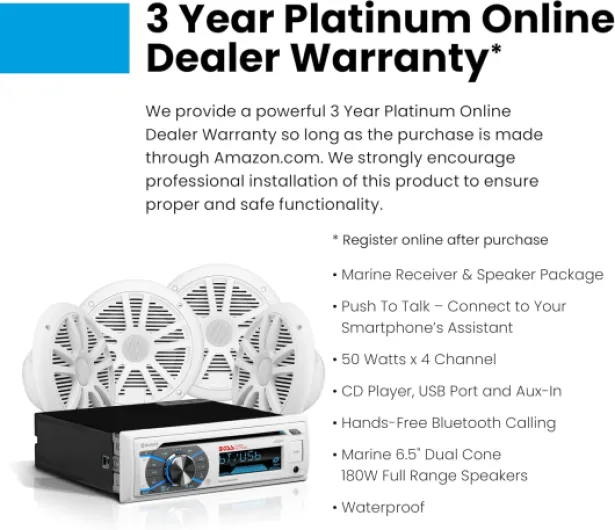
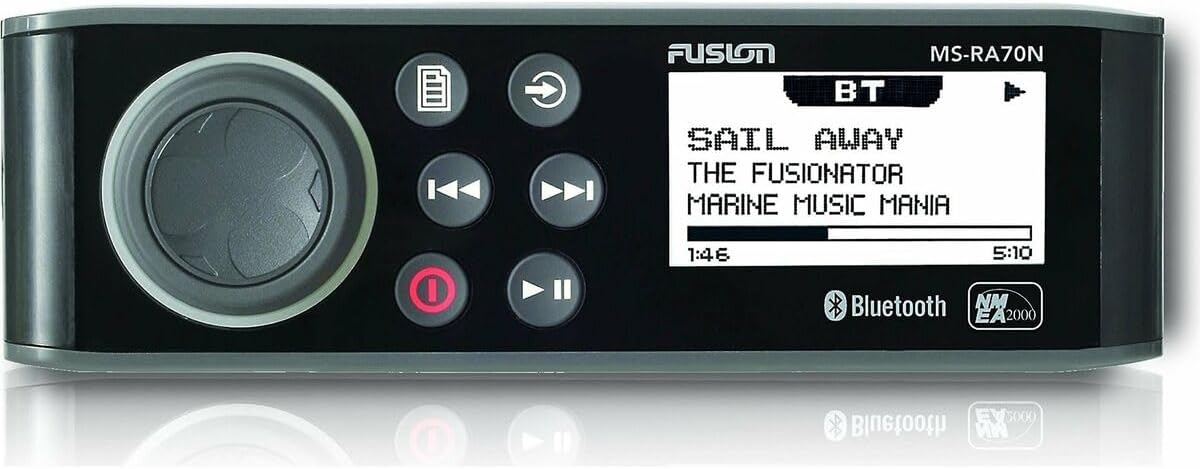
Look for a marine receiver with integrated Bluetooth audio, robust USB and AUX support, and a dedicated USB port for high-resolution files. Many yacht owners choose Fusion or Boss Audio models because these marine radios combine strong sound quality with app-based remote control from smartphones or dedicated remotes. When you are forward checking the anchor or operating an anchor windlass system, being able to adjust volume via a wireless remote control or watch means you never leave the bow unattended; this is especially valuable when using advanced gear such as a top rated anchor windlass for boats.
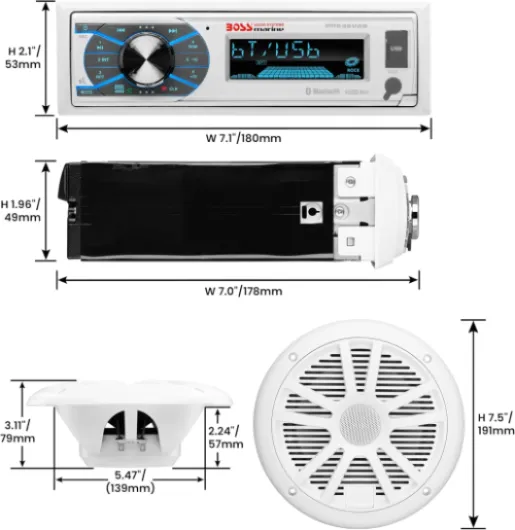
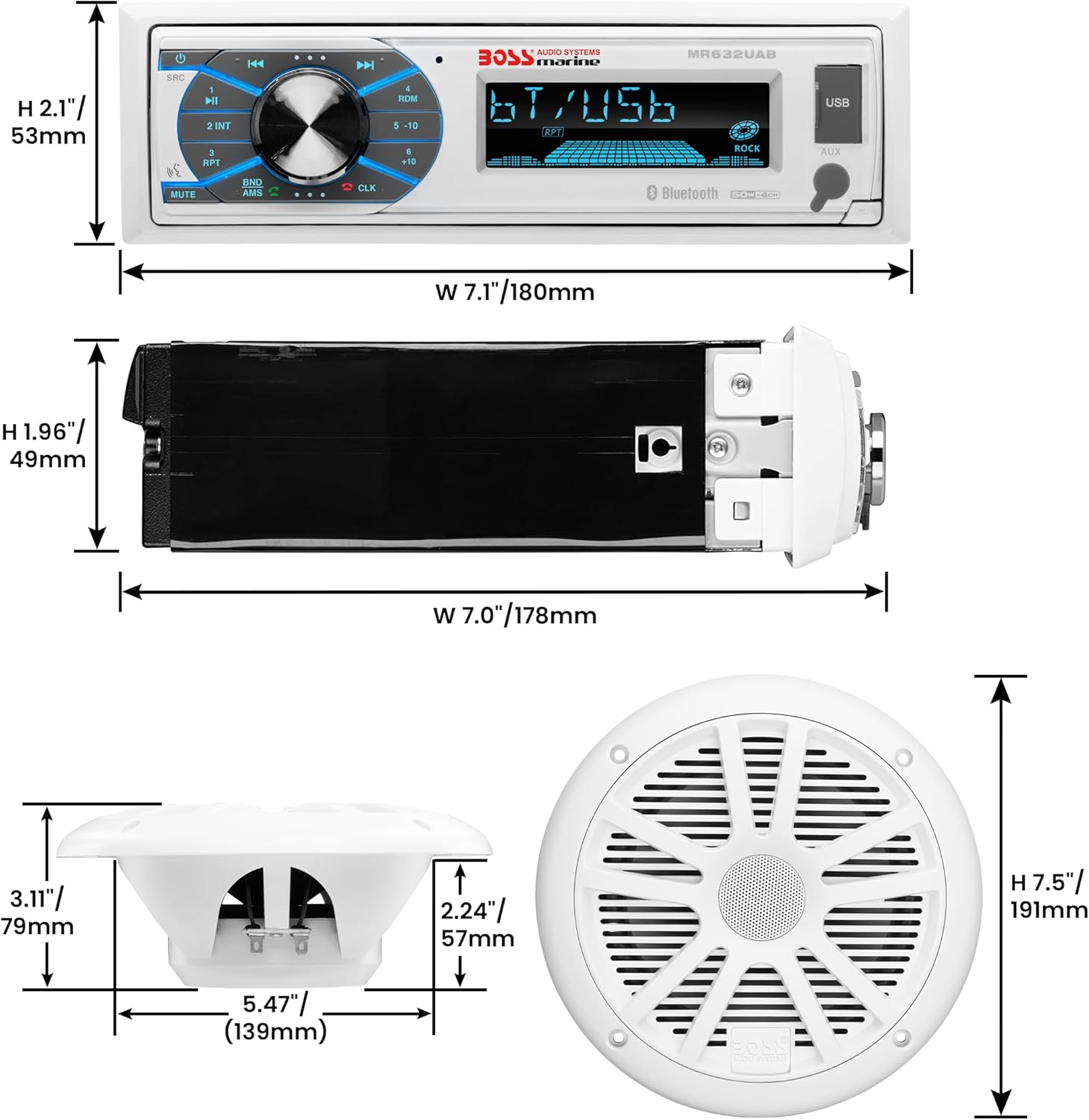
Speakers are the next critical link, and true marine speakers differ from car speakers through waterproof cones, corrosion-resistant baskets, and water-resistant grilles. Matching Pyle or Fusion speakers to a compatible marine radio and amplifier ensures that every watt of audio power translates into clean, dynamic sound. On larger yachts, separate zones for cockpit, flybridge, and interior cabins allow different music or volume levels, which is a hallmark of the best marine stereo systems for boats.
Waterproof and water resistant design for harsh marine environments
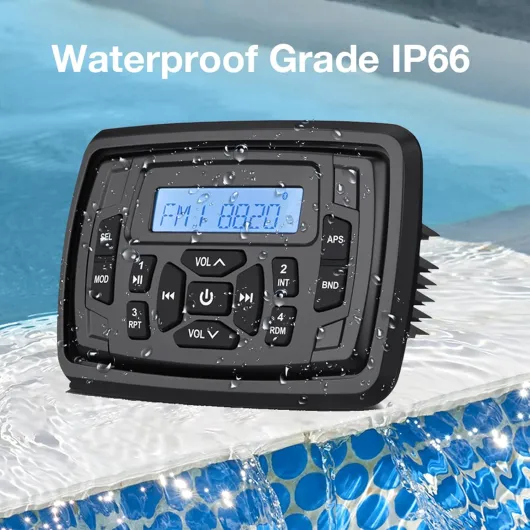
Saltwater, ultraviolet exposure, and constant vibration punish any audio system that is not truly marine grade. The best marine stereo systems for boats therefore rely on waterproof housings, sealed buttons, and coated circuit boards to prevent corrosion. Even when a component is only rated as water resistant rather than fully waterproof, thoughtful installation can dramatically extend its life.
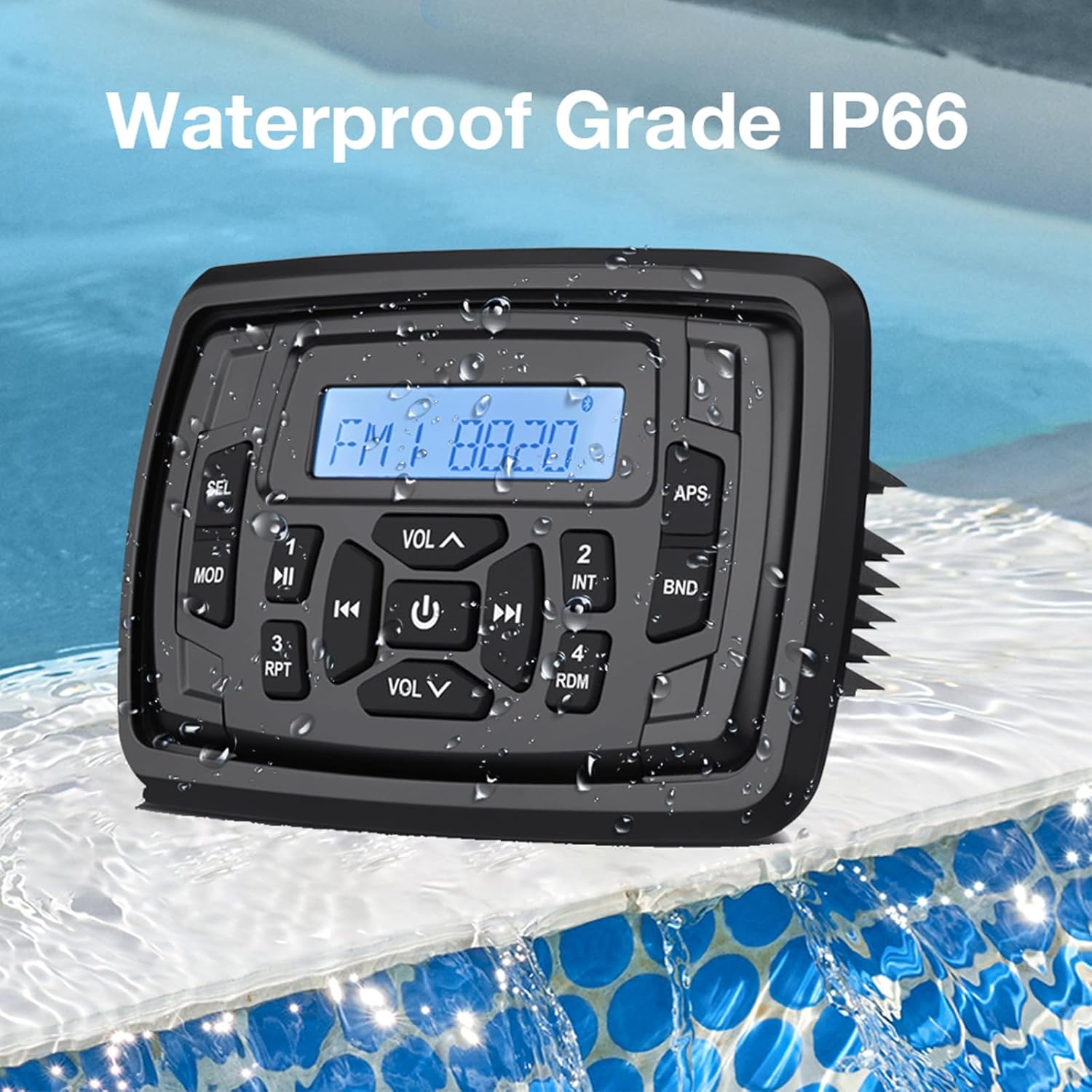
When evaluating a marine stereo or marine receiver, check the ingress protection (IP) rating and confirm that the USB port, AUX input, and Bluetooth antenna are protected behind gaskets or rubber covers. For example, many Fusion head units carry IPX5 or IPX7 front-panel ratings, while popular Boss Audio models often specify IPX5 splash protection. Quality brands such as Fusion, Boss Audio, and Pyle design their marine radios with conformal-coated boards, which resist salt crystals and moisture that would quickly destroy a normal car radio. For exposed flybridge locations, pairing a water-resistant head unit with a hinged cover and a wired remote control in the cockpit gives redundancy and protects the main display from spray.
Do not overlook the mounting of marine speakers, because even waterproof cones can fail if water pools behind the speaker or enters through poorly sealed cutouts. Use marine-grade sealant around every speaker and stereo opening, and route cables in drip loops so that water cannot track directly into the head unit. When you are already investing in structural care such as a top boat repair kit for fiberglass hulls, it makes sense to apply the same discipline to protecting the best marine stereo systems for boats.
Connectivity, hands free calling, and user experience at sea
Modern yacht owners expect their best marine stereo systems for boats to behave like premium home systems, with seamless music streaming and smart control. A head unit with built-in Bluetooth capability allows instant pairing from phones and tablets, while also enabling hands-free calling features through integrated or external microphones. This combination of safety and comfort is especially valuable when you are alone at the helm and need to keep both hands on the wheel.
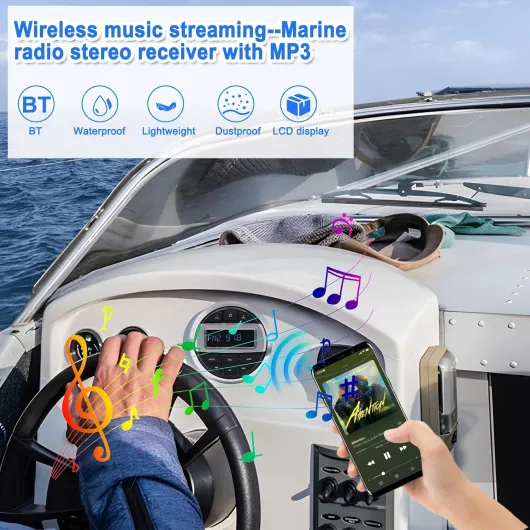
Look for Bluetooth marine stereos that support multiple paired devices, so guests can take turns queuing music without constant re-pairing. Many Fusion and Boss Audio models offer app-based remote control, letting you adjust sound quality, balance, and volume from anywhere on the boat, including the swim platform. When the display is bright and the menu structure is easy to navigate, even less technical guests can select radio stations, switch to USB sources, or manage music streaming without asking the skipper.
Integration with existing yacht systems is another hallmark of a refined marine stereo installation. Some marine receivers interface with multifunction navigation displays, allowing you to see track information and basic audio controls on the same screen used for charts and depth. When you combine this with robust anchors and related gear from resources such as top boat anchors for marine use, you create a calm, controlled environment where both safety and entertainment are handled with equal care.
Choosing between Pyle, Fusion, Boss Audio, and other key brands
Brand selection strongly influences how the best marine stereo systems for boats will perform over years of yachting. Fusion has built a reputation for premium marine stereo solutions that integrate tightly with modern chartplotters and offer refined sound quality. Pyle, by contrast, often appeals to owners seeking budget-friendly marine speakers and marine radios that still deliver respectable audio performance.
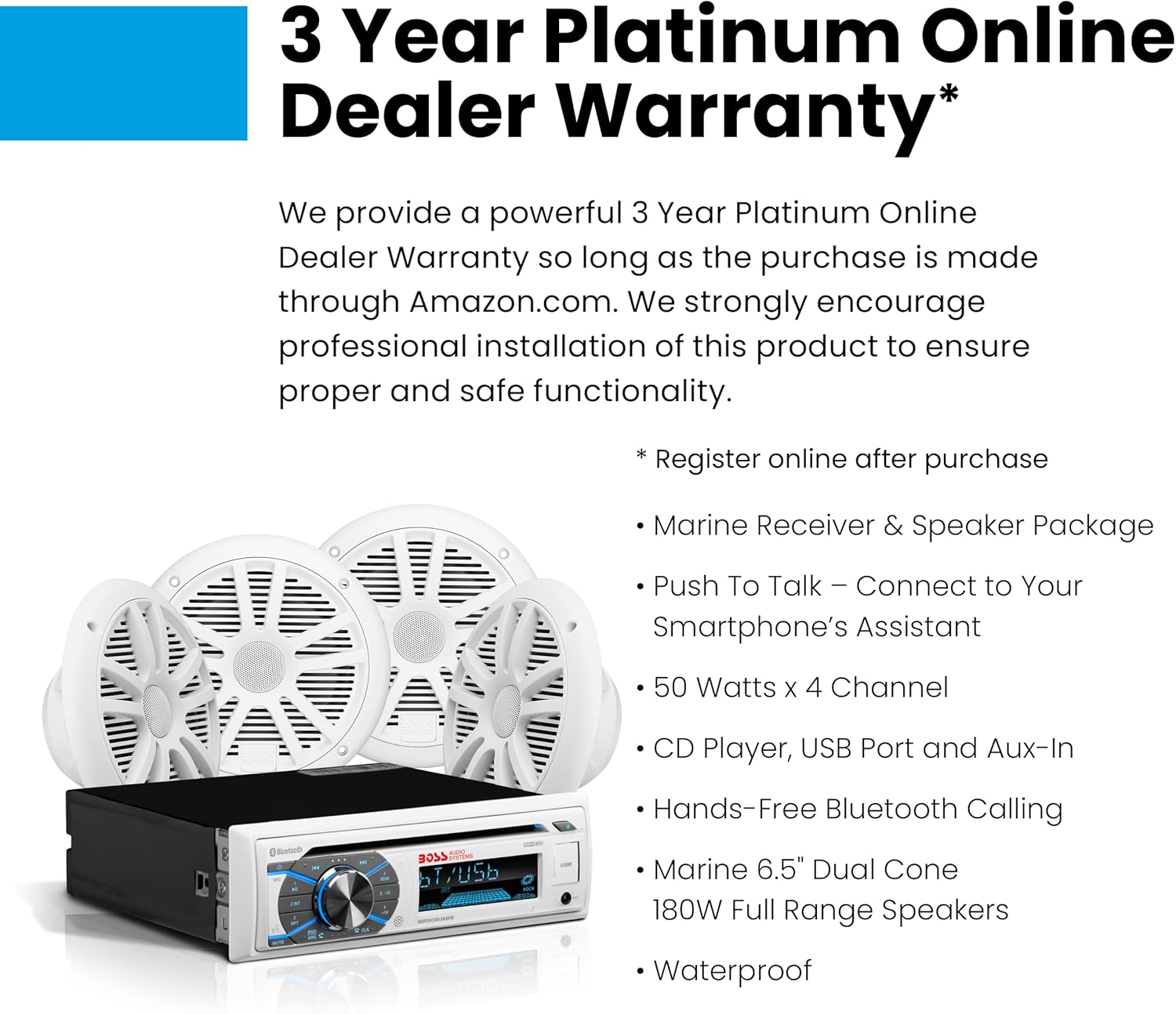
Boss Audio sits in the middle ground, offering marine stereos and head unit packages that combine Bluetooth audio, USB and AUX inputs, and robust waterproof construction at accessible prices. Many yacht-passionate owners source these systems through major online retailers, where verified reviews highlight real-world durability and sound quality under harsh marine conditions. When comparing Fusion, Pyle, and Boss Audio options, pay close attention to amplifier power (RMS rather than peak), display readability, and whether a wired remote control is included or available as an accessory.
For larger yachts, consider separating the marine receiver and amplifier so that you can upgrade components independently as your expectations evolve. High-efficiency marine speakers paired with a clean amplifier will often outperform a more expensive stereo with weak amplification. Whatever brand you choose, ensure that the system supports the connectivity, water-resistant protection, and multi-zone control that define the best marine stereo systems for boats.
Installation, maintenance, and long term care of yacht audio systems
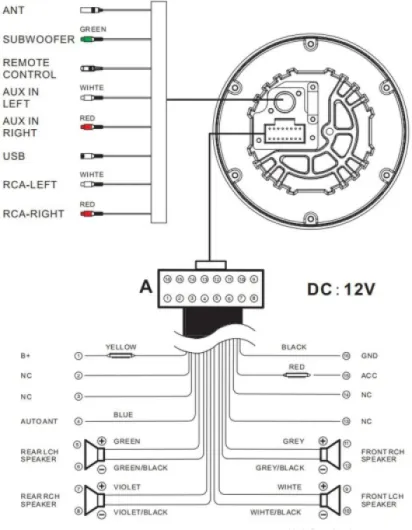
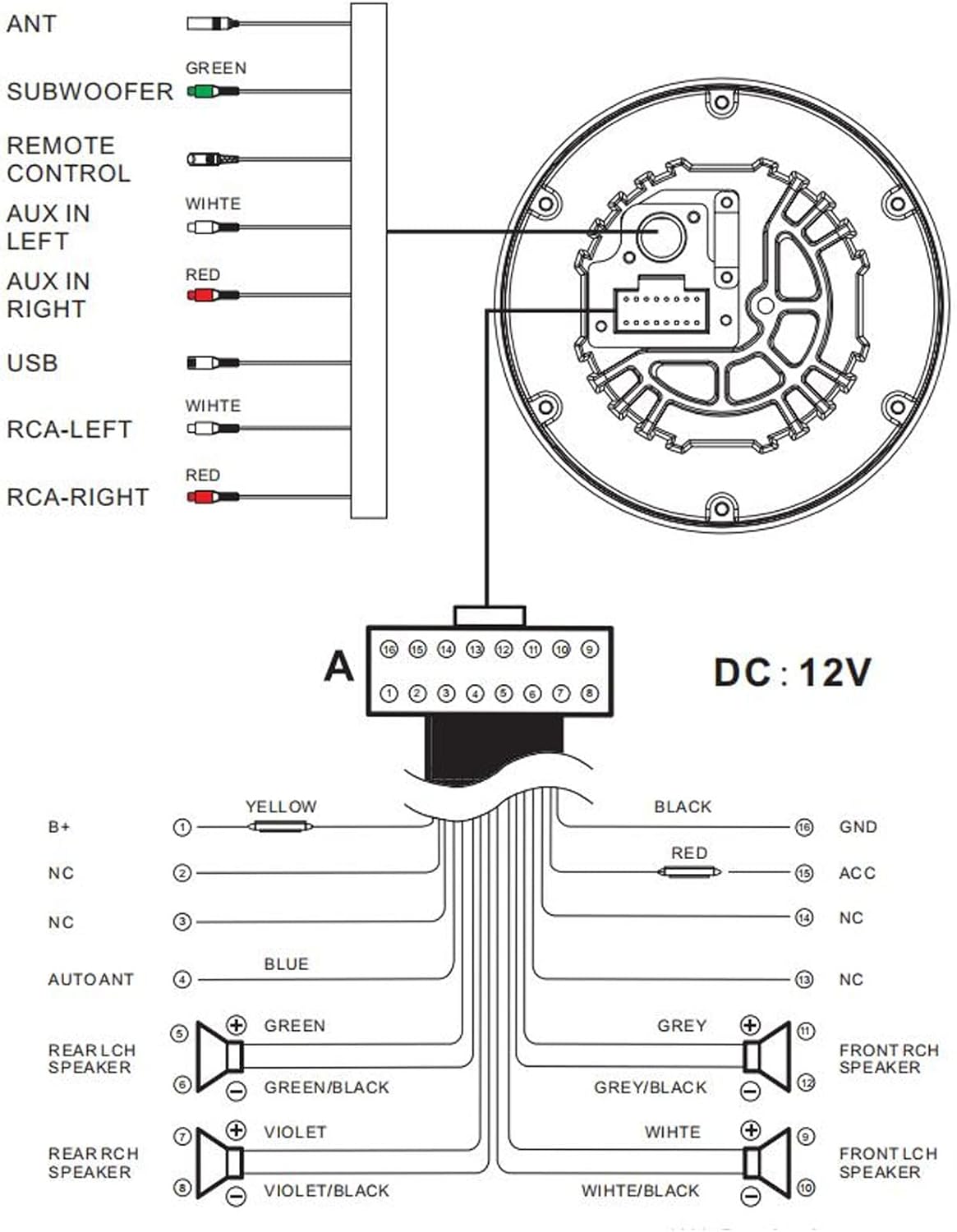
A carefully planned installation is essential if you want the best marine stereo systems for boats to reach their full potential. Position the head unit where the display is visible from the helm yet protected from direct spray, and route all wiring away from high heat or sharp edges. Using tinned marine-grade cable and heat-shrink connectors reduces corrosion and preserves sound quality over many seasons.
Regular maintenance of marine speakers, marine radios, and exposed controls should become part of your routine engine room and deck checks. Rinse salt from grilles with fresh water, inspect the USB port and AUX sockets for corrosion, and confirm that Bluetooth connections remain stable after software updates on your devices. When a remote control or hands-free microphone begins to fail, replacing it early prevents guests from bypassing safety practices by using handheld phones at the helm.
Owners who purchase components through Amazon or specialist chandlers should keep documentation and warranty details organized, because marine stereo issues often appear just after intense cruising periods. If you notice distortion or intermittent sound from a particular zone, inspect both the speaker and the marine receiver output before assuming the worst. With thoughtful care, a well-chosen combination of radio, stereo head unit, and waterproof speakers will remain the acoustic heart of your yacht for many voyages.
Key statistics on yacht audio and marine stereo adoption
- Industry surveys from major marine electronics manufacturers suggest that a clear majority of new yachts above 10 m are delivered with multi-zone marine stereo systems, reflecting the growing expectation for home-grade entertainment at sea. Exact percentages vary by region and builder.
- Data shared by leading retailers indicate that Bluetooth-enabled marine stereos now account for most marine receiver sales, showing how strongly yacht owners prioritize wireless music streaming and hands-free calling capabilities.
- Warranty records from several brands consistently report that improper installation accounts for a large share of early marine radio and speaker failures, underscoring the importance of using marine-grade wiring, sealed connectors, and correct fuse protection.
- Consumer behavior analyses from large online platforms reveal that products labeled as waterproof or water resistant receive significantly higher ratings in the marine audio category, especially when paired with clear installation guidance and realistic power specifications.