Smart charging technology for lithium, lead acid, and mixed battery banks
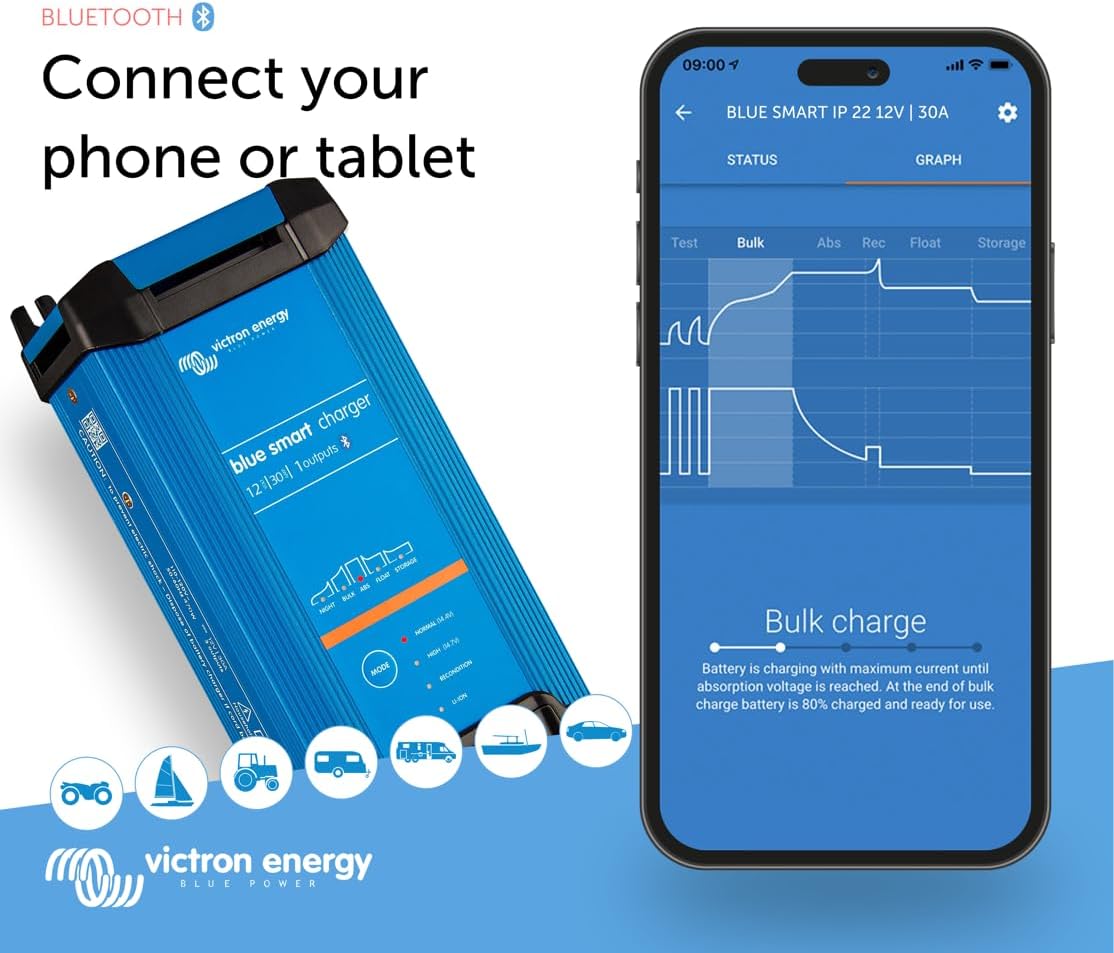
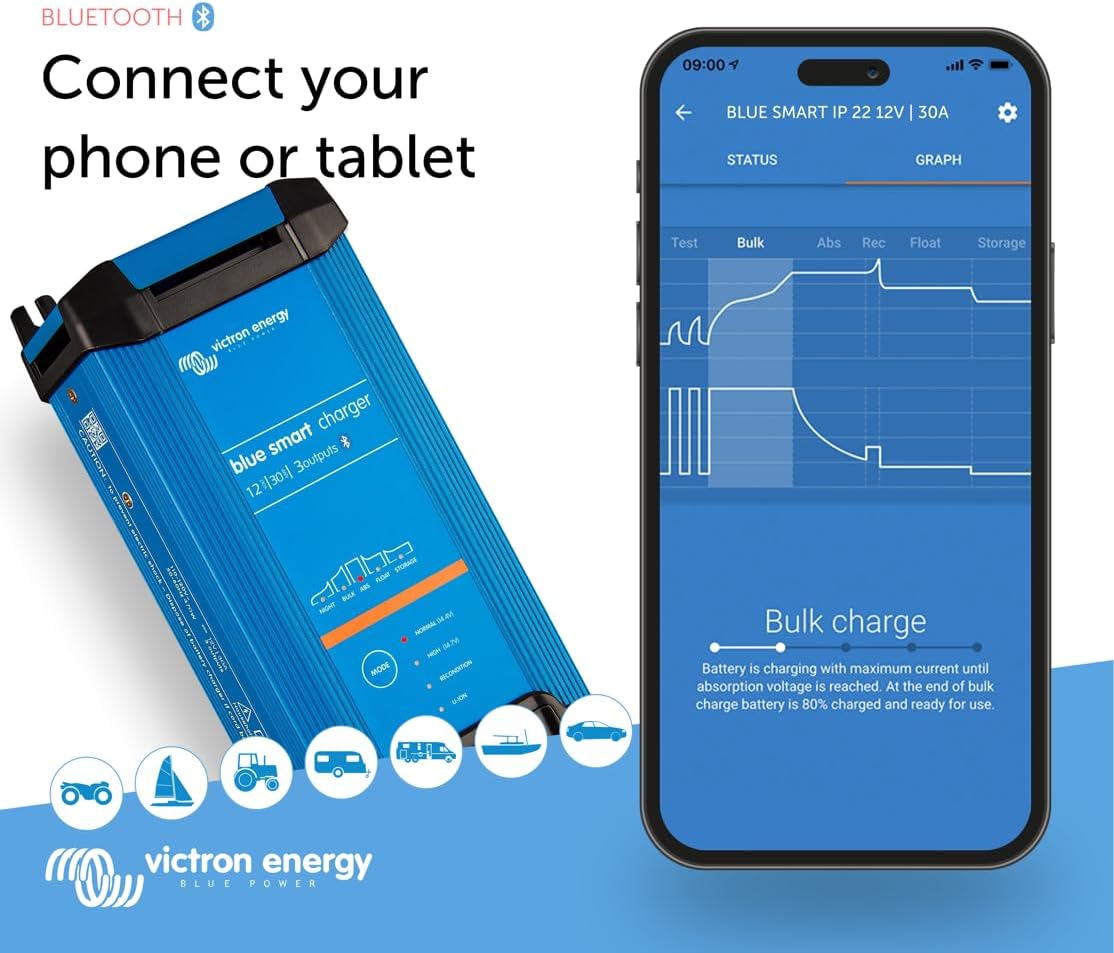
Smart charging has transformed how yacht captains manage both lithium and traditional lead acid marine batteries. The best marine battery chargers for boats now use multi stage charging profiles that automatically shift from bulk charge to absorption and finally to float, protecting each battery from overcharging while still delivering a full charge. This is especially critical when a single onboard battery bank combines a lithium house system with a conventional lead acid boat battery for engine starting.
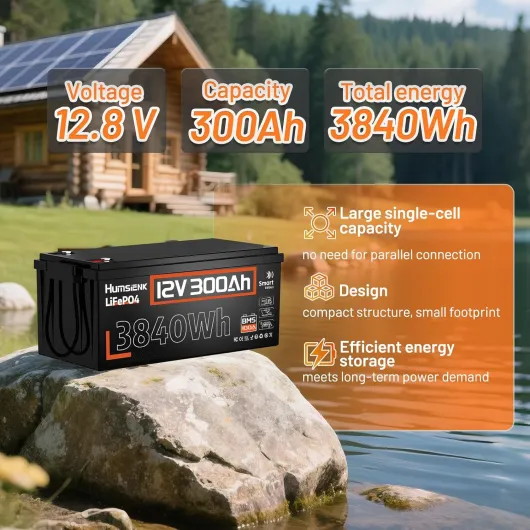
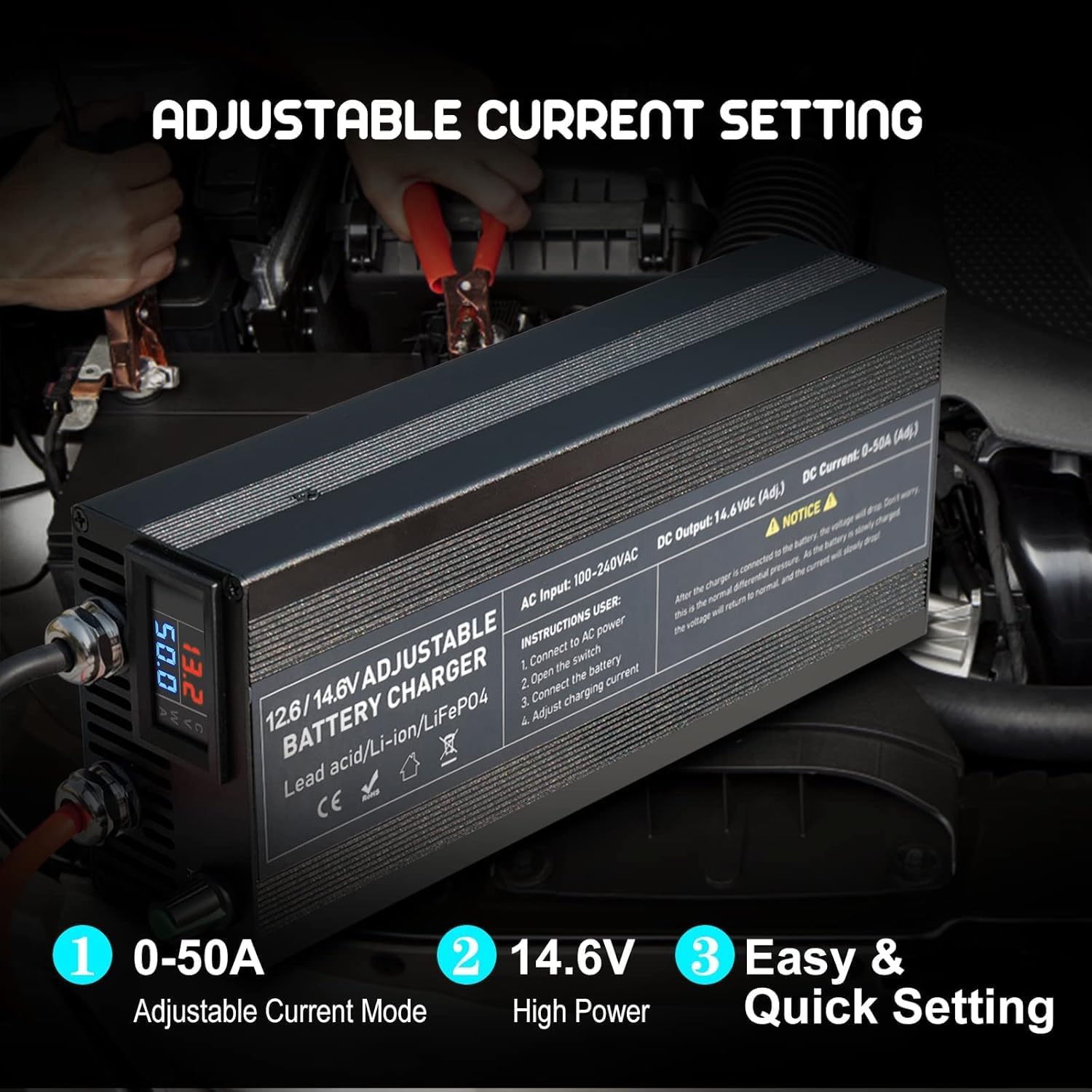
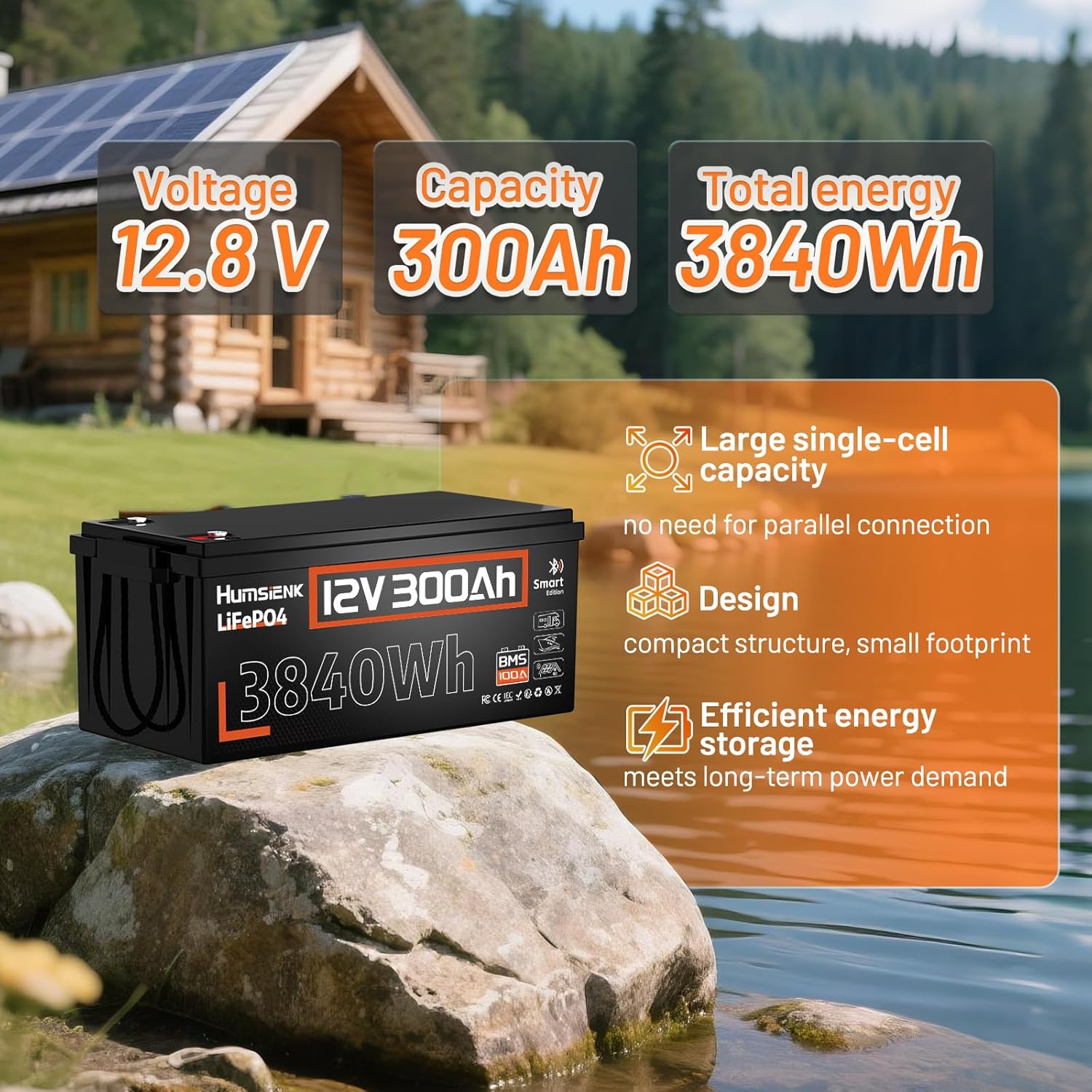
For LiFePO and other lithium chemistries, a compatible marine battery charger must communicate with the battery management system and respect tighter voltage windows. A charger that is not designed for lithium can shorten the life of LiFePO deep cycle batteries, so always verify that the marine charger explicitly supports your chosen chemistry and the number of amp hours in each bank. When you run mixed cycle batteries on a yacht, consider separate chargers or isolated outputs so that each battery bank marine configuration receives the correct charging profile.
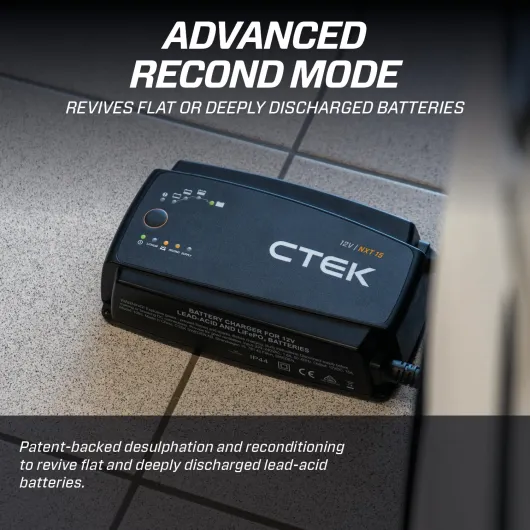
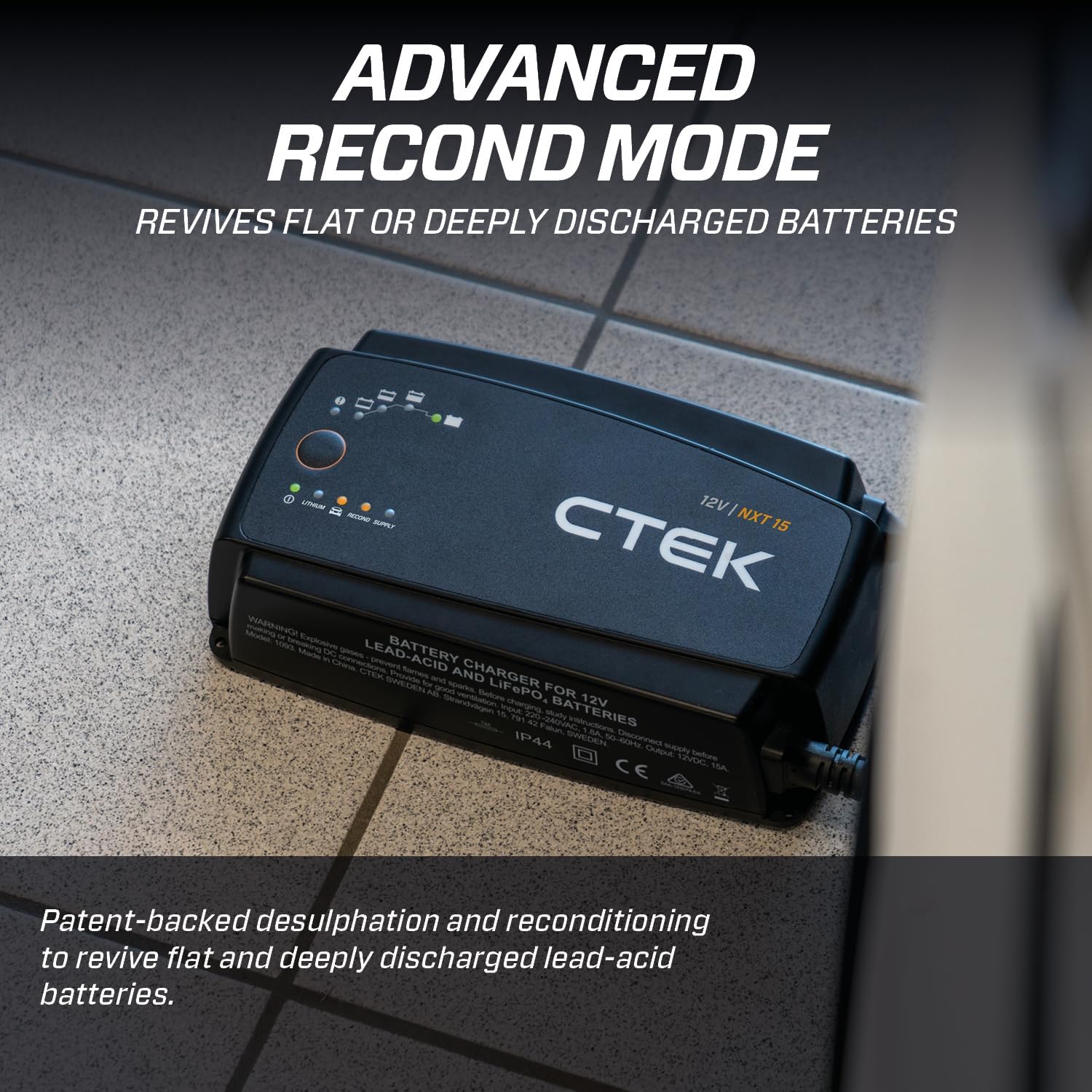
Brands such as the Noco Genius series have popularized compact smart chargers that handle both starter and deep cycle batteries with automatic detection. These chargers monitor temperature, adjust charge rates, and can function as a charger maintainer when the yacht is berthed for long periods, keeping every marine battery at an ideal state of charge. When you plan cabin refits such as upgraded boat cabin lighting, pair them with a smart charging system that can support the extra load without stressing the existing batteries.
Onboard battery banks, redundancy, and yacht specific installation choices
Yacht layouts impose unique constraints on how you design and install onboard battery banks. The best marine battery chargers for boats must fit tight technical spaces, withstand a harsh marine environment, and still provide easy access for inspection and service. When you specify a battery charger for a cruising yacht, think in terms of separate banks for engines, house loads, and the trolling motor or tender systems, each with its own protection and monitoring.
A typical bluewater yacht might run one bank marine configuration for twin engine starting, another for navigation and hotel loads, and a third deep cycle bank for high draw equipment such as bow thrusters. In this scenario, a multi output marine charger with independent channels lets you charge batteries in each bank at the correct amp rate and voltage, even when shore power is limited. If you operate lithium house batteries alongside lead acid engine batteries, consider dual chargers or a hybrid system that isolates the different chemistries while still allowing efficient charging from alternators and shore power.
Installation quality matters as much as the choice of battery chargers, especially when routing cabling through composite structures and tight lazarettes. Use marine grade tinned copper cable, secure all runs with proper supports, and protect every charger and onboard battery connection from moisture and vibration to avoid premature failure. When you plan structural work or hull repairs with specialized boat repair kits for fiberglass, coordinate cable routing and charger mounting at the same time so that your electrical upgrades integrate cleanly with the yacht’s structure.
From lead acid to lithium and LiFePO deep cycle systems on yachts
Many yacht owners are migrating from traditional flooded lead acid batteries to AGM, gel, and finally lithium or LiFePO deep cycle systems. The best marine battery chargers for boats must therefore support a transition path, allowing you to upgrade one bank at a time without replacing the entire charging infrastructure. A flexible marine battery charger with programmable profiles lets you start with lead acid house batteries and later switch a bank to lithium without rewiring the whole boat.
Lead acid batteries remain cost effective for engine starting and as a dedicated boat battery for emergency loads, especially when you compare regular price and sale price options in chandlery catalogues. Lithium and LiFePO deep cycle batteries, by contrast, offer higher usable capacity, lower weight, and faster charging, which is particularly attractive for yachts that anchor out frequently and rely on generators or solar to charge batteries. When you design a mixed chemistry system, ensure that each marine charger output is clearly labelled with the correct SKU and chemistry so that future technicians understand the configuration.
Cycle life is the key metric that separates lithium and LiFePO deep systems from conventional cycle battery technologies. A well managed LiFePO deep cycle battery bank can deliver several thousand cycles at moderate depth of discharge, while standard lead acid cycle batteries may offer only a fraction of that before capacity fades. To realize this advantage, your battery chargers must limit high voltage stress, manage temperature, and avoid leaving lithium batteries at full charge for extended periods when the yacht is idle.
Practical maintenance routines for marine chargers and yacht battery banks
Routine maintenance is what keeps even the best marine battery chargers for boats performing at their rated efficiency. Start with a quarterly inspection of every battery, charger, and cable run, looking for corrosion, loose terminals, and signs of overheating around high amp connections. A simple infrared thermometer and a torque wrench will help you identify weak points in the charging system before they escalate into failures offshore.
For lead acid marine batteries, check electrolyte levels where applicable, clean terminals, and verify that the marine charger is correctly set to flooded, AGM, or gel mode. Lithium and LiFePO deep cycle batteries require less day to day attention, but you should still review battery management system logs, confirm that each battery charger maintainer is operating within the specified voltage window, and test emergency loads such as the trolling motor or windlass under real conditions. When you secure the yacht for transport or heavy weather, combine robust tie down hardware with appropriate boat tie down straps so that no onboard battery bank or charger can shift under impact loads.
Shore power quality also affects how your chargers behave over time, especially in marinas with fluctuating voltage or questionable earthing. Use a power quality monitor to verify that the input to each marine charger stays within specification, and consider surge protection to shield sensitive battery chargers and navigation electronics from transient spikes. During longer layups, switch smart chargers into storage or maintainer modes so they gently charge batteries without overcharging, extending the life of both lead acid and lithium banks.
Tech upgrades that integrate charging, monitoring, and yacht wide power management
Modern yachts increasingly treat the electrical system as a unified power platform rather than a collection of separate batteries and chargers. The best marine battery chargers for boats now integrate with digital switching, battery monitoring, and even remote telemetry, giving captains real time visibility into every bank marine configuration. A central display at the helm can show state of charge, estimated run time, and charge status for each onboard battery bank, making energy management as intuitive as fuel management.
High end systems pair smart marine chargers with shunt based battery monitors, allowing precise tracking of every amp flowing in and out of the batteries. This data helps you size solar arrays, alternator upgrades, and inverter chargers so that the yacht can support energy intensive comforts such as advanced boat cabin lighting, air conditioning, and entertainment systems without depleting deep cycle reserves. When you evaluate a new battery charger or charger maintainer, prioritize models that can share data over NMEA 2000 or similar networks so that charging information appears alongside navigation data.
As you refine the yacht’s electrical architecture, remember that mechanical reliability still underpins every tech upgrade. Robust cable terminations, proper strain relief, and thoughtful routing matter as much as the sophistication of the marine battery charger or the advertised sale price versus regular price. When you combine disciplined installation with intelligent charging and quality marine batteries, the yacht will start reliably, run quietly at anchor, and maintain full control over every critical load on board.
Key figures on yacht batteries and marine charging systems
- According to data from major battery manufacturers such as Victron Energy, Battle Born Batteries, and Trojan Battery Company, modern LiFePO deep cycle batteries can achieve between 2 000 and 5 000 full cycles, while typical flooded lead acid cycle batteries often deliver around 500 to 1 000 cycles under similar conditions when tested to 50 percent depth of discharge.
- Industry testing reported in technical white papers from charger manufacturers including Mastervolt and ProMariner shows that multi stage smart chargers can extend lead acid marine battery life by up to 30 percent compared with constant voltage chargers, primarily by reducing overcharge and sulphation during float stages.
- Energy audits on cruising yachts published in reports by organizations such as ABYC member yards and long range cruising associations indicate that hotel loads such as refrigeration, lighting, and electronics frequently consume 60 to 70 percent of daily amp hour usage, which underscores the importance of correctly sized battery chargers and battery banks.
- Field surveys from yacht service yards and ABYC certified technicians report that improper cable sizing and poor terminations account for a significant share of DC system failures, with many incidents traced back to undersized conductors between the charger and the battery bank.
- Comparative cost analyses from manufacturer datasheets and independent marine electrical consultants show that while lithium and LiFePO batteries have a higher upfront price than lead acid options, the cost per cycle over the full service life can be significantly lower when paired with compatible smart marine chargers.