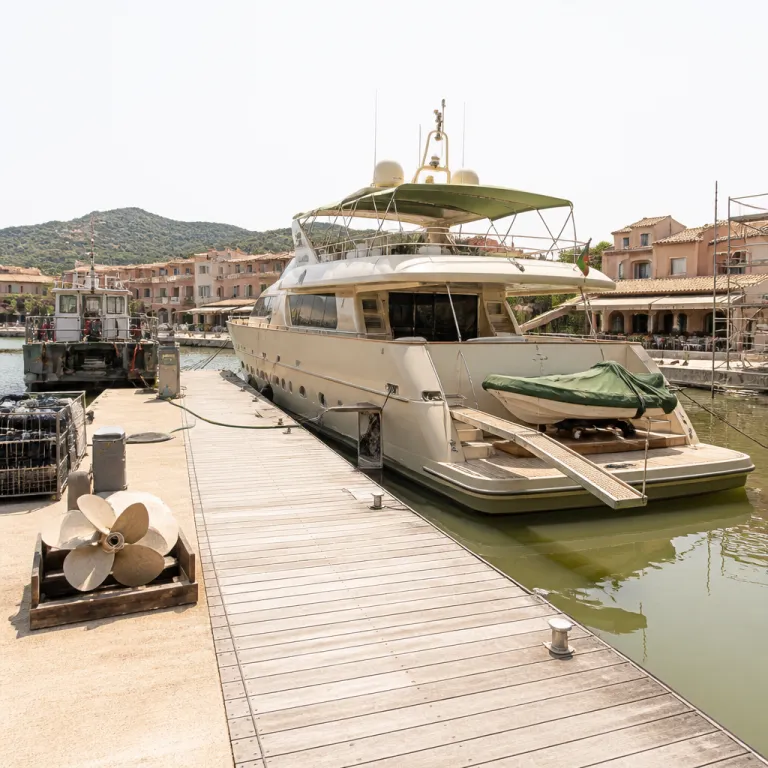

Defining the 30 million dollar yacht budget envelope
A 30 million dollar yacht, often written as a $30M or 30M yacht, sits at the entry point of true superyacht territory. In this range, the purchase price usually buys a vessel between 40 and 55 m in length, with a professional crew and full ocean-going capability. For many yacht-passionate buyers, this budget bracket is where private boats start to feel like compact ships rather than enlarged pleasure craft.
Most yachts at this level are custom or semi-custom builds, and the builder and broker you choose will shape both the final cost and long-term value. A reputable shipyard such as Lürssen, Feadship, Benetti or Heesen will usually command a higher initial yacht price, yet their sales track record often shows stronger resale and shorter time on the market. When you analyse global yacht sales data, including the Boat International “Global Order Book 2024” and Burgess market reports, you see that superyacht transactions in the 30 million dollar band cluster around proven yards and well-known design studios.
Budget planning for such yachts must separate acquisition from lifetime ownership costs. The purchase price in USD is only the first layer, while annual operating expenses for a motor yacht or large sailing yacht typically range from 8 to 12 percent of the initial outlay. Industry guides from major yacht management firms such as Burgess (“Superyacht Operating Costs Guide”) and Fraser (“Cost of Yacht Ownership” briefing) consistently cite this range for superyacht ownership costs. That means a 30 million dollar yacht can require 2.4 to 3.6 million per year for crew, maintenance, insurance and operations, which many first-time buyers underestimate when they focus only on the headline figure.
How size, length and design drive total ownership cost
Within the 30 million dollar yacht segment, size is the most visible driver of cost. A 45 m motor yacht with a steel hull and aluminium superstructure will have very different running costs from a 55 m explorer yacht with ice class and extended range. Length, beam and gross tonnage all influence the number of guest cabins, the required crew and the complexity of onboard systems.
Each extra metre of length adds volume, which increases both build cost and annual maintenance for these luxury yachts. A larger superyacht usually needs more crew to maintain service standards for guests, and more powerful engines to achieve the same speed, which raises fuel and technical budgets. When you compare yachts for sale in this bracket, you quickly see that two vessels with similar exterior design and asking price can have very different long-term cost profiles because of their hull form and engineering details.
Buyers often focus on glamorous features such as beach clubs, pools and folding terraces, yet the hidden technical details matter just as much. Stabilisation systems, hybrid propulsion options and advanced hotel loads all affect both comfort and the lifetime cost of ownership. Before you sign any yacht sale agreement, work with a specialist broker to model several ownership scenarios, and use tools similar to those described in this financial landscape analysis to stress test your operating budget for 40–55 m yachts against realistic conditions.
Crew, guests and operational profile for a 30 million dollar yacht
The human factor is the single largest recurring cost for a 30 million dollar yacht. A typical 45 to 50 m luxury yacht in this range will carry 9 to 12 crew members to serve 8 to 12 guests in 4 to 6 guest cabins. If you move up to larger explorer yachts or high-volume motor yachts, the crew headcount can rise further to maintain safety and service levels.
For buyers comparing yacht sales listings, it is essential to read the crew and guest details carefully. A yacht that sleeps 10 guests in 5 cabins with a crew of 9 will have a very different salary and provisioning budget from a similar-length vessel carrying 12 guests and 11 crew. Operational profile matters as well, because a yacht based in the Florida corridor with short hops between Fort Lauderdale and the Bahamas will run differently from a vessel cruising between San Diego and Alaska or undertaking transoceanic passages as a true explorer yacht.
Onboard activities also influence cost planning for these yachts. A motor yacht focused on fishing and diving will require tenders, chase boats and specialised gear, while sailing yachts may allocate more budget to sails and rigging upgrades than to high-speed toys. When you plan your equipment list, from RIBs to top fishing rods for saltwater as reviewed in this saltwater gear guide, integrate both acquisition and replacement cycles into your multi-year budget model. One owner of a 48 m yacht, for example, found that replacing dive gear, toys and tender engines on a five-year cycle added nearly 10 percent to his annual operating budget compared with his initial estimates.
New build versus brokerage sale in the 30 million dollar yacht range
Choosing between a new build and a brokerage yacht sale is one of the most strategic decisions in this budget class. A new 30 million dollar yacht from a tier-one builder such as Lürssen or Amels offers full control over layout, interior design and technical specification. In contrast, a pre-owned motor yacht or sailing yacht in the same price range may deliver more length and volume for the same capital outlay, but with compromises on configuration and remaining technical life.
In the brokerage market, yacht sales in the United States often concentrate around hubs such as Fort Lauderdale, San Diego and Palm Beach. These regions host dense networks of brokers, surveyors and refit yards, which can simplify due diligence for buyers evaluating multiple yachts in a short time frame. When you analyse yachts for sale in these hubs, you will see a mix of recent superyacht deliveries and older vessels that have undergone significant refits, each with different risk and reward profiles.
New build contracts demand staged payments over several years, which can align with cash flow planning for some buyers. Brokerage transactions usually require faster capital deployment, yet they allow you to inspect the yacht in person, review full technical details and obtain a professional USD estimate of refit needs before closing. For either path, align your broker, legal team and technical advisors early, and consult resources such as this European charter rulebook analysis to understand how regulatory frameworks may affect future charter income and operating flexibility.
Geography, tax and regulatory impacts on your budget
Where you base and register a 30 million dollar yacht has a direct impact on total cost. Flag state requirements influence minimum crew numbers, safety equipment and survey intervals, which all feed into your annual budget. Home port choices such as Fort Lauderdale, San Diego or Mediterranean hubs also affect marina fees, yard rates and access to skilled technical teams.
For buyers in the United States, the Florida corridor from Miami to Fort Lauderdale remains a dominant centre for yacht sales and service. Many yacht listings in this region quote a yacht price in both USD and sometimes in euros, reflecting the international nature of the market. Tax treatment varies by state and by whether the yacht is used privately or placed into charter, so early consultation with maritime tax specialists is essential when structuring your purchase and ongoing operations.
European buyers often weigh the advantages of EU flags and VAT-paid status against more flexible non-EU registries. These decisions can influence not only the immediate purchase price but also future resale value, especially for superyacht-class vessels in the 30 million dollar tier. Aligning flag, ownership structure and cruising plans from the outset helps avoid costly restructurings later, and it ensures that your luxury yacht remains compliant as regulations evolve across major cruising regions.
Planning for resale, refit and long term value preservation
Any serious budget plan for a 30 million dollar yacht must include a clear exit and refit strategy. Yachts are depreciating assets, yet well-maintained boats from respected builders can retain value better than average, especially when their design and layout remain aligned with current guest expectations. A disciplined owner treats each refit cycle as an investment in future yacht sale performance rather than a reactive expense.
Market data from leading yacht sales houses such as Fraser, Burgess and Boat International show that superyacht buyers continue to favour timeless exterior lines, efficient propulsion packages and flexible guest cabin arrangements. Explorer yachts with robust engineering and practical details also perform strongly on the brokerage market, particularly when they offer generous range and storage for toys and tenders. In contrast, highly idiosyncratic interiors or experimental technical solutions can narrow the pool of future buyers and depress the achievable yacht price at resale.
To preserve value, maintain meticulous technical records, invest in preventive maintenance and schedule periodic cosmetic upgrades. When the time comes to list your yacht for sale, a transparent history, recent surveys and a realistic pricing strategy will attract more qualified buyers and shorten time on market. Working with an experienced broker who understands both motor yachts and sailing yachts in this segment ensures that your 30 million dollar yacht remains positioned as a compelling proposition in a competitive global marketplace.
Key statistics for budgeting a 30 million dollar yacht
- Annual operating costs for large yachts typically range from 8 to 12 percent of the initial purchase price, so a 30 million dollar yacht often requires 2.4 to 3.6 million per year for crew, maintenance, fuel and insurance, according to major yacht management companies such as Burgess and Fraser.
- Industry brokerage reports, including analyses published by Boat International and leading firms like Northrop & Johnson, indicate that superyacht resale values after ten years often stand between 40 and 60 percent of the original yacht price, with vessels from top-tier builders such as Lürssen and Feadship tending toward the upper end of that range.
- Data from leading yacht sales firms show that the average time on market for 40 to 60 m motor yachts is roughly 12 to 24 months, depending on asking price, condition and location, which buyers should factor into long-term liquidity planning.
- Surveys of yacht management portfolios suggest that crew salaries and related costs typically account for 40 to 50 percent of annual operating budgets for superyachts, underlining the importance of careful crew planning in any ownership model.
- Market analyses of global yacht sales activity highlight that the United States and Europe together represent more than two thirds of large yacht transactions by value, which reinforces the importance of understanding both American and European regulatory and tax environments.
FAQ about budgeting for a 30 million dollar yacht
How much does it really cost to run a 30 million dollar yacht each year ?
Most owners should plan for annual operating costs between 8 and 12 percent of the purchase price, which means 2.4 to 3.6 million per year for a 30 million dollar yacht. This range covers crew, maintenance, insurance, fuel, berthing and routine upgrades. Actual figures vary with yacht size, cruising intensity and whether the vessel is a motor yacht, explorer yacht or large sailing yacht.
How many crew members are typical for yachts in this price range ?
A 40 to 50 m luxury yacht in the 30 million dollar bracket usually carries 9 to 12 crew for 8 to 12 guests. Larger explorer yachts or high-volume motor yachts may require 12 or more crew to maintain safety and service standards. Crew numbers depend on flag requirements, onboard services and the complexity of the yacht’s systems.
Is it better value to buy new or pre owned at 30 million dollars ?
A new build offers full control over layout, design and technical specification, but you generally receive less length and volume for the same budget. A pre-owned superyacht can deliver more space and equipment for 30 million dollars, though you must budget for refit work and accept existing configuration choices. The best option depends on your timeline, risk tolerance and desire for customisation.
Can charter income significantly offset ownership costs for this type of yacht ?
Charter income can offset a portion of annual costs, but it rarely turns a 30 million dollar yacht into a profit centre. Well-marketed yachts in prime locations may cover 40 to 60 percent of operating expenses in strong seasons, according to charter market reports from firms such as Burgess and Camper & Nicholsons. Owners must also factor in higher wear, stricter regulatory requirements and the need for a professional management team when pursuing charter revenue.
Which locations are most efficient for basing a 30 million dollar yacht ?
Major hubs such as Fort Lauderdale in the Florida corridor, San Diego on the US West Coast and key Mediterranean ports offer strong infrastructure, competitive yard rates and access to skilled crews. These centres also provide dense brokerage and service networks, which simplifies both ongoing maintenance and eventual resale. The optimal base depends on your preferred cruising grounds, tax profile and refit needs.