Regulations, color sectors, and correct placement on yachts
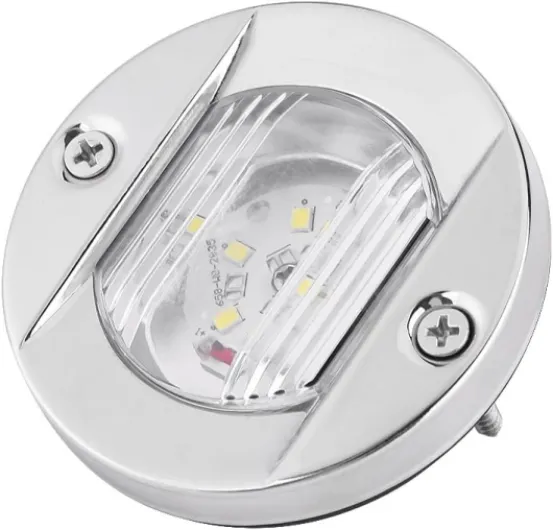
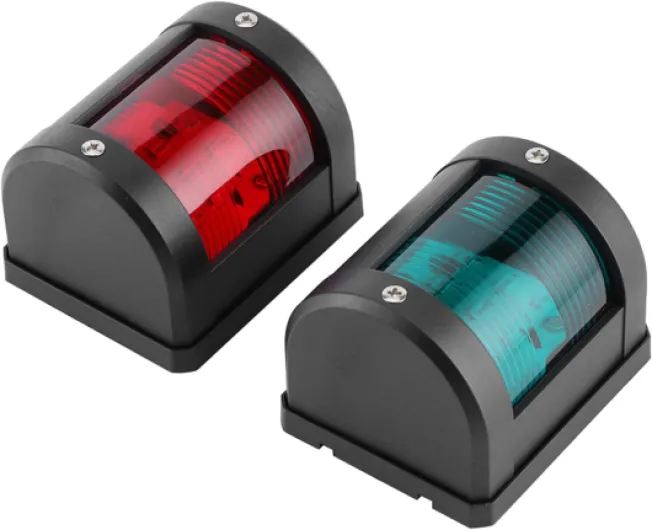
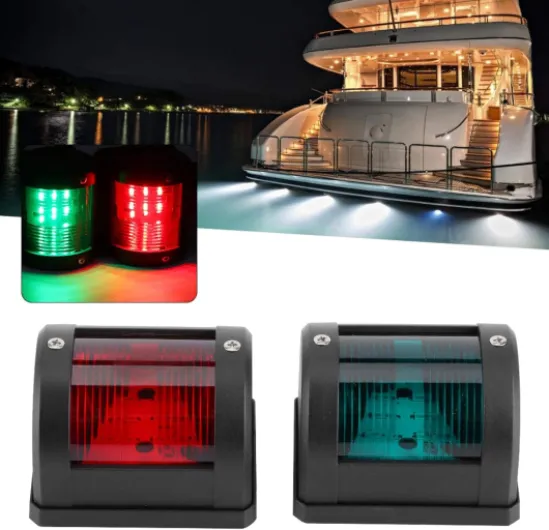
Every yacht owner should understand how navigation rules translate into practical placement of navigation lights on their specific boat. Under COLREG Rule 21, the red and green sidelights must show an unbroken arc from dead ahead to 22.5 degrees abaft the beam on each starboard side and port side, while the white stern light must cover 135 degrees astern. When these marine lights are correctly mounted, other boats can determine whether they see your bow, stern, or side profile and react early.
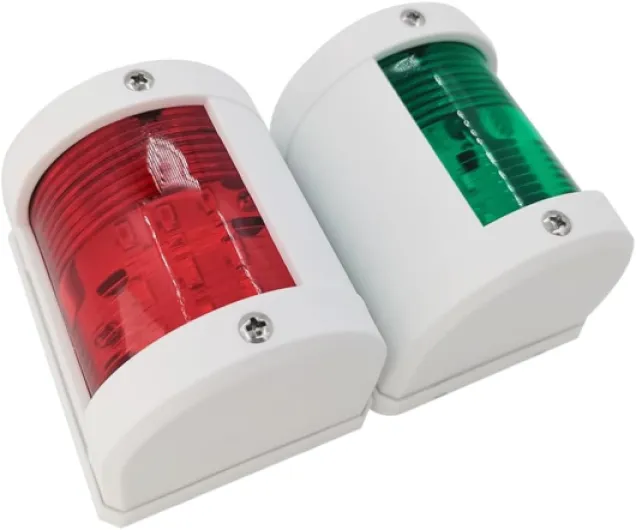
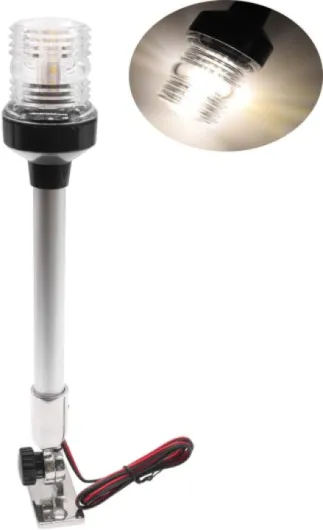
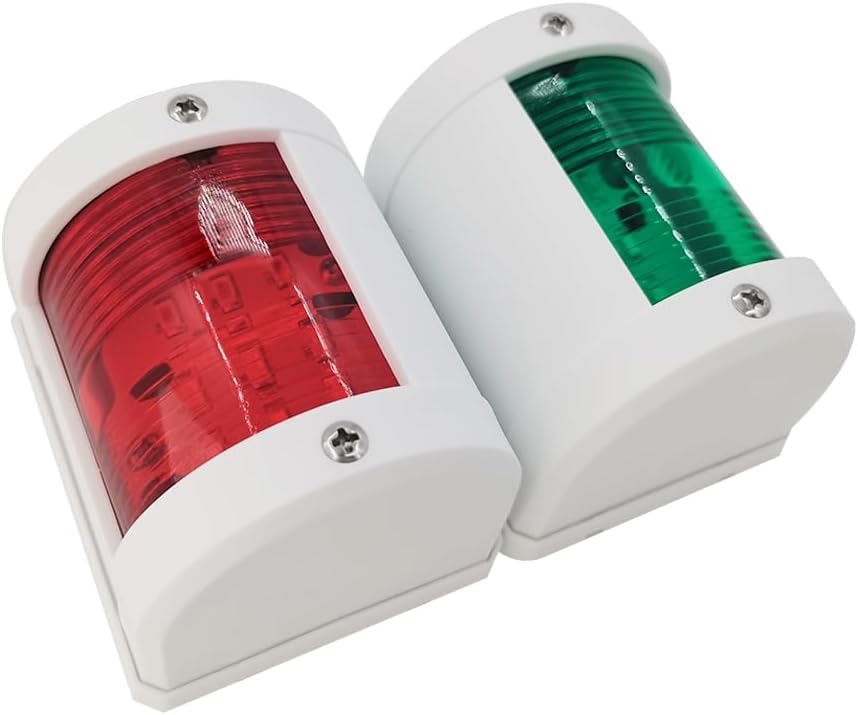
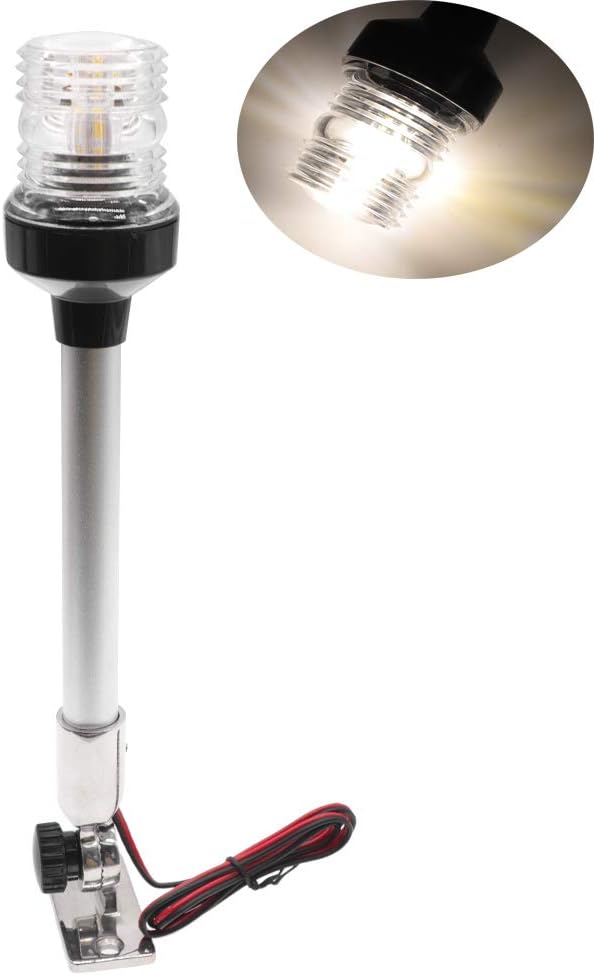
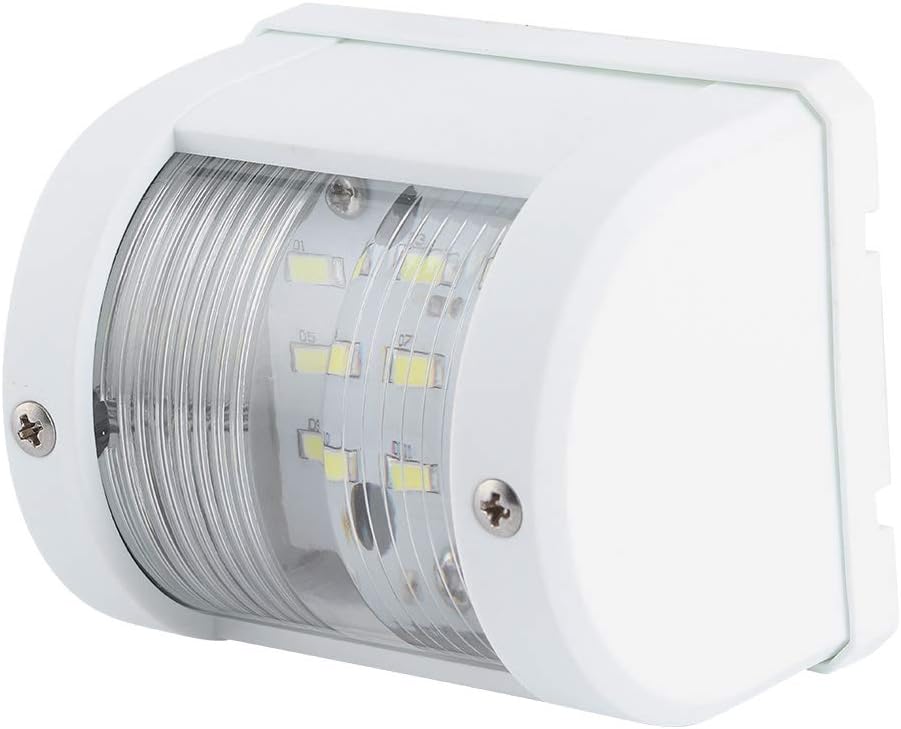
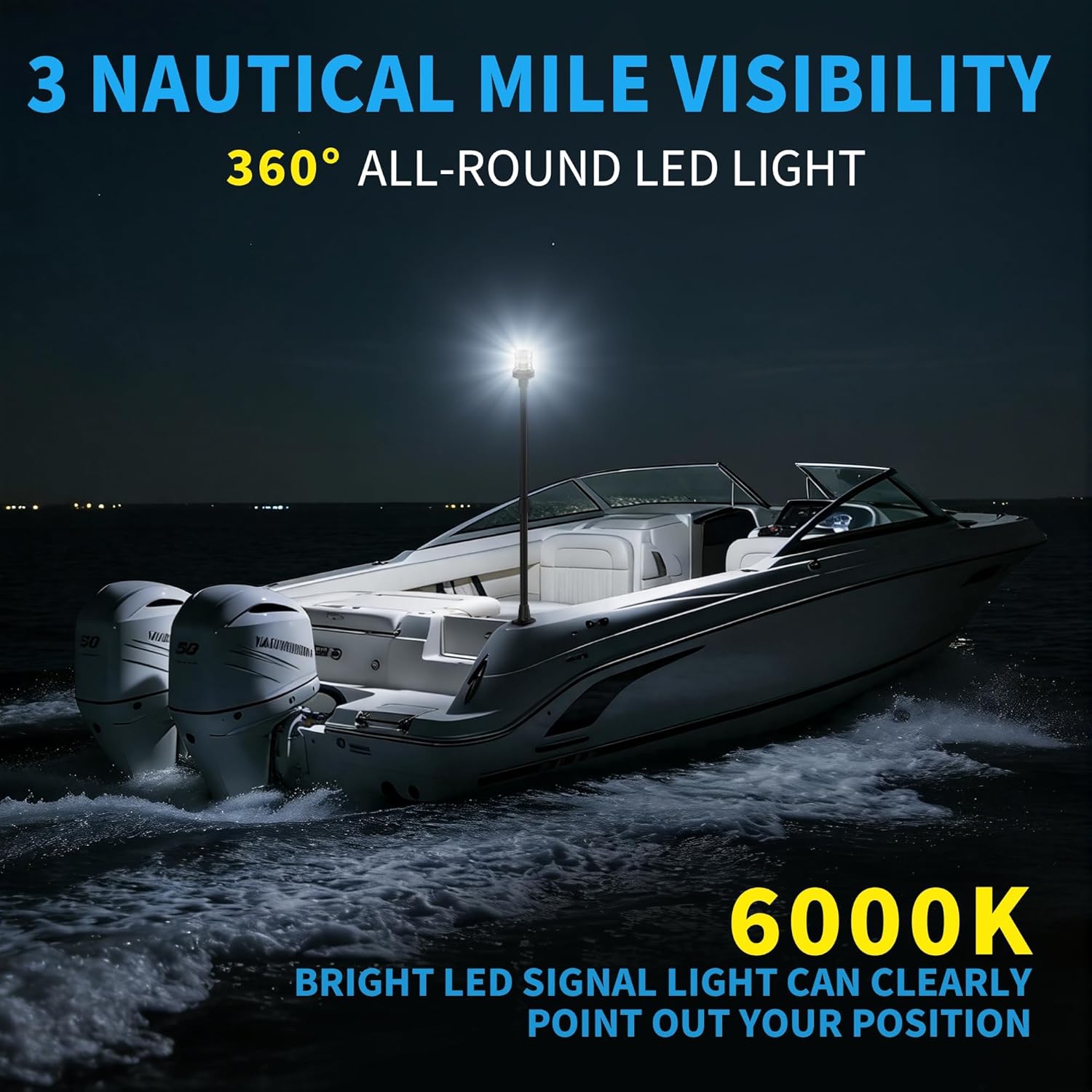
On a typical cruising yacht, the combined red–green bow light is mounted at the pulpit, while a separate white stern light sits on the pushpit or radar arch, and a masthead all-round white light is used when the yacht is at anchor. Power-driven boats under way must show a masthead steaming light in addition to the sidelights and stern unit, which means careful wiring and power management to keep every LED navigation fixture operating reliably. For sailing yachts under sail alone, COLREG Rule 25 allows a different lighting configuration, but many skippers still prefer full marine navigation lighting to remain highly visible in busy waters at night.
Color accuracy matters as much as brightness, because a green LED that drifts toward blue or a red LED that appears orange can create confusion for watchkeepers on commercial ships. Annex I section 7 of the COLREGs defines the chromaticity boundaries for red, green, and white navigation lights, and reputable manufacturers test to these limits. When you buy new boat navigation equipment, always check that each navigation light carries the correct certification for chromaticity, luminous intensity, and arc of visibility. Pairing certified marine LED fixtures with a well stocked offshore emergency kit from a specialist supplier such as the one featured in this comprehensive boat emergency kit guide gives your yacht a robust safety baseline for serious coastal or offshore cruising.
Technical criteria for choosing premium marine LED navigation lights
Selecting the best marine LED navigation lights for a yacht starts with understanding luminous intensity, beam pattern, and power consumption. A high quality marine LED navigation light will meet or exceed the minimum candela requirement for your boat length while drawing a fraction of the power of incandescent bulbs. As a reference, Annex I section 9 of the COLREGs specifies that vessels under 12 m require sidelights of at least 1 candela and a stern light of at least 2 candelas, while boats from 12 m to under 50 m require 2 candelas for sidelights and 2–4 candelas for masthead and stern lights depending on range. This low power draw is especially valuable on sailing yachts that rely on battery banks and alternators, because efficient LED boat systems leave more capacity for autopilots, instruments, and interior lighting at night.
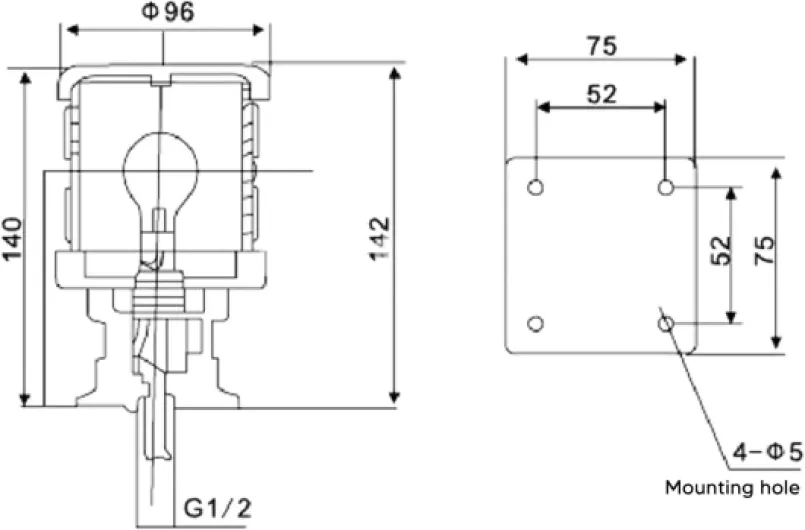
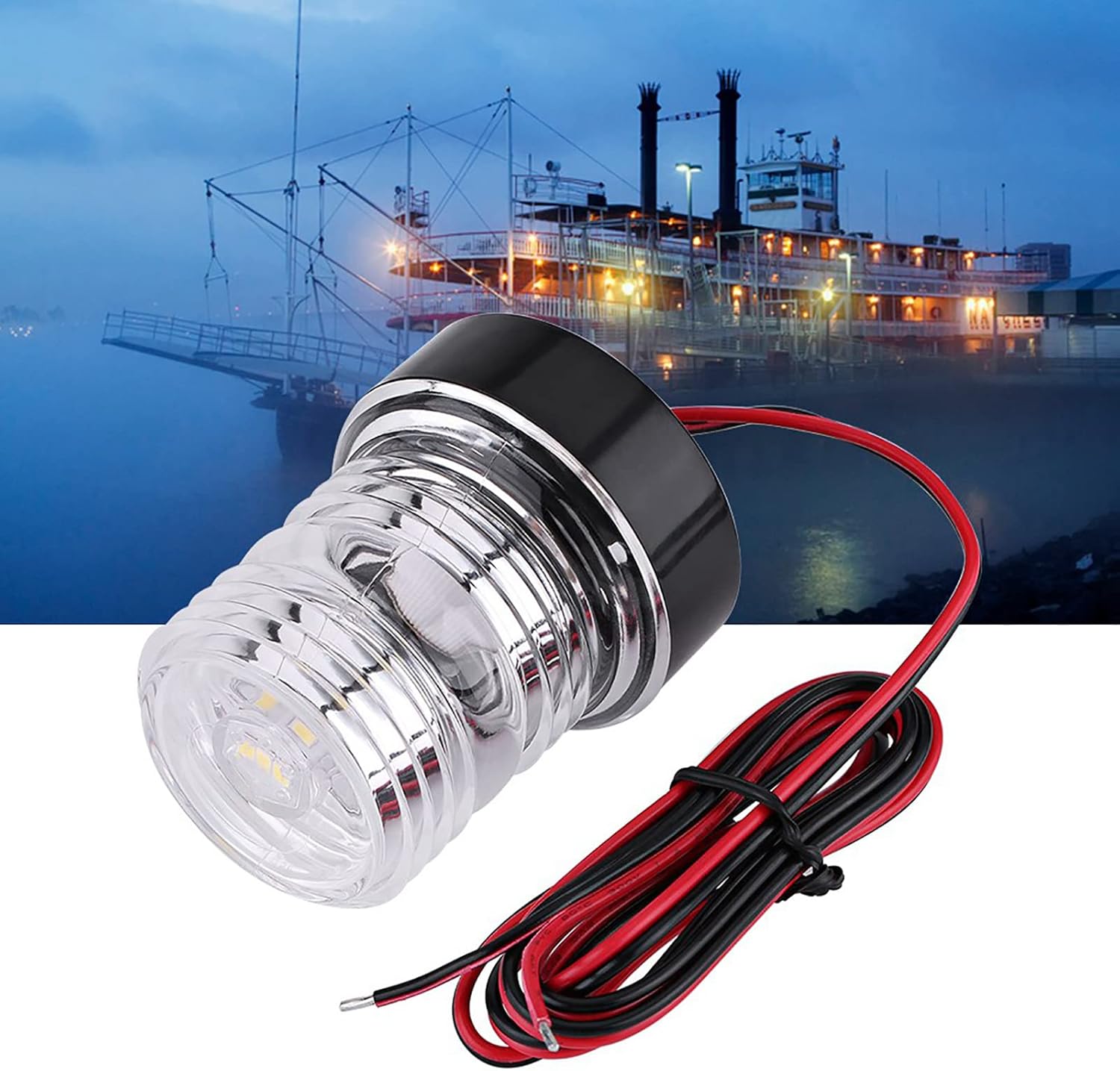
Look for fully waterproof housings rated at least IP67, which means the navigation lights can withstand immersion in water during heavy spray or green water over the bow. Marine lights with robust gaskets, potted electronics, and corrosion resistant fasteners will resist saltwater intrusion far better than cheaper boat lights that rely on simple snap together plastic shells. When a stern light unit fails in rough conditions, your yacht can become almost invisible from astern, so investing in premium waterproof fixtures is a direct investment in keeping the vessel safe.
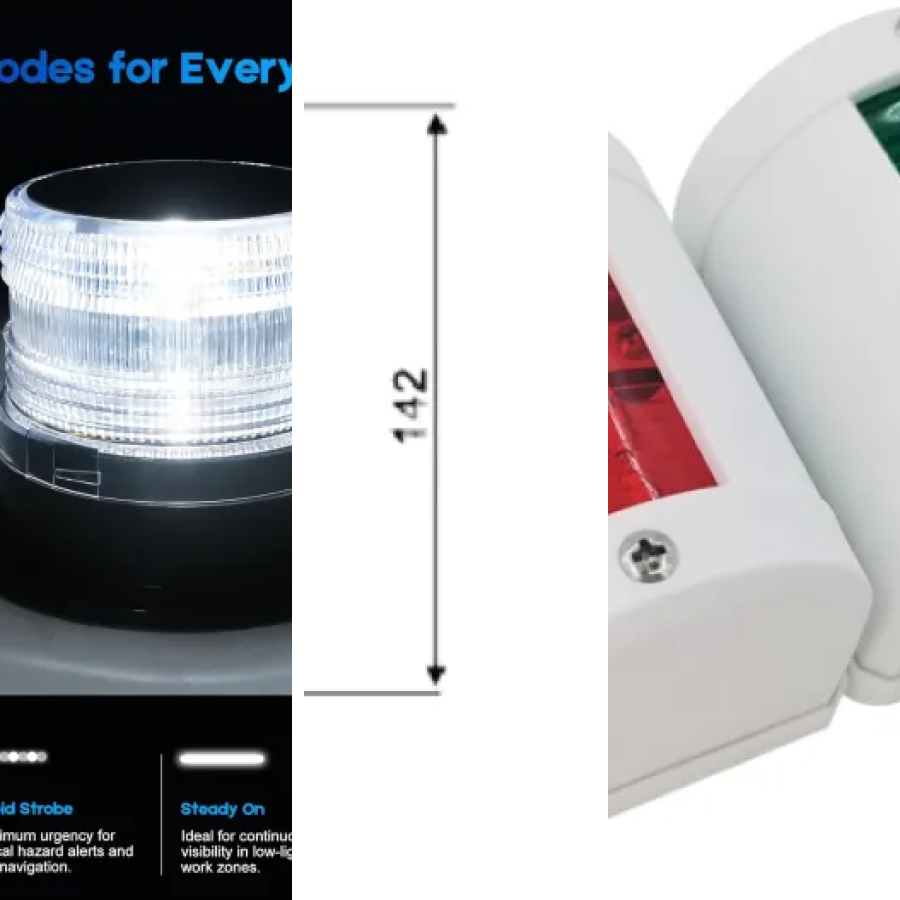
Heat management is another critical factor, because high output LED arrays generate heat that must be dissipated through the housing to maintain LED lifespan. Well engineered marine LED fixtures use aluminum or composite heat sinks to protect the diodes, ensuring that your red, green, and white navigation lights maintain consistent illumination for thousands of hours. When you buy a new bow light or stern light, favor brands that publish detailed technical data and offer long warranties, then complement that upgrade with equally robust deck hardware such as the options reviewed in this specialist guide to boat handrails for decks.
| Typical LED nav light class |
COLREG range |
Approx. minimum luminous intensity* |
Typical power draw (LED) |
| Small yacht sidelights (<12 m) |
1 NM |
≈ 1 cd |
0.5–1.0 W |
| Small yacht stern light (<12 m) |
2 NM |
≈ 2 cd |
0.5–1.5 W |
| 12–50 m sidelights |
2 NM |
≈ 2 cd |
1–2 W |
| 12–50 m masthead light |
3 NM |
≈ 4 cd |
1–3 W |
*Approximate values derived from COLREG Annex I section 9 intensity tables and aligned with USCG Navigation Rules guidance.
Installation best practices on yachts for optimal visibility
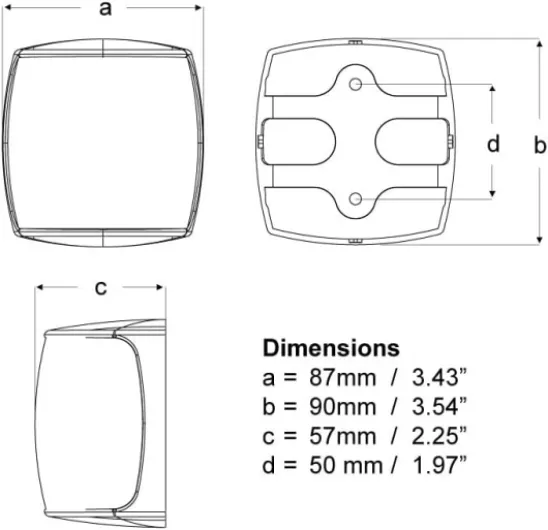
Even the best marine LED navigation lights will underperform if they are poorly installed on the boat. Mount the bow light high enough above the water to avoid constant spray, but low enough that the red and green sectors are not masked by the bow pulpit or headsail. On many sailing yachts, a compact LED bow unit integrated into the pulpit rail provides excellent illumination while remaining protected from direct impact.
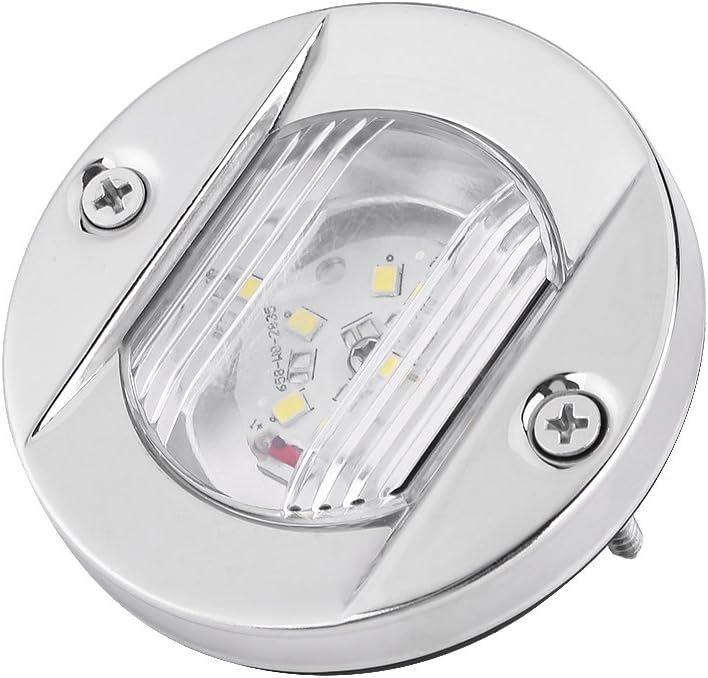
The stern light should be positioned where it offers a clear arc over the transom without being blocked by davits, tenders, or swim platforms, and this often means a raised bracket or pushpit mount. Check that the bow–stern combination does not create overlapping white sectors that could confuse other boats about your actual heading at night, especially when motoring slowly in harbors. For power boats with high superstructures, a masthead steaming light and separate stern unit may be necessary to maintain full visibility above deck clutter.
Electrical connections must be sealed with heat shrink and marine grade connectors to remain waterproof, because saltwater intrusion quickly corrodes bare copper and causes intermittent lighting failures. Route wiring away from high power cables feeding windlasses or thrusters, which can introduce interference and voltage drops that reduce LED brightness and compromise safe navigation. After installation, test every navigation light from a distance on the water at night, verifying that the red–green sectors, white stern light, and any all-round white anchor light are clearly visible from all required angles.
Maintenance routines to keep navigation lights reliable on long cruises
Yacht owners who treat their navigation lights as critical safety equipment rather than simple accessories enjoy far more reliable performance during demanding passages. A structured maintenance routine for every navigation light on board should sit alongside checks for lifejackets, fire extinguishers, and bilge pumps in your safety checklist. Before each night departure, inspect the bow light, stern light, and masthead units for damage, salt deposits, or loose fittings that could compromise illumination.
Salt crystals and grime can significantly reduce the effective output of marine lights, so gently washing lenses with fresh water and a mild detergent restores full brightness. Pay particular attention to the red and green lenses on the bow, because any haze or crazing can distort the color and make it harder for other boats to interpret your course, especially in busy marine navigation lanes. On long cruises, schedule a weekly inspection of all boat lights, including interior and deck lighting, to catch early signs of water ingress or UV damage.
Electrical maintenance is equally important, and this includes checking for corrosion on terminals, verifying that fuses are correctly rated, and measuring voltage at each LED navigation fixture under load. If you notice flickering or reduced brightness in any marine LED unit, investigate immediately rather than waiting for complete failure, because intermittent faults often appear first during heavy spray or rain at night. Integrating these checks with other hull care tasks, such as applying premium coatings from resources like this guide to top marine antifouling paints, creates a holistic maintenance culture that keeps both the underwater profile and the lighting system of your yacht in peak condition.
Advanced safety strategies using LED navigation lighting on yachts
Modern yachts can leverage the capabilities of the best marine LED navigation lights as part of a broader safety strategy that goes beyond simple compliance. High efficiency LED boat systems allow skippers to run additional white deck lighting at low intensity, improving crew mobility on the foredeck without compromising night vision. When combined with correctly configured navigation lights, this subtle lighting helps crew move safely along the starboard side and port side while handling sails or mooring lines.
Some premium marine LED fixtures integrate with onboard networks, allowing dimming, status monitoring, and fault alerts through multifunction displays, which gives skippers early warning if a bow light or stern light fails. This connectivity is particularly valuable on larger boats where crew may not immediately notice a failed stern unit or a malfunctioning green LED sector on the bow. By pairing smart marine navigation lighting with AIS transponders and radar reflectors, yacht owners create multiple redundant layers of visibility that significantly enhance collision avoidance at night.
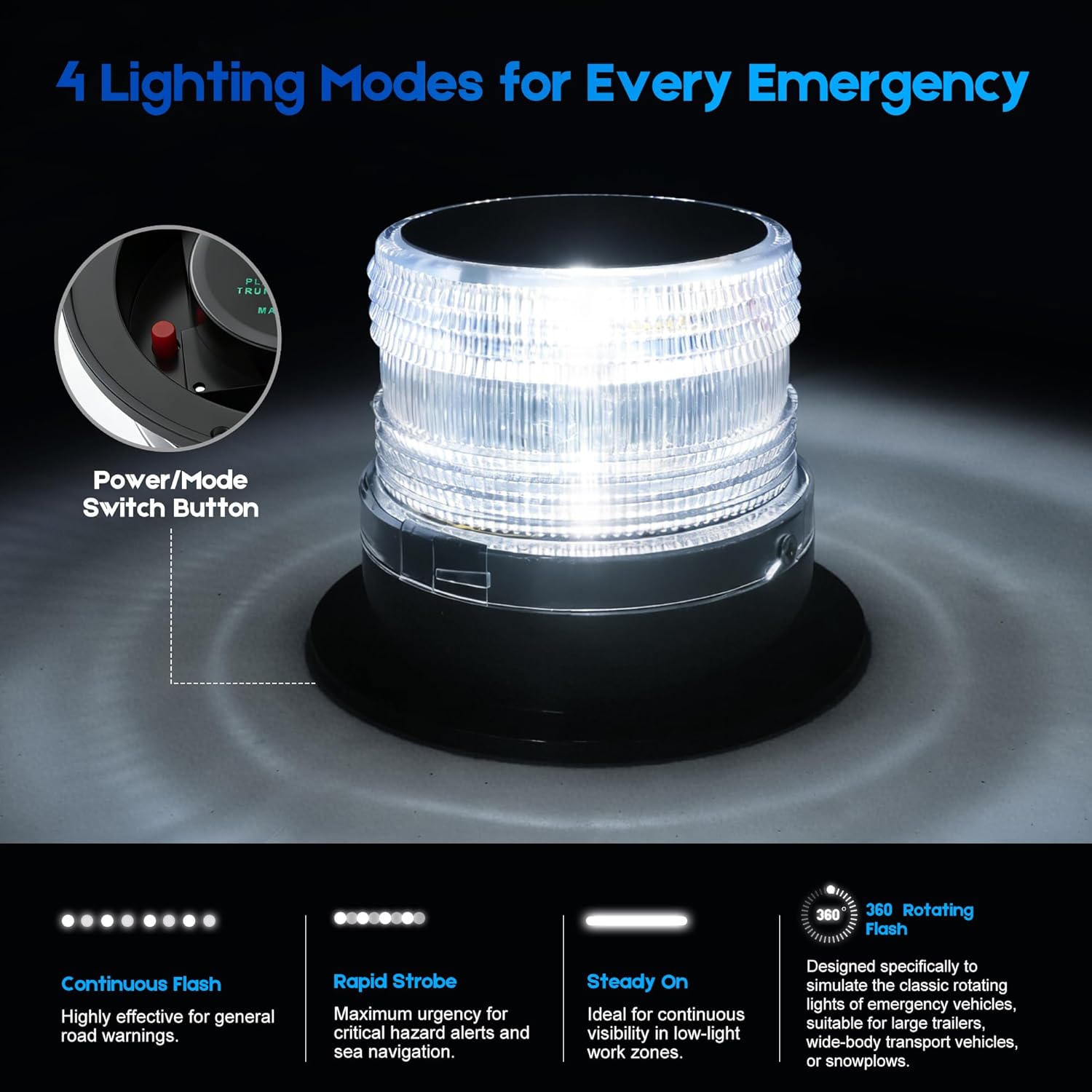
Operational discipline remains essential, which means always switching promptly between sailing and power driven configurations so that your navigation lights accurately reflect the yacht’s mode. Avoid using bright white floodlights underway, because they can wash out the subtle red–green cues that other vessels rely on for safe navigation, especially in confined waters. When you buy new marine lights or upgrade existing boat navigation systems, choose products that support this disciplined approach, offering clear status indicators, robust waterproof construction, and consistent illumination that keeps your yacht visible and safe in all conditions.
Key statistics on marine LED navigation lights and yacht safety
- According to the International Maritime Organization’s guidance on COLREG implementation and national accident reports, improper or missing navigation lights are cited as a contributing factor in a significant share of small vessel collision investigations, underscoring how critical correct lighting is for ensuring safe yacht operation at night.
- Data published by major marine electronics manufacturers show that quality marine LED navigation light fixtures can reduce power consumption for running lights by roughly 70–80 percent compared with incandescent bulbs, which directly extends battery endurance on cruising yachts.
- Type approval testing carried out for national maritime authorities demonstrates that compliant red and green LED bow lights remain clearly distinguishable at the required range even in moderate rain and haze, while non certified units often fail color and intensity checks.
- Industry surveys of yacht owners indicate that waterproof navigation lights with IP67 or higher ratings experience significantly fewer failures over a five year period than non sealed fixtures, particularly on boats operating regularly in saltwater environments.
- Comparative lifespan data from major LED manufacturers show that well cooled marine LED diodes can exceed 25,000 operating hours before noticeable lumen depreciation, which is many times longer than traditional filament bulbs used in older boat lights.
References
- International Maritime Organization – COLREGs and small vessel collision regulations, including Annex I intensity tables.
- United States Coast Guard – Navigation Rules and Boatbuilder’s Handbook, with detailed guidance on light placement and performance.
- Royal Yachting Association – Yacht safety guidance on navigation lights, night sailing, and collision avoidance techniques.