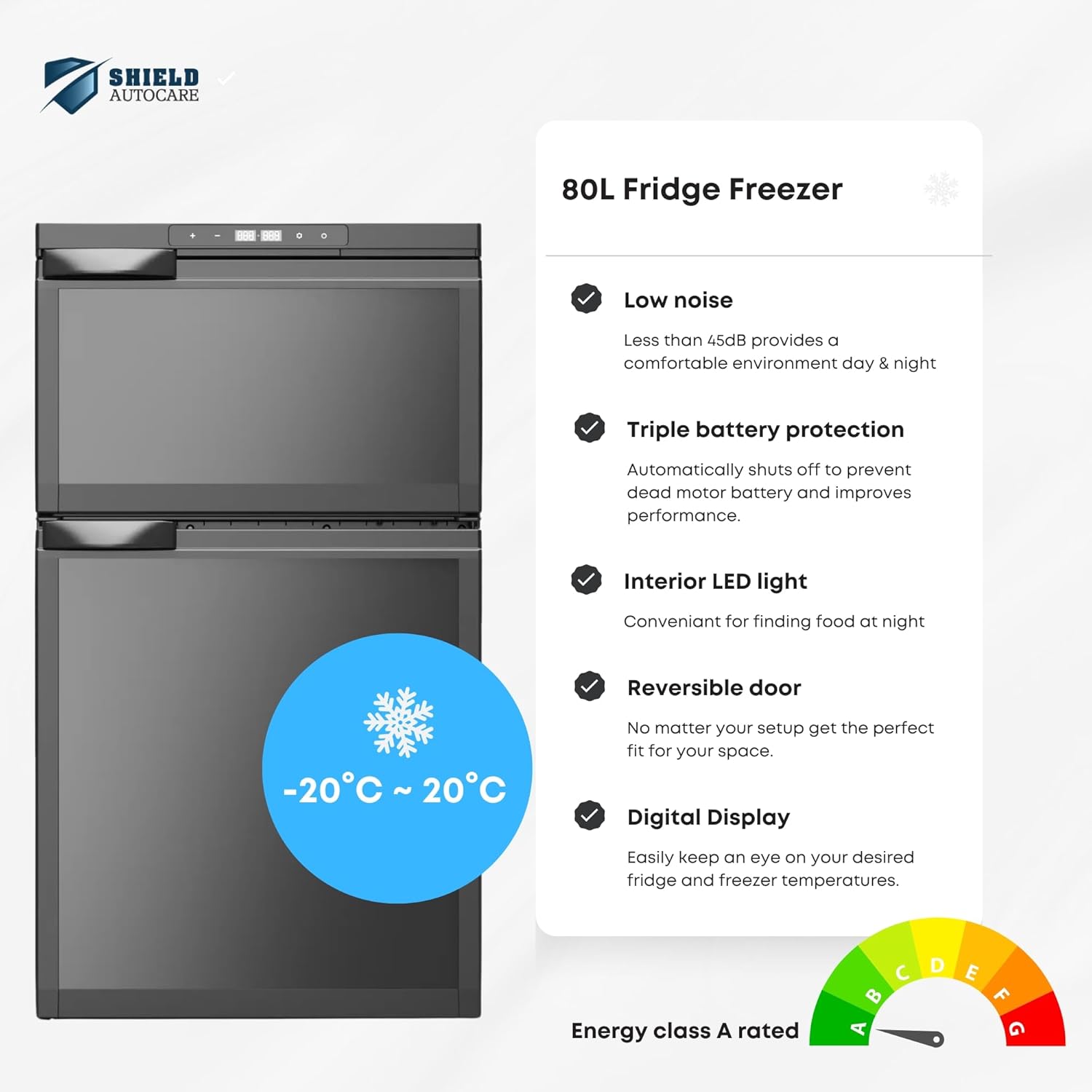
Built for sea conditions: marine specific design and materials
True quality marine refrigeration starts with cabinets and doors engineered for movement, humidity, and constant temperature swings. A marine fridge or fridge freezer must handle heel angles, slamming loads, and rapid cabin air temperature changes without losing cooling performance. That is why leading brands use thick insulation, robust control systems, and secure latches that resist accidental opening during a rough cruise.
Material choice matters as much as compressor technology when selecting the best marine refrigerators for boats. High grade stainless steel exteriors and steel internal liners resist corrosion from salty air, spilled brine, and melting ice while remaining easy to clean after long passages. On premium yachts, stainless steel doors also integrate visually with other galley appliances, creating a coherent drawer style or upright layout that feels both practical and elegant.
Marine units are designed to maximize space efficiency, with compact drawer refrigerators, small under counter fridge freezer combinations, and tall cabinets that follow the hull curvature. A drawer style fridge allows quick access to drinks and snacks while under way, reducing the time that cooled air escapes into the galley. When you pair such a drawer with a separate top opening freezer compartment, you gain flexible storage options without sacrificing low power operation or structural integrity, just as you would expect from carefully chosen anchor windlass systems on the foredeck described in specialized guides about top anchor windlasses for boats.
Compressor technologies, power systems, and air cooled installations
Behind every efficient marine fridge lies a compressor and condenser system optimized for limited power and harsh conditions. Most of the best marine refrigerators for boats rely on DC compressors that run directly from the yacht battery bank, minimizing conversion losses and keeping power consumption predictable. When a yacht spends long periods on the hook, these low power compressors become essential for preserving battery capacity overnight.
Air cooled condensers remain the most common solution because they are simple, reliable, and easy to service in remote marinas. An air cooled system uses cabin or locker air to remove heat from the refrigerant, so careful installation with adequate ventilation prevents the fridge from recycling its own warmed air. Poor airflow around the condenser can double effective power consumption, which is why experienced skippers treat ventilation grilles and ducting with the same seriousness as structural repairs handled with professional boat repair kits for fiberglass.
Some yachts adopt water cooled or keel cooled systems to improve cooling efficiency in hot climates, yet air cooled units still dominate the mainstream range of compact marine fridges. A well installed air cooled fridge or fridge freezer can perform admirably if the cabinet is designed with proper ducting and the compressor compartment remains free of clutter. Matching compressor capacity to cabinet volume also avoids short cycling, which stresses control systems and shortens component life.
Comparing leading brands: Isotherm, Dometic, and Vitrifrigo
Among yacht owners, three names dominate conversations about the best marine refrigerators for boats: Isotherm, Dometic, and Vitrifrigo. Each brand offers a wide range of marine fridge and freezer options, from small under counter units to large stainless steel drawer style combinations. Choosing between them depends on available space, cruising profile, and the yacht’s existing power and control systems.
Isotherm focuses heavily on energy efficiency, with Cruise and Cruise Elegance lines that integrate smart control systems to reduce power consumption during cooler night hours. Manufacturer data for models such as the Isotherm Cruise 85 Elegance and Cruise 130 Elegance show typical 12 V average draws in the 25 to 45 ampere hour per day range in moderate climates, assuming correct installation and ventilation. Their Cruise Elegance series often features stainless steel doors, robust freezer compartments, and air cooled condensers with optimized fan control, making them popular on premium sailing yachts and compact explorers.
Dometic and Vitrifrigo compete strongly in both upright and drawer style segments, offering marine fridges with steel or stainless steel finishes that match modern galleys. Technical sheets for Dometic CRX and CD drawer models, and Vitrifrigo C series fridge freezer units, list comparable low power consumption figures when tested to ISO 15502 conditions. Many yacht owners mix brands on board, pairing a Dometic drawer fridge for drinks with a Vitrifrigo top opening freezer, then securing the entire galley with high quality tie down solutions similar in importance to the gear highlighted in guides about top boat tie down straps.
Layout, space management, and drawer style innovations
Galley design on a yacht is always a negotiation between space, weight, and usability. The best marine refrigerators for boats respect this reality by offering multiple cabinet formats, including upright doors, top opening lids, and drawer style modules that slide smoothly under counters. A small drawer fridge can transform a cramped galley into a practical workspace, especially when paired with a separate freezer compartment elsewhere on board.
Drawer style fridges and freezers reduce the loss of cooled air because cold air tends to stay inside the drawer when opened horizontally. This design not only improves cooling efficiency but also reduces power consumption, which matters when the yacht relies on solar panels and a modest alternator for power. Many stainless steel drawer units from Isotherm, Dometic, and Vitrifrigo are specifically designed for marine use, with locking mechanisms that prevent accidental opening during a steep cruise heel.
Top opening freezers remain popular on bluewater yachts because they trap cold air even in rough conditions, yet they demand more vertical space and careful ergonomic planning. Combining a top opening freezer with a front opening fridge freezer or drawer fridge gives you flexible options for provisioning, especially on longer passages. When planning a refit, owners often sketch multiple layouts to balance access, weight distribution, and ventilation, then choose the exact marine fridge and freezer models that best match their cruising style and available space.
Maintenance, control systems, and long term reliability upgrades
Once installed, even the best marine refrigerators for boats require disciplined maintenance to deliver consistent cooling and long service life. Regularly cleaning condenser coils, checking door seals, and verifying that air cooled ventilation paths remain unobstructed will keep power consumption close to factory specifications. Neglecting these simple tasks forces the compressor to work harder, raising cabinet temperatures and risking spoiled food during a long cruise.
Modern marine fridges increasingly rely on electronic control systems that manage compressor speed, defrost cycles, and temperature alarms. Upgrading older mechanical thermostats to digital controls can yield measurable power savings, especially when combined with improved insulation and better ducting for cooled air. Some premium Cruise Elegance models from established brands integrate smart control panels that allow fine tuning of fridge and freezer compartment temperatures, helping owners adapt to changing ambient conditions.
Yacht owners often treat refrigeration upgrades as part of a broader technical refit that includes electrical, structural, and safety improvements. When you renew wiring, upgrade battery banks, and reinforce hull structures with appropriate materials, it makes sense to evaluate whether your existing marine fridge freezer still matches your cruising ambitions. A carefully chosen stainless steel unit with a low power compressor, robust steel cabinet, and proven quality marine components will repay its cost through quieter nights, fewer generator hours, and reliable ice for every sundowner, while any structural work on the hull should be supported by professional grade solutions similar to those highlighted in specialized resources on top boat repair kits for fiberglass.
Key figures on yacht refrigeration performance
- Modern DC marine compressors typically consume between 30 and 60 watts while running, which allows a well insulated small fridge to use roughly 25 to 40 ampere hours per day at 12 volts according to manufacturer data from brands such as Isotherm and Dometic (for example, published specifications for the Isotherm Cruise 65 and Dometic CRX 65).
- Independent field tests on cruising yachts, including energy audits presented by ABYC certified technicians and cruising associations, have shown that improving ventilation around an air cooled condenser can reduce daily energy use by up to 25 percent, highlighting the importance of proper installation and unobstructed airflow in tight galley spaces.
- High efficiency fridge freezer units with upgraded insulation can cut generator runtime by one to two hours per day on power hungry motor yachts, based on owner reports compiled by specialist marine energy consultants and documented in case studies on long range cruise refits.
- Stainless steel marine refrigerators often achieve service lives exceeding fifteen years when maintained correctly, which compares favorably with many household fridges exposed to less demanding conditions, according to surveys conducted by yacht service yards and warranty return statistics from major brands.
- On long range cruising yachts, refrigeration and freezer loads typically account for 30 to 40 percent of total domestic electrical consumption, making them one of the most impactful areas for energy efficiency upgrades alongside lighting and watermakers, as summarized in technical guidance from ABYC and marine electrical training courses.
References
- ABYC (American Boat and Yacht Council) standards for marine electrical and refrigeration systems, including guidance on DC power distribution and air cooled condenser installation.
- Manufacturer technical documentation and datasheets from Isotherm (Cruise and Cruise Elegance series), Dometic (CRX, CD, and drawer style ranges), and Vitrifrigo (C series and drawer fridge freezer models) on marine refrigeration performance and power consumption.
- Field testing reports, owner case studies, and energy audits published by marine engineering consultancies, yacht service yards, and bluewater cruising associations that document real world fridge and freezer loads on long distance voyages.