Technical criteria that define the best marine dock lines for boats
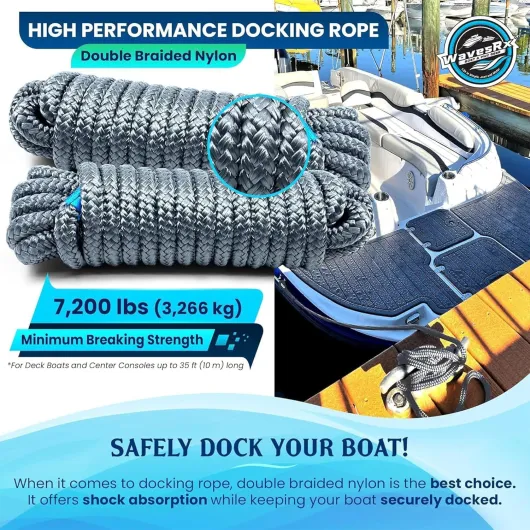
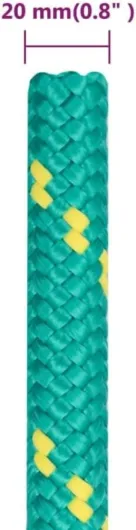
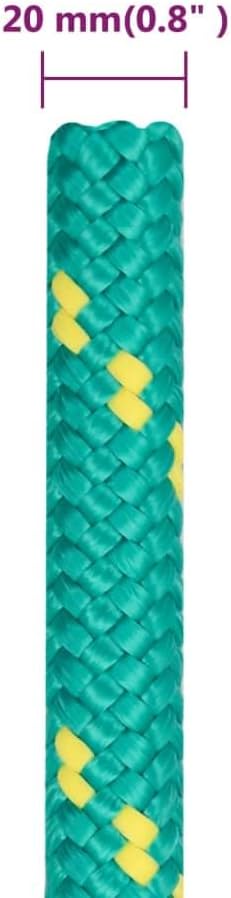
Choosing the best marine dock lines for boats starts with diameter, length, and construction. For most composite yachts, a practical rule of thumb from major rope manufacturers is to select a nylon line diameter of about 1/8 inch (3 mm) for every 9–10 feet (2,7–3 m) of boat length, then adjust for displacement and windage. Longer dock lines allow better shock absorption, so many captains carry both standard mooring lines and extra-long spring lines for exposed berths.
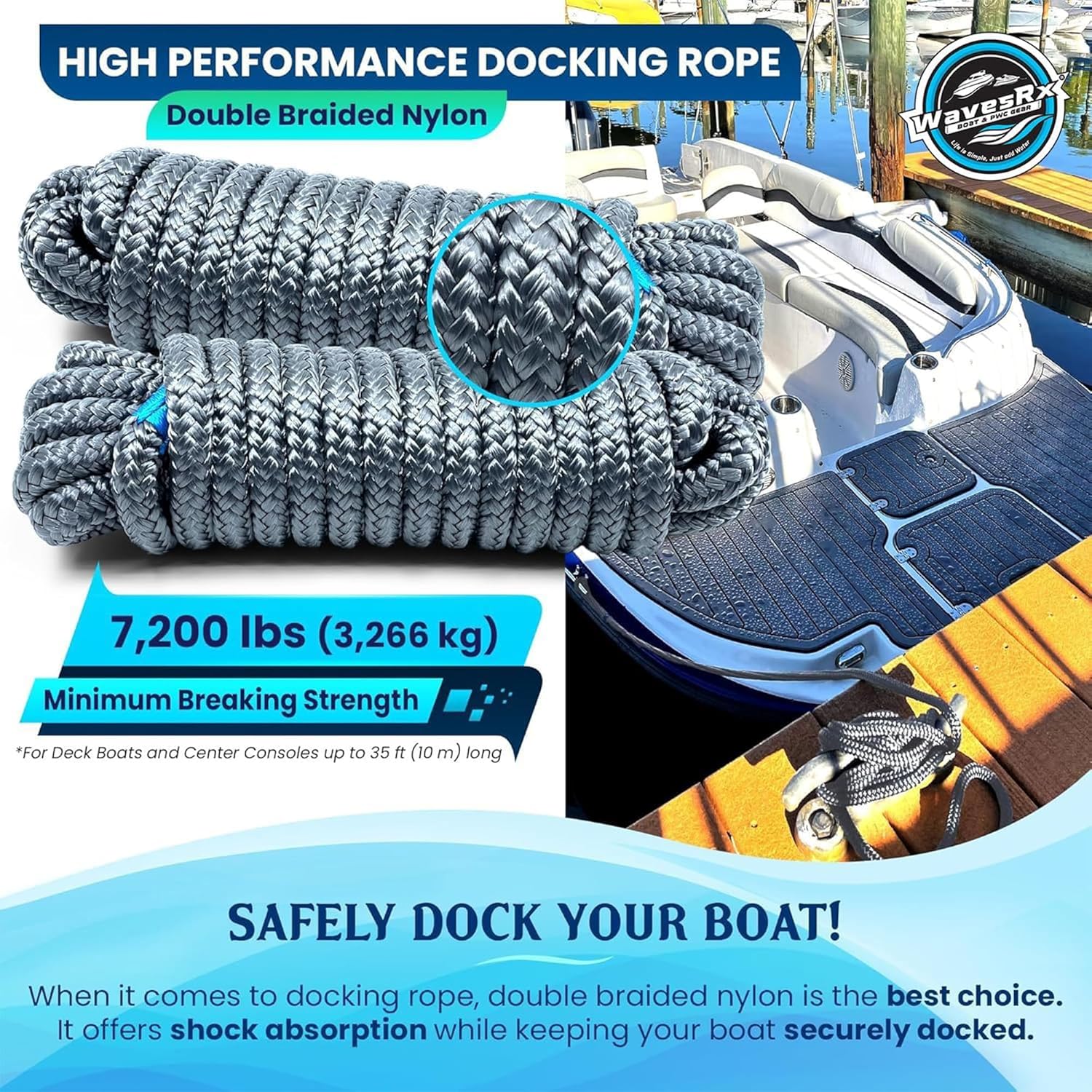
Material selection is the next critical option when specifying dock lines for a yacht. Nylon remains the true workhorse because it combines strength, controlled stretch, and resistance to UV and salt, while polyester dock lines offer lower stretch that can be useful for permanent moorings in calm marinas. High-modulus fibres such as Dyneema are rarely the best marine dock lines for boats at the dock, because their minimal stretch can transmit brutal shock loads to cleats and fittings.
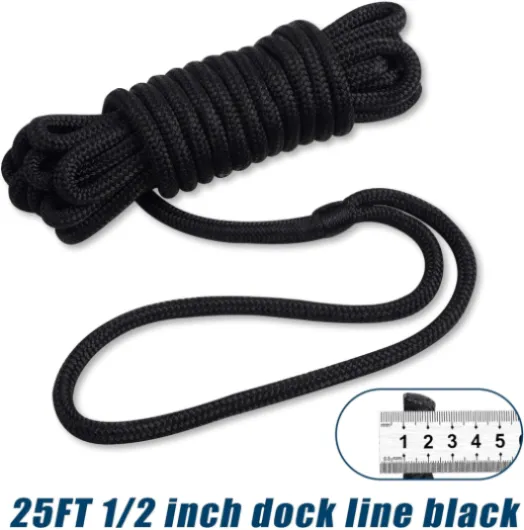
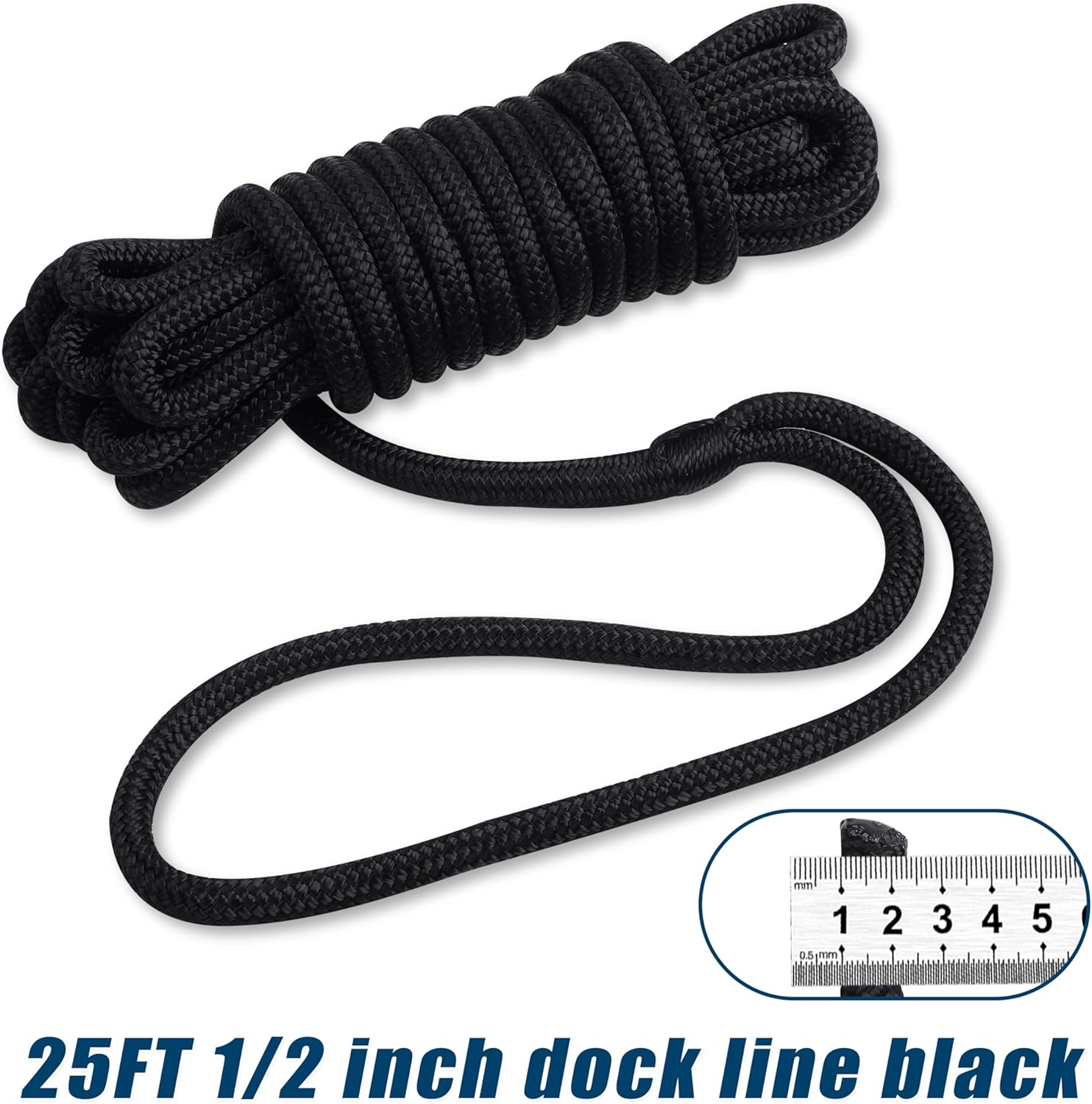
Colour and visibility also matter when you operate in busy superyacht marinas. Many owners favour black dock lines for their elegant appearance, but black rope can hide wear, so crew must apply a stricter rule for inspection and replacement. Lighter colours show salt and chafe earlier, which can be an advantage for safety even if they collect visible grime faster.
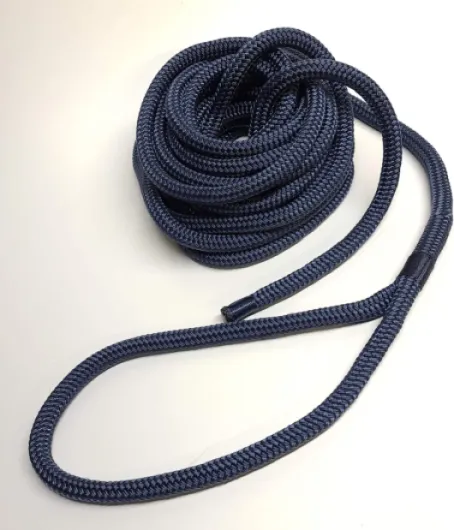
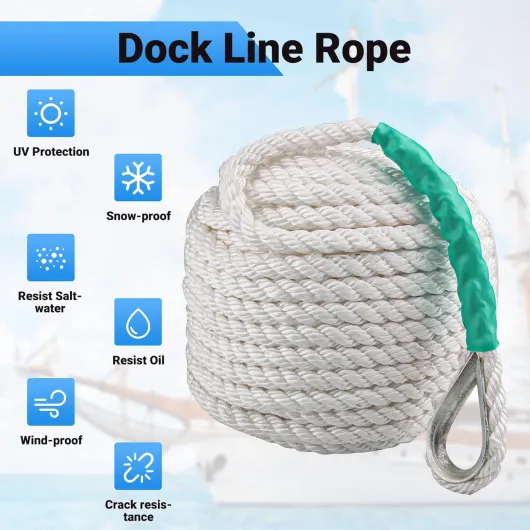
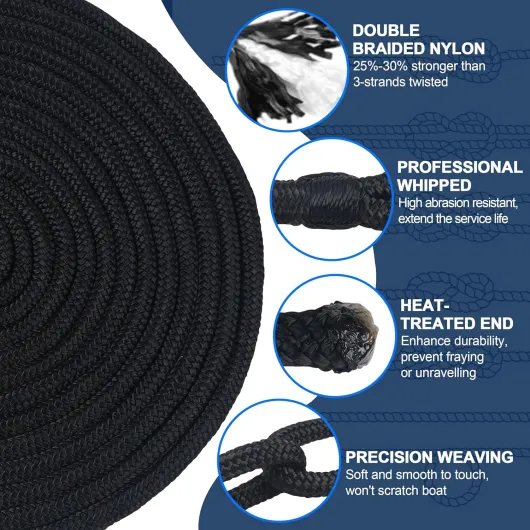
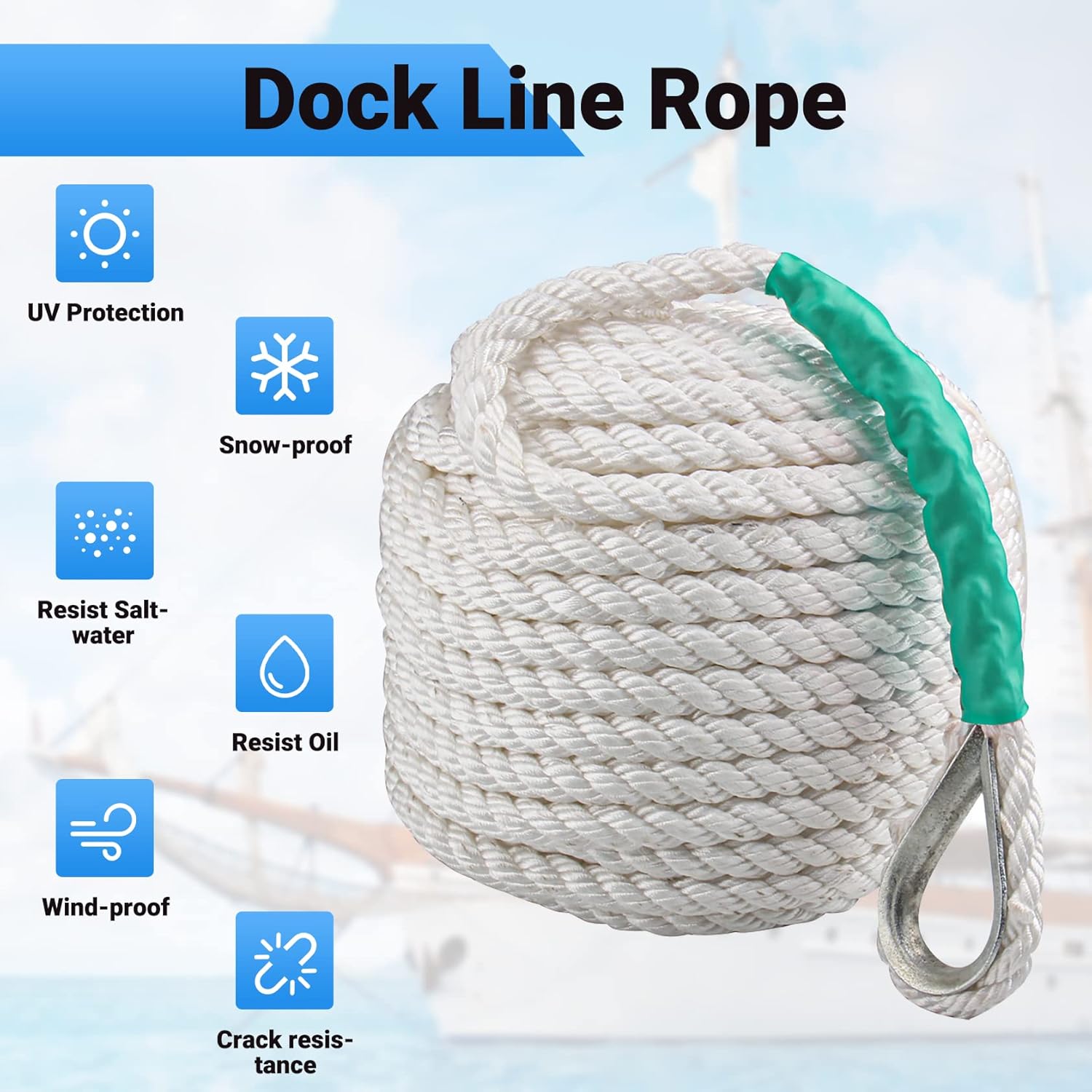
Hardware integration defines how efficiently your crew can handle dock lines under pressure. Professionally spliced eyes at the correct length allow rapid connection to dock bollards, while thimbles protect the rope from metal edges in permanent berths. When you combine these dock lines with a high quality anchor system, such as those reviewed in specialised guides to top boat anchors for marine use, you create a coherent mooring ecosystem that protects the yacht in both marinas and open roadsteads.
From a safety equipment perspective, the best marine dock lines for boats must also be compatible with your yacht’s cleat layout and fairlead geometry. Lines that are too stiff or too large in diameter can sit badly in the fairleads, changing the load angle and increasing chafe. During a refit, many captains review the position of cleats and chocks to optimise the lead of each dock line and to reduce friction points that shorten rope life.
Dock layout, chafe protection, and the hidden geometry of safe mooring
The best marine dock lines for boats only perform as designed when the dock layout and yacht geometry work together. A well-planned mooring arrangement uses bow lines, stern lines, and spring lines to control movement in every axis, while also respecting the structure of the dock itself. On floating pontoons, dock lines must accommodate vertical motion, whereas on fixed quays the lines must absorb tidal range and swell without overloading the cleats.
Chafe is the silent enemy of every dock line, especially on yachts that remain in the same berth for long periods. To protect your rope, use dedicated chafe guards at every contact point, including fairleads, hawse pipes, and the edge of the dock, and inspect these guards as carefully as the dock lines themselves. When you combine chafe protection with correctly sized fenders and specialised hardware such as the systems reviewed in guides to top boat dock bumpers, you significantly reduce impact loads on both the yacht and the dock.
Many captains sketch a simple plan of the berth to visualise line angles and forces. This mooring plan shows the position of each dock line, the expected load direction, and the potential chafe points, which helps new crew understand the system quickly. Over time, this visual approach leads to more consistent use of the best marine dock lines for boats, because every crew member can see how a small change in line angle affects the entire geometry.
On superyachts, the allocated quantity of dock lines becomes a strategic decision rather than a casual choice. A typical vessel may carry multiple complete sets of dock lines, with planned allocations for Mediterranean mooring, alongside berthing, and storm configurations. Each configuration uses different line lengths and diameters, but all rely on the same principle that the dock line must stretch in a controlled way while remaining clear of sharp edges.
When you change marinas, do not assume that the previous yacht’s dock lines left on the cleats are suitable for your vessel. Those lines may have unknown history, hidden chafe, or an inappropriate diameter for your displacement, so relying on them undermines the safety value of your own best marine dock lines for boats. Treat every new dock as a fresh engineering problem, and adjust your mooring geometry accordingly.
Digital tools, inspection routines, and the strange language of dock line data
Modern yacht crews increasingly use digital tools to manage the lifecycle of the best marine dock lines for boats. Maintenance software allows you to log each dock line with a unique title, purchase date, working hours, and inspection notes, so you can replace rope before it reaches a critical fatigue point. This data-driven approach turns dock lines from anonymous consumables into traceable safety assets.
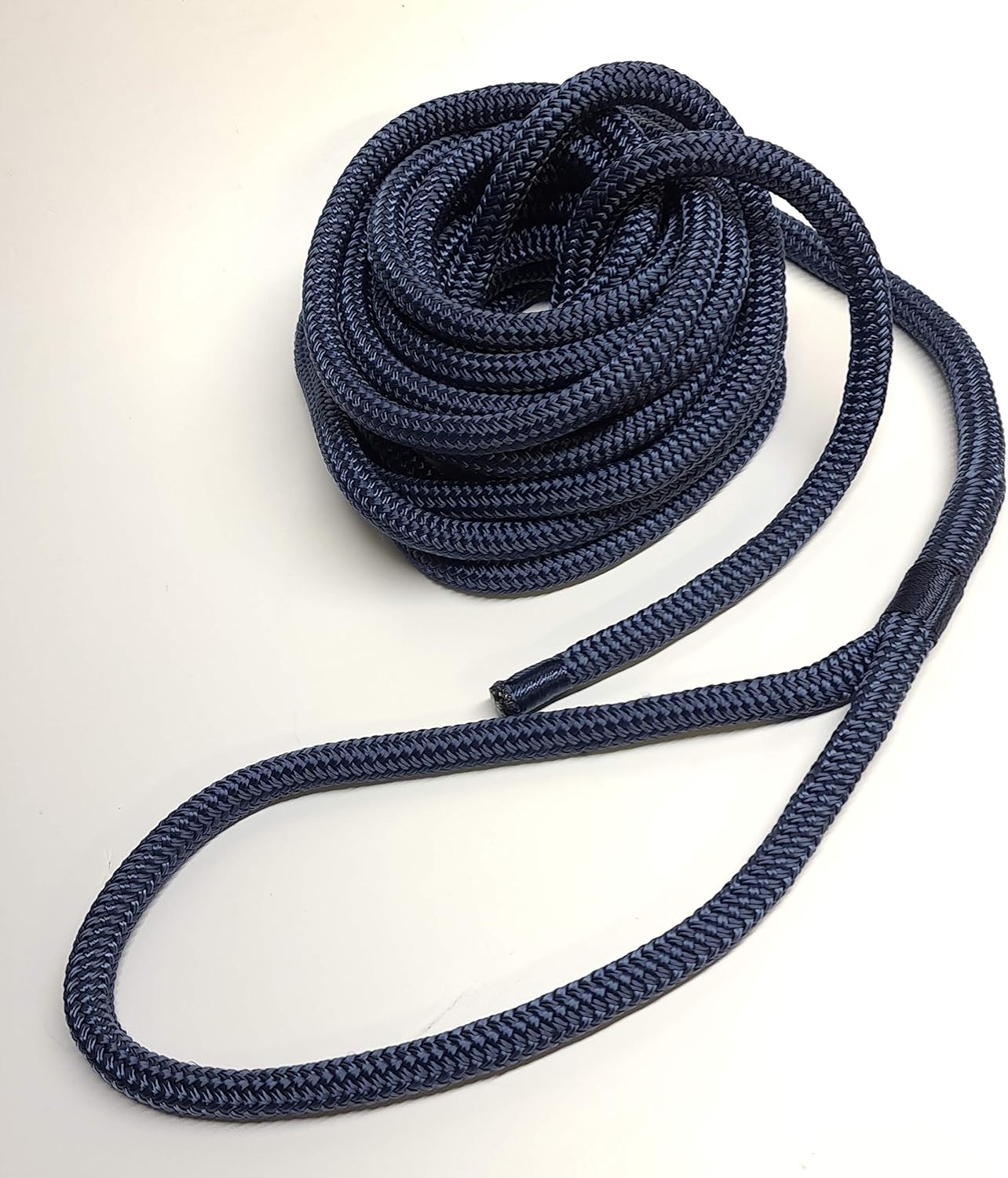
When you buy dock lines online, you often encounter technical terms that originate from e-commerce platforms rather than from naval architecture. Product pages may list options for different diameters, lengths, and materials, with filters that help you match the specification to your yacht’s size and mooring plan. These details matter indirectly, because clear product titles, accurate descriptions, and close-up photos of the splice and cover weave help you verify the construction and finish of the line before you commit to a purchase.
Some yacht owners are surprised to see references to a selling plan or plan allocations when they order the best marine dock lines for boats from an online catalogue. In practice, this simply means the retailer offers different options for quantities, lengths, or subscription-style replacements, and each option requires a specific quantity rule in the checkout system. While terms such as option null, null increment, max null, min max, rule min, allocations quantity, false selling, plan false, and requires selling belong to the logic of the website rather than to seamanship, they still influence how easily you can standardise dock lines across a fleet.
From a safety standpoint, the true priority is that every dock line you buy matches the specification stated in the product title and technical sheet. Check that the rope diameter, breaking load, and recommended boat length are clearly listed, and that the price reflects a professional-grade product rather than a generic hardware store line. If the online image aspect or aspect ratio hides critical details such as the quality of the splice or the density of the cover braid, request additional photos before ordering.
Digital records also help you track which dock lines are assigned to which yacht or tender. By logging the position of each line on board and linking it to inspection photos, you create a visual history that complements your written maintenance plan. Over several seasons, this evidence-based approach confirms which brands and constructions truly deserve a place in your set of best marine dock lines for boats.
Integrating dock lines into a complete yacht safety equipment strategy
On a well-run yacht, the best marine dock lines for boats sit alongside lifejackets, fire systems, and navigation gear as part of a unified safety strategy. During drills, crew practise rapid casting off and re-securing dock lines, because real emergencies rarely allow time for careful coiling and leisurely knots. The objective is always the same, to move the yacht safely while maintaining control of the hull relative to the dock.
Maintenance routines for dock lines should be written into the vessel’s safety management plan. This plan specifies inspection intervals, cleaning methods, and retirement criteria, so that no dock line remains in service beyond its safe working life, even if it still looks acceptable to the naked eye. For yachts under commercial registration, such documentation also demonstrates compliance with flag state and class society expectations regarding mooring equipment.
When you schedule yard periods, include dock lines in the list of items to review alongside hull coatings, anodes, and safety gear. Many captains coordinate this work with structural checks of cleats, bitts, and fairleads, because the best marine dock lines for boats can only perform if the deck hardware is equally robust. If the yard reports any movement or corrosion around the fittings, upgrade both the hardware and the dock lines as a matched set.
Owners who cruise extensively should also carry a reserve stock of dock lines stored in a dry, ventilated locker. This reserve allows you to replace a damaged rope immediately after a heavy weather event or an unexpected chafe incident, without waiting for a chandlery delivery in a remote port. Over time, this habit reinforces the idea that dock lines are consumable safety items rather than permanent fixtures.
For composite yachts with high freeboard, consider how the vertical distance between the deck and the dock affects line angles and loads. In some harbours, especially with low concrete quays, the geometry can create extreme angles that accelerate chafe and reduce the effective strength of even the best marine dock lines for boats. In such cases, additional spring lines and carefully placed fenders become essential components of the overall safety equipment package.
Practical maintenance tips and emergency readiness for yacht dock lines
Routine care extends the life of the best marine dock lines for boats and preserves their safety margin. Rinse lines with fresh water after passages in heavy salt spray, then allow them to dry fully before stowing, because trapped moisture accelerates fibre degradation and encourages mildew. Avoid harsh detergents that strip protective coatings from the rope, and never use strong solvents near synthetic fibres.
Coiling and stowing techniques also influence the long-term behaviour of dock lines. Store each rope loosely coiled in a ventilated locker, away from direct sunlight and sharp edges, so the fibres can relax without kinks or compression points that weaken the structure over time. Many professional crews label each dock line with its length and diameter, which speeds up deployment when you approach a new marina in challenging conditions.
Emergency scenarios demand a different mindset from day-to-day mooring. Keep at least one set of the best marine dock lines for boats ready for rapid deployment, ideally pre-rigged with fenders and clearly flaked on deck, so the crew can secure the yacht quickly if a storm front arrives earlier than forecast. In harbours with limited shelter, this readiness can make the difference between a controlled relocation and a damaging collision with the dock.
When hull damage does occur, whether from a failed dock line or from an unexpected impact, having the right repair equipment on board shortens the recovery time. Many captains rely on specialised kits such as those reviewed in guides to top boat repair kits for fiberglass, which complement the protective role of high quality dock lines by enabling rapid structural repairs. Together, robust mooring practices and effective repair tools form a resilient safety ecosystem for the yacht.
Finally, train every crew member, including junior deckhands, to respect dock lines as critical safety gear. Regular briefings on inspection techniques, correct knots, and safe working loads build a culture where the best marine dock lines for boats receive the same attention as electronics or engines. In that culture, a worn rope is never ignored, and the yacht remains better protected in every harbour.
Key figures and technical benchmarks for yacht dock lines
- For nylon dock lines, a common guideline from manufacturers is a working load of around 15 to 25% of the published breaking strength, which provides a safety margin for shock loads in rough conditions.
- Many classification societies expect mooring systems on commercial yachts to withstand environmental loads corresponding to wind speeds of about 30 to 40 knots in harbour, which directly influences the required diameter and construction of the best marine dock lines for boats.
- Laboratory tests published by major rope producers show that prolonged UV exposure can reduce the strength of unprotected synthetic fibres by more than 20% over several seasons, which justifies regular inspection and replacement of sun-exposed dock lines.
- Field experience from superyacht marinas indicates that adding two extra spring lines in exposed berths can reduce hull movement against the dock by up to 40%, significantly lowering the risk of fender failure and gelcoat damage.
- Operational reports from charter fleets suggest that yachts with documented dock line maintenance plans experience fewer mooring-related incidents per season than comparable vessels without structured inspection routines, underlining the value of systematic care.