Key technologies behind premium underwater led systems
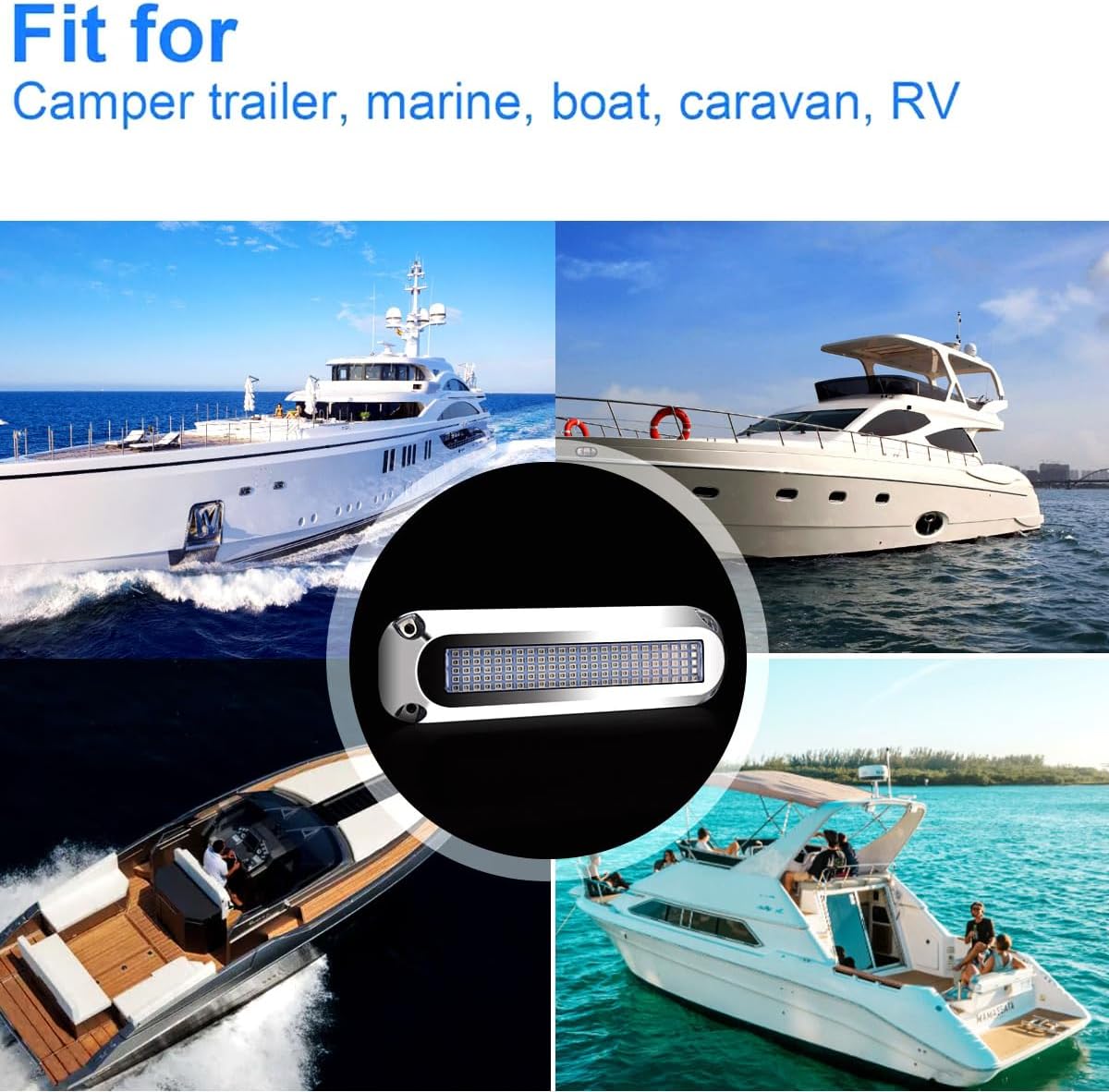
Modern underwater led systems rely on dense arrays of diodes that convert electrical power into light with exceptional efficiency. A single compact led light can now rival older xenon fixtures while drawing a fraction of the current from the vessel’s batteries. For example, a typical 40 to 60 watt underwater led unit from brands such as Lumishore (e.g., SMX53, 4,000–5,000 fixture lumens at 40–50 W, per Lumishore technical datasheets, 2023) or OceanLED (e.g., Sport S3166s, 5,000–6,000 lumens at 60 W, OceanLED product sheet, 2022) can produce roughly 4,000 to 6,000 measured lumens, while a comparable halogen or metal halide lamp might consume 150 to 200 watts for similar visible output according to legacy lamp curves published by several marine OEMs. This efficiency matters when generators are off and the yacht is running quietly at anchor.
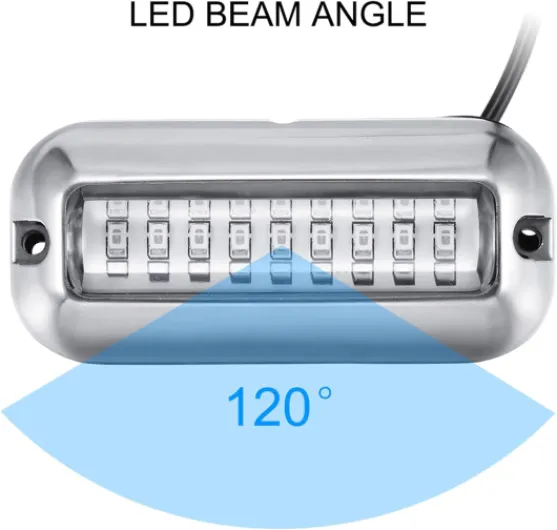
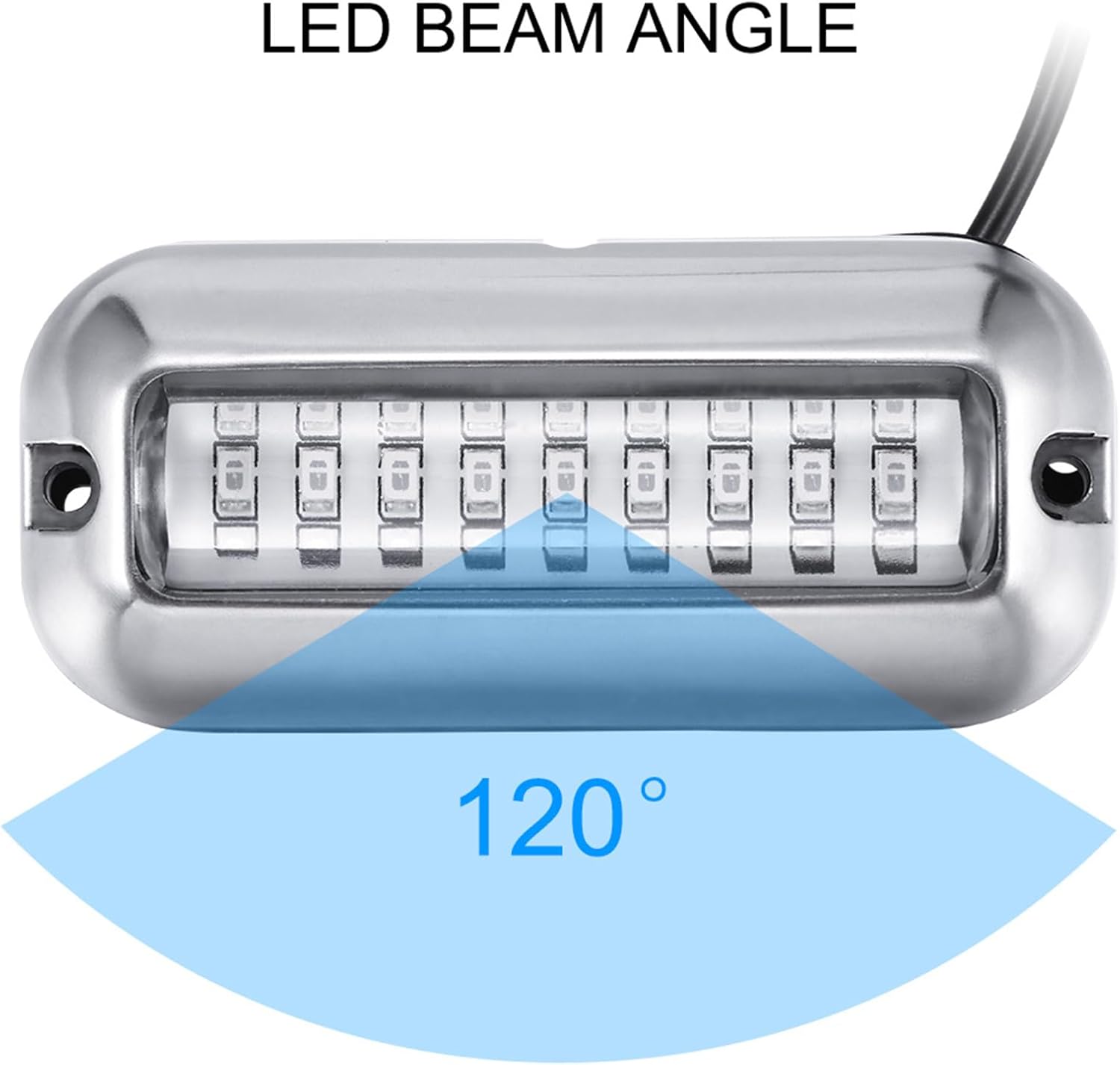
High end underwater lights use optical lenses to shape the beam and push light further through water, which absorbs and scatters illumination far more than air. The best boat underwater lights therefore combine powerful led lights with precise optics to create a wide halo rather than a narrow tunnel of lighting. Typical beam angles range from 60 to 120 degrees, and when you compare lights led by beam angle and lumen output, you can predict how the transom will actually appear from a tender or swim platform. Manufacturer data sheets from companies such as Lumitec (Caprera and SeaBlaze series photometric reports, 2021–2023) and Hella Marine (Apelo series, 2022 optical data) often specify both total lumens and lux at 1 or 3 meters, which helps translate marketing claims into real world performance.
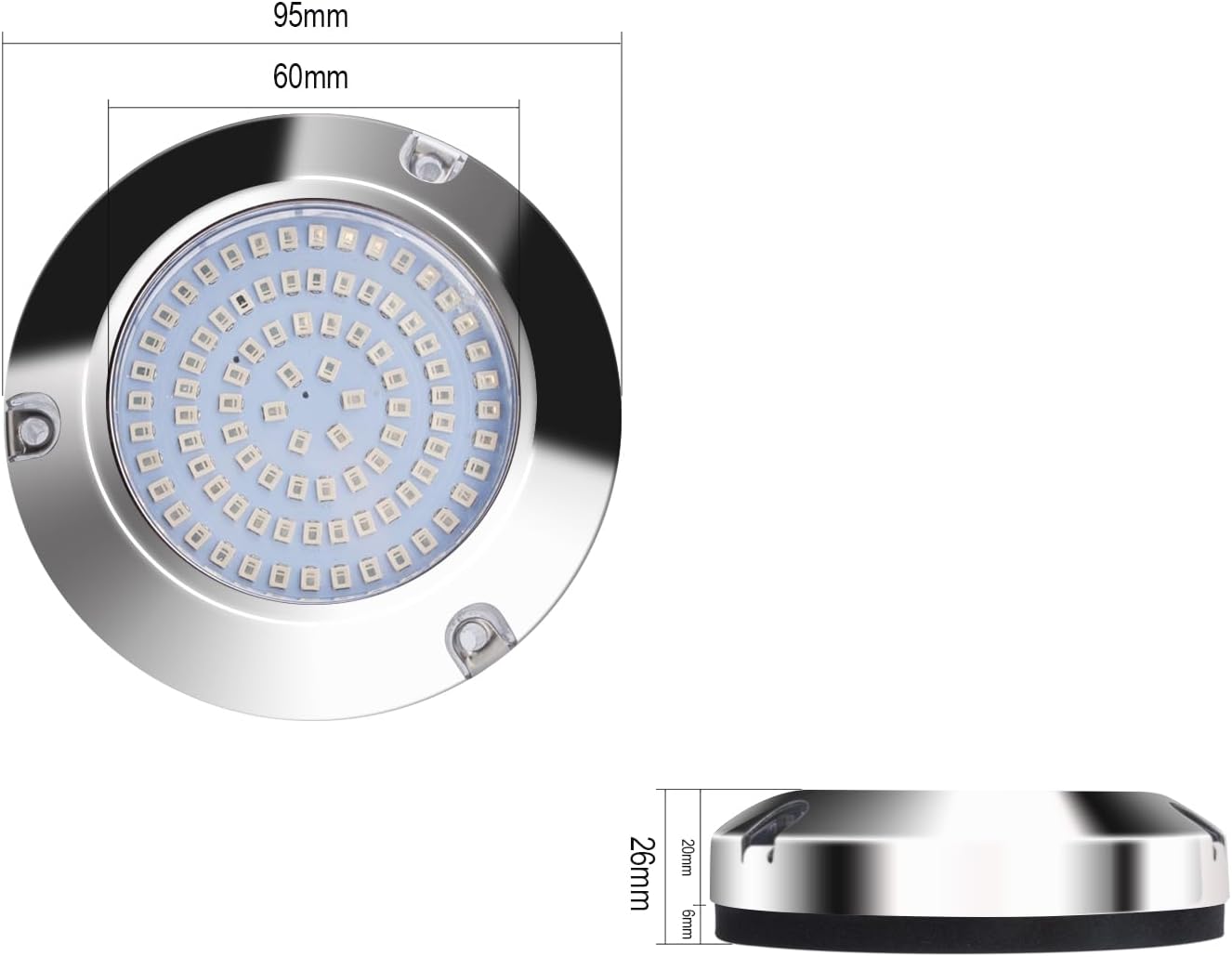
Serious yacht owners also evaluate the thermal design and materials of each underwater light fixture. Marine lighting that uses solid stainless steel bodies and efficient heat sinking will protect the led underwater modules from premature failure. Many premium fixtures carry ingress protection ratings such as IP68 for continuous immersion and may also be tested to IP69K for resistance to high pressure, high temperature washdown, as defined in IEC 60529 and ISO 20653. Impact ratings like IK08 or IK10, referenced in EN 62262, indicate resistance to mechanical shock. When you pair these fixtures with quality mounting brackets and marine grade wiring, the systems can run for thousands of hours with minimal maintenance, just like well specified sailing blocks and pulleys on a performance rig.
Materials, sealing, and corrosion resistance below the waterline
Any underwater light installed on a yacht must survive constant immersion, galvanic currents, and mechanical stress from waves. For this reason, the best boat underwater lights use marine grade stainless steel or hard anodized bronze rather than basic alloys. Common choices include 316L stainless steel and AB2 bronze, which are widely used in seacocks and through hull fittings. These materials resist pitting and maintain a clean surface that allows light to pass efficiently into the surrounding water.
Quality underwater lights also rely on robust sealing systems that combine O rings, potting compounds, and pressure tested housings. Reputable manufacturers pressure test assemblies to depths that exceed typical yacht draft and certify fixtures to IP68 or higher for continuous submersion, in line with IEC 60529 guidance. When a led underwater module is fully sealed, water cannot reach the electronics, and the fixture can tolerate repeated thermal cycles from long night runs. Poorly sealed boat lights, by contrast, allow moisture to creep into the hardware and quickly degrade performance.
Owners should also consider how underwater led fixtures interact with existing hull fittings and the yacht’s bonding network. A stainless steel light mounted near an aluminum trim tab, for example, requires careful attention to isolation and anodes. Following guidance from standards such as ABYC E-2 (Cathodic Protection) or ISO 13297 (Small craft — Electrical systems — Alternating and direct current installations) helps reduce galvanic corrosion and stray current issues. The same disciplined approach used when specifying an anchor windlass for boats should guide every underwater boat lighting decision, because both systems live at the harsh interface between hull and sea water.
Designing a lighting layout that elevates the boating experience
A refined underwater lighting layout starts with a clear view of how the yacht is used at night. Some owners prioritize fishing and want underwater lights that attract baitfish around the transom and swim platform. Others focus on social spaces and prefer a soft halo of boat lighting that frames the hull without overwhelming guests’ eyes.
On planing yachts, designers often place underwater led fixtures along the transom and sometimes along the hull sides to create a continuous band of light. This approach uses multiple underwater lights boats owners can dim or brighten as needed, shaping the mood while maintaining safe visibility for tenders. As a rough guide, many builders space fixtures 1.2 to 1.8 meters apart on center, adjusting for chine shape and swim platform cutouts. When combined with subtle boat led accents on steps and side decks, the overall lighting systems create a coherent visual signature.
Color changing led light technology adds another layer of control for yacht passionate owners. With modern controllers, a single underwater light can shift from deep blue for relaxed evenings to crisp white for practical tasks in the water. Some RGBW or RGBA systems also offer dedicated warm white channels for more natural skin tones around the swim platform. When these lights feature synchronized scenes with interior and exterior marine lighting, the entire vessel feels like a single, well orchestrated environment rather than a collection of separate kits and fixtures.
Installation, wiring, and safety considerations for underwater lights
Professional installation is essential when adding the best boat underwater lights to a premium yacht. Cutting holes below the waterline demands precise drilling, correct bedding compounds, and careful torque on mounting brackets to avoid hull damage. Installers typically follow manufacturer templates, use marine sealants compatible with fiberglass or aluminum, and confirm that backing plates or core reinforcements are adequate. A rushed installation can compromise both the vessel’s integrity and the long term reliability of every underwater light.
Electrical wiring must follow marine standards, using tinned copper conductors, sealed connectors, and properly sized breakers. Guidance from ABYC E-11 (AC and DC Electrical Systems on Boats) or ISO 10133 and ISO 13297 helps determine conductor sizing, overcurrent protection, and labeling. Led underwater fixtures draw less current than older lamps, but they still require correct circuit protection and thoughtful cable routing away from heat and moving hardware. When underwater lights are grouped into logical zones, crew can control each set of boat lights independently for safety and ambiance.
Owners should also integrate underwater led systems into broader safety planning on board. That includes maintaining clear access to emergency switches and pairing lighting upgrades with essential gear such as high quality boat emergency kits. A well lit transom, reliable lights underwater, and organized emergency equipment together create a safer boating experience for guests who may be unfamiliar with life at sea.
Balancing performance, price, and maintenance over a yacht’s lifecycle
Choosing the best boat underwater lights is ultimately a balance between performance, price, and long term maintenance. Premium led lights cost more initially, yet they often deliver lower lifetime cost thanks to reduced power consumption and fewer haul outs for replacement. Manufacturer literature from companies such as Lumitec (SeaBlaze series application notes, 2022), Hella Marine (Apelo brochure, 2021), and OceanLED (E-Series and X-Series datasheets, 2022) commonly cites led lifespans of 30,000 to 50,000 hours under controlled laboratory conditions at rated voltage and ambient temperature, far exceeding the 1,000 to 2,000 hour ratings of many halogen lamps reported in IEC 60064 lamp standards. In real world marine service, heat, voltage spikes, and switching cycles can reduce these figures, so owners should treat them as comparative indicators rather than guaranteed runtime. When evaluating price, owners should consider not only the fixtures but also installation labor, wiring upgrades, and control systems.
Routine care for underwater light installations includes gentle cleaning of lenses to remove marine growth that can dull the beam. Divers or crew should avoid abrasive tools that scratch stainless steel or polycarbonate, because surface damage scatters light and reduces performance in clear water. Many manufacturers recommend soft cloths, plastic scrapers, or non metallic pads along with mild boat soap. Regular inspection of mounting brackets, seals, and wiring connections helps prevent small issues from becoming expensive repairs.
Thoughtful specification also means matching color and beam patterns to the yacht’s typical cruising grounds. In clear tropical water, cool white or deep blue lights underwater can project several meters from the hull and create a dramatic view from the swim platform. Published test data from premium brands such as OceanLED (X-Series sea trial reports, 2021) and Lumishore (EOS series photometric trials, 2022) often shows usable illumination out to 8 to 10 meters in clear water for high output models, while entry level fixtures may fall below 4 meters in similar conditions. In more turbid coastal areas, a slightly warmer color and higher lumen output from each led light can maintain a satisfying boating experience even when visibility is reduced.
Integrating underwater lighting with broader yacht tech upgrades
Underwater lighting upgrades rarely happen in isolation on a modern yacht. Owners often pair new underwater led systems with refreshed interior boat lighting, upgraded navigation electronics, and refined entertainment systems. When these projects are coordinated, the vessel gains a cohesive technology platform rather than a patchwork of separate kits.
Advanced controllers now allow underwater lights, deck lights, and interior fixtures to share scenes and dimming curves. A single touch can shift the yacht from a bright fishing configuration, with intense lights underwater and strong transom illumination, to a relaxed evening mode with softer boat led accents. Many contemporary systems use digital switching networks or NMEA 2000 integration so that lighting states can be recalled from multifunction displays or dedicated touch panels. This integration also simplifies maintenance, because crew manage fewer disparate systems and can monitor performance from central displays.
For yacht passionate owners, the real value lies in how these upgrades change life on board. A well lit underwater boat area encourages more night swimming, more tender runs, and more time spent enjoying the water rather than rushing back to port. When the best boat underwater lights are treated as a core part of the vessel’s marine lighting strategy, they become a signature element of the yacht’s identity and a lasting enhancement to every voyage.
Key figures on underwater lighting for yachts
- According to data from leading marine lighting manufacturers such as OceanLED (X-Series and Sport range specifications, 2021–2023), Lumishore (SMX and EOS series datasheets, 2022), and Lumitec (SeaBlaze underwater line, 2021), modern led underwater fixtures typically consume 70 to 80 percent less power than legacy halogen underwater lights, which significantly extends battery autonomy at anchor.
- Field testing by several European shipyards and refit yards, including reports presented at METSTRADE and in trade publications like Professional BoatBuilder (issues 187–193, 2021–2022), shows that high quality stainless steel housings can extend the service life of underwater light installations by up to 50 percent compared with non marine grade alloys in similar water conditions.
- Surveys of yacht owners conducted by major marine electronics retailers and boat show organizers, summarized in exhibitor reports from events such as the Cannes Yachting Festival and Fort Lauderdale International Boat Show (2020–2023), indicate that more than half of new vessel buyers now specify underwater boat lighting as part of the original build, rather than as an aftermarket upgrade.
- Performance measurements in clear tropical water, published in manufacturer photometric reports and independent sea trials by test centers such as the International Marine Certification Institute (IMCI technical notes, 2021) and several European yards, demonstrate that premium led lights with optimized optics can project usable illumination up to 8 to 10 meters from the hull, while lower cost fixtures often fall below 4 meters in the same conditions.
- Insurance and safety reports from organizations that track recreational boating incidents, including summaries from the U.S. Coast Guard Recreational Boating Statistics (annual reports 2019–2022) and national marine insurers, note that improved exterior lighting, including underwater led systems, correlates with fewer minor boarding and tender accidents at night in busy anchorages.