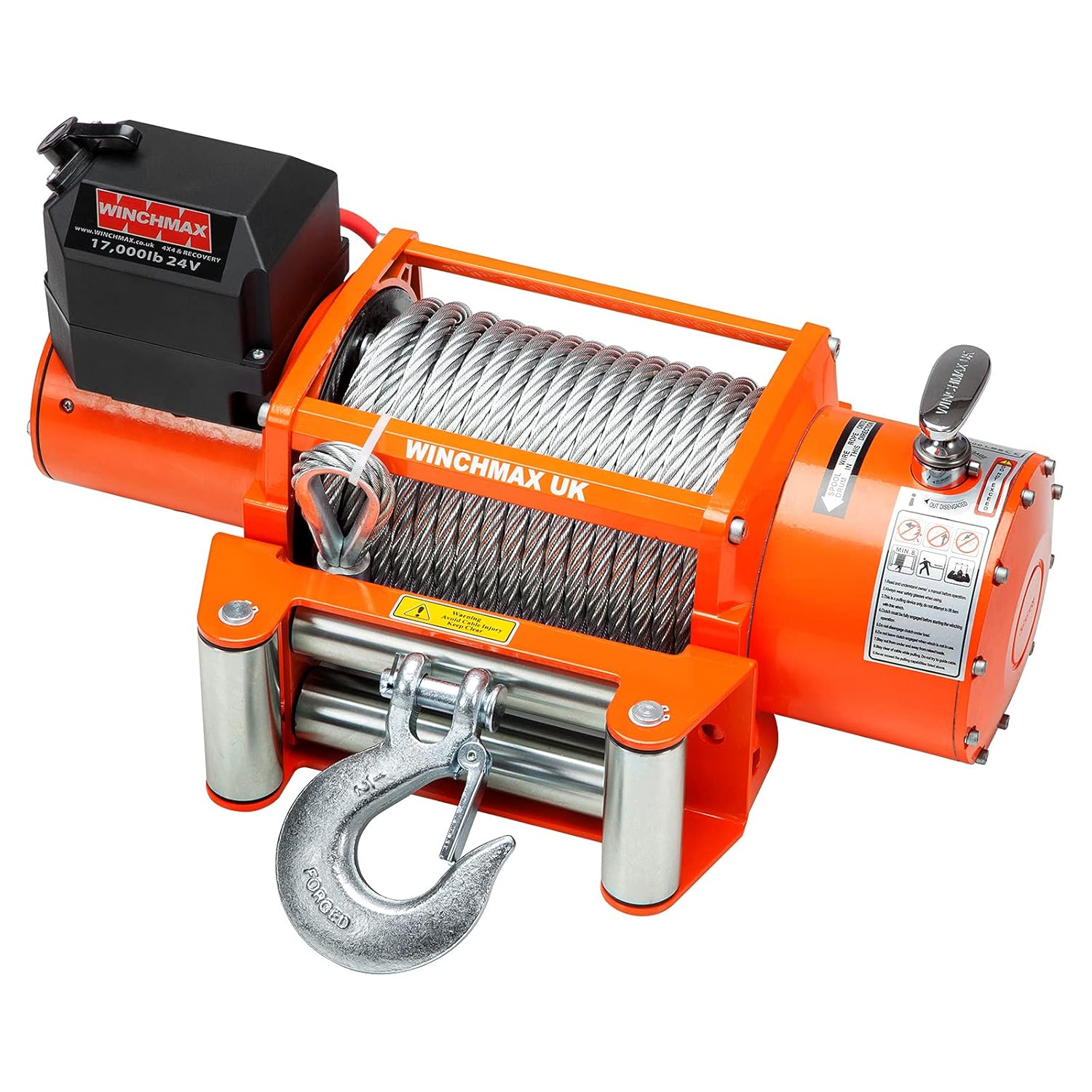
Manual versus electric winches on yachts focused on comfort
For many yacht owners, the debate about the best boat winches for sailing quickly becomes a question of manual versus electric winch systems. Manual winches remain lighter, cheaper, and mechanically simpler, yet electric winches transform heavy sheet trimming into a fingertip task for a small crew. The right choice depends on how often you sail, who is on board, and how much redundancy you want when the motor or batteries misbehave.
On a 45 metre cruising yacht, electric winches on the primary sheet positions and halyards can reduce physical strain dramatically, especially when combined with self tailing winches that free one hand for safe movement on deck. These electric winches from brands such as Lewmar, Harken, and Antal use compact motors hidden below deck, so the visible winch drum and stainless steel top remain elegant and easy to clean. When you compare price lists, remember to include the cost of wiring, circuit protection, and control switches, because the full electric winch installation is more than a single shiny unit on the coaming.
Owners who split time between coastal cruising and marina life often choose a hybrid approach, keeping manual sheet winches aft and specifying one powerful electric winch on the coachroof for halyards and reefing lines. That single powered unit becomes a safe workhorse for hoisting a person in a bosun’s chair, provided the gear ratio and power ratio are correctly matched to the load and line speed. To complement these upgrades, many skippers also review their interior comfort systems, from efficient cabin fans to refined boat cabin lighting that supports night watches and maintenance work.
Self tailing technology and line handling on modern yacht decks
Among yacht enthusiasts, self tailing technology is often what separates basic hardware from the best boat winches for sailing long passages with minimal crew. A self tailing winch uses shaped jaws or a dedicated groove above the drum to grip the line, so the trimmer no longer needs a second crew member to tail under load. This design not only improves safety on deck but also makes maneuvers more repeatable in rough conditions.
When you compare a classic non tailing winch with a modern tailing winch from Lewmar, Andersen, or Harken, pay attention to how the line enters and exits the jaws. Poorly aligned tailing winches can chafe covers or cause overrides, especially when the winch handle is cranked aggressively during a fast tack or gybe. On a small boat, where cockpit space is limited, a compact self tailing unit with a modest drum diameter can still manage genoa sheets effectively if the winch size and line diameter are correctly matched.
Racers who demand rapid maneuvers often pair self tailing sheet winches with low friction hardware such as high quality sailing blocks and pulleys. Upgrading to modern ball bearing blocks, as highlighted in many top sailing blocks and pulleys guides, reduces friction before the line even reaches the winch drum. This combination allows speed winches or a single speed unit to work more efficiently, because less energy is wasted overcoming deck layout resistance and more power reaches the sail.
Material choices, corrosion resistance, and long term maintenance
Material selection plays a decisive role when choosing the best boat winches for sailing in harsh marine environments. Most premium winches use stainless steel for the drum surface and load bearing components, while lighter alloys or composites appear in internal parts to reduce weight. The visible stainless steel finish is not only aesthetic but also crucial for resisting corrosion from salt, UV, and constant line abrasion.
Brands such as Andersen emphasize polished stainless steel drums that grip modern low stretch lines without excessive wear, whereas some Lewmar winches and Harken models use textured or anodized surfaces for similar performance. On a yacht that spends long periods in tropical marinas, regular rinsing and scheduled servicing of each winch unit prevent salt crystals from damaging bearings and pawls. Owners should follow the manufacturer’s maintenance schedule, typically involving partial disassembly, cleaning, and fresh lubrication of the gear ratio and direct drive components.
When planning maintenance, treat small winches on the mast or coachroof with the same respect as the large primary sheet winches on the cockpit coamings. A seized single speed halyard winch can compromise safety just as much as a failed speed winch on the genoa sheet, especially when reefing in rising wind. To protect the entire deck package, many skippers also invest in quality fendering and top boat dock bumpers, because reducing impact loads at the dock indirectly extends the life of winches, stanchions, and other fittings.
Performance tuning, tech upgrades, and power management
Performance oriented sailors know that the best boat winches for sailing fast are not always the largest, but the ones with the right gear ratio and speed profile. A two speed or three speed winch allows rapid line retrieval in a low load gear, then powerful trimming in a higher power ratio when the sail loads increase. This balance between size, speed, and available crew strength defines how efficiently a yacht can accelerate out of tacks and how manageable the loads feel during long passages.
On many modern yachts, Lewmar, Harken, Andersen, and Antal winches appear across the deck, with different speed winches assigned to halyards, sheets, and control lines. Primary sheet winches often use multi speed configurations, while smaller single speed units handle vang, reef, or traveler controls where peak loads are lower. When upgrading, consider how an electric winch or complete electric winches package will integrate with existing manual winch handle operations, because mixed systems must share similar line speeds and control logic to avoid confusion during maneuvers.
Yacht owners who view the best boat winches for sailing as part of a broader tech ecosystem are also exploring smart integration and remote control options. Some electric winches can interface with onboard monitoring systems, allowing crew to track motor temperature, current draw, and duty cycles over time. This data driven approach supports predictive maintenance and helps justify the higher price of premium hardware on large yachts, especially when combined with load sensors on critical sheets.
Direct drive concepts, where the motor couples closely to the winch drum, help maintain consistent speed and torque, but they also demand careful electrical planning to avoid voltage drops under peak power. On a performance cruiser, pairing efficient motors with optimized power ratio settings allows the crew to trim large sails without overloading the battery bank. Thoughtful placement of each winch unit, combined with ergonomic winch handle storage, clear line leads, and safe foot switch positioning, turns raw mechanical power into reliable sailing speed and comfortable handling.
Key figures and technical benchmarks for yacht winch selection
- On many cruising yachts between 12 and 15 metres, primary sheet winches typically handle working loads in the low‑to‑mid tonne range, according to indicative sizing tables in Lewmar and Harken technical documentation. Always confirm exact safe working loads for your chosen model in the latest manufacturer data sheets.
- Electric winches can reduce required manual effort at the winch handle very substantially by replacing human input with motor torque. Comparative torque curves and power ratings for manual and powered versions of the same winch series are published in the product specifications from major brands.
- Regular servicing intervals for winches are usually recommended at least annually or after intensive use, as outlined in maintenance guides from Lewmar, Harken, Andersen, and Antal. Many manufacturers also specify shorter intervals for racing yachts or boats that sail frequently in heavy weather.
- Stainless steel drum surfaces generally show higher corrosion resistance than bare aluminium in standardized salt spray testing reported by marine hardware laboratories and manufacturer technical notes, which supports their use on bluewater yachts and long‑range cruisers.
- Self tailing winches can reduce the number of crew needed for heavy trimming operations from two people to one, a change that has reshaped deck layouts on many modern cruising yachts and is highlighted repeatedly in manufacturer design literature.
References
- Lewmar official product and technical documentation
- Harken technical winch selection guides
- Andersen Winches maintenance and sizing manuals
- Antal winch catalogues and installation instructions