Key technical criteria when comparing yacht anchor lights
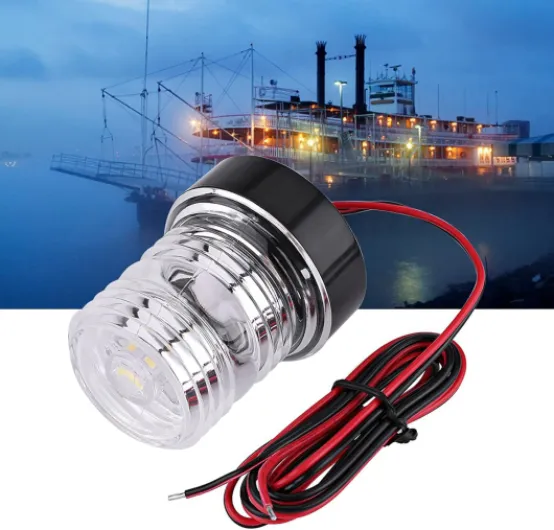
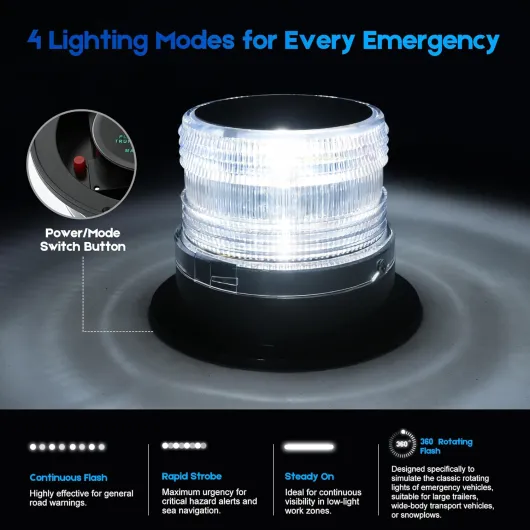
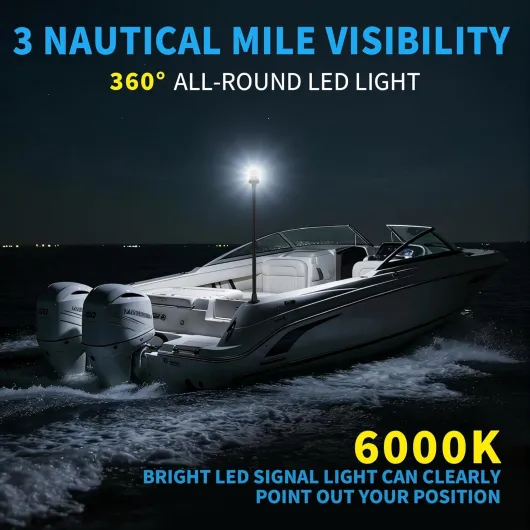
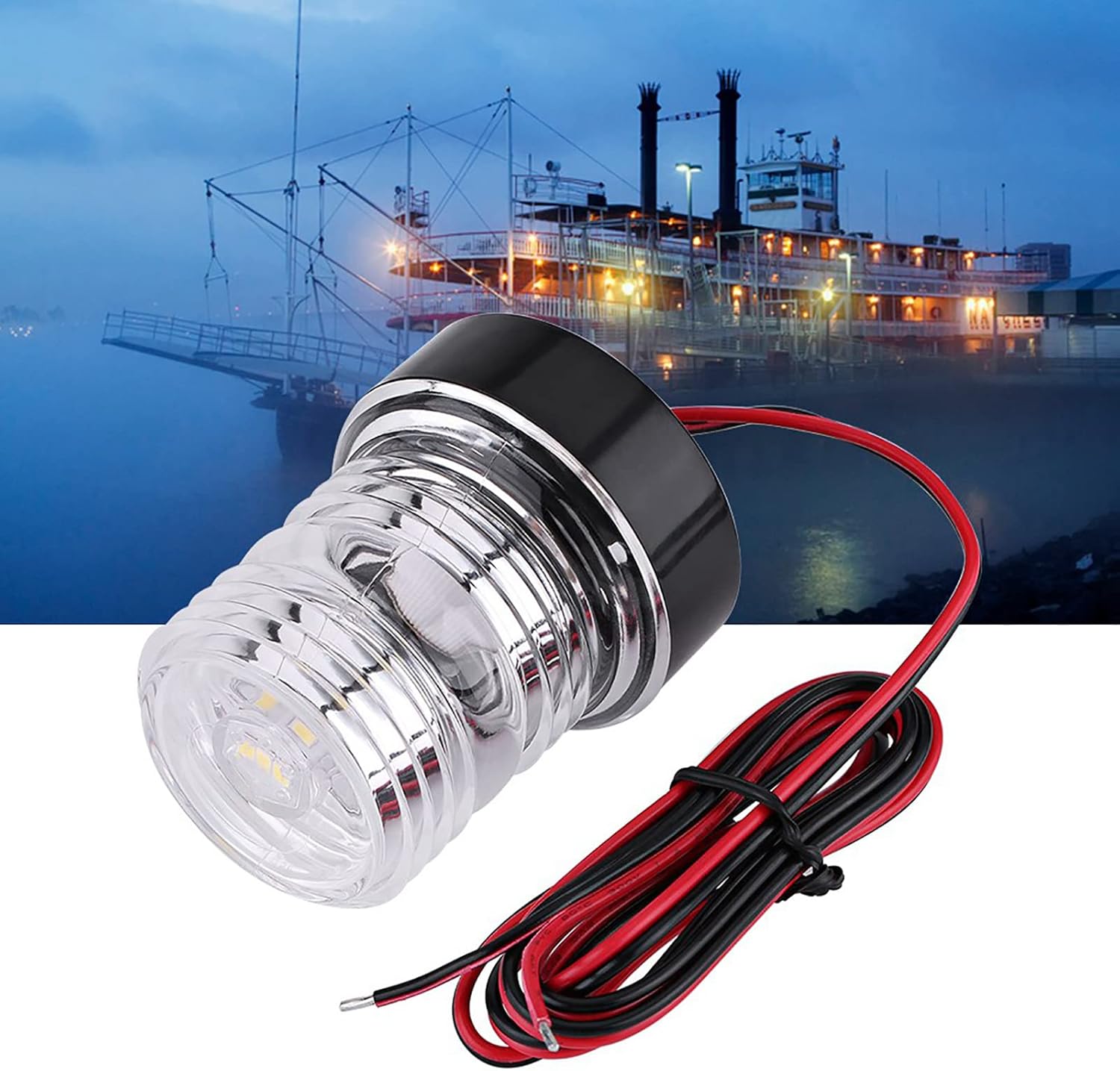
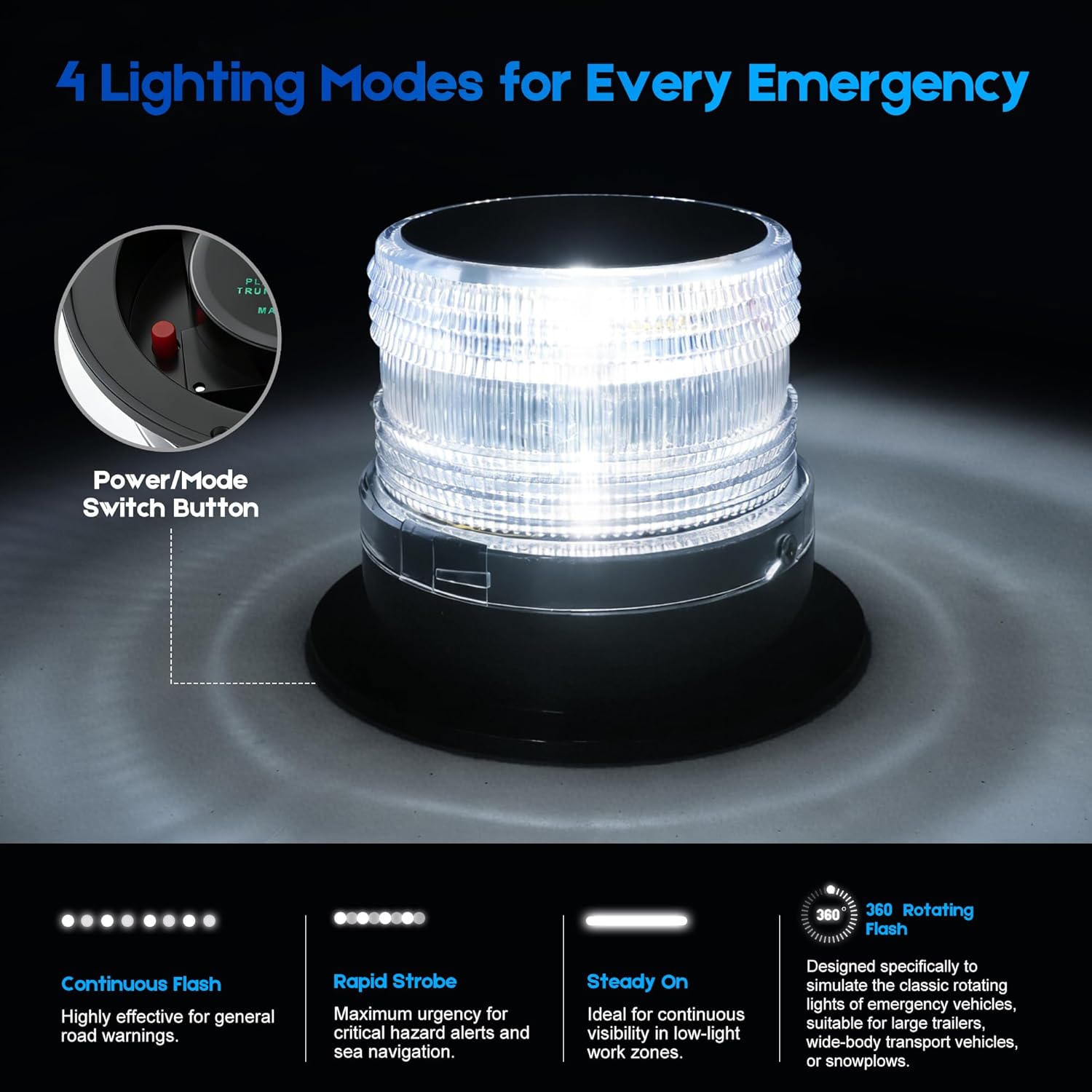
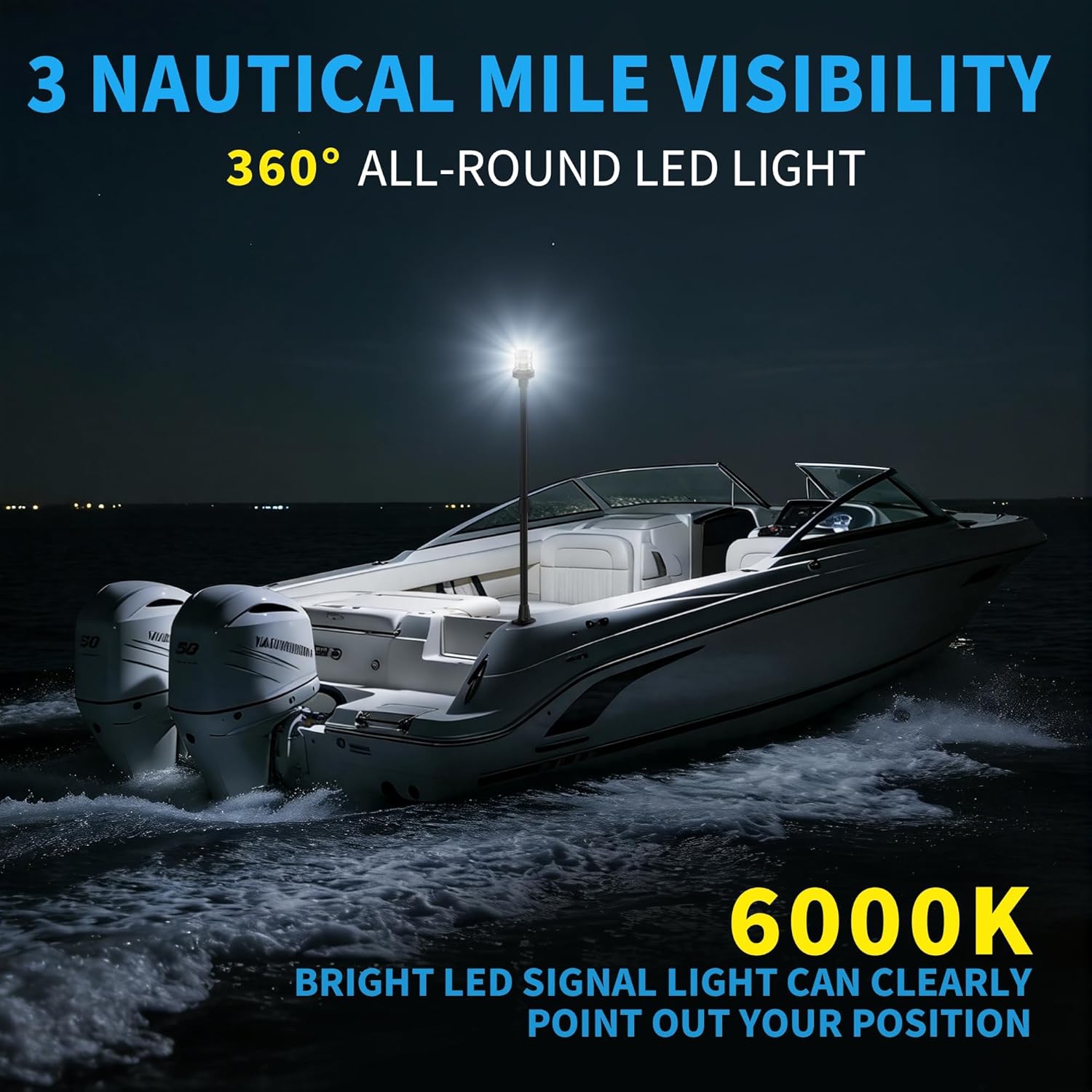
When you compare the best boat anchor lights, start with visibility range, beam pattern, and color temperature. The white light must be a pure, consistent tone that clearly distinguishes it from navigation lights, and the beam must remain uniform across the full 360 degrees. On a light boat or a larger yacht, this uniformity ensures that any approaching vessel sees your anchor light from every angle during the night.
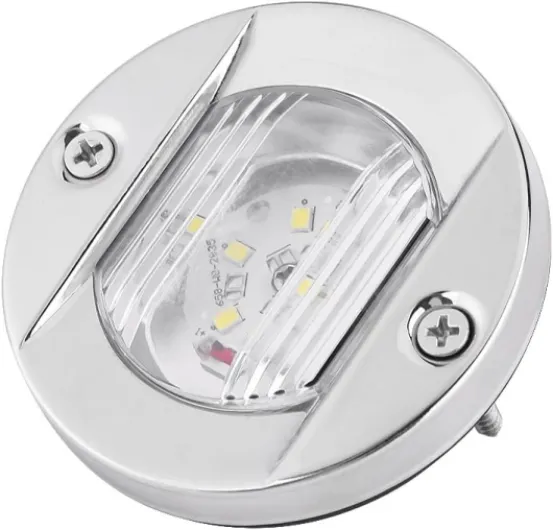
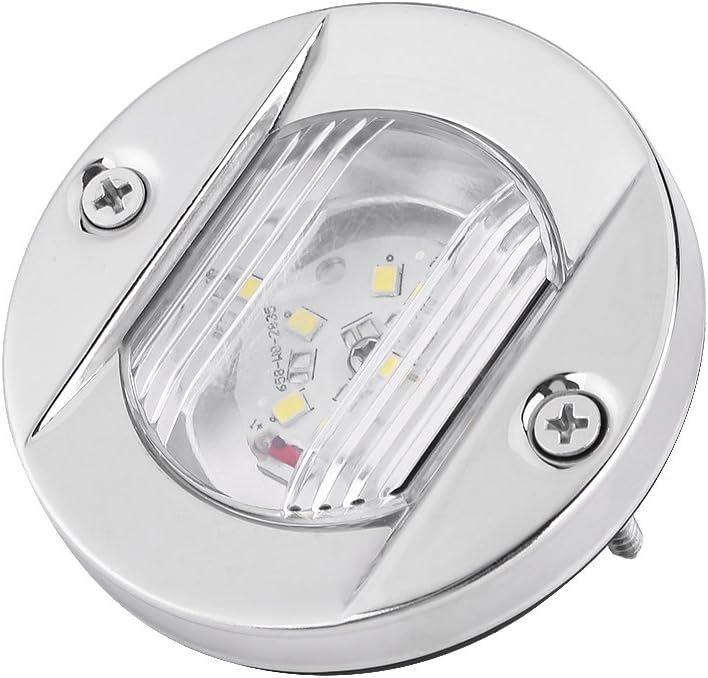
Next, examine the electrical specifications, especially voltage compatibility and current draw at your typical battery voltage. A high quality LED stern or masthead light will often draw less than one tenth of the power of an incandescent stern light while delivering a brighter, more visible signal. This low current draw leaves more capacity for cockpit light circuits, refrigeration, and electronics, which matters during extended cruises far from shore power.
Construction quality defines whether your anchor lights remain reliable after seasons of harsh marine exposure. Look for marine-grade housings, sealed LED modules, and UV-stable lenses that will not yellow and reduce the effective white light output over time. Yacht owners who also run solar lights on deck or LED pontoon lighting on tenders should apply the same standards, because consistent quality across all boat lights simplifies maintenance and improves overall safety when moving between boats at night.
For owners who combine serious cruising with snorkeling or diving, safe lighting is only one part of the safety equipment strategy. When planning your tender layout and swim platform, pair compliant navigation lights and a bright stern light with reliable fins and masks chosen from a dedicated guide such as top diving fins for snorkeling. A well lit stern area and clear underwater gear selection together reduce risks when guests enter or exit the water after sunset.
| Anchor light type |
Typical lumens |
Power draw |
Visibility range |
Ingress rating |
| Incandescent all-round |
80–120 lm |
10–25 W @ 12 V |
2 NM (per COLREGs for <50 m) |
IP54–IP55 |
| Compact LED pole light |
100–150 lm |
1–3 W @ 12 V |
2 NM |
IP65–IP66 |
| Premium LED masthead unit |
150–250 lm |
2–4 W @ 12/24 V |
2–3 NM |
IP66–IP67 |
Mounting positions, mast options, and integration with navigation lights
Choosing where to mount your anchor light is as important as choosing the light itself. On sailing yachts, the classic solution is a masthead light that combines a tricolor navigation light with an all-round white anchor light in a single compact housing. This masthead light sits at the very top of the mast, maximizing the visible range and keeping the white light clear of sails, rigging, and deck structures.
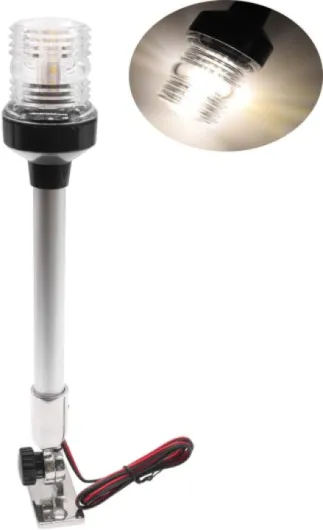
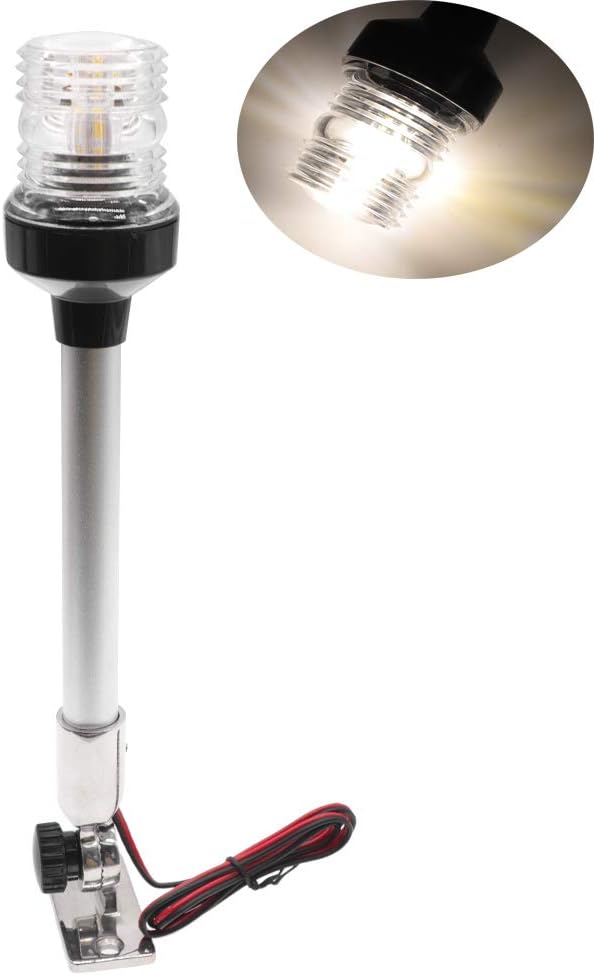
Powerboats and some small boats often rely on a pole mounted anchor light above the hardtop or on an arch, where the light will remain unobstructed by tenders or radar domes. In every case, the anchor light must be positioned so that it does not visually merge with red or green navigation lights, because a confused pattern can mislead approaching boats at night. When you refit your navigation lights, verify that the stern light, side lights, and anchor light each maintain their required degrees of separation and coverage.
Owners who add extra boat lights, such as a cockpit light or subtle solar lights along the deck, must ensure that these do not overpower or obscure the mandatory white anchor signal. A bright LED pontoon strip or decorative light stern fitting can look elegant, but it should never compromise the clarity of your anchor lights when viewed from a distance. When upgrading deck safety, consider pairing compliant lighting with secure hardware such as the options reviewed in top boat handrails for decks, because good grip and good visibility work together to prevent falls during dark watches.
Energy management, battery health, and long term operating costs
Energy efficiency is a decisive factor when selecting the best boat anchor lights for extended cruising. A modern LED anchor or LED stern light dramatically reduces current draw, which directly extends battery life and reduces generator running hours. On yachts that anchor for many consecutive nights, this lower current draw translates into quieter evenings and less fuel burned.
When you compare the price of different anchor lights, consider not only the purchase price but also the long term operating cost in energy and maintenance. A cheaper incandescent anchor light may seem attractive at first, yet its higher current draw and frequent bulb replacements quickly erode any initial savings. By contrast, a premium marine grade LED anchor or masthead light usually offers a higher upfront price but delivers a far better total cost of ownership over several seasons.
Some owners supplement their primary white light with solar lights on railings or dinghy docks to improve local visibility without adding load to the main battery bank. These solar lights should never replace the legally required all round white anchor light, but they can enhance safety around swim platforms and boarding areas. To keep the entire electrical system healthy, align your lighting upgrades with periodic mechanical servicing using resources such as the guide to top boat engine maintenance kits, because reliable engines and reliable lights together define a safe yacht.
Shopping channels, pricing transparency, and what to check before you buy
Many yacht owners now purchase the best boat anchor lights through large online marketplaces, where marine brands compete on visibility and price. Platforms such as Amazon list hundreds of LED anchor and stern light options, ranging from compact units for small boats to robust masthead light assemblies for superyachts. When you browse Amazon or similar sites, filter for certified marine products that clearly state compliance with navigation standards and degrees of coverage.
Price alone should never be the deciding factor when safety and liability are at stake. A very low price often signals compromises in sealing, wiring quality, or lens materials, which can lead to water ingress and failure of the white light just when you need it most. Instead, focus on marine grade certifications, warranty terms, and independent test results that confirm the light will remain visible after years of UV exposure and salt spray.
Before committing to a specific anchor light or set of boat lights, examine the installation requirements and compatibility with your existing mast or arch. Some LED pontoon and cockpit light products are designed for casual leisure boats and may not withstand offshore conditions, while others are engineered specifically for blue water yachts. Reading detailed owner reviews from similar boats, especially those that anchor frequently at night, helps you identify which anchor lights and stern light models maintain their brightness and structural integrity over time.
| Recommended style |
Best for |
Voltage |
Min. visibility |
Notes |
| Compact LED pole anchor light |
Trailerable and small boats |
12 V DC |
2 NM |
Simple retrofit, low amp draw |
| Combined masthead tricolor + anchor LED |
Offshore sailing yachts |
12/24 V DC |
2–3 NM |
Reduces wiring runs up the mast |
| Heavy duty LED all-round dome |
Expedition and commercial style yachts |
24 V DC |
3 NM |
Robust housing for harsh climates |
Maintenance routines and safety equipment practices for illuminated yachts
Routine inspection keeps even the best boat anchor lights performing at their certified level. At least once per season, lower or access the masthead light or pole mounted anchor light to clean lenses, check seals, and verify that the white light remains uniform across all required degrees. On yachts with tall mast structures, schedule this work alongside rigging inspections to minimize mast climbs and ensure that every light on the mast receives proper attention.
During each inspection, confirm that wiring connections for the anchor lights, stern light, and navigation lights remain corrosion free and mechanically secure. Any sign of green corrosion, heat damage, or intermittent operation indicates a need for immediate repair, because a failed light will compromise both safety and legal compliance. Owners of small boats should apply the same discipline, even if their light boat carries only a single all round white anchor light on a short pole.
Good lighting is only one element of a complete safety equipment strategy on a yacht. Combine reliable anchor lights and clearly separated navigation lights with lifejackets, harness points, and non slip decks so that guests move safely between the cockpit light area, side decks, and foredeck at night. When every light, from the primary light anchor at the masthead to the smallest solar lights on the swim platform, is maintained with the same care as your engines and rigging, your yacht remains a safe and elegant presence among the stars at anchor.
Key figures and technical benchmarks for yacht anchor lighting
- On most yachts under 50 metres, COLREGs Rule 30 requires an all round white anchor light with a minimum visibility of 2 nautical miles, which ensures that approaching vessels have ample distance to alter course safely.
- Typical incandescent anchor lights draw around 10 to 25 watts, while equivalent LED anchor lights often draw between 1 and 4 watts, reducing energy consumption by up to 80 percent for the same luminous output.
- Many marine standards specify that an all round white light must cover a full 360 degrees in the horizontal plane with no more than 2 degrees of shadowing, which is why careful mounting above obstructions is essential.
- Accident analyses published by several national maritime authorities indicate that inadequate or absent anchor lighting is a recurring factor in low speed night time contacts in crowded anchorages, particularly in peak season.
- Well designed marine LED fixtures often achieve service lives exceeding 25 000 operating hours, which for typical seasonal use can translate into more than a decade of reliable anchor lighting without bulb replacement.