Technical criteria that define the best boat deck lights
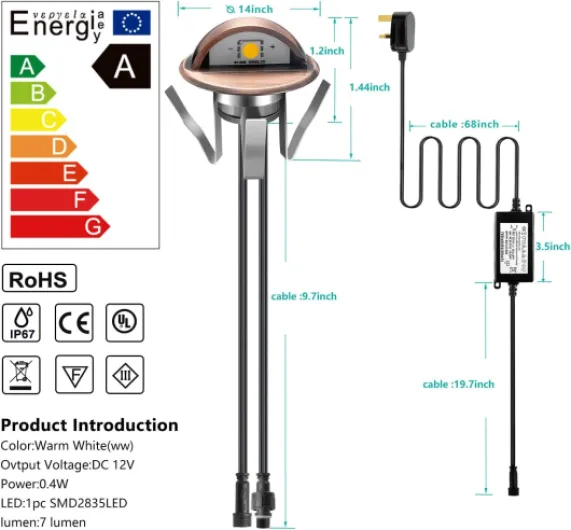
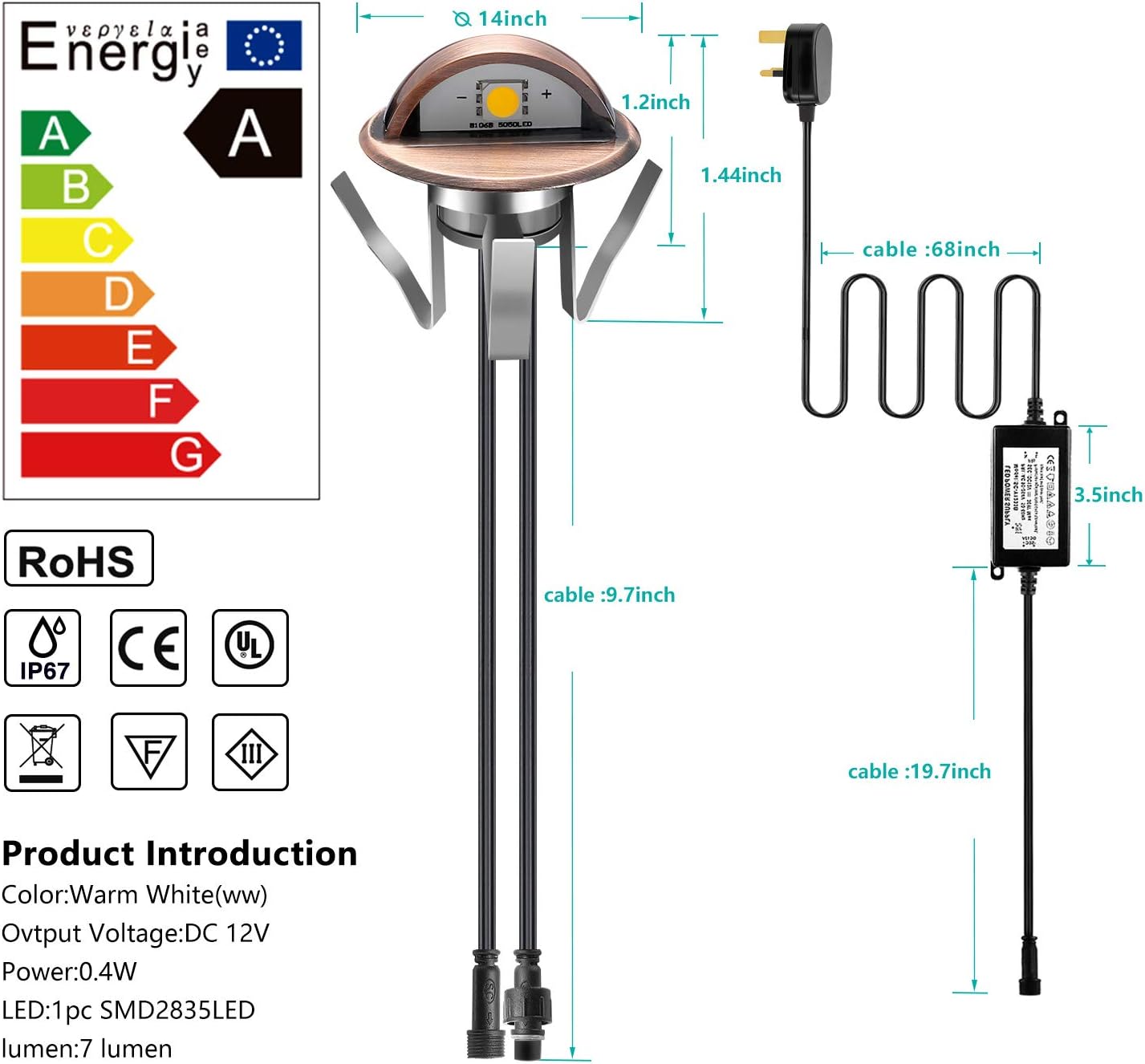
Choosing reliable deck illumination starts with understanding how marine grade standards translate into real world reliability. Any serious yacht should use LED fixtures with at least IP67 waterproof rating, meaning the housing resists immersion and heavy spray. For open decks on a fishing boat or bass boat, stepping up to IP68 or IP69K adds extra security during rough passages.
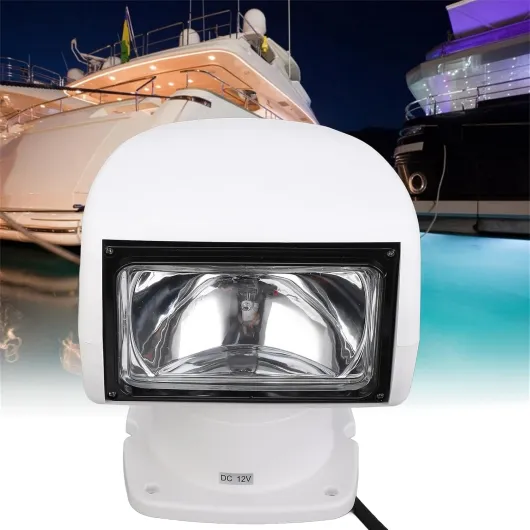
Light quality matters as much as raw output, so compare LED lights by color temperature, color rendering index (CRI), and beam pattern rather than only by purchase cost. Cool white marine LED flood beams suit work areas, while warmer deck lighting feels more comfortable for social zones and dining terraces. On performance yachts, owners often mix narrow spot units for navigation tasks with wider flood beams to illuminate the full deck when guests move around at night.
Electronics deserve equal attention, because poorly regulated LED drivers can flicker or fail under voltage swings from alternators and windlasses. When you upgrade anchor handling gear with high load systems such as those reviewed in many top anchor windlass guides, transient currents can stress cheap lighting circuits. Selecting professional grade marine lighting with surge protection, sealed connectors, and tinned copper cabling ensures every fixture remains stable even when heavy equipment cycles on and off.
Quick specification checklist for yacht deck lighting
- IP rating: IP67 minimum for exposed decks; IP68 or IP69K for areas near the waterline or frequent washdowns.
- Lumen output: Around 150–300 lm per step or courtesy light; 600–1,500 lm for work and fishing zones, depending on deck size.
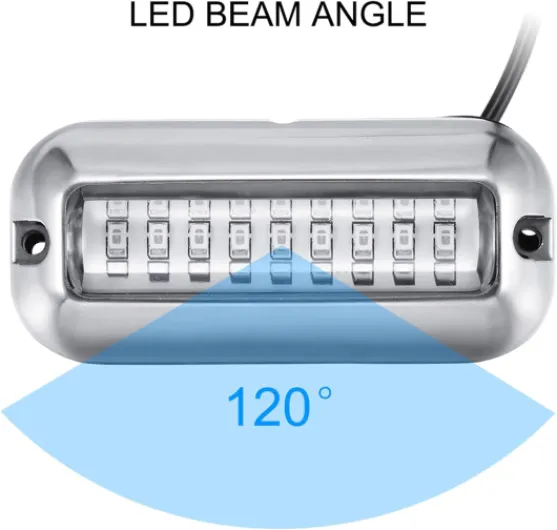
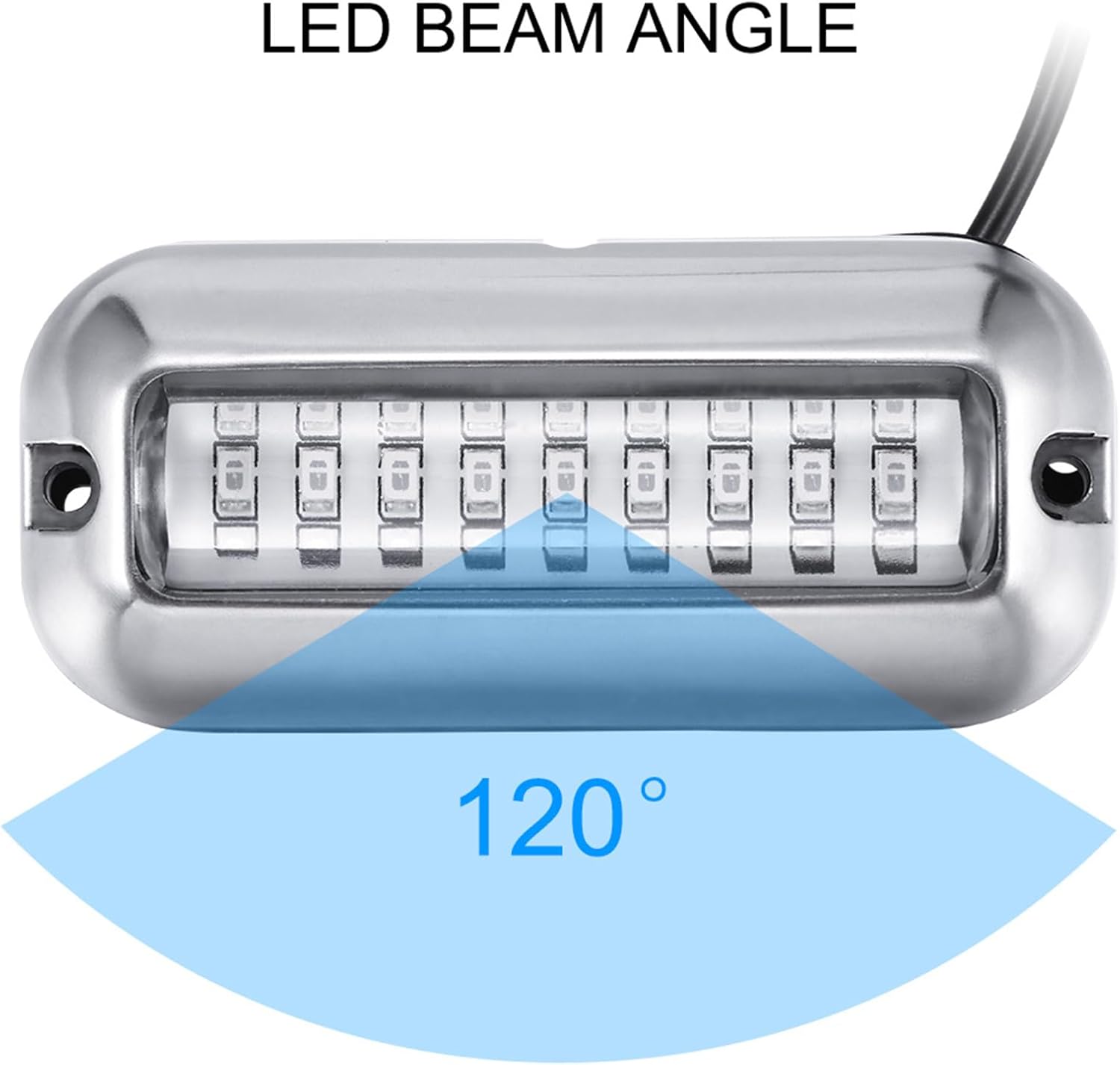
- Beam angle: 20–40° for spots and task lighting; 60–120° for floods and general deck wash.
- Color temperature: 2,700–3,500 K for warm ambience; 4,000–5,700 K for working and docking areas.
- CRI (Color Rendering Index): 80+ for general use; 90+ where accurate color perception matters, such as galleys or detailing work.
- Materials: Marine grade stainless steel (316), anodized aluminum, or UV stable polymers with corrosion resistant fasteners.
Representative brands that publish detailed specifications and marine certifications include Lumitec, Hella Marine, Aqua Signal, and Perko. Their product data sheets typically list IP rating, lumen output, beam angle, and expected service life, which helps owners compare options on more than price alone.
Exterior deck lighting strategies for safety, style, and fishing
Exterior boat deck lighting must first protect people, then enhance the yacht’s lines and finally support activities such as fishing or watersports. Start by mapping every step, cleat, and line handling zone, then position low glare fixtures that mark edges without shining directly into eyes. On a busy fishing boat, this careful placement prevents tripping over gear while preserving night vision when the action intensifies.
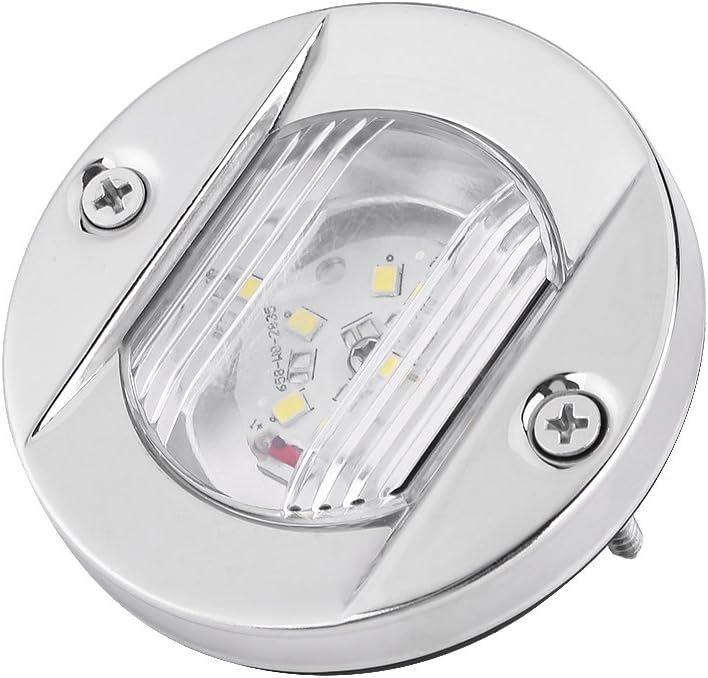
For anglers, effective deck illumination often combines white work beams with colored LED lighting that attracts baitfish without drawing insects. Many bass boat owners fit LED strips under gunwales and along the interior coamings to create a soft halo that keeps lures, rods, and tackle visible. When you add flood style fixtures on the transom, choose a waterproof rating that matches constant saltwater exposure and verify each housing uses corrosion resistant alloys or high grade polymers.
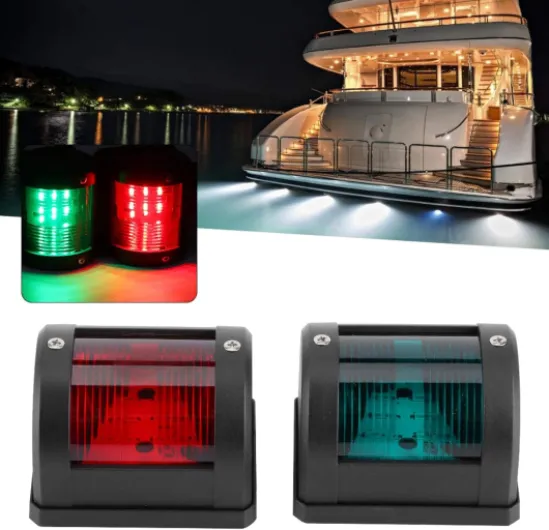
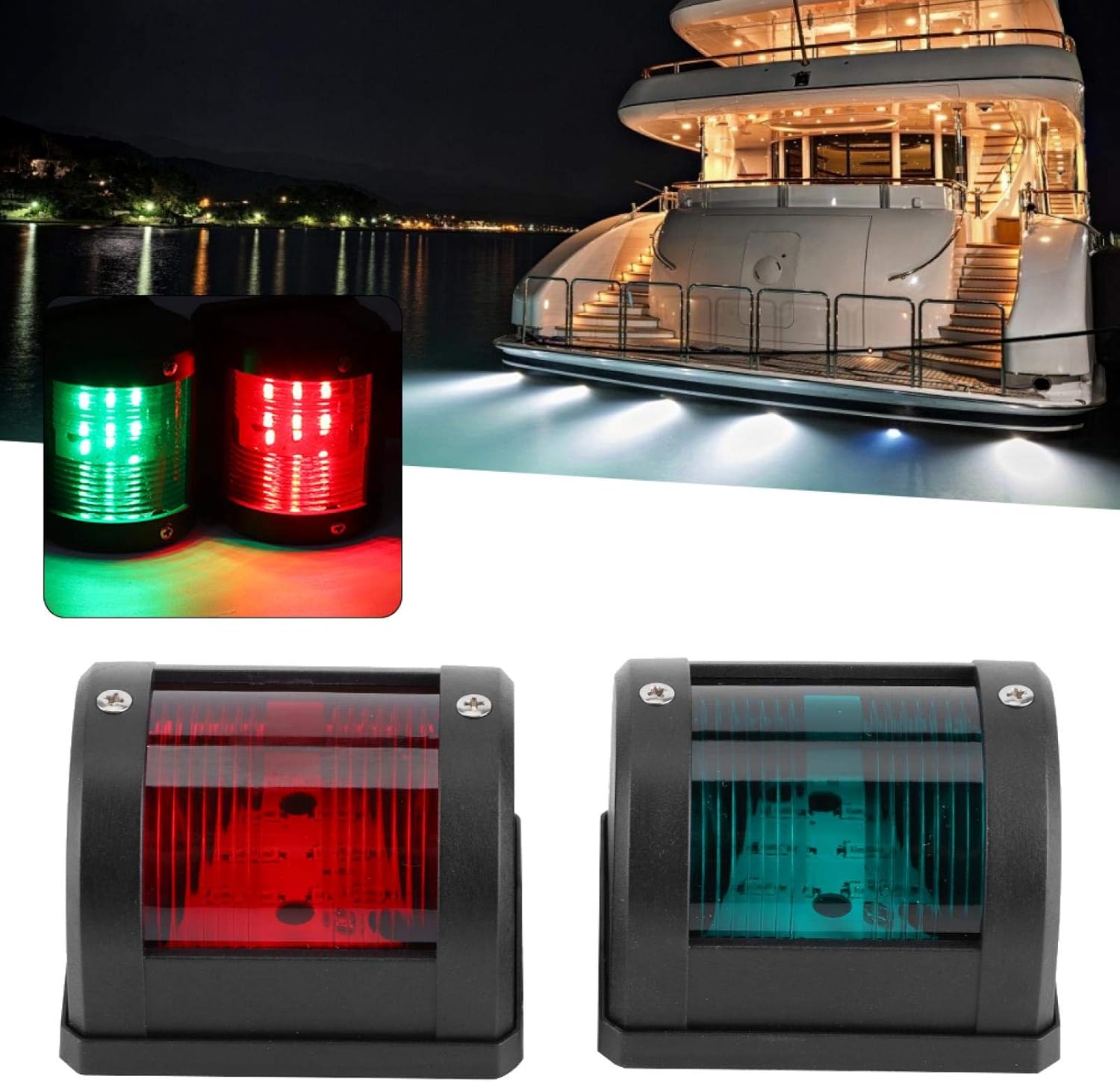
Yacht enthusiasts who cruise remote anchorages should also integrate navigation compatible lighting that never conflicts with mandatory red, green, and white signals. Separate any decorative deck lights used at night from the official navigation scheme, wiring them on distinct circuits and switches. Before finalizing your layout, review how the lighting appears from a tender at different distances, because an arrangement that looks elegant from the dock may still create confusion offshore.
Interior lighting upgrades that respect marine constraints
Inside the yacht, exterior deck lighting transitions into layered interior illumination that supports reading, dining, and quiet relaxation. A coherent plan blends overhead LED panels, indirect coves, and focused reading lamps so every cabin feels calm yet functional. When you design interior lighting schemes, remember that every fixture still lives in a marine environment with vibration, humidity, and limited space for wiring.
Premium marine lighting for salons and cabins now relies almost entirely on dimmable LED technology, which cuts energy use and heat while offering precise control. Owners who refit older yachts often replace halogen fixtures with marine LED downlights, gaining longer battery life and cooler cabins in warm climates. Because these upgrades reduce load on the electrical system, they also leave more capacity for other tech enhancements such as advanced sailing hardware or upgraded deck gear described in many top sailing blocks and pulleys reviews.
Interior fixtures must match the yacht’s aesthetic, so choose a housing finish that echoes hardware and joinery. Brushed stainless, satin nickel, or discreet white bezels all work, provided the marine grade coatings resist salt laden air that enters through hatches. When you compare options by price, factor in that higher quality LED modules usually maintain color consistency far better over time than budget alternatives.
Electrical integration, controls, and smart yacht lighting
Upgrading to modern deck lighting only pays off when the electrical integration is clean, safe, and future proof. Every LED circuit should run on tinned copper cable sized for voltage drop, with waterproof connectors and clearly labeled breakers. On larger yachts, segmenting lighting into zones allows crew to manage energy use and ambience with far greater precision.
Modern control systems let you group deck lights, interior scenes, and navigation compatible fixtures into presets that match different modes of operation. One touch can shift the yacht from bright work lighting for docking to soft night cruising scenes that preserve visibility outside the wheelhouse. Yacht enthusiasts who sail long passages often program separate profiles for fishing, quiet anchorage evenings, and early morning departures, each using lighting differently.
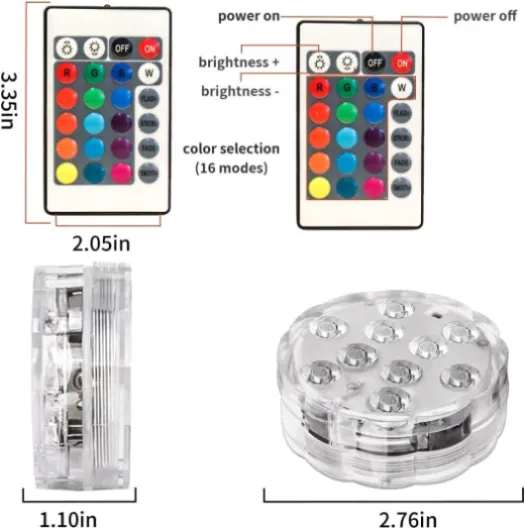
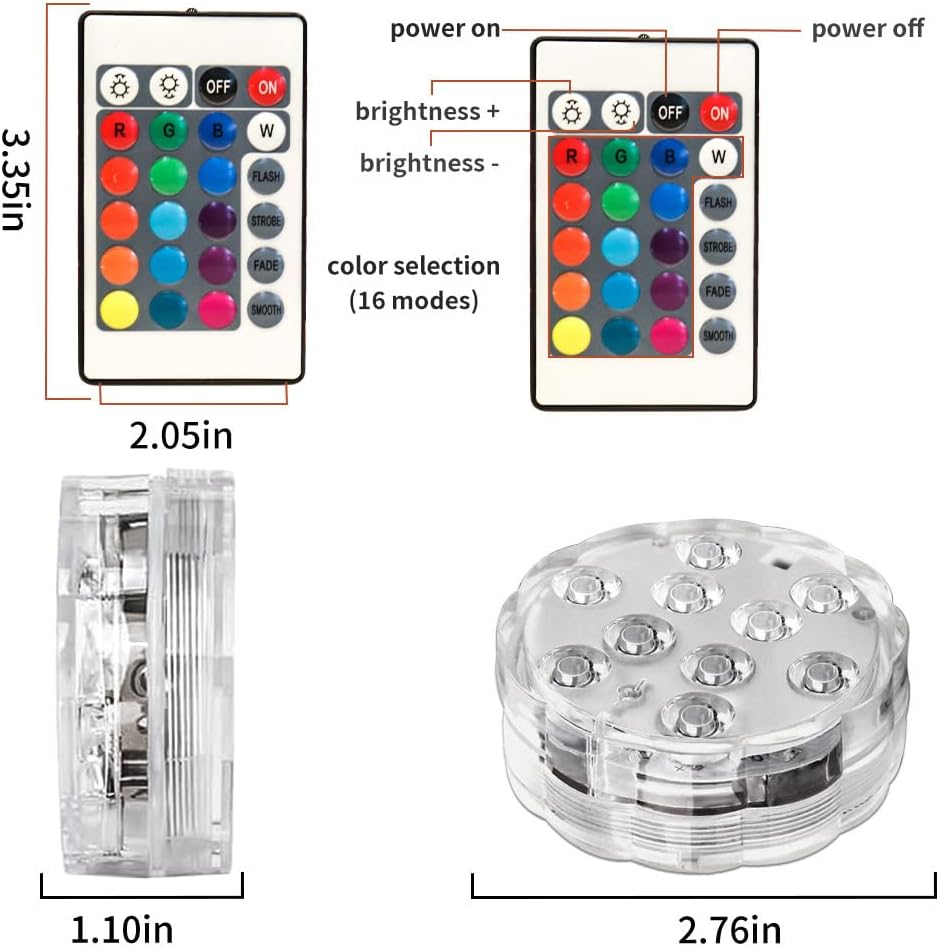
Smart dimmers and RGB capable marine LED strips add flexibility, but they must still respect safety rules and waterproof rating requirements. Any fixtures placed near wet areas such as swim platforms or cockpit showers should use sealed housings and gaskets rated for immersion. When you compare control hardware by cost, prioritize proven marine grade brands over generic systems designed only for homes, because the marine environment quickly exposes weak components.
Maintenance routines that keep yacht lighting performing like new
Even robust deck lighting degrades quickly without disciplined maintenance adapted to saltwater conditions. A simple monthly routine of rinsing housings with fresh water, checking seals, and inspecting cabling prevents many failures. On high performance bass boat models that see frequent trailering and impact, vibration checks around each fixture are especially important.
Corrosion remains the main enemy of any marine LED installation, so treat fasteners, connectors, and mounting points with appropriate protective compounds. When you notice condensation inside a lens, address it immediately by replacing gaskets or the entire housing before electronics fail. Yacht enthusiasts who log many night hours for offshore fishing or long passages should also track operating time, because even quality LED lights slowly lose output and shift color.
As you plan broader tech upgrades such as new navigation systems, radar, or comfort equipment like the gear reviewed in top sailing jackets guides, revisit your overall lighting diagram. Extra loads and new cable runs can affect voltage at distant deck fixtures, especially on older wiring looms. Periodic professional audits of marine lighting, including insulation tests and waterproof rating verification, keep every installation aligned with safety standards and owner expectations.
Key figures on yacht lighting performance and adoption
- According to data summarized by the International Council of Marine Industry Associations and the International Maritime Organization, switching from halogen to marine LED lighting can reduce onboard lighting energy consumption by roughly 60–80 percent, which significantly extends battery autonomy on cruising yachts.
- Technical documentation from major marine lighting manufacturers such as Hella Marine and Lumitec indicates that quality LED modules are typically rated for 30,000–50,000 operating hours to L70 (70 percent of initial output), while older incandescent boat lights often last fewer than 1,000 hours.
- Surveys of new yacht builds reported by several leading European shipyards and trade associations show that the vast majority of exterior deck fixtures now use sealed housings with at least IP67 waterproof rating, reflecting the industry’s shift toward higher durability in saltwater environments.
- Market analyses from marine equipment associations and manufacturer price lists report that the average price for a certified marine grade deck light is roughly two to three times higher than a non marine household fixture, but the longer service life and reduced maintenance usually offset the initial cost.