Understanding shackle types, materials, and working load limits
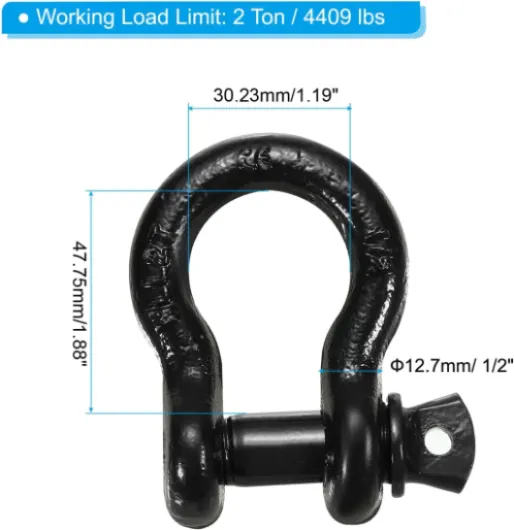
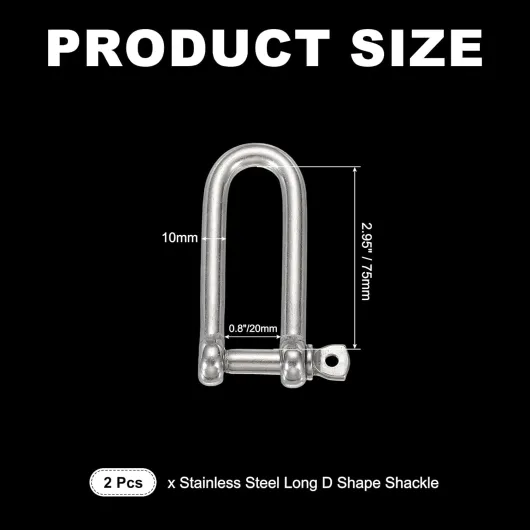
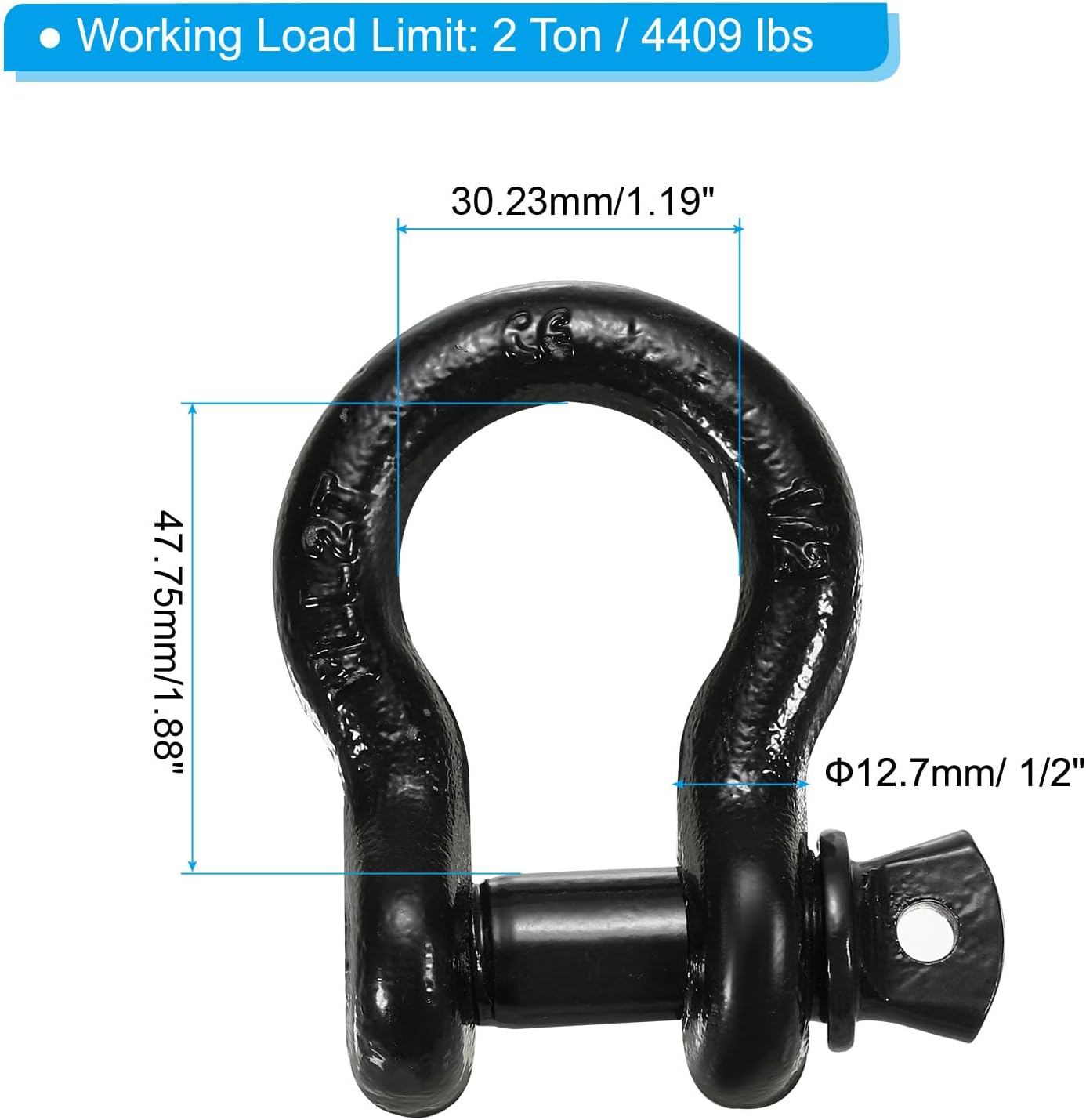
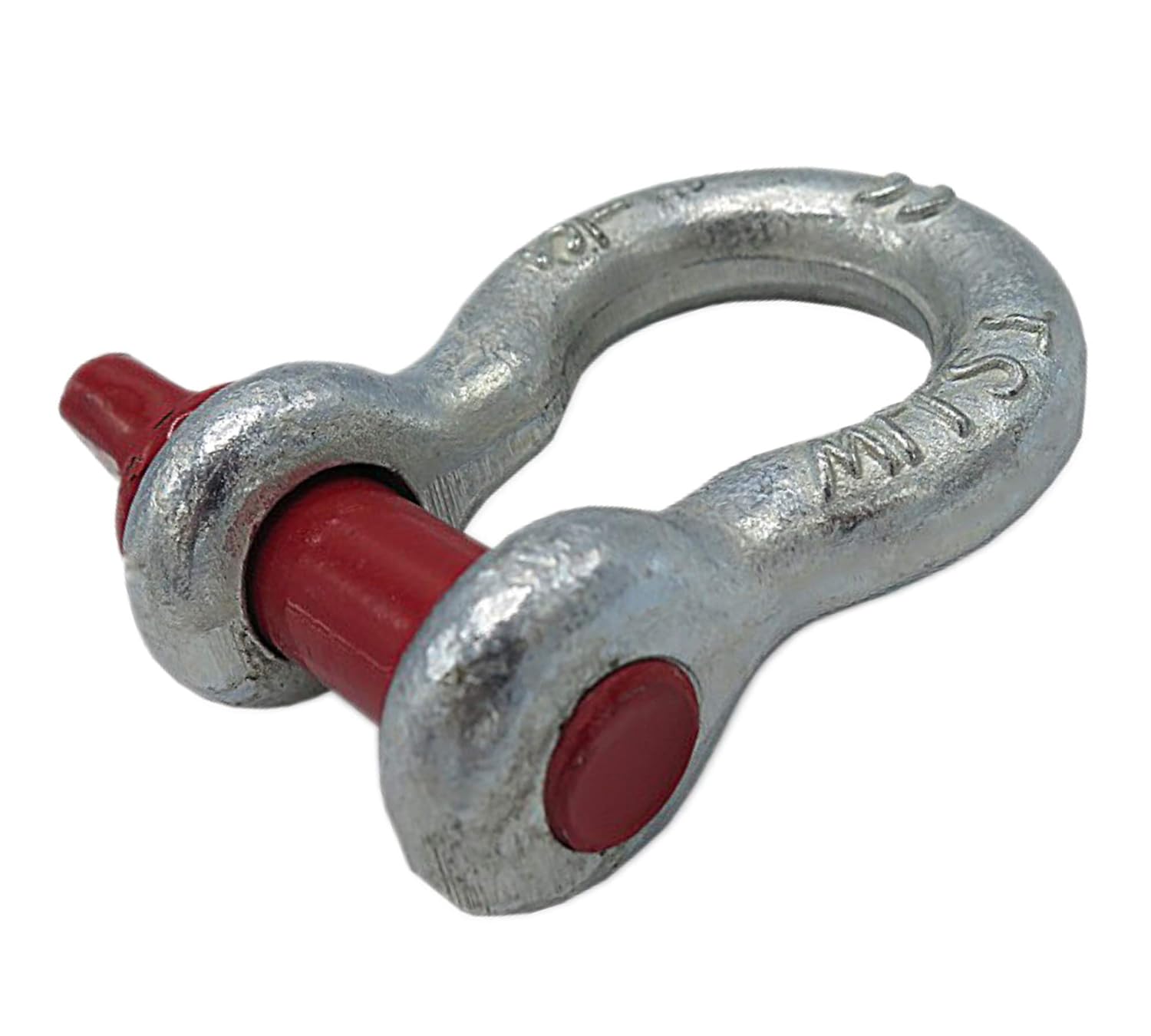
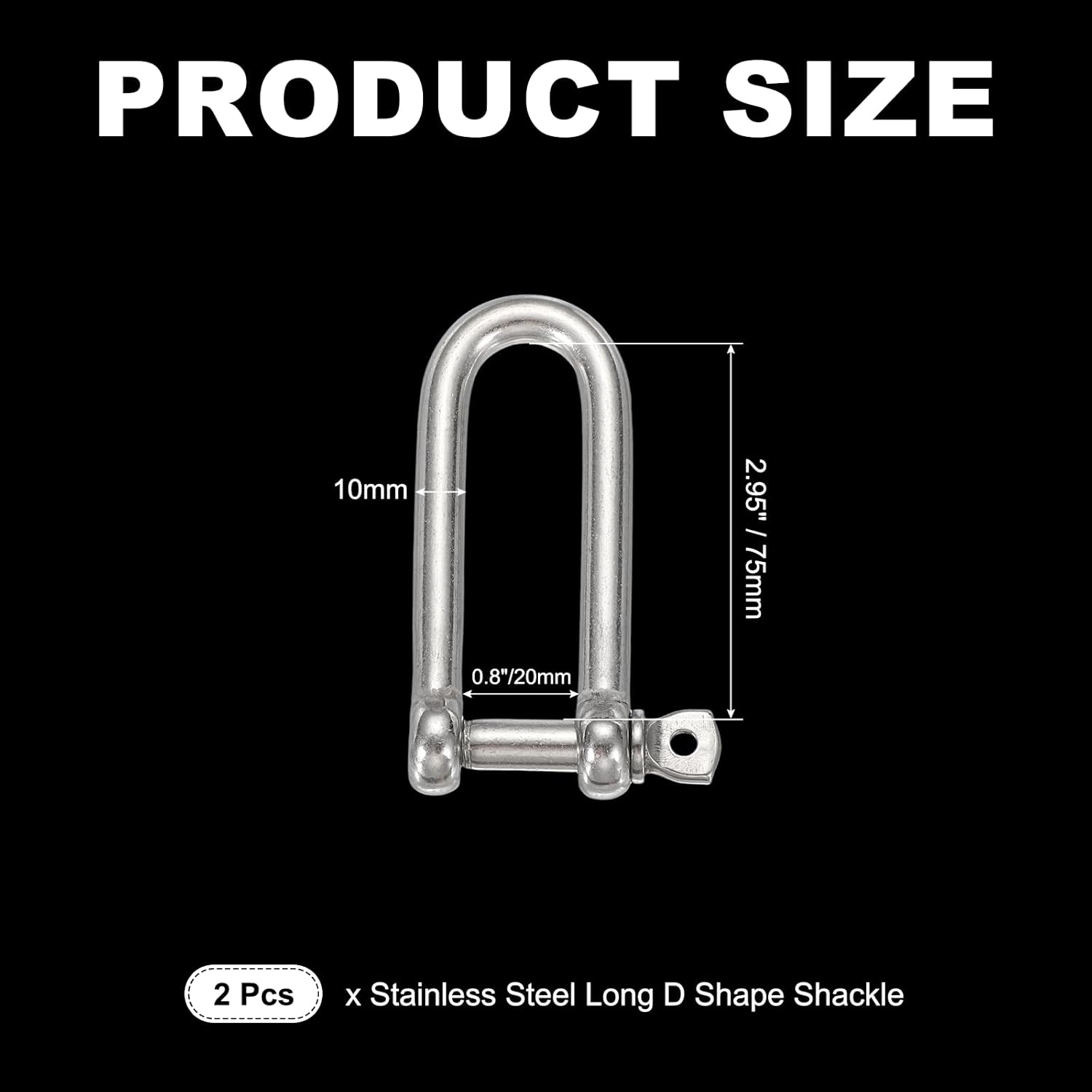
Choosing the best marine shackles for rigging starts with understanding the main types of shackles used on yachts and how their geometry affects strength. A bow shackle has a wider rounded shape that tolerates multi directional rigging loads, while a straight chain shackle keeps a compact profile for in line chain or wire rope connections. Anchor shackle is often used as a generic term, yet in practice it usually refers to a bow shackle pattern that connects chain to anchor or chain to rope, where side loading and twisting are common.
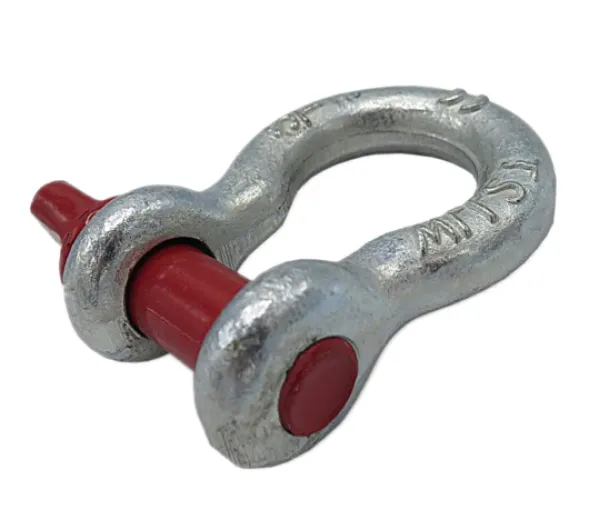
Material selection is just as important as geometry, especially when balancing corrosion resistance, cost, and working load. Galvanized steel shackles offer excellent fatigue resistance and are ideal for anchor systems, moorings, and heavy lifting where cosmetic rust staining is acceptable, while stainless steel shackles provide superior corrosion resistance and a refined appearance for deck level rigging hardware. For critical anchor systems, pairing a galvanized anchor shackle with a high quality anchor kit such as those reviewed in the dedicated guide to top boat anchor kits ensures that the chain, shackle, and anchor share compatible working load ratings.
Every shackle, whether a small snap shackle on a jib sheet or a large bolt type bow shackle on the anchor chain, carries a stamped working load limit that must never be exceeded. Yacht owners should convert between kilograms and lbs when comparing international specifications, then apply a generous safety factor for dynamic rigging loads in waves and gusts. Guidance from classification rules such as ABS Guide for Certification of Lifting Appliances (Section 2, 3-1-2/3; see definitions of SWL, proof load, and minimum breaking load) and DNV-ST-0378 (Sec. 4, 4.2.2 and 4.3 on design factors and testing) illustrates how proof load and minimum breaking load relate to the working load limit, and why careful alignment of chain, wire rope, and anchor hardware is essential for long term safety.
Practical selection of rigging shackles for sails, deck gear, and anchors
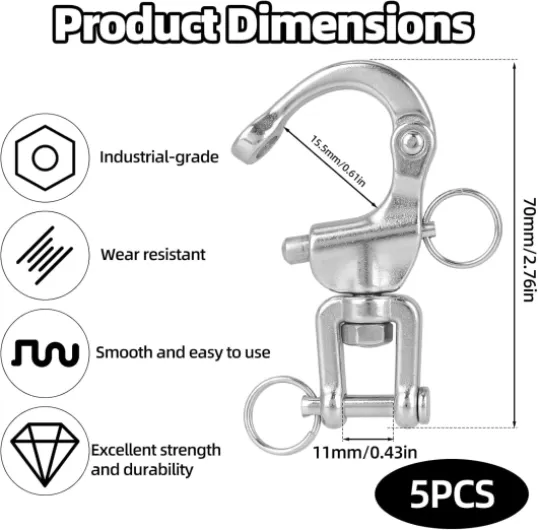
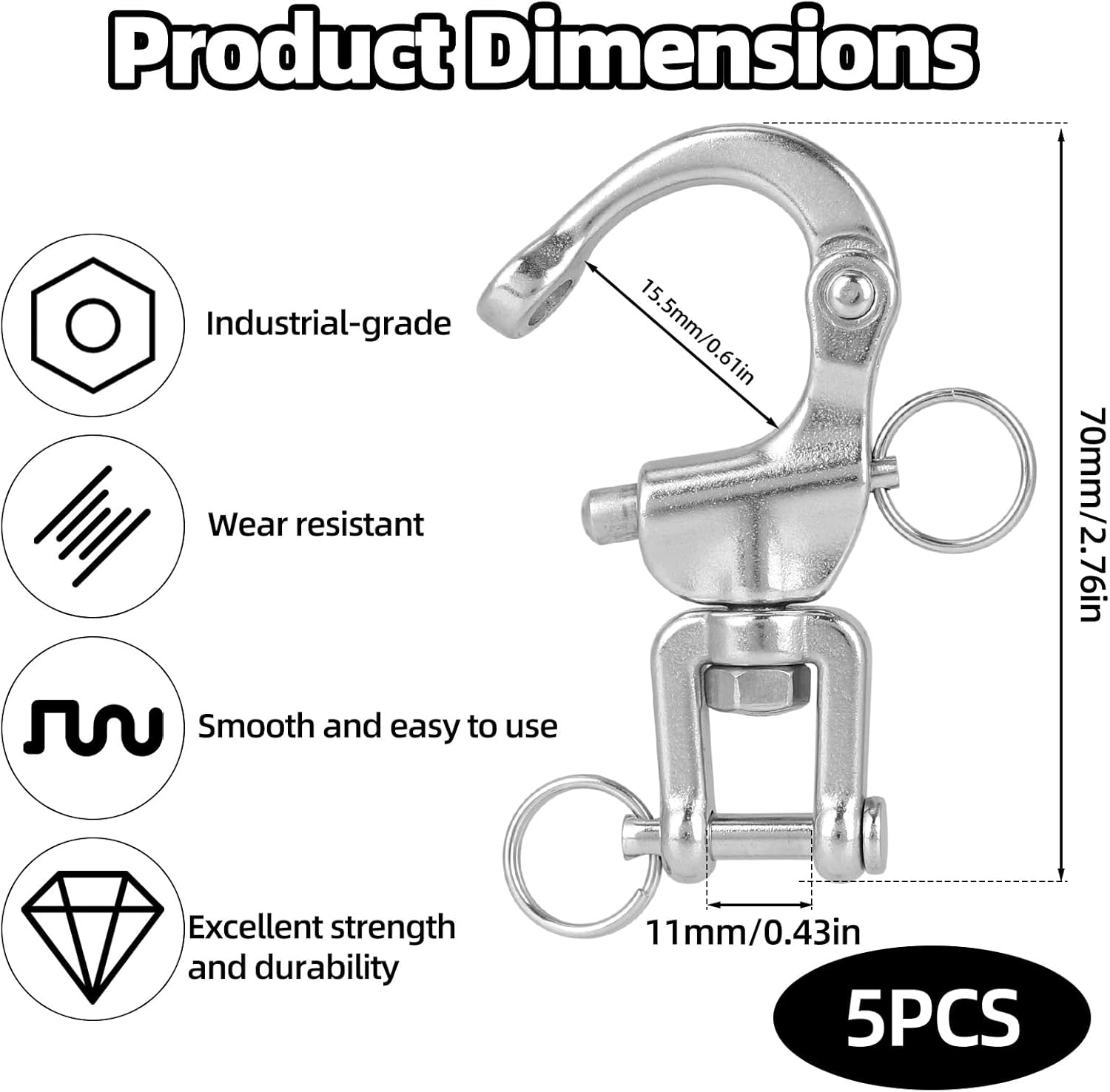
On deck, the best marine shackles for rigging are those that match each specific application rather than a single universal pattern. For halyards and sheets that are frequently disconnected, a high quality snap shackle with a reliable quick release mechanism saves time while reducing wear on sail headboards and clew rings. Where a snap shackle is used on a spinnaker or gennaker, many skippers prefer a swivel snap shackle to prevent wire rope or rope torsion from twisting the sail during hoists and drops.
Permanent connections such as masthead toggles, chainplates, and structural lifting points call for bolt type shackles or pin shackles secured with cotter pins, because a simple screw pin can back out under vibration. A compact chain shackle is ideal where space is limited, while a bow shackle gives more freedom of movement when multiple fittings share the same pin anchor point. For anchor rodes, a robust galvanized steel anchor shackle with a properly sized bolt or screw pin remains the standard, and many owners now pair this with high performance sailing jackets and deck gear from guides like top sailing jackets for men and women to ensure the crew can safely work the foredeck in rough conditions.
Material choice should reflect both environment and maintenance habits, because stainless steel shackles can mask internal cracking while galvanized shackles show corrosion more visibly. In tropical waters with warm, oxygen rich seas, marine grade stainless steel bow shackles perform well on deck, yet a galvanized anchor shackle at the chain to anchor connection still offers superior resistance to impact and deformation. Whatever the type, every shackle, pin, and bolt in the rigging hardware inventory should be logged with its working load, material, and primary applications so that replacements are always like for like rather than improvised compromises.
Inspection, maintenance, and replacement routines for yacht shackles
Even the best marine shackles for rigging will fail if neglected, so disciplined inspection is non negotiable for safety focused yacht owners. Every season, each shackle, pin, and bolt should be removed, cleaned, and examined under good light for signs of wear, elongation around the pin holes, or hairline cracks in the steel. Pay particular attention to anchor shackle and bow shackle connections at the chain, because these see repeated high load cycles and abrasive contact with seabeds and fairleads.
Stainless steel shackles can suffer from crevice corrosion and stress cracking that may not be obvious at a glance, especially around the screw pin threads and under any accumulated salt deposits. Galvanized shackles gradually lose their protective zinc layer, and once bright galvanizing has worn away to dull grey with red rust at the edges, the working load margin is already reduced. Any shackle that has been involved in an overload event, such as a shock load during a dragging anchor or a failed lifting maneuver, should be retired immediately regardless of apparent condition, because invisible deformation can compromise future applications.
Use a simple checklist during each haul out: confirm that pins turn freely by hand, check that stamped WLL markings remain legible, measure any visible distortion against a new reference shackle, and reject components where the pin no longer seats squarely in the body. Lubrication of screw pin threads with a light waterproof grease helps prevent galling on stainless steel and reduces the risk of seized pins that tempt crew to use excessive force with tools. For bolt type shackles, ensure that nuts are secured with split pins or safety wire, and never rely solely on friction to keep a pin anchor connection in place when the yacht is working hard in waves and gusts.
Advanced applications, side loading risks, and special purpose shackles
Beyond everyday deck work, the best marine shackles for rigging also serve in more advanced yacht applications such as mast stepping, tender lifting, and emergency towing. In these scenarios, the combination of lifting geometry, side loading, and dynamic forces can push even robust steel shackles close to their working load limits. A dedicated lifting point should always use a correctly rated bow shackle or chain shackle, never a light snap shackle or undersized screw pin shackle borrowed from sail handling gear.
Side loading is one of the most misunderstood threats to shackle integrity, because many yacht owners focus only on straight line load ratings. When a bow shackle or anchor shackle is pulled at an angle, the pin and body experience bending forces that can permanently deform the steel and drastically reduce the safe working load. To mitigate this, align wire rope, chain, and fittings so that the pin anchor remains as straight as possible, and avoid using a single shackle to connect multiple applications that pull in different directions unless the design explicitly allows it.
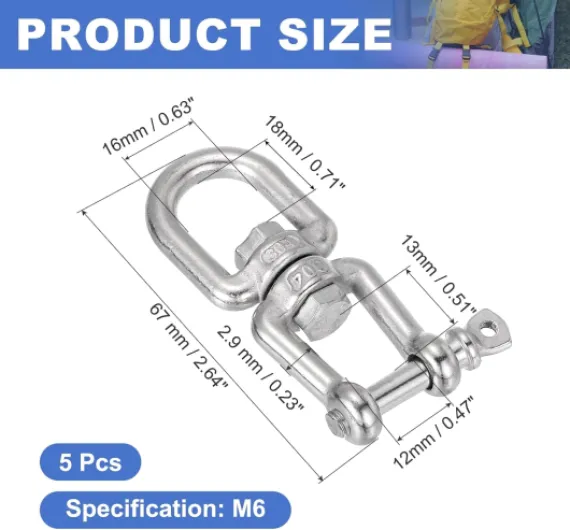
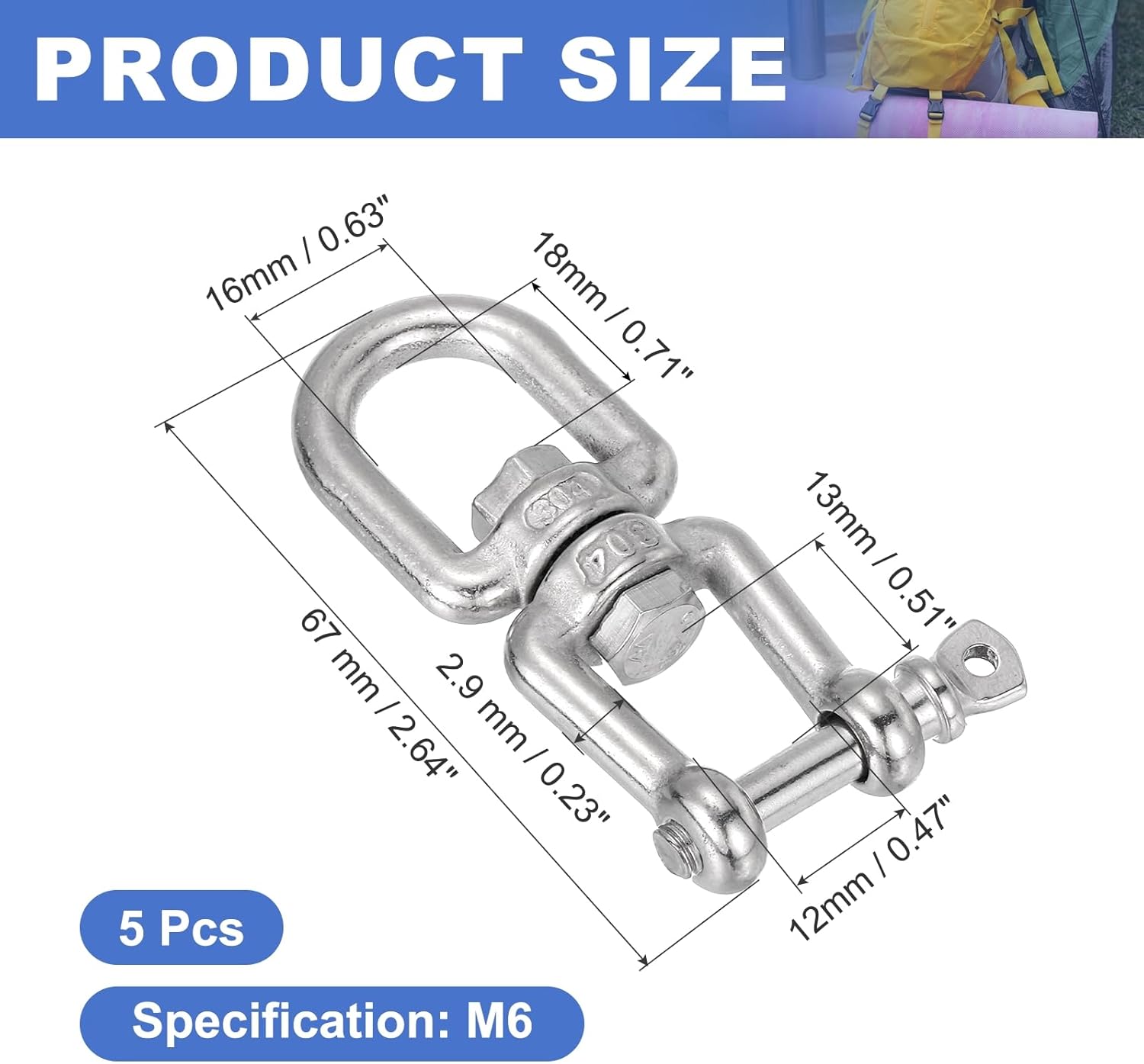
Special purpose shackles such as swivel shackles, quick release snap shackles, and remotely operated vehicle or rov compatible shackles appear more often on large yachts with complex deck layouts. A swivel helps prevent torsion in lifting slings or mooring lines, yet the additional moving parts introduce more inspection points and potential wear around the screw pin or bolt type pivot. Whenever you click expand on technical drawings for these advanced rigging shackles, check how the lbs rating changes under different configurations, and remember that even marine grade stainless steel cannot compensate for poor alignment or misuse in demanding offshore applications.
Integrating shackles into a holistic yacht safety and maintenance plan
Yacht owners who treat the best marine shackles for rigging as part of a broader safety system achieve far more reliable results than those who buy hardware piecemeal. Every shackle, pin, and bolt should be mapped into a rigging plan that covers sails, standing rigging, deck gear, anchor systems, and lifting points for tenders or personal watercraft. This plan then feeds into scheduled maintenance, where shackles and chain shackles are inspected alongside wire rope terminals, winches, and other rigging hardware rather than as an afterthought.
When planning refits, many skippers upgrade to marine grade stainless steel bow shackles for exposed deck locations while retaining galvanized anchor shackle designs for the primary anchor rode, balancing aesthetics with robust performance. Any change in sail plan, such as adding a Code Zero or asymmetric spinnaker, should trigger a review of snap shackle and swivel hardware to ensure that working load ratings match the new sail areas and sheet loads. For owners who perform their own repairs, pairing a well organized shackle inventory with comprehensive repair tools such as those highlighted in guides to top boat repair kits for fiberglass creates a more resilient yacht that can handle unexpected failures offshore.
Training the crew to handle shackles correctly is just as important as choosing the right types of shackles in the first place, because misuse quickly erodes safety margins. Teach new crew members how to seat a screw pin fully, how to recognize when a bow shackle is being side loaded, and why a snap shackle is never suitable for critical lifting or towing applications. With this culture of attention, even small components like pin shackles and chain shackles become part of a disciplined safety routine rather than weak links waiting to fail.
Choosing, sizing, and documenting shackles for long range cruising yachts
For long range cruising yachts, the best marine shackles for rigging are those that are correctly sized, fully documented, and carried with ample spares. Start by listing every shackle on board, from the smallest snap shackle on a vang line to the largest bow shackle on the primary anchor chain, then record material, type, and working load in both kilograms and lbs. This inventory makes it far easier to replace a damaged screw pin shackle or bolt type anchor shackle with an identical part in remote ports where options may be limited.
When sizing shackles for anchor rodes, a common practice is to match the chain diameter and then select an anchor shackle with a working load significantly higher than the chain’s own rating. For running rigging, such as halyards and sheets, snap shackles and swivel shackles should be sized according to the maximum expected sheet load in heavy weather, not the average load in coastal cruising. On bluewater yachts, many skippers deliberately overspecify rigging shackles and chain shackles to create a generous safety margin for unexpected lifting tasks, emergency towing, or jury rig repairs.
Documentation should extend beyond a simple list, ideally including manufacturer data sheets that specify working load, proof load, and any limitations on side loading or special applications. For example, Crosby G-209A alloy bow shackles list a typical proof load of 2 × WLL and a minimum breaking strength of 6 × WLL in their product literature, while Green Pin standard bow shackles publish similar ratios in their technical catalogues. Over time, this disciplined approach to shackle selection, sizing, and record keeping turns a collection of small steel components into a coherent, reliable safety system that supports confident voyaging.
Key figures and safety statistics for yacht shackles and rigging
- Many classification societies recommend a minimum safety factor of 4:1 between working load and breaking load for general lifting shackles, meaning a shackle rated for 1 000 kilograms working load should withstand at least 4 000 kilograms in controlled tests, which guides prudent sizing on yachts.
- Field surveys by marine surveyors have shown that a significant proportion of anchor shackle failures occur at the pin threads, often linked to corrosion or over tightening, highlighting the importance of regular inspection and correct torque rather than relying solely on stainless steel materials.
- Laboratory tests on side loading demonstrate that when a bow shackle is loaded at 90 degrees to its intended axis, its effective working load can drop to around 50 percent of the rated value, which explains many unexplained failures in poorly aligned rigging applications.
- Corrosion studies in warm saltwater environments indicate that unprotected carbon steel hardware can lose measurable cross section within a few seasons, while galvanized shackles maintain structural integrity significantly longer, supporting the continued use of galvanized anchor shackles on cruising yachts.
- Incident analyses from yacht racing fleets show that hardware failures, including shackle and pin breakages, account for a notable share of rigging related retirements, reinforcing the value of conservative working load choices and systematic pre race inspections.
| Nominal pin diameter |
Typical WLL |
Typical proof load |
Typical minimum breaking load |
| 8 mm (5/16 in) |
0.5 t (500 kg) |
1.0 t (2 × WLL) |
3.0 t (≈ 6 × WLL) |
| 10 mm (3/8 in) |
1.0 t (1 000 kg) |
2.0 t (2 × WLL) |
6.0 t (≈ 6 × WLL) |
| 12 mm (1/2 in) |
1.5 t (1 500 kg) |
3.0 t (2 × WLL) |
9.0 t (≈ 6 × WLL) |
| 16 mm (5/8 in) |
3.25 t |
6.5 t (2 × WLL) |
19.5 t (≈ 6 × WLL) |
References
- American Bureau of Shipping – Guide for Certification of Lifting Appliances, Section 2 (3-1-2/3) – definitions of working load, proof load, and minimum breaking load for shackles and associated rigging hardware.
- DNV – Offshore standard DNV-ST-0378, Section 4 (4.2.2 and 4.3) – design factors, side loading limitations, and testing requirements for lifting shackles and fittings.
- Royal Yachting Association – RYA Boat Safety Handbook and RYA Rigging and Tuning for Cruising and Racing – practical inspection intervals, replacement guidance, and examples of shackle related failures on yachts.
- Crosby Group – G-209A alloy bow shackle product data – typical ratios of proof load (2 × WLL) and minimum breaking strength (approximately 6 × WLL) used as indicative values in the example table above.


![Swivel Snap Shackles [4PCS] - 316 Stainless Steel Jaw Anchor Swivel Clevis Shackle Use for Sailing Rigging & Camping & Marine - [70MM/2.76IN-500 KG] Quick Release Snap Hook mm/in](https://www.yachtlifestyle.net/storage/860726/conversions/816sXpgfy8L._SL1500_-medium.webp)

![Swivel Snap Shackles [4PCS] - 316 Stainless Steel Jaw Anchor Swivel Clevis Shackle Use for Sailing Rigging & Camping & Marine - [70MM/2.76IN-500 KG] Quick Release Snap Hook mm/in](https://www.yachtlifestyle.net/storage/860726/816sXpgfy8L._SL1500_.jpg)