Summary
Editor's rating
Are they worth the money?
Simple design: loop one end, burnt end the other
Polyester braid: decent grip, average stretch
Early signs on wear and how long they might last
On-water performance and handling
What you actually get in the pack
Do they actually hold the boat properly?
Pros
- Good price for two 15 m, 14 mm braided polyester lines with spliced eyes
- Pre-spliced 8-inch loop makes docking quicker and easier
- Decent handling and knotability for everyday mooring on small to mid-size boats
Cons
- Finish on heat-sealed ends and splice quality is clearly budget-level
- Less shock absorption and likely shorter lifespan than premium mooring lines in harsh conditions

Specifications
View full product page →| Brand | Savage Island |
Two cheap mooring lines that actually hold your boat
I bought these Savage Island 14 mm docking lines as a cheap backup set for my small motorboat, not really expecting much. Unknown brand, made in China, and the price was on the low side compared to the usual marine shop stuff. I mainly wanted something I could leave on the pontoon without worrying too much if they got nicked or abused by guests who don’t really know how to handle ropes.
After a few weekends using them for normal day trips, tying up at a floating pontoon and the odd overnight stay, I’ve got a decent idea of what they’re worth. In short: they’re not fancy, but they’re perfectly usable if you know what you’re buying. They’re more “workhorse” than “premium yachty gear”.
The pack includes two 15 m lines with a spliced loop on one end. That alone makes life easier for quick docking when you’re coming in a bit fast or the wind is annoying. I used them both as bow and stern lines and also once as a temporary spring line when I’d forgotten my usual one at home.
They’re not perfect: the rope is a bit on the stiff side out of the box, the heat-sealed ends aren’t the cleanest I’ve seen, and long-term durability is still a question mark. But for the price and for casual or backup use, they’re decent, functional ropes that do what they’re supposed to do: hold the boat without drama.
Are they worth the money?
Price-wise, this set sits in the budget to mid-range zone. You can definitely find cheaper random ropes online, but those are often thinner, shorter, or clearly not designed for boats. On the other hand, proper marine-branded mooring lines of similar length and thickness usually cost noticeably more, especially if you buy them from a chandlery. So these Savage Island lines land in a sort of sweet spot: not dirt-cheap junk, but still affordable enough that you don’t baby them.
For the money, you’re getting two 15 m, 14 mm polyester braided lines with spliced eyes, which is quite a lot of rope for the price. If you tried to buy the same length and then pay someone to splice eyes on them, you’d almost certainly end up spending more. That’s why I see them as good value for people who need a couple of extra lines – for visitors, rafting up, or as backups – without investing in top-shelf gear.
Where the value is less strong is if you’re looking for long-term primary mooring lines in a tough environment. If your boat lives year-round in a windy, choppy berth, personally I’d spend more on thicker, softer, more elastic lines with better chafe resistance. In that case, these might still be useful as secondary or emergency ropes, but not the main ones holding your pride and joy every day.
For casual boaters, inland users, or anyone building up a basic kit on a budget, I’d say the value is pretty solid. You’re not paying for branding or fancy packaging, just functional ropes that do their job. There’s better kit out there, sure, but you’ll pay for it. If you go in with realistic expectations – budget lines for normal use, not premium gear for harsh conditions – you’ll probably feel you got your money’s worth.
Simple design: loop one end, burnt end the other
The design is very straightforward: 8-inch spliced loop at one end, heat-sealed cut at the other, full braided construction, and a uniform black colour. Nothing clever, but that’s kind of the point. For daily docking, the spliced eye is what you use 90% of the time. I usually drop it straight over the pontoon cleat and then adjust the length from the boat’s cleat. The eye size is practical – not huge, not tiny – and it slips over standard marina hardware without snagging.
The splice itself on my set looked decent but not premium. The tuck work is okay, and I didn’t see any obvious loose strands or sloppy whipping, but it’s not as tight and tidy as the more expensive ropes I’ve got from big marine brands. After a couple of wet weekends and a few decent tugs in wind and wake, the splice hasn’t moved or deformed in any worrying way, so functionally it’s fine. It just doesn’t have that super neat, compact look that you see on higher-end kit.
The other end is just heat-sealed and stitched. This is where you really feel the budget side: the finish is a bit chunky and slightly uneven. It doesn’t affect use, but when you’re doing knots or feeding it through a fairlead, you can feel that rougher tip. I ended up trimming a couple of loose fibers and re-melting a tiny bit with a lighter to tidy it up. Took two minutes, but still worth mentioning.
Colour-wise, plain black is practical. It hides dirt and scuffs, and it looks fine on most boats, but in low light it can be harder to see on the pontoon. On a busy dock at night I caught myself almost stepping on it a few times. Bright or flecked colours would be more visible, but that’s a trade-off. Overall, the design is simple, functional, and clearly aimed at people who care more about usability and price than looks.
Polyester braid: decent grip, average stretch
These lines are made from polyester braided rope, which is pretty standard for mooring. Polyester is known for being reasonably strong, decent in the sun, and not stretching too much. That matches what I felt in use. When the boat was moving with wakes and a bit of wind, the lines had some give but not loads of elasticity. If you want super stretchy lines to cushion shocks like crazy, this isn’t that. But for a small to mid-size leisure boat, it’s acceptable.
In the hand, the material is medium-soft. It’s not harsh like really cheap polypropylene, but it’s also not that plush, almost cottony feel you get on some premium “softline” ropes. Bare-handed, I could pull and adjust them without tearing up my palms, but if you’re hauling hard or doing fast adjustments, gloves are still nicer. After a few wet/dry cycles, the rope stayed fairly consistent in texture – it didn’t go rock-hard or fuzzy, which is a good sign.
One thing I noticed is the braid tightness: it’s on the slightly looser side compared to some high-end lines. That’s probably part of why it’s easier to handle and knot, but it might also mean it will fuzz up faster with long-term rubbing on rough cleats or rings. After a handful of outings, I did see some light fluffing around the areas that rubbed against a rusty bollard, but nothing serious yet. It’s the kind of wear I’d expect from a budget polyester rope.
Weather-wise, I’ve only had them out in typical mixed UK conditions: some sun, some rain, a few chilly mornings. No obvious UV damage or stiffness so far, but to be fair, that kind of wear shows up after a full season or two, not a few weeks. Based on the material alone, I’d say they should handle normal leisure use fine, but I wouldn’t pick them as the main lines for a heavy boat in a very exposed berth where they’re under constant high load and chafe.
Early signs on wear and how long they might last
I’ve only had these lines for a few weeks, so I can’t pretend I’ve stress-tested them for years, but there are some early hints about how they’ll age. After half a dozen trips and a couple of nights on the dock, the overall structure is still solid. No broken strands, no weird flattening where they wrap around cleats, and the spliced eyes still look the same as day one. That’s a good start, especially for a budget product.
The first wear points showed up where the rope rubbed against a slightly rough metal ring on a quay wall. After one tide cycle with a bit of movement, there was some light fuzzing of the outer braid. It’s the kind of cosmetic wear I’ve seen even on more expensive ropes when they hit rough hardware. I wouldn’t panic about it, but it tells me these lines will need the usual care: avoid sharp edges, use chafe protection if you’re leaving them in one spot for weeks, and rotate lines occasionally.
In terms of UV and weather resistance, there’s not much to report yet. A few sunny days and some rain haven’t changed the colour or texture. Polyester generally handles sun better than polypropylene, so I’d expect them to cope fine with a normal season if you’re not leaving them permanently exposed 24/7. If you’re the type who leaves lines on the pontoon all year, they’ll obviously age faster, but that’s true of most ropes in this price bracket.
My honest guess is that these will last a couple of seasons of light-to-moderate use as main lines on a small boat, or longer if you mostly keep them as spares. For heavier boats or very exposed moorings, I’d treat them as secondary lines rather than the main load-bearers. They’re not falling apart, but you can feel they’re built to a budget, and long-term durability probably won’t match premium marine brands. For what I paid, though, I’m okay with that trade-off.
On-water performance and handling
From a handling point of view, these ropes are easy enough to live with. The 14 mm diameter feels about right for small to medium leisure boats – thick enough to grip properly, not so fat that it’s awkward to wrap on a cleat. I had no trouble throwing the line to someone on the pontoon, and the rope doesn’t kink badly, which can be an issue with some stiffer braids. Coiling them is straightforward; they lie reasonably flat in the locker and don’t explode into a tangled mess when you pull them out.
One thing I noticed is that wet handling is okay but not brilliant. When soaked, the rope gets a bit heavier and slightly slicker, which is normal, but the grip is still acceptable. I could still tie and untie knots easily, and the braided surface gives enough friction to hold on to. Compared to some very soft mooring lines I’ve used, these feel a bit more plasticky when wet, which isn’t a dealbreaker but worth mentioning if you’re used to top-end lines.
In terms of knotability, they’re decent. Bowlines, clove hitches, round turn and two half hitches – all the usual suspects bite and hold fine. The rope doesn’t lock up so hard that you can’t undo knots later, which is important if you’re regularly adjusting lines. After a few days under load, I could still untie everything without needing tools or a lot of swearing. That’s where the medium stiffness actually helps: too soft and squishy can be just as annoying as too rigid.
For general boat handling – coming alongside, moving between berths, holding the boat while someone parks – they work like any standard mooring line. They’re not especially light or heavy, they don’t float (polyester sinks), and they behave predictably. If you’re doing serious offshore cruising or dealing with big tides and strong currents, you’d probably want something beefier and more specialised. For inland waters, lakes, and sheltered coastal marinas, the performance is perfectly adequate for casual use.
What you actually get in the pack
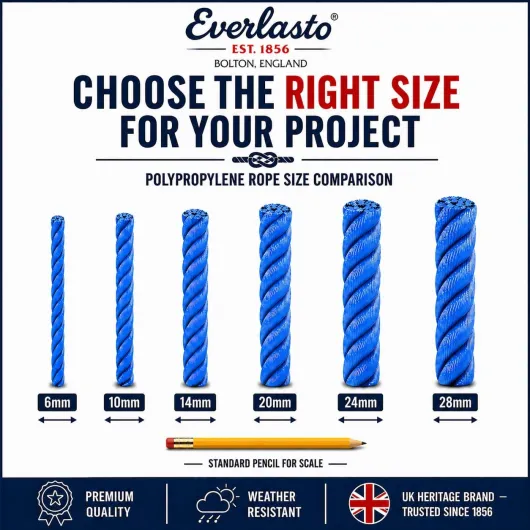
Out of the bag, you get two black braided polyester lines, each 14 mm thick and 15 m long, with an 8-inch pre-spliced eye at one end. The other end is heat sealed and stitched to stop fraying. There’s no fancy branding on the rope itself, just a simple plastic bag and a basic label with the Savage Island name and size info. This is clearly a functional product, not something trying to look premium on a chandlery shelf.
The pre-spliced eye is the main useful feature. It’s big enough to drop over a standard cleat or a pontoon ring without wrestling with it. On my 6 m boat, the 15 m length is more than enough for normal docking, and I actually find them a bit long for day-to-day use in tight marinas. I ended up coiling the excess onto the rail or tying a quick stopper knot to shorten them when space was tight.
In terms of feel, the rope is polyester braided, so it’s smoother than a twisted rope but not as soft in the hand as some more expensive mooring lines. It’s not rope that makes you go “wow”, but it’s also not bargain-bin washing line. It looks like proper boat rope, sits neatly on the cleats, and doesn’t scream “cheap” from a distance. Up close, though, you can tell it’s on the budget side if you’re used to higher-end marine brands.
For someone who just wants a simple set of dock lines without overthinking it, the presentation is fine. No instructions, no fancy packaging, just two ropes you can throw straight on the boat. If you like polished branding and tidy packaging, you’ll probably find it a bit barebones, but personally I’d rather they keep the cost down and spend the money on the rope itself.
Do they actually hold the boat properly?
In practice, the main question is simple: do these lines keep the boat where it should be without causing problems? For my 6 m fibreglass motorboat (around 1.3–1.5 tons loaded), the answer has been yes. I’ve used them several times as bow and stern lines on floating pontoons and once on a fixed quay with a bit of tidal movement. The boat stayed secure, and the lines didn’t slip on the cleats or stretch out in a worrying way.
One specific test was a night with gusty wind and some chop in the marina. The boat was moving a fair bit, bumping around more than I liked. The ropes took repeated loading and unloading, and by morning there was no obvious damage: no pulled strands, no serious flattening, and the knots stayed tight. There was a bit of cosmetic fluffing where the rope rubbed on a slightly sharp-edged cleat, but nothing structural. That’s pretty much what I’d expect from mid-range polyester.
Where they’re less impressive is in shock absorption. Compared to some thicker, softer nylon lines I own, these don’t soak up the motion quite as nicely. You feel more of the jerks in the boat when a big wake hits. It’s not dangerous, just a comfort thing and maybe a bit more strain on cleats over time. If your berth is very exposed, I’d consider pairing these with springs or using stretchier lines for the main moorings and keeping these as spares or for calmer conditions.
For day trips, rafting up with another boat, or as spare lines for visitors, they’re perfectly fine. The pre-spliced eye speeds up docking, they grip cleats well, and knots hold without slipping. So on the basic job of tying a boat up safely, they get the job done. Just don’t expect the same performance you’d get from thicker, more elastic, and more expensive gear designed for heavy or very active moorings.
Pros
- Good price for two 15 m, 14 mm braided polyester lines with spliced eyes
- Pre-spliced 8-inch loop makes docking quicker and easier
- Decent handling and knotability for everyday mooring on small to mid-size boats
Cons
- Finish on heat-sealed ends and splice quality is clearly budget-level
- Less shock absorption and likely shorter lifespan than premium mooring lines in harsh conditions
Conclusion
Editor's rating
Overall, these Savage Island 2 x 14 mm docking lines are decent, no-nonsense mooring ropes that suit casual and budget-conscious boaters. They hold the boat properly, the pre-spliced eye makes docking faster, and the 15 m length gives you plenty of flexibility for different berths. The polyester braid handles knots well and isn’t too hard on the hands, and early signs on wear are acceptable for the price range.
They’re not perfect. The finish on the heat-sealed ends is a bit rough, the splice isn’t as tidy as higher-end brands, and they don’t offer the same shock absorption or long-term durability you’d expect from premium nylon lines. For a heavy boat in a very exposed mooring, I’d treat these as backup or occasional-use lines rather than the main ones. But if you’ve got a small to mid-size leisure boat in a reasonably sheltered marina, and you just want functional ropes without spending a fortune, they make sense.
If you care mainly about looks, brand name, and top-tier longevity, you should probably skip these and look at more expensive marine brands. If you want practical, affordable lines you won’t cry over if they get scuffed, left on the pontoon, or loaned to a mate, these do the job well enough. I’m keeping mine on board as regular working lines and I’m fine with that choice.