Choosing marine LED technology for performance and safety
Modern marine LED technology has transformed what is possible inside a yacht cabin. Compared with traditional halogen or incandescent fixtures, LED lights draw far less power, generate less heat, and last significantly longer, which is crucial when the boat is on the hook for several nights. For owners who cruise off grid, the best boat cabin lighting almost always relies on high quality LED products paired with efficient batteries and well sized charging systems, as shown in comparative energy tests published by Practical Sailor (Practical Sailor, “LED Cabin Lights vs. Halogen,” 2013).
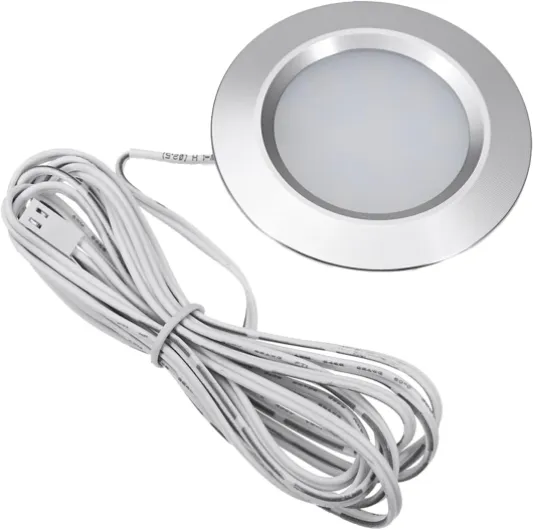
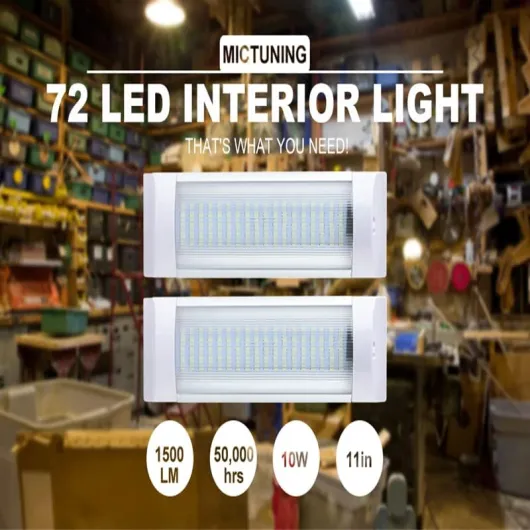
When selecting LEDs for interior use, focus on marine rated products with robust drivers and proper electromagnetic compatibility certification. Cheap LED strips designed for domestic use can create interference with navigation lights, radios, or chart plotters, which is unacceptable on a serious fishing boat or passagemaker. Look for fixtures with clear lumen ratings, warm white color temperature options, and documented waterproof or splash resistant protection suitable for humid cabins and the exposed boat deck, and verify that manufacturer data sheets specify expected service life and test standards.
Safety extends beyond the cabin because navigation lights and exterior LED systems must remain reliable in rough water. While this article focuses on the interior, many owners sensibly upgrade both cabin lighting and exterior fittings at the same time to simplify wiring and maintenance. When you combine efficient marine LED cabin fixtures with reliable engine care using dedicated boat engine maintenance kits, such as those reviewed in specialized guides on top boat engine maintenance kits, you create a yacht that is both comfortable and mechanically trustworthy.
Color temperature, dimming, and night vision on board
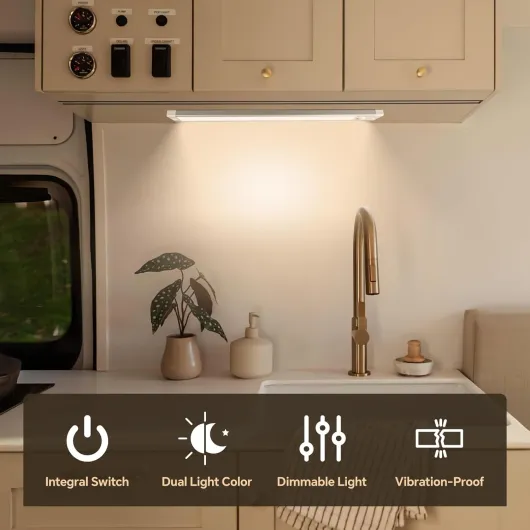
Light quality matters as much as light quantity inside a yacht. The best boat cabin lighting respects human night vision, which means using warmer color temperatures and effective dimming to avoid glare after sunset. A well tuned interior scheme lets you move from bright task lighting to gentle night mode without straining your eyes or losing awareness outside.
Warm white LEDs around 2700 to 3000 Kelvin create a welcoming atmosphere in the saloon and cabins. Cooler color temperatures can feel clinical and may reflect harshly off glossy wood or water, so reserve them for technical spaces or the fishing cockpit where clarity is critical. For serious night fishing or bass fishing trips, many owners now install multicolor LED strips that can switch between white, red, and blue to protect night vision while still illuminating the deck and working areas, often controlled by simple preset scenes.
Red courtesy lights near steps, doors, and the companionway are especially valuable during offshore passages. These small pathway lights or low level strip runs provide enough illumination to move safely without compromising your ability to read the horizon or navigation instruments outside at night. When you combine dimmable cabin circuits with carefully placed red or blue accents, you gain precise control over how the boat feels from dusk through the darkest hours and can quickly shift from full brightness to a discrete night mode.
Waterproof fixtures and wiring standards for harsh marine environments
Cabin lighting on a yacht lives in a demanding environment. Salt laden air, condensation, and occasional water ingress all attack fixtures, switches, and wiring, so the best boat cabin lighting always starts with marine grade components. Choosing waterproof or at least highly water resistant fixtures is not a luxury; it is a long term reliability strategy that aligns with accepted marine electrical practice.
Look for interior fixtures with appropriate IP ratings that match their location on the boat. Areas near hatches, the galley, or the heads experience more moisture and occasional splashes of water, so they need sealed LED fittings and corrosion resistant metals. Even on a sheltered pontoon boat, under gunwale strips and lights along the deck edge should be fully waterproof to withstand spray, cleaning, and the constant presence of water around the hull, ideally meeting at least IP65 as recommended in ABYC E-11 guidance for equipment in damp locations.
Proper wiring is just as critical as the fixtures themselves. Use tinned marine cable, heat shrink connectors, and secure strain relief to protect every run of wire feeding the cabin and deck lights, especially where they pass through bulkheads or under the deck. A simple wiring checklist—correct fuse sizing, clean terminations, drip loops, and chafe protection—goes a long way toward preventing failures. When you pair robust installations with reliable hardware such as high quality docking cleats, which are reviewed in resources on the best boat cleats for docking, you reduce the risk of problems when conditions deteriorate and ensure compliance with core ABYC E-11 clauses on overcurrent protection and conductor support.
Integrating deck, pontoon, and fishing focused lighting with the cabin
Yacht owners rarely think of cabin lighting in isolation. The best boat cabin lighting feels cohesive with the deck, cockpit, and pontoon areas, creating a unified visual language from bow to stern. When you step from the saloon to the deck at night, the transition should feel natural, not jarring or blinding.
On a pontoon boat or large flybridge yacht, consider how pontoon rail strips, underwater LEDs, and deck courtesy lights interact with the interior glow. Excessively bright exterior lighting can reflect off the water and into the cabin, washing out the subtle interior effects you worked hard to design. For night fishing from a bass oriented fishing boat, many skippers now use multicolor LED systems that allow bright white for rigging, softer amber for relaxing, and focused beams for landing fish without lighting up the entire marina or disturbing nearby boats.
Functional details matter as much as aesthetics in these transitions. Non glare step lights along the side decks, low level strip lighting under seating, and carefully aimed transom fixtures all contribute to safer movement between interior and exterior zones. To keep this integrated system secure during transport or heavy weather, pair your lighting upgrades with reliable tie down solutions, such as those highlighted in guides to top boat tie down straps, so that loose gear never threatens your carefully installed fixtures or damages exposed wiring.
Smart controls, maintenance routines, and upgrade strategies
Once the physical fixtures are in place, control becomes the next frontier. The best boat cabin lighting today often includes smart dimmers, zoned switches, and in some cases app based control that lets you adjust every light from the helm or the master cabin. Thoughtful control layouts reduce clutter and make it easy for guests to understand how to use the interior without constant explanations or confusing switch panels.
Group cabin lights by function rather than by random cabin boundaries. For example, one switch can manage all courtesy lights along the companionway and steps, another can handle reading lamps, and a third can control ambient ceiling lighting in the saloon and cabins. On a larger pontoon boat or motor yacht, separate controls for fishing activities, such as night fishing or bass casting from the aft deck, allow you to shift from cruising mode to fishing mode with a single touch, and a simple table that lists each circuit, fuse rating, and approximate total lumens helps keep the system organized.
Maintenance is straightforward when you standardize on quality marine LED products. Keep spare LED modules and compatible fixtures on board, and inspect all connections at least once per season for corrosion or water ingress. When you treat lighting upgrades with the same discipline you apply to mechanical servicing, supported by trusted technical references such as BoatUS, the American Boat and Yacht Council (ABYC E-11 and related electrical standards), and Practical Sailor product reviews, your yacht remains both beautiful and dependable for every night on the water.
Key figures on yacht cabin lighting and energy efficiency
- Switching from halogen to LED lighting in a typical 12 metre cruising boat can reduce cabin energy consumption by up to 80%, according to comparative tests published by Practical Sailor (Practical Sailor, “LED Cabin Lights vs. Halogen,” 2013, back issue data on amp draw and runtime).
- Marine LED fixtures often reach rated lifespans of 25,000 to 50,000 hours, while traditional incandescent boat lights rarely exceed 1,000 hours, based on manufacturer data from major marine lighting brands such as Hella marine and Lumitec (Hella marine technical catalogues; Lumitec product specifications).
- Warm white light in the 2700 to 3000 Kelvin range is preferred by more than 60% of surveyed yacht owners for interior lighting, as reported in reader surveys by BoatUS Magazine (BoatUS Magazine lighting preference survey, 2019 member poll).
- Waterproof or water resistant fixtures with at least an IP65 rating are recommended for any lighting installed in damp cabins or on the deck, according to guidelines from the American Boat and Yacht Council (ABYC E-11, sections on location of electrical equipment and protection against moisture).