Key criteria for evaluating dock bumpers and boat fenders
Selecting the best boat dock bumpers starts with understanding impact scenarios around your specific boat dock. A light tender tied to floating docks needs different dock fenders than a 24 metre yacht lying alongside a fixed concrete quay in a tidal marina. Map where your hull, swim platform, and bow flare actually meet the dock, then choose each dock bumper or boat fender to match that geometry and the likely approach angles.
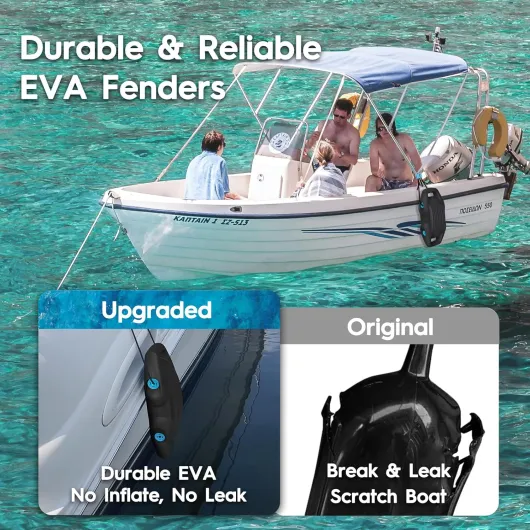
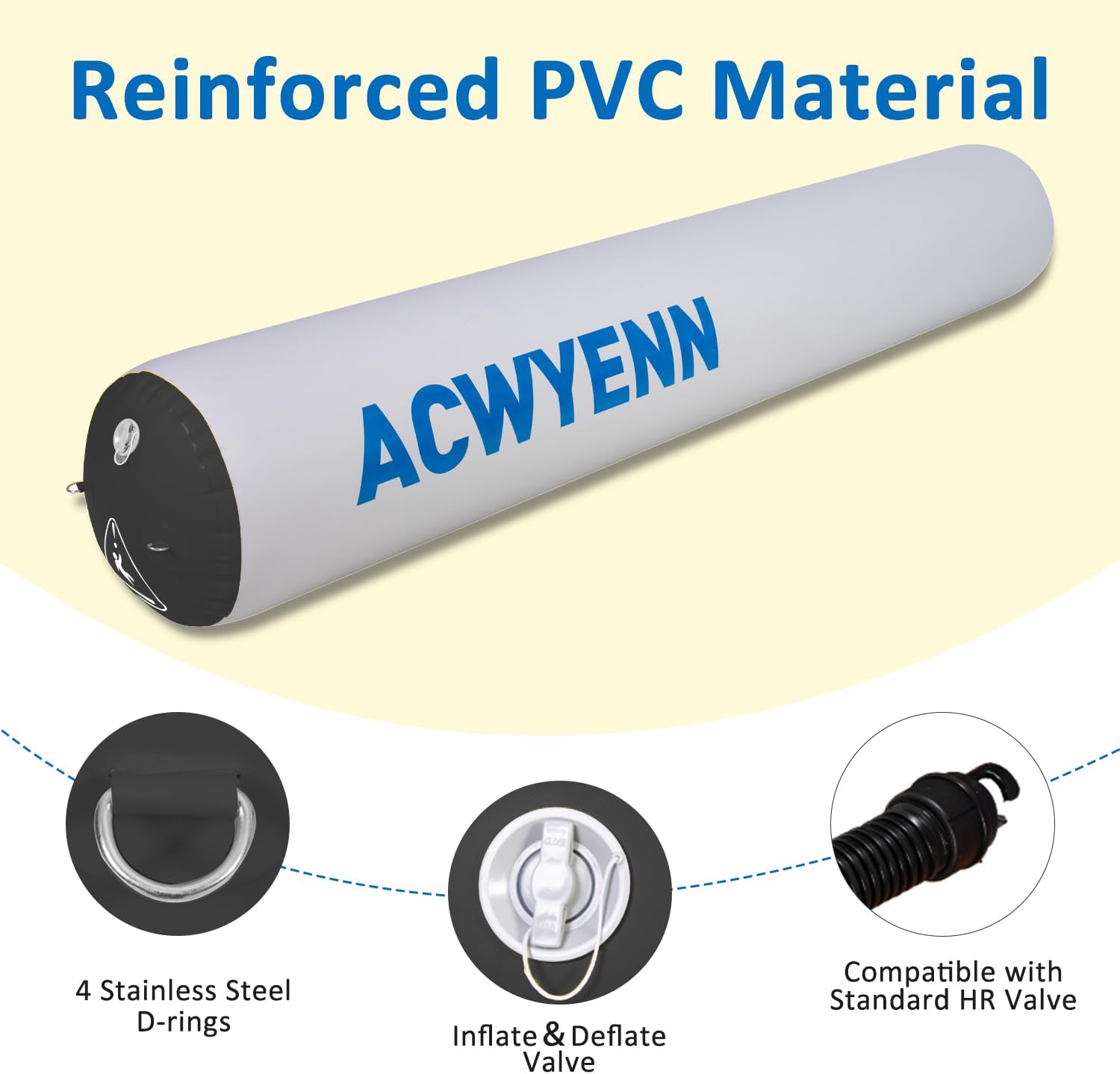
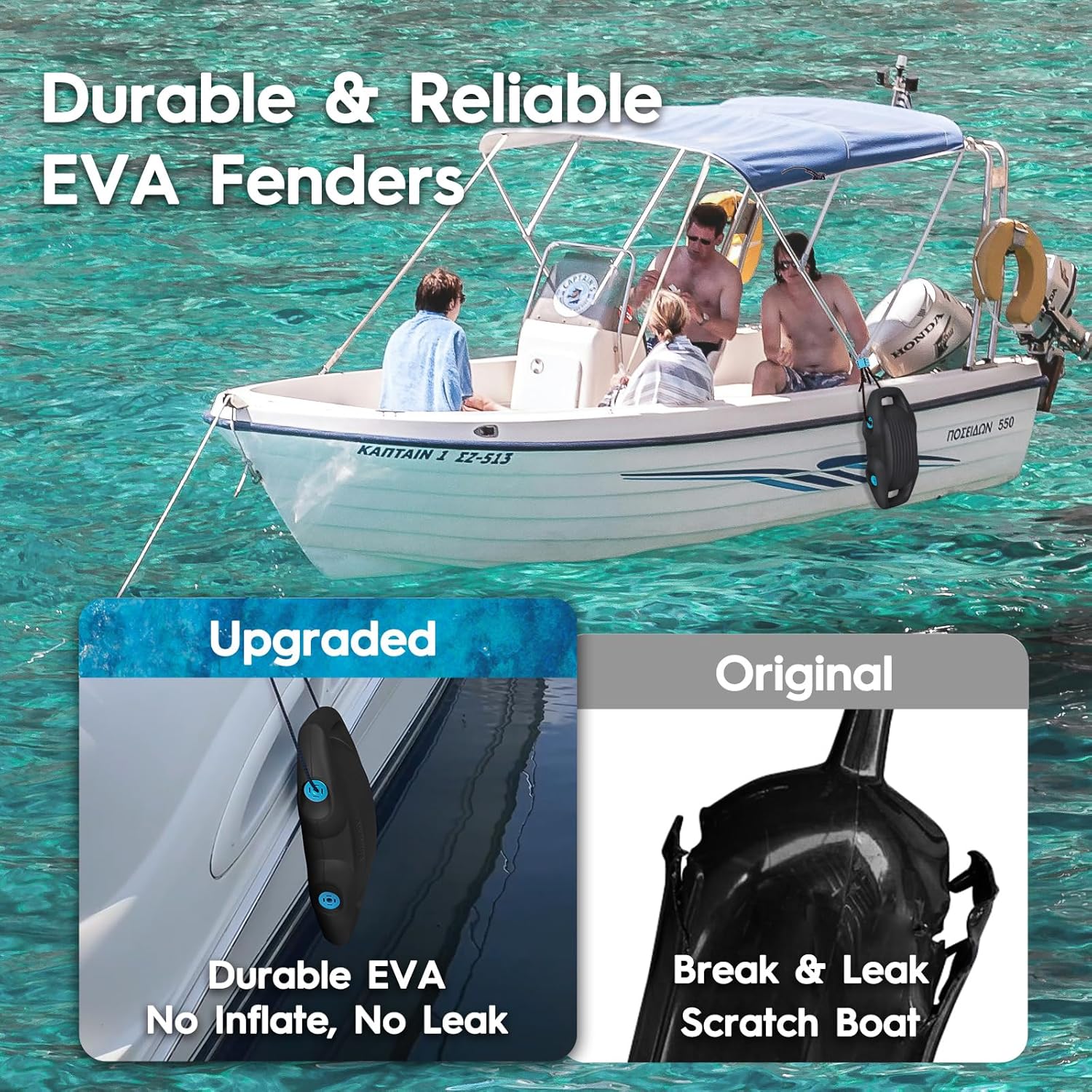
Material quality defines whether bumpers remain reliable after seasons of UV, fuel mist, and temperature swings. Look for marine grade PVC or EVA foam in both black and white options, and check whether the manufacturer publishes compression and rebound data for their bumpers dock range. Independent lab tests referenced in ABYC technical discussions consistently show that high density EVA profiles retain their deflection characteristics far better over repeated compression than low grade PVC, which often hardens and cracks. High quality boat fenders should have reinforced eyes for fender lines, while any heavy duty dock fender or post bumpers should include corrosion resistant fasteners and backing plates.
Hardware and layout matter as much as the bumper itself when you are protecting premium boats. A corner bumper on a dock corner must wrap fully around the edge so a moving hull never finds exposed timber or steel. When you add handholds or upgrade safety rails using products similar to those in specialized boat handrails for decks, align fender lines and dock bumpers so crew can adjust them quickly from safe positions. This attention to ergonomics mirrors recommendations in UK MAIB small craft safety digests, which emphasize minimizing crew exposure on narrow docks.
Matching bumper types to yacht layouts and docking styles
The best boat dock bumpers for a stern to Med mooring differ from those for a side to tie in a river marina. When you back a boat into a tight slip, the swim platform and quarters need generous corner bumpers and possibly vertical post bumpers on each piling. For side berthing, continuous dock fenders along the full length of the dock face give more consistent protection than isolated pads, especially when wind or surge shifts the hull fore and aft.
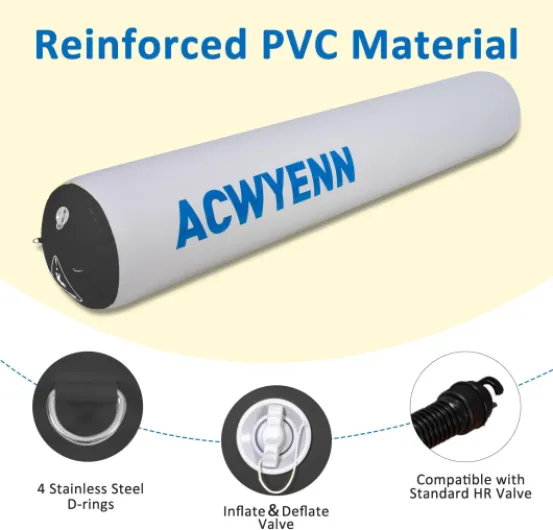
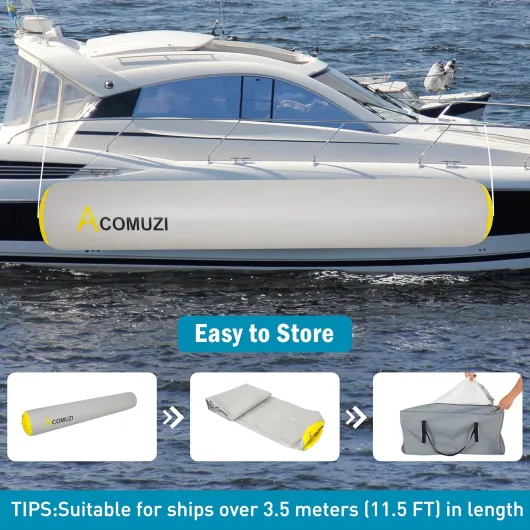
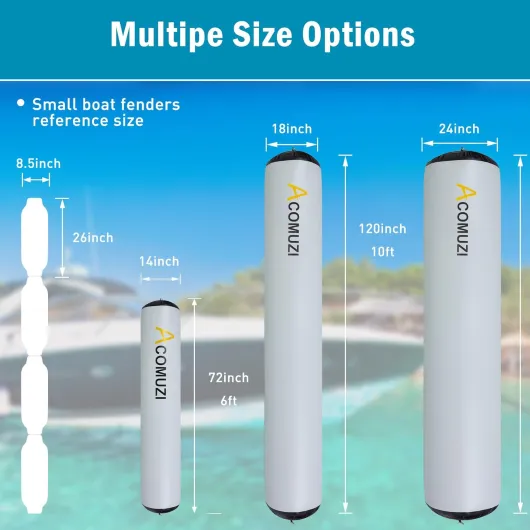
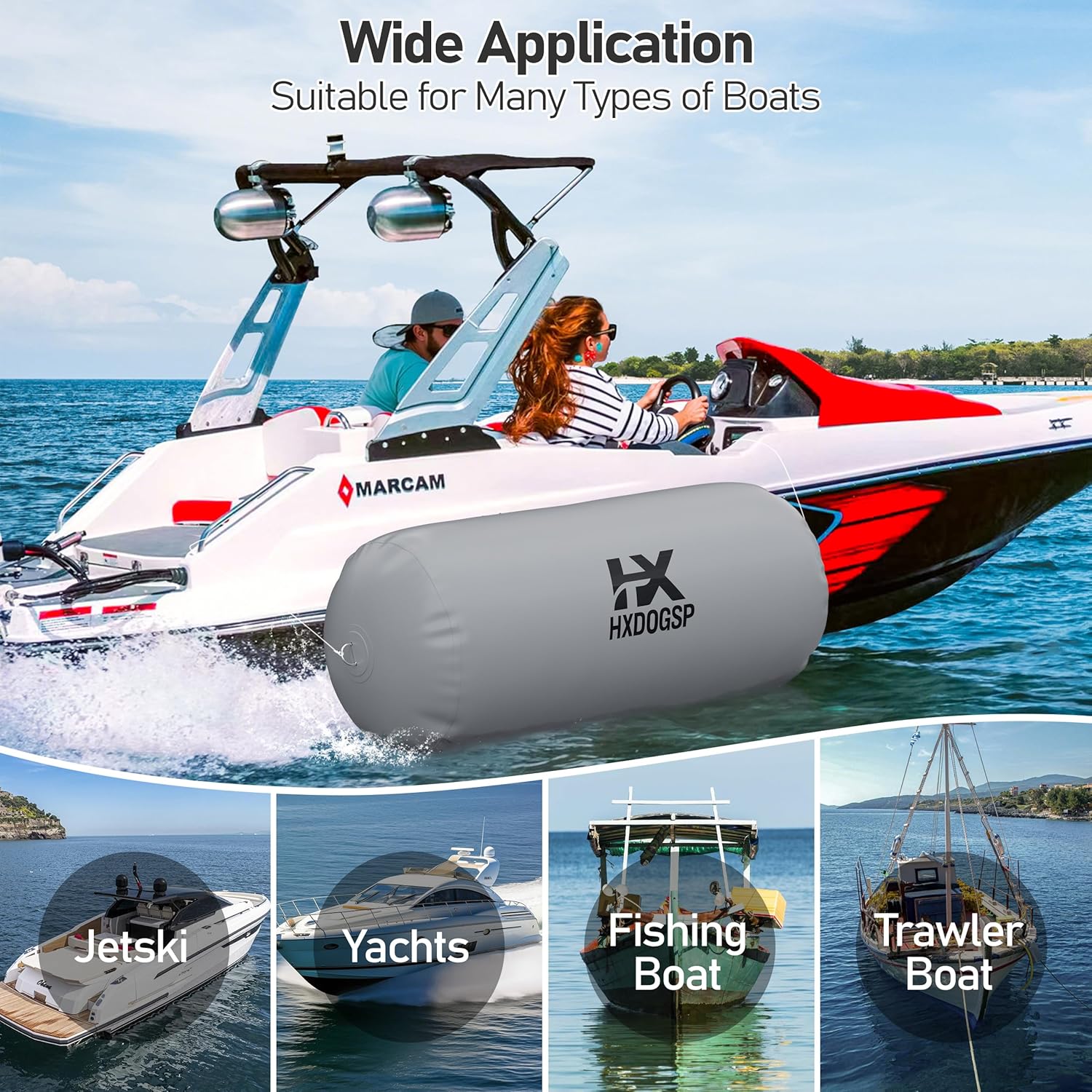
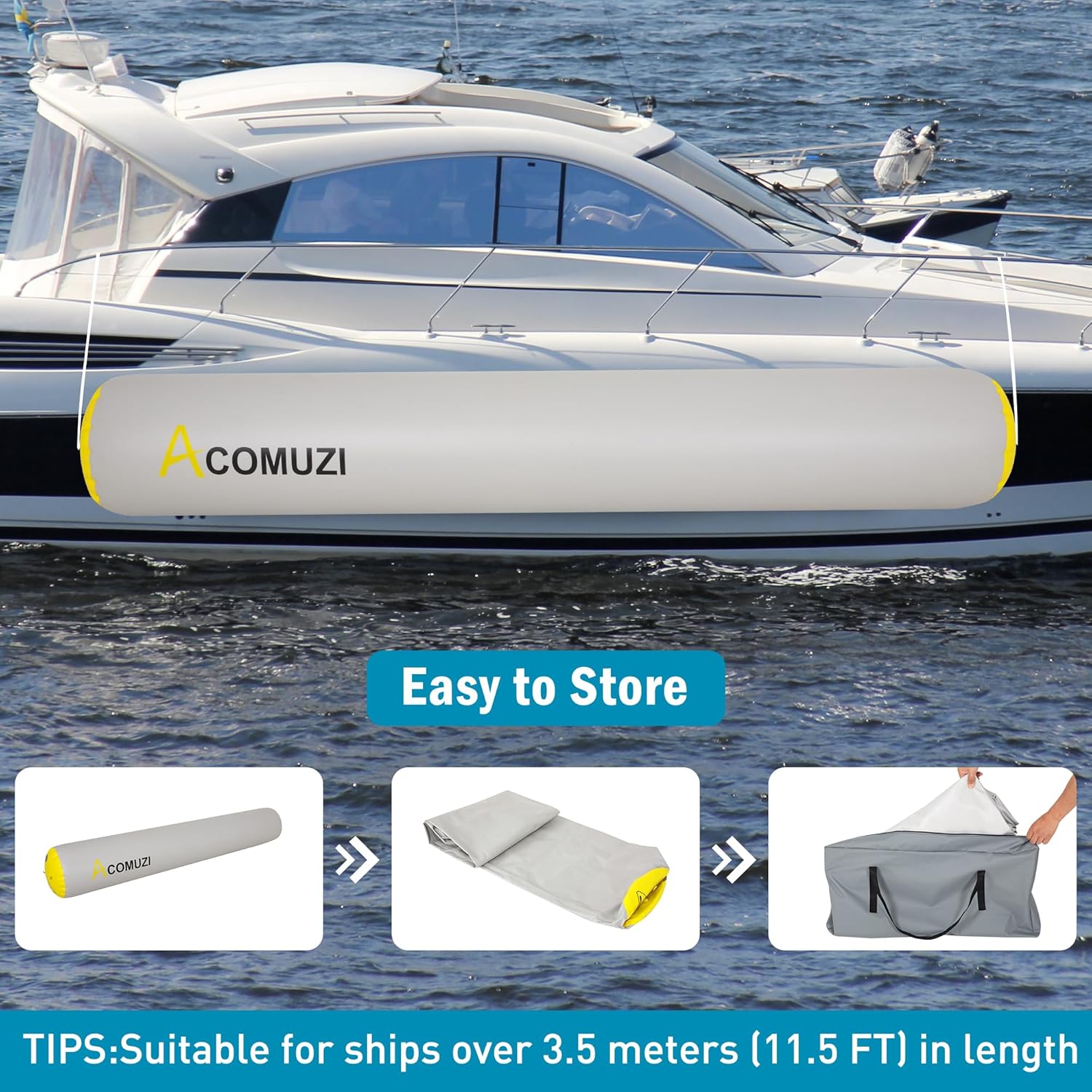
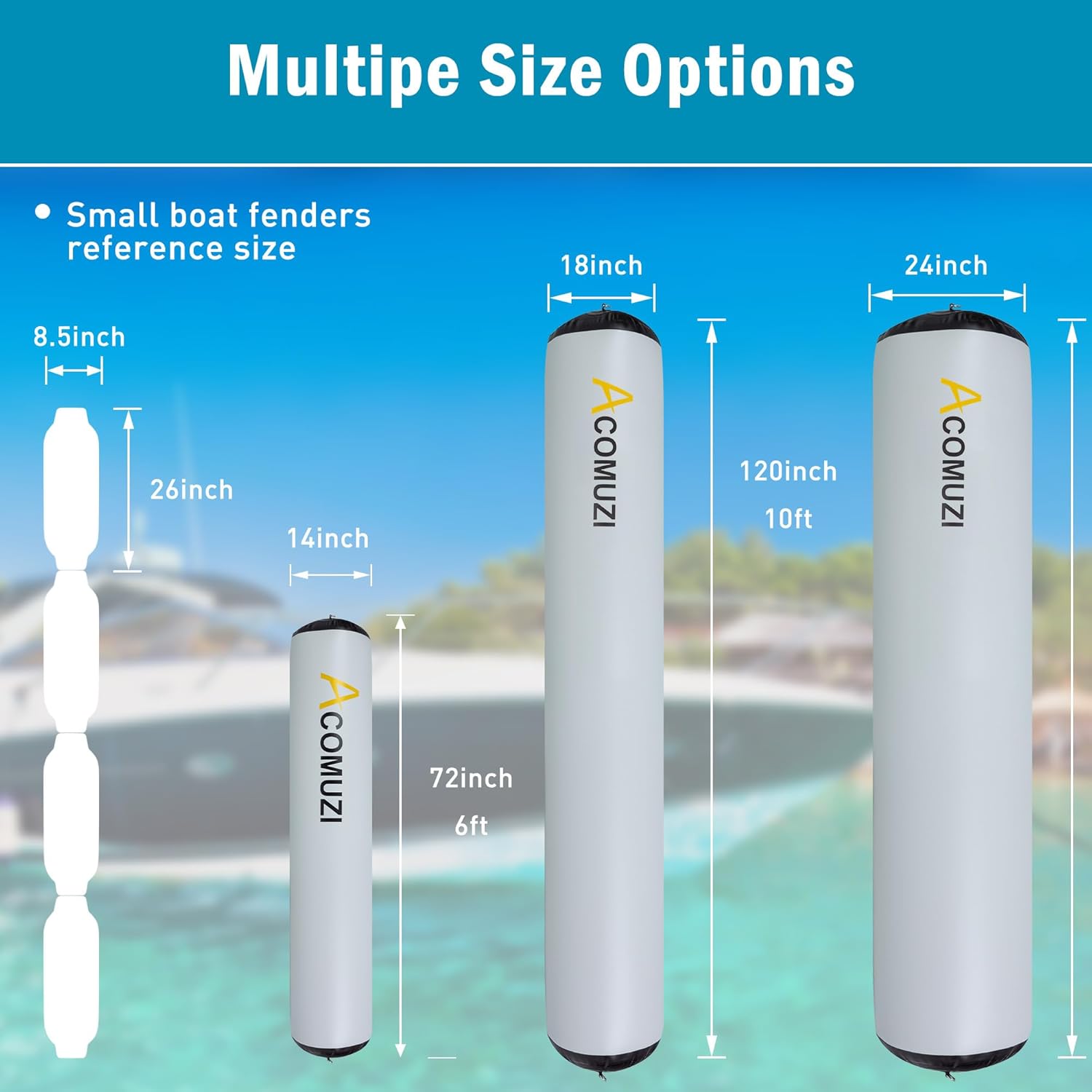
Inflatable boat fenders remain the most adaptable solution for varying freeboard heights and visiting unfamiliar docks. A single large boat fender can be repositioned quickly, while a pack of smaller boat fenders allows fine tuning around steps, exhaust outlets, or stabilizer fins. Many yacht owners now combine fixed dock bumpers with mobile boat fenders to create layered protection that adapts to changing wind and current angles, a practice echoed in ABYC guidance on redundancy in mooring systems.
Specialized shapes such as a sentry boat fender or contoured dock fender help protect hulls with pronounced tumblehome or flared bows. On narrow docks, low profile bumpers dock products keep the walking surface clear while still guarding the hull. When planning a new boat dock or refit, study detailed product comparisons such as those on curated boat dock bumper guides to match bumper geometry to your yacht’s lines and typical berthing maneuvers.
Balancing price, quality, and long term value
Yacht passionate buyers often compare the regular price of dock bumpers against the apparent bargain of a temporary price sale. A low sale price on generic black bumpers from a mass marketplace such as Amazon can look attractive until you factor in UV failure, flattened profiles, and stained gelcoat. In contrast, a marine grade dock fender with a higher regular price usually delivers a lower cost per season when you spread the investment across years of reliable protection and fewer cosmetic repairs.
When you evaluate any boat bumpers or boat fenders, calculate the ratio between price and expected service life in your specific environment. A heavy duty dock bumper on an exposed fuel dock that sees constant traffic must withstand far more abuse than a bumper on a private boat dock in a sheltered basin. For serious yachts, the best boat dock bumpers are those where the quality of materials, internal reinforcement, and warranty terms clearly justify the ticket price, ideally supported by published impact test data or third party certifications in the product literature.
Retailers often present dock bumpers in a pack with a highlighted sale price that hides differences in density, wall thickness, or mounting hardware. Always compare like for like, checking whether the price sale applies to full length dock fenders or shorter sections that leave gaps along the dock corner. If you buy online and add items to a digital cart, scrutinize product descriptions for terms such as marine grade, heavy duty, and UV stabilized rather than relying solely on star ratings or lifestyle photos.
Installation, fender lines, and daily safety routines
Even the best boat dock bumpers fail to protect a yacht if they are installed in the wrong place. Start by bringing your boat alongside at idle speed and marking every point where the hull, rub rail, or swim platform approaches the dock. Use these marks to position each dock bumper, dock fender, and corner bumper so that the hull always meets a protective surface before touching any hard structure, then test the setup in varying tide and load conditions.
Fender lines are the adjustable link between your boat fenders and the dock or guardrails, and they deserve the same attention as mooring warps. Choose low stretch, abrasion resistant lines sized correctly for the weight and freeboard of your boats, then standardize lengths so crew can rig quickly under pressure. Labeling fender lines and assigning fixed positions on the rail helps new crew members reproduce a proven layout every time the boat returns to familiar docks, reducing the chance of rushed, improvised arrangements.
Daily routines should include a quick walk along the dock to check each dock bumper, dock fenders, and post bumpers for movement or damage. Look for flattened sections, torn covers, or loose fasteners around any dock corner that sees repeated contact. Integrate these checks with broader maintenance tasks such as engine inspections, using structured guides like those on comprehensive boat engine maintenance kits to build a consistent safety culture on board and align with best practice checklists referenced in MAIB safety digests.
Black versus white bumpers, aesthetics, and resale considerations
Choosing between black and white bumpers is more than a cosmetic decision for a high value yacht. Black dock bumpers and boat fenders tend to hide scuffs and diesel soot, while white or light grey options blend visually with gelcoat and teak decks. The best boat dock bumpers for a given yacht often mix both colors, using black in high impact working zones and lighter tones where aesthetics and photography for listings matter most.
From a maintenance perspective, black boat bumpers can run hotter in direct sun, which may accelerate aging in lower quality compounds. High quality marine grade products mitigate this with UV stabilizers, but you should still inspect any black dock bumper more frequently in tropical climates. White or light colored dock fenders show grime quickly, yet that visibility can be an advantage because it prompts cleaning before contaminants etch into the material or transfer to the hull.
Resale value also enters the equation when you operate in premium marinas where presentation influences perception. A well organized line of clean dock bumpers, neatly rigged boat fenders, and carefully aligned corner bumpers signals disciplined seamanship to surveyors and prospective buyers. When a broker lists your boat, photos showing an orderly boat dock with quality bumpers dock installations subtly reinforce the impression of a carefully maintained yacht and support higher asking prices reported in brokerage market analyses.
Key figures on yacht damage and dock bumper performance
- Insurance data from major European marine underwriters, summarized in ICOMIA recreational boating statistics, indicate that low speed contact with docks and pilings represents a significant share of small claims by yacht owners, highlighting the financial relevance of effective dock bumpers and boat fenders even if exact percentages vary between fleets.
- Surveys by marina operators in the Mediterranean, cited in ICOMIA marina reports, note that slips equipped with continuous heavy duty dock fenders tend to experience noticeably fewer gelcoat damage incidents compared with berths using only isolated corner bumpers, especially in exposed fairways.
- Field testing by several marine grade bumper manufacturers, described in ABYC impact test discussions, shows that well engineered EVA dock bumper profiles can absorb substantially more impact energy than standard PVC profiles of similar dimensions, which directly affects how the best boat dock bumpers perform in exposed berths.
- Maintenance audits on charter boats over multi season periods, referenced in MAIB and insurer risk bulletins, consistently reveal that systematic use of correctly sized boat fenders and dock fender systems can reduce annual cosmetic repair budgets, particularly on vessels operating from busy fuel docks.
| Type of bumper / fender |
Best use case |
Main advantages |
Typical limitations |
| Continuous EVA dock bumper profile |
Side to berths, fuel docks, exposed marina faces |
High impact absorption, long service life, smooth hull contact |
Higher purchase price, requires solid backing and careful installation |
| Inflatable cylindrical boat fender |
Visiting unfamiliar docks, rafting, Med mooring |
Highly adjustable, easy to stow, works with varying freeboard |
Needs regular pressure checks, vulnerable to punctures and UV if neglected |
| Corner bumper or piling fender |
Slip entrances, swim platform corners, tight fairways |
Protects vulnerable edges, guides hull around sharp structures |
Covers limited area, must be combined with linear dock fenders |
References
- International Council of Marine Industry Associations (ICOMIA) – global recreational boating statistics, marina reports, and safety-related economic data, including summaries of contact damage trends.
- UK Marine Accident Investigation Branch (MAIB) – safety digests and small craft incident analyses highlighting contact damage and mooring issues, with practical recommendations for private and commercial operators.
- American Boat and Yacht Council (ABYC) – standards and technical information reports for small craft, including guidance on fendering arrangements, mooring loads, and material testing methods used by reputable bumper manufacturers.