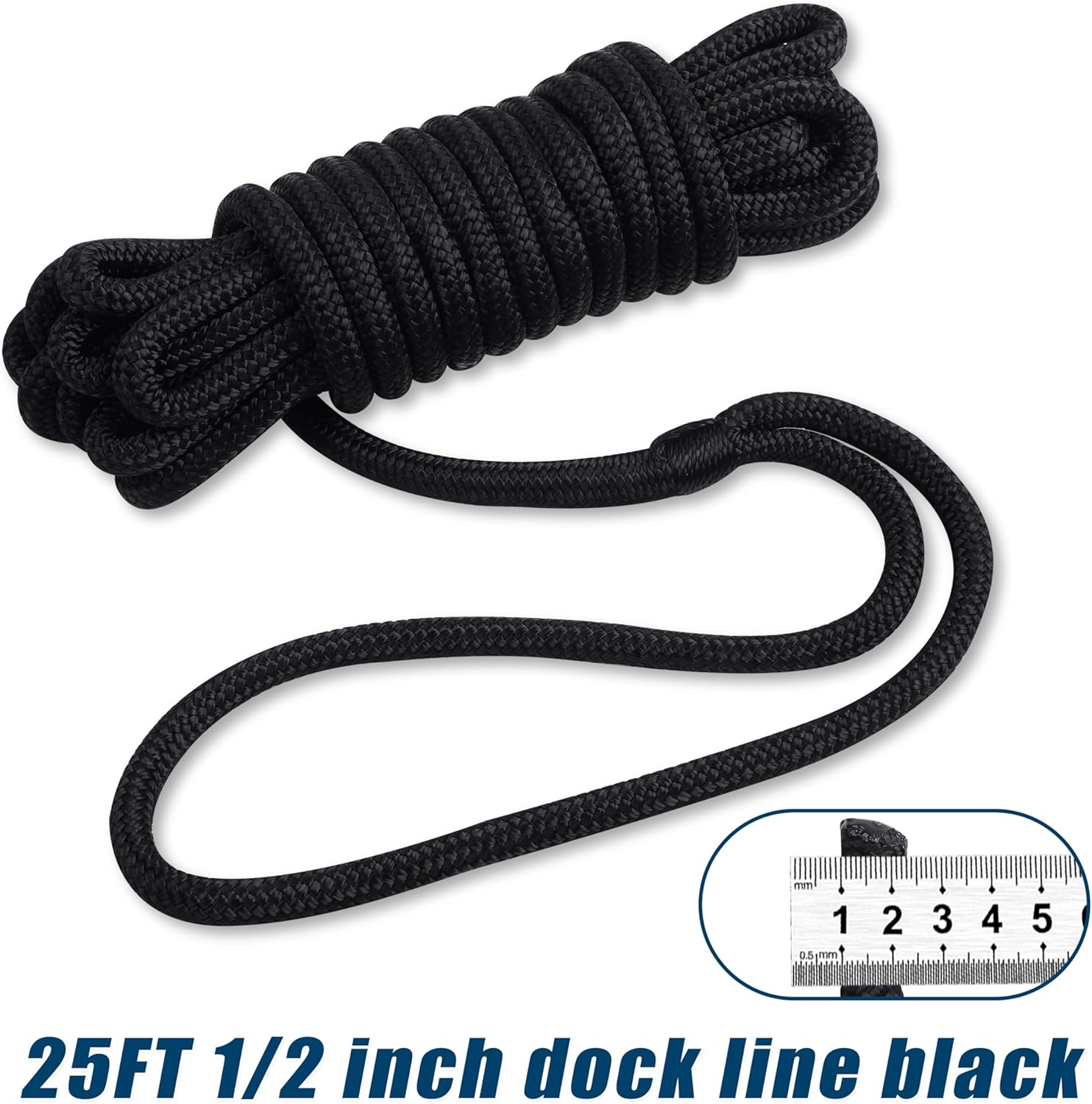
Material choices: nylon, polyester, and floating rope for yacht safety
Material selection sits at the heart of choosing the best marine mooring lines for boats. Nylon remains the reference for most transient dock lines because its elongation under load smooths out shocks from wind gusts and ferry wakes. Polyester, by contrast, offers lower stretch and higher abrasion resistance, which suits long term rope mooring in marinas with rough concrete pontoons.
When you compare nylon and polyester ropes on a test bench, the difference in dynamic behaviour is striking. A nylon boat rope can stretch up to 20 percent under heavy load, absorbing energy that would otherwise transfer directly into cleats and fairleads. Polyester lines stretch far less, so they keep the boat more firmly in position but transmit higher peak loads during sudden surges. These elongation figures are consistent with manufacturer data from brands such as Samson Rope and Marlow Ropes, which publish typical working stretch ranges for mooring products.
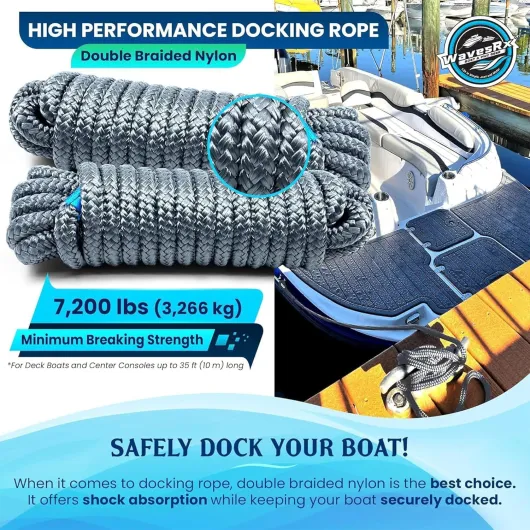
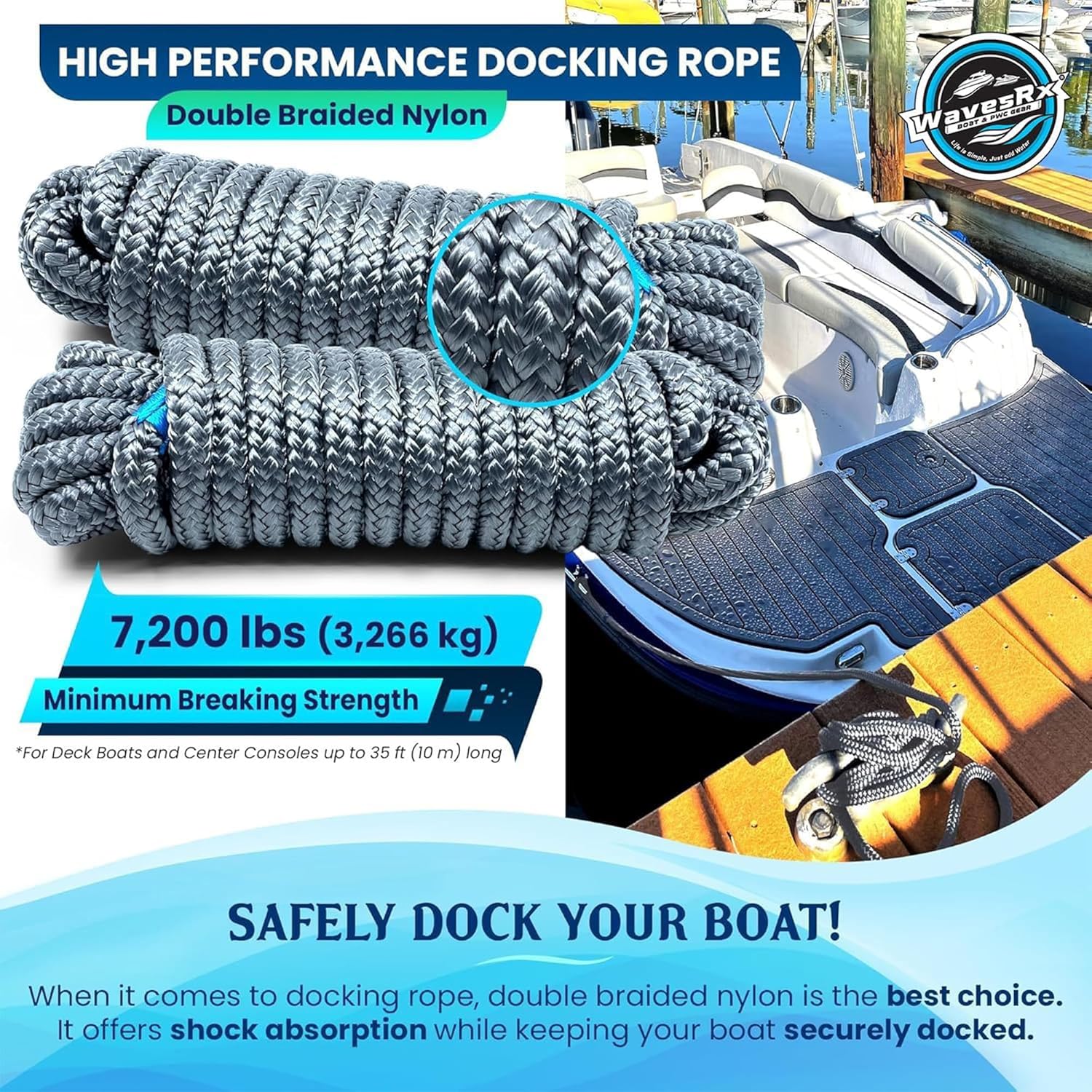
For many yacht owners, a mixed inventory works best for safety and comfort. Use double braided nylon dock lines for bow, stern, and springs when cruising between ports, then reserve braided polyester marine rope for semi permanent moorings where chafe is the main enemy. This combination gives you both high strength and long term resistance to abrasion and UV.
Floating rope has a specific role in the yacht safety toolkit. A floating marine rope is ideal for stern lines run to a quay or rock when Med mooring, because it stays visible on the surface and reduces the risk of fouling propellers or thrusters. Floating ropes also help crew in the water locate a safety line quickly during a man overboard drill near the dock.
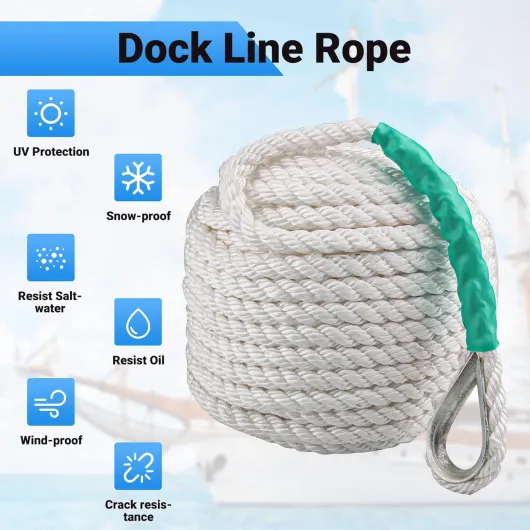
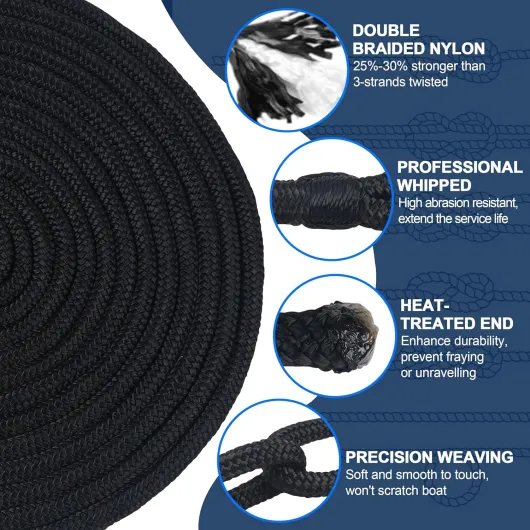
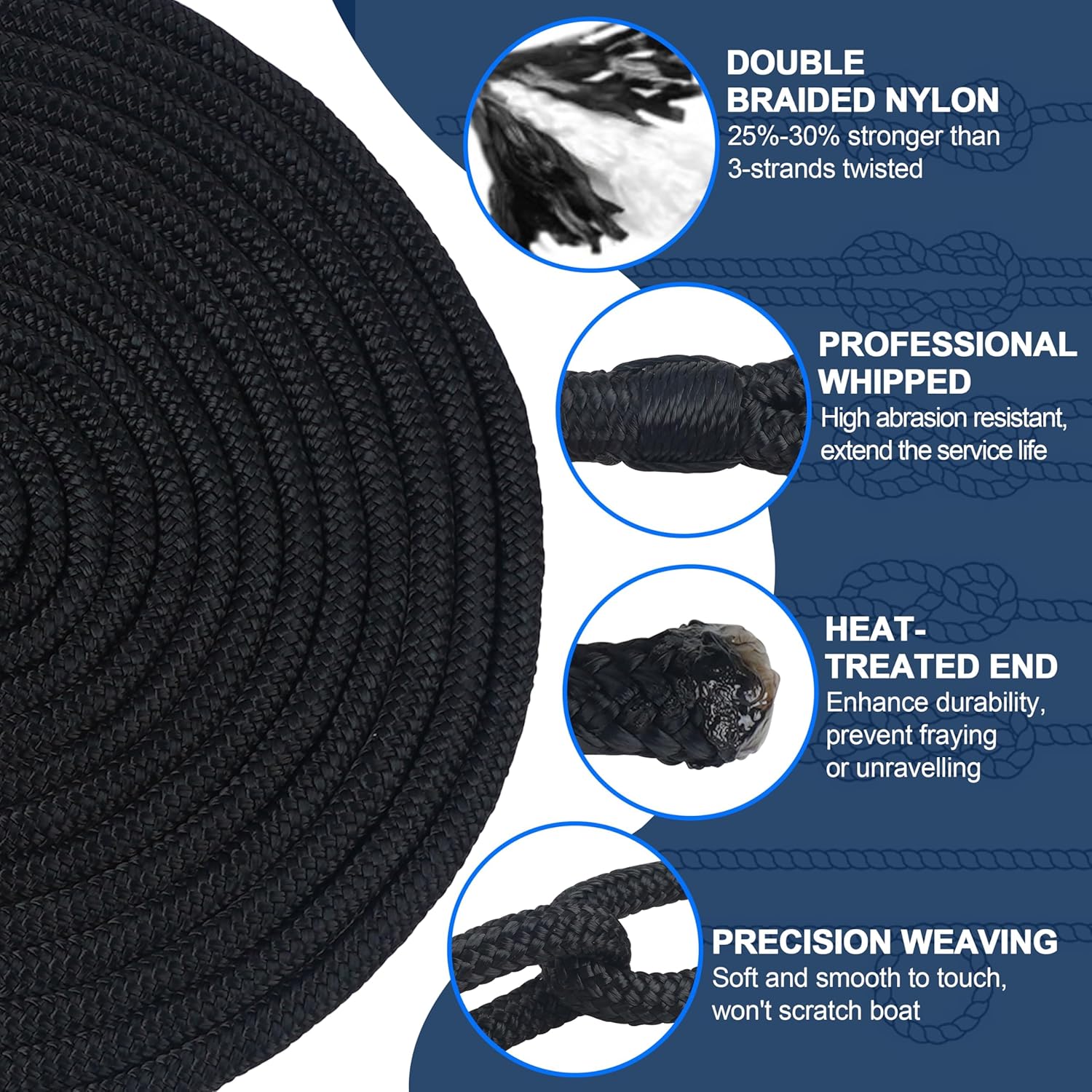
Construction details such as double braid or three strand affect how each material performs. Double braided nylon lines feel soft in the hand, coil easily, and offer excellent fray resistant properties when properly finished. Three strand polyester ropes twist less under load and can be easier to splice, which matters when you want to add a custom loop or integrate a stainless steel thimble for a permanent mooring rope.
Safety equipment extends beyond lines, and your choice of clothing matters when handling heavy ropes under load. A high quality offshore jacket from a specialist selection of top sailing jackets for men and women keeps crew dry and protected while working on a wet dock with surging boat ropes. Dry, warm crew handle nylon dock lines more confidently and react faster when a mooring situation deteriorates.
Design details that define truly reliable dock lines
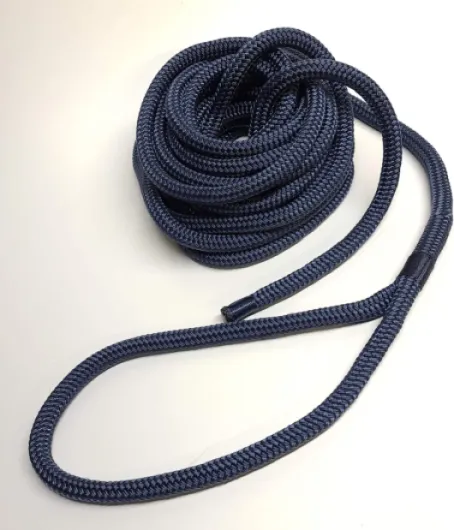
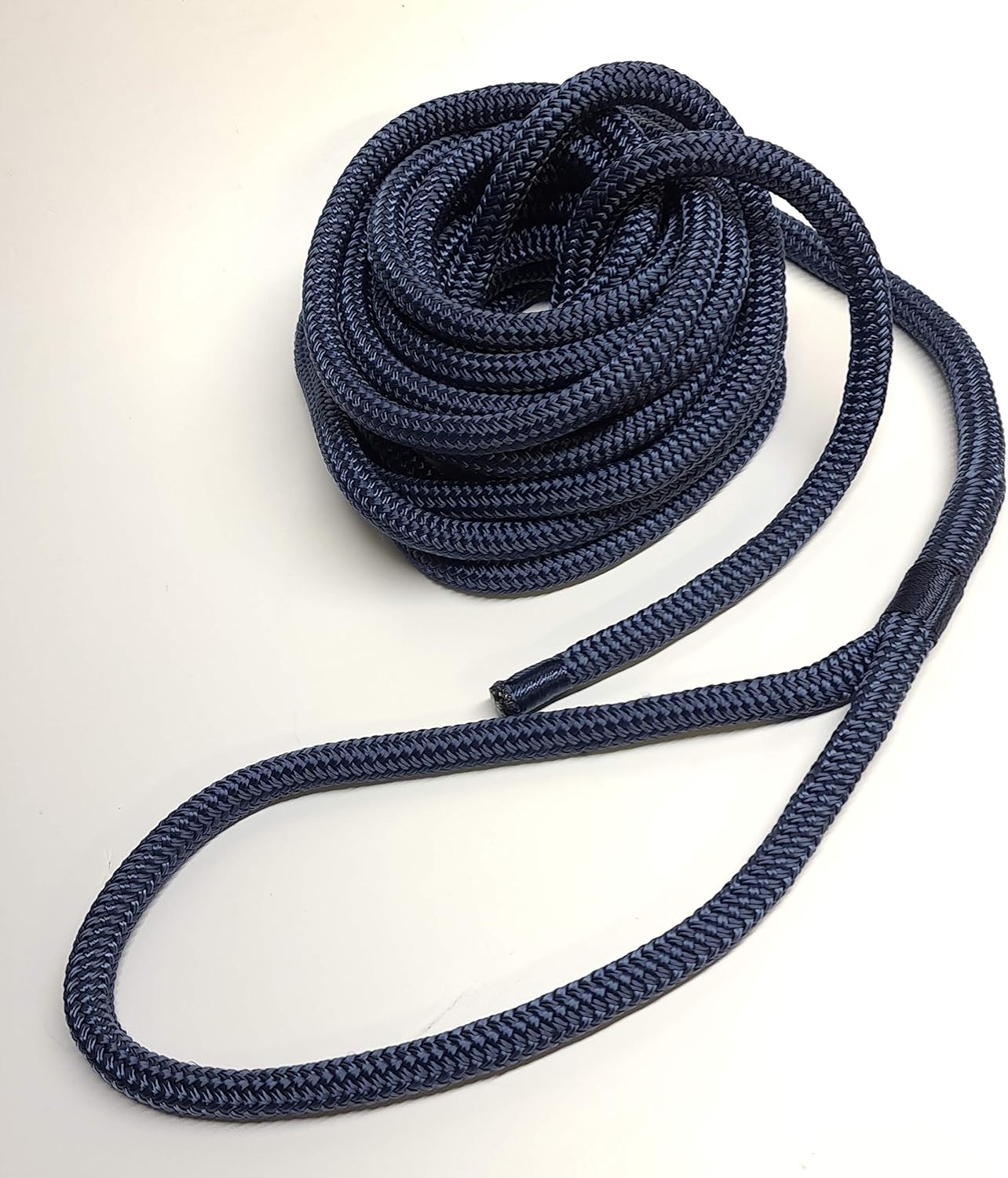
Once you have chosen the right material, the design details turn good products into the best marine mooring lines for boats. Factory spliced eyes with a generous loop at one end make it easy for crew to drop a line over a dock cleat in a single movement. A well proportioned eye splice also reduces stress concentration compared with a hastily tied bowline in a crowded marina.
Look closely at how the double braided cover and core interact at the splice. On quality dock lines, the braid transitions smoothly into the eye, with no abrupt step that could snag on a chock or rail. Inferior double braid constructions often show uneven tension between core and cover, which leads to early failure and poor resistance to repeated shock loading.
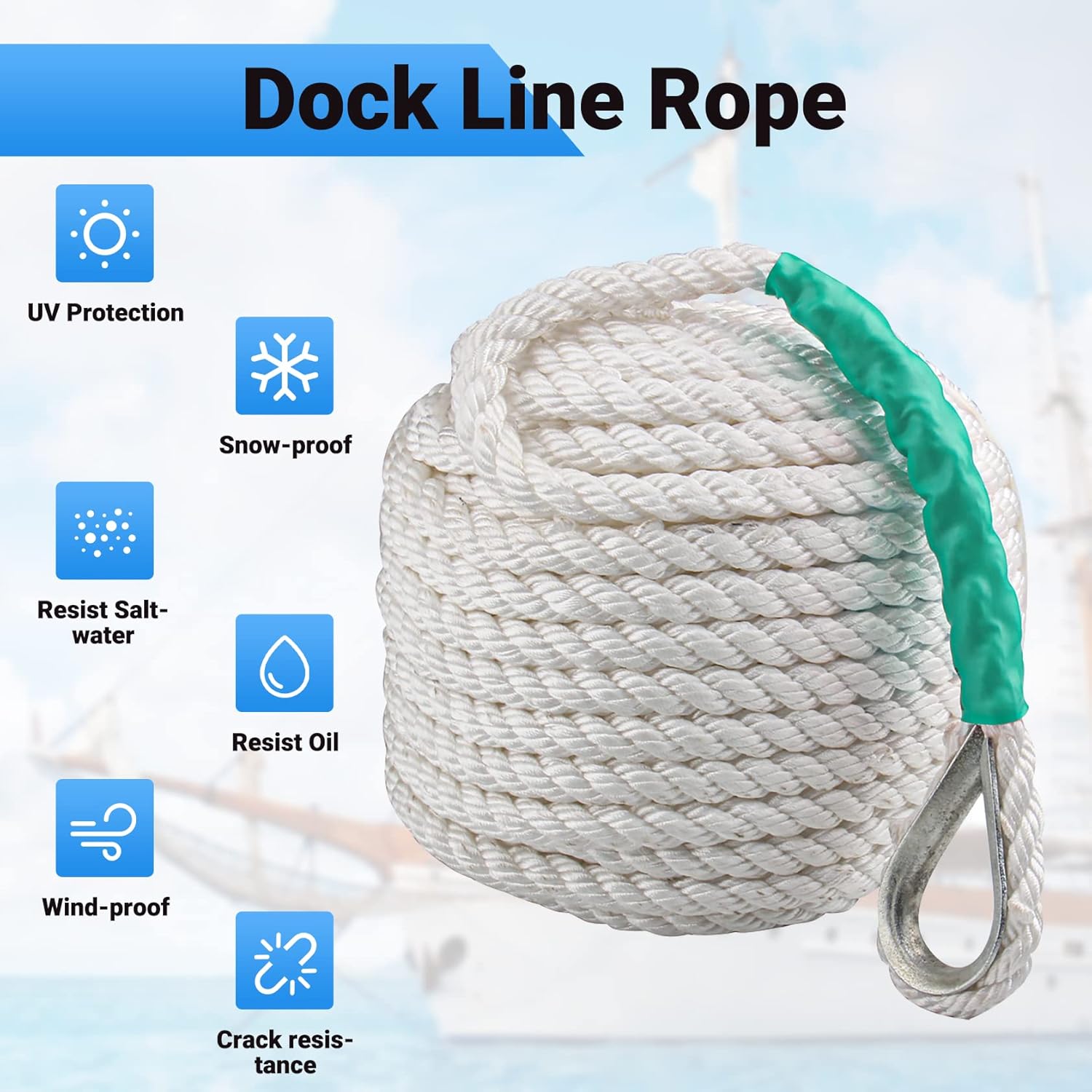
Hardware integration is another marker of serious marine grade design. A stainless steel thimble inside the eye of a mooring rope protects fibres from sharp edges on chain, rings, or mooring buoys. On heavier yachts, pairing a steel thimble with chafe guards at the dock contact points dramatically increases the service life of both nylon and polyester ropes.
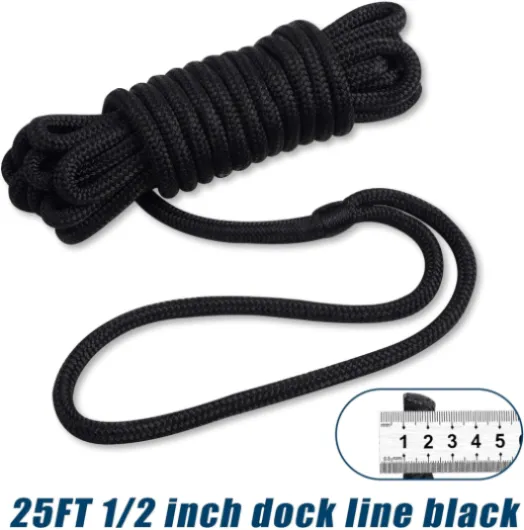
Colour coding helps crew identify specific roles for each boat rope during busy arrivals. You might reserve black dock lines for stern moorings, navy blue lines for bow duties, and white ropes for springs, so every crew member knows which rope mooring to grab without hesitation. This simple system reduces confusion and speeds up reactions when wind or current change unexpectedly.
Diameter and length in feet must match yacht displacement and windage. A 10 metre performance cruiser may be safe with 12 millimetre double braided nylon dock lines, while a 20 metre motor yacht often requires 18 or 20 millimetre marine rope to achieve adequate high strength margins. Always err on the side of larger diameter when planning a pack of primary mooring lines for exposed berths.
Protection at the dock does not stop with lines, and fendering must be equally robust. Pairing quality mooring lines with well positioned fenders and a set of top boat dock bumpers creates a complete energy management system between hull and pontoon. When all three elements work together, the boat rides more gently and your ropes experience less extreme loading.
How to size, rig, and maintain mooring lines for demanding marinas
Correct sizing and rigging transform even average products into the best marine mooring lines for boats in practice. Start by calculating working loads based on yacht displacement, projected windage area, and expected gusts in your cruising grounds. Then select marine grade nylon or polyester ropes with a minimum breaking strength at least four to five times higher than your estimated working load. This safety factor aligns with guidance from classification societies such as DNV and ABS for small craft mooring arrangements.
Rigging strategy should reflect local conditions at each dock. In a tidal harbour, long spring lines running at shallow angles control fore and aft movement better than short breast lines that load up sharply. In a non tidal Mediterranean marina, shorter, more vertical dock lines combined with a stern anchor or lazy lines keep the boat centred between finger pontoons.
Many yacht owners underestimate the value of redundancy in rope mooring plans. Carry at least one full spare pack of dock lines, ideally in a contrasting colour such as navy blue or black, ready for unexpected weather or equipment failure. When a primary boat rope shows signs of wear, you can immediately swap it with a fresh line rather than improvising under pressure.
Maintenance routines keep high strength lines performing as specified over many seasons. Rinse nylon and polyester ropes with fresh water after long passages in salty or polluted harbours, then allow them to dry fully before stowage. Inspect every metre for chafe, flattened braid, or broken yarns, paying particular attention to areas near fairleads, cleats, and the loop of each eye splice.
Chafe protection is non negotiable on serious cruising yachts. Use dedicated chafe sleeves, leather guards, or sacrificial outer braided nylon covers wherever a mooring rope passes over a rough surface at the dock. These simple additions preserve the integrity of the underlying double braid and maintain the fray resistant properties that you paid for when selecting premium marine rope.
Hardware on deck must match the quality of your lines. Cleats, fairleads, and bollards should be through bolted with backing plates and made from marine grade stainless steel to handle the loads transmitted by modern high strength boat ropes. For more advanced load management on sailing yachts, consider upgrading to modern rope clutches from curated selections such as the top boat rope clutches guide, which helps keep running rigging and mooring systems organised and secure.
Buying strategies: how to evaluate price, packs, and online offers
Smart purchasing decisions ensure you actually obtain the best marine mooring lines for boats rather than just the most heavily marketed options. When comparing offers, look beyond the headline price and examine material, construction, stated breaking strength, and whether the product is truly marine grade. A slightly higher price for double braided nylon with documented test data often represents better long term value than a cheaper, generic rope.
Online platforms such as Amazon host a vast range of dock lines and boat ropes, from entry level to professional grade. When you plan to buy on Amazon, filter for reputable marine brands, then read reviews from yacht owners who use similar boat sizes and mooring conditions. Pay attention to comments about real world resistance to UV, chafe, and colour fading on black or navy blue lines.
Pack configurations can be efficient if they match your yacht’s needs. Many suppliers offer a four line pack of pre spliced dock lines in standard lengths and diameters, which suits smaller cruisers and tenders. Larger yachts often require custom length mooring lines, so you may prefer to purchase bulk double braid or braided nylon rope on reels and splice your own eyes with or without a stainless steel thimble.
Length in feet should be clearly stated and consistent across the set. For a 10 metre yacht, a typical pack might include two 10 metre bow and stern lines plus two 15 metre springs, all in matching marine rope. If the price seems unusually low for that specification, question whether the stated high strength ratings and fray resistant claims are realistic.
Colour options influence both aesthetics and practicality on board. Black dock lines look elegant against white hulls but absorb more heat in strong sun, while navy blue ropes strike a balance between style and visibility. White or light coloured floating rope is easier to see in the water, which can be a safety advantage when crew are working around the boat in low light.
Always verify that the product description specifies marine grade construction rather than generic utility rope. True marine rope uses UV stabilised fibres, tightly controlled braid patterns, and quality control processes that justify a higher price to buy for serious yacht use. When in doubt, consult professional riggers or marina captains who see how different mooring lines age in real conditions over many seasons.
Safety drills and crew routines built around mooring line performance
Even the best marine mooring lines for boats only deliver full protection when crew know how to use them under pressure. Regular drills that simulate strong crosswinds, failed lines, or unexpected surges help everyone on board understand how rope, cleats, and dock hardware interact. These exercises also reveal weak points in your current inventory of nylon and polyester ropes.
Start with simple scenarios such as re rigging a failed stern line while the boat surges against the dock. Assign each crew member a specific role, from handling the replacement boat rope to managing engine thrust and fender placement. Over time, progress to more complex drills involving multiple mooring lines, spring adjustments, and communication with marina staff.
Clear communication protocols reduce the risk of accidents when handling high strength lines under load. Establish standard phrases for easing, holding, or releasing dock lines, and insist that only one person gives commands during critical moments. This disciplined approach prevents conflicting actions that could overload a mooring rope or cause a loop to snag unexpectedly.
Personal safety equipment deserves the same attention as the ropes themselves. Crew should wear gloves when handling double braided or braided nylon lines, especially in cold or wet conditions where grip is compromised. Non slip footwear and appropriate outer layers complement the protection offered by technical sailing clothing, reducing the chance of falls on a wet dock.
Routine inspection of every rope mooring point on the yacht should be part of your departure and arrival checklists. Examine cleats, fairleads, and chocks for sharp edges that could damage fray resistant covers on modern marine rope. Replace or repair any hardware that shows corrosion, deformation, or misalignment before it has a chance to compromise your mooring lines.
Finally, treat your inventory of dock lines and boat ropes as a living system that evolves with your cruising plans. As you visit new marinas with different dock configurations, adjust lengths, diameters, and pack compositions to suit the conditions you actually encounter. This continuous refinement ensures that your combination of nylon dock lines, polyester springs, and floating rope remains aligned with the real demands of your yacht lifestyle.
Key figures and technical benchmarks for yacht mooring lines
- For typical cruising yachts, many naval architects recommend that the minimum breaking strength of primary mooring lines should be at least four times the maximum expected working load, providing a significant safety margin under gusty conditions. This aligns with small craft mooring guidance from organisations such as DNV and ABS.
- Laboratory tests published by major rope manufacturers show that nylon lines can stretch up to 20 percent under heavy load, while polyester lines often remain below 10 percent elongation, which explains their different behaviour at the dock. These values are reported in technical datasheets from brands including Samson Rope, Liros, and Marlow Ropes.
- Industry surveys of marina incidents indicate that chafe and abrasion account for a large majority of mooring line failures, which reinforces the importance of chafe protection and regular inspection of fray resistant covers.
- UV exposure can reduce the strength of synthetic fibres by more than 30 percent over several seasons in tropical climates, so many yacht owners replace heavily exposed dock lines on a three to five year cycle even if they still appear serviceable.
- On average, upgrading from generic utility rope to certified marine grade double braided nylon increases initial purchase cost but can double the effective service life of mooring lines when combined with proper maintenance and storage.
| Yacht length (LOA) |
Typical line diameter |
Example minimum breaking strength* |
Typical primary line length |
| 8–10 m (26–33 ft) |
10–12 mm |
2,000–3,000 kg |
10–12 m |
| 10–13 m (33–43 ft) |
12–14 mm |
3,000–4,500 kg |
12–18 m |
| 13–16 m (43–52 ft) |
14–16 mm |
4,500–7,000 kg |
15–20 m |
| 16–20 m (52–66 ft) |
18–20 mm |
7,000–11,000 kg |
18–25 m |
*Values based on typical specifications for marine grade double braided nylon from major rope manufacturers; always check the exact datasheet for the product you intend to use.