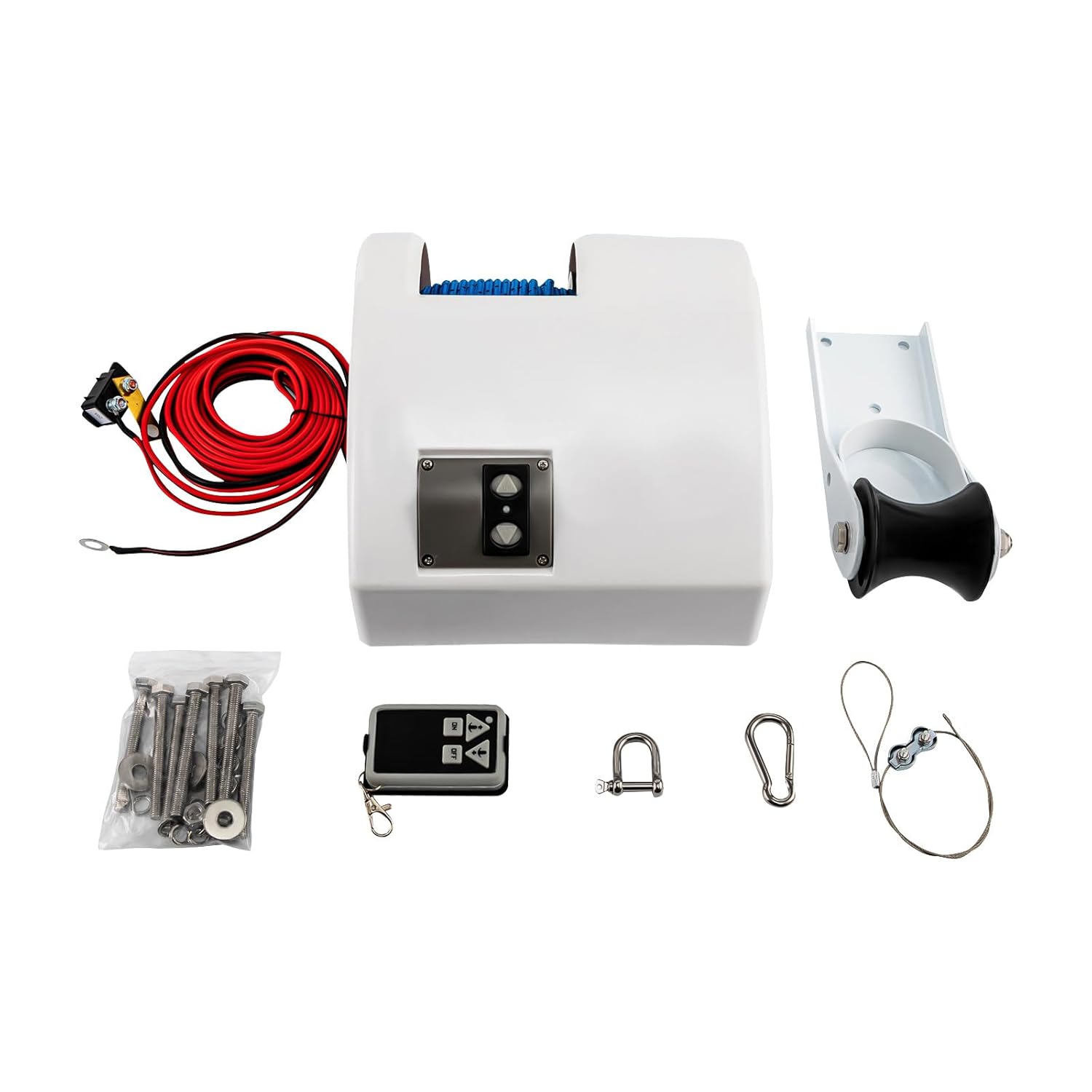
Vertical windlass or horizontal windlass on the foredeck
The choice between a vertical windlass and a horizontal windlass shapes your foredeck layout, anchoring ergonomics, and even your interior volume. A vertical windlass drops the chain and rope straight down into the locker, which gives better chain handling and more wrap on the gypsy but requires more depth below deck. A horizontal windlass keeps most of the motor and gearbox above the deck, simplifying installation on smaller boats with shallow lockers or limited access to the bow compartment and bulkheads.
On larger yachts, a vertical windlass often integrates more cleanly with a flush deck and a concealed anchor winch arrangement. The vertical configuration usually offers a better chain wrap around the gypsy, which improves grip on the rope chain and reduces slippage when the windlass will pull near its maximum rating or when the boat surges in a chop. For performance craft where weight distribution matters, placing the windlass motor lower in the hull can also help trim the boat and reduce pitching, especially when combined with careful placement of batteries and other heavy equipment.
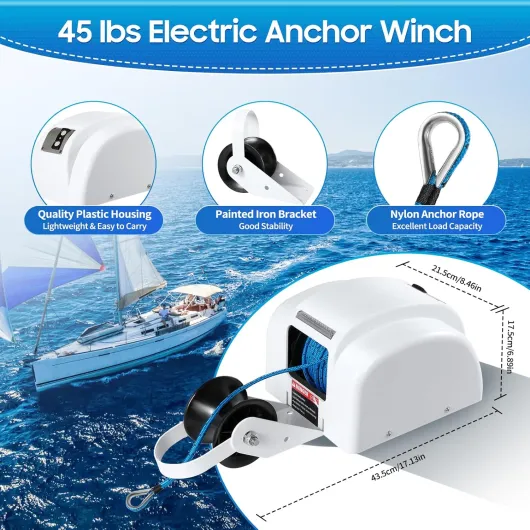
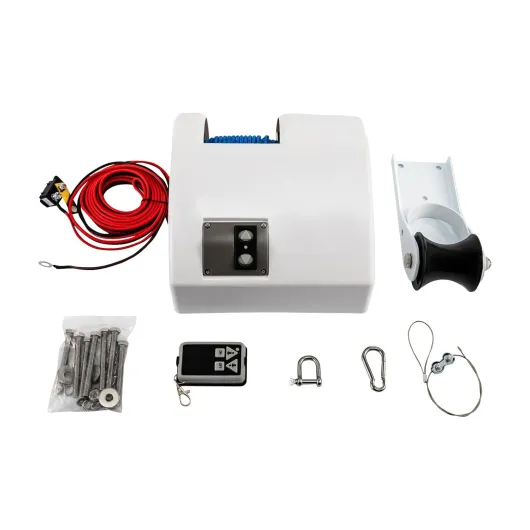
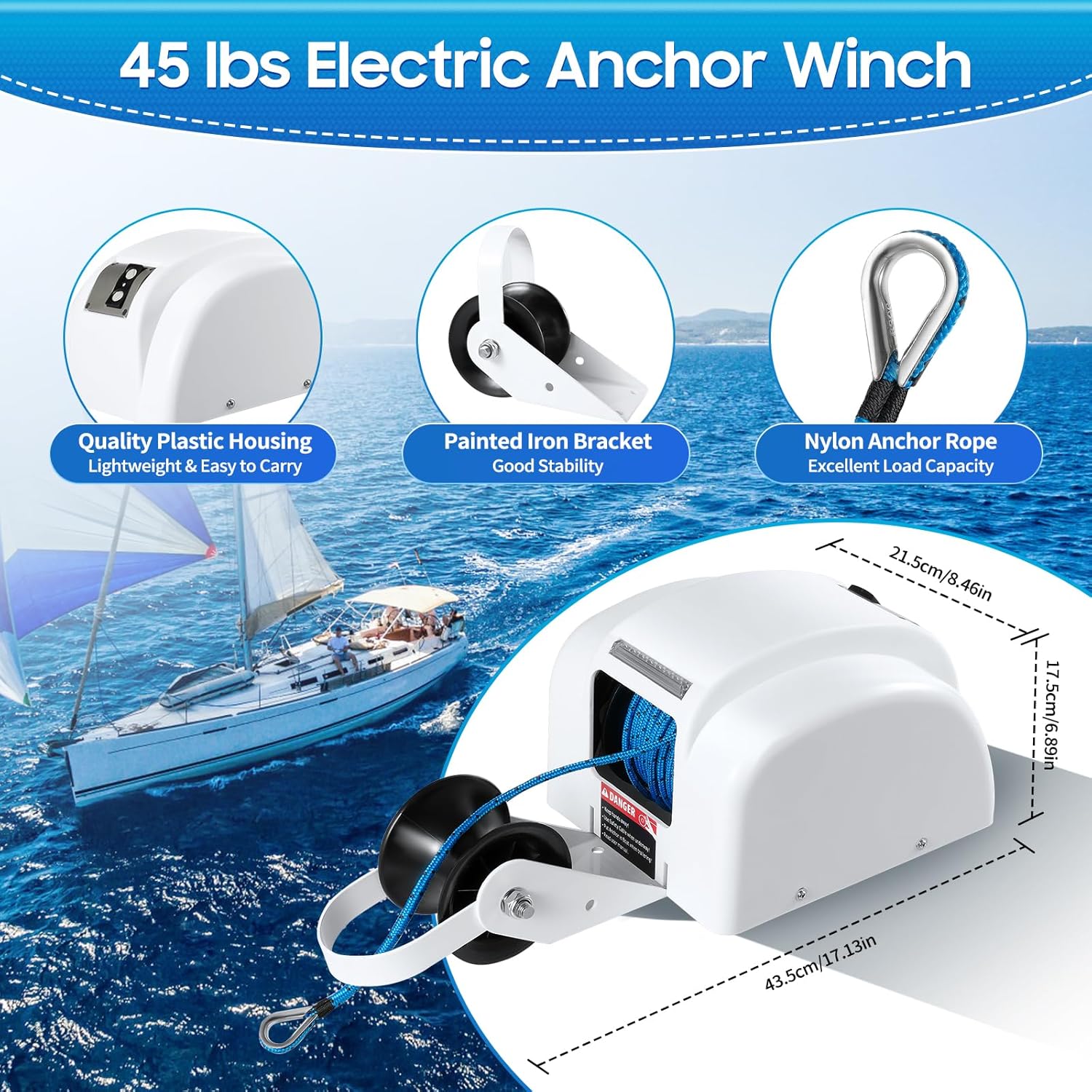
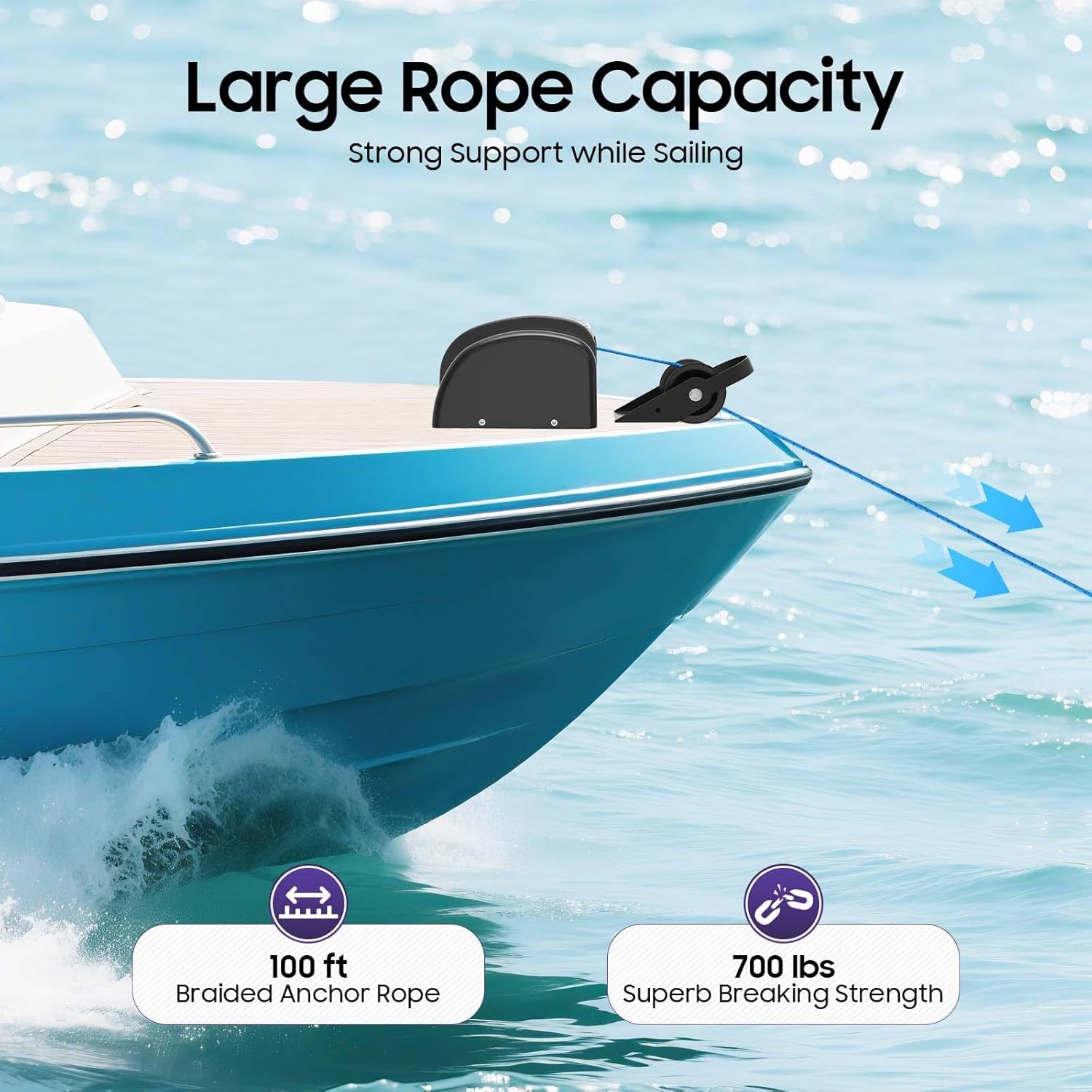
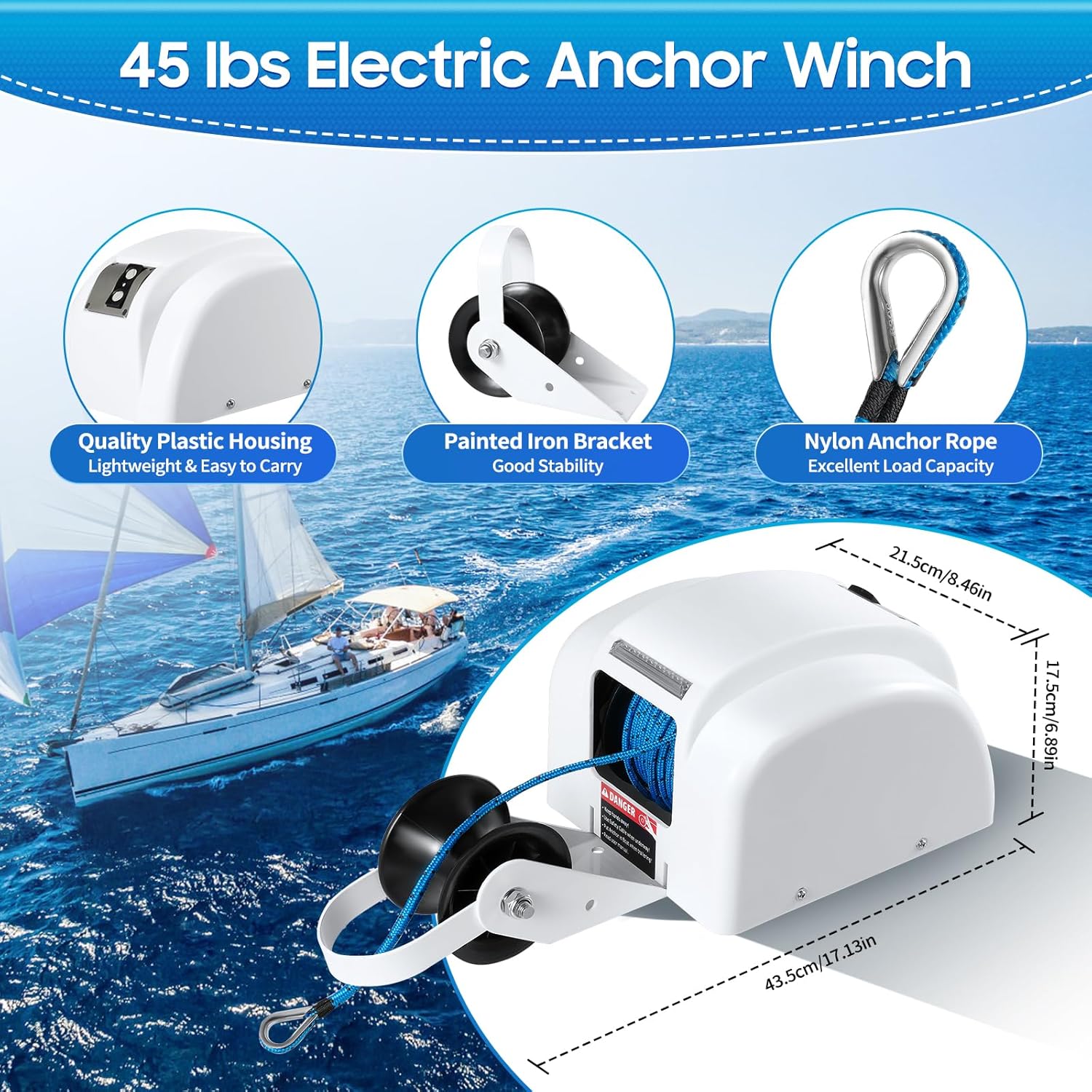
Smaller sport boats sometimes benefit from a compact horizontal windlass anchor package mounted close to the bow roller. This keeps the anchor windlass accessible for service and allows easy routing of the heavy cables to the circuit breaker and batteries without long, voltage-hungry runs. When you plan the installation, think about how crew will move on the deck, how they will reach the control switch, and how the rode will fall freely into the locker without piling up against bulkheads or refrigeration units or other gear such as high tension tie down straps linked from specialized boat tie down straps. For any layout diagrams or photos you use, include descriptive image alt text such as “vertical windlass layout on 40-foot cruising yacht” to support accessibility and search visibility.
Matching anchor, chain, rope, and windlass capacity
A windlass is only as reliable as the anchor rode it handles and the way the components are matched. For a cruising yacht, the anchor rode usually combines a stainless steel or galvanized chain section with a nylon rope tail, giving both abrasion resistance on the seabed and shock absorption in gusts. The windlass gypsy must match the exact chain size and rope diameter, otherwise the system will slip, jump, or jam under load and damage both the links and the drum, as repeatedly highlighted in manufacturer installation manuals.
When you evaluate the best anchor windlasses for boats, start by listing your existing anchor, chain, and rope specifications in a simple table. The boat anchor weight in kilograms, the chain grade and link size, and the rope diameter all influence the required maximum pull and the choice between different windlasses. Many owners upgrade to a heavier anchor or longer chain without recalculating the windlass capacity or checking gypsy compatibility, which quietly erodes the safety margin and can overload the motor or shear mounting bolts when the system is stressed.
Brands such as Lewmar and Maxwell Marine publish clear tables that relate anchor weight, chain size, and recommended windlass models in their downloadable datasheets. If you are selecting a new anchor at the same time, consult specialized guides to top boat anchors for marine use and then cross check the data with windlass manufacturer charts. Aim for a windlass anchor system whose maximum pull in lbs or kilograms comfortably exceeds the worst case retrieval scenario, including a fouled anchor rode, a steep chop on the bow, or a need to motor gently ahead while recovering the gear in confined waters.
Lewmar, Maxwell, and specialist anchor windlass technologies
Among yacht owners, Lewmar and Maxwell stand out as reference names for anchor windlasses, with well-documented specifications that make comparison easier. The Lewmar Pro series, including the popular Lewmar Pro Fish models, offers compact vertical windlass units with automatic free fall for quick anchoring. Typical Pro-Fish 700 and 1000 models, for example, provide maximum pulls in the 320–454 kg (700–1,000 lb) range with motors around 500–700 watts and gypsies sized for 6–8 mm chain, making them a strong fit for fast planing boats where rapid deployment of the anchor rode is essential when approaching a crowded anchorage; these figures are drawn from Lewmar’s published product datasheets.
Maxwell Marine focuses strongly on heavy duty marine boat applications, with windlass anchor systems designed for higher maximum pull ratings and continuous duty cycles. A Maxwell vertical windlass or horizontal windlass in the RC8 or HRC10 family typically features robust stainless steel components, sealed motors, and gearboxes sized for intensive charter or expedition use, with motor power often between 800 and 1 000 watts and maximum pulls in the 600–1 000 kg range depending on model and gypsy size, according to Maxwell’s technical documentation. Many of these Maxwell Marine units are rated with generous pull lbs figures and come with a multi year warranty that appeals to long range cruisers who anchor frequently and demand dependable ground tackle systems.
When comparing Lewmar, Maxwell, and other anchor windlass brands sold through retailers such as West Marine, look beyond the headline maximum pull number and marketing language. Evaluate the continuous duty rating, the motor power in watts, the quality of the rope chain handling, and the availability of spares in the regions where you cruise. Yacht captains who operate in remote areas often prioritize high quality stainless steel housings, simple, field serviceable designs, and clear datasheets with model numbers and gypsy options over cosmetic finishes, marginal weight savings, or unproven electronic features that may be difficult to repair away from major service centers.
Representative yacht windlass specifications (refer to current manufacturer datasheets for exact figures)
| Model family |
Typical motor power (W) |
Approx. max pull (kg) |
Common chain sizes |
| Lewmar Pro-Fish 700 |
~500 W |
~320 kg |
6 mm / 1/4 in |
| Lewmar Pro-Fish 1000 |
~700 W |
~454 kg |
8 mm / 5/16 in |
| Maxwell RC8 series |
~800 W |
~600–800 kg |
8 mm / 5/16 in |
| Maxwell HRC10 series |
~1 000 W |
~800–1 000 kg |
8–10 mm / 5/16–3/8 in |
Control, electrics, and safe operation of a windlass anchor system
A powerful windlass without proper electrical protection becomes a liability on any boat, no matter how strong the gearbox. Every electric anchor winch installation must include a correctly sized circuit breaker located close to the battery bank, protecting the motor and cables from overload or short circuits. The cable gauge, the length of the run, and the expected maximum pull all determine the correct breaker rating and conductor size, so follow the manufacturer’s wiring tables rather than guessing or copying another yacht’s layout.
On the deck, the control switch layout deserves as much attention as the mechanical installation and wiring. Many yachts combine a foot operated deck switch near the windlass with a helm mounted control, allowing the skipper to operate the anchor windlasses while maintaining visibility and communication with the bow team. Wireless remote controls add flexibility and let crew work from the foredeck, but they should never replace a hard wired switch that will function even if batteries fail or electronics misbehave in wet conditions or heavy spray.
Safe practice requires that the anchor rode never be used as a mooring line while the windlass motor is taking the full load. Once the boat is anchored, transfer the load to a snubber rope and cleats, leaving the windlass free of shock loads from waves and gusts and preventing damage to the deck core. Regularly inspect all stainless steel fasteners, the winch drum or gypsy, and the wiring connections, treating the windlass as critical safety equipment alongside life rafts, EPIRBs, and other systems that keep the yacht and crew secure when conditions deteriorate or when you must re-anchor quickly.
Maintenance tips and safety equipment integration for serious yacht cruising
Routine maintenance keeps even the best anchor windlasses for boats performing reliably in harsh marine environments and avoids expensive failures. At least once per season, remove the windlass cover, clean old grease, and inspect the gearbox, seals, and motor terminals for corrosion or water staining. Pay special attention to the deck gasket and the bedding compound around the windlass base, because water ingress here can damage both the core and the electrics and is often missed during quick visual checks or rushed pre-departure inspections.
The anchor rode itself is a vital part of your safety equipment, not just a consumable accessory that can be ignored until it fails. Wash the rope and chain with fresh water, measure wear on the links, and replace any deformed shackles or swivels before they compromise the system or jam in the bow roller. When you haul the boat for service, lay out the entire anchor rode on the dock, check every meter, and repaint or re mark the length indicators so that crew can judge scope accurately from the deck, even in poor light or driving rain.
On extended passages, integrate windlass checks into the same routine that covers lifejackets, flares, and other safety gear, using a simple written checklist to avoid omissions. A seized anchor winch or a failed windlass motor can be as dangerous as a faulty bilge pump when you must anchor quickly near a lee shore or in a crowded harbor. While you review other onboard systems such as galley refrigeration, using guides to top marine refrigerators for boats, give the same disciplined attention to the windlass anchor installation, because it underpins every safe night at anchor and every controlled departure in changing weather.
Key figures and performance benchmarks for yacht windlasses
- For cruising yachts, many naval architects recommend that the maximum pull rating of the windlass be at least three times the combined weight of the anchor and the first 10 to 15 meters of chain, providing a robust safety margin for retrieval in strong wind and current or when the rode is partially fouled.
- Electric windlass motors on yachts between 10 and 15 meters typically range from about 500 to 1 500 watts, with higher power units offering faster retrieval speeds and better performance when lifting a heavily loaded anchor rode or working repeatedly in deep anchorages.
- Stainless steel chain used for primary anchor rodes often has a working load limit between roughly 1 000 and 3 000 kilograms for common yacht sizes, depending on link diameter and grade, which must be matched carefully to the windlass gypsy and the manufacturer’s chain tables.
- Industry surveys of cruising sailors have shown that a significant proportion of groundings and near misses occur during anchoring maneuvers, underscoring the role of reliable anchor windlasses and well maintained rodes in overall yacht safety and incident prevention.
- Retailers such as West Marine and specialist chandlers report that windlass and anchor system upgrades are among the most common safety related refits undertaken by owners of yachts over 9 meters, reflecting growing awareness of ground tackle performance and the value of higher pull ratings.