Comparing anchor designs for yachts from small boat tenders to superyachts
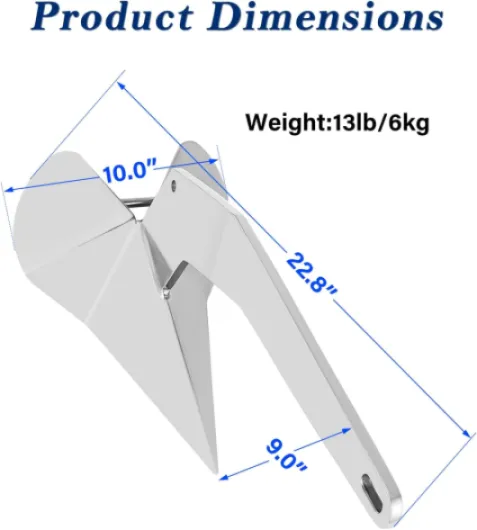
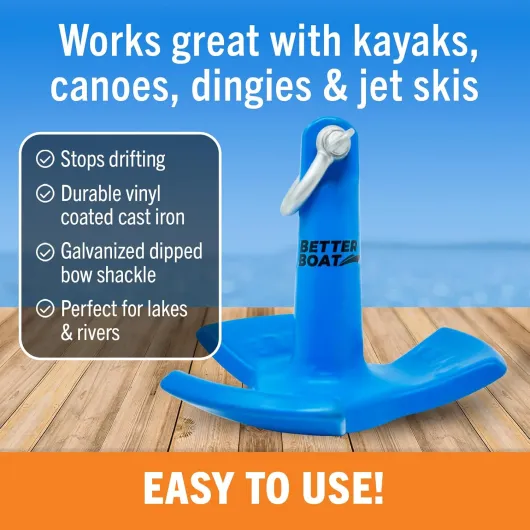
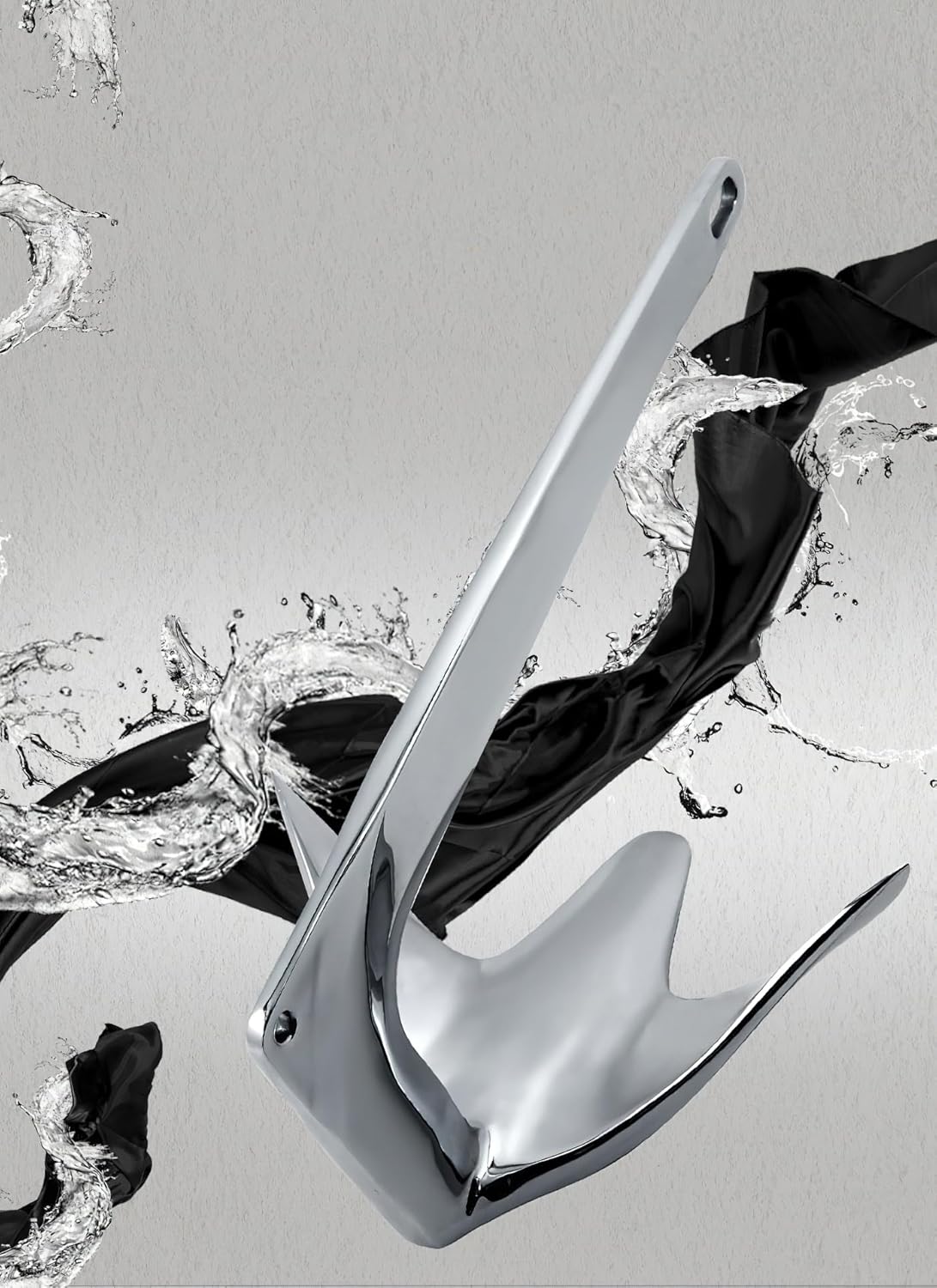
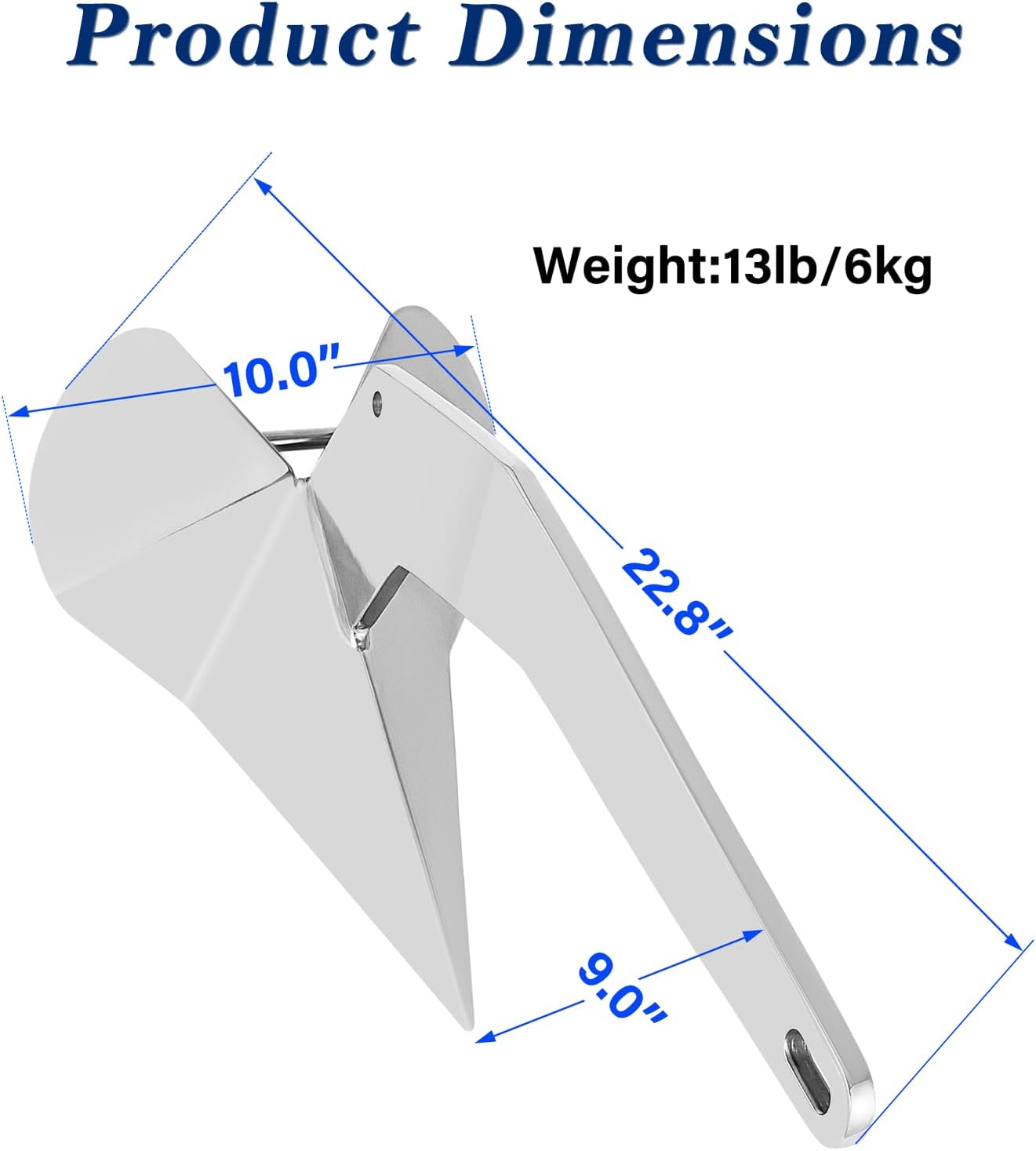
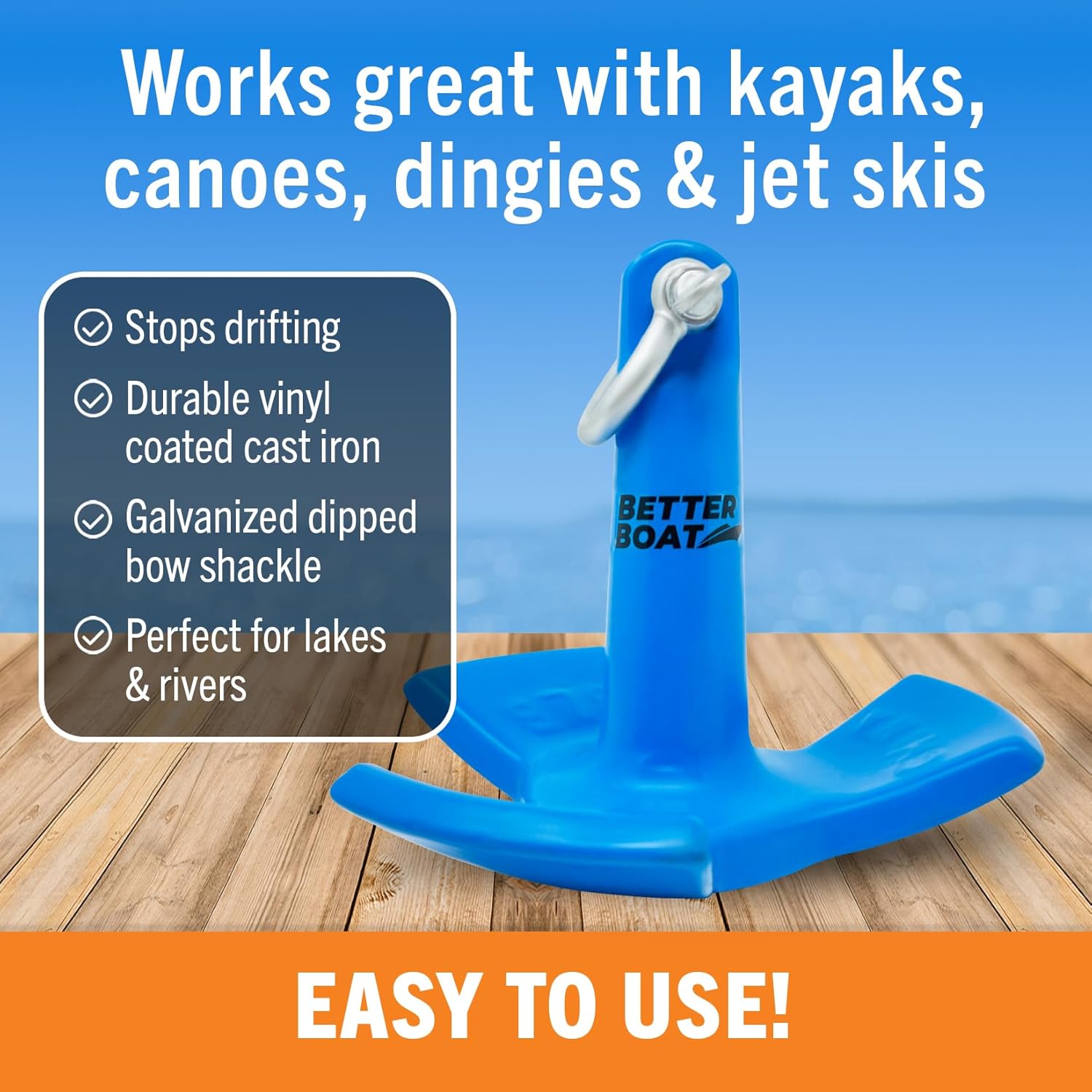
When evaluating the best boat anchors for marine use, start by matching design to seabed and yacht profile. A plow anchor suits many cruising yachts because it copes well with mixed bottoms, whereas a fluke anchor excels in clean sand but struggles on rocky bottoms or heavy weed. Mushroom anchor designs are better reserved for permanent moorings or very small boat applications, not for offshore passagemaking boats.
Claw anchors gained popularity because they set quickly and tolerate wind shifts, which helps when anchored boats swing in tight harbors. However, their holding power per kilogram of weight is often lower than that of modern plow or fluke patterns, so you may need a larger size to achieve the same security. Yacht owners in the United States often combine a claw style primary anchor with a lighter lunch hook for short daytime stops in settled weather.
For many skippers, the best anchor choice blends practicality, price, and ease of handling on deck. High grade stainless steel models resist corrosion and look elegant on the bow, but galvanized steel anchors usually offer similar performance at a lower price point. To compare real world performance and refine your choosing anchor strategy, study independent testing and curated reviews such as the detailed guide on top performing boat anchors for marine use.
Ground tackle architecture: chain, lines, and holding power for yachts
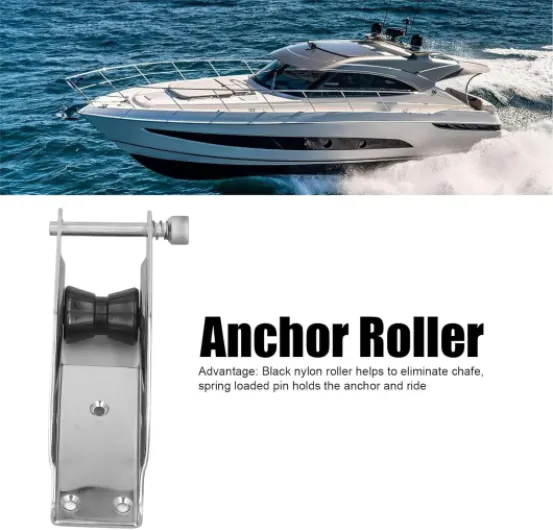
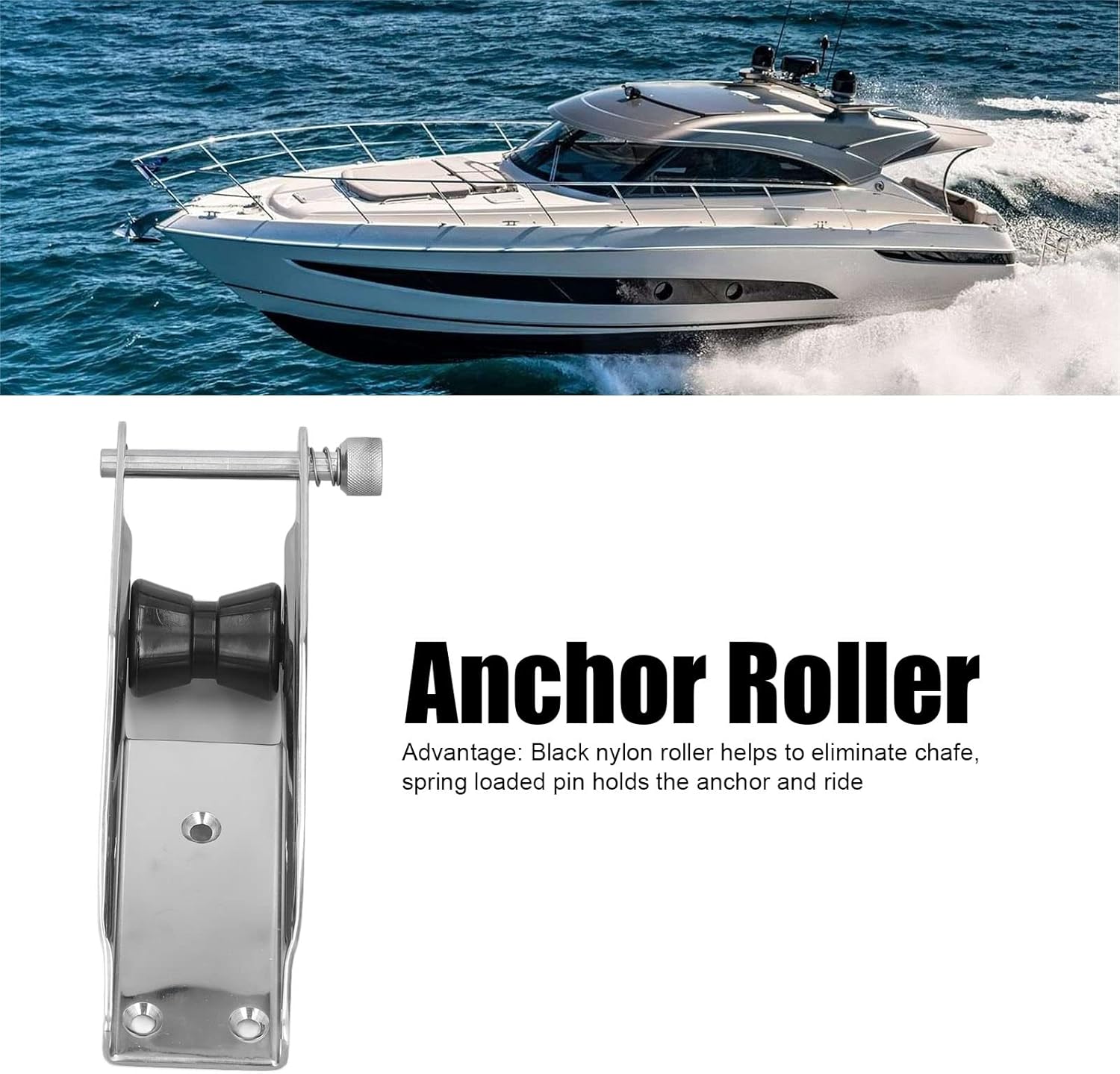
Even the best boat anchors for marine use fail if the surrounding ground tackle is poorly specified or maintained. Your anchor chain, rope lines, and connectors form a single integrated system that must absorb shock loads and maintain a low pull angle on the anchor. A well engineered combination of chain weight and nylon lines will dramatically increase holding power while reducing snatch loads on the bow roller.
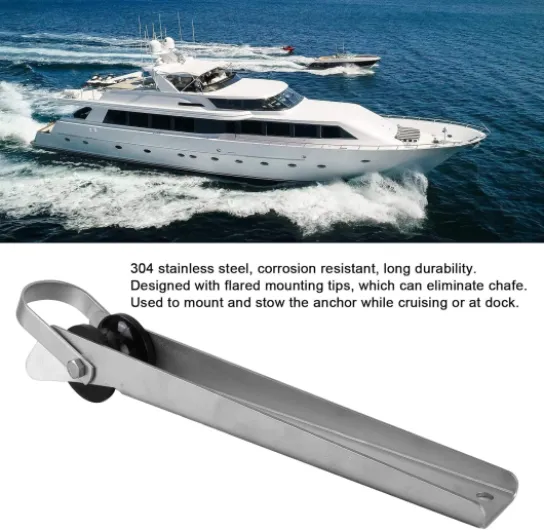
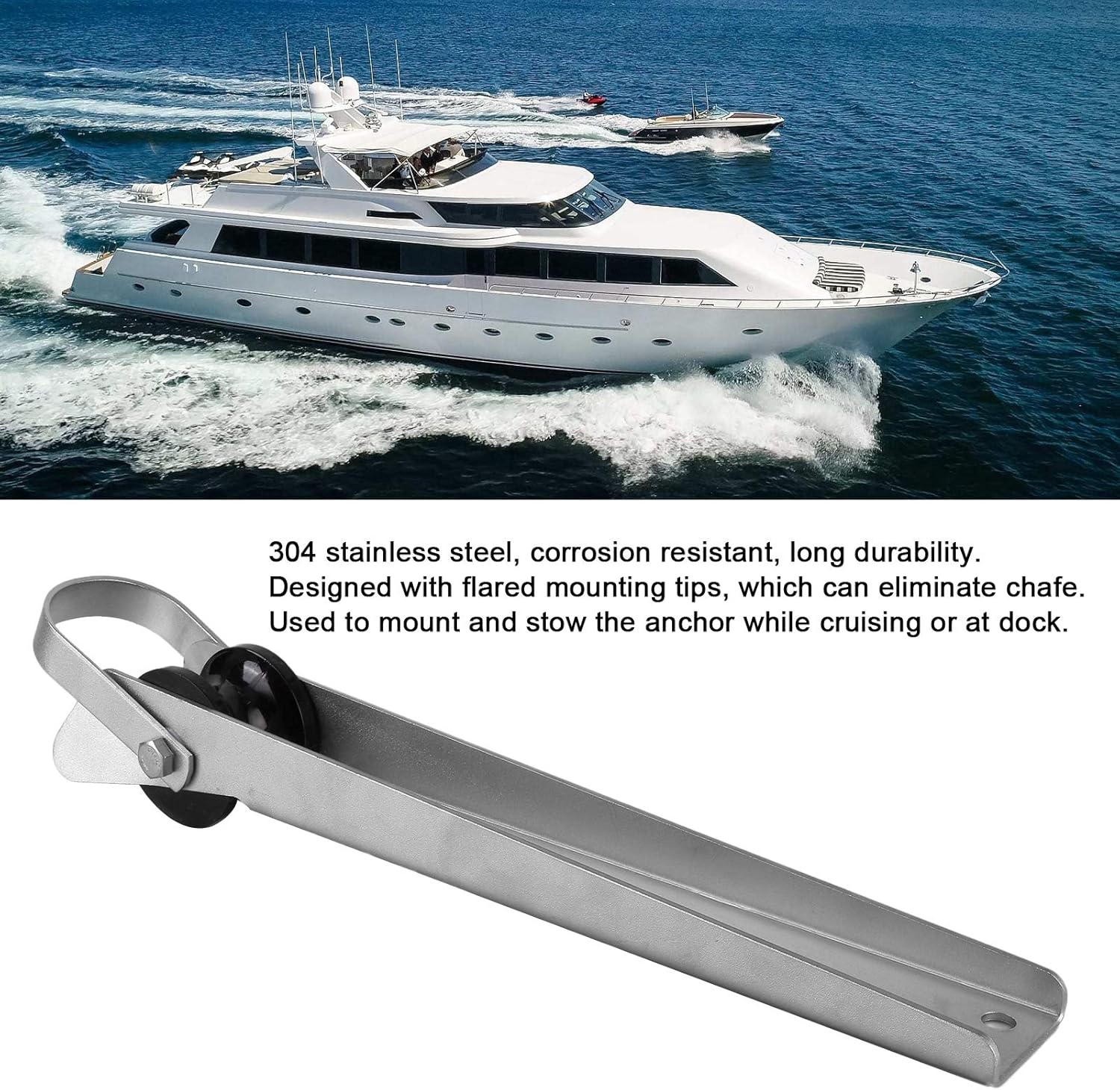
For cruising yachts, many captains favor all chain rode for the primary boat anchor, especially on heavier boats that anchor frequently. The mass of steel chain lying on the seabed creates a catenary curve, which keeps the pull on the anchor shank as horizontal as possible and helps both plow anchor and claw anchors stay buried. Where depth or weight constraints limit chain length, a mixed rode of chain plus rope lines can still perform well if sized correctly and protected by robust chafe gear.
Safety equipment must extend beyond the anchor locker, particularly for offshore passages and remote anchorages. An EPIRB emergency beacon, such as those reviewed in the dedicated guide to top marine EPIRB emergency beacons, complements strong ground tackle by providing a last line of communication if an anchor drags onto rocky bottoms at night. Treat the entire anchoring system as core safety gear, inspected as rigorously as life rafts, fire extinguishers, and navigation lights.
Fortress anchors, stainless steel options, and specialized yacht applications
Among performance oriented sailors, Fortress anchors have earned a reputation for exceptional holding power in sand and mud with remarkably light weight. A Fortress anchor uses a high strength aluminum alloy instead of traditional steel, which allows a small boat crew to handle a large size anchor without strain. Many long range cruisers in the United States carry Fortress anchors as secondary or storm anchors because they pack flat and stow easily in lockers.
When comparing Fortress anchors with stainless steel plow or claw anchors, focus on how each product fits a specific role on your yacht. A polished stainless steel bow anchor looks superb and resists corrosion, yet a Fortress fluke anchor stored below may provide the best anchor option when you need maximum holding power in a tight anchorage. For yachts that frequently anchor on soft mud, a Fortress style fluke anchor often outperforms heavier steel designs at a fraction of the weight, which can be critical for crew handling and tender operations.
Price and maintenance also influence the best boat choice for your primary and backup anchors. Stainless steel anchors cost more initially but require less cosmetic upkeep, while galvanized steel models offer excellent value if you accept periodic re galvanizing. Whatever you choose, keep full documentation of each anchor, chain, and rope specification in your onboard safety content so crew can quickly read the data when planning ground tackle deployment in challenging conditions.
Operational techniques: setting, testing, and using a lunch hook safely
Even with the best boat anchors for marine use, technique determines whether your yacht actually stays put. After lowering the boat anchor to the seabed, always pay out sufficient chain and lines to achieve at least a five to one scope in moderate conditions. Then gently reverse the boat with controlled engine power until the anchor digs in and the chain straightens, watching transits ashore to confirm that the yacht no longer moves.
For a quick swim stop or picnic, many skippers deploy a smaller lunch hook rather than the primary anchor. This light weight anchor is convenient for a small boat tender or for calm bays, but it must never replace the main ground tackle when strong wind or swell is forecast. Treat the lunch hook as a short duration tool and always be ready to reset the best anchor on board if the breeze freshens or nearby boats crowd your swinging circle.
On rocky bottoms or heavily weeded seabeds, setting technique becomes even more critical for both plow anchor and claw anchors. Sometimes you will need to slowly drag the anchor until it finds a patch of sand, then increase reverse power to achieve reliable holding power before leaving the deck unattended. Regular crew training on choosing anchor spots, paying out chain, and verifying set will transform even average boat anchors into trustworthy safety equipment for overnight stays.
Yacht maintenance routines for anchors and safety equipment
Anchoring gear on yachts lives a hard life, so disciplined maintenance keeps even the best boat anchors for marine use performing as designed. Inspect every anchor, shackle, swivel, and chain link at least once per season, looking for cracks, deformation, or excessive corrosion on both galvanized and stainless steel components. Replace any suspect product immediately, because a single weak link can compromise the full strength of your ground tackle when the wind rises.
During haul out, lay out the entire rode from boat to bitter end so you can clean, measure, and remark chain and lines. Check that the weight and size markings on your primary boat anchor still match the displacement and windage of your current boats, especially after refits that add topside structures or heavy equipment. Many owners quietly upgrade to a larger best anchor over time, accepting a modest increase in bow weight in exchange for significantly higher holding power and peace of mind.
Safety equipment reviews should extend beyond the anchor locker to include lighting, alarms, and emergency communications. When you refit deck hardware or upgrade interior systems, consider complementary improvements such as modern LED cabin lighting, using specialized resources like this guide to top boat cabin lighting solutions. A yacht whose crew regularly read maintenance content, shop thoughtfully for anchors and accessories, and log every inspection will always be better prepared when weather, traffic, or rocky bottoms test the anchoring system.
Key statistics on yacht anchoring performance and safety
- In a comparative test by Practical Sailor (reported 2015), modern fluke style Fortress anchors generated up to roughly twice the holding power of some traditional plow anchors of similar weight in soft mud, highlighting the benefit of optimized geometry and light weight alloys.
- Data from the United States Coast Guard Recreational Boating Statistics report (for example, the 2022 edition) showed that at anchor incidents represented a small but significant share of overall accidents, with many cases linked to inadequate anchor size or poorly maintained ground tackle rather than extreme weather.
- Independent testing by SAIL Magazine (mid‑2010s anchoring series) found that increasing scope from a 3:1 ratio to a 7:1 ratio could more than double measured holding power for several popular boat anchors, underlining the importance of sufficient chain and lines length as part of any anchoring strategy.
- Field trials conducted by Yachting Monthly (around 2011–2012) demonstrated that some stainless steel anchors with modern roll bar designs set reliably in less than one meter of drag in sand, while older patterns sometimes skated more than five meters before achieving comparable holding power.