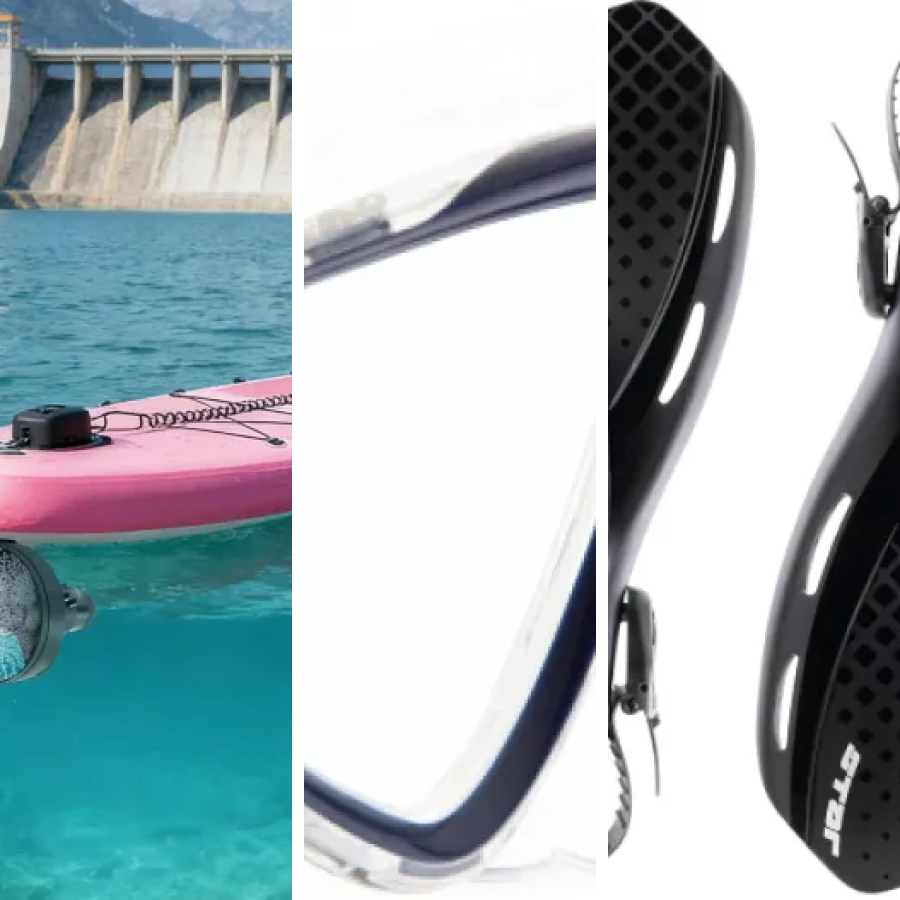
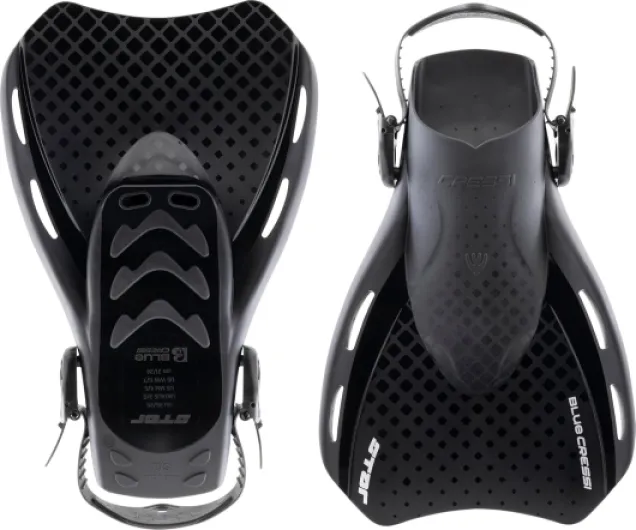
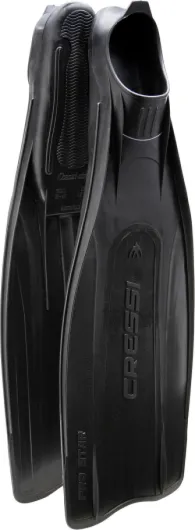
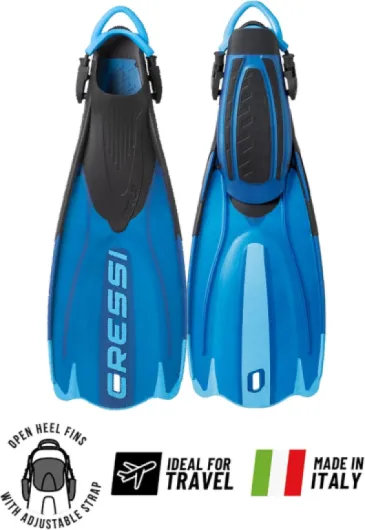
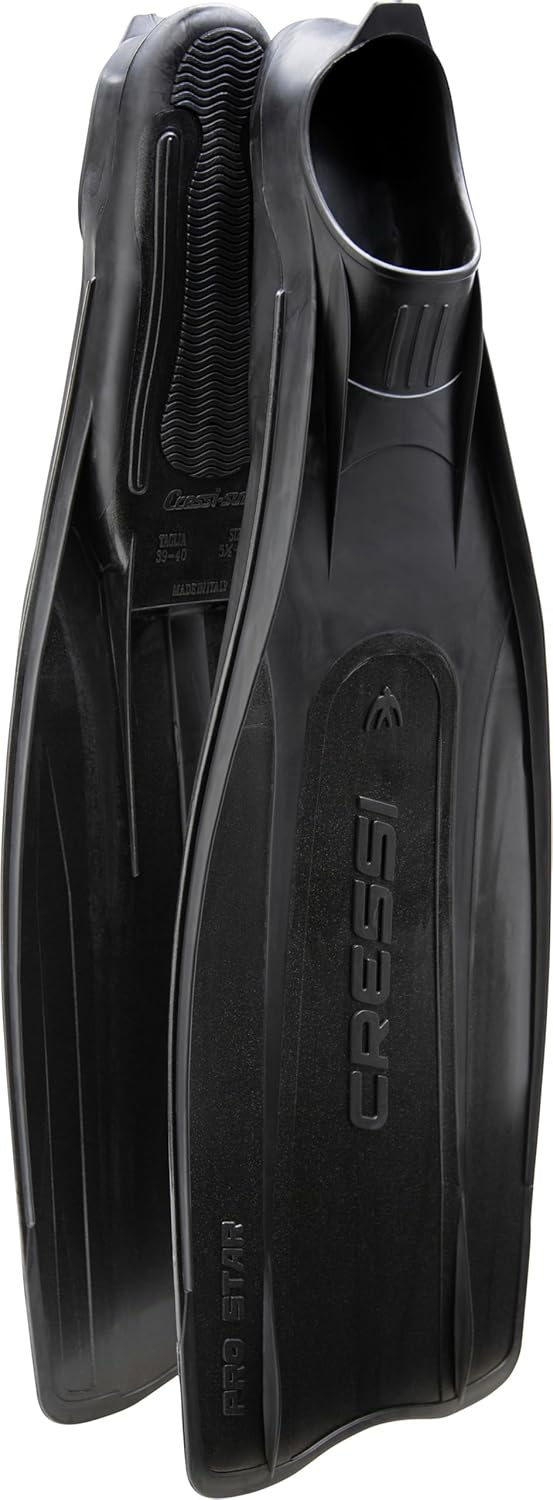
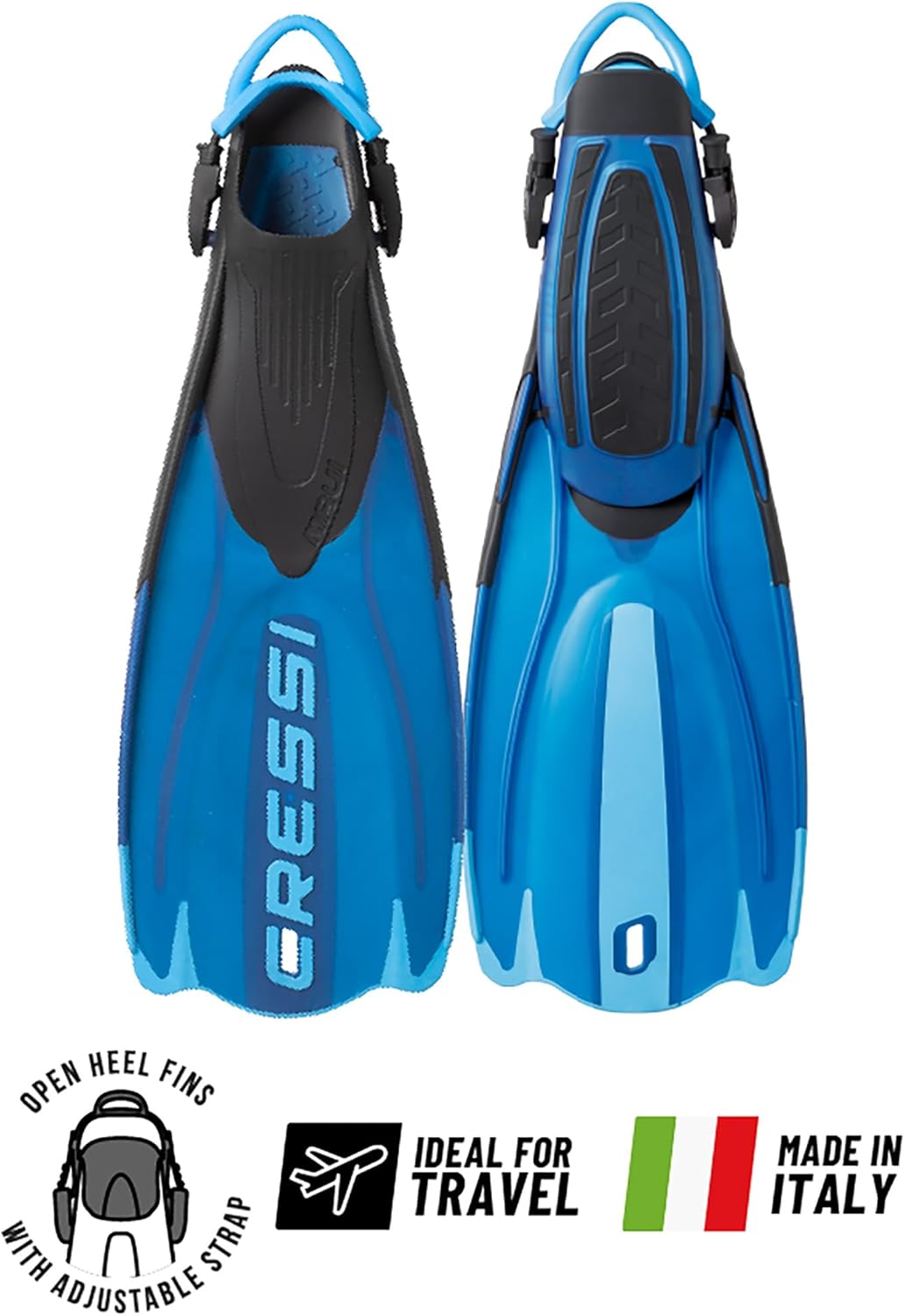
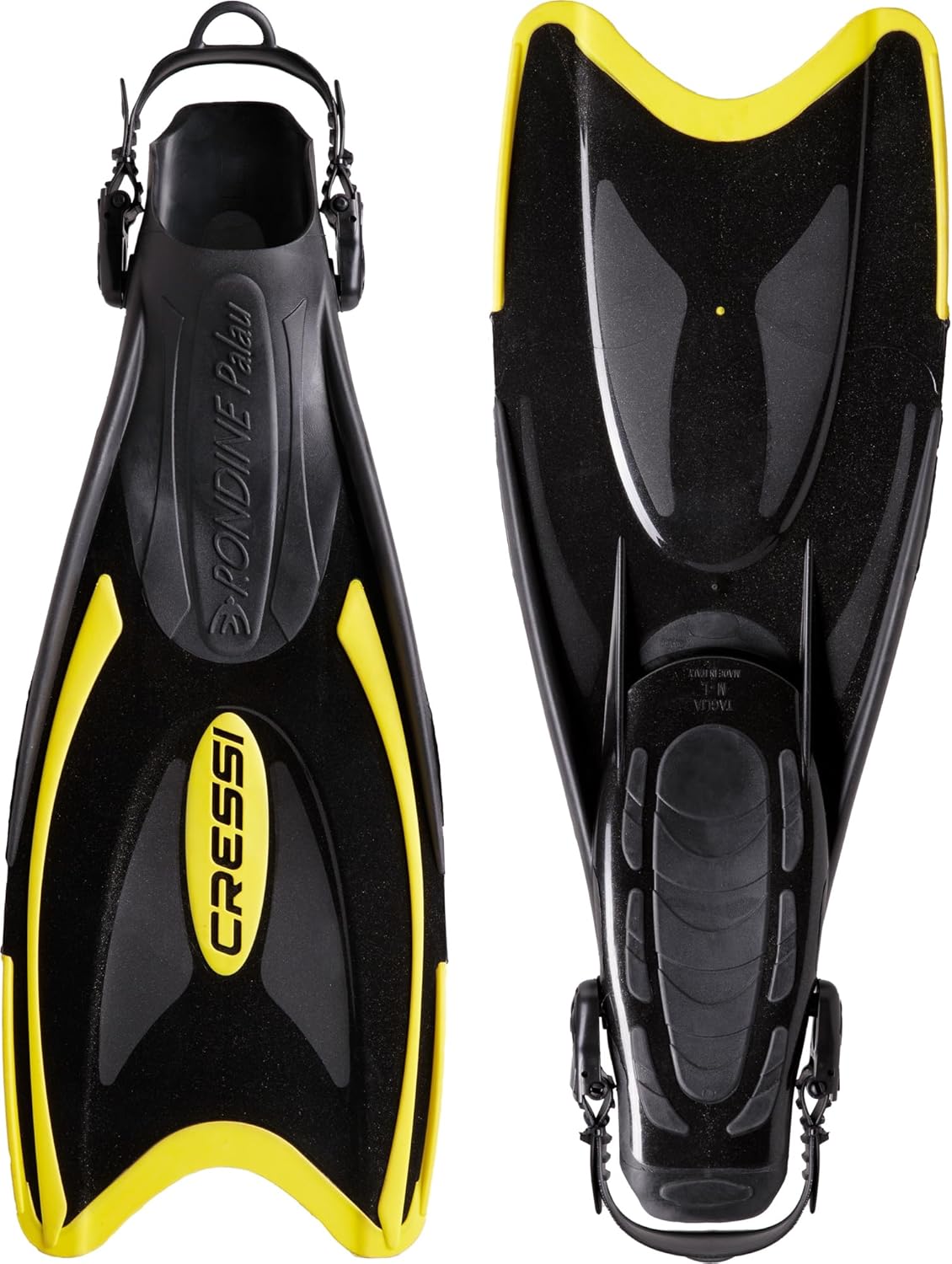
Full foot versus open heel fins on a yacht platform
Choosing between full foot and open heel fins starts with how you enter the water from your yacht. Full foot fins slide on like a slipper, making them quick for guests to use directly from the swim platform. Open heel fins pair with neoprene boots, giving better grip on wet teak and more protection when boarding from a tender.
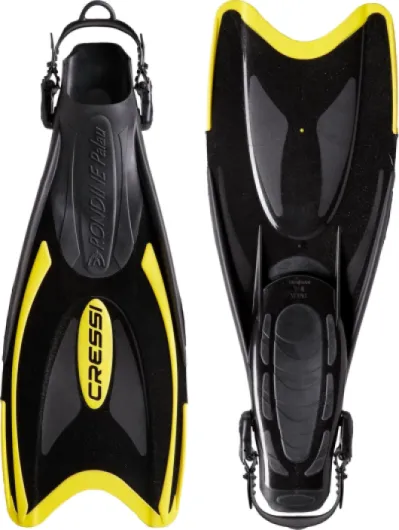
For warm water cruising, many yacht owners favor full foot snorkeling fins because they are lighter and easier to stow. A well designed full foot pocket wraps the foot without chafing, which is crucial when guests spend long sessions exploring reefs. Models such as the Cressi Palau full foot fin or similar fins Cressi designs offer soft yet supportive materials that suit bare feet.
In contrast, open heel fins shine when your itinerary includes rocky shore entries or cooler water. The boot and heel strap combination stabilizes the foot, allowing more aggressive kicking without rubbing on the heel or arch. This setup also works well with safety focused deck layouts that include sturdy handrails, and you can pair it with high grip boots when moving along upgraded boat handrails for decks.
Foot pocket fit and comfort for guests
Whatever style you choose, the foot pocket is the heart of any good fin. A pocket that is too tight will compress the foot and reduce circulation, while a loose pocket causes blisters and wastes kicking power. Yacht crews should keep a small sizing chart near the swim platform so guests can match their foot length to each foot fin quickly.
High quality brands such as Mares, Cressi, and Scubapro engineer their foot pockets with varying stiffness zones. Softer rubber around the toes and instep improves comfort, while firmer rails along the sides transfer power from the leg to the blade. When you read fins reviews, pay close attention to comments about long session comfort rather than only raw thrust.
For charter yachts, stocking both full foot and open heel snorkel fins in overlapping sizes is a smart investment. This approach lets you accommodate narrow and wide feet, high arches, and different kicking styles without compromise. Over time, guests will naturally gravitate toward the fins that match their preferred kick and foot shape, improving both safety and enjoyment.
Matching fin types to yacht based snorkeling
Shorter snorkel fins are ideal when you launch from a crowded swim platform or a small tender. These compact fins reduce the risk of heel fins striking ladders, hull paint, or other guests while you maneuver in tight spaces. Once clear of the yacht, their lighter power profile still offers a good kick for relaxed snorkeling above shallow sand or seagrass.
Longer snorkeling fins or classic scuba style models such as the Mares Avanti Quattro Power give more thrust for drift dives along a rocky coastline. This extra power helps you counter wind driven surface chop that often builds around anchored yachts. However, such powerful fins demand stronger leg muscles and a refined kicking technique to avoid cramps.
For owners who split time between snorkeling and light scuba diving, hybrid designs like split fins can be a smart compromise. These fins reduce strain on the knees and hips while still delivering efficient propulsion for slow, controlled movements near fragile coral. Keeping both a split fin pair and a traditional blade fin pair on board lets you tailor your setup to each guest’s fitness and experience.
Comparing leading fin brands for yacht based snorkeling
Among yacht crews, a few fin names appear repeatedly when discussing the best diving fins for snorkeling. Mares, Cressi, and Scubapro dominate many fins reviews because they blend durability, power, and comfort. Each brand offers both snorkeling fins and scuba oriented models, giving you flexibility when equipping a mixed experience group.
The Mares Avanti range, including the classic Mares Avanti Quattro and the extended Avanti Quattro Power, is renowned for strong propulsion. These fins use channeling technology to guide water along the blade, turning each kick into efficient forward motion. For yacht owners who often snorkel in current, the Avanti Quattro Power fin can provide reassuring thrust without demanding sprint level effort.
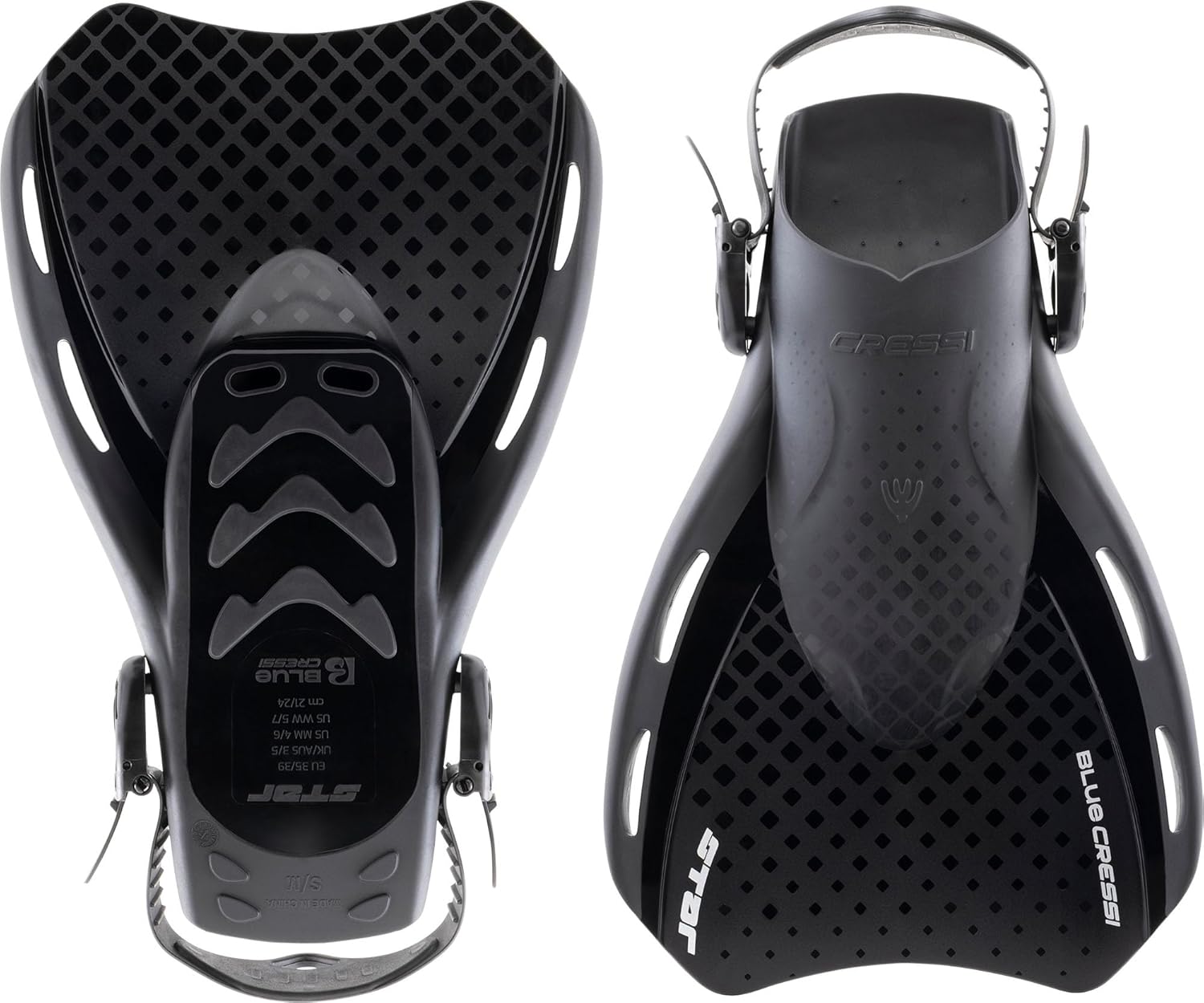
Cressi Palau fins, especially the adjustable travel versions, appeal to yacht travelers who value compact storage. These fins Cressi designs fold neatly into a gear bag yet still offer a good balance between flexibility and power. Scubapro Travel fins, on the other hand, target frequent flyers and crew who move between yachts, combining light weight with reliable performance.
When to choose split fins or traditional blades
Split fins divide the blade down the center, allowing water to pass through and reducing resistance. This design can ease strain on the knees and hips, which benefits older yacht owners or guests with joint issues. However, some divers feel that split fins lack the instant acceleration of a solid blade when chasing a turtle or countering a sudden current.
Traditional blade fins such as the Mares Avanti Quattro or many Scubapro models deliver more direct feedback. Every kick translates into a clear surge of power, which experienced snorkelers and scuba divers often prefer. On a yacht, this responsiveness helps you maneuver quickly around the hull, tender lines, or a crowded mooring field.
Whatever style you select, pair your fin choice with robust safety equipment such as modern EPIRB units. Yacht owners increasingly rely on dedicated marine EPIRB emergency beacons to complement personal gear like snorkel fins and masks. Strong propulsion from your fins and reliable signaling from your electronics together create a safer environment for every dive and snorkel session.
Safety equipment and fin choices for yacht snorkeling operations
Running snorkeling operations from a yacht demands more than simply handing out the best diving fins for snorkeling. You also need a structured safety routine that integrates fins, masks, snorkels, and surface support. Clear briefings, visible surface markers, and a watchful crew member on deck all contribute to safe enjoyment.
Fins play a direct role in safety because they determine how quickly a swimmer can return to the yacht. A powerful fin such as the Avanti Quattro Power or similar fins Mares produces allows a guest to counter wind and current if the yacht swings on its anchor. Conversely, overly stiff heel fins can cause cramps, so crews must match fin stiffness to each guest’s fitness level.
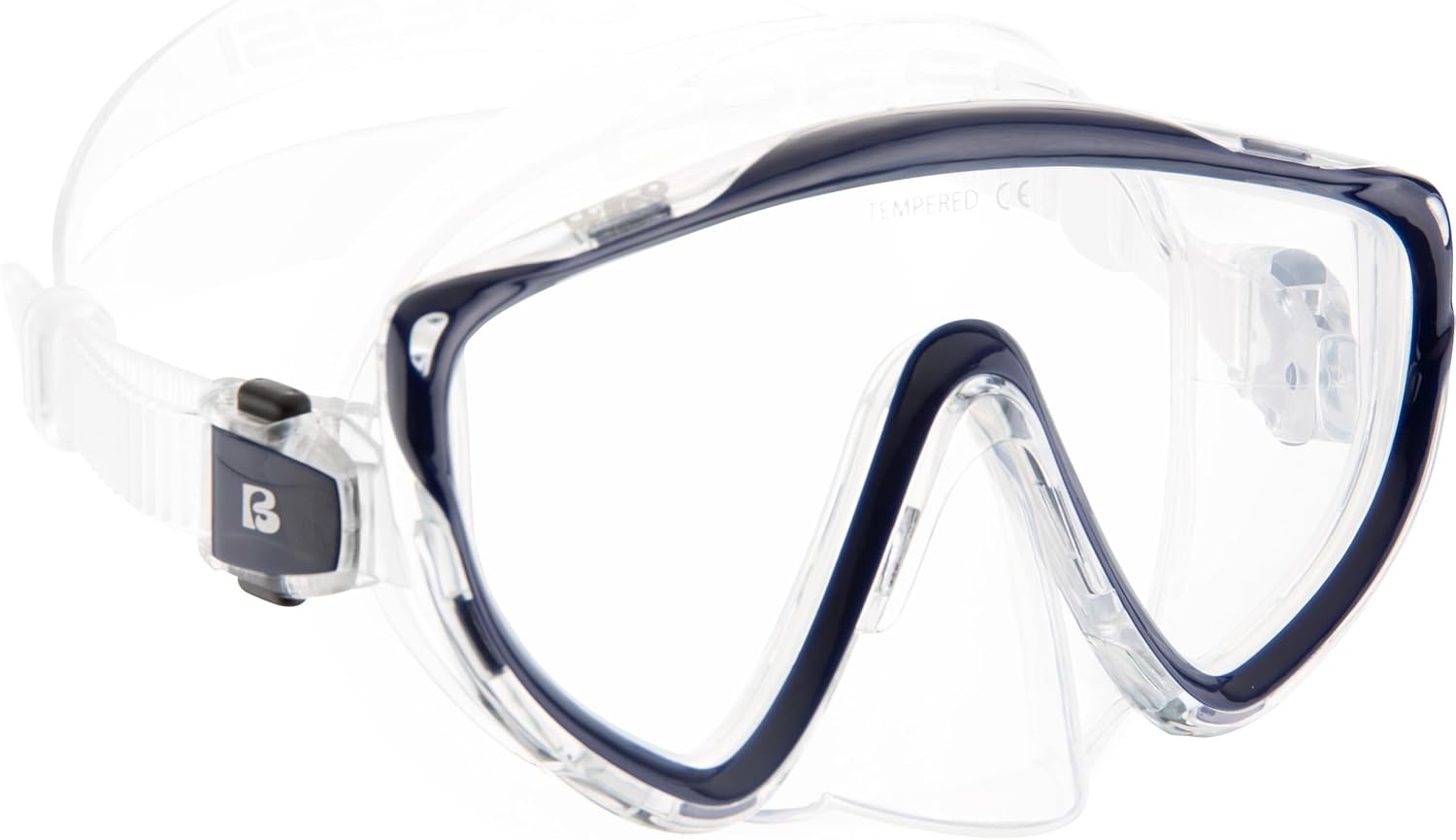
Many professional captains insist that every swimmer carries a good quality snorkel and a brightly colored surface marker. The best snorkel for yacht use has a splash guard or dry top to reduce water entry when waves slap against the hull. Combined with efficient snorkeling fins, this setup lets guests focus on the reef instead of constantly clearing water from their snorkel.
Integrating fins into the yacht safety checklist
Before each swim, crew should inspect every foot pocket, strap, and blade for cracks or excessive wear. A broken strap on an open heel fin far from the yacht can quickly turn into a tiring surface swim. Keeping a small repair kit with spare heel straps and buckles near the swim platform is a simple, low cost safeguard.
Yacht owners who also dive with scuba gear should maintain separate racks for scuba fins and snorkel fins. This separation avoids confusion when guests gear up quickly, especially in choppy conditions or fading light. Labeling each pair with size and intended use helps crew hand out the right fins snorkeling set to each person.
Safety culture extends beyond fins to the rest of the yacht’s technical systems. Regular checks of engines, generators, and fuel systems, supported by curated boat engine maintenance kits, reduce the risk of propulsion failures while guests are in the water. When the yacht remains reliably positioned, your carefully chosen fins and other snorkeling equipment can perform their role without unexpected complications.
Maintenance routines for fins on board a yacht
Salt, sun, and tight storage can shorten the life of even the best diving fins for snorkeling. Yacht crews should treat fins as critical safety equipment, not disposable beach toys. A disciplined maintenance routine preserves both the structural integrity and the comfort of every fin on board.
After each dive or snorkel session, rinse all fins, masks, and snorkels in fresh water. Pay special attention to the foot pocket and heel strap areas, where salt crystals and sand can accumulate. Allow every full foot and open heel fin to dry in the shade, avoiding direct sunlight that can harden rubber and plastic.
Storage matters as much as rinsing, especially on yachts with limited locker space. Never stack heavy gear on top of flexible travel fins or split fins, because long term pressure can warp the blades. Instead, hang heel fins by their straps or lay full foot fins flat with no weight on them.
Inspection and replacement schedules
At least once per cruising season, conduct a detailed inspection of all snorkeling fins and scuba fins. Look for small cracks near the foot pocket, stretched heel straps, or delamination along the blade edges. Any fin showing structural damage should be retired from guest use and kept only as an emergency spare if still functional.
Keep a simple logbook or digital note listing each fin model, size, and purchase date. This record helps you track which fins Cressi, Mares, or Scubapro models have delivered the best durability under yacht conditions. Over time, your own fins reviews will guide future purchases more reliably than generic online opinions.
When replacing gear, consider upgrading to newer designs such as compact Scubapro Travel fins or improved Mares Avanti variants. Modern materials often provide more power with less weight, which suits yacht based operations where storage and fuel efficiency both matter. Rotating older fins into crew use while reserving the newest foot fins for guests keeps everyone equipped without unnecessary waste.
Choosing fins for different yacht itineraries and guests
Not every cruising ground demands the same type of fin or snorkel setup. A Med based yacht that anchors near sheltered coves faces different conditions than an expedition yacht exploring remote atolls. Matching your fins, masks, and safety equipment to the itinerary is a mark of professional seamanship.
In calm, warm destinations, light full foot snorkeling fins often provide all the power you need. Guests can slip on a comfortable foot fin, adjust a simple snorkel, and enjoy long, relaxed sessions over seagrass and shallow reefs. For these itineraries, compact travel fins such as Cressi Palau or Scubapro Travel models save locker space without sacrificing enjoyment.
More demanding routes with stronger currents or cooler water call for robust open heel fins and thicker boots. Here, the extra leverage from longer blades or high performance designs like the Avanti Quattro Power becomes valuable. Yacht owners who also scuba dive may prefer to standardize on versatile fins Mares or Scubapro produce that handle both snorkeling and light scuba.
Adapting to guest experience and fitness
Experienced freedivers and scuba divers often appreciate stiffer fins that translate each kick into decisive thrust. Less experienced guests, children, or older family members usually benefit from softer blades and split fins that reduce leg fatigue. Stocking a range of stiffness levels allows crew to tailor equipment to each person’s kicking style and fitness.
Before the first swim of a charter, invite guests to try different fins at the swim platform. A brief test of several foot pocket shapes, blade lengths, and snorkel styles quickly reveals personal preferences. This small investment of time pays off in fewer complaints, less cramping, and more confident snorkeling away from the yacht.
Remember that the best snorkel and the best diving fins for snorkeling are only effective when paired with clear safety briefings and attentive surface support. Combining well chosen fins, reliable safety electronics, and disciplined watchkeeping creates a professional standard that experienced yacht owners increasingly expect. In the end, comfort, control, and safety all flow from thoughtful equipment choices and consistent maintenance.
Key figures on snorkeling fins and yacht safety
- According to Divers Alert Network (DAN) incident summaries, leg cramps and fatigue contribute to a significant share of snorkeling problems, which underscores the value of efficient fins that match the swimmer’s strength and technique.
- Market analyses from major watersports retailers indicate that travel oriented snorkeling fins and compact split fins now represent a substantial portion of fin sales, reflecting the needs of yacht travelers and frequent flyers.
- Industry surveys of charter yacht crews suggest that carrying at least two sizes of full foot fins and two sizes of open heel fins covers the needs of the vast majority of adult guests on board.
- Data from safety organizations such as DAN and NOAA highlight that yachts equipped with modern EPIRB emergency beacons and structured in water safety procedures experience lower rates of serious snorkeling and diving incidents compared with less prepared vessels.
References
- Divers Alert Network (DAN)
- Professional Association of Diving Instructors (PADI)
- National Oceanic and Atmospheric Administration (NOAA)