Key materials for a safe and elegant swim platform
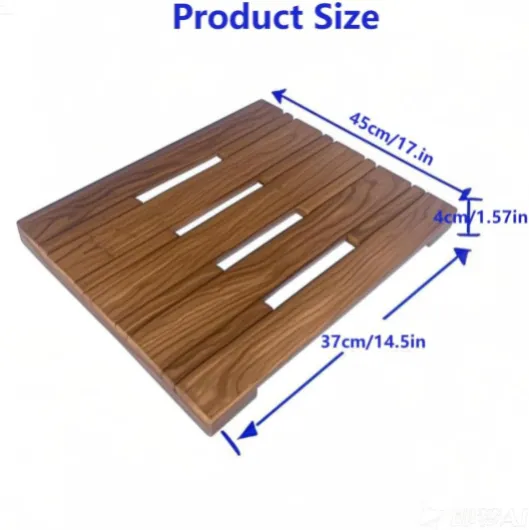
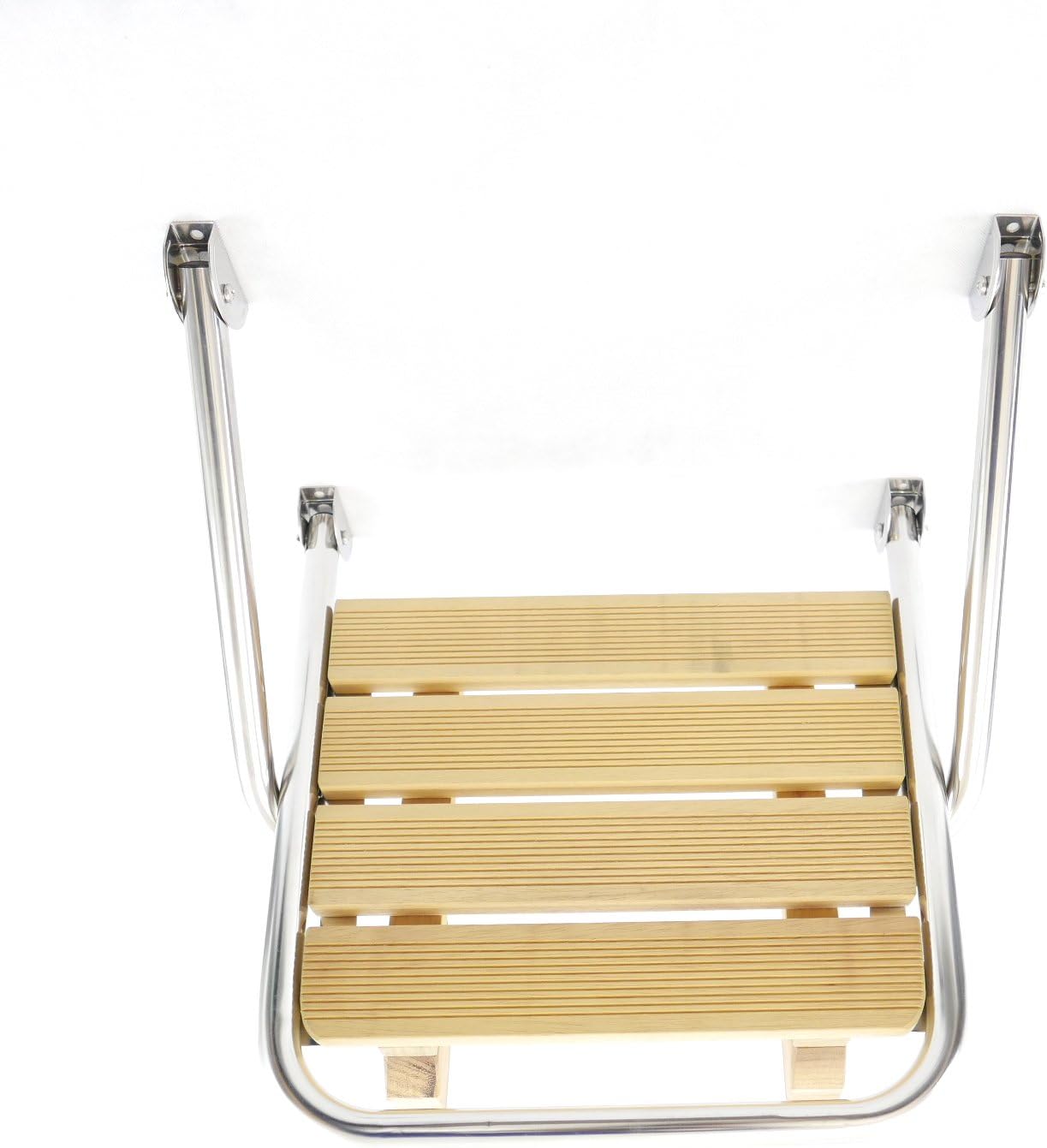
Every swim platform starts with a choice of material, and that decision shapes weight, maintenance, and long term comfort. Traditionalists favour solid teak for its warm feel under bare feet, while many modern yachts rely on molded fiberglass structures with teak swim inlays or synthetic decking. Between these extremes, hybrid platforms combine a fiberglass core, stainless steel brackets, and removable teak steps to balance durability and price.
On a semi custom platform boat, naval architects often specify stainless steel or coated steel frames hidden beneath the visible surface. These metal structures carry the heavy duty loads of tenders, guests, and dynamic forces from waves, while the outer platform material focuses on grip and aesthetics. When you compare products, ask the yard to show drawings of the platform mounting points and the thickness of the fiberglass or teak sections that bridge between the brackets.
Owners of inboard cruisers and Sea Ray style sports boats should pay attention to how inboard swim platforms integrate with the hull. A molded fiberglass swim platform that is part of the original hull mold usually offers better stiffness than a later bolt on extension. However, a duty custom bolt on platform outboard of the original transom can add valuable length and buoyancy, provided the steel or stainless supports are properly tied into structural bulkheads and not just the outer skin.
Mounting, structure, and load: what serious buyers must verify
Even the most beautiful swim platforms fail if the platform mounting is weak or poorly engineered. When inspecting a boat, look beneath the platform to see how the brackets, gussets, and backing plates distribute loads into the hull structure. A robust platform ladder and any platform outboard extension should connect to stringers or transom knees, not only to thin fiberglass skins.
For yachts with inboard engines, the inboard swim platform often hides exhaust outlets, trim tabs, and sometimes a passerelle, which complicates mounting options. In these cases, shipyards use combinations of stainless steel and coated steel to create cantilevered supports that keep the swim platform clear of hot exhaust and moving gear. Ask the surveyor to calculate realistic loads, including the weight of a tender, several adults, and dynamic forces from waves hitting the platform step area.
Buyers choosing between a catamaran and a monohull for Mediterranean cruising should also consider how different hull forms affect platform mounting and access. A detailed guide on the real trade offs between catamaran and monohull stern layouts is available in this Mediterranean cruising comparison. Whether you favour twin transom steps on a catamaran or a single wide platform boat stern on a monohull, insist on documented engineering for all swim platforms, including any duty custom extensions or aftermarket products.
Ladders, steps, and real world swim access
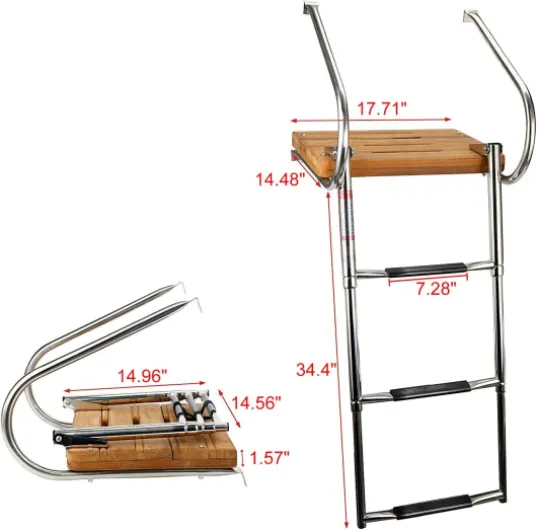
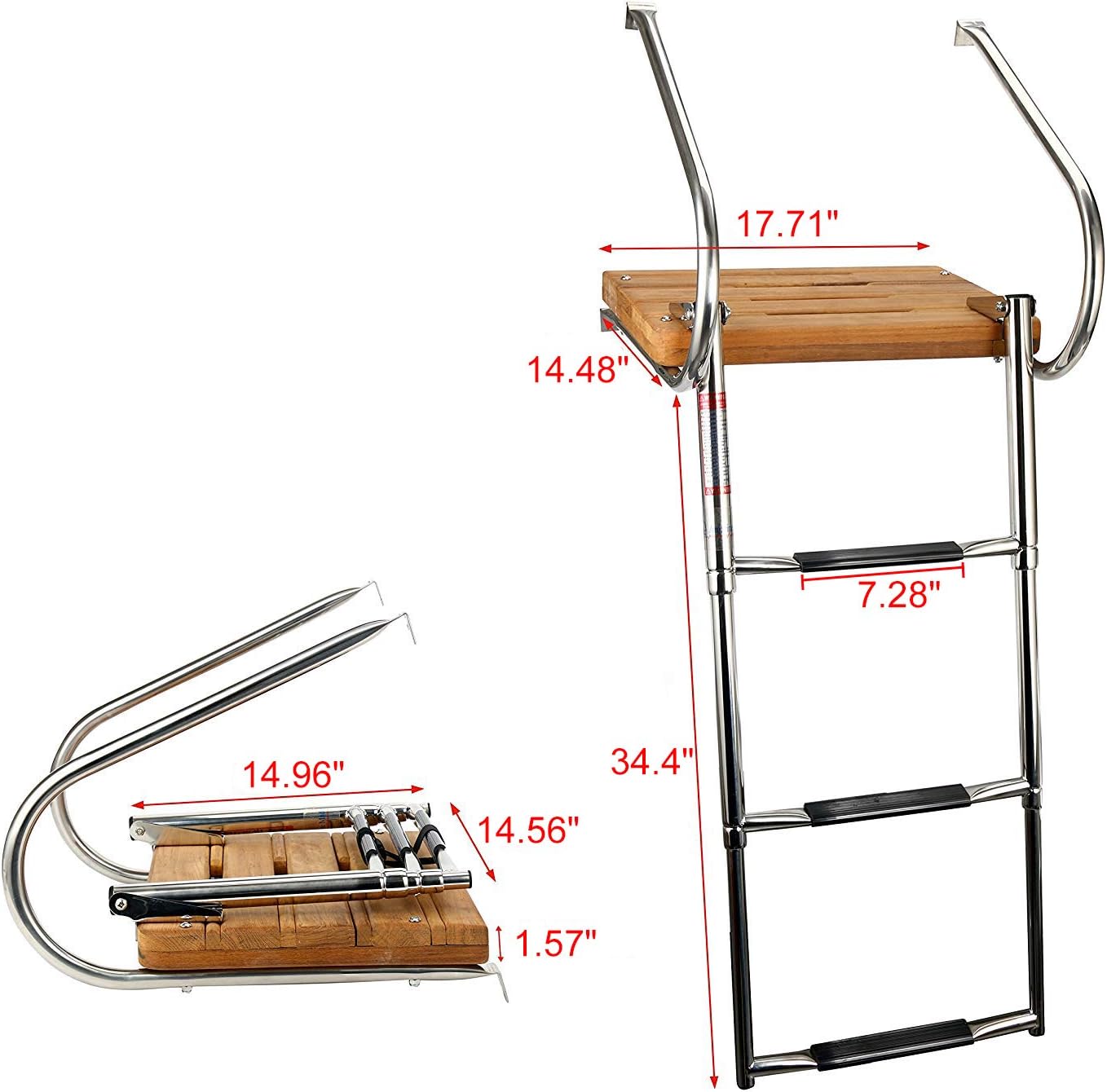
A swim platform without a well designed ladder is simply a low shelf above the water. The best boat swim platforms pair a generous surface with a heavy duty boat ladder that extends deep enough for tired swimmers to climb easily. Ideally, the lowest ladder steps sit at least 30 to 40 centimetres below the waterline, so guests can place a foot without straining.
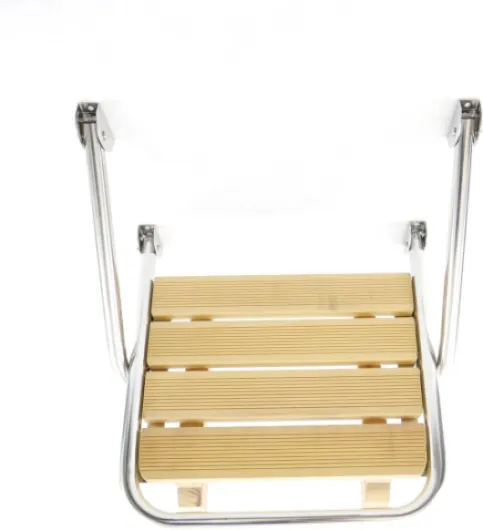
There are three main ladder swim concepts on modern yachts, each with distinct strengths. Fold down platform ladders hinge from the aft edge of the swim platform and deploy into the water, while telescopic step ladders slide out from a recessed box within the platform material. Side mounted ladders swim along the quarter are common on smaller boats, but they rarely match the comfort of a central platform ladder with wide, grippy steps.
When evaluating products, test how easily you can deploy the boat ladder from the water, because a person who has fallen overboard may need to climb back without help. On Sea Ray style sports cruisers, look for molded fiberglass recesses that keep the ladder flush with the platform when stowed, avoiding trip hazards around the main step area. If you enjoy wake sports, pair your swim platform with a board friendly ladder and consider a detailed wakeboard performance review to align your platform design with real water use.
Choosing between factory, aftermarket, and duty custom platforms
Yacht buyers face three broad options when selecting swim platforms: original factory designs, aftermarket bolt on products, and fully duty custom builds. Factory swim platforms on premium brands often integrate seamlessly with the hull, but they may lack the length or load rating that modern water toys demand. Aftermarket platforms, especially molded fiberglass extensions with teak swim overlays, can add both space and buoyancy when engineered correctly.
Before committing to any product, request detailed drawings that show platform mounting hardware, platform material thickness, and the rated capacity for tenders or personal watercraft. Reputable marine yards will specify whether the structure uses stainless steel or painted steel, how many bolts secure each bracket, and what backing plates spread the loads inside the hull. When comparing prices, remember that a higher initial price for a well engineered heavy duty platform often protects you from costly structural repairs later.
First time yacht buyers sometimes underestimate how central the swim platform will become to their cruising lifestyle. A thoughtful guide to the quiet questions that separate a good hull from a glossy brochure, including stern layout and swim platforms, can be found in this resource on choosing your first yacht. Whether you select a standard inboard swim platform, a platform outboard extension, or a fully custom platform boat solution, insist on written specifications for all materials, loads, and ladder steps.
Practical buying guide: matching platform design to your cruising style
Selecting the best boat swim platforms starts with an honest look at how you use your yacht. If you anchor frequently in warm water and host families, prioritise a wide swim platform with generous steps, a deep ladder swim system, and non slip teak or synthetic decking. For owners who mainly berth stern to in marinas, a platform with integrated step ladder access to the quay and strong platform mounting points for passerelles becomes more important.
Sports oriented owners who tow wakeboards or foils often prefer molded fiberglass platforms with rounded corners that are kind to boards and lines. In this case, a heavy duty stainless steel platform ladder that folds fully into the platform material keeps the surface clear for gear and guests. When comparing products, look beyond the headline price and examine details such as hinge quality, ladder steps width, and whether the platform boat structure can support a tender without excessive trim change.
For bluewater cruisers, corrosion resistance and serviceability matter as much as aesthetics. Specify marine grade stainless steel for all exposed fasteners and brackets, and avoid unprotected mild steel in hidden areas where water can collect. Over the life of the yacht, well chosen swim platforms, robust boat swim access, and carefully engineered ladders swim systems will repay their cost in safety, comfort, and resale value.
Key figures on swim platforms and yacht stern design
- On production motor yachts between 10 and 15 metres, typical swim platforms add 60 to 120 centimetres of usable length, which can increase cockpit area by roughly 15 to 25 percent according to major European builders such as Princess and Azimut (based on published overall length and platform dimensions in their model brochures).
- Many marine safety guidelines, including recommendations from organisations such as the Royal National Lifeboat Institution and various national boating safety agencies, suggest that the lowest ladder step sits at least 30 centimetres below the waterline, because shallower ladders significantly increase the effort required for an exhausted swimmer to re board.
- Shipyard data from several large builders shows that integrated molded fiberglass platforms with stainless steel supports are commonly rated for tenders weighing around 300 to 600 kilograms, depending on transom structure and bracket spacing; for example, hydraulic platforms on mid size flybridge yachts in the 45 to 55 foot range often fall within this capacity band.
- Surveys of brokerage listings and dealer feedback indicate that boats with extended swim platforms and modern ladder systems frequently achieve resale prices 5 to 10 percent higher than comparable models without such upgrades, reflecting buyer demand for better water access and tender handling.