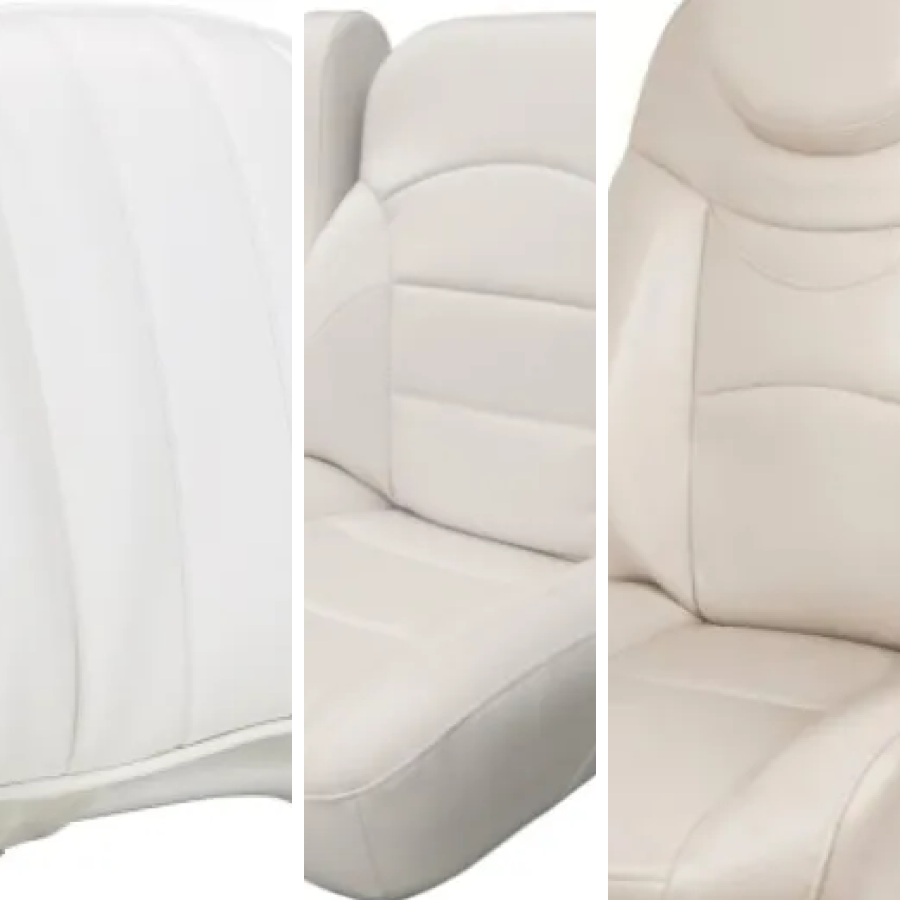
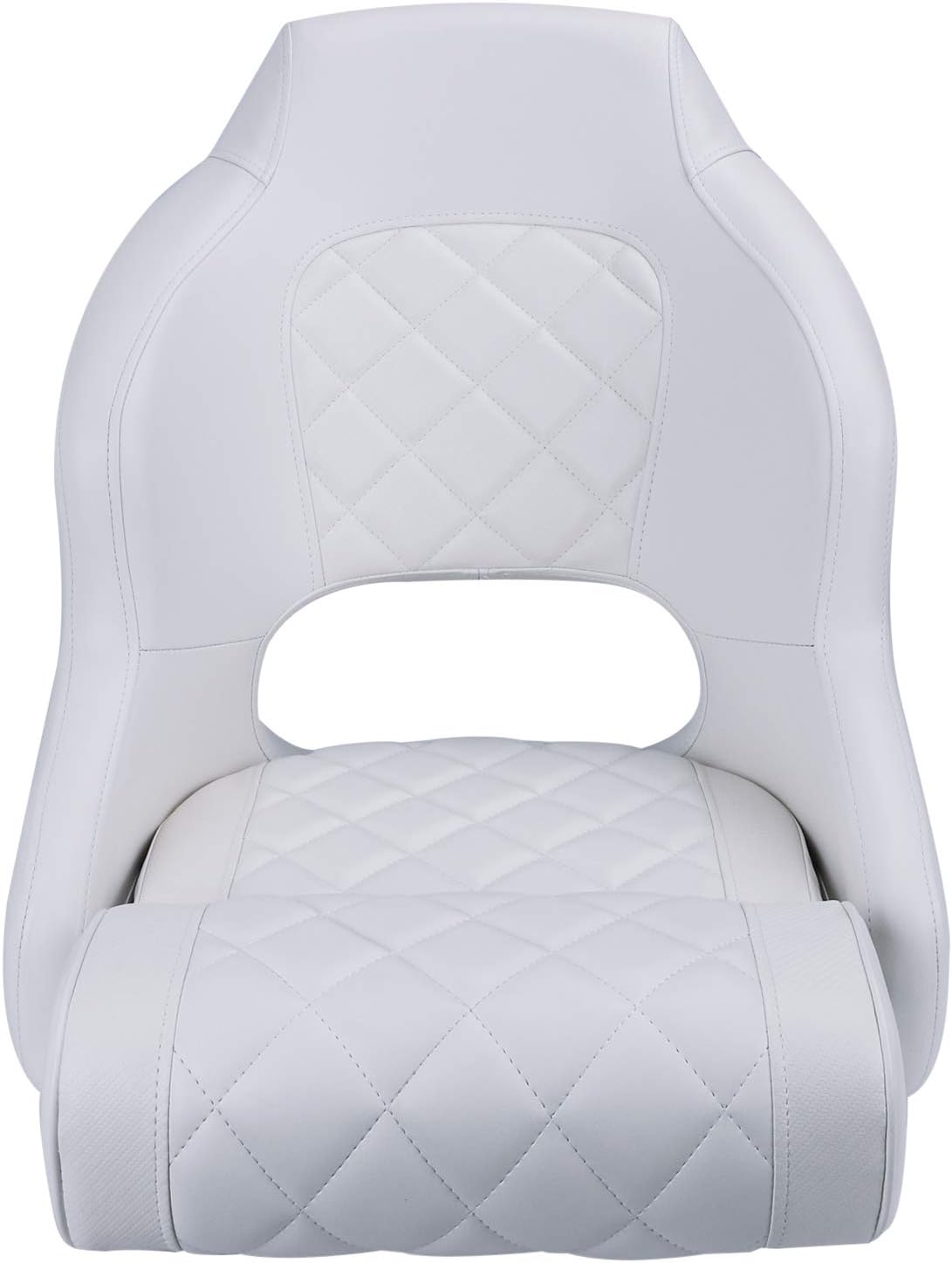
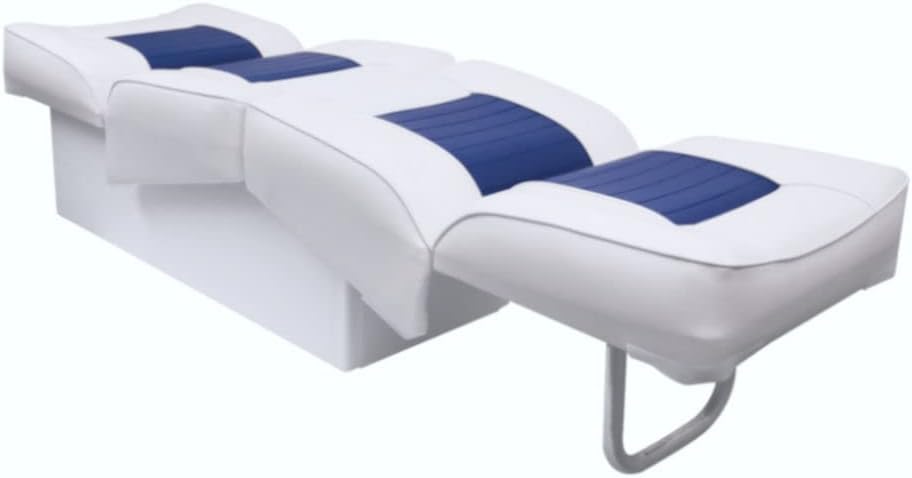
Key design choices for a yacht grade helm chair
Serious yacht owners evaluate every helm chair as carefully as they assess engines or navigation electronics. Start with structure, because a helm seat frame in cast aluminium or stainless steel resists flex and keeps the seat geometry stable under repeated impact. On fast boats a flimsy boat seat frame quickly loosens, and the tiny movements you feel through the helm become distracting messages you cannot ignore.
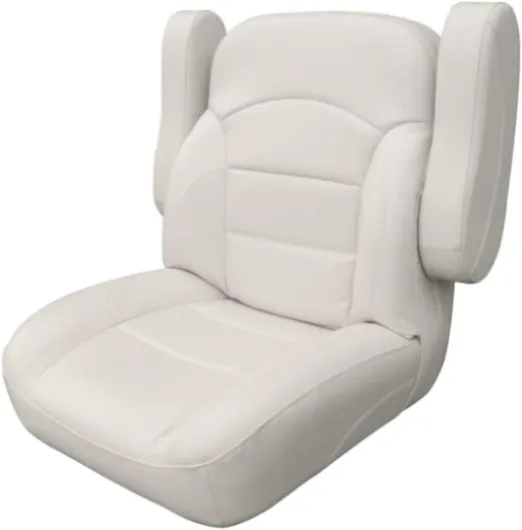
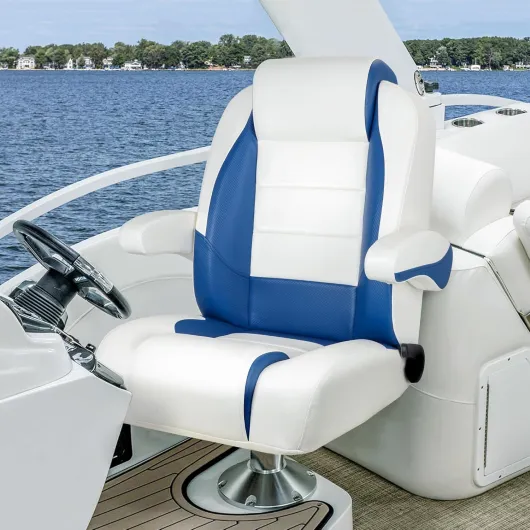
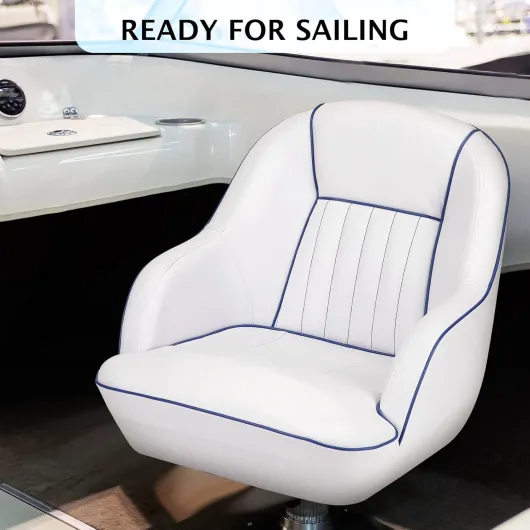
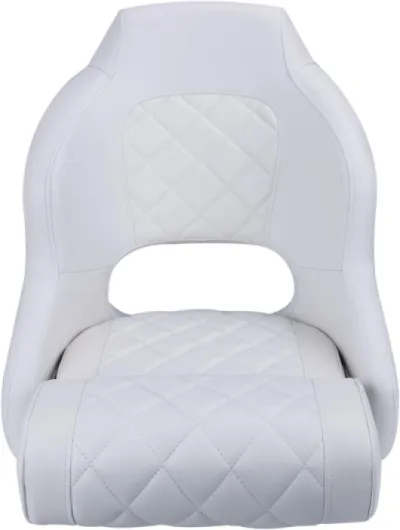
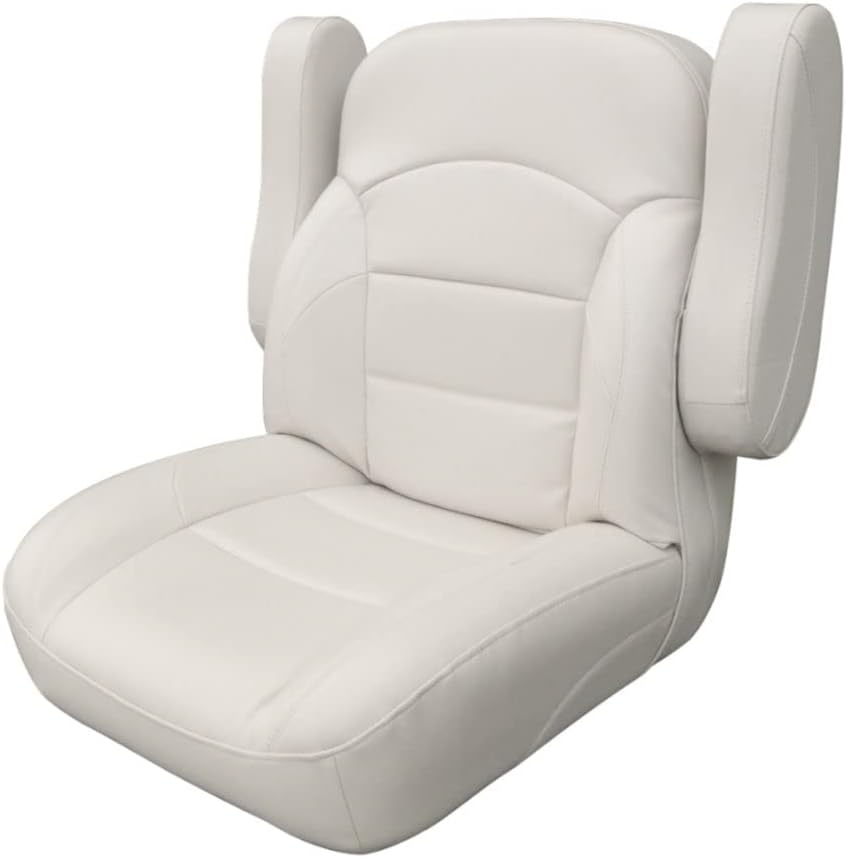
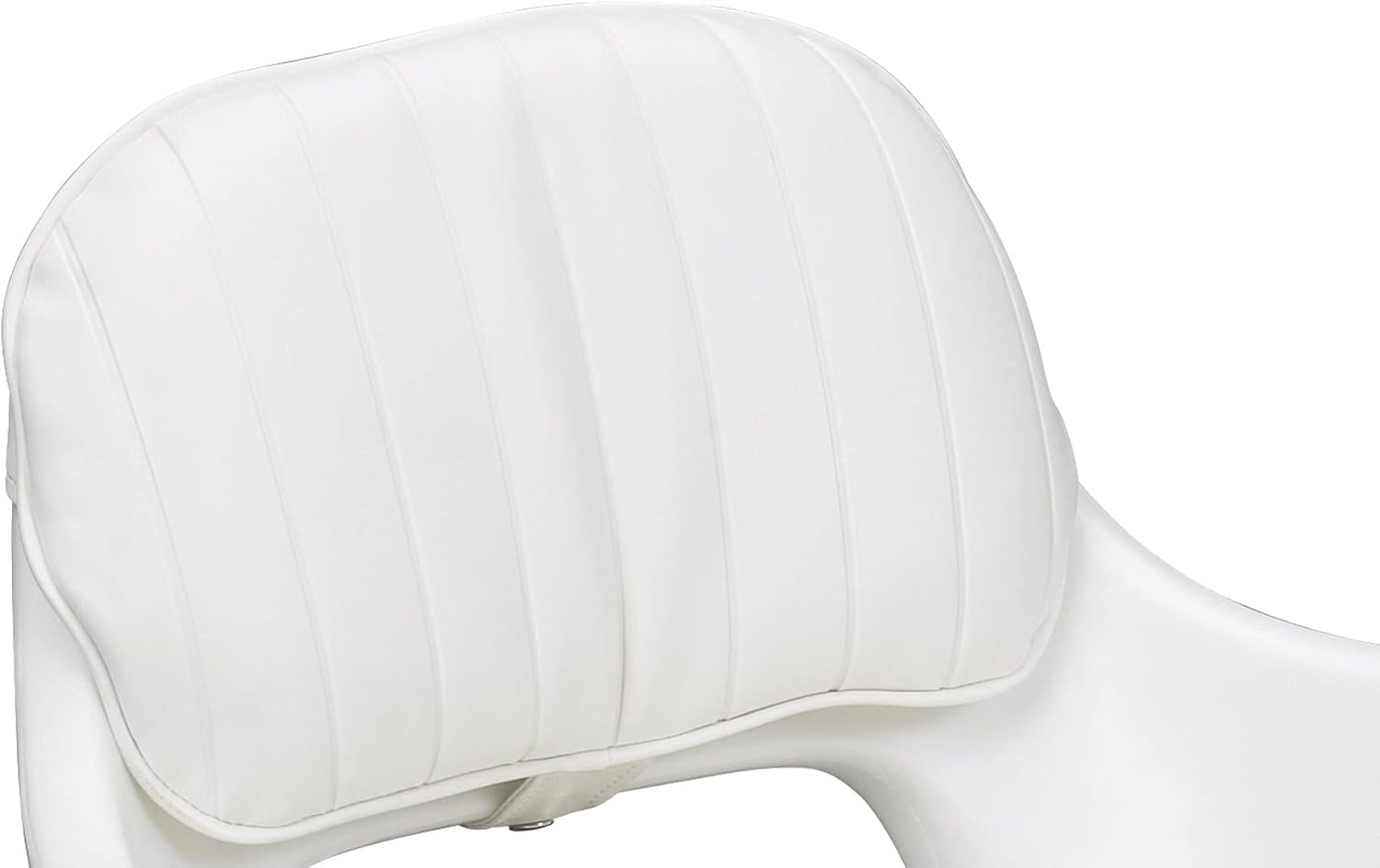
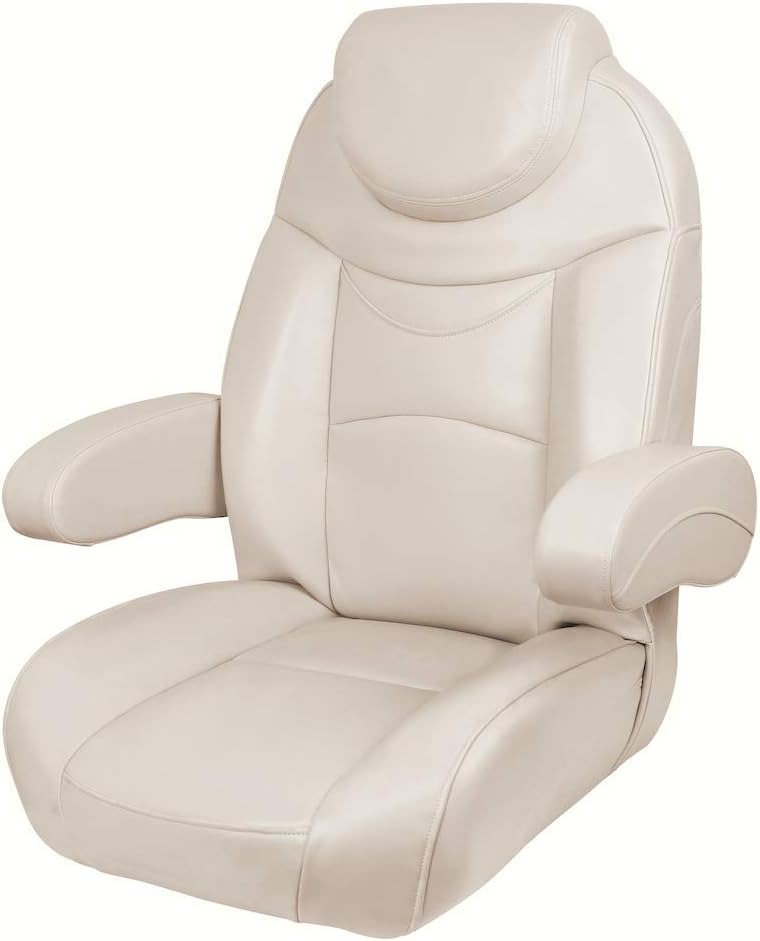
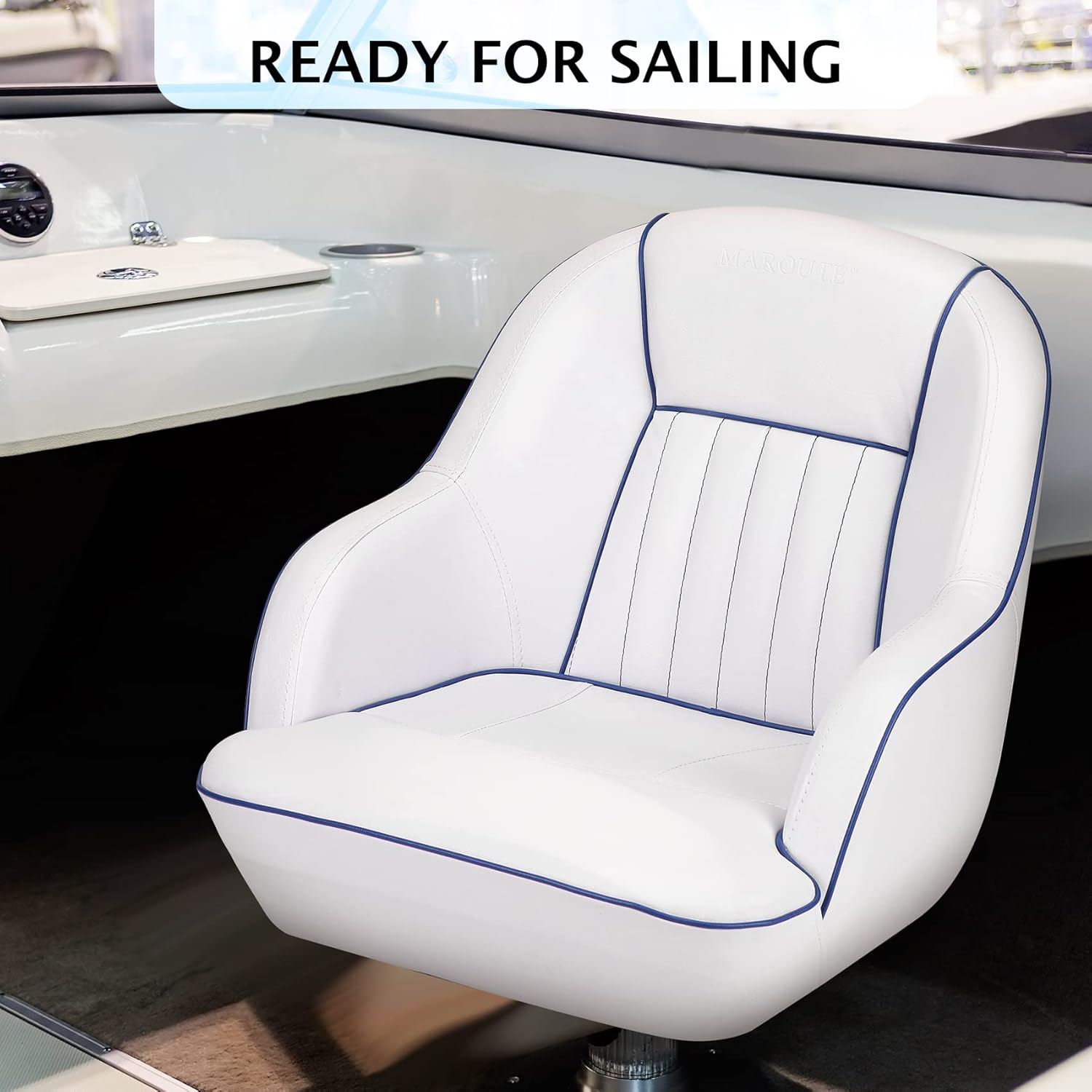
Next, study the cushion density and the shape of the bolster in both singular and flip bolster configurations. A good flip bolster lets you lean in a semi standing position, while a fixed bolster seat suits slower displacement yachts that rarely pound. Many premium series helm designs now offer modular options so you can specify a narrow helm seat for a tight location or a wider helm bench for a cruising pontoon boat that carries family and friends.
Finish materials matter as much as structure, especially when you compare teak trim with bare plastic. Teak arm caps on helm chairs feel warmer to the touch, while stainless steel grab handles give a secure grip when the boat reacts to a beam sea. When you evaluate any product page for helm seats, always scroll to view details and click expand on the technical drawings before you commit.
Materials, corrosion resistance, and long term maintenance
Every helm seat lives in a harsh marine environment where salt, UV, and vibration constantly attack materials. Frames in polished stainless steel or marine grade aluminium resist corrosion far better than mild steel, especially on an open pontoon boat or flybridge. If you run a fast boat in warm climates, the reaction between salt spray and cheap hardware quickly shows as rust streaks under the seats.
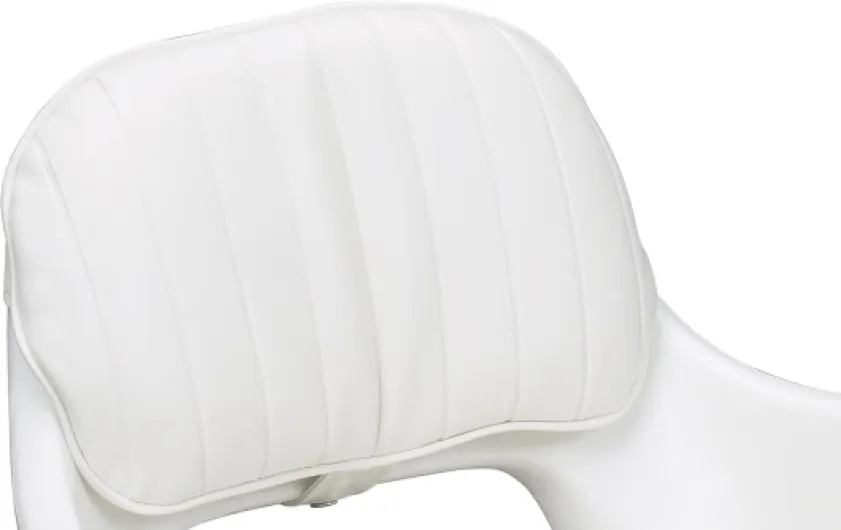
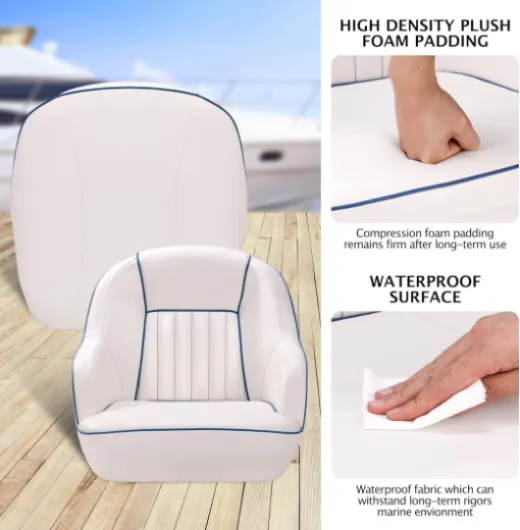
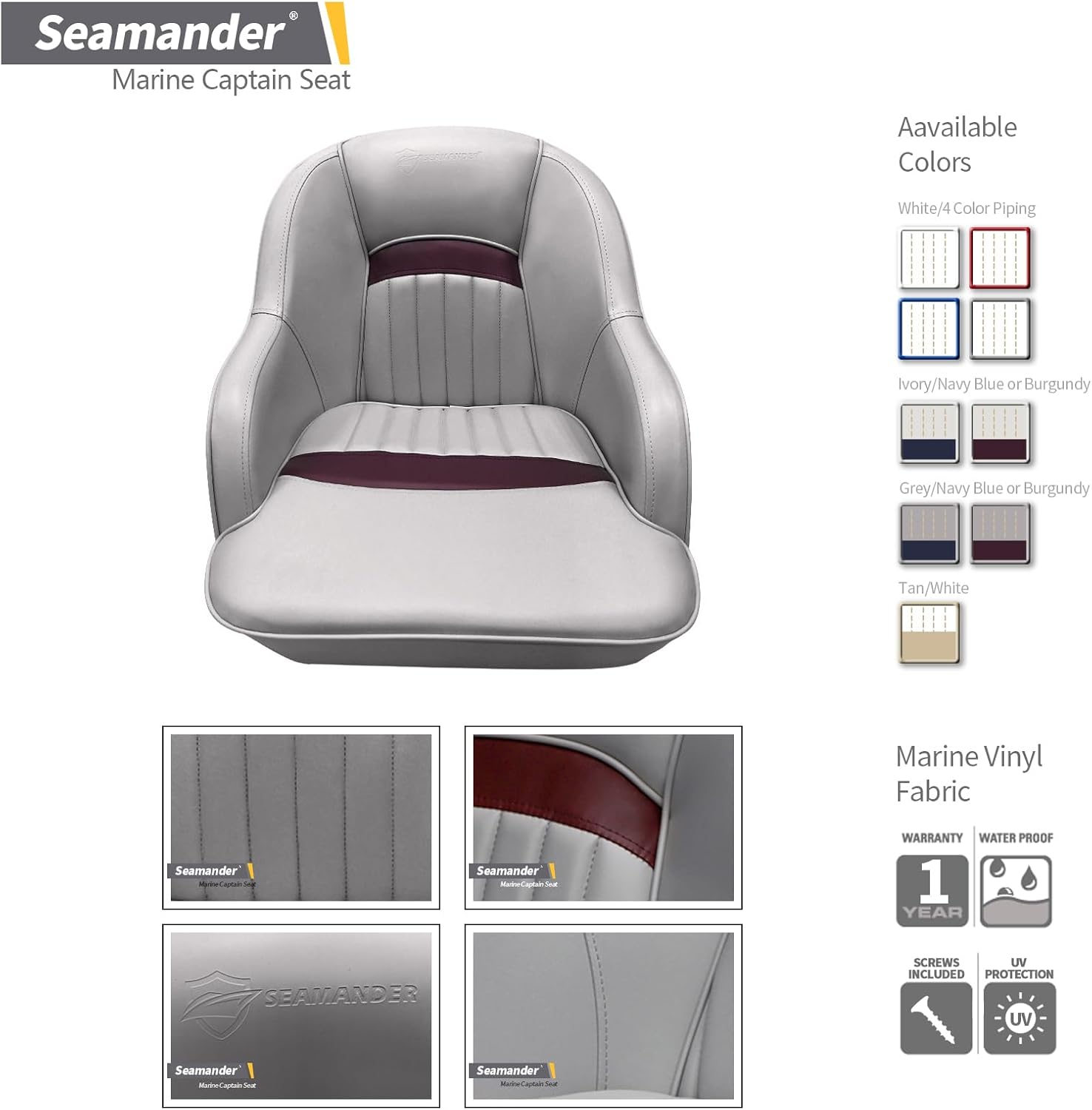
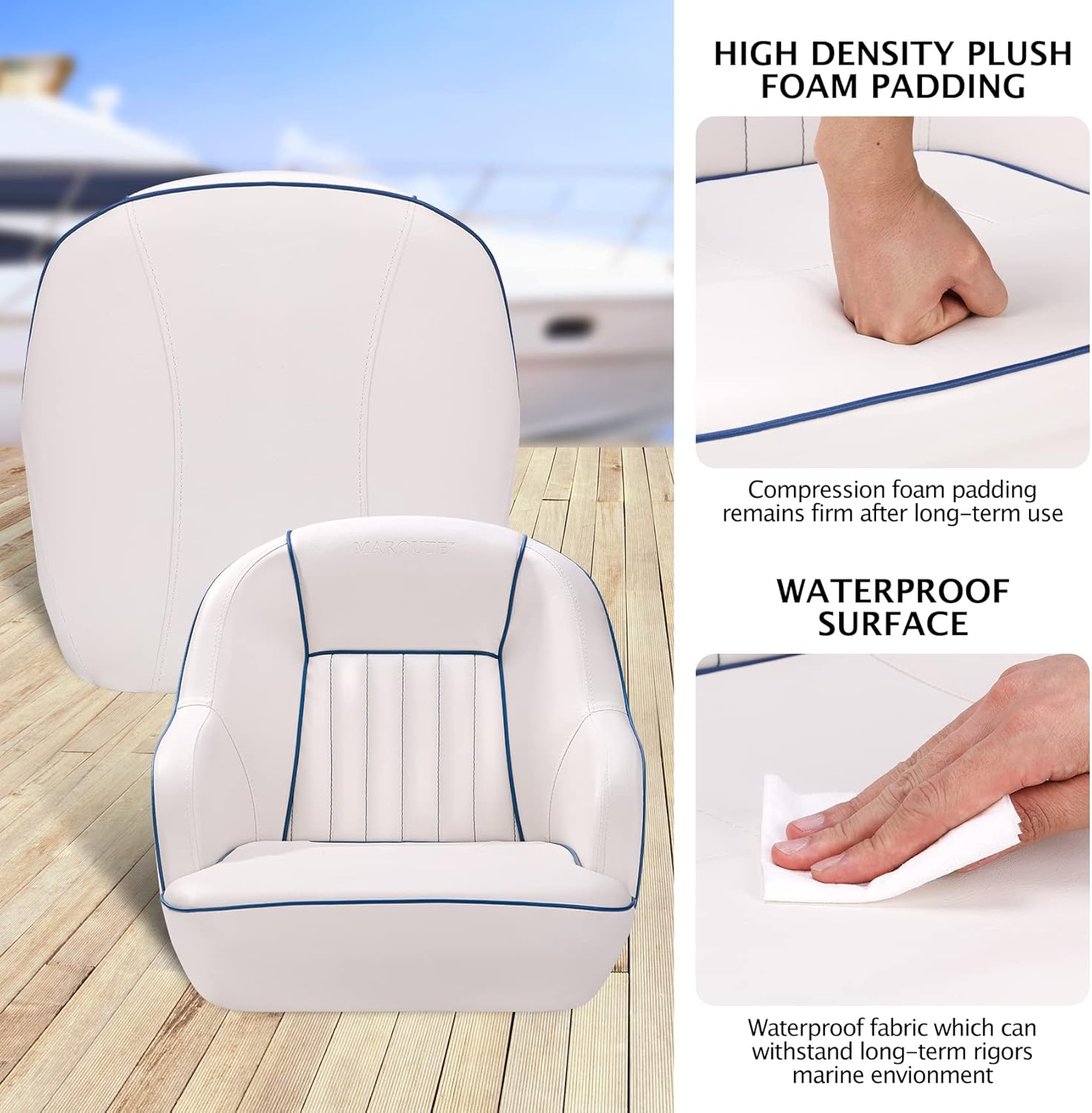
Upholstery on the best boat helm seats usually combines high density foam with UV stable vinyl or outdoor fabric. Lighter colours keep the seat cooler, while darker tones hide marks from regular use and wet gear. For owners who specify teak details around the helm, regular cleaning and oiling prevent the golden surface from turning grey and rough, which can affect grip when you slide into the chair.
Maintenance routines should be joined with your wider yacht care schedule, including checks on marine refrigerators, exterior upholstery, and deck hardware. When you inspect the helm bench, also look at stitching, hinge bolts on any flip bolster, and the mounting plates that secure the helm chair to the deck. A simple habit of rinsing salt, then drying the boat seats before covering them, extends service life and protects both comfort and resale price.
Ergonomics, helm location, and tech upgrades at the wheel
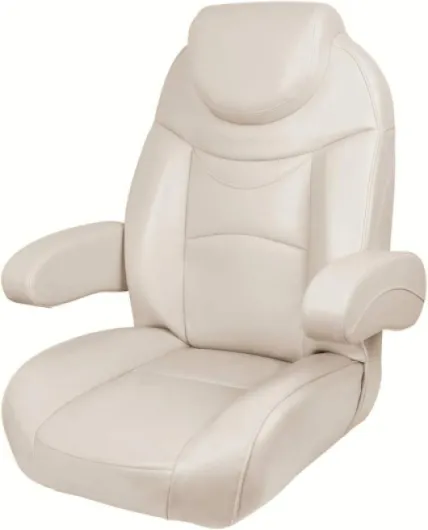
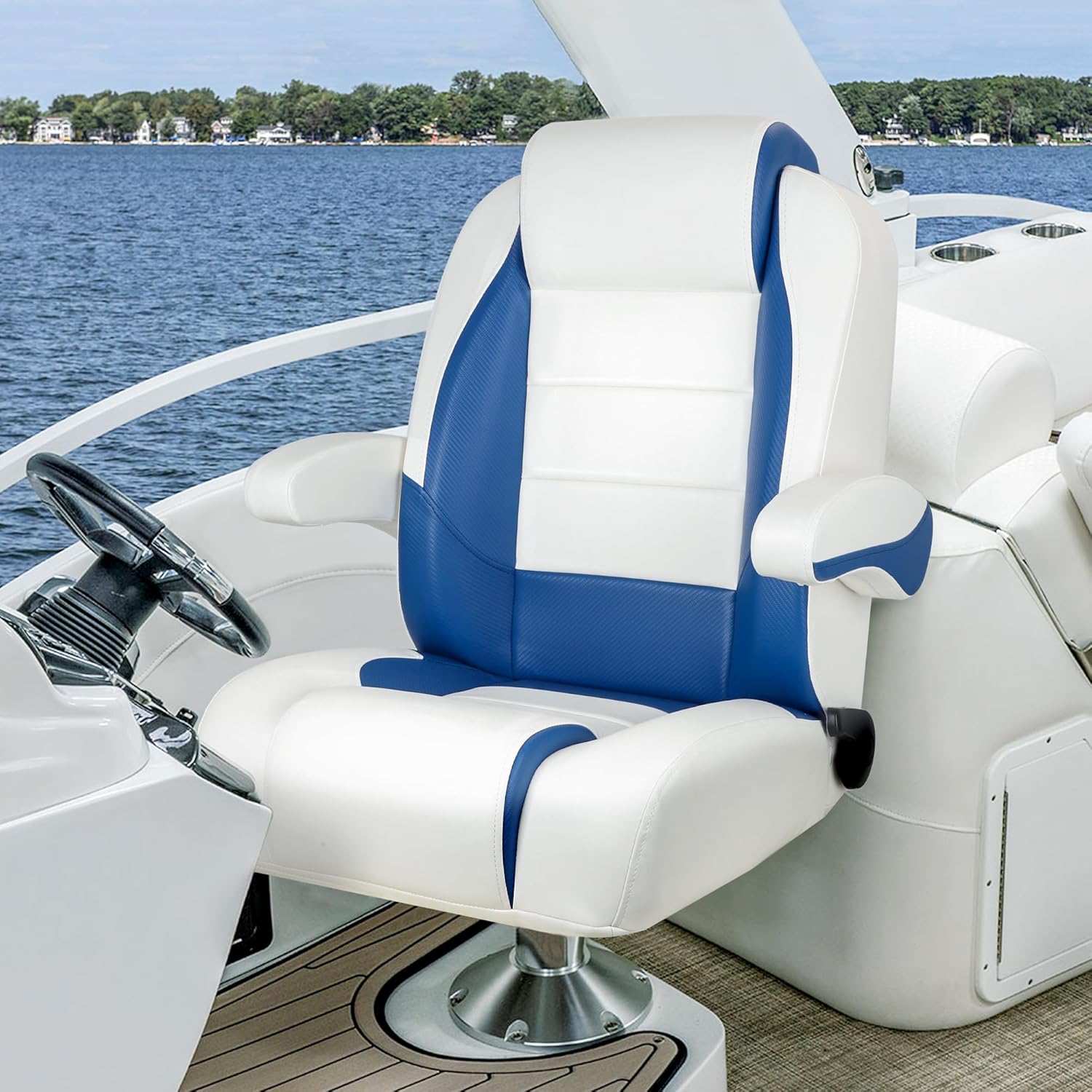
Ergonomics at the helm start with the relationship between the helm seat, steering wheel, and throttle controls. The best boat helm seats allow fine adjustment of height, fore and aft travel, and sometimes even recline, so your shoulders relax while your hands rest naturally on the wheel. When the helm location forces you to hunch or twist, your reaction time drops and fatigue messages build in your lower back and neck.
Modern tech upgrades such as digital throttles, joystick docking, and large multifunction displays change how you interact with the boat helm. A well positioned helm chair keeps your eyes level with the horizon while still allowing a clear view of navigation screens and engine data. On refits, many owners now replace old fixed helm benches with adjustable helm seats that better match these new control layouts and reduce the need to lean forward.
Comfort also depends on how the helm seats integrate with adjacent gear like swim platforms and dock protection. As you stand from the helm bench to step aft toward a high quality swim platform, your body should move in one fluid line without obstacles. If you often berth in tight marinas, consider pairing upgraded helm chairs with robust dock bumpers so the boat seats and interior remain protected from sudden contact.
Comparing prices, product details, and real value
Price comparisons for helm seats only make sense when you examine full product specifications. A low unit price might look attractive, yet the real price unit per year of service can be higher if the seat fails early. When you evaluate the regular price of a helm chair, always check frame material, cushion density, stitching quality, and mounting hardware before judging value.
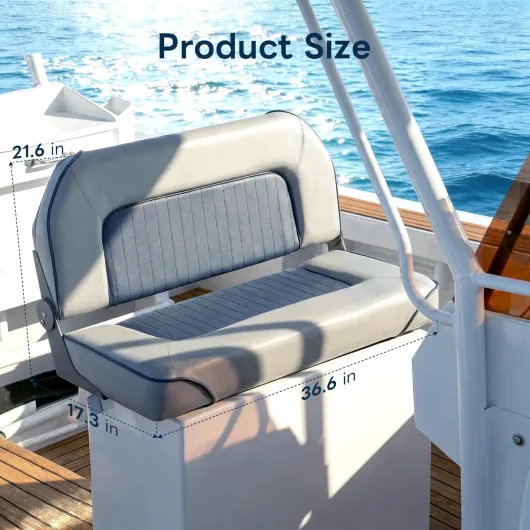
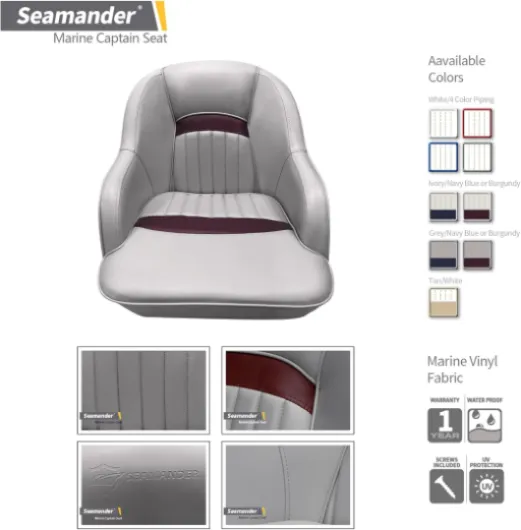
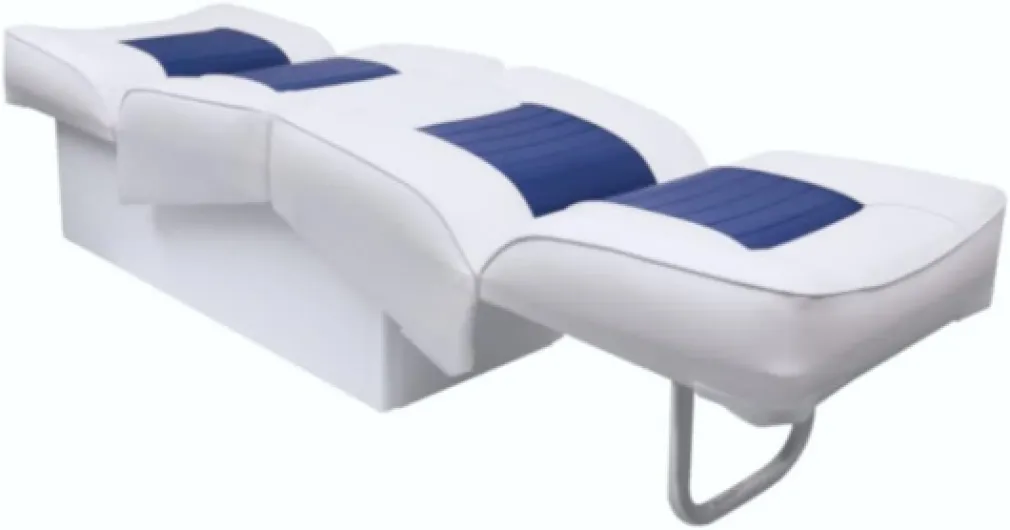
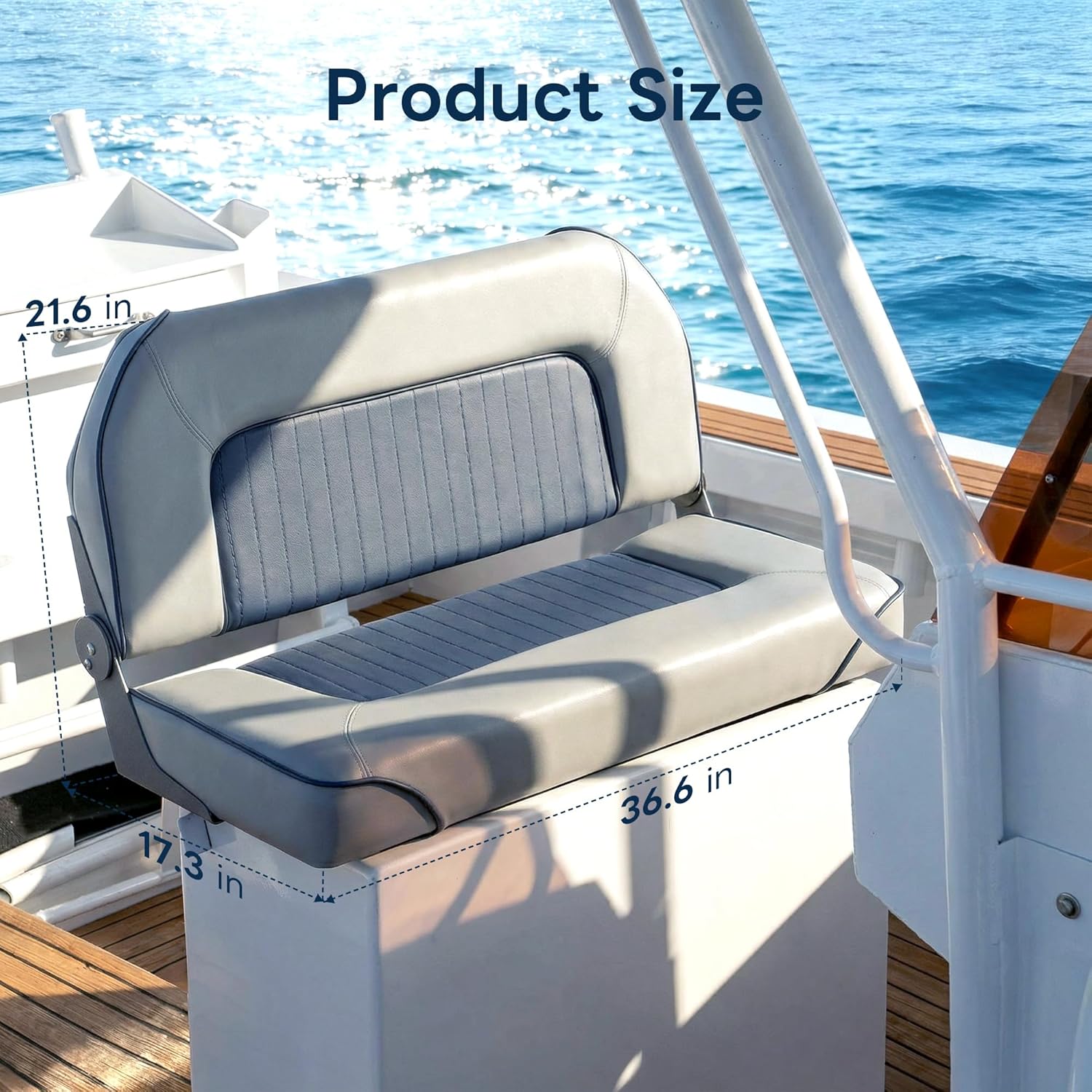
Many manufacturers now present helm chairs as part of a coordinated series helm range, with matching boat seats for passengers and a convertible helm bench. On these product pages, use the view details or click expand functions to study drawings, dimensions, and available options add such as armrests, flip bolster kits, or teak trim. The best boat helm seats often sit in the upper mid price band, where you gain robust stainless steel hardware and durable upholstery without paying for purely cosmetic extras.
When you read owner messages or forum threads, focus on comments about long term comfort and reaction to rough water rather than first impressions. A high reaction score from experienced skippers usually reflects hundreds of hours at the helm, not just a short sea trial. Over time, a well chosen helm seat or set of helm seats protects your body, preserves your focus, and quietly repays its price every time you return from a demanding passage feeling fresh.
Best practices for installing and maintaining helm seats on yachts
Correct installation of helm seats is as critical as the product choice itself. Always ensure the deck structure under a helm chair or helm bench is reinforced, especially on lightweight pontoon boats or high speed RIBs. If the mounting base flexes when the boat reacts to waves, both comfort and safety suffer, no matter how advanced the seat design.
During installation, align the helm seat carefully with the steering axis and primary view lines through the windscreen. On dual station yachts, try to keep the geometry between upper and lower helm seats consistent so your muscle memory transfers easily between locations. Many professional yards now use templates or laser tools to position boat seats precisely, reducing the risk of misalignment that can cause subtle but constant strain.
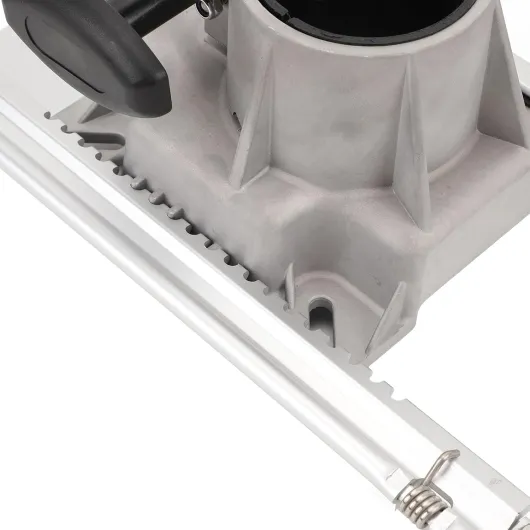
Ongoing maintenance should include checks on all moving parts, especially sliders, swivels, and flip bolster hinges that carry repeated loads. Lubricate stainless steel components with marine grade products, and tighten fixings at least once per season or after any hard passage. By treating your best boat helm seats as critical control equipment rather than simple chairs, you ensure that every hour at the boat helm remains safe, comfortable, and fully under your control.
Key figures on helm seats and yacht comfort
- Practical testing by marine ergonomics consultants indicates that reducing lower back compression through improved helm seat design can extend comfortable helming time by one to two hours on long passages, which directly affects safety margins in challenging conditions.
- Refit yard feedback and internal customer surveys suggest that upgrading from basic boat seats to premium helm chairs typically represents a small fraction of a refit budget, yet owners consistently rate the comfort gain among the top three perceived improvements after major work.
- Technical data sheets from marine upholstery suppliers show that high density marine foam in helm seats is often specified in the 1.8–2.5 lb/ft³ range and can retain most of its original firmness for many seasons when properly protected from UV and moisture.
- Brokerage reports on pontoon boat and small yacht sales frequently note that models offered with adjustable helm benches and flip bolster options achieve stronger resale interest compared with similar boats fitted with fixed, non adjustable seats.