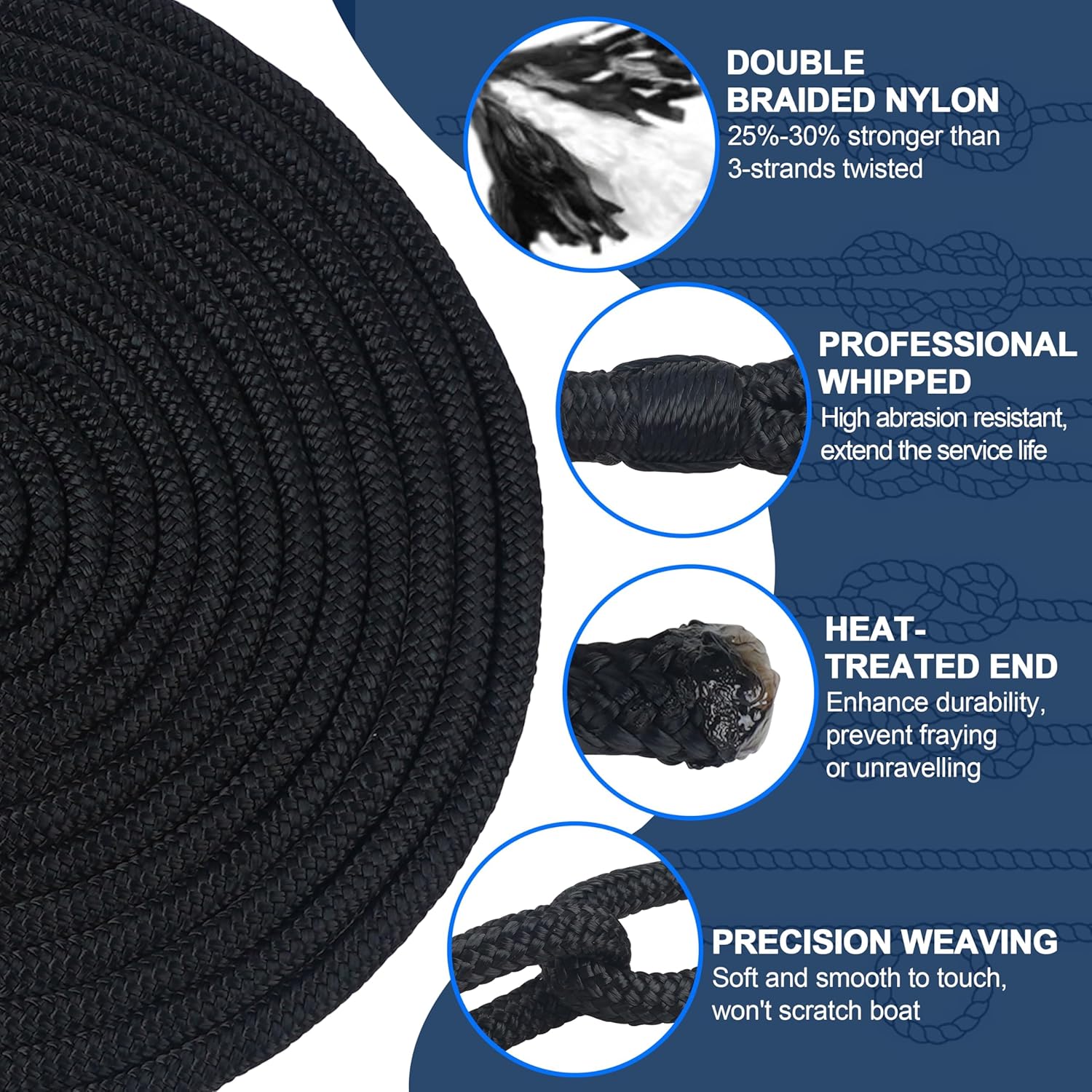
Materials and construction: nylon rope, double braid and high strength safety
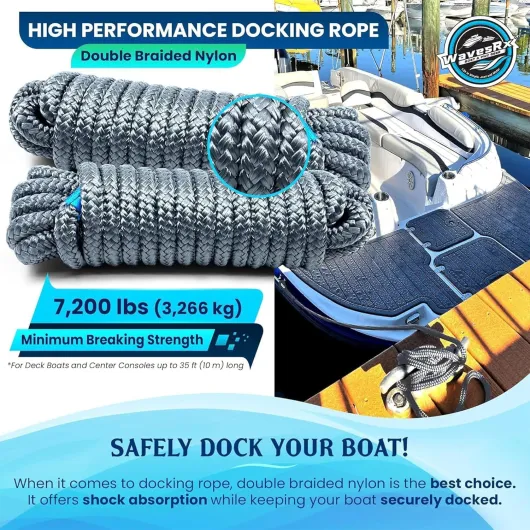
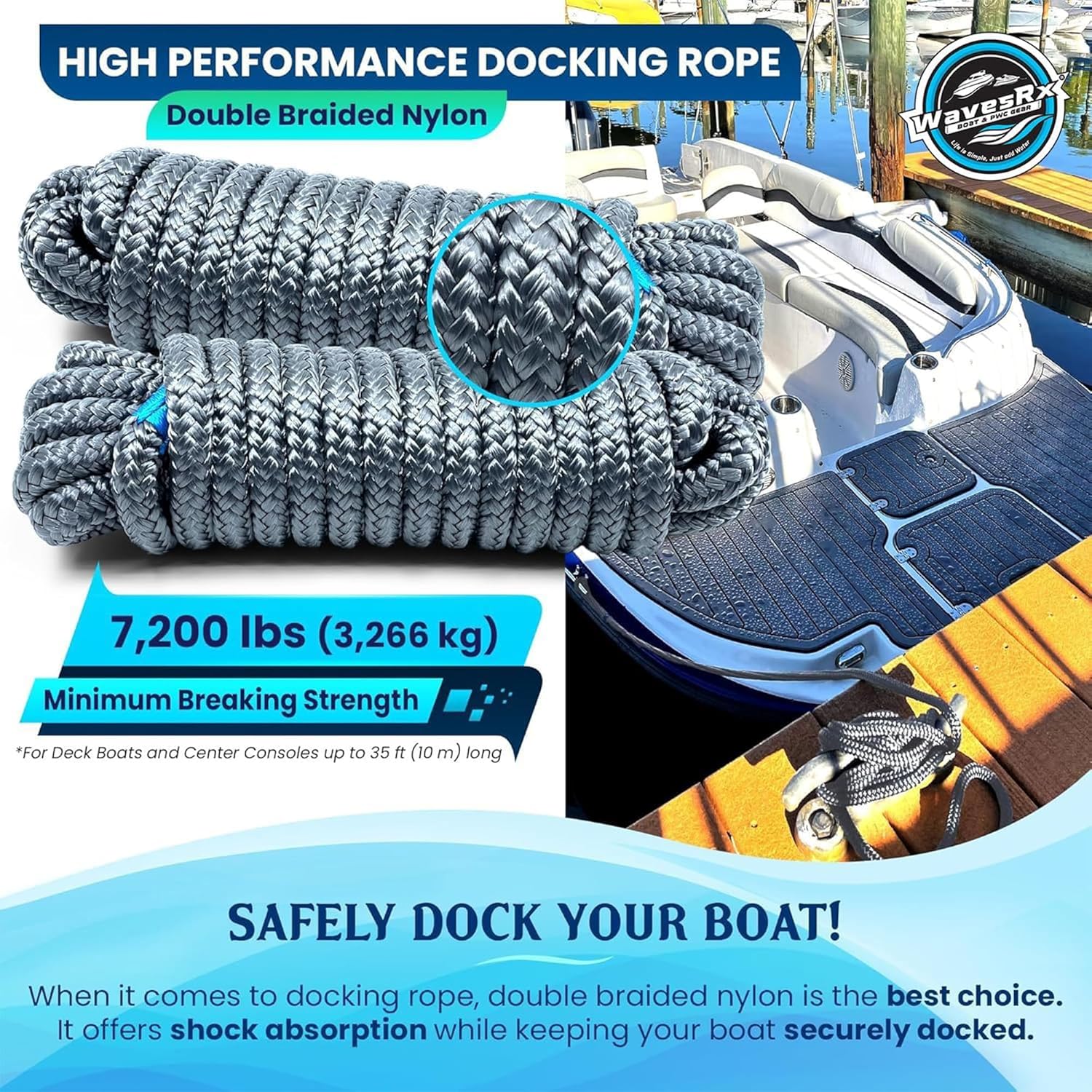
Material choice sits at the heart of any discussion about the best boat docking lines. For yachts, braided nylon has become the reference standard because it combines elasticity, abrasion resistance, and long term durability in a harsh marine environment. A well specified nylon rope absorbs shock loads gracefully, which keeps both your cleats and your mooring hardware within safe working limits.
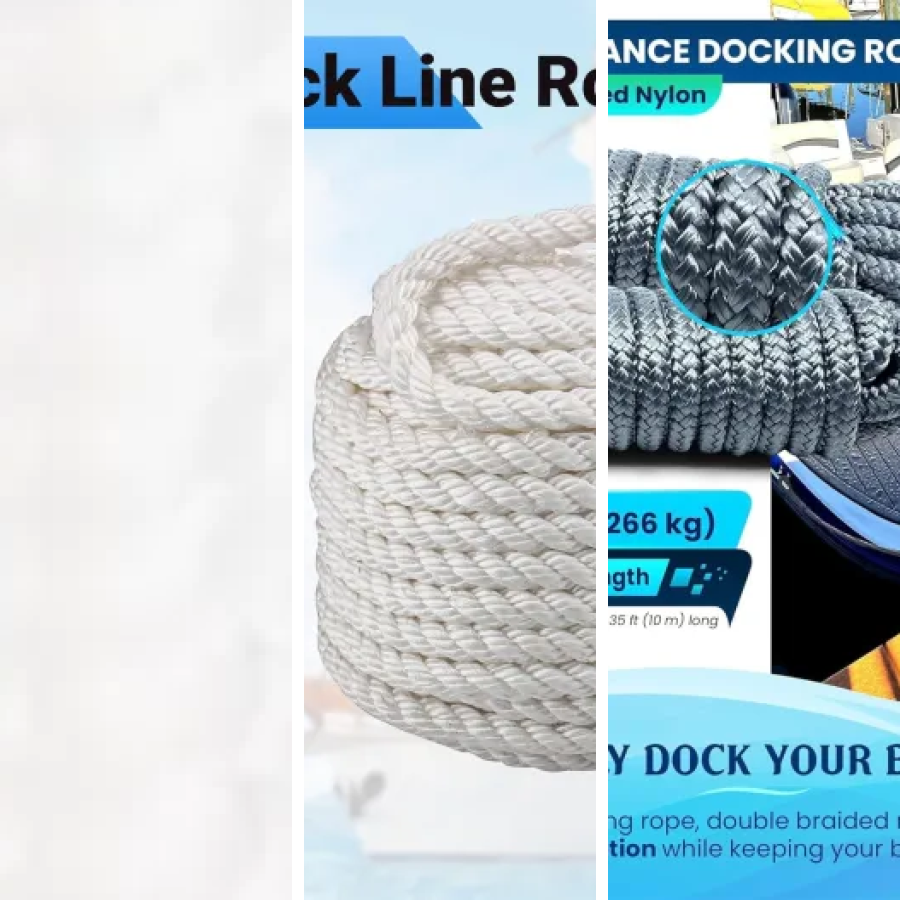
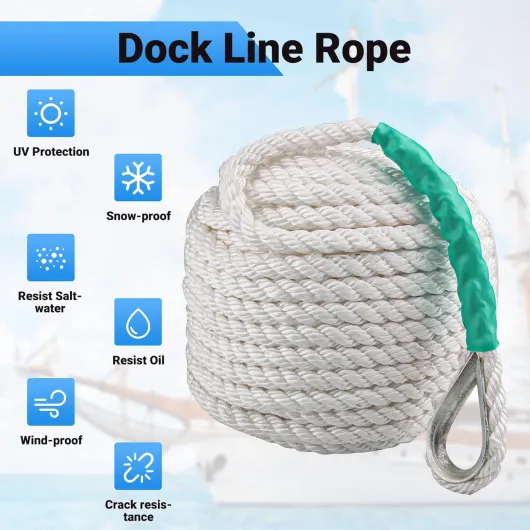
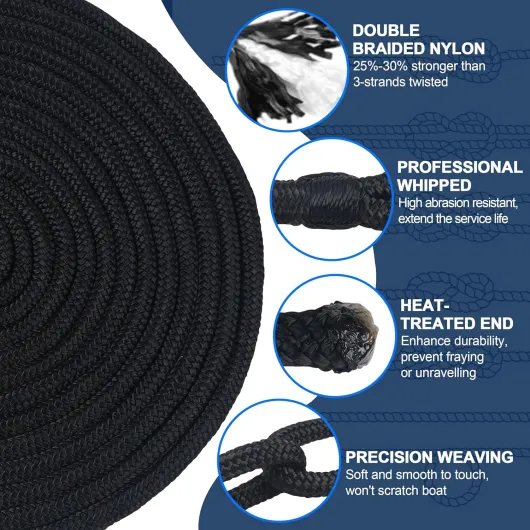
Within nylon dock options, you will typically compare three constructions for dock lines and mooring lines. Three strand ropes offer excellent stretch and a traditional look, while double braid and braid nylon constructions deliver a smoother hand, higher strength for a given diameter, and less tendency to kink. Many yacht owners now favor double braided marine rope in a practical black color, often buying a coordinated set of pre cut dock lines and matching fender lines to simplify their onboard inventory management and visual organization.
When you evaluate a rope double configuration for your boat, pay attention to both the core and the cover. A true double braid line uses a braided core and a braided outer jacket, which together provide high strength and good resistance to chafe against rough pontoons or boat fenders. For heavy yachts or exposed berths, step up one size in diameter for each primary dock boat line, then pair those lines with quality tie down gear such as the options covered in this guide to reliable boat tie down straps for transport and storage.
Sizing, length and configuration of dock lines for different yachts
Correct sizing transforms even average ropes into the best boat docking lines for your specific yacht. A common rule of thumb is that each primary dock line should be roughly two thirds of your boat length, with at least one longer spring line equal to the full length of the boat. For a 15 metre yacht, that means standard dock lines of about 10 metres and a pair of 15 metre springs to control fore and aft movement at the dock.
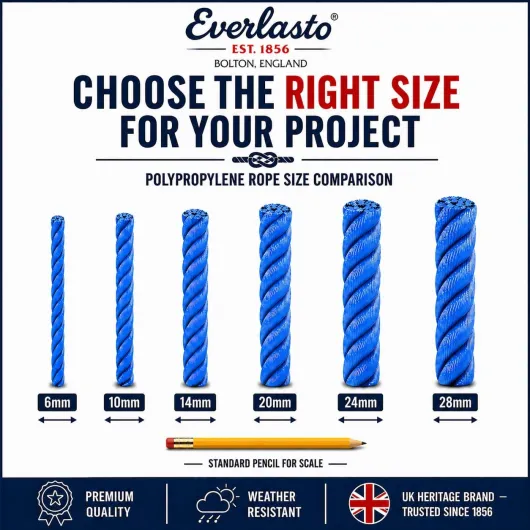
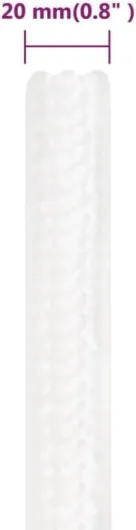
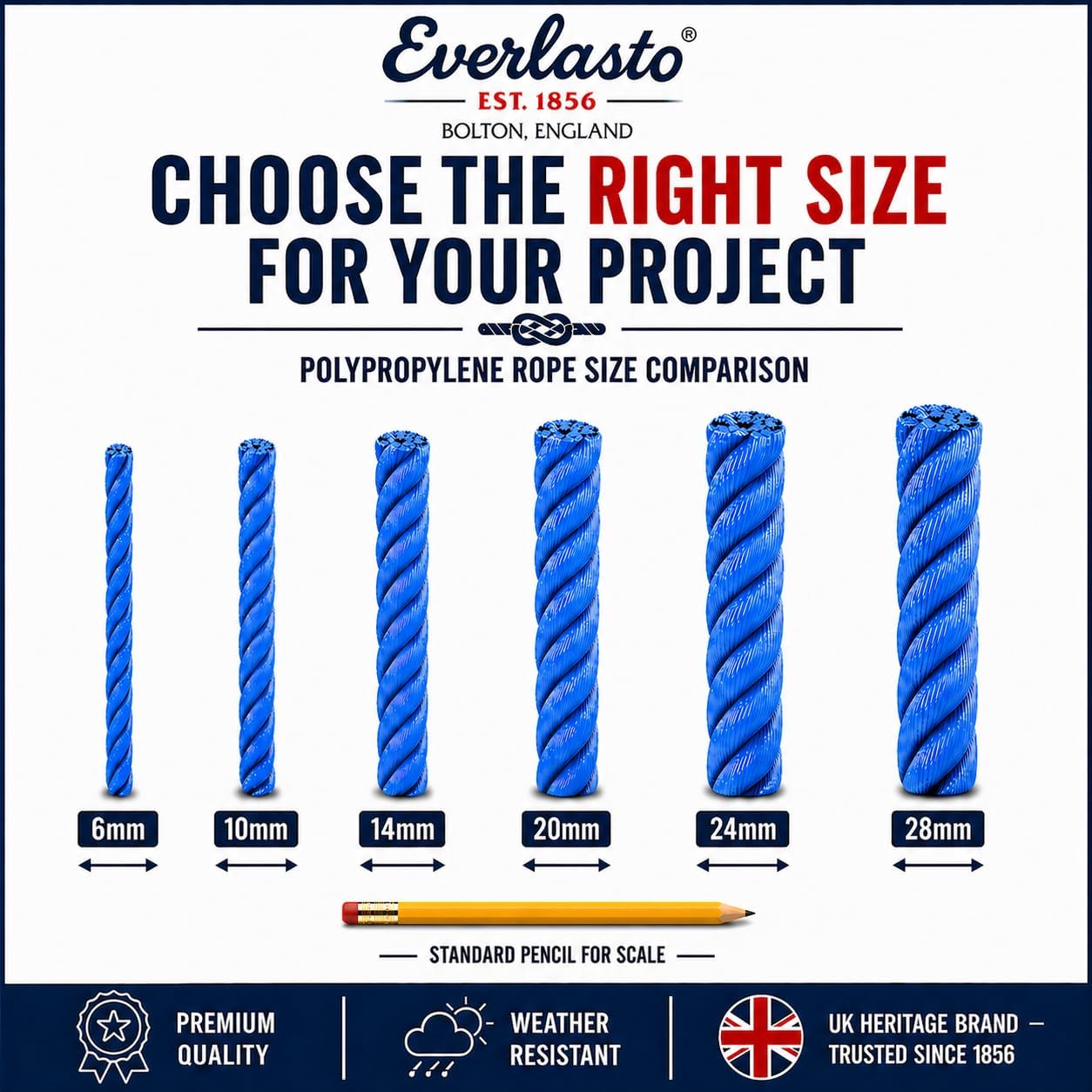
Diameter is just as important as length when specifying nylon rope or braided nylon for mooring. Lighter boats can safely use 10 or 12 millimetre double braid lines, while heavier yachts often step up to 14 or 16 millimetre marine rope to gain extra high strength and more comfortable handling. Many owners choose black double braided lines for their primary boat dock setup, then keep a separate pack of lighter white lines rope for temporary rafting or tender use, which keeps wear off the premium set that protects the main yacht.
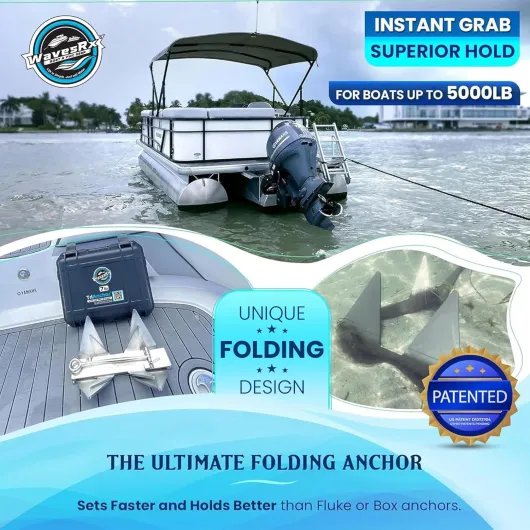
Configuration also matters, especially in marinas with strong crosswinds or surge. Use a balanced pattern of bow, stern, and spring dock lines so that no single rope double arrangement carries all the load when a gust hits your boat fender or pushes the hull against the pontoon. In more exposed marine locations, combine robust mooring lines with a properly sized anchor system, drawing on specialist guidance such as this overview of top boat anchors for marine use to complete your safety plan.
Color, hardware and accessories that enhance docking safety
Visual clarity plays a subtle but important role when selecting the best boat docking lines for a busy yacht. Dark colored ropes such as black double braid can frame the sheerline elegantly, while lighter lines rope makes it easier for crew and guests to see trip hazards on deck. Many owners choose a dark primary set of dock lines for the hull sides and contrasting fender lines for the boat fenders, which keeps the overall view of the deck tidy and functional.
Hardware and accessories complete the system and should never be treated as an afterthought. High quality stainless steel thimbles, chafe guards, and low friction fairleads help your nylon rope or braided nylon lines last longer under real world mooring loads. When a swell lifts your yacht against the dock boat structure, those small details prevent the outer braid nylon cover of your marine rope from wearing through, which preserves the high strength core that actually keeps your boat secure.
Thoughtful owners also standardize their gear to simplify inventory management and safety checks. They might keep a labeled pack of spare dock lines, a separate bag for fender lines, and a small box for critical accessories such as shackles and soft loops, all stored near the cockpit for easy access. This organized approach means that when you need to rig an extra nylon dock spring or adjust a boat fender in a hurry, you are not hunting through lockers or relying on worn, unrated ropes that no longer match the original specification.
Maintenance routines and safety inspections for docking lines
Even the best boat docking lines degrade over time, especially under ultraviolet light and constant load cycling. A disciplined inspection routine ensures that every rope and every set of dock lines continues to perform as originally rated, rather than becoming a hidden weak link in your mooring system. Yacht captains who treat lines as consumable safety equipment, not permanent fittings, dramatically reduce the risk of failure during a storm or strong surge at the dock.
Start with a visual and tactile check of each nylon rope and braided nylon line at least once per month during the active season. Run the rope double through your hands to feel for hard spots, flat sections, or broken yarns in the double braid cover, then inspect high wear areas near cleats, fairleads, and boat fenders for signs of chafe. Any marine rope that shows core exposure, severe discoloration, or stiffness should be downgraded to light duty use or removed from service entirely, even if the original price was high or the line once carried five stars in an online review.
Cleaning and storage also influence longevity and safety. Wash salt and grime from your dock lines with fresh water, then dry them out of direct sun before stowing them in a ventilated pack or mesh bag to keep the inventory organized and content free of mildew. When you rotate lines seasonally, update a simple log as part of your onboard inventory management, noting which mooring lines are new, which are mid life, and which are approaching the point where proactive replacement is cheaper than dealing with emergency returns exchanges after a failure.
Evaluating quality, ratings and value when buying dock lines
Choosing the best boat docking lines involves more than picking a color and a length from a catalog. You are balancing rated strength, handling comfort, durability, and price against the specific risks of your home marina and cruising grounds. For a high value yacht, the cost of premium double braided marine rope is trivial compared with the potential damage from a parted line during a storm.
When you compare options, look beyond marketing claims and focus on verifiable specifications. Reputable marine brands publish breaking loads, construction details such as double braid or three strand, and clear guidance on appropriate boat sizes for each diameter of nylon dock line. Pay attention to real owner feedback as well, but interpret stars and ratings in context, giving more weight to reviews from skippers who moor similar boats in similar marine conditions rather than to generic comments about how easy a rope was to coil on a small lake boat.
Value also includes after sales support and clear policies for returns exchanges, especially when you are ordering a full pack of dock lines and fender lines for a new yacht. Some suppliers offer curated bundles that include primary mooring lines, spare ropes, and matching boat fender lines, which simplifies both purchasing and long term inventory management. For a holistic safety setup, pair those lines with robust anchoring and ground tackle, using specialized guidance such as this analysis of top anchor windlasses for boats to ensure that your yacht remains secure both at the dock and at anchor in demanding marine environments.
Key figures on yacht docking lines and mooring safety
- Industry testing by several marine rope manufacturers shows that high quality braided nylon dock lines can retain more than 80 percent of their original strength after 1 000 load cycles, while low grade ropes may lose over 40 percent under the same conditions, which highlights the safety value of premium double braid constructions. For context, many test programs follow procedures similar to ISO 2307 or Cordage Institute guidelines for synthetic fiber rope performance.
- Insurance surveys from major yacht underwriters indicate that a significant share of marina damage claims involve parted or improperly rigged mooring lines, with many incidents occurring during short but intense squalls when loads on each rope double or triple in seconds. Reports from organizations such as the American Boat and Yacht Council (ABYC) and national marine insurers regularly emphasize correct line sizing and redundancy.
- Laboratory data published by established cordage companies confirms that nylon rope typically offers around 20 to 30 percent elongation at working load, compared with less than 10 percent for polyester, which explains why nylon dock lines are preferred for absorbing shock loads on yachts. These values are consistent with manufacturer datasheets and standards like EN ISO 14687 for synthetic ropes.
- Field studies in busy marinas have shown that adding correctly sized boat fenders and dedicated fender lines can reduce hull scuffing and gelcoat damage by more than half, especially when combined with properly sized and positioned dock lines on both bow and stern. Practical guidance from ABYC and similar bodies supports the use of multiple fenders at typical contact points.
- Comparative pricing analyses in the marine sector reveal that upgrading from basic three strand ropes to premium double braided dock lines usually represents less than one percent of the annual operating budget for a mid size yacht, yet significantly improves safety margins during heavy weather mooring. Trade publications and dealer cost breakdowns consistently show that high quality mooring gear is one of the lowest cost, highest impact safety investments on board.