
Summary
Editor's rating
Value for money: cheap and usable, but with clear trade-offs
Basic cam cleat design that works, with some rough edges
Stainless steel and nylon, but clearly budget-grade
Durability: OK so far, but quality control seems inconsistent
Performance: fine for light lines, not for heavy loads
What you actually get in the pack
Pros
- Low price for a 2-pack compared to big-name marine brands
- Ball bearing cams give reasonably smooth rope entry and release
- Works fine for light-duty lines (around 6–8 mm) on small boats, kayaks, or DIY projects
Cons
- Plastic body feels fragile and can likely crack if over-tightened or heavily loaded
- Inconsistent quality control, with at least one report of the cleat disintegrating out of the box
- Not suitable for high-load or critical applications where reliability really matters

Specifications
View full product page →| Brand | Yctze |
Cheap cam cleats for light-duty use, but quality is hit or miss
I put this Yctze 2-pack of boat cam cleats on a small dinghy and a beach cat to see what they were worth. I mainly wanted something cheap for light control lines, not for anything critical like the main sheet or mooring. On paper, they tick a lot of boxes: stainless bits, nylon body, ball bearings, and they’re sold as being suitable for sailboats and general marine use.
In reality, it’s a very budget product. You can feel it the moment you take it out of the box: they’re light, the plastic doesn’t feel very confidence-inspiring, and the machining on the metal parts is just okay. Not horrible, but definitely not at the level of big marine brands. The Amazon rating around 3.6/5 fits my own impression: not total junk, but far from rock solid either.
I used them for about two weeks on a small lake boat to hold a light control line (outhaul and a simple barber hauler). No racing, no heavy loads, nothing too crazy. In that context, they did their job: they clamp the rope, they release when you pull up, and the ball bearings help with smoother entry compared to very basic plastic cleats I’ve used before.
But I wouldn’t put anything important on them. One of the Amazon reviews says the thing basically fell apart right out of the box, and I can see how that could happen if you get a bad batch or over-tighten the mounting screws. So if you’re tempted by the price, it’s fine, just understand what you’re buying: low-cost cleats for light duty, not something I’d trust offshore or for high loads.
Value for money: cheap and usable, but with clear trade-offs
Price-wise, this Yctze 2-pack sits in the budget range compared to big-name marine brands. For the cost of one higher-end cam cleat, you often get two of these, which is exactly why I tried them: I wanted to see if they were "good enough" for non-critical lines on small boats. And in that narrow role, I’d say the value is decent, as long as you know what you’re accepting.
What you get for the money: working cam cleats with ball bearings, stainless and nylon construction, and an integrated fairlead. They do the basic job of grabbing and releasing line without too much drama. If you’re rigging a cheap dinghy, a kids’ boat, or some DIY project like a kayak anchor system, saving money here can make sense. If one fails, it’s annoying, but it’s not like you’ve lost a big investment.
On the flip side, you’re trading off consistency and long-term reliability. The average rating around 3.6/5 and that 1-star "fell apart" review tell you quality control isn’t perfect. Also, you don’t get any of the extra reassurance you’d have with a well-known brand: no detailed specs, no proper documentation, and materials that feel thinner and less robust. For gear that your safety depends on, that’s not where I’d cut corners.
So in terms of value, I’d put it this way: they’re good value for light, non-critical use, and questionable value if you’re thinking of pushing them hard. If you just need something cheap that basically works and you’re okay replacing it sooner if it fails, it’s a reasonable buy. If you want hardware you can install and forget for seasons of regular sailing, I’d spend more and skip this set.
Basic cam cleat design that works, with some rough edges
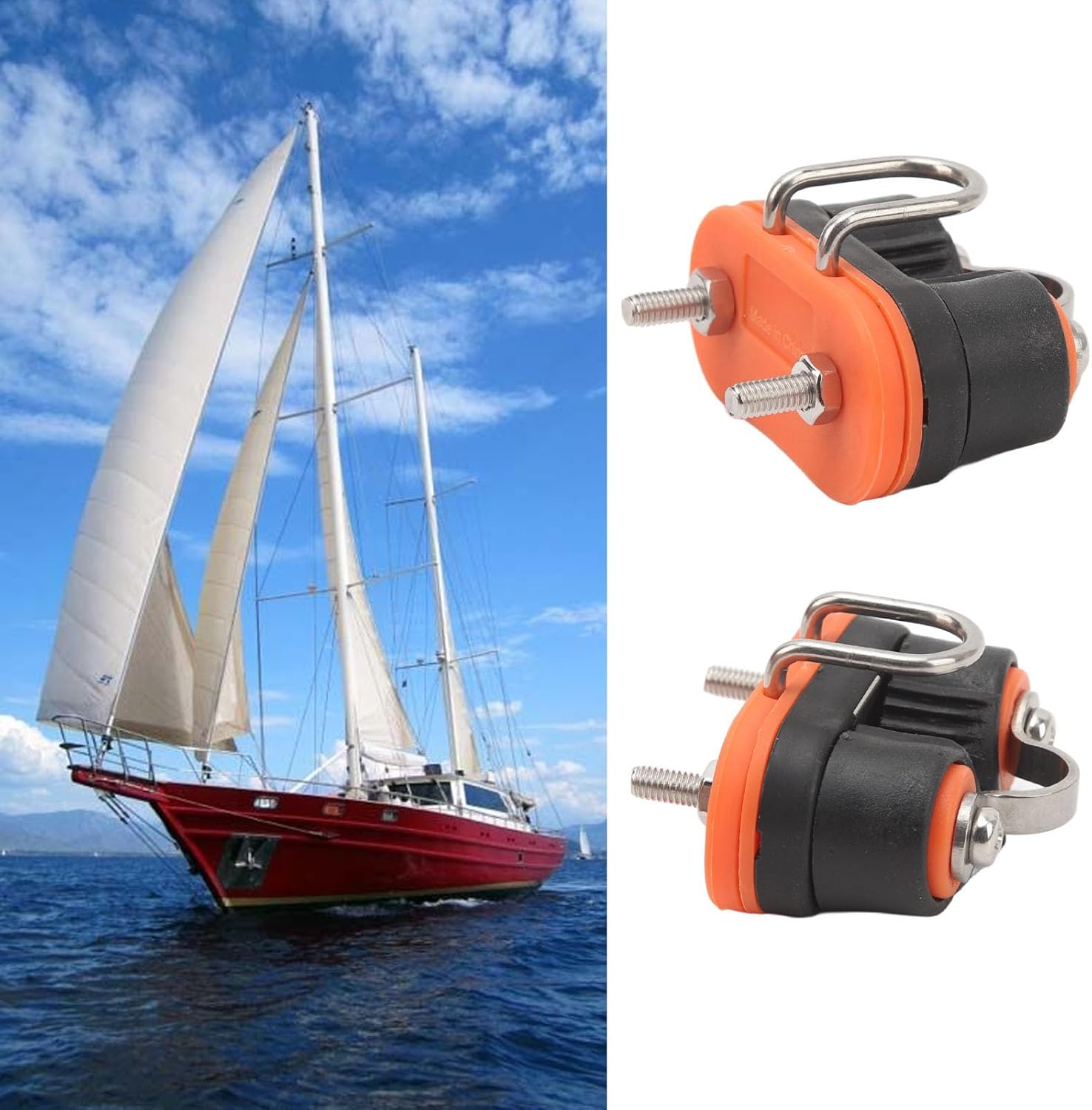
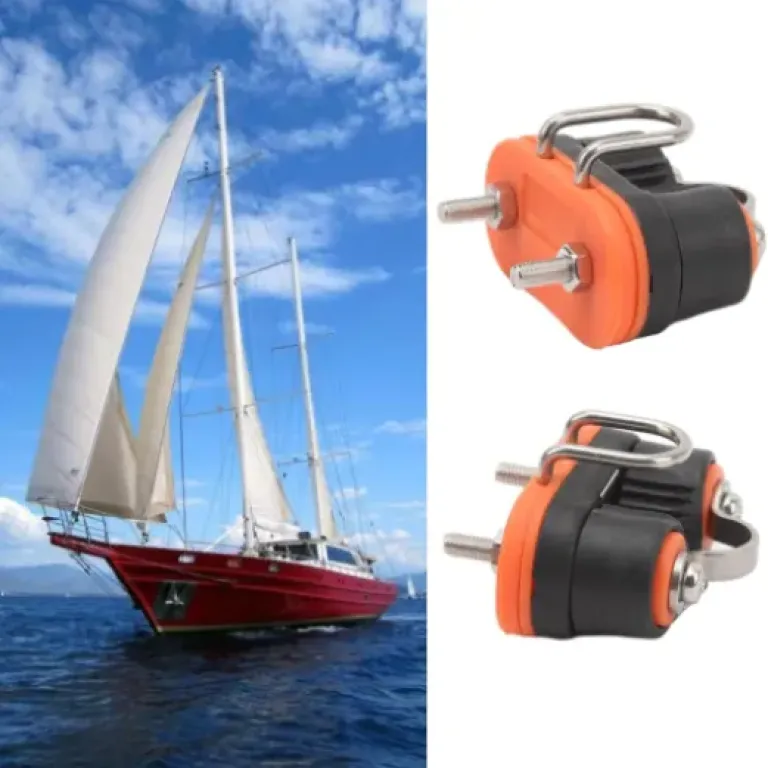
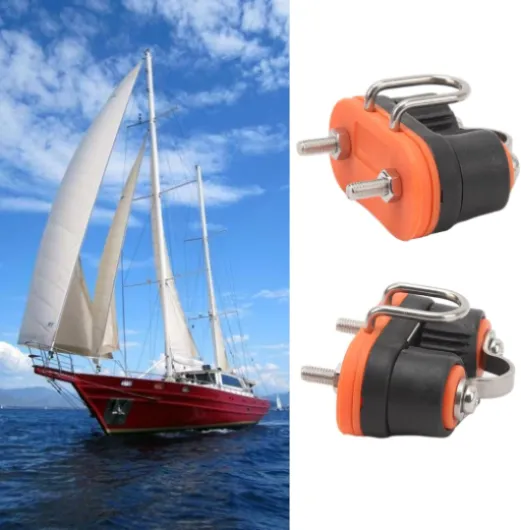
From a design point of view, these Yctze cam cleats follow a pretty standard formula. You’ve got a plastic (nylon) base, two cam jaws with teeth, and a metal wire fairlead on top. The cams themselves feel like they’re reinforced with metal at the pivot, and the listing mentions stainless steel and nylon, so it’s a mix of both. The overall footprint is small, which is handy if you’re tight on deck space on a dinghy or kayak.
Functionally, the design is fine. The jaws open enough to let the rope drop in easily from above, and the ball bearings under the cams help them snap back into place without much friction. When you pull the line, it locks with a decent bite. To release, you just flick the rope up and out. Nothing fancy, but the mechanism is familiar if you’ve used any cam cleat before. I didn’t experience any jamming during my tests, even when the rope was a bit sandy.
Where the design shows its budget side is in the finishing. The edges on the plastic are a bit sharp in places, and the metal fairlead isn’t as smooth as I’d like. I ran my finger along the wire and noticed some tiny rough spots. Not enough to instantly cut a rope, but enough that I’d be careful with softer or older lines. Also, the tolerance between the cams and the base is slightly loose, so there’s a small amount of play when the rope isn’t under tension.
In practice, for light-duty lines on a small boat, the design is acceptable. The concept is proven and it behaves how a cam cleat should. But if you’re picky about hardware, you’ll see and feel that this is a low-cost interpretation of a classic design. I’d happily use it on non-critical controls or a kayak anchor line, but not as the main sheet cleat on a performance dinghy.
Stainless steel and nylon, but clearly budget-grade
The listing pushes the fact that these are made from stainless steel and nylon, which is pretty much the standard combo for marine cam cleats. In theory, that means decent corrosion resistance and enough toughness for regular use on a small boat. In hand, though, you can tell this is not top-shelf stainless or the most robust nylon molding I’ve ever seen.
The nylon body feels quite light and a bit on the brittle side. I didn’t manage to crack anything during installation or use, but I was very careful not to over-tighten the mounting screws. Given one Amazon reviewer said theirs basically fell apart out of the box, I suspect there’s some inconsistency in the molding or maybe in quality control. If you crank the screws straight into a hard surface without a backing plate, I can see how you might stress the plastic and cause a fracture.
The stainless steel parts (the wire fairlead and the metal bits in the cams) look okay visually. No obvious rust spots after a couple of weeks of freshwater use, and one short test in brackish water didn’t bring up any instant corrosion either. But the finish isn’t super smooth: you can see small machining marks and feel minor roughness. For my use, it was acceptable, but I’d keep an eye on it if you’re in a full saltwater environment all season.
Overall, the materials are fine for the price, but I wouldn’t push them. For a casual sailor or someone rigging a small dinghy or SUP anchor system, stainless and nylon at this level are good enough. For regular coastal sailing, especially with higher loads or constant UV exposure, I’d personally spend more and get hardware with thicker, better-finished components. This Yctze set feels like "budget marina bin" quality rather than long-term offshore gear.
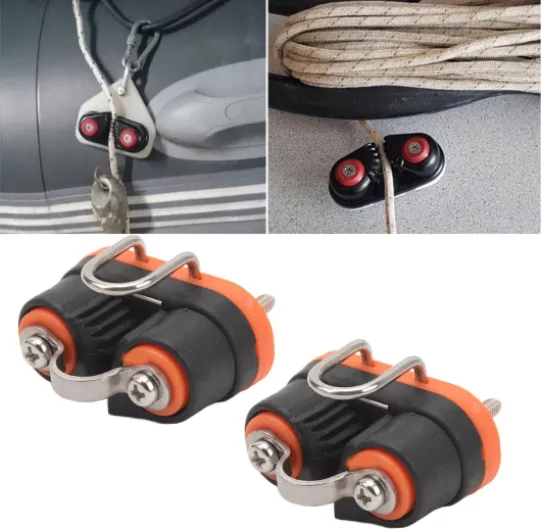
Durability: OK so far, but quality control seems inconsistent
On the durability side, my own experience has been fairly neutral: after about two weeks of use in mostly freshwater, plus a couple of days in slightly salty conditions, the cleats are still in one piece. No cracks, no obvious deformation, and the cams still move freely. The nylon hasn’t discolored yet, and the stainless parts haven’t shown any rust spots. But that’s a short test, and the product’s overall feel doesn’t scream long-term toughness.
The main concern is the mixed feedback from other buyers. One verified review says the unit basically disintegrated immediately after opening the package. I didn’t have that problem, but I can see how that might happen if the plastic batch was weak, or if the user tightened the screws too hard without a backing plate or proper bedding. The body doesn’t feel like it has a lot of margin for abuse, unlike some heavier-duty cleats I’ve used that can take a beating.
I tried to simulate some extra stress by loading the line and then jerking it a bit, like what happens when a boat hits a wake. The cleats held, but you can feel a bit of flex in the base. That’s not a great sign if you plan on leaving them permanently exposed on a boat that lives in a marina and sees a lot of daily motion. For a casual weekend sailor who rigs and derigs often and doesn’t leave the boat out all season, it might be fine. But I’d be cautious about expecting these to last for years under sun, salt, and constant load.
So for durability I’d say: acceptable for low-stress, occasional use; questionable for heavy or long-term marine duty. If you install them gently, use a backing plate or at least large washers, and keep them on light lines, they should last a while. If you treat them like premium hardware and expect them to shrug off abuse, you’re likely to be disappointed sooner or later.
Performance: fine for light lines, not for heavy loads
I tested these cleats mainly with 6 mm polyester double-braid on a small dinghy and a beach cat, using them for controls like outhaul and a simple barber hauler, nothing that sees wild shock loads. In that kind of use, they performed acceptably. The line snapped into the cams easily, the ball bearings helped the jaws move smoothly, and the rope held without major slipping as long as the load wasn’t too high.
Under moderate pull, the grip is decent. If I really yanked on the line, I could feel a tiny bit of creep, but nothing dramatic for light-duty setups. The release is straightforward: lift the rope up and out, and it comes free without needing to fight it. Compared to some very cheap all-plastic cleats I’ve used on kayaks, these feel a bit smoother thanks to the bearings. They’re not as precise or solid-feeling as higher-end brands, but again, the price is much lower.
Where I’d draw the line is using these for anything important: main sheet, jib sheet on a larger dinghy, or mooring lines. The body flexes slightly under higher tension, and that doesn’t inspire confidence. Also, the small play in the cams means you don’t get the same crisp lock you’d expect from better hardware. I also wouldn’t trust them in heavy chop or on a boat that regularly slams, as the repeated shock loads could reveal weaknesses in the plastic.
In practice, I’d rate the performance as "good enough" for: light sail controls, halyard parking on a small boat, anchor line on a kayak or SUP, or general utility lines around the boat. If you’re expecting professional-grade performance or planning to sail hard in strong wind, this isn’t the hardware I’d pick. It does the job in calm to moderate conditions if you stay within its limits and use suitable rope diameters.
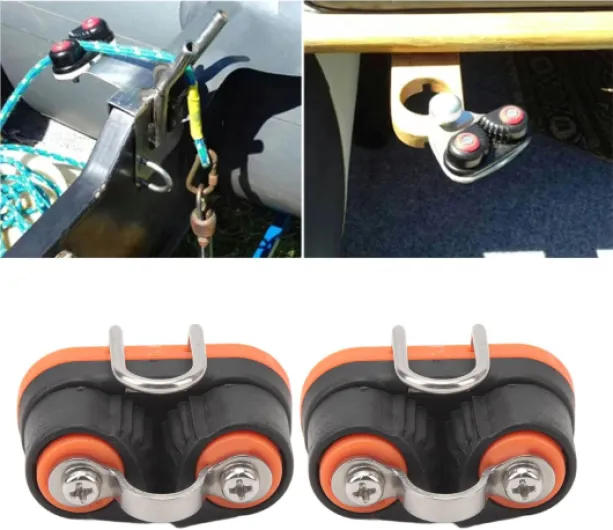
What you actually get in the pack
In the package you get two cam cleats, each with an integrated fairlead-style top guide. No screws, no backing plates, no instructions. Just the cleats in a small cardboard box with a plastic bag. The box is tiny (around 10 x 6 x 3 cm), which already tells you the cleats are on the smaller side. They’re light too, about 60 g total according to the listing, and that matches what I felt in hand.
The design is the classic cam cleat shape: two toothed jaws that pivot around a center axis, with small ball bearings underneath to help them move more freely. The top has a wire fairlead style guide, also metal, which helps keep the rope in line so it doesn’t jump out when the boat moves or the line goes slack. It’s basically a budget version of the more well-known brands’ cam cleats.
There’s no real documentation about recommended rope diameter or maximum load in the package. You have to rely on the Amazon listing and your own common sense. From my tests, anything around 6–8 mm rope works best. Thinner ropes slip a bit more, thicker ones are harder to snap in and out. I used 6 mm polyester double-braid, and that felt like the sweet spot.
Overall, the presentation matches the price point. It’s very bare-bones: no fancy packaging, no detailed specs, no mounting templates. If you’re used to buying proper marine hardware, you’ll notice the difference right away. But if you just need a couple of budget cleats for a DIY project and you already know how to mount them, it’s enough to get started.
Pros
- Low price for a 2-pack compared to big-name marine brands
- Ball bearing cams give reasonably smooth rope entry and release
- Works fine for light-duty lines (around 6–8 mm) on small boats, kayaks, or DIY projects
Cons
- Plastic body feels fragile and can likely crack if over-tightened or heavily loaded
- Inconsistent quality control, with at least one report of the cleat disintegrating out of the box
- Not suitable for high-load or critical applications where reliability really matters
Conclusion
Editor's rating
After actually using these Yctze cam cleats on small boats for a couple of weeks, my opinion is pretty straightforward: they work, but they’re clearly budget hardware. The stainless and nylon construction with ball bearings gives you smoother operation than the very cheapest plastic cleats, and for light control lines in calm to moderate conditions, they get the job done. If you’re rigging a dinghy, kayak, or some DIY setup where the loads are low and your life doesn’t depend on them, they’re usable and the price is attractive.
However, the overall feel is light and a bit fragile, and the Amazon feedback confirms that quality control is not perfect. I wouldn’t trust these for high-load applications, serious coastal sailing, or anything where a failure would be a big problem. Compared to more established marine brands, you’re saving money but giving up robustness, better finishing, and more consistent manufacturing. So, they’re a reasonable choice for budget, light-duty use, and a poor choice if you want long-term, heavy-duty reliability.