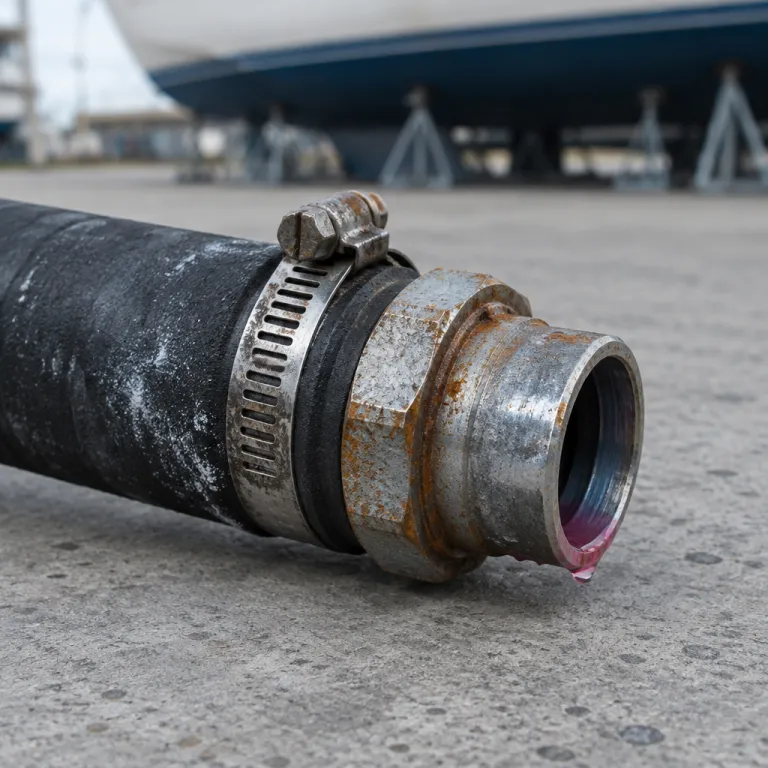
The mindset behind a serious yacht winterisation checklist
Winter is not the end of the boat season, it is the quiet investment phase that decides how your first spring departure feels. A disciplined yacht winterisation checklist turns a chaotic autumn haul out into a calm, methodical ritual where every system is prepared for months of cold, moisture and inactivity. The owner who treats winterization as protection for the next boating season, not as a rushed chore, will step aboard to a yacht that simply wakes up and goes.
Start by walking the hull deck and superstructure slowly, noting every chip, stain and loose fitting before the boat winter lay up begins. This is the moment to check for early mold mildew around window frames, under seat bases and in lockers, because those small dark specks will become full colonies if trapped with stagnant air and trapped water. Photograph problem areas, then plan which issues belong to your own winterizing boat routine and which should go straight onto the yard work list.
Decide early whether you will choose afloat or ashore storage, because that single decision reshapes the entire winterization checklist and the level of protection boat systems require. A yacht left in the water keeps her hull wet and her lines working, but every through hull and seacock demands extra vigilance and a stricter winter visit schedule. Ashore storage reduces some risks from the sea itself, yet exposes the hull deck and topsides to harsher wind, UV and temperature swings that can still cause damage.
Canvas, soft furnishings and the art of keeping her clean and dry
Before the real cold arrives, strip the boat of anything that holds moisture, starting with cockpit cushions, loose carpets and removable canvas. Every item you remove now and store in a clean dry space ashore is one less surface where mold mildew can bloom unseen during the long winter season. Pay particular attention to under berth lockers and settee bases, because trapped water and stale air in those spaces will quietly stain fabrics and corrode hidden fittings.
Wash biminis, sprayhoods and sail covers thoroughly, then let them dry completely before storage, because damp canvas in a dark locker is almost guaranteed to smell by the next boat season. When you refit them, or if you choose to leave them on, ensure every zip, strap and fastening is properly fitted so winter winds cannot flog the fabric against stainless frames and cause needless chafe damage. If you are considering an upgrade, this is the perfect moment to review independent advice on top sail covers for boats and specify something that will genuinely protect the rig through a hard winter.
Inside the yacht, open every locker, lift every mattress and check for hidden moisture with the same seriousness you give to the engine room. A small domestic dehumidifier or passive moisture traps can transform the interior climate, but they only work if air can circulate freely through cabins and heads. Leave interior doors ajar, set cushions on edge and make sure the overall system of airflow will keep fabrics and timber surfaces clean dry until you return.
Engine, fuel and mechanical systems that wake up on the first turn
The heart of any serious yacht winterisation checklist is the engine and its supporting systems, because nothing ruins the first day of the boating season like a reluctant start. Change the engine oil and filters before lay up, not after, so that corrosive combustion by products do not sit in the crankcase for the entire winter season attacking bearings and journals. While you are there, check the cooling system, transmission fluid and fuel filters with the same forensic eye you would apply to a survey on a new purchase.
Many experienced owners prefer to winterize boat fuel tanks by filling them almost to the top, which reduces the air volume where condensation can form and drip water into the fuel. Others choose a part full strategy to allow for spring fuel turnover, but whichever route you take, always treat the fuel with a quality marine stabiliser and then run the engine long enough to pull treated fuel through all systems. On raw water cooled engines, drain water from strainers and low points, then circulate marine antifreeze through the cooling system so that no trapped pockets can freeze and cause damage.
Drive trains deserve the same respect, so inspect shaft seals, stern glands and saildrive bellows while the boat is out and the hull deck is at eye level. Top up or replace transmission fluid according to the manufacturer schedule, because neglected gearboxes are a silent source of expensive winterization surprises. When you plan this work with your yard, use the same structured approach you would bring to planning the autumn haul out, agreeing in writing who will handle each check and which tasks remain firmly in your own hands.
Water, plumbing systems and the quiet threat of freezing damage
Fresh water systems are where many otherwise meticulous owners still underestimate the power of ice, and the repair bills prove it every spring. Your winterization checklist for plumbing systems must be as detailed as the one for the engine, because a single missed low point can split a pipe or crack a fitting once the temperature drops. Start by draining every tank, then open taps and showers to drain water fully, including transom showers and rarely used outlets.
Once gravity has done its work, use a pump or compressed air to push remaining water out of lines, then introduce non toxic marine antifreeze through the system until coloured liquid appears at each tap. Do not forget the water heater, because many units have separate drain points and bypass valves that must be set correctly to avoid trapping water in the core. Heads and holding tanks need equal attention, so pump out completely, flush with fresh water, then treat with a suitable product before drawing marine antifreeze through the intake and discharge systems.
Grey water systems, bilge pumps and any auxiliary pumps hoses also require a careful check, because these small components are often the first to fail after a hard boat winter. Make sure every seacock is exercised, lubricated and either left fully open or fully closed according to your storage plan, never somewhere in between. If the yacht will remain in the water, double check that critical through hulls serving water systems and cooling circuits are clearly labelled and accessible for the winter visit schedule you agree with your yard.
Electrics, batteries, covers and the rhythm of winter visits
Electrics suffer in silence during winterization, so your yacht winterisation checklist must treat the battery bank as a living system, not a lump of lead to be ignored until launch day. Decide whether you will leave batteries aboard on a maintenance charge or remove them to a controlled environment, but in both cases start with a full charge and a careful check of terminals, cabling and ventilation. A neglected battery that sits discharged in the cold can sulphate beyond recovery, turning a simple oversight into an expensive start to the next boat season.
The external cover is your final line of defence, so choose a properly fitted winter cover that supports snow loads, sheds water and still allows the hull deck to breathe. Avoid wrapping the boat so tightly that moisture has no escape path, because a sealed boat rots while a breathing one survives with only light cleaning, not structural repair. When you compare options, remember that the best protection boat strategy balances physical shielding from rain and UV with enough airflow to keep condensation under control.
Once laid up, set a realistic winter visit schedule and treat it as seriously as a summer passage plan, because unattended systems can still fail quietly in storage. Each visit, walk the decks, check mooring lines, look for standing water, test bilge pumps and scan for new mold mildew or unexplained moisture inside. Use the same calm, observational mindset you would bring when anchoring in a blow, trusting that disciplined routine and a sharp eye will let you sleep through the winter while your yacht waits, ready, for the first light of the new boating season.
FAQ
How early should I start my yacht winterisation checklist ?
Begin your yacht winterisation checklist as soon as night temperatures start to approach freezing, not after the first hard frost. This timing gives you enough time to drain water systems, treat fuel and arrange storage without rushing critical checks. Starting early also leaves margin for parts delays or yard scheduling issues that often appear late in the season.
Is it better to store my yacht in the water or ashore for winter ?
Storing in the water keeps the hull supported evenly and can reduce stress on some structures, but it demands vigilant checks of seacocks, mooring lines and bilge systems. Ashore storage removes the risk of sinking from failed fittings, yet exposes the hull deck and topsides to more wind and temperature swings. The best choice depends on your local climate, yard facilities and how often you can visit the boat during winter.
Do I really need marine antifreeze in all my water systems ?
Any part of your plumbing systems that cannot be completely drained should be protected with non toxic marine antifreeze. Even small pockets of trapped water in pumps hoses, mixers or the water heater can freeze, expand and cause damage that only appears when you recommission in spring. Using the correct antifreeze is far cheaper than replacing split pipes, cracked fittings or damaged pumps.
How should I manage my batteries during long term storage ?
Batteries last longest when they are stored fully charged and kept on a controlled maintenance charge, either aboard with a smart charger or ashore in a dry, ventilated space. Avoid leaving a battery connected to small parasitic loads all winter, because deep discharge and cold temperatures accelerate sulphation. Whatever method you choose, include a voltage check in your winter visit routine to catch problems before they become failures.
What are the most common winterization mistakes experienced owners still make ?
Even seasoned owners sometimes forget hidden water traps in transom showers, air conditioning loops or secondary pumps, leading to freeze damage in spring. Another frequent mistake is sealing the yacht too tightly under covers, which traps moisture and encourages mold mildew on fabrics and timber. Finally, many people change engine oil after launch instead of before lay up, leaving corrosive residues inside the engine all winter when they should have been removed.