Key features that matter at sea for underwater photography
When evaluating the best underwater cameras for diving from a yacht, start with sensor size and autofocus performance. A larger sensor in a full frame or advanced mirrorless camera gathers more light, which directly improves low light capability, dynamic range, and overall image quality during deep or overcast dives. Pairing that sensor with a fast, reliable autofocus system is essential, because shooting fast moving subjects underwater leaves no time for hunting focus or missed frames.
Battery life is another key feature for yacht based divers who may complete multiple dives before returning to shore power. Compact cameras and point and shoot models often offer respectable battery life of 250–350 shots per charge, but mirrorless cameras and full frame bodies from Canon, Nikon, and Sony usually need spare batteries and disciplined charging routines on board. Integrating a dedicated charging station near your technical storage, alongside essentials such as comprehensive boat engine maintenance kits, keeps every underwater camera, housing, and light ready for the next dive window.
Do not overlook ergonomics and system expandability when comparing underwater cameras for yacht use, because cramped swim platforms and pitching tenders magnify awkward controls. A compact camera underwater rig with clearly marked buttons, a bright rear screen, and a balanced housing encourages more frequent shooting and safer handling during entries. For more advanced photographers, a modular underwater housing system that accepts different ports, strobes, and wide angle lenses allows the same camera to excel at both macro shooting and sweeping reef scenes.
Choosing between compact cameras, mirrorless cameras, and full frame rigs
Yacht divers choosing the best underwater cameras for diving usually weigh three main categories of gear. Compact cameras and point and shoot models, such as the Olympus Tough TG‑series or Canon G7 X line, offer simplicity, integrated lenses, and relatively small underwater housings that fit easily in a yacht’s lazarette or dive locker. Mirrorless cameras and full frame bodies deliver superior image quality, faster autofocus, and better low light performance, but demand larger housings, ports, and careful storage near heavier equipment such as high capacity compressors or powerful anchor windlasses.
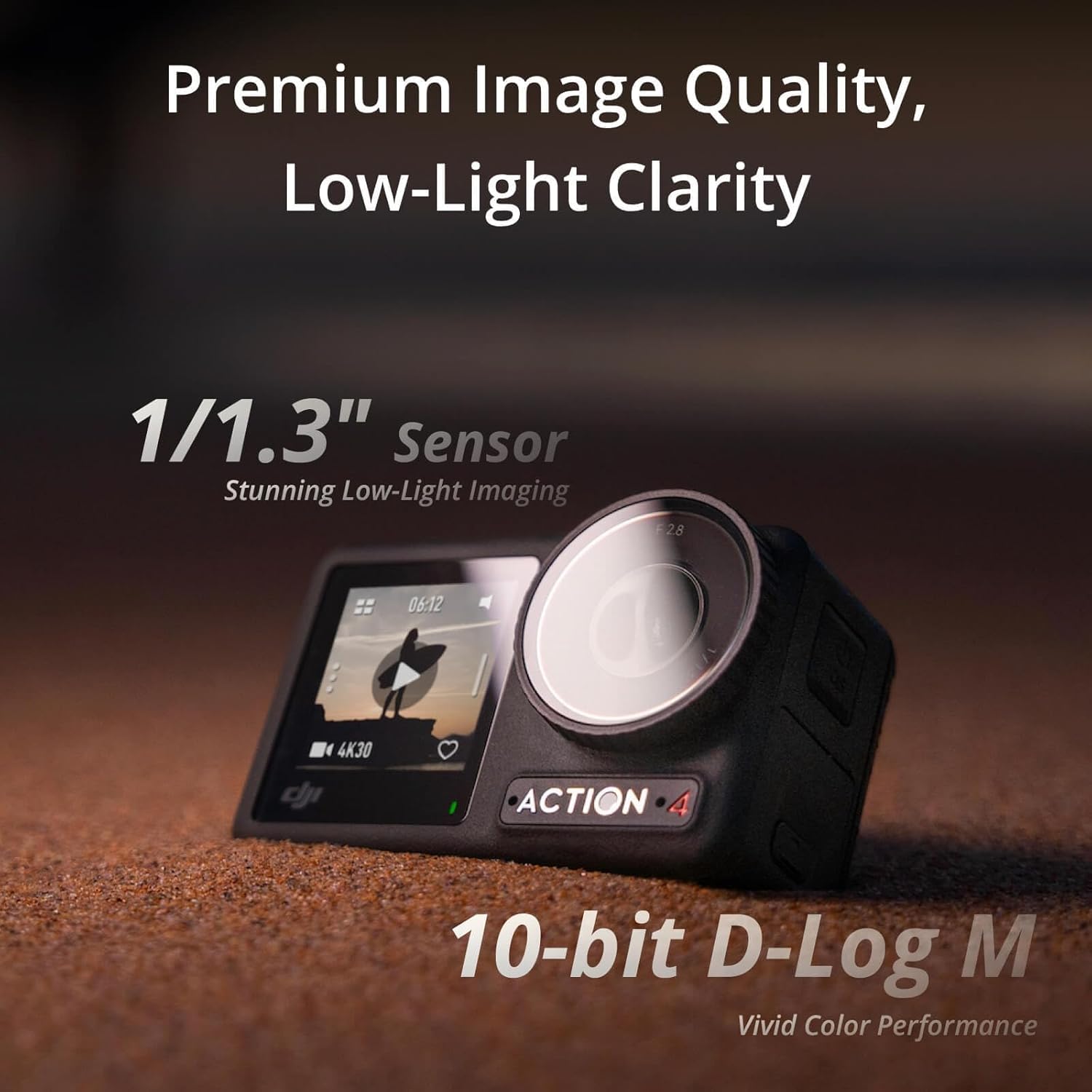
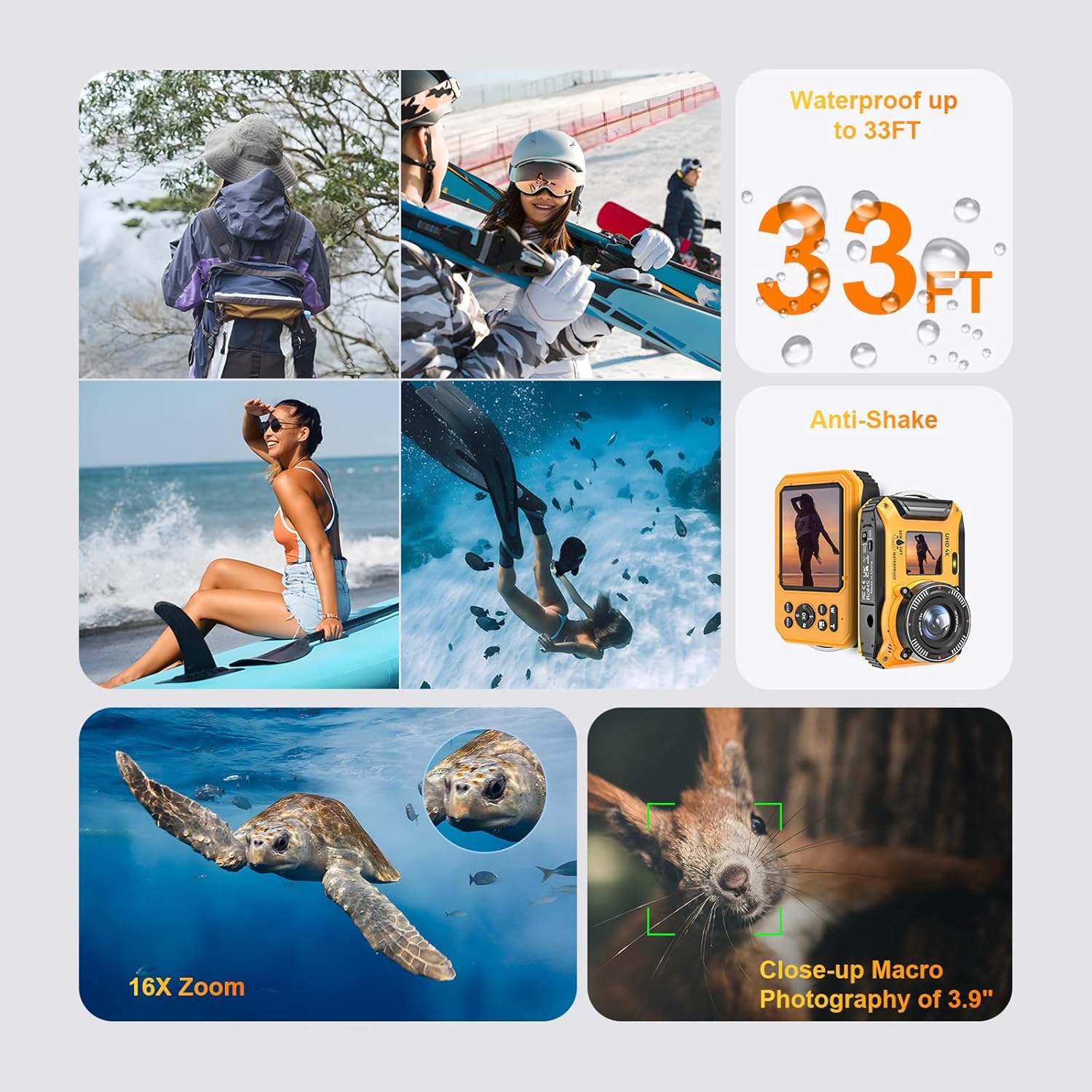
For many yacht passionate owners, a high end compact camera underwater setup strikes the best balance between performance and practicality. These compact cameras often feature bright lenses, responsive autofocus systems, and RAW image capture, which together provide excellent flexibility for underwater photography and video editing. When paired with a well designed underwater housing rated to at least 40–60 meters, a compact camera can handle wide angle reef scenes, casual action camera style clips, and even close focus shooting on small subjects.
Dedicated photographers who prioritise the absolute best underwater image quality usually gravitate toward mirrorless cameras or full frame systems from Canon, Nikon, or Sony. A mirrorless camera in a robust housing with interchangeable ports supports both ultra wide angle lenses for wrecks and rectilinear options for natural looking reef panoramas. These mirrorless cameras, combined with strong video lights and strobes, create a professional level underwater camera system that rewards the extra space and maintenance they require on board.
Underwater housing, light, and lens choices for yacht based diving
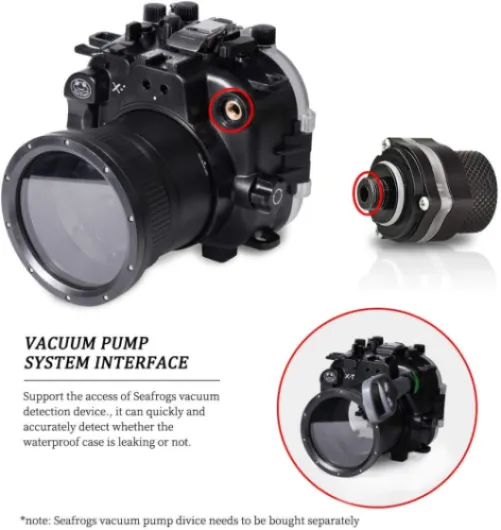
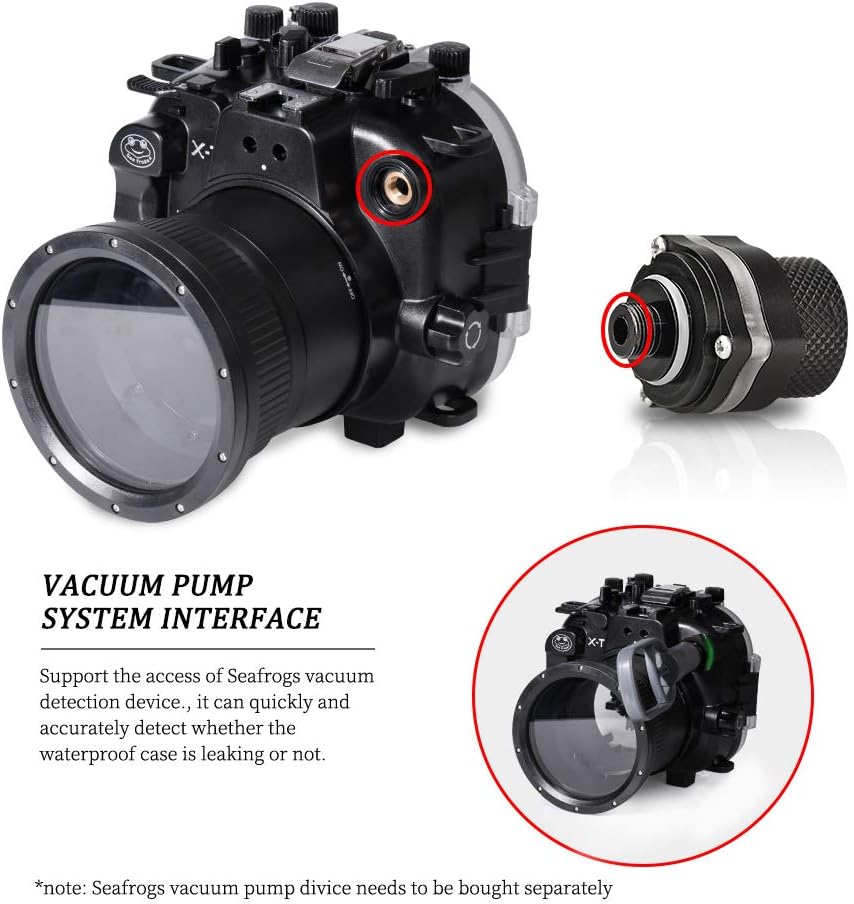
The finest camera is useless underwater without a reliable underwater housing that can withstand repeated dives from a yacht. Quality housings from established manufacturers such as Nauticam, Ikelite, and Sea & Sea use corrosion resistant materials, double O ring seals, and clearly labelled controls that mirror the camera layout, which reduces errors when shooting in challenging conditions. Yacht divers should inspect underwater housings before every dive, checking for sand, hair, or salt crystals that might compromise the housing and flood an expensive camera underwater.
Lighting transforms underwater photography, because water rapidly absorbs red and orange wavelengths and leaves scenes flat and blue. Continuous video lights help both video and still shooting by restoring colour at close range, while powerful strobes freeze motion and enhance texture in wide angle compositions. On a yacht, secure mounting for lights and arms is essential, so use padded cases and tie down systems similar to high quality boat tie down straps to prevent damage during rough passages.
Lens selection defines how your underwater camera sees the scene, especially when working from a moving platform. Wide angle and ultra wide angle lenses minimise backscatter, allow closer positioning to subjects, and capture dramatic reef or wreck vistas with excellent image quality. Many yacht divers carry both a wide angle setup for ambient light shooting and a macro or close focus configuration, swapping ports and lenses between dives when sea state and schedule permit.
Maintaining your underwater camera system on board a yacht
Keeping the best underwater cameras for diving in peak condition on a yacht requires the same discipline applied to engines and navigation electronics. After every dive, rinse the underwater camera and housing thoroughly in fresh water, operating all buttons and dials to flush salt from the controls. Once dry, open the housing in a clean, shaded area, inspect the O rings, and store the camera body, lenses, and batteries separately to extend battery life and prevent corrosion.
Salt laden air, vibration, and limited workspace make yacht maintenance of cameras more demanding than shore based routines. Establish a dedicated imaging station with soft towels, silica gel packs, and sealed containers for spare housings, ports, and action cameras, keeping them away from engine fumes and direct sunlight. Regularly check for hairline cracks in the underwater housing, worn control shafts, or sticky buttons, because these small issues can quickly escalate into catastrophic floods during a dive.
Smart yacht owners integrate camera care into their broader maintenance schedule, aligning it with checks on compressors, regulators, and safety gear. Log each dive’s depth, duration, and any anomalies with the camera underwater, such as fogging or sluggish autofocus, to identify patterns before they cause failures. Treat your underwater cameras as mission critical equipment and they will reward you with consistent performance, sharp images, and reliable video across long cruising seasons.
Tech upgrades that elevate yacht based underwater imaging
Once a solid foundation is in place, targeted tech upgrades can transform even good underwater cameras into truly best underwater performers. Adding high capacity batteries or external battery packs extends battery life, which is invaluable when your yacht spends days away from marinas and shore power. Upgrading to newer mirrorless cameras from Canon, Nikon, or Sony often brings faster autofocus systems, improved sensors, and better dynamic range, all of which enhance underwater photography in challenging light.
Many yacht divers underestimate the impact of improved lighting and control accessories on overall image quality. Investing in brighter video lights, more responsive strobes, and ergonomic tray and handle systems stabilises the camera underwater, reduces motion blur, and encourages more confident shooting in surge or current. For compact cameras and point and shoot models, adding wet mount wide angle lenses and close up diopters expands creative options without requiring a completely new housing system.
Networked storage and onboard editing workflows represent another meaningful upgrade for yacht passionate photographers. A small NAS or rugged SSD array allows immediate backup of RAW files and video clips, protecting your best underwater work from accidental deletion or card failure. With a calibrated laptop and efficient software, you can refine colour, contrast, and sharpness between dives, ensuring that each new outing builds on lessons learned from the last set of images.
Key figures shaping the market for underwater cameras
- According to the Diving Equipment and Marketing Association, participation in recreational scuba diving has stabilised at several millions of active divers worldwide, which sustains steady demand for underwater cameras and housings across all price segments.
- Industry reports from imaging analysts indicate that mirrorless cameras now account for more than half of interchangeable lens camera sales globally, reflecting a shift toward lighter systems that suit yacht based underwater photography.
- Market data from major retailers show that action cameras and compact cameras together represent a significant share of underwater capable devices sold each year, yet higher value sales increasingly come from advanced mirrorless camera and full frame underwater systems.
- Surveys of underwater photographers published by specialist magazines reveal that wide angle scenes and wrecks are among the most frequently shot subjects, which explains the strong emphasis on wide angle lenses, powerful lighting, and robust underwater housing designs.