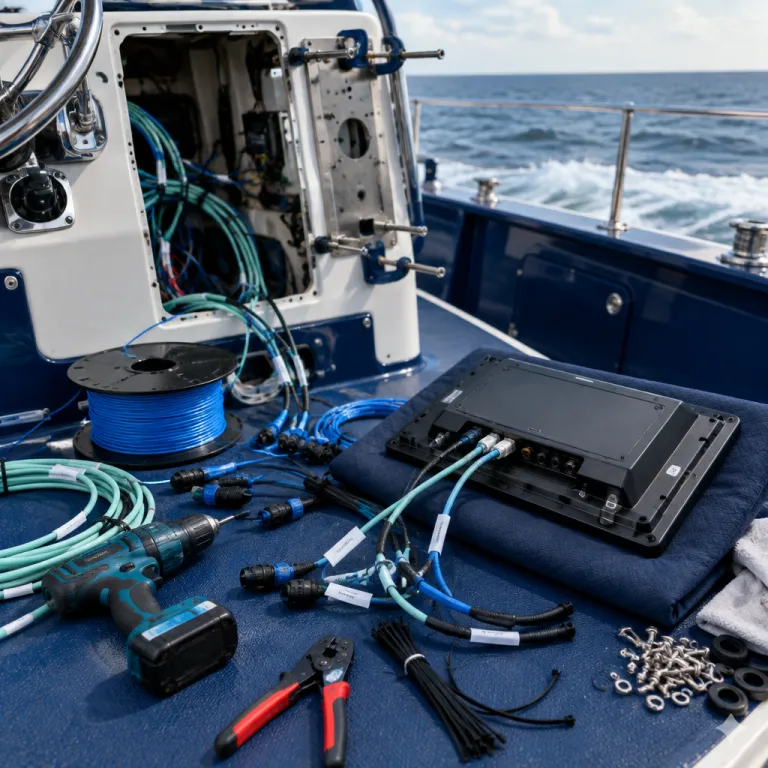

Modern yacht refit planning: technical upgrades, costs, and timelines
Why a modern yacht refit starts with smart technical planning
A serious yacht refit begins long before the first tool touches the hull. The refit project only succeeds when the owner, the project manager, and the shipyard agree on a shared technical vision. That vision for refits must balance performance upgrades, yacht charter requirements, and a realistic budget for both immediate and long term goals.
For any yacht, the first step is a structured survey of all major systems, from propulsion to navigation and hotel loads. This survey work feeds into a refit project specification that the management team and the technical équipe can price accurately, which is the only way to estimate refit cost and lead times with any credibility. When this process is respected, the project will give the owner clear options on cost, schedule in months, and the impact on future yacht management and yacht charter revenue.
Owners of pre owned yachts often underestimate how much a modernisation of electrical systems and digital controls will change daily life on board. A well planned refit yacht programme can reduce generator hours, improve comfort at anchor, and ensure smooth operations for the management crew during busy charter seasons. When the executed yacht upgrades are aligned with long term yacht construction standards, the result is a boat that feels new without losing its character.
Electrical and navigation systems that future proof your refit yacht
Upgrading electrical and navigation systems is usually the most transformative part of any yacht refit. Modern yachts rely on integrated systems that connect chart plotters, radar, autopilot, and engine data, so a piecemeal approach to refits rarely works. A competent project manager will insist on a full systems integration plan before the shipyard starts pulling cables or cutting panels.
On a pre owned boat, legacy wiring and outdated switchboards often hide behind immaculate teak decking and glossy joinery. During the refit project, the technical team should map every circuit, replace corroded connectors, and label all new work so future yacht management and maintenance become predictable rather than reactive. When this level of project management is applied, the refit cost for electrics may rise initially, but the long term savings in fault finding and downtime over many months are substantial.
Navigation upgrades deserve the same discipline, whether the yacht is private or focused on yacht charter operations. Owners increasingly specify advanced rope handling and deck hardware, and a detailed test of a modern sailing rope clutch stopper shows how small components can dramatically improve safety and ease of use. When these systems are installed by an experienced management crew and verified by the shore based management office, the executed yacht refit will ensure smooth passages and higher confidence for both guests and professional crew.
Electronics, radar, and connectivity upgrades that change how you cruise
Electronics refits have moved far beyond simply replacing a chart plotter on the main helm. A serious yacht refit now considers radar, AIS, cameras, onboard Wi Fi, and remote monitoring as one coherent project. When the project manager treats these elements as a single systems upgrade, the shipyard can route cables efficiently and avoid repeated intrusive work on finished interiors.
For many yachts, radar is the safety backbone, especially for night passages and low visibility approaches to busy ports. A compact solid state dome such as the Simrad Halo24 radar offers rapid start up, low power draw, and clear target separation, which is ideal for both private cruising and demanding yacht charter schedules. Integrating such equipment during a refit project allows the management team to optimise mast layouts, reduce interference, and ensure smooth data sharing between bridge displays and back up stations.
Connectivity upgrades also reshape the experience on any boat, from a compact cruiser to a large lurssen superyacht. Owners now expect streaming quality bandwidth, remote diagnostics, and the ability for yacht management ashore to monitor key systems in real time. When these refits are executed yacht wide, with clear documentation and training for the management crew, the project will support both safety and guest satisfaction for many months of intensive use.
Engineering, propulsion, and energy systems for efficient long term running
Engineering upgrades sit at the heart of a performance focused yacht refit. Propulsion, generators, stabilisers, and HVAC systems determine not only comfort but also the operating cost profile of yachts over their full life. A disciplined refit project in the engine room can extend machinery life by many years while reducing fuel burn and maintenance hours.
On a pre owned yacht, the project manager should start with oil analysis, vibration measurements, and thermal imaging to prioritise work. These data driven diagnostics allow the shipyard équipe to separate cosmetic refits from essential engineering services, which protects the owner’s budget and clarifies the true refit cost. When the shore based management office and the onboard management crew share these findings, they can plan yard periods in months rather than weeks and avoid emergency haul outs that disrupt yacht charter bookings.
Hybrid and alternative energy systems are also entering mainstream yacht construction and refits. While a full hybrid conversion may not suit every boat, incremental upgrades such as variable speed generators, improved battery banks, and smart inverters can be integrated during a scheduled refit yacht programme. When these systems are specified with clear project management and realistic lead times, the project will ensure smooth transitions between shore power, generator use, and silent running at anchor.
Deck, teak decking, and exterior tech that elevate daily use
Deck areas are where owners and guests feel the impact of a yacht refit most immediately. Replacing or restoring teak decking, upgrading lighting, and integrating new entertainment systems all change how the boat is enjoyed every day. A thoughtful refit project treats these visible elements as part of a wider systems strategy rather than isolated cosmetic work.
High quality teak decking refits require careful planning of thickness, fastening methods, and drainage to ensure long term durability. The shipyard team must coordinate with the project manager to route hidden wiring for speakers, cameras, and sensors before the new teak goes down, because re opening finished decks later will inflate refit cost and extend lead times by months. When this process is respected, the executed yacht will present flawless decks while hiding a modern infrastructure that supports both private cruising and intensive yacht charter use.
Owners should also consider exterior control systems during a yacht refit, including wing stations, thruster controls, and tender handling gear. These upgrades help the management crew handle the yacht safely in tight marinas and busy charter turnaround days, which in turn protects the owner’s investment and reputation. For those planning their first season as an owner, a guide to small maintenance routines that preserve enjoyment pairs perfectly with a well executed exterior refit plan.
Interior technology, comfort systems, and guest centric upgrades
Interior refits are no longer limited to fabrics and furniture on a modern yacht. Today, a comprehensive yacht refit integrates lighting control, climate management, audio visual systems, and digital cabin management into a single intuitive interface. When these refits are planned as one project, the shipyard can coordinate electricians, carpenters, and IT specialists to work efficiently without damaging finished surfaces.
For yachts active in yacht charter, guest expectations around connectivity and comfort are rising quickly. A management team that understands these trends will prioritise silent air conditioning, zoned lighting, and easy to use entertainment systems, because these upgrades directly influence charter reviews and repeat bookings. When the project manager documents every device and cable route, future refits become simpler, and yacht management ashore can troubleshoot many issues remotely, which reduces both downtime and operational cost.
Owners of pre owned boats often find that a targeted interior tech refit delivers more perceived value than a full structural change. By focusing on systems that guests touch daily, such as cabin controls and media access, the executed yacht feels contemporary even if the underlying yacht construction dates back many years. This approach keeps the budget under control while still delivering a refit yacht that stands out in a competitive charter market.
Choosing the right shipyard, management structure, and timeline for your refit
Selecting the right shipyard and management structure is the final strategic decision in any yacht refit. Large facilities such as Lürssen specialise in complex refits for very large yachts, while smaller yards may offer more flexible lead times and personalised services for modest sized boats. The key is to match the scope of the refit project with a shipyard whose équipe has proven experience in similar work.
A dedicated project manager, either from an external yacht management company or from the owner’s management crew, should act as the single point of contact yacht side. This role coordinates technical specifications, monitors refit cost against the agreed budget, and ensures that all systems upgrades are tested before redelivery. When project management is structured this way, the project will minimise change orders, protect the schedule measured in months, and ensure smooth communication between owner, yard, and suppliers.
Owners planning long term use or intensive yacht charter programmes should view refits as part of a continuous lifecycle strategy. Regular smaller refits, aligned with survey cycles and charter seasons, often deliver better value than one massive overhaul that removes the yacht from service for an extended period. By treating each refit yacht period as a step in a broader long term plan, owners maintain reliability, protect resale value, and keep their yachts competitive in a demanding market.
Key figures that frame modern yacht refit decisions
- According to data from leading brokerage houses and refit market reviews published by Superyacht Times and Boat International, comprehensive yacht refits typically cost between 10 % and 20 % of the yacht’s current market value, which means a 30 metre pre owned yacht valued at 6 million euros may require 600 000 to 1,2 million euros for a full systems upgrade. Recent examples include the Superyacht Times refit and repair market report (https://www.superyachttimes.com, accessed January 2024) and Boat International’s annual Global Order Book and brokerage analysis (https://www.boatinternational.com, accessed January 2024).
- Industry surveys of refit shipyards, including aggregated statistics reported by ICOMIA and major classification societies, indicate that engineering and systems work now account for more than 50 % of total refit cost on many yachts, reflecting the growing complexity of propulsion, electrical, and digital systems on board. See the International Council of Marine Industry Associations refit and repair statistics (https://www.icomia.org, accessed January 2024) and technical notes from classification societies such as Lloyd’s Register and DNV (https://www.lr.org and https://www.dnv.com, accessed January 2024).
- Analysis from major yacht management firms, as cited in recent Superyacht Times refit features, shows that well planned refits can reduce unplanned technical downtime by up to 40 %, which is particularly critical for yachts engaged in intensive yacht charter programmes with tight seasonal windows. Representative case studies are discussed in Superyacht Times refit special reports (https://www.superyachttimes.com/yacht-refit, accessed January 2024).
- Data from classification societies and ICOMIA lifecycle studies suggest that aligning refits with five year survey cycles can cut overall lifecycle maintenance cost by around 15 %, because major systems are inspected and upgraded in a single coordinated project rather than through fragmented yard visits. Relevant background material can be found in ICOMIA lifecycle cost studies (https://www.icomia.org/resources, accessed January 2024) and survey guidance from class societies (for example https://www.dnv.com/maritime, accessed January 2024).
- Market reports on pre owned yachts from brokerage houses regularly quoted by Boat International show that vessels with recent documented refits often achieve resale prices 10 % to 15 % higher than comparable yachts without such work, underlining the financial impact of transparent project management and quality shipyard execution. For indicative figures, see Boat International brokerage market reports and valuation features (https://www.boatinternational.com/yachts/news, accessed January 2024).
FAQ about yacht refit and technical upgrades
How long does a typical yacht refit focused on systems upgrades take ?
The duration of a systems focused yacht refit usually ranges from three to nine months, depending on yacht size, scope of work, and shipyard capacity. Projects limited to navigation and electronics can be completed in a single yard season, while full engineering and interior tech upgrades often require a longer timeline. Early planning with a project manager and clear specifications helps secure realistic lead times and avoid schedule creep.
What percentage of my yacht’s value should I allocate to a refit budget ?
For a balanced approach, many owners allocate 10 % to 20 % of the yacht’s current market value to a comprehensive refit budget. This range usually covers critical systems, navigation, and comfort upgrades without overcapitalising the boat relative to the pre owned market. A detailed survey and costed specification from the shipyard will refine this estimate for each specific project.
How do I choose between different shipyards for my refit project ?
Selection should be based on proven experience with similar yachts, transparent pricing, and the quality of the in house équipe. Visiting ongoing refits, speaking with the management crew of other yachts in the yard, and reviewing past executed yacht projects provide reliable indicators of capability. Matching the complexity of your refit yacht scope with the right scale of shipyard is more important than choosing the lowest initial quote.
Can a refit improve my yacht’s charter potential and daily running cost ?
Yes, targeted refits that prioritise reliability, comfort, and modern guest amenities can significantly enhance charter appeal and reduce operating cost. Upgraded engineering systems lower fuel consumption and breakdown risk, while improved connectivity and interior tech raise guest satisfaction. When these upgrades are planned with input from a professional yacht management team, they support both higher charter rates and stronger repeat business.
Do I really need a professional project manager for a medium sized refit ?
Even for medium sized yachts, a dedicated project manager adds structure, technical oversight, and financial control to the refit process. This role coordinates between the owner, shipyard, suppliers, and shore based management office, ensuring that specifications are met and variations are documented. The cost of professional project management is usually offset by reduced delays, fewer errors, and better long term reliability of the refitted systems.
References
- Superyacht Times – Refit and repair market reports and technical features, including refit special editions and yard surveys (https://www.superyachttimes.com, accessed January 2024).
- Boat International – Global Order Book, brokerage analysis, and refit case studies covering pre owned yacht values and major yard projects (https://www.boatinternational.com, accessed January 2024).
- International Council of Marine Industry Associations (ICOMIA) – Refit and repair statistics and lifecycle cost studies for the global yacht fleet (https://www.icomia.org, accessed January 2024).