Key features that define a serious marine storage cover
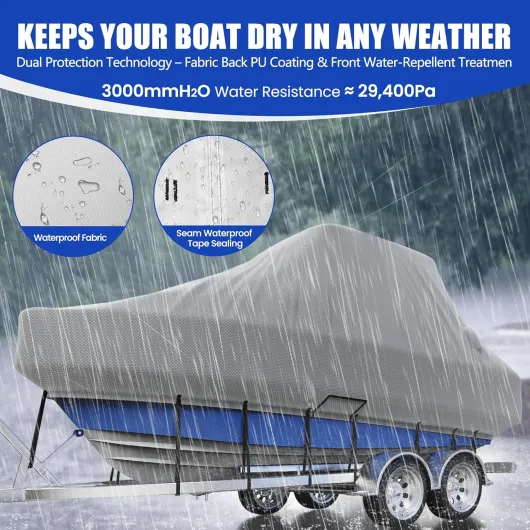
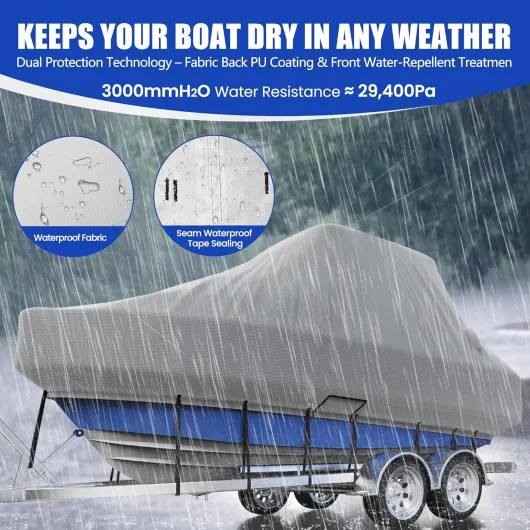
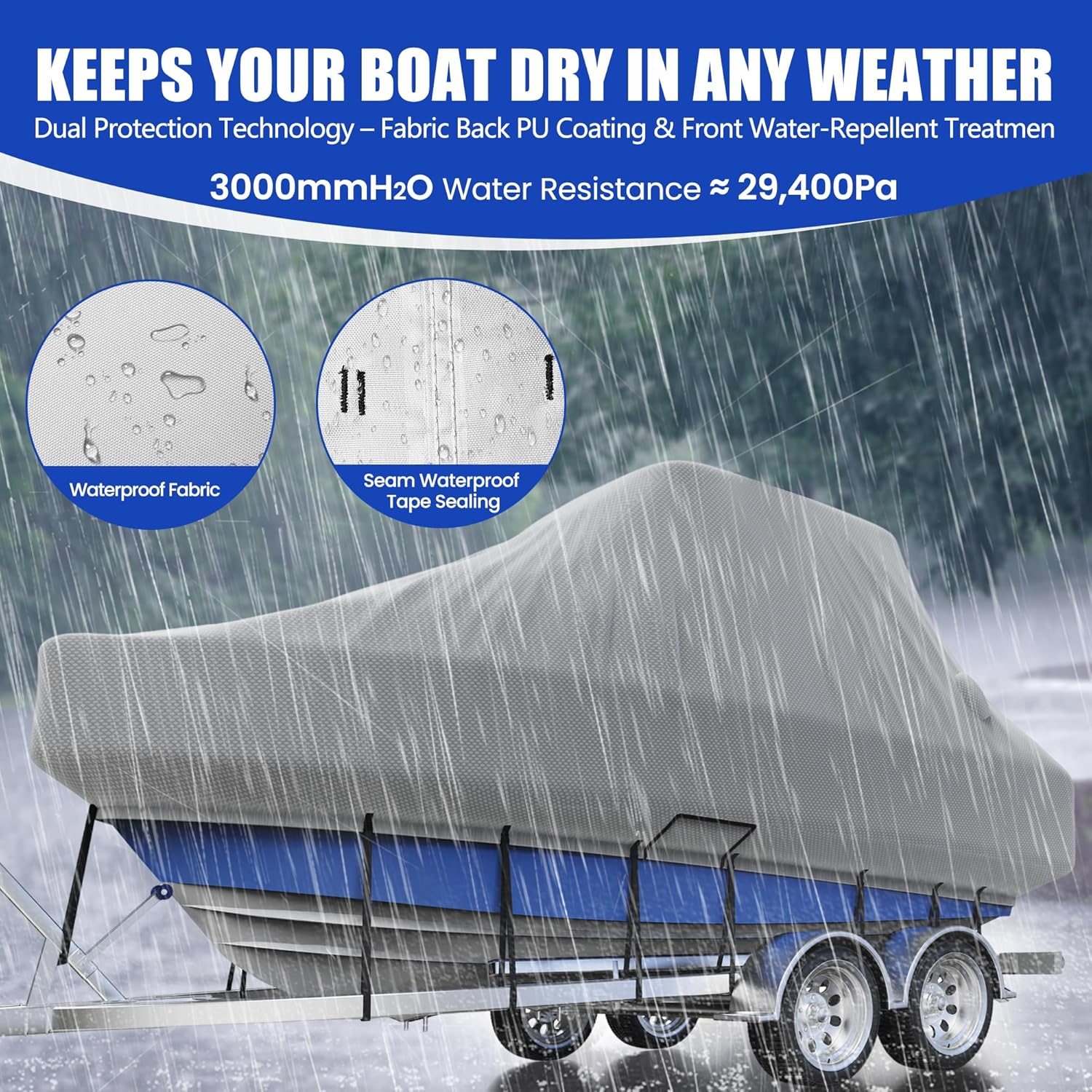
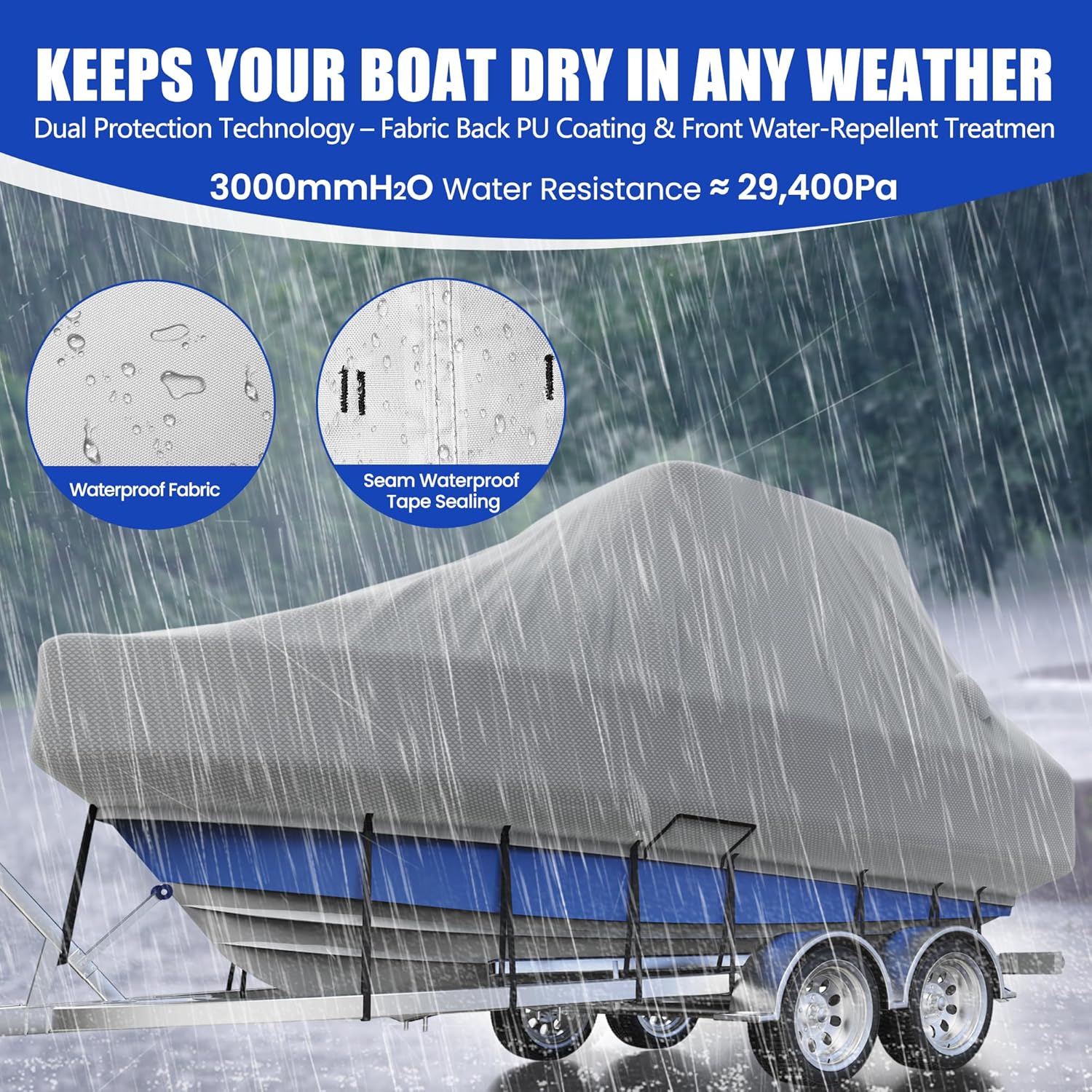
When you compare the best boat covers for storage, focus on key features rather than marketing slogans. A genuine heavy duty marine specification will list fabric weight in grams per square metre (for example 300–600 gsm), thread type, ultraviolet rating and hydrostatic head for waterproof performance (often 1,500–3,000 mm for quality polyester). These measurable figures tell you exactly how the cover will behave after multiple haul out seasons, not just during the first rain shower.
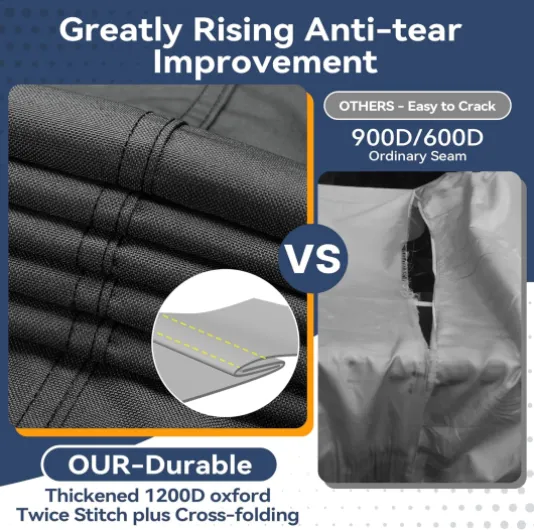
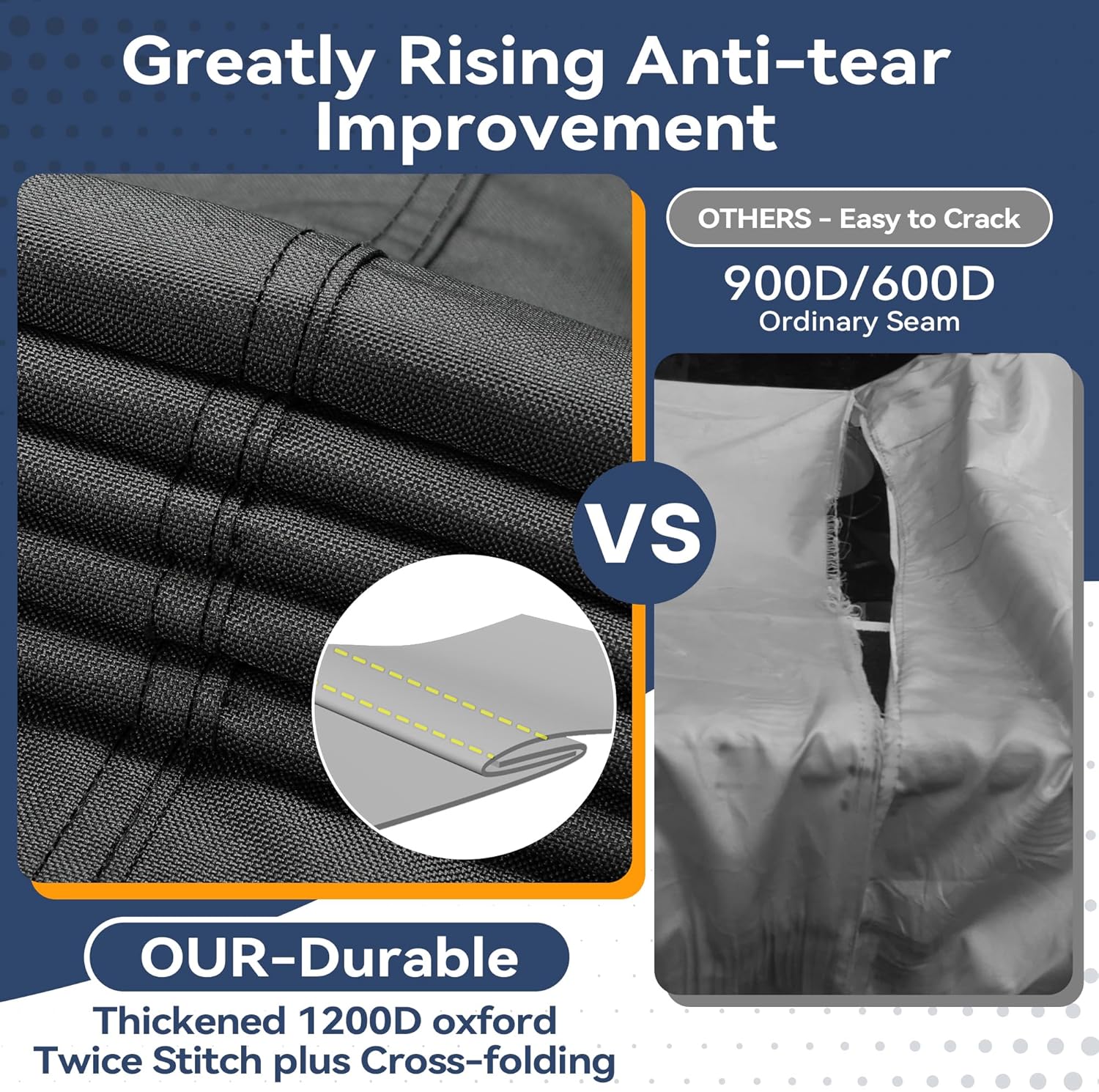
Look closely at how the manufacturer handles stress points on the boat cover. Reinforced patches under cleats, windlass housings and T top frames prevent the polyester canvas or other marine grade textiles from tearing when the cover is tensioned for trailering or exposed to winter gales. Double stitched seams with UV stable thread and bar tacked webbing loops around the hem are small details, yet they separate a disposable cover from a true heavy duty storage tool.
Hardware matters as much as fabric in long term boat storage. Stainless steel D rings, robust buckles and wide straps spread loads evenly and keep waterproof covers secure without cutting into gelcoat or varnish. For sailors comparing sail and console protection, a dedicated article on top sail covers for boats shows how similar key features apply when you protect spars and canvas as carefully as hulls and decks.
Custom fit versus semi custom covers for yachts and tenders
Yacht passionate owners often hesitate between semi custom covers and full custom fit solutions. Semi custom boat covers are patterned for families of hull shapes, so they usually fit common bass boat designs, runabouts and many trailerable boat models with acceptable accuracy. They offer good protection from water and dust during storage, but they rarely hug every curve of a complex yacht tender or high performance bass boat.
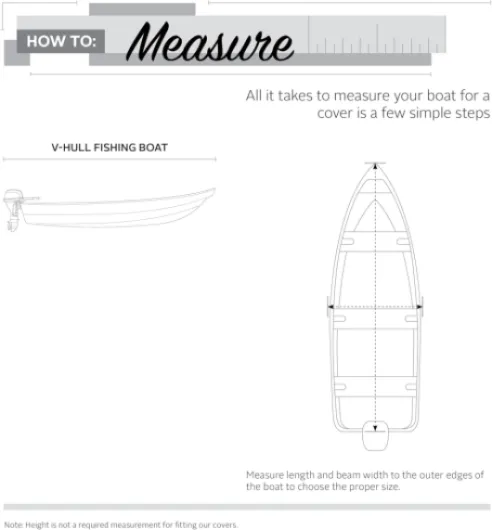
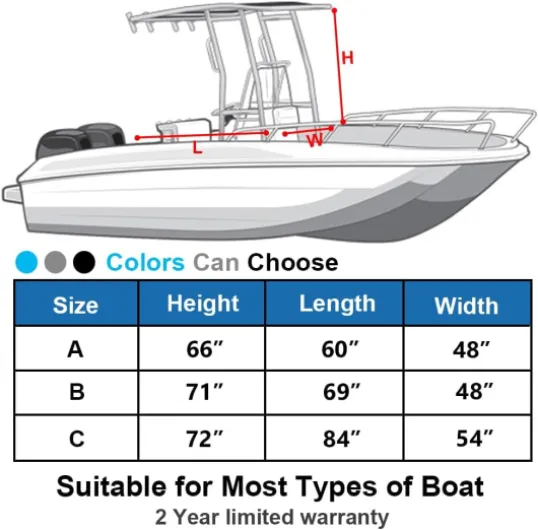
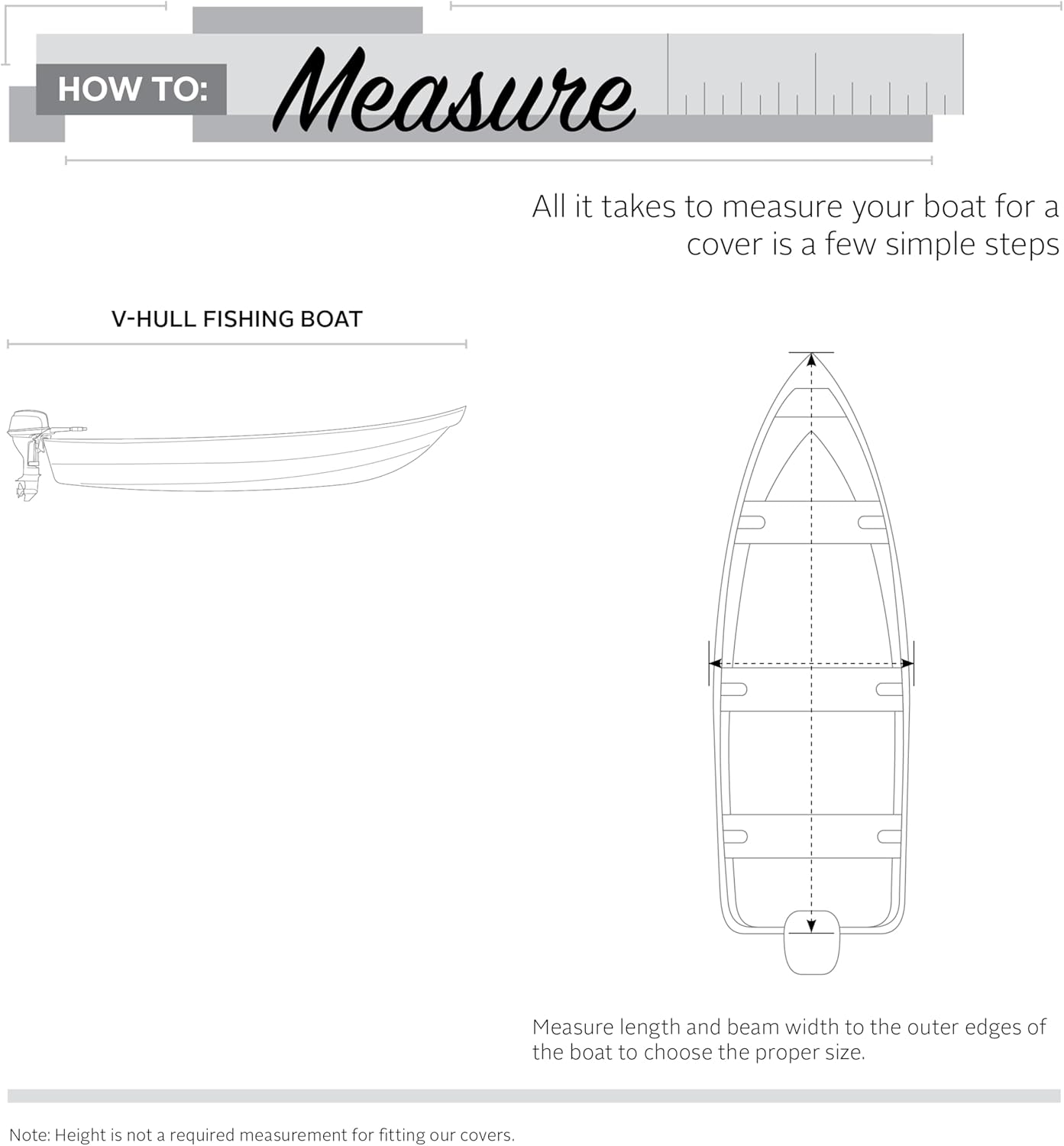
A true custom boat cover is cut to your exact boat measurements, including radar arches, hard tops and unusual rail geometry. This custom fit approach minimises air pockets where water can pool and where wind can work the fabric, which dramatically extends the life of both the cover and the gelcoat beneath. When a custom waterproof design is paired with breathable marine grade polyester or polyester canvas, you gain both weather protection and controlled ventilation.
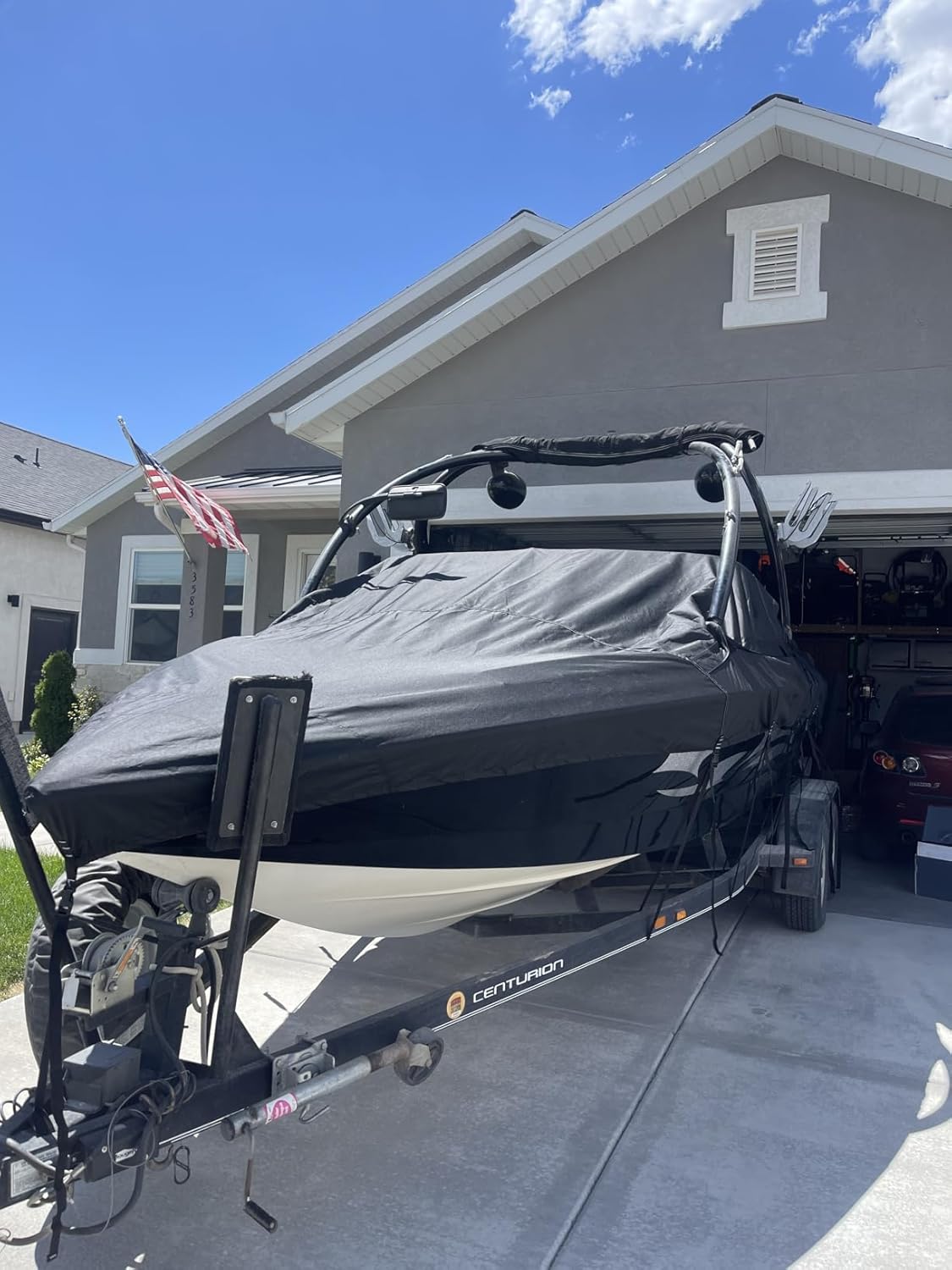
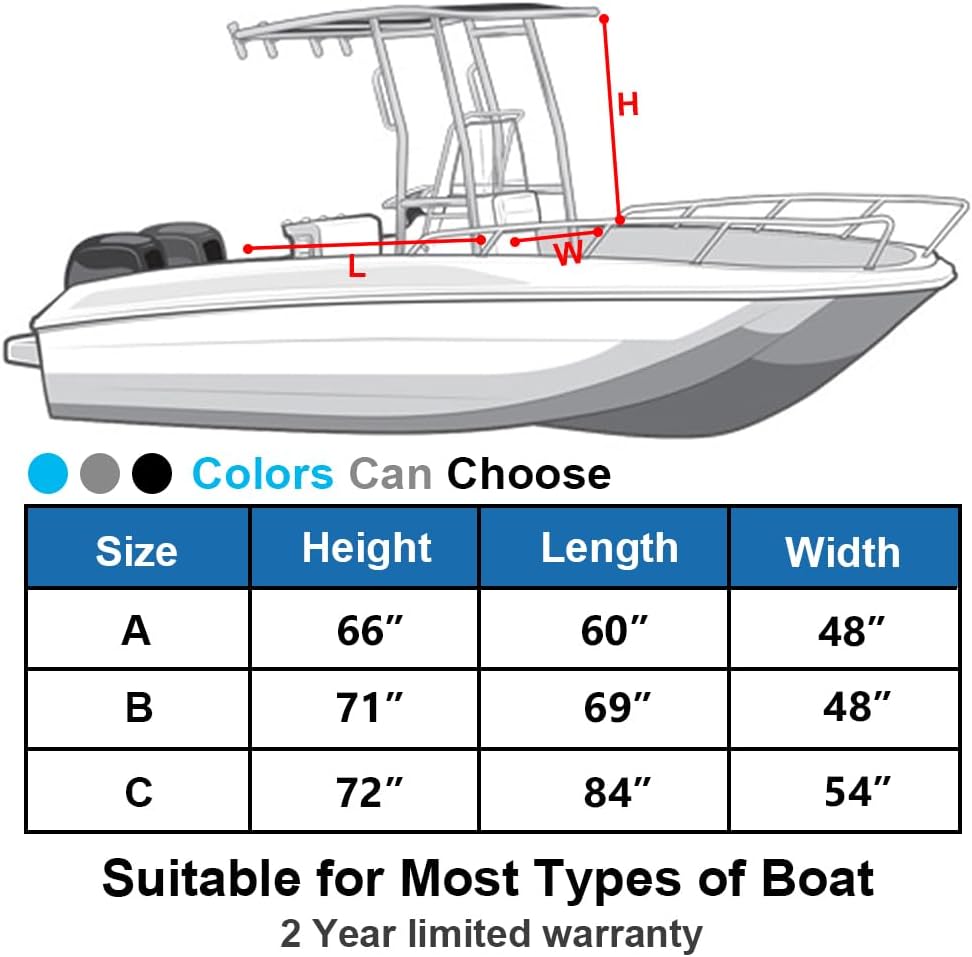
Owners who trailer their boats at highway speeds should prioritise a trailerable boat specification. A trailerable design uses extra straps, padded contact points and stronger duty marine stitching to keep the cover stable during trailering, even on long term road trips. For a detailed example of how a heavy duty marine grade waterproof boat cover can be engineered for centre consoles, examine an independent test of a centre console trailerable boat cover that highlights both strengths and weaknesses in real use.
Seasonal storage tips for yachts, bass boats and tenders
Effective seasonal care starts long before you pull the boat cover over the deck. Always wash the hull, topsides and non skid thoroughly, then let every surface dry so that trapped water does not become mildew under even the best boat covers for storage. Pay special attention to bass boat lockers, anchor wells and lazarettes, because these hidden spaces hold moisture that can defeat even the most waterproof covers.
Once the hull is clean and dry, think about how the cover will shed water and snow. Use adjustable poles or a simple frame to create a continuous slope from bow to stern, which prevents heavy puddles from stretching the fabric or stressing straps and stitching. This structural preparation is as important for semi custom covers as it is for full custom fit designs, because gravity does not care whether your storage solution was expensive or budget friendly.
Smart storage tips also include managing gear beneath the cover. Remove soft furnishings, electronics and safety equipment to a dry storage bag or locker ashore, which reduces humidity and discourages theft during long term boat storage. For emergency readiness while your yacht is laid up, many owners keep a compact preparedness kit such as the one reviewed in a family emergency kit test, ensuring that essential items remain accessible even when the vessel is wrapped for the season.
Trailering, tie downs and avoiding damage from heavy weather
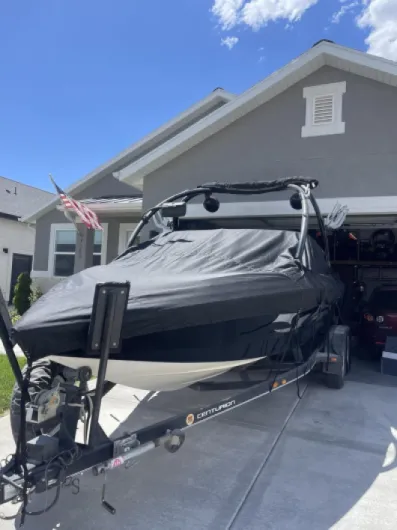
Moving a covered boat by road introduces different risks than static storage in a shed or cradle. When you prepare for trailering, always use a trailerable boat cover that is explicitly rated for highway speeds and heavy duty use, not a light marina dust cover. The wrong fabric or poor fit will flap, chafe gelcoat and eventually tear, leaving both the boat and the cover in worse condition than before.
Proper straps are the unsung heroes of safe trailering and storm layups. Wide, non stretching webbing with padded contact points spreads loads across the hull, while quick release buckles let you tension the cover evenly without over tightening any single point. Run straps under the hull and around the trailer frame where possible, because this triangulation keeps the assembly stable even when crosswinds and passing trucks create sudden pressure changes.
Heavy weather at the dock demands a slightly different approach to protection. In exposed marinas, some owners add secondary lashings over the primary boat cover, using soft lines that will fail before the fabric tears or fittings pull out of the deck. This sacrificial strategy, combined with a robust duty marine specification and a truly waterproof cover, ensures that the best boat covers for storage also perform when the forecast turns ugly.
Material choices, maintenance and extending cover life
Even the best boat covers for storage will only perform if you maintain them with the same care you give your hull. After each haul out season, rinse the cover with fresh water to remove salt, dust and bird droppings, then let it dry completely before folding it into its storage bag. Folding a damp waterproof fabric traps moisture, which encourages mildew and weakens coatings over time.
Material selection has a direct impact on both performance and maintenance workload. Marine grade polyester canvas and similar high tenacity polyester blends resist ultraviolet degradation better than many budget fabrics, while still remaining light enough to handle on larger boats without excessive effort. These heavy duty textiles also accept reproofing treatments, so you can restore waterproof performance after several seasons instead of replacing the entire custom boat cover.
Inspect key features such as seams, reinforcement patches and straps at least once per season. Replace worn buckles, frayed webbing or damaged stitching before they fail under heavy loads, because a small preventive repair costs far less than a torn custom fit cover system. By treating your boat covers as critical marine equipment rather than disposable accessories, you align your seasonal care routine with the standards expected in professional yacht maintenance yards.
Key figures on yacht storage, covers and material performance
- Industry guidance from organisations such as the American Boat and Yacht Council (ABYC) and long term resale studies by brokerage houses including Boat Trader indicate that boats stored outdoors without a proper cover can lose cosmetic value significantly faster than comparable vessels stored under high quality covers over a five year period, due to ultraviolet exposure and water intrusion.
- Independent fabric testing reported by marine laboratories such as UL, Bureau Veritas and in manufacturer data sheets from brands like Sunbrella and Top Gun notes that marine grade polyester canvas can retain a large proportion of its original tensile strength after years of continuous ultraviolet exposure, while untreated generic fabrics may lose a substantial percentage in the same timeframe.
- Insurance surveys from major underwriters including BoatUS Marine Insurance and Pantaenius frequently note that water intrusion through inadequate covers is a contributing factor in a significant share of off season interior damage claims for pleasure boats.
- Field trials on trailerable boat covers, including tests published by Practical Sailor and independent dealer demonstrations, have demonstrated that properly tensioned straps can reduce fabric flutter at highway speeds, which in turn extends the service life of both semi custom and custom fit designs.
Comparison table: typical specifications for quality boat storage covers
| Cover type / example |
Fabric weight (gsm) |
Hydrostatic head (mm) |
UV rating / treatment |
Typical service life* |
| Budget universal polyester |
150–250 gsm |
800–1,200 mm |
Basic UV coating |
2–4 seasons |
| Semi custom trailerable cover (e.g. Classic Accessories) |
300–400 gsm |
1,500–2,000 mm |
UV stabilised polyester |
4–7 seasons |
| Premium custom fit cover (e.g. Sunbrella or Top Gun fabric) |
300–600 gsm |
2,000–3,000 mm |
Solution dyed, marine UV rating |
8–10+ seasons |
*Service life figures are typical ranges reported by manufacturers and marine service yards for boats stored in temperate climates with regular maintenance.