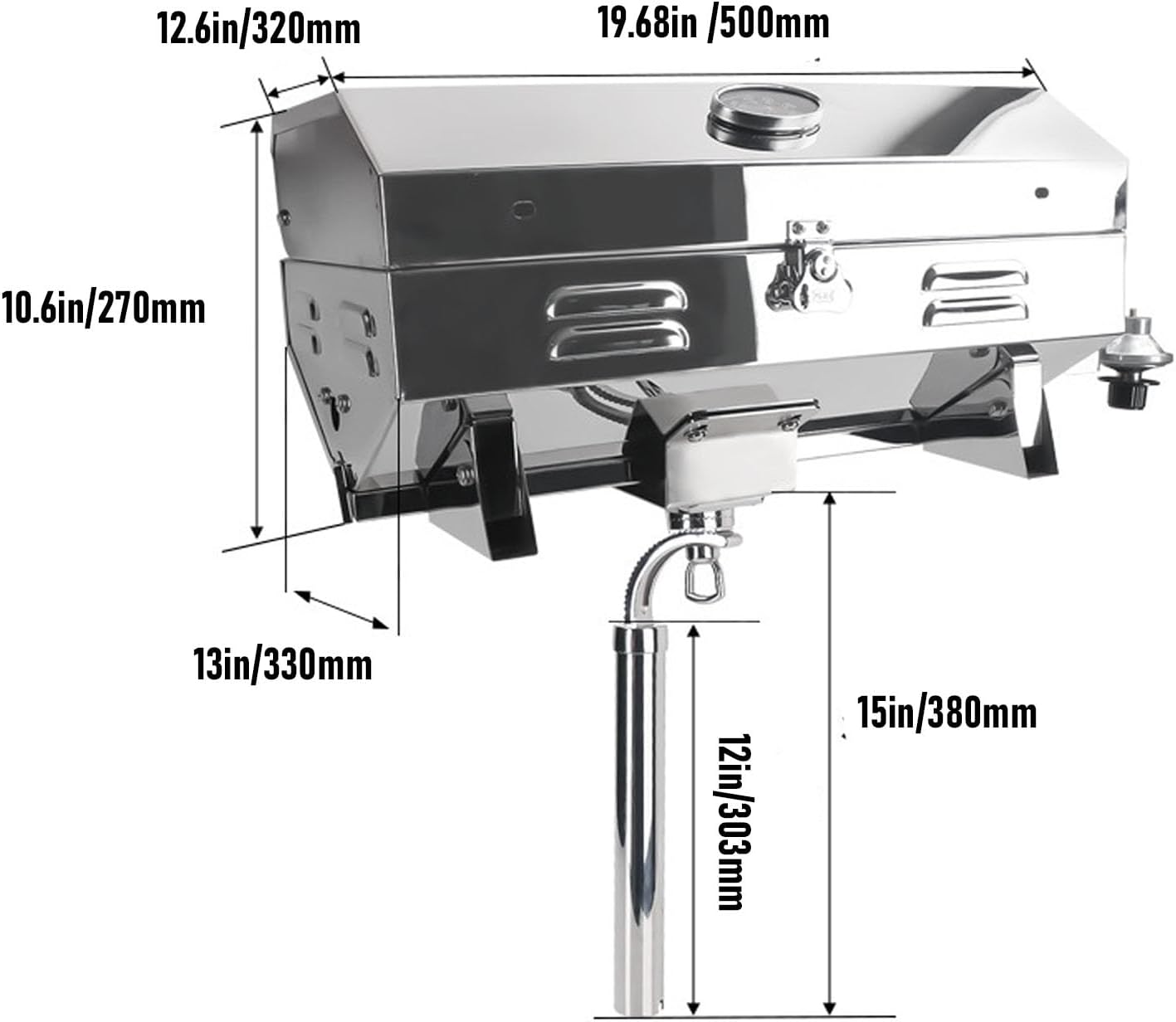
Key safety and design criteria for any marine grill
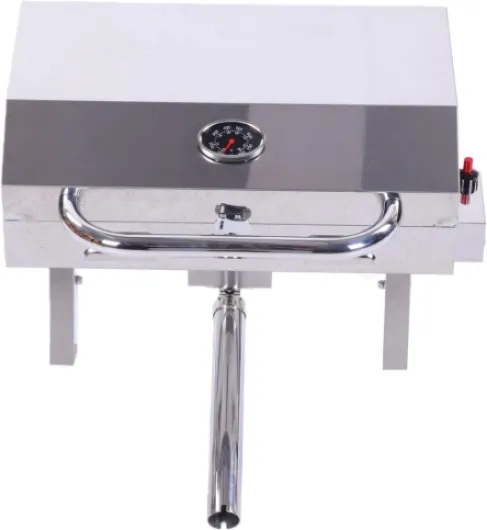
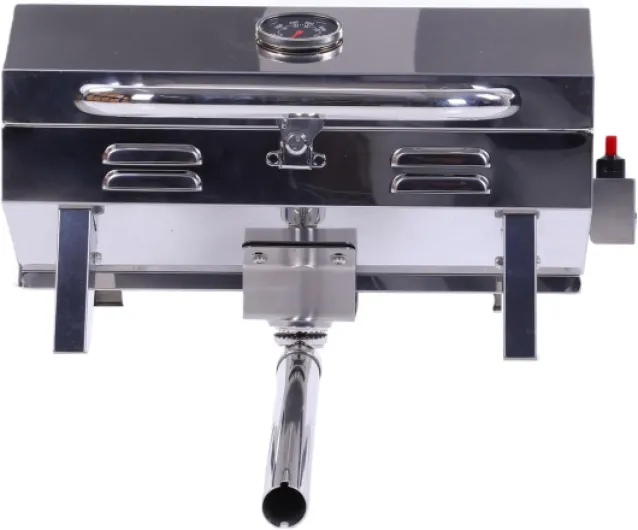
Safety comes first when you mount any gas grill or charcoal kettle on a yacht, because open flame and fibreglass never mix casually. A true marine grill uses locking brackets, a robust rod holder mount or rail clamps that are sold separately, so the grill cannot twist or detach when the boat rolls. Always position portable grills downwind of the cockpit, away from canvas and fuel vents, and never leave the lid open and unattended while grilling.
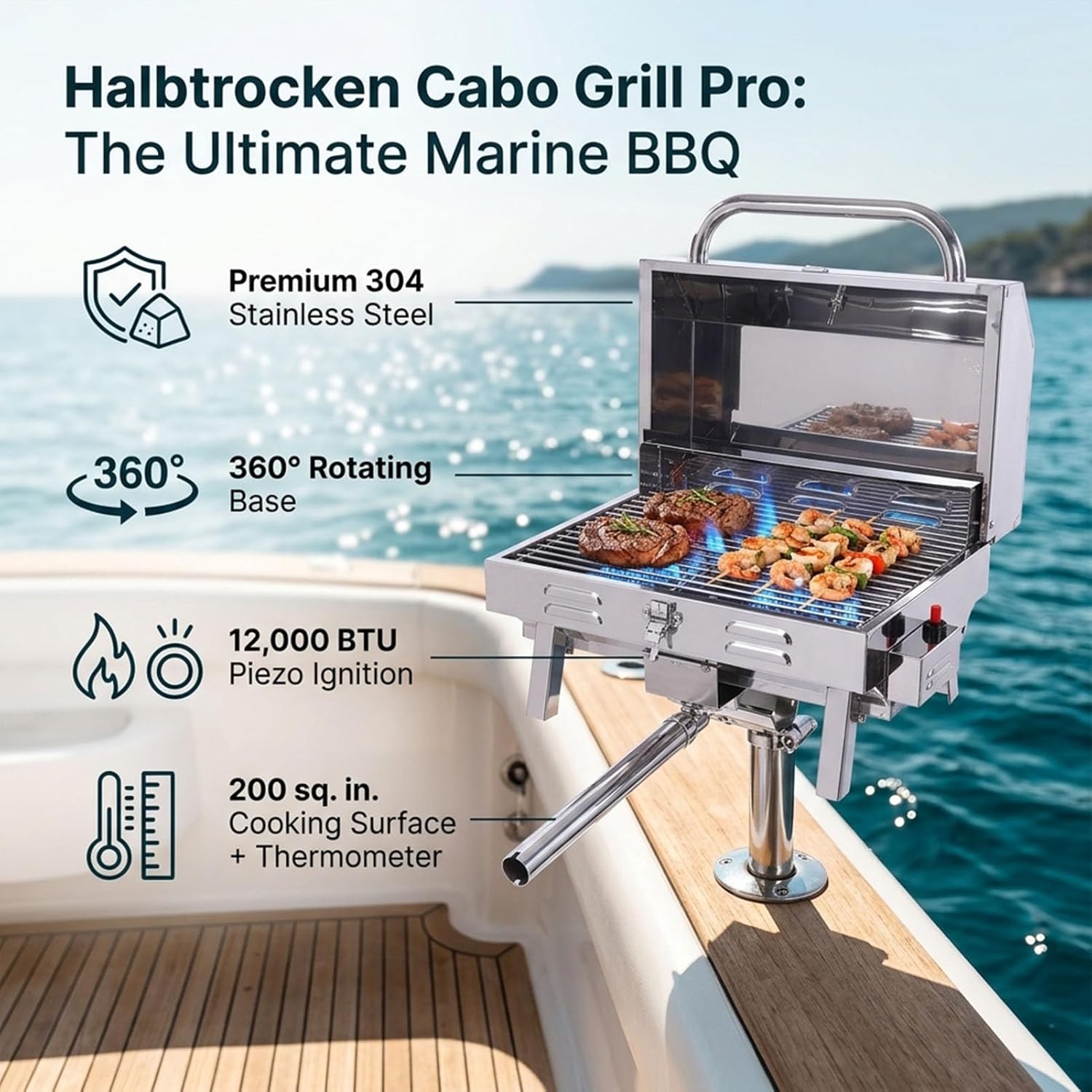
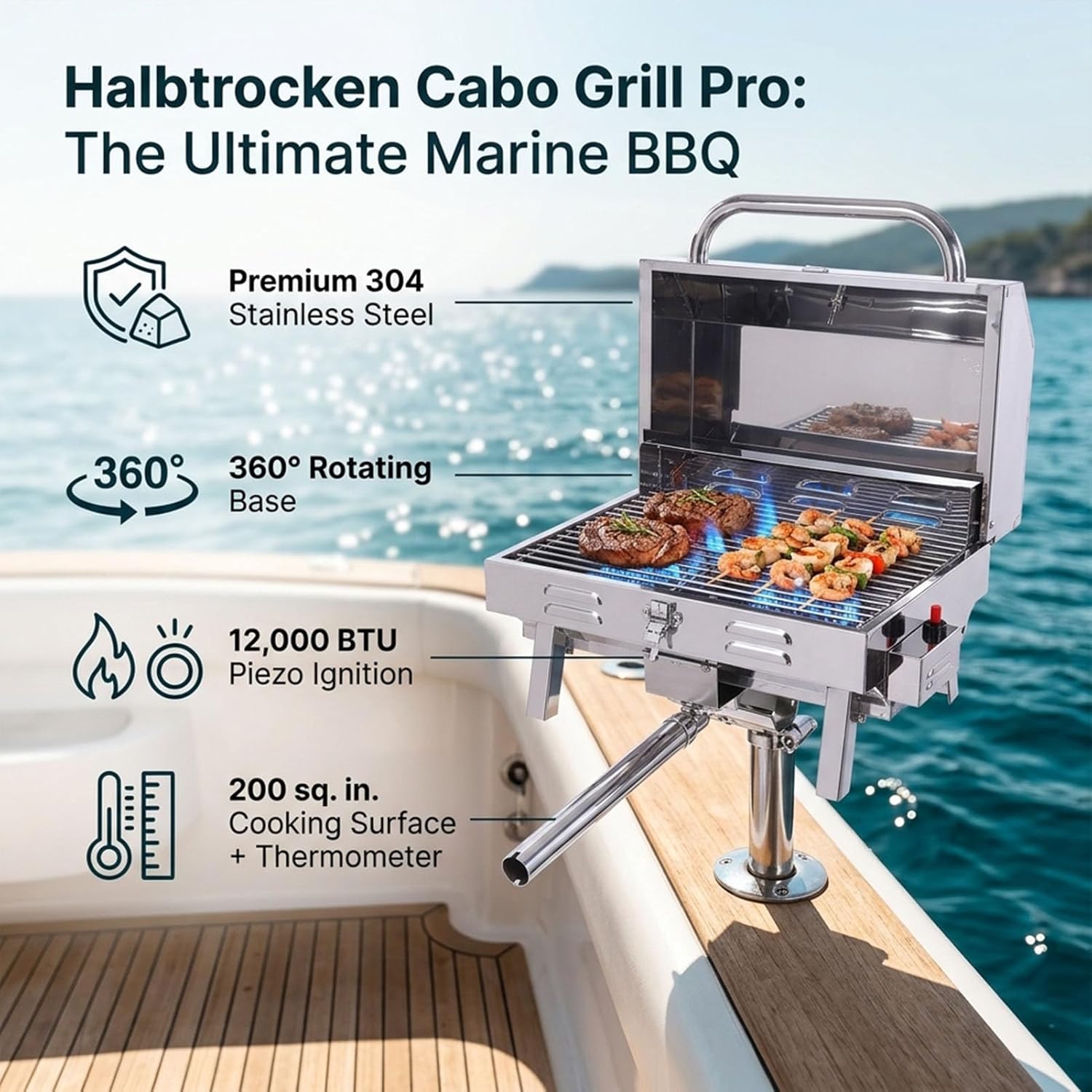
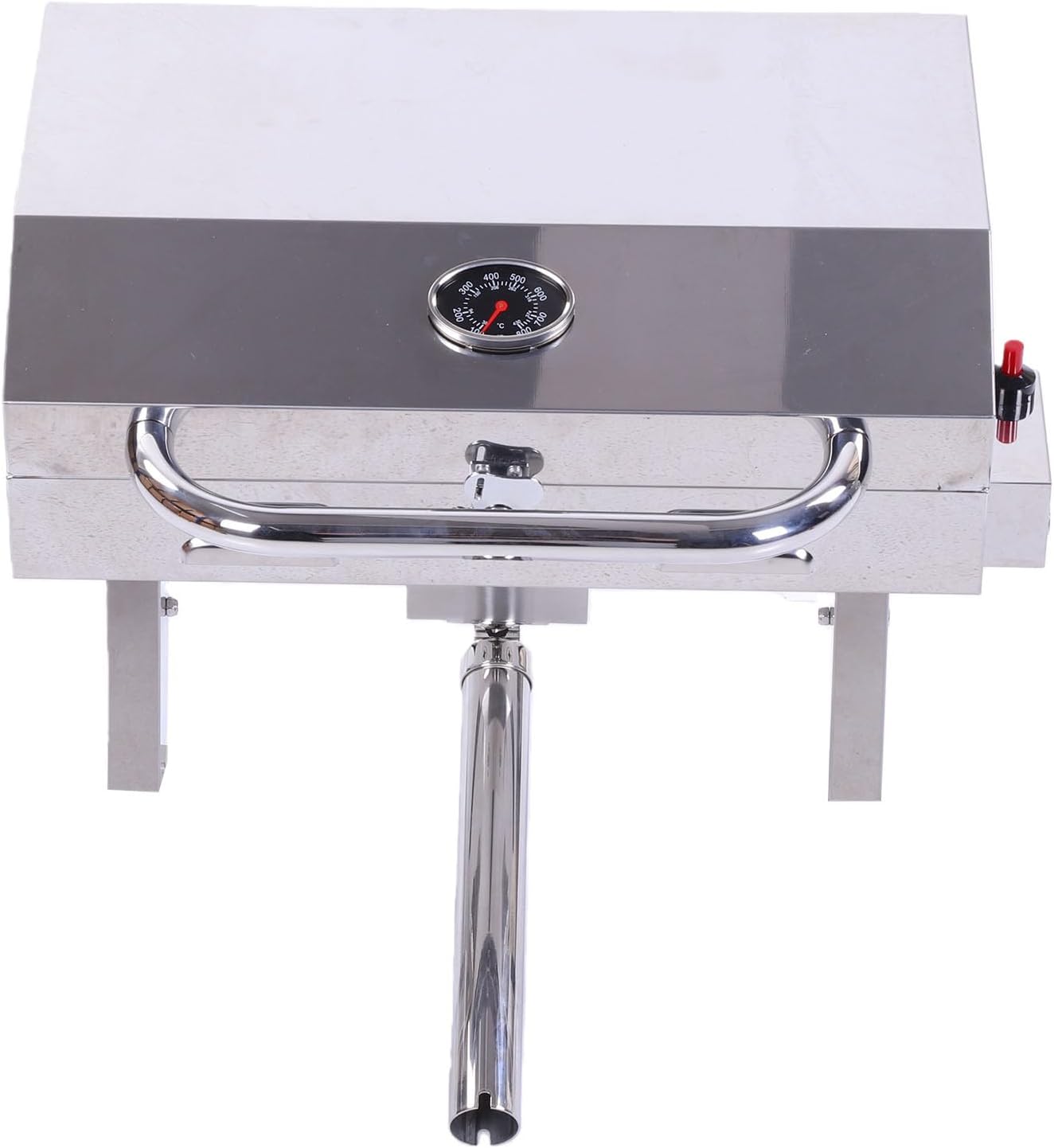
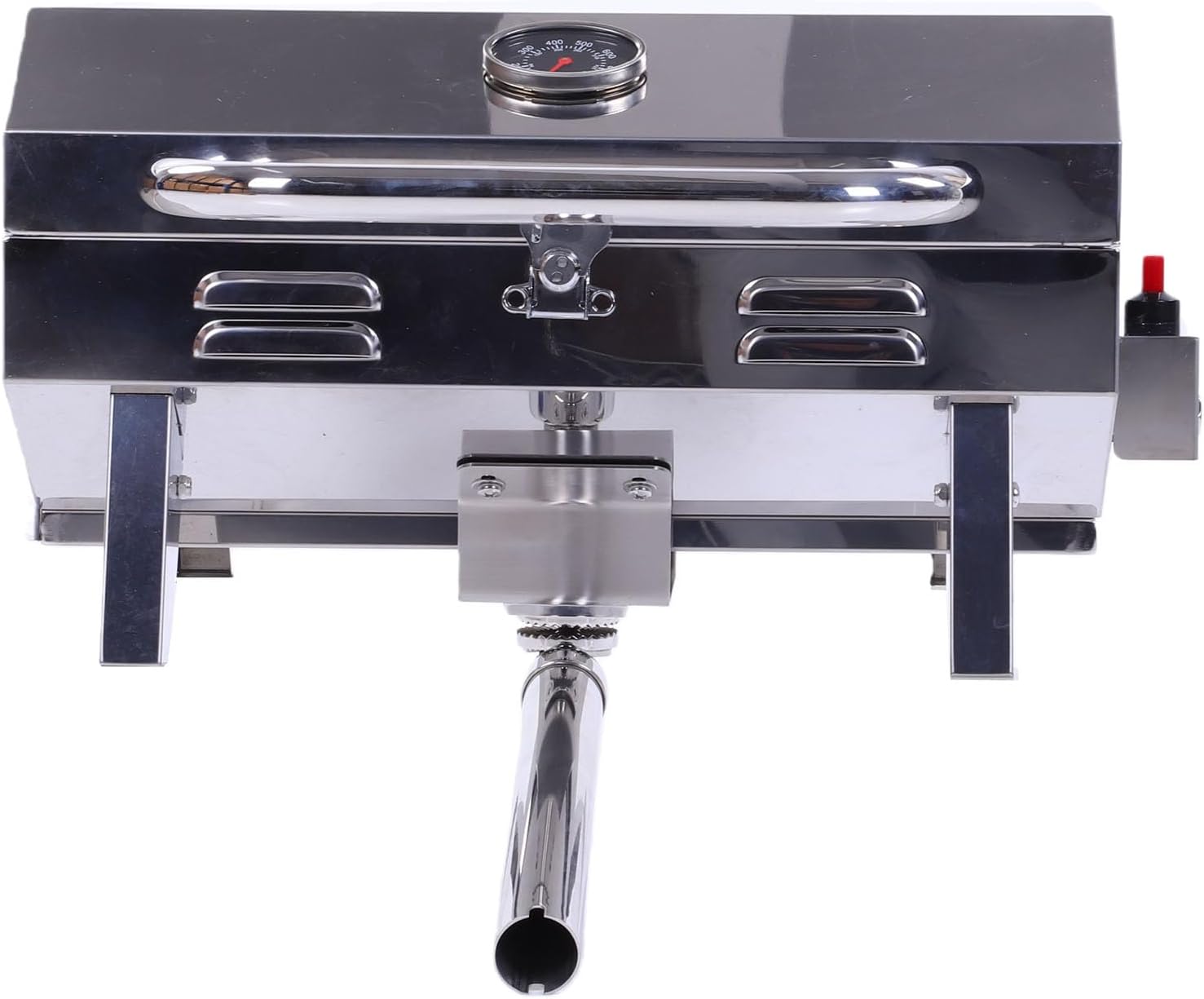
For gas models, choose propane cylinders sized for marine lockers and verify that every stainless steel fitting, hose and regulator is rated for a boat environment. A quality stainless steel marine grill will have a deep drip tray, a secure lid latch and a stable base that keeps the cooking surface level even when the boat moves. Charcoal grills for boats need a contained kettle or box design with tight air control, so embers stay inside the cooking area and heat can be choked quickly if wind rises.
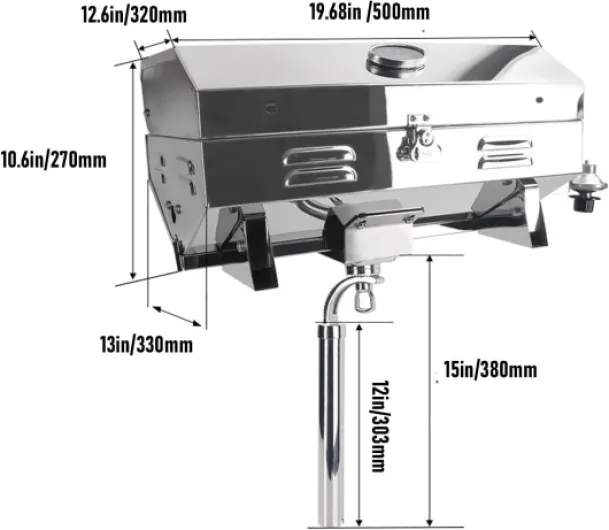
Look closely at the total grilling surface measured in square inches, because cramped grills encourage unsafe crowding of food and flare ups. The best boat portable grills spread heat evenly across the cooking surface, with wind baffling built into the lid and body to protect the flame. Before you check price details, confirm that the marine grills you shortlist meet ABYC guidelines and that any accessories sold separately, such as rod holder mounts, match your rail diameter and deck layout.
Materials, heat control and durability in saltwater conditions
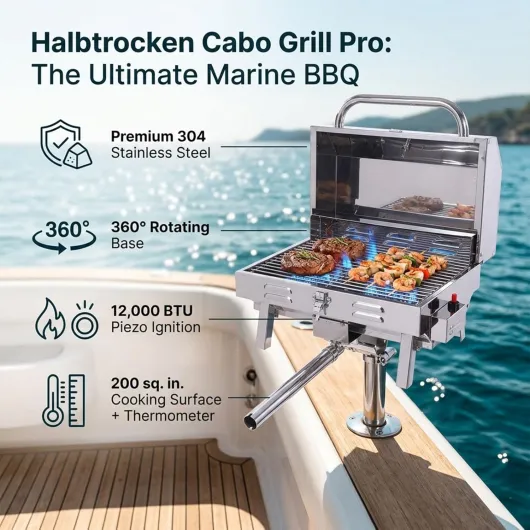
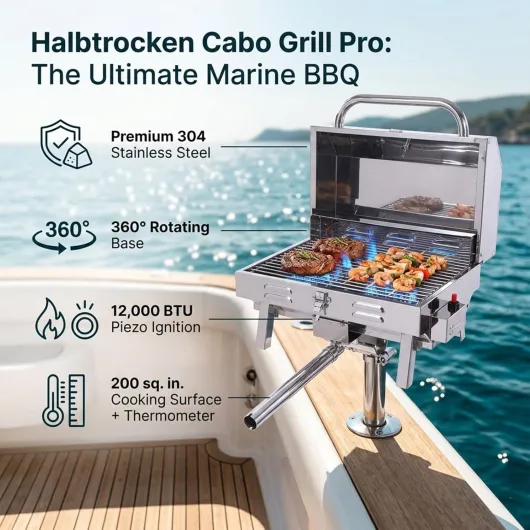
Material choice defines how long a portable grill will survive in a harsh marine climate, especially on yachts that cruise year round. High grade stainless steel is the benchmark for any serious marine grill, because cheaper coated steel grills quickly corrode when exposed to salt and UV. When you compare the best boat portable grills, look for double walled lids, cast stainless burners and hardware that resists both rust and heat distortion.
Heat control matters as much as raw power, since yacht cooking often involves delicate fish, vegetables and premium cuts of meat. A well designed gas grill should offer precise propane control, an even grilling surface and a lid tall enough for convection style cooking without scorching. Charcoal kettle grills reward patient cooks with superb flavour, but they demand careful management of vents, ash and surface area to keep temperatures stable on a moving boat.
Check how the cooking area is distributed, because a wide shallow grill behaves differently from a deeper compact model with similar square inches. The best boat grills for offshore passages often combine a smaller primary cooking surface with thicker steel grates that hold heat when wind gusts across the deck. When you plan longer cruises, pair your grill choice with reliable navigation gear such as a dedicated boat compass for navigation, so your yacht remains as safe underway as it is comfortable at anchor.
Comparing gas, charcoal and hybrid options for yacht owners
Every yacht chef eventually chooses between gas convenience and charcoal character when selecting the best boat portable grills for their cruising style. A propane powered gas grill lights instantly, offers predictable heat and suits quick weeknight cooking when you drop anchor late. Charcoal grills, especially compact kettle designs, reward slower weekends with richer flavour, but they require more planning, more storage and stricter ash management on board.
For many owners, the reasons buy a gas grill include clean operation, easy temperature control and compatibility with existing propane systems on the boat. The reasons avoid charcoal on some yachts centre on ember risk, storage of fuel and the challenge of cooling the grill fully before stowing it in a confined locker. Hybrid marine grills that accept both gas and charcoal exist, yet they often compromise on weight, surface area and simplicity, which matters when space is tight.
When you compare grills, look at the effective grilling surface rather than only the headline cooking area, because hot and cold spots waste fuel and frustrate cooks. A compact portable grill with a well designed lid can roast a whole fish more evenly than a larger flat grill with poor heat distribution. If you enjoy fishing from your yacht, consider pairing your chosen marine grill with a quality telescopic rod and reel kit from a specialist retailer, using a travel friendly set such as those reviewed in this test of fishing rod combos for travel and saltwater use.
Notable models, pricing dynamics and how to read specifications
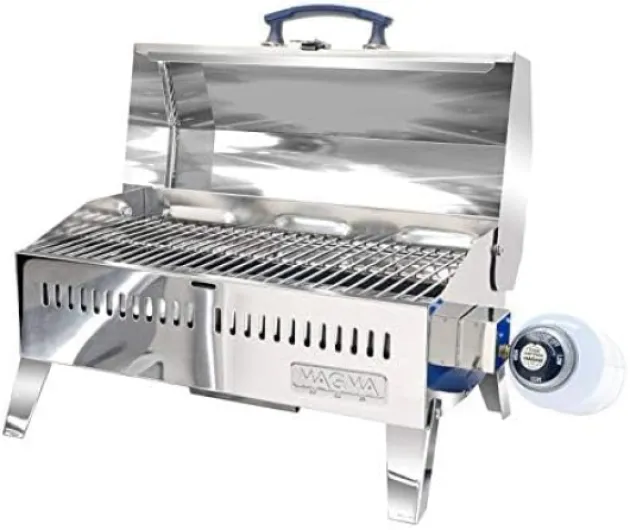
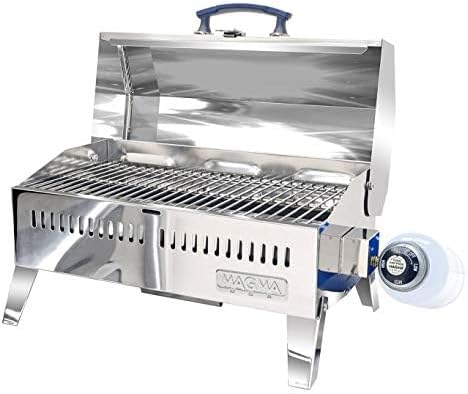
Among yacht owners, Magma has become almost synonymous with the best boat portable grills thanks to its focus on marine specific design. A typical Magma marine grill offers polished stainless steel construction, a locking lid and interchangeable mounts that fit rails, rod holders or deck plates sold separately. When you read specifications, pay attention to the stated cooking surface in square inches and compare it with the actual grilling surface not blocked by warming racks or side panels.
Compact gas models such as the Cuisinart CGG series appeal to smaller boat owners who want a portable grill that can move between yacht, beach and home terrace. These grills often trade some surface area for lighter weight, so you must balance the desire for the best boat performance with realistic guest numbers and storage limits. Before you check price details, confirm that the gas grill you choose uses standard propane canisters or integrates cleanly with the existing marine gas system on your yacht.
Online retailers such as Amazon list a wide range of boat grills, but you should treat every price Amazon displays as only one part of the decision. Look beyond the headline price and always check price against build quality, warranty terms and the availability of marine specific mounts that might be sold separately. For serious yacht use, a higher initial price for a robust stainless steel marine grill often delivers better long term value than replacing cheaper grills every few seasons.
Practical setup tips and maintenance routines for long term reliability
Once you have chosen one of the best boat portable grills, careful installation and maintenance will protect both your yacht and your investment. Mount the portable grill where the lid can open fully without hitting rails, canvas or antennas, and where smoke will not blow directly into the cockpit. Always test the gas connections with soapy water before the first grilling session and after any cylinder change, watching for bubbles that indicate leaks.
After each use, allow the grill to cool until only gentle residual heat remains, then wipe the cooking surface with a stainless safe brush and a damp cloth. Regular cleaning of the cooking area, drip tray and lid interior prevents grease build up, which can cause flare ups and uneven grilling surface temperatures. In a saltwater environment, rinse the exterior steel surfaces with fresh water, dry thoroughly and inspect hinges, handles and rod holder mounts for early signs of corrosion.
Store propane cylinders upright in ventilated lockers and keep charcoal in sealed containers to protect it from marine humidity. During longer layups, remove portable grills from exposed rails, cover them and lightly oil stainless steel components to extend their service life. Yacht owners who respect these routines find fewer reasons avoid on board grilling and many more reasons buy quality marine grills that become central to their best boat memories.
Key figures and market statistics for marine grills
- Industry analysts estimate that marine grill sales represent less than 5 % of the wider global grill market, yet this niche shows steady growth as yacht ownership expands in coastal regions (based on aggregated data from recreational marine equipment reports published between 2021 and 2023).
- Typical cooking surface sizes for popular boat grills range from about 130 to 320 square inches, which comfortably serves two to six guests without overwhelming limited cockpit space (figures compiled from manufacturer specification sheets for leading marine grill brands).
- Stainless steel construction dominates the premium segment, with surveys of marina chandlers indicating that more than 70 % of grills sold for yachts use marine grade stainless steel for primary structures (informal trade surveys reported in regional boating industry newsletters).
- Gas powered models account for a clear majority of marine grill sales, with some retail data suggesting that propane grills outsell charcoal and hybrid options by a ratio of roughly three to one in major boating markets (derived from anonymised sales summaries shared by large marine retailers).
- Online platforms such as Amazon have increased the visibility of specialist brands, and some marine grill manufacturers report that more than half of their retail volume now flows through e commerce channels rather than traditional chandlers (self reported figures from company press releases and investor updates).